

Why Is Sourdough Bread Good For You? A Healthier Bread Choice?
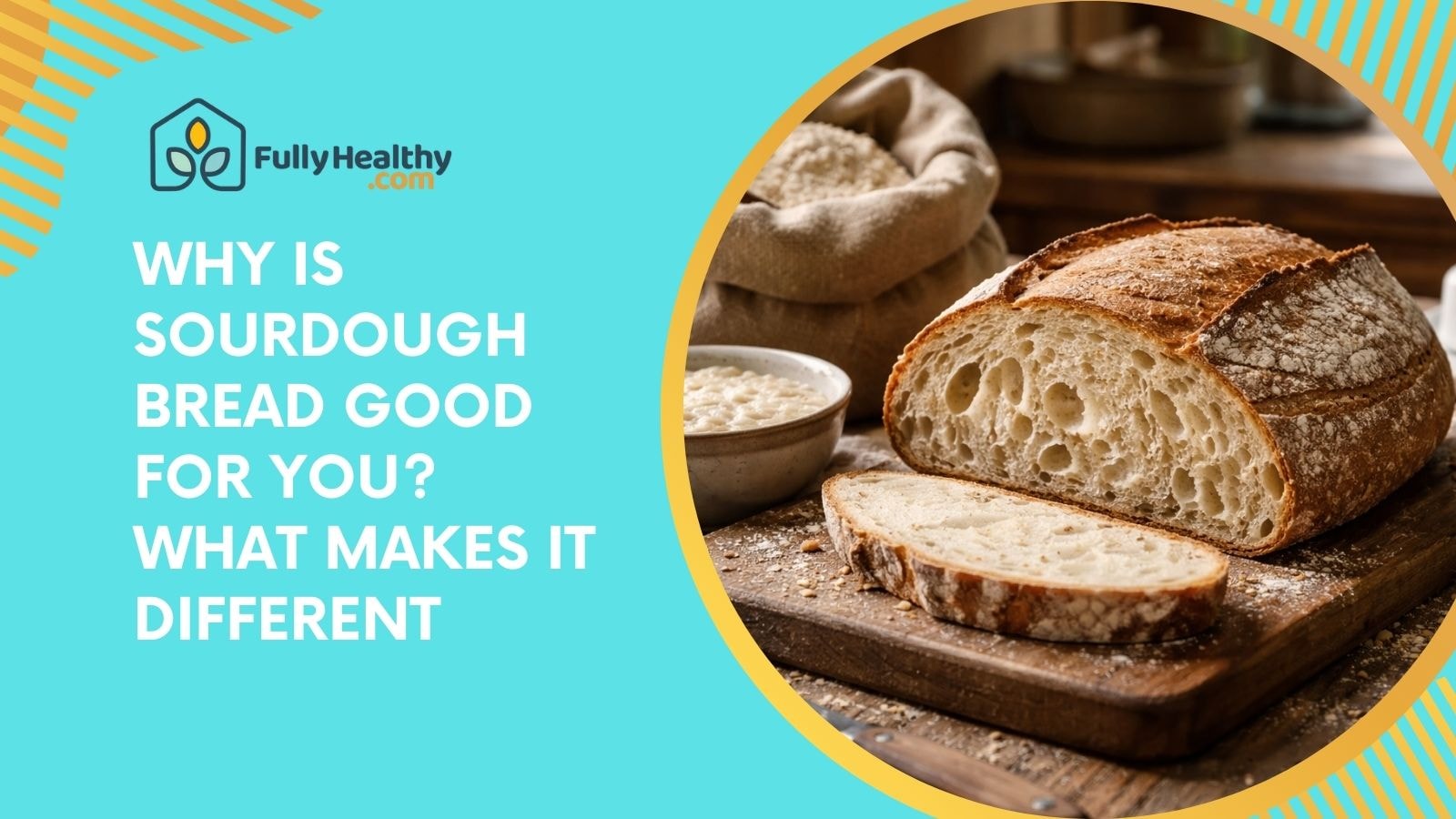
Why is sourdough bread good for you? Some people like it better than regular white bread because it is easier to digest. The process of natural fermentation process can lower the glycemic index of the bread and help your body absorb more minerals.
Whole-grain sourdough also has important nutrients and fiber. This article will tell you about its pros and cons, as well as who should eat it.
Featured Pantry Pick
Base Culture // Gluten Free Sourdough Bread - 16 oz
Loading...
Why Is Sourdough Bread Good For You?

Sourdough is a traditional leavened bread. People have been making sourdough bread for a long time. It rises naturally because it uses wild yeast and lactic acid bacteria instead of commercial yeast or baker's yeast. This slow way of making bread changes the way the body breaks down wheat bread.
Sourdough bread is eaten by a lot of people because it may help with digestion, nutrient absorption, and keeping blood sugar levels steady. White bread is generally considered less nutritious than whole-grain breads due to lower fiber and micronutrient content.
How The Sourdough Process Improves Nutrition
If you mix flour and water, good bacteria and yeast will grow. This is called a sourdough starter or sourdough culture. Bacteria make lactic acid and acetic acid during prolonged fermentation.
These natural acids give the loaf its sour flavor and improve its texture and flavor. In the fields of food science and food microbiology, this slow fermentation is known to lower phytic acid, which is an anti-nutrient that can stop minerals from being absorbed.
-
Breaks Down Phytic Acid: The sourdough process lowers phytic acid in wheat and whole wheat flour, helping the body absorb more minerals.
-
Increases Soluble Magnesium: Fermentation may improve magnesium bioavailability by reducing phytic acid, though it does not increase total magnesium content.
-
Supports Beneficial Bacteria: Lactic acid bacteria partially degrade gluten proteins during fermentation, but gluten remains present.
-
Boosts Antioxidant Benefits: Whole wheat sourdough made from whole grain flour may offer stronger antioxidant benefits.
Sourdough bread may feel lighter on the stomach than white flour bread because of these changes.
Why It May Be Easier On Digestion
It takes a while to make sourdough bread. The slow fermentation changes the dough and gets rid of some chemicals that can make you feel bad. The bacteria break down oligosaccharides found in wheat that may lead to bloating.
The bacteria break them down. This is not gluten-free, but it may help some people digest food better.
-
Partial Gluten Breakdown: The sourdough process changes protein gluten but does not remove gluten completely.
-
Better For Some With Gluten Sensitivity: Some people with mild gluten intolerance or who are gluten intolerant find it easier to digest, but it is unsafe for those with celiac disease.
-
Fewer Additives: Traditional sourdough often contains fewer additives than some packaged breads.
Anyone with celiac disease should avoid any loaf made from wheat flour.
Is Sourdough Bread The Healthiest Bread?

There are different ways to make bread. White sourdough bread made with white flour is not at all like whole wheat sourdough bread made with whole grain flour. It depends on what's in the bread and your health goals to tell if it's the healthiest.
Lower Glycemic Index And Blood Sugar Control
Sourdough bread may have a lower glycemic index than some commercially yeasted white breads, depending on ingredients and fermentation time. Carbs with a lower glycemic index are broken down more slowly, which helps keep blood sugar levels in check. People who have blood sugar issues may find this helpful.
-
Slower Sugar Release: Natural acids slow digestion and reduce sudden blood sugar spikes.
-
Better Than Regular White Bread: It often has a lower glycemic index than bread made with commercial yeast.
-
Provides Good Fuel: Sourdough bread fuels the body as good fuel when paired with protein and fiber.
Still, eating a lot can make your blood sugar go up.
Whole Wheat Vs White Sourdough
Since they use the whole wheat kernel, whole wheat bread and sourdough keep more of the goodness of wheat. When white flour is used to make sourdough bread, fiber and some minerals are lost during the process.
-
More Fiber And Minerals: Whole wheat options offer more minerals and support mineral absorption.
-
Refined Flour Has Limits: White flour removes important nutrients found in whole wheat.
-
Healthier Alternative Choice: Choosing whole wheat sourdough is a healthier alternative to refined wheat bread.
When buying sourdough, look for simple ingredients like flour, water, salt, and a sourdough starter.
Is It Good To Eat Sourdough Bread Daily?

A lot of people eat sourdough as part of a healthy diet. In small amounts, it can be a part of everyday meals. Picking good ingredients and watching how much you eat are the most important things.
Daily Intake And Blood Sugar Stability
When eaten with healthy foods, sourdough may help keep blood sugar in check. Blood sugar levels don't change too quickly when you eat it with protein and healthy fats.
-
Build A Balanced Plate: Combine your loaf with eggs, beans, or yogurt for steady energy.
-
Helps Reduce Spikes: The lower glycemic index may lower the risk of blood sugar spikes.
-
Supports Good Bacteria: While fermentation produces beneficial compounds, most live bacteria are destroyed during baking, so sourdough is not a significant source of probiotics.
Being steady like this makes it a good source of energy.
Who Should Be Careful
Because it is made from wheat and flour, sourdough still has gluten in it. Not everyone should be able to eat sourdough.
-
Avoid With Celiac Disease: People with celiac disease must avoid all wheat-based bread.
-
Be Cautious With Gluten Sensitivity: Those with gluten sensitivity should speak with a healthcare provider.
-
Watch Portions: Even healthy bread can affect blood sugar levels if overeaten.
If you make your own sourdough or buy good whole wheat bread, it can be a smart and healthy addition to your diet.
Is Sourdough Bread Good For Kidney Patients?
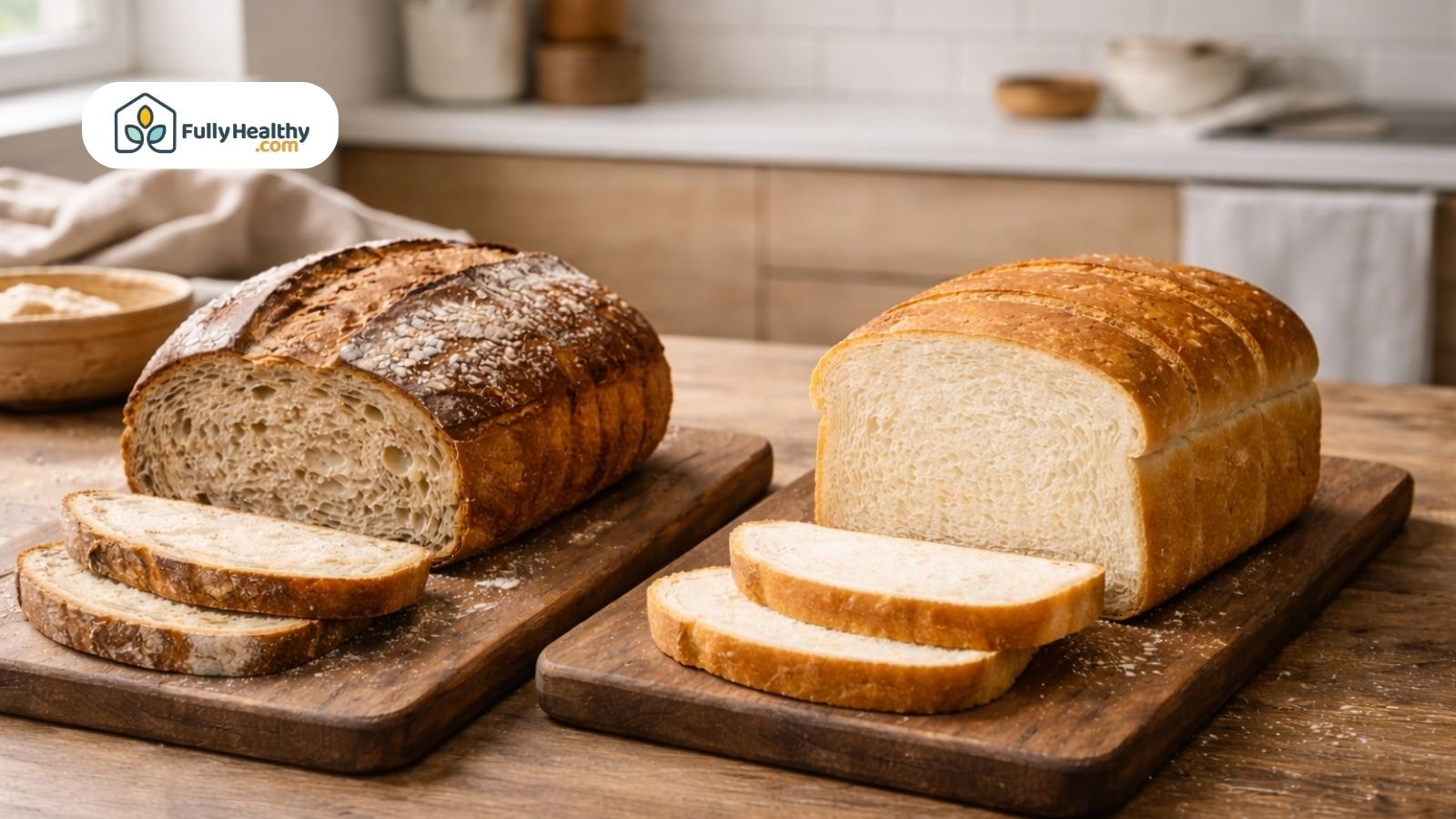
Minerals like sodium, potassium, and phosphorus need to be watched by people who have kidney disease. These levels can be changed by bread, especially if it has preservatives or phosphates added to it.
Sourdough isn't always good for your kidneys, but traditional loaves made with simple ingredients might be better than highly processed breads that are higher in sugar and sodium. Reading labels and being careful with portion sizes are very important.
Sodium, Phosphorus, And Label Reading For Renal Diets
There are often hidden ingredients in packaged breads that can be hard on the kidneys. Phosphorus supplements are easier to absorb than phosphorus that comes from food. This means that reading labels is very important for people with kidney disease.
-
Check Sodium Levels: Choose bread with lower sodium per slice to help manage fluid balance and blood pressure.
-
Avoid Phosphate Additives: Look for ingredients with “phos” in the name, which may increase phosphorus levels quickly.
-
Limit Highly Processed Bread: Processed products often contain preservatives and extra minerals that are not kidney-friendly.
If you want a plan that fits your lab results, you should always listen to what a nephrologist or registered dietitian says.
Can Sourdough Fit Into A Kidney-Friendly Eating Plan
It may be okay for some people to eat small amounts of traditional sourdough, which is made from flour, water, and salt. You can't treat it, but it can be a part of a well-rounded plan sometimes.
-
Choose Simple Ingredients: Select loaves with minimal additives and no phosphate preservatives.
-
Control Portion Size: Stick to recommended serving sizes to avoid excess mineral intake.
-
Track Lab Results: Regular blood tests help determine whether certain breads are safe for you.
Different stages of kidney disease require different dietary changes, so it's important to talk to your doctor first.
What Does Fully Healthy Offer For People Looking For Healthier Bread Options?
Fully Healthy is an online store that sells special foods for people who have to follow certain diets. It has foods for people who follow the Paleo, Autoimmune Protocol, gluten-free, and grain-free diets.
People who are looking for alternatives to regular wheat bread can find options on the site that are tailored to their needs. Even though it's a business platform, it promotes products that claim to have healthier ingredients and possible health benefits.
How FullyHealthy Supports Gluten-Free And Allergen-Friendly Diets
A lot of people use this site to find breads and mixes that are healthy or fit with how they live. A lot of people use this site to find breads and mixes that work with their health or lifestyle. People who can't handle regular bread products may find this helpful.
-
Gluten-Free Products: Offers breadand baking mixes labeled gluten-free for those avoiding gluten.
-
Allergen-Conscious Choices: Many items are free from common allergens such as soy and dairy.
-
Specialty Diet Options: Includes products suitable for Paleo and AIP eating plans.
People who want something different from traditional sourdough can choose from these options.
Bread And Sourdough-Style Products Available On Fully Healthy
There are many bread-related items on the website, such as pre-made loaves and baking mixes. Some items are made in the style of sourdough but don't use wheat, which may appeal to some shoppers.
-
Ready-To-Buy Loaves: Offers packaged breads for convenience.
-
Baking Mixes: Provides home baking options for people who prefer to prepare bread themselves.
-
Alternative Flour Blends: Some alternative flours may produce different glycemic responses compared to refined wheat flour, depending on their composition.
Before you buy something, look at the nutrition facts and ingredient lists to make sure it fits with your health goals.
Final Thoughts
Sourdough fermentation may improve mineral bioavailability and may contribute to a lower glycemic response compared to some refined breads, depending on formulation. Whole-grain breads generally produce a more moderate glycemic response compared to refined breads, though they still raise blood glucose.
Instead of refined breads with a higher glycemic index, whole wheat sourdough made with whole grain flour is a better choice. Sourdough bread isn't gluten-free and shouldn't be eaten by people with celiac disease, but a lot of people eat it for easier digestion and keep their energy up.
FAQs
Can Hashimoto’s Eat Sourdough Bread?
People with Hashimoto’s may eat sourdough bread if they tolerate gluten, but it is not gluten free and should be avoided with celiac disease or severe gluten intolerance.
What Are The Downsides To Sourdough Bread?
Sourdough still contains gluten and carbs, and even with a lower glycemic index, consuming sourdough in large amounts can raise blood sugar levels.
What Is The #1 Healthiest Bread?
Whole wheat sourdough may provide more fiber, minerals, and phytochemicals than refined bread and may contribute to a more moderate glycemic response.
When Should You Not Eat Sourdough Bread?
Do not eat sourdough bread if you have celiac disease or strong gluten sensitivity, since the sourdough process does not remove gluten.
Is Sourdough High In Carbs?
Yes, sourdough bread fuels the body with carbs from flour and dough, but it may have a lower glycemic index than other breads made with commercial yeast.
Leave a comment