

What Is Sourdough Starter? Simple Guide for Bakers
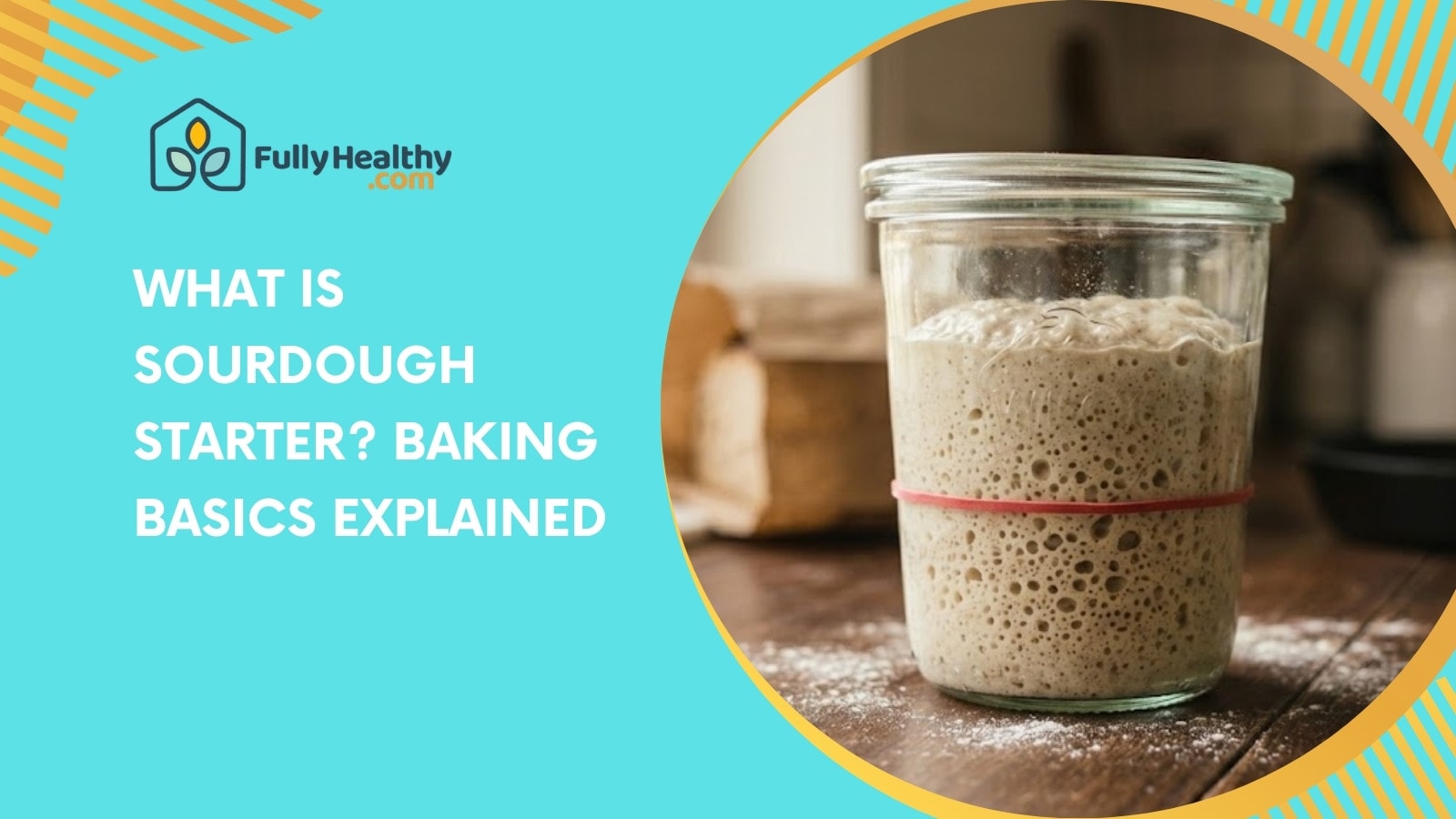
What is sourdough starter? It's just flour and water mixed together to get wild yeast and good bacteria from the air. This living culture ferments over time, making bubbles that help the bread rise and give it a sour taste.
It's a natural ecosystem, not commercial yeast. You will learn how it works, why it's important, and how long it can last in this guide.
Featured Bakery Pick
Base Culture // Gluten Free Sourdough Bread - 16 oz
Loading...
What Is Sourdough Starter?
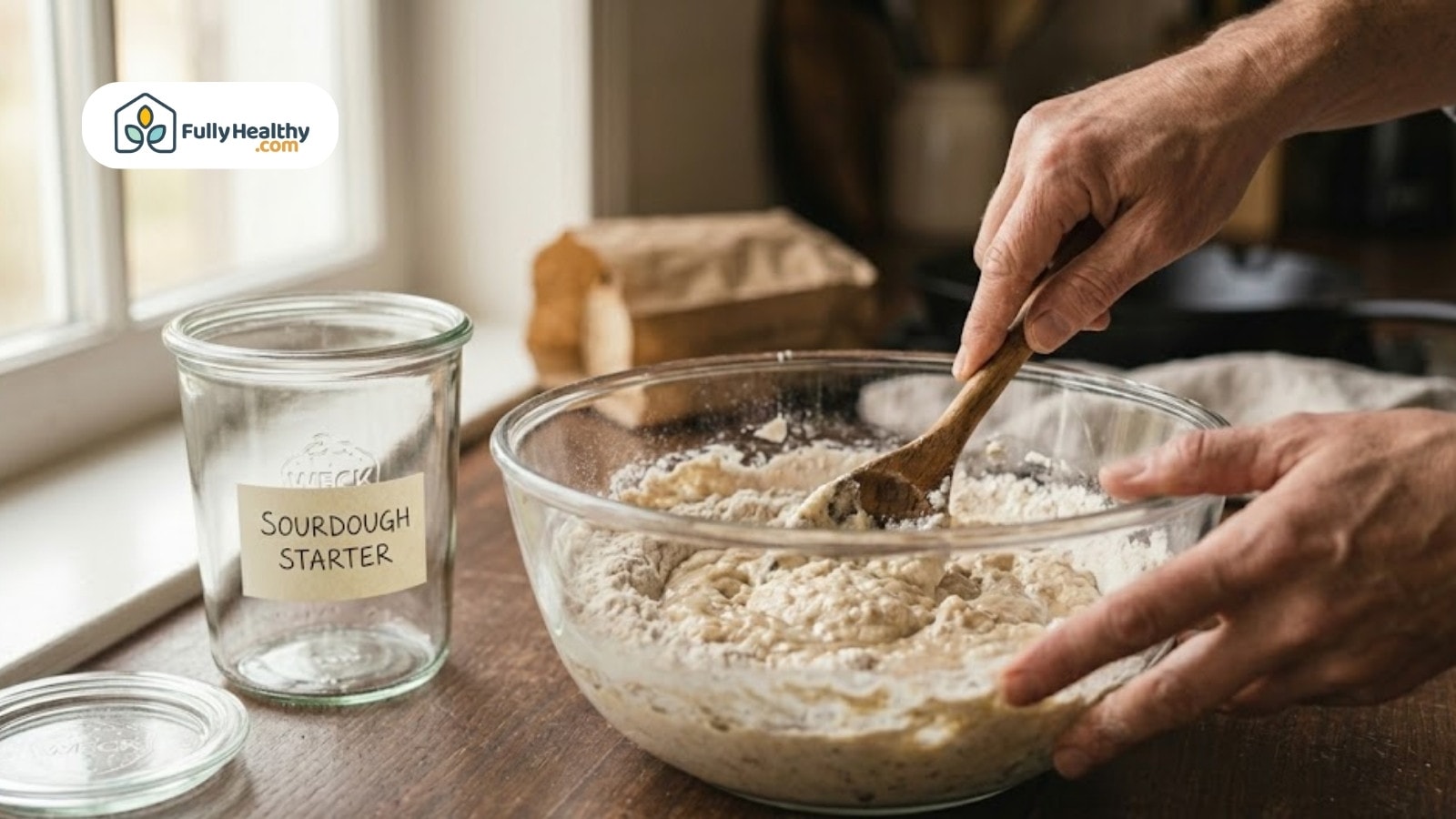
Sourdough starter is a simple mix of flour and water that turns into a living culture. Over time, wild yeast and lactic acid bacteria grow inside this flour mixture. This natural fermentation process creates the rise and flavor in sourdough bread. If you want to bake bread at home, learning to care for your own sourdough starter is the first step in your sourdough journey.
What Is Sourdough Starter? Direct Definition
You can make sourdough starter by putting fresh flour and water in a clean jar and letting them sit for a while. There are good bacteria and yeast that feed on the sugars in the flour. They make bubbles and mild acids as they grow, which change the taste and texture.
-
Main Purpose: It replaces commercial yeast in sourdough baking and helps bread dough rise naturally.
-
Key Microbes: Wild yeast creates gas, while lactic acid bacteria add flavor and balance.
-
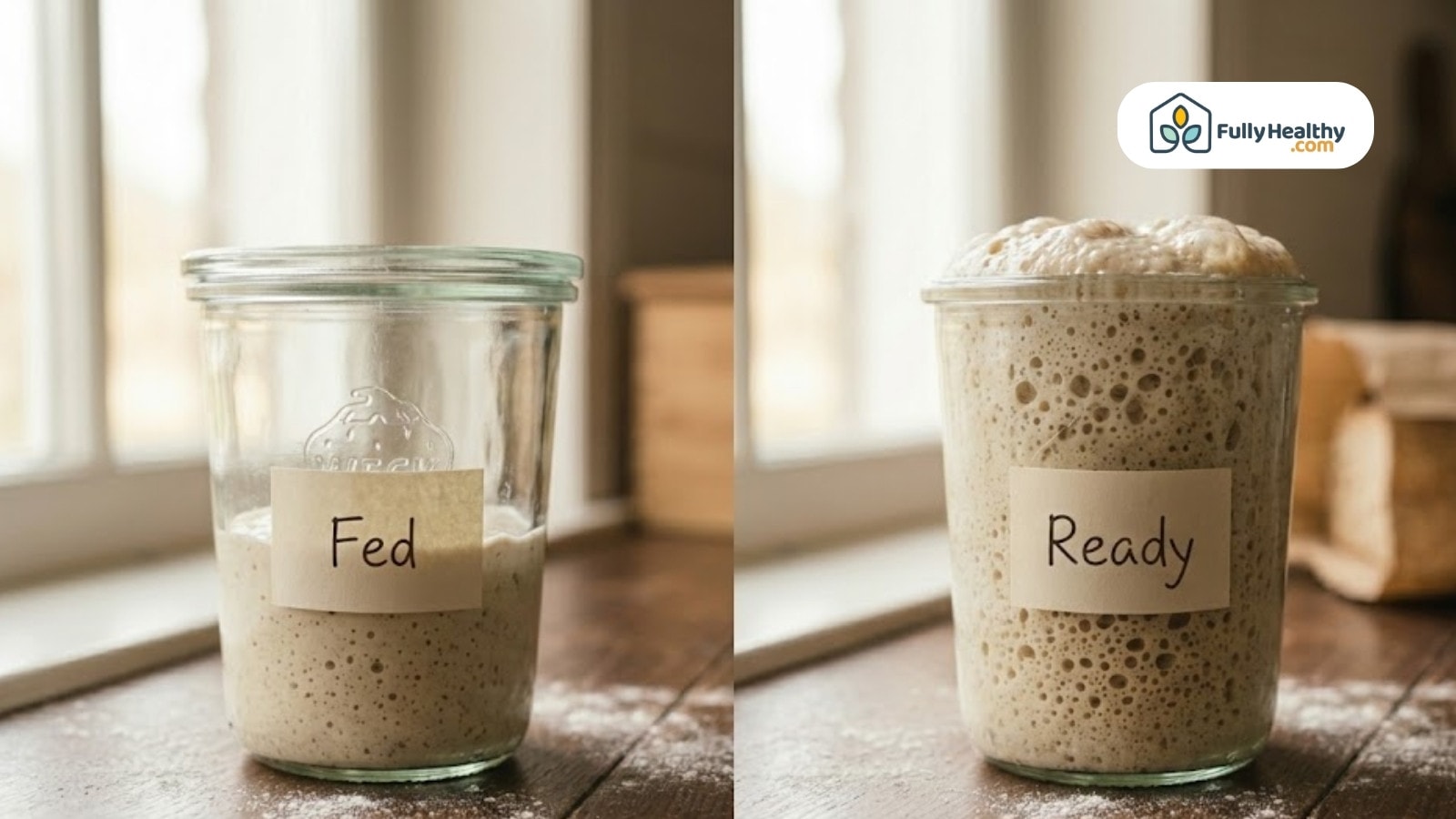
Visual Sign: A bubbly starter with steady rise shows healthy activity.
-
Flavor Result: The acids create the tang found in traditional sourdough loaves.
You can begin with ap flour, bread flour, wheat flour, whole wheat flour, rye flour, or grain rye flour. Many bakers prefer whole grain flour at the start because it supports faster starter's growth due to higher nutrients.
How Does A Sourdough Starter Actually Work?
Putting the jar somewhere warm after mixing the flour and water starts the fermentation process. Naturally occurring microbes grow in a warm room temperature. Within days, the mixture turns into an active sourdough starter. Regular feeding builds a healthy starter that can last for years of sourdough baking.
-
Feeding Routine: Discard half of the mixture before you add fresh flour and water to keep balance.
-
Flour Options: You can mix flour types to build a more robust sourdough starter.
-
Readiness Test: When the starter floats in water, it often signals a strong active starter.
-
Ongoing Care: Add fresh flour daily to maintain a healthy sourdough starter.
Is Sourdough Starter Just Yeast?
Many people assume sourdough starter is just flour and yeast. In truth, it is more complex. It contains yeast and good bacteria working together. This natural balance makes it different from fast-acting commercial yeast used in basic bread dough.
What Makes Sourdough Starter Different From Commercial Yeast?
Commercial yeast is a single strain designed for speed. Your own starter is a living system. Yeast and bacteria support each other during fermentation. Because of this balance, many people choose a healthy starter for their sourdough recipes.
-
Flavor Depth: Lactic acid bacteria produce acids that create richer taste.
-
Natural Balance: Yeast and bacteria form a stable ecosystem over time.
-
Stronger Structure: Slow fermentation can improve bread dough texture.
-
Traditional Method: This process has helped bakers bake bread for centuries.
Why Does Sourdough Ferment More Slowly?
Sourdough ferments slowly because the microbes grow at a natural pace. Time allows enzymes to break down starches and proteins in the flour. This slow action shapes both flavor and texture. This slower process is why sourdough baking produces distinct sourdough loaves.
-
Planning Ahead: Always review recipe instructions before mixing bread dough.
-
Measuring Tip: Know how much starter your sourdough starter recipe requires.
-
Activity Check: An active starter usually doubles in size in a warm spot.
-
Strength Sign: A bubbly starter with consistent rise shows it is ready to bake bread.
Is Sourdough Starter Healthy For You?
A healthy sourdough starter changes the flour before baking. During fermentation, microbes break down certain compounds found in wheat flour and whole wheat flour. These changes may affect digestion and nutrient use.
How Sourdough Fermentation Affects Digestion
As the flour mixture ferments, yeast and bacteria transform parts of the grain. This can improve how some people tolerate sourdough bread. These changes happen before baking, during the active fermentation stage.
-
Sugar Reduction: Fermentation may lower certain fermentable sugars.
-
Protein Changes: The process can modify gluten structure in bread flour and wheat flour.
-
Mineral Access: Fermentation may reduce phytic acid in whole grain flour.
-
Microbial Action: Lactic acid bacteria produce helpful compounds during growth.
Does Sourdough Have A Lower Glycemic Index?
Some research shows sourdough bread may create a lower blood sugar response than bread made with commercial yeast. Organic acids formed during fermentation may slow starch digestion.
-
Acid Effect: Natural acids can slow how quickly sugar enters the bloodstream.
-
Texture Influence: Denser sourdough loaves may digest more slowly.
-
Smart Baking: Use quality flour and maintain a healthy sourdough starter.
-
Extra Use: Save sourdough discard for pancakes or other sourdough recipes.
How Long Does Sourdough Starter Last?
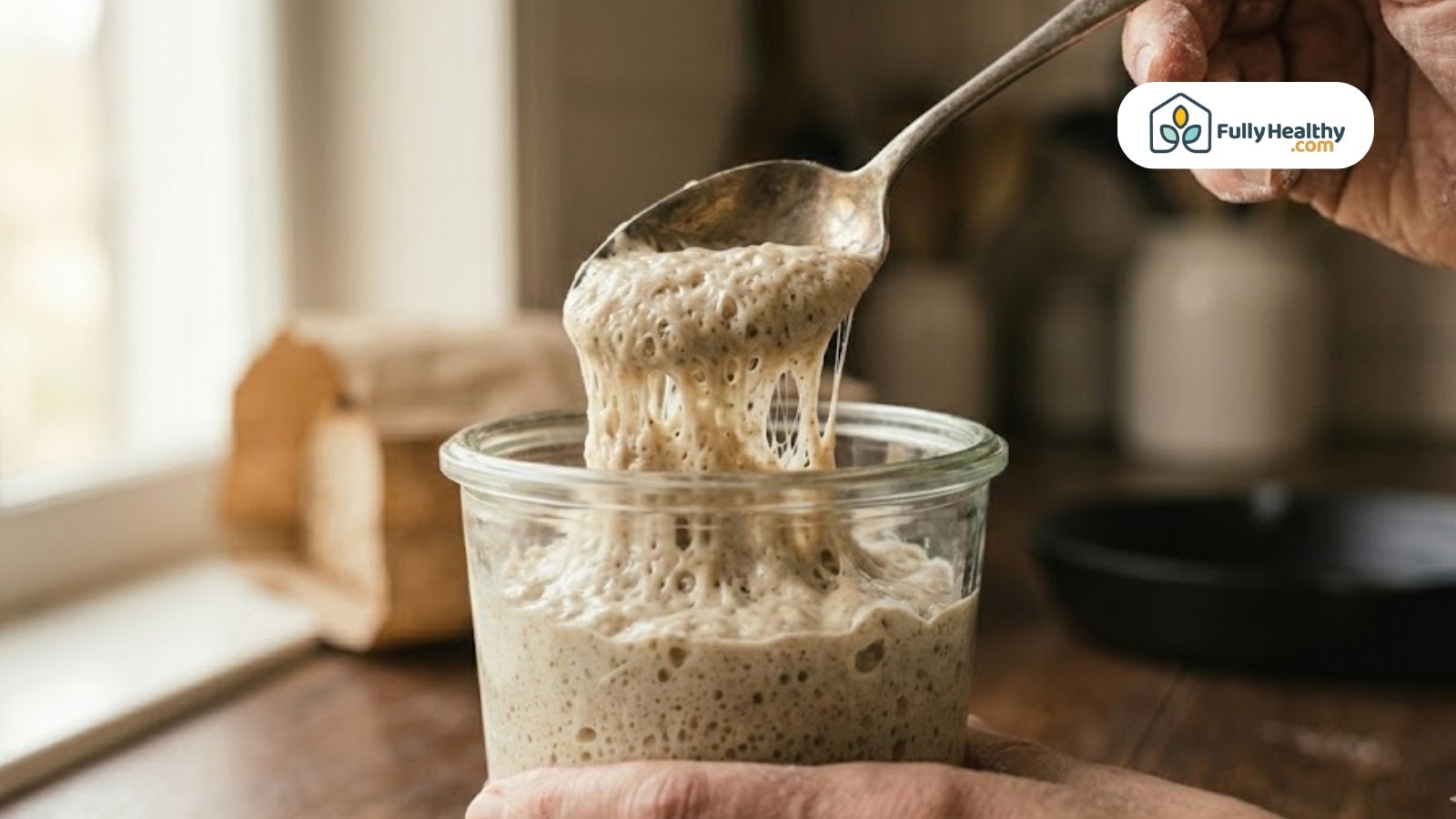
A sourdough starter can last for many years if you care for it well. The key is a steady feeding process and the right storage method. Keep it at the desired temperature and follow a simple routine. When your starter is ready, you can start baking whenever you like.
Can A Sourdough Starter Really Last Forever?
Yes, it can last indefinitely with regular care. You just need to feed your starter on time and watch how it grows. Small changes in routine can affect strength, so consistency matters.
-
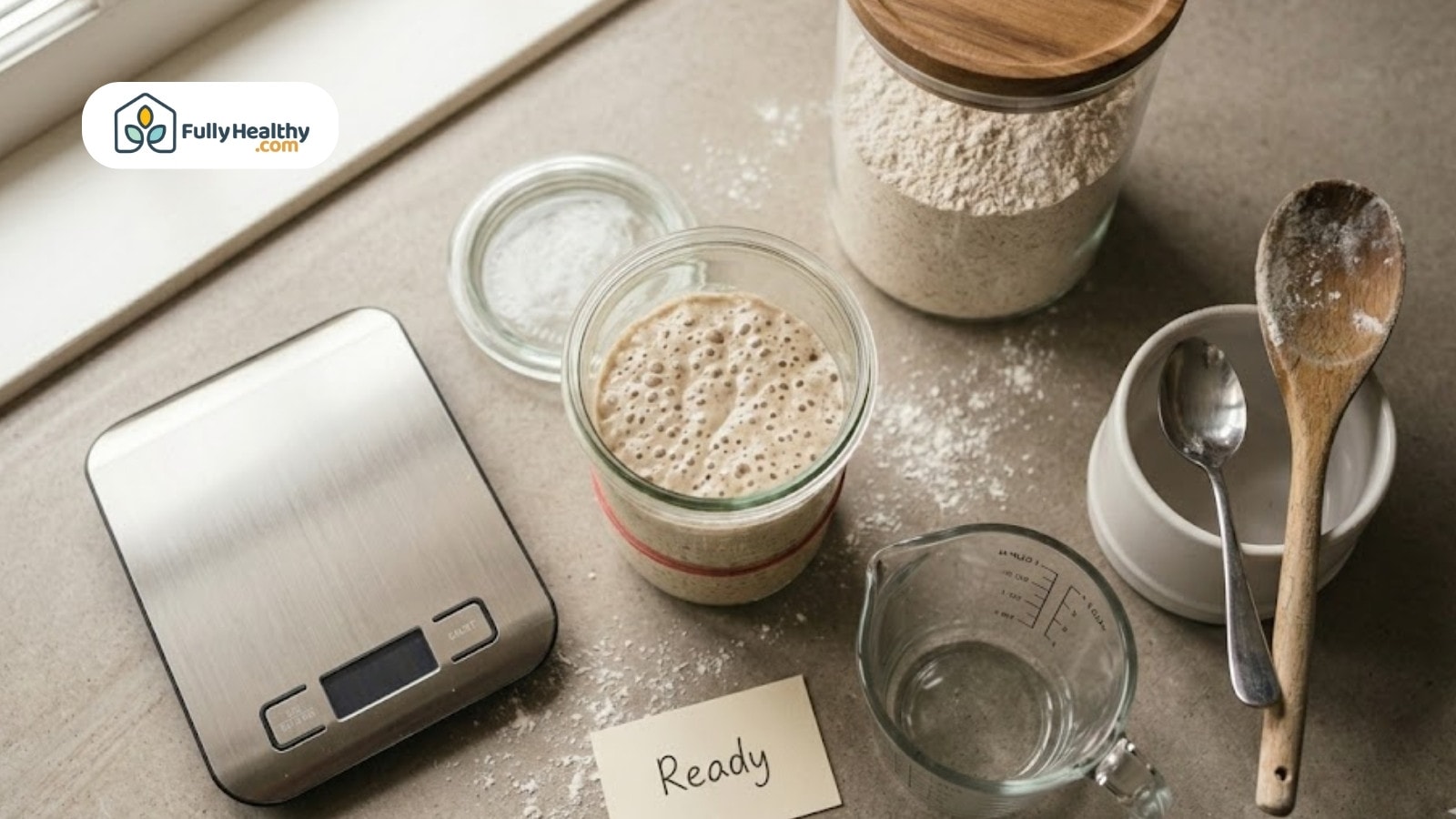
Feeding Routine: Follow a clear feeding schedule and use a measuring cup to keep ratios accurate.
-
Growth Tracking: Place a rubber band around the jar to mark the level after feeding and monitor rise.
-
Activity Signs: Look for small bubbles across the surface and a steady increase in height to know the starter is ready.
-
Water Quality: If tap water slows activity, switch to filtered water or bottled water for better results.
After feeding, let the jar sit at room temperature. If your kitchen is cold, place it in a proofing box or another warm spot to maintain the desired temperature.
Best Storage Methods: Fridge, Freezer, Or Drying?
Your storage method depends on how often you bake. Short breaks need simple refrigeration, while longer breaks require drying or freezing. Before using it again, let the jar sit at room temperature until lively. Do a float test by placing a spoonful in warm water. If it floats, your starter is ready for bread dough.
-
Refrigerator Storage: Feed your starter, allow it to become active, then refrigerate and refresh it weekly.
-
Room Temperature Care: Keep it out and feed daily if you bake often.
-
Drying Option: Spread a thin layer to air dry for long-term storage and easy revival later.
-
Revival Tip: Use warm water, not hot, when refreshing after storage to protect the culture.
Where To Find Specialty Sourdough And AIP-Friendly Options At FullyHealthy
Not everyone wants to maintain a starter every day. Some people prefer ready-made options for convenience. FullyHealthy offers mixes and products that support gluten-free and specialty diets while still allowing you to enjoy sourdough bread.
Gluten-Free And AIP-Compliant Bread Options
Ready mixes can help you bake without managing your own culture. They are helpful if you want to make your first loaf with less effort.
-
Flour Blends: Many products use white flour alternatives, purpose flour blends, or all purpose flour substitutes.
-
Simple Instructions: Clear steps and required recipe ratings guide you through preparation.
-
Reliable Results: Pre-measured mixes reduce guesswork and improve consistency.
-
Beginner Friendly: Great for those who want to start baking with confidence.
Bread Mixes And Pizza Dough For Specialized Diets
Specialty mixes like Pizza Dough Almond Flour offer flexibility while meeting dietary needs. They are useful when adjusting ingredients or avoiding certain grains.
-
Clear Labeling: Ingredient lists and preparation steps are easy to follow.
-
Temperature Control: Follow guidance to maintain the desired temperature during mixing and baking.
-
Time Saving: Helpful if you are not ready to commit to a full feeding schedule.
-
Easy Start: A practical way to start baking before creating your own starter.
Final Thoughts
Sourdough is simple, but it rewards patience. Keep your jar at a steady ambient temperature, loosely cover it, and stay consistent with each next feeding. Watch the bubbles, track growth, and follow clear instructions, even if some look like dark instructions at first.
Over time, your starter becomes stronger and more reliable. Whether you bake weekly or daily, care and timing matter most. Stay observant, adjust when needed, and trust the process. The more you practice, the better your results. Keep learning, keep feeding, and enjoy the rhythm of real fermentation. Happy baking.
FAQs
How Do I Know When My Starter Is Ready To Use?
Your starter is ready when it doubles in size at stable ambient temperature, shows bubbles, and passes the float test after the next feeding.
Should I Loosely Cover My Starter While It Ferments?
Yes, loosely cover the jar to protect it from dust while still allowing airflow during fermentation.
What Happens If I Miss The Next Feeding?
If you miss a next feeding, simply remove excess, refresh it, follow instructions carefully, and return it to a stable ambient temperature.
Why Do Some Recipes Have Dark Instructions?
Some guides seem like dark instructions because fermentation varies, so focus on temperature, timing, and visible signs instead of exact hours.
What Is The Best Temperature For Sourdough Fermentation?
A steady ambient temperature between 70–80°F supports strong activity, especially when you loosely cover the jar and maintain regular next feeding.
Leave a comment