

Are Anchovies and Sardines the Same? Side-by-Side Comparison
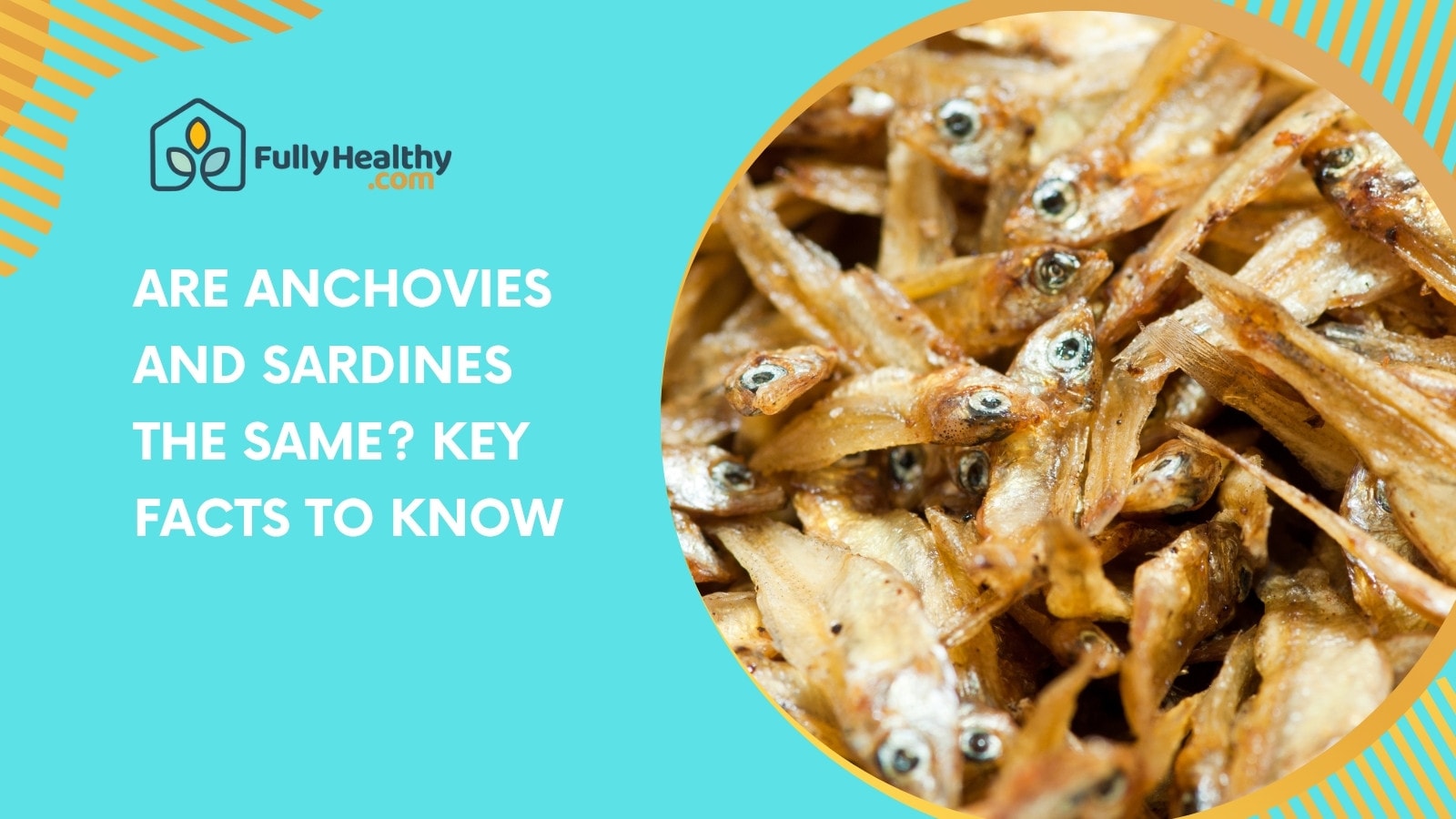 Photo Credit: Canva Pro
Are anchovies and sardines the same? Not quite. Both are small, oily fish that are often sold in cans, but they are from different species and have different tastes, sizes, and uses.
The anchovies are saltier and smaller, while the sardines are milder and have more meat. We'll talk about how they're different, which is better for you, and when you can use one instead of the other. Let's get rid of all the doubts for good.
Featured Pantry Pick
Wild Planet // Wild Sardines in EVOO Lightly Smoked - 4.4 oz
Loading...
Are Anchovies and Sardines the Same?
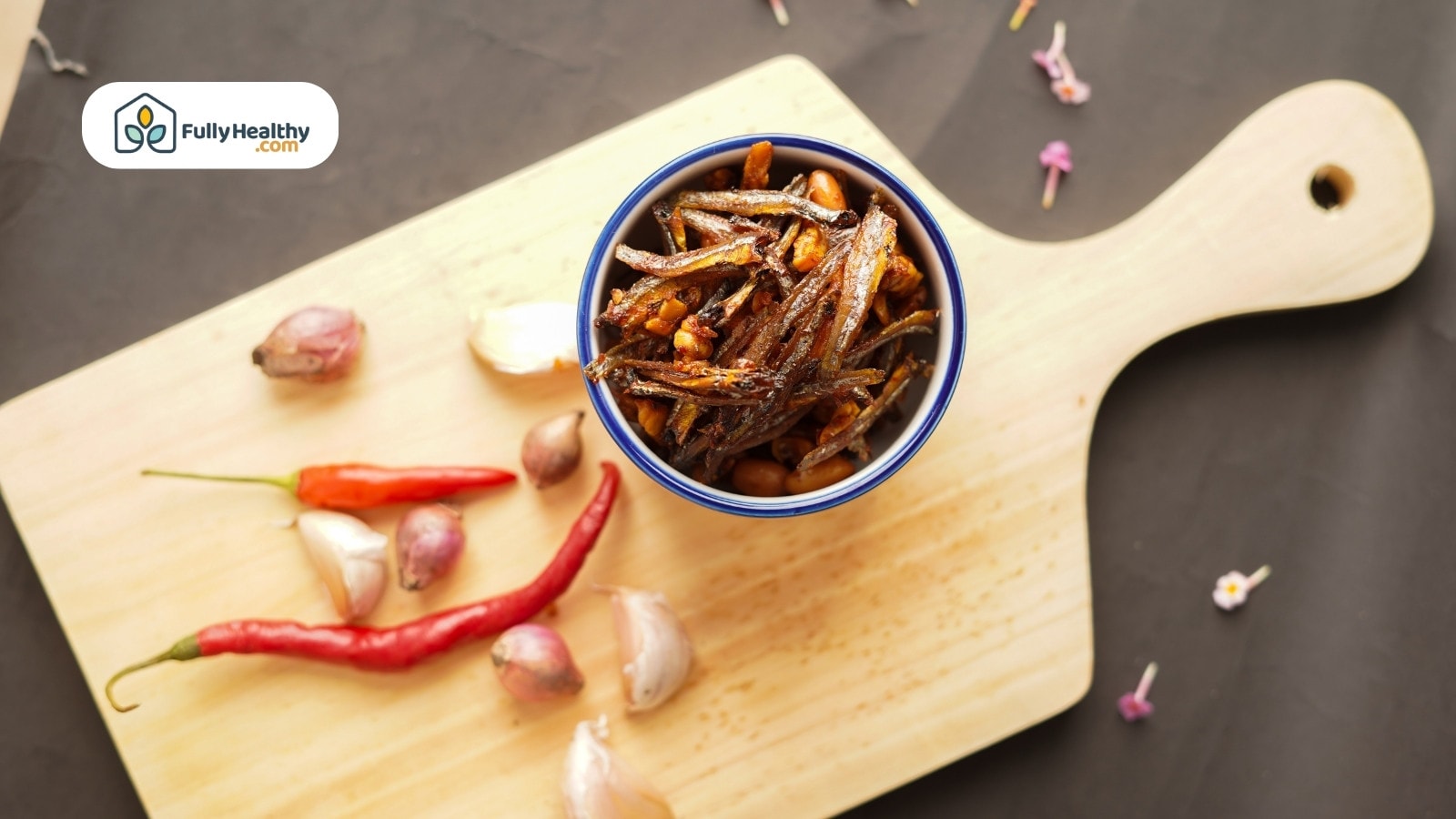 Photo Credit: Canva Pro
People often mix up sardines and anchovies because they are both small, oily fish that is sold canned. They're not the same, though. The taste and cooking methods for these two fish are different because they are from different species.
Biological Differences and Species Breakdown
Salted sardines and anchovies may look alike, but they belong to different families within the Clupeiformes order, making them distant relatives. Differences include size, color, and where they live.
-
Species: Anchovies belong to the Engraulis family, while sardines are from the Sardina group.
-
Size and Color: Anchovies tend to be smaller, with darker flesh. Sardines are bigger, with silver skin and white meat.
-
Habitat: Both are saltwater fish, but anchovies prefer warmer seas, while sardines swim in cooler waters.
Flavor, Processing, and Culinary Use
The tastes and flavor profiles of anchovies and sardines are very different. One is strong and salty, and the other is mild and sweet.
-
Taste: Anchovies are usually salt cured, giving them a sharp, intense taste. Sardines have a softer, mild flavor.
-
How They're Packed: Canned anchovies are often packed in olive oil after being salt cured. Canned sardines come in water, oil, or sauces.
-
Cooking Uses: Anchovies work well in pasta, sauces, and salads. You can eat sardines right out of the can, grilled with lemon juice, or tossed into salads.
Which Is Healthier, Anchovies or Sardines?
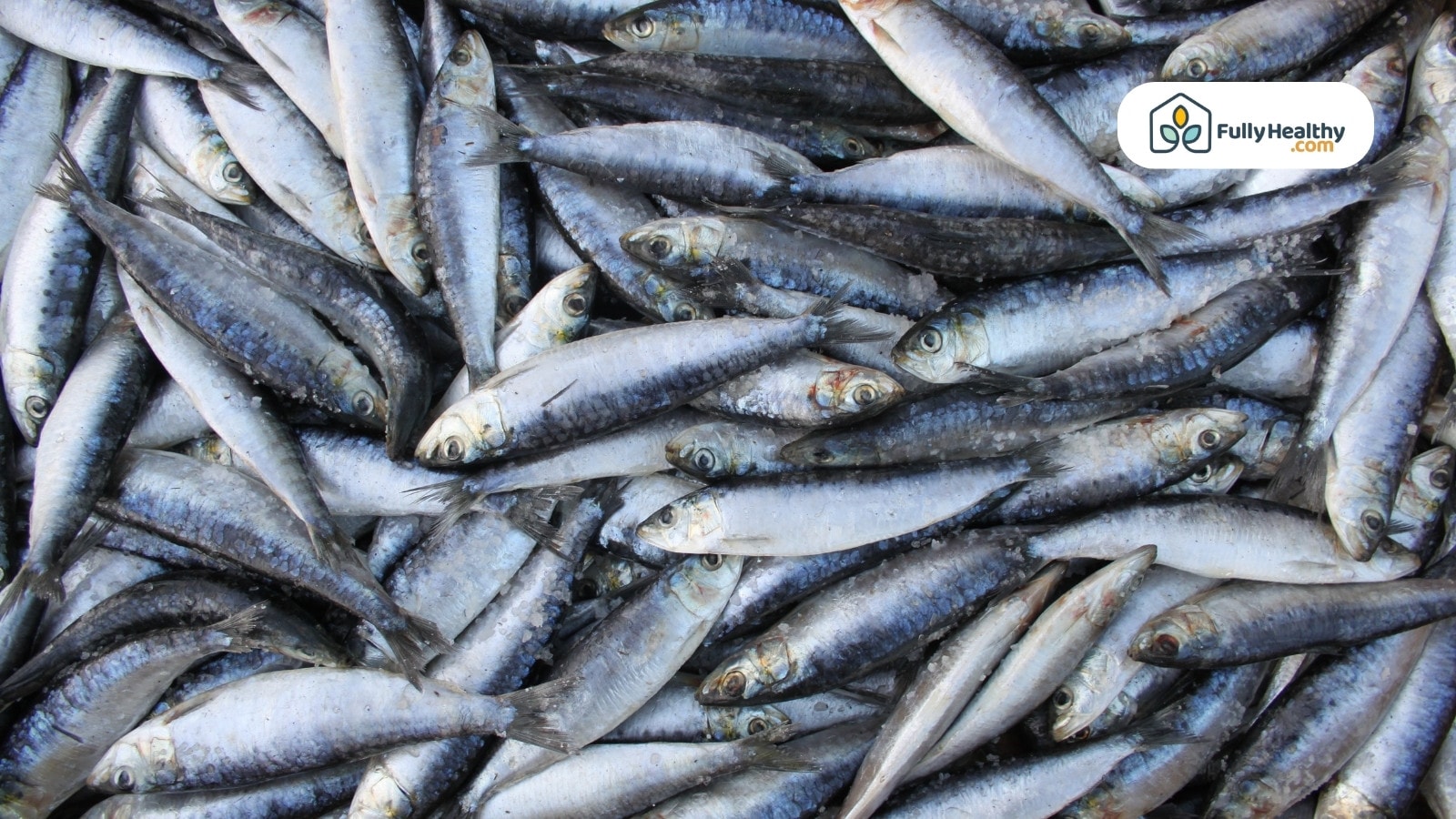 Photo Credit: Canva Pro
Both sardines and anchovies are fatty fish, which means that their bodies store oil. There are lots of good things for your brain and heart health in these little fish. Both are good for your health, but each is better in its own way.
Side-by-Side Nutritional Comparison
There is no doubt that both of these oily fish are good for you, but they do so in different ways.
-
Sardines: Higher in calcium and vitamin D, which are good for your bones.
-
Anchovies: Anchovies often contain more iron and niacin per gram, though protein content may vary depending on preparation and packaging.
-
Sodium Levels: Canned anchovies are very salty due to the salt curing process. If you're cutting back on salt, buy sardines with no added salt.
-
Vitamins: Both are excellent sources of fat soluble vitamins like A, D, and E, as well as B12.
Heavy Metals, Sustainability, and Food Chain Level
Larger fish do accumulate heavy metals, but these small fish don't because they don't live long, and don’t build up toxic heavy metals like larger fish do.
-
Low Risk: Unlike tuna and swordfish, they carry minimal levels of mercury.
-
Fast Growth: These fish grow and reproduce quickly, which makes them a renewable resource.
-
Eco-Friendly Choice: Harvesting sardines and anchovies usually results in less bycatch, making them better for the ocean.
What Is the Closest Thing to Anchovies?
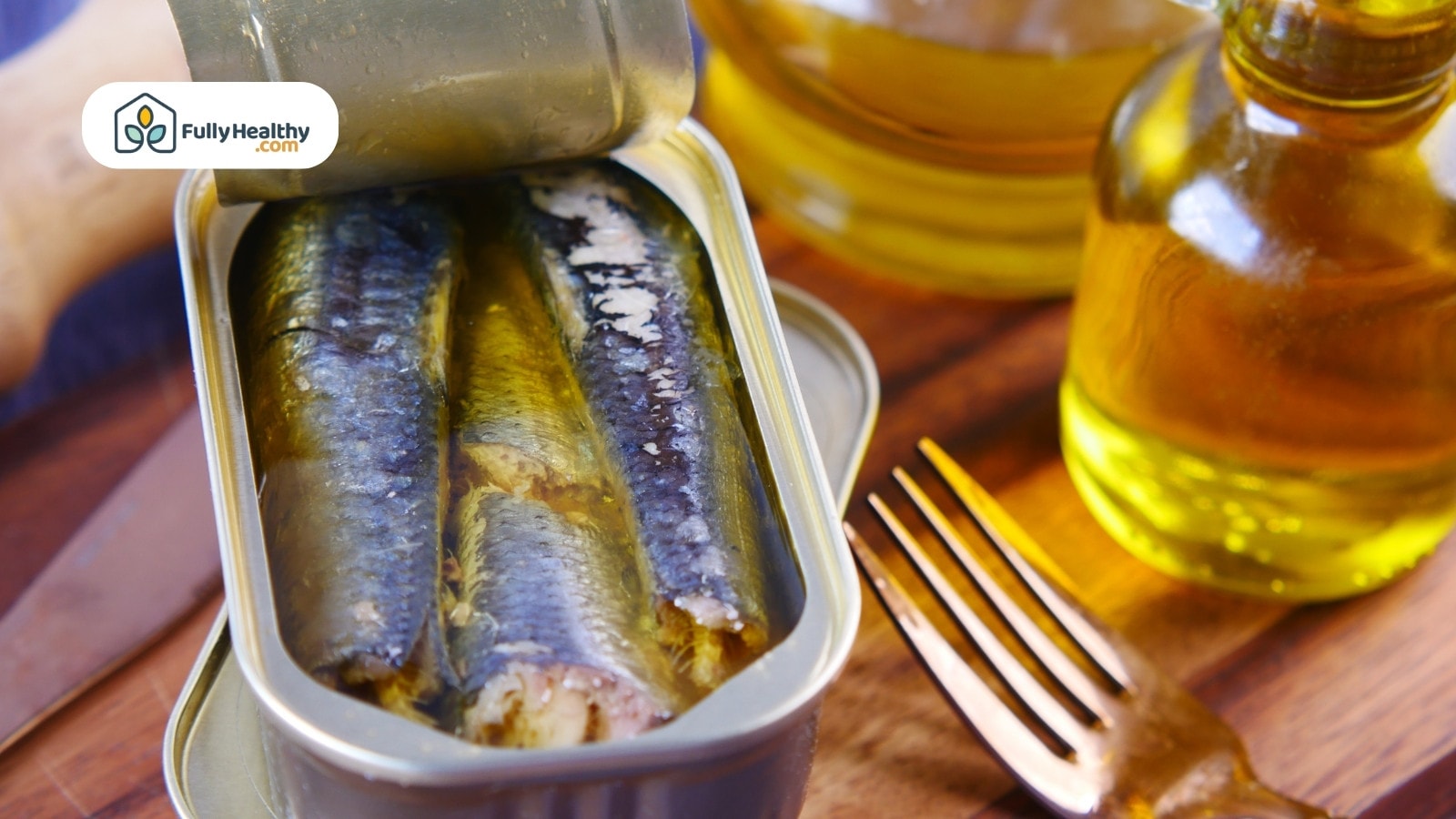 Photo Credit: Canva Pro
There are a lot of great substitute anchovies that you can use in a recipe. You can still add rich, savory flavors to your dish with these swaps, even if you don't want strong flavors or just ran out of something.
Top Anchovy Alternatives That Actually Work
There are other foods that taste like salt-cured anchovies but don't have the fishy bite. Some of them add the same kind of texture or depth.
-
Best for saltiness: Use fish sauce or Worcestershire to match the salty taste anchovies bring.
-
Best for texture: Herring, mackerel, or even sardine filets can replace fresh anchovies in cooked dishes.
-
Best in spreads or dips: Miso paste, butter, garlic, and herbs blend well as a flavorful base.
-
Best overall match: Anchovy paste is the closest replacement when cooking or mixing sauces.
How to Choose Based on Recipe Type
How the dish needs the substitute to taste, feel, or work both ways varies.
-
For dressings or sauces: Use a few drops of fish sauce or anchovy paste with vinegar or lemon.
-
For topping toast or pizza: Try sardines or smoked mackerel for a bold bite and nice texture.
-
For bowls and salads: Flake cooked salmon or trout for protein and rich taste.
-
For cookbook-style spreads: Mix butter, pepper, and mashed herring for an easy sandwich filler.
What FullyHealthy Offers for Anchovy and Sardine Fans
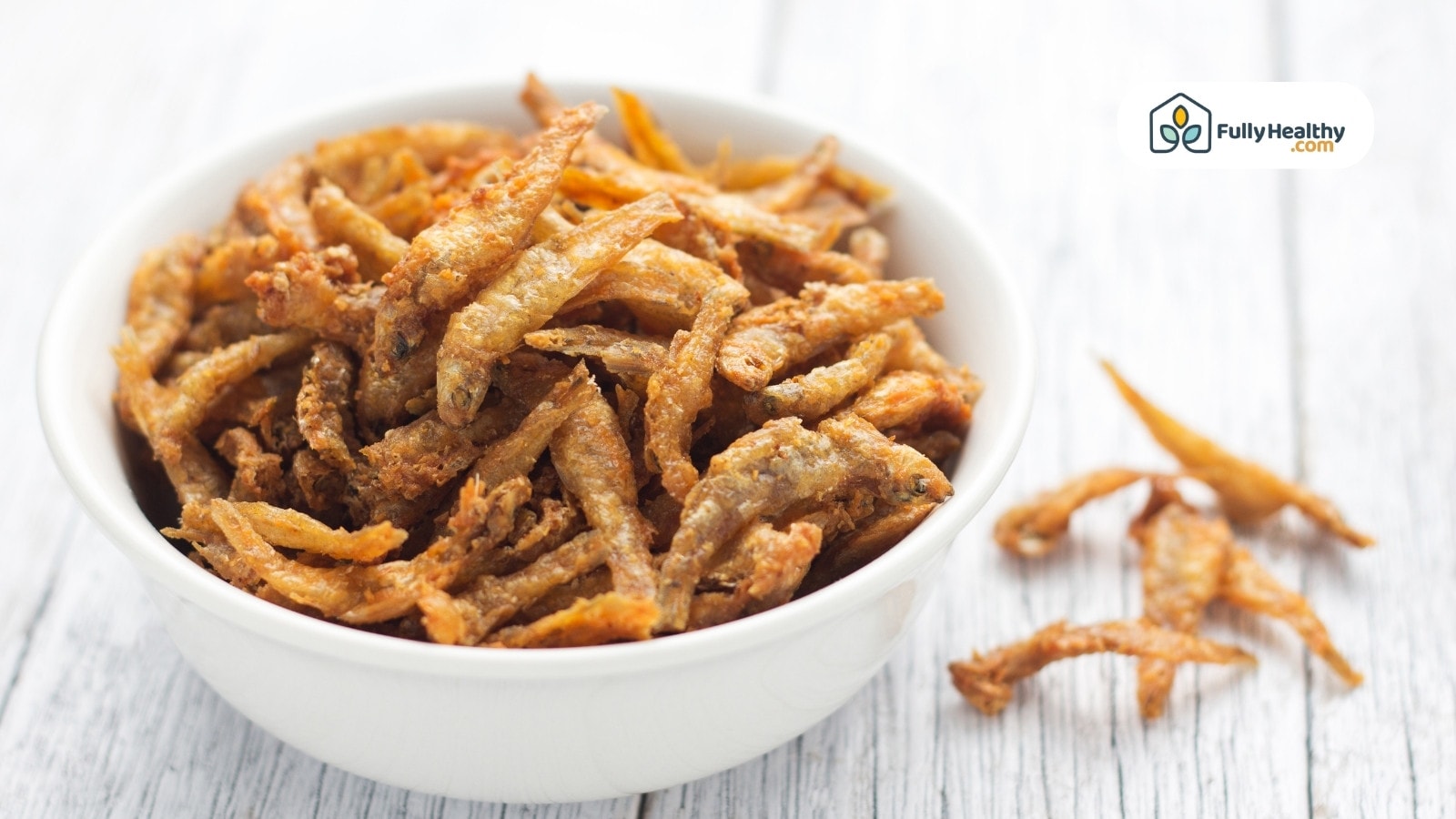 Photo Credit: Canva Pro
FullyHealthy sells high-quality seafood that is easy to prepare, clean, and ready to eat. Their tins of sardines and anchovies are great for making quick meals, healthy snacks, or fancy recipes.
Wild Anchovies and Sardines You Can Buy
Every item is full of good things for you and can be used in both everyday recipes and special ones.
-
Wild White Anchovies in EVOO: Milder than salt cured anchovies, great with toast or vegetables.
-
Skinless and Boneless Sardines in Water: Light in flavor and soft in texture—ideal for bowls or salads.
-
No Salt Added Sardines: A smart choice for heart-healthy meals or low-sodium diets.
-
Sardines in EVOO: Drizzle the oil over bread or cooked vegetables for extra flavor.
Why These Options Stand Out
Foodies who like to eat clean and home cooks both trust these little tins.
-
Clean ingredients: No preservatives, fillers, or added sugar.
-
Rich in nutrients: Loaded with minerals, healthy fats, and protein.
-
Easy to use: Great for quick lunches, snacks, or a dinner recipe.
-
Versatile: Use in sandwiches, salads, or right out of the can.
Final Thoughts
If you know the difference between sardines and anchovies, you can cook them in a different way. These little fish are full of good things for you, can have strong or mild flavors, and are used in a lot of different foods, from fried snacks to spreads in a jar.
You can mix them with greens, melt them into dressing, or serve them with Parmesan cheese. Each fish adds something different. It's true what they say: season well, try new things often, and don't be afraid of the tin.
FAQs
Can I use parmesan cheese with sardines anchovies?
Yes, parmesan cheese pairs well with both, especially in salads or pasta.
What’s better: anchovies vs sardines for fried dishes?
Fried sardines give a mild bite, but fried anchovies have more salt and crunch.
Can I trust a cookbook author on jarred fish advice?
Yes, any cookbook author will tell you jarred or canned fish works for quick meals.
What’s the best season to eat sardines anchovies?
Sardines are often peak-harvested in late summer in regions like the Mediterranean, while anchovy availability is highest in spring, but this varies by location.
Can I add sardines anchovies to greens or dressing?
Yes, mash them into dressing or toss over greens for umami flavor.
Leave a comment