

Are Bananas Low FODMAP? Safe Servings and Fruit Choices Explained
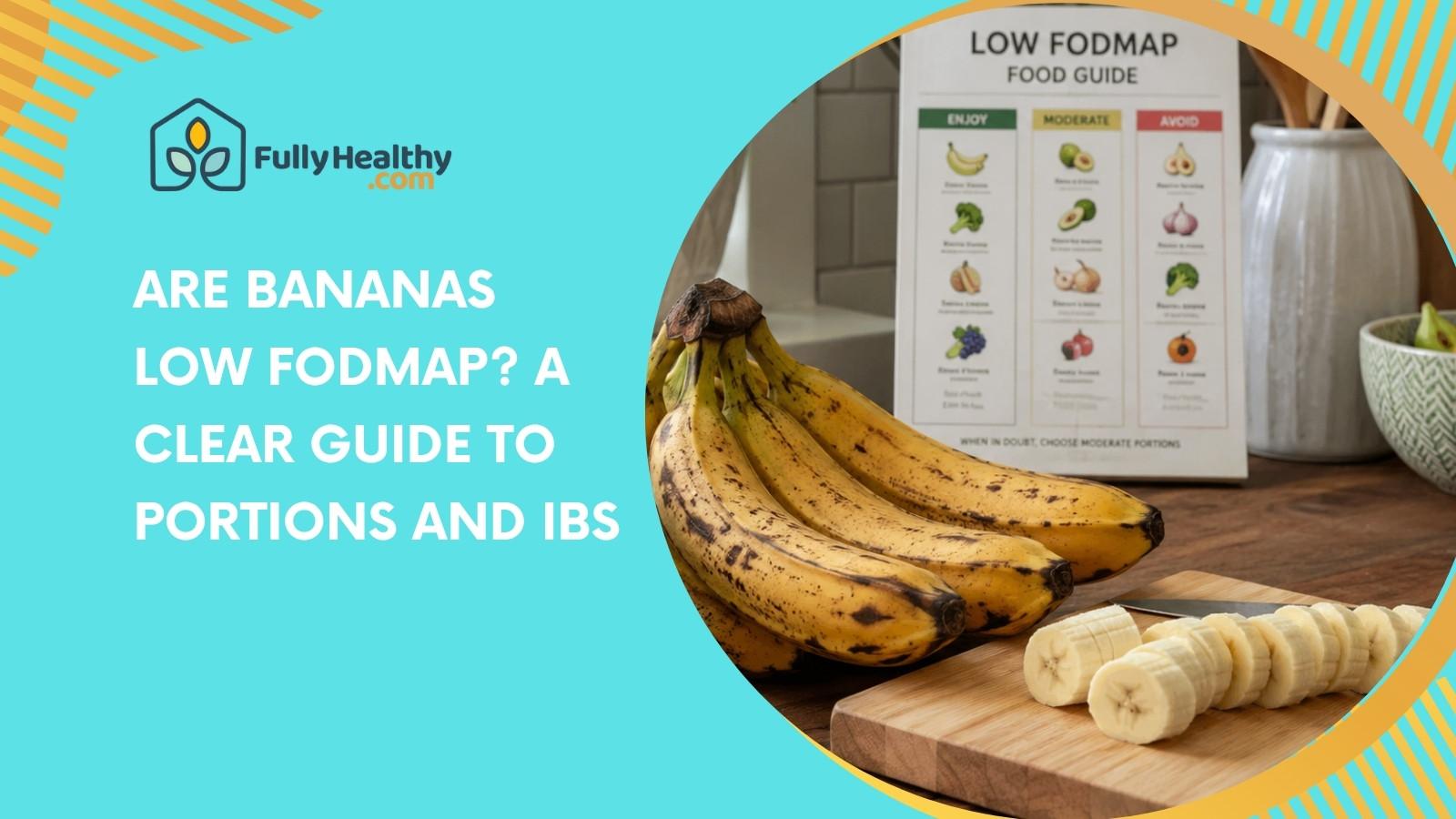
Are Bananas Low FODMAP? Yes, but ripeness and portion size matter. Firm, slightly green bananas are generally lower in FODMAPs and may be easier for people with IBS to tolerate. Ripe, spotted bananas contain more fructans, which can trigger bloating, gas, or pain in sensitive people.
A small serving may still fit a low-FODMAP diet. This guide explains safe portions, IBS triggers, low-FODMAP fruit choices, fruits to limit, and banana products worth checking carefully before you buy or eat regularly.
Are Bananas Low FODMAP?
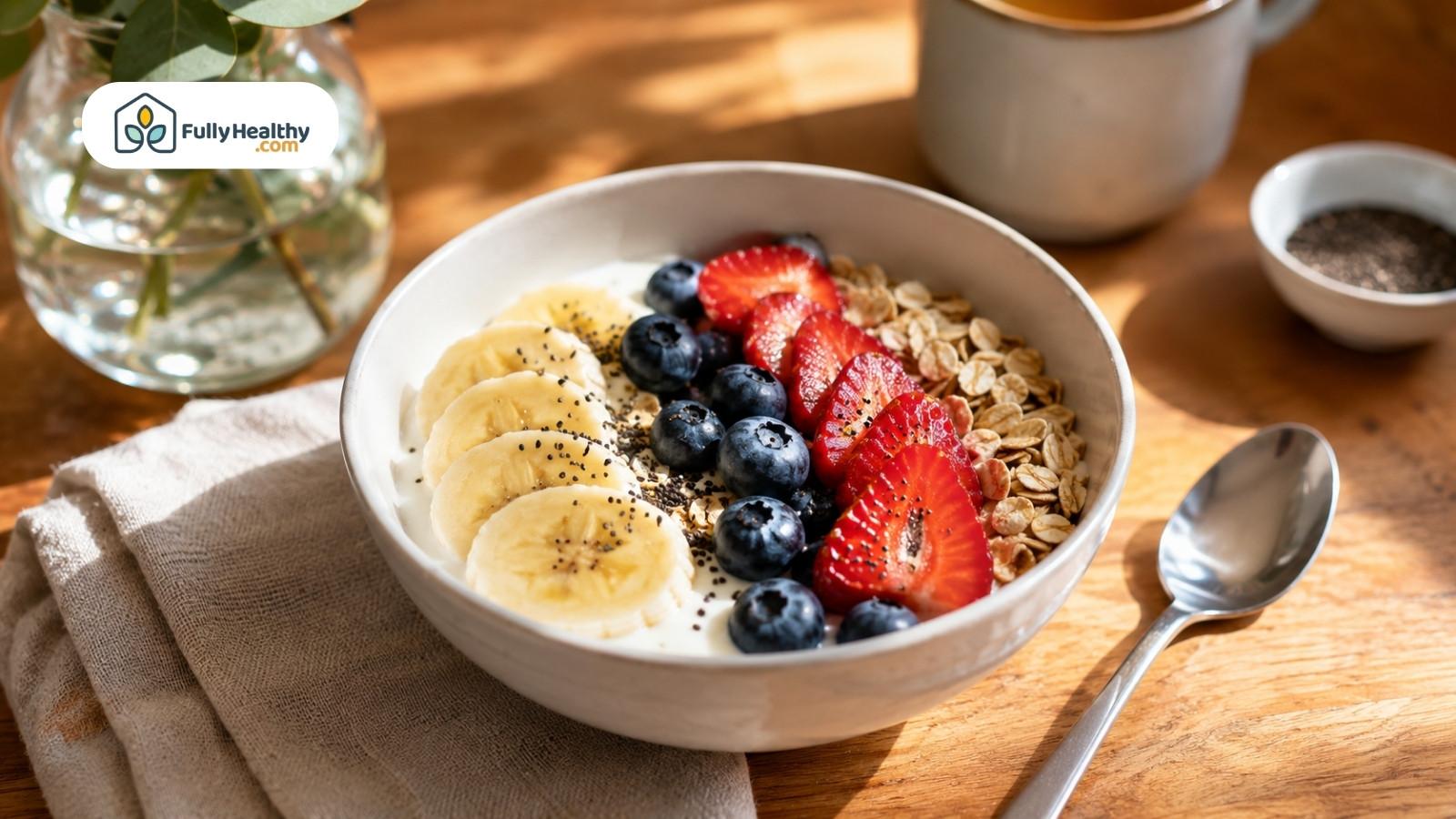
Bananas can fit into a low-FODMAP diet, but ripeness, serving size, and banana variety matter. Lab-tested data from Monash University shows that firm bananas are usually lower in FODMAPs than ripe bananas. For people with irritable bowel syndrome, understanding the FODMAP content of a Cavendish banana can make it easier to enjoy bananas with less risk of digestive discomfort.
Does Banana Ripeness Change Its FODMAP Level?
Yes. As bananas ripen, their carbohydrate structure changes. Unripe bananas contain more resistant starch, while common ripe bananas contain more fermentable oligosaccharides. These carbohydrates may be harder for some people to digest, although each person’s tolerance is different.
-
Firm bananas: They are generally lower in FODMAPs and may be easier to tolerate.
-
Ripe bananas: Larger servings contain more fructans and may become high FODMAP.
-
Sugar bananas: This variety may remain low FODMAP at a larger tested serving than a ripe Cavendish banana.
-
Digestive health: Gut bacteria and personal sensitivity affect how the body responds to different banana varieties.
How Much Banana Is Low FODMAP?
Serving size is just as important as ripeness. A firm common banana may be low FODMAP at a tested serving of approximately 95 grams; verify the current serving in the Monash University FODMAP app because laboratory thresholds and serving classifications may be updated. A ripe banana should be limited to a smaller portion.
-
One medium banana: A firm medium banana is generally a lower-FODMAP choice.
-
Ripe portions: About one-third of a ripe medium banana, or roughly 37 grams, may fit a low-FODMAP diet.
-
Elimination phase: Start with a tested serving and monitor your symptoms before increasing the amount.
-
Enjoy bananas: Continue to eat bananas only in portions that do not trigger IBS symptoms.
Do Bananas Trigger IBS?
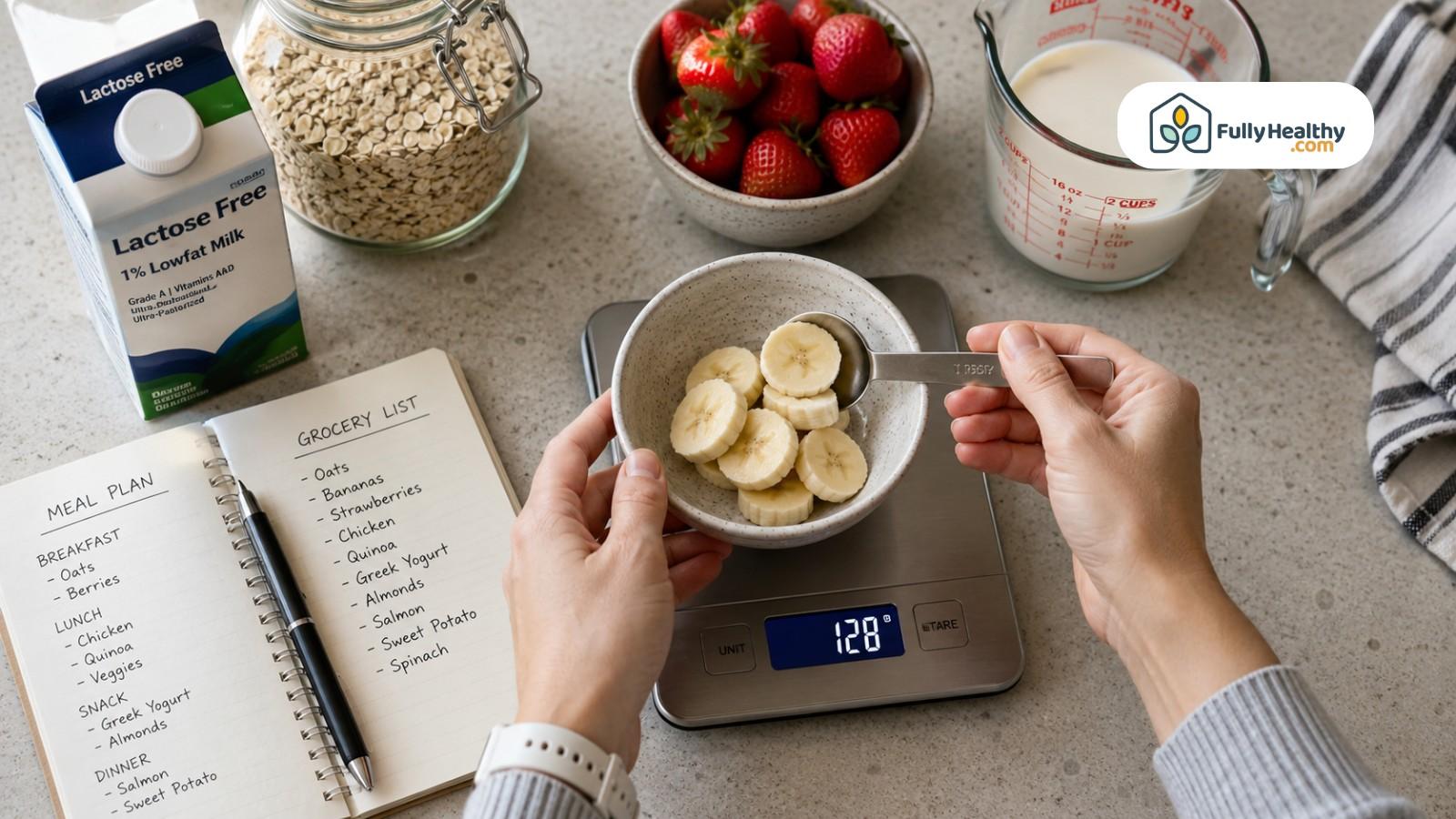
Bananas do not always trigger IBS symptoms. Many people with irritable bowel syndrome can eat bananas without discomfort, especially when they choose firm fruit and control the serving size. The best approach is to learn your own tolerance instead of assuming that every banana will cause symptoms.
Why Do Some People With IBS React to Ripe Bananas?
Some people react because gut bacteria ferment certain carbohydrates in the colon. Ripe bananas contain more fermentable oligosaccharides, which may increase gas, bloating, or abdominal pain in sensitive people. Others may eat ripe bananas without any problems.
-
High FODMAP portions: Larger servings of ripe banana may increase the risk of digestive symptoms.
-
Digestive response: Gas, bloating, pain, diarrhea, and constipation can vary from person to person.
-
Dietary fiber: Bananas provide dietary fiber, which can support digestion when eaten in a tolerated portion.
-
Natural sweetness: Ripening increases natural sweetness while also changing the banana’s carbohydrate balance.
How Can You Tell Whether Bananas Are an IBS Trigger for You?
The clearest method is to test one food at a time. Keep a simple food and symptom diary to see whether bananas are linked to discomfort. This is more useful than removing several foods without knowing which one caused the problem.
-
Elimination phase: The restriction phase generally lasts 2–6 weeks and should be followed by structured reintroduction and personalization, preferably under guidance from a FODMAP-trained dietitian.
-
Eat bananas: Begin with a small portion of firm banana and track your response.
-
Store bananas: Keep bananas in a cool place to slow how quickly they ripen.
-
Professional support: Speak with a registered dietitian if your symptoms continue or become worse.
What Is the Lowest FODMAP Fruit?
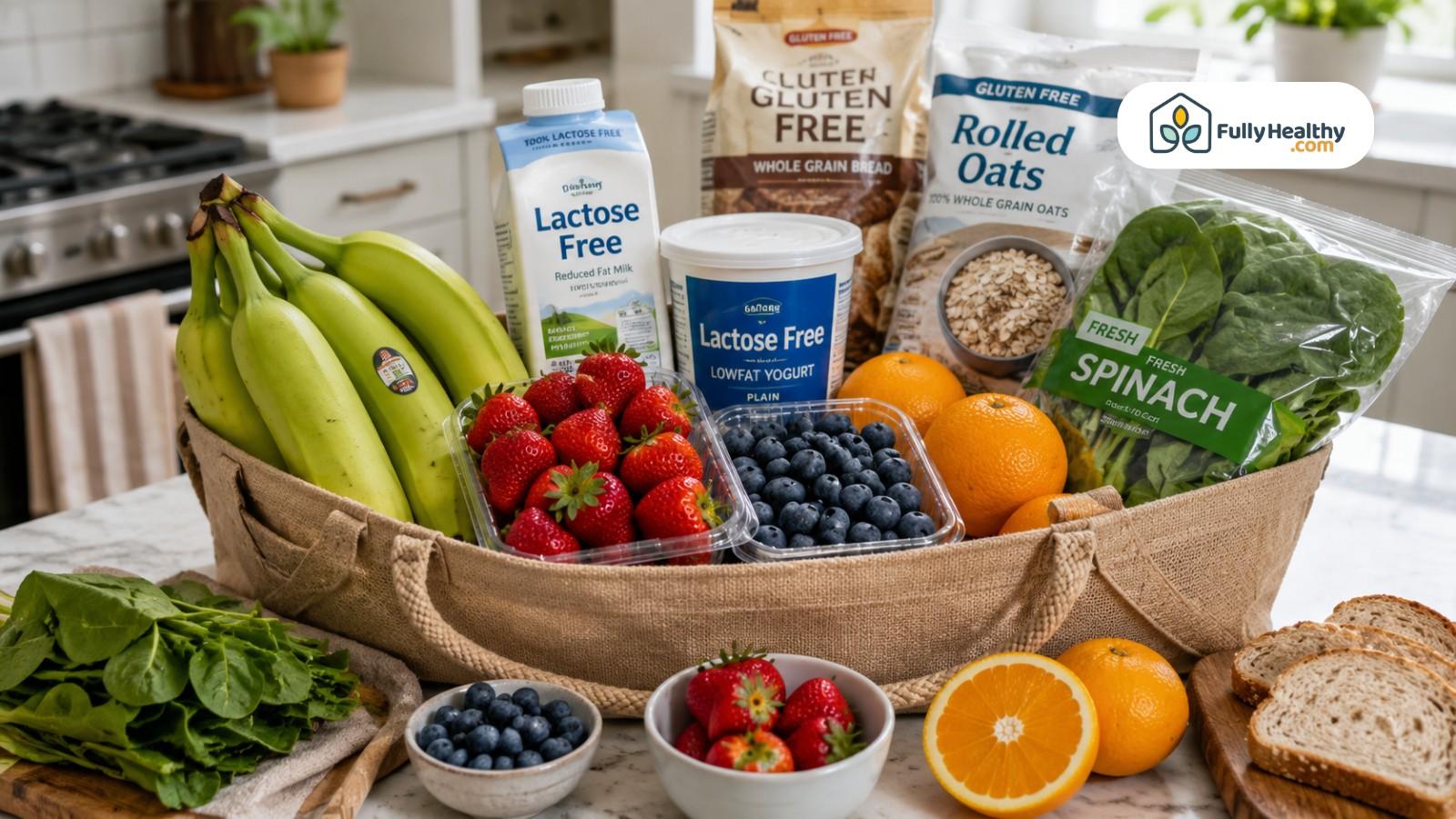
There is no single lowest-FODMAP fruit because FODMAP ratings depend on portion size. Several fruits can fit into a low-FODMAP diet when eaten in tested amounts. Choosing different options can add variety while helping you limit high FODMAP foods.
Which Fruits Are Reliable Low-FODMAP Choices?
Many people can eat fruit each day without making their symptoms worse. Firm bananas are one choice, but other low FODMAP fruits can also provide flavor, vitamins, and variety.
-
Other low FODMAP fruits: Kiwi, oranges, mandarins, blueberries, pineapple, and cantaloupe are common choices.
-
Other fruits: Rotate suitable fruits to improve nutrient variety.
-
Banana recipes: Use measured portions in oatmeal, snacks, smoothies, or simple baked dishes.
-
Low FODMAP banana recipes: Pair firm banana with tested ingredients and keep the total serving controlled.
How Does the Monash Traffic-Light System Compare Fruits?
The Monash traffic-light system rates foods according to tested serving sizes. A fruit may be low FODMAP in a small amount but high FODMAP in a larger amount. This helps readers make informed choices without labeling foods as completely good or bad.
-
Fermentable oligosaccharides, disaccharides, monosaccharides: These are carbohydrate groups considered during FODMAP testing.
-
Disaccharides, monosaccharides, and polyols: Each group can affect digestion differently.
-
High FODMAP foods: Larger servings of certain fruits may move into a higher FODMAP category.
-
FODMAP content: Always check both the type of food and the serving size before deciding whether it fits your diet.
What Fruits Should You Avoid on a Low-FODMAP Diet?

Not all fruits affect digestion in the same way. Some are high in FODMAPs and may cause uncomfortable symptoms in people with IBS, especially when eaten in large quantities. Knowing which fruits to limit and which ones to choose instead can make symptom management easier while still supporting a balanced diet.
Which Fruits Are High in Fructose or Polyols?
Some fruits contain carbohydrates that are poorly absorbed in the small intestine. These carbohydrates can then reach the large intestine, where they are rapidly fermented by gut bacteria. This process may trigger symptoms such as bloating, gas, or stomach pain.
-
High-FODMAP fruits: Apples, pears, mangoes, cherries, peaches, plums, nectarines, and watermelon are common examples.
-
Large portions: Even healthy foods may cause digestive discomfort when eaten in large quantities.
-
Possible symptoms: High-FODMAP fruits may trigger symptoms such as bloating, gas, cramping, or changes in bowel habits.
-
Symptom management: Test one fruit at a time and track how your body responds.
What Low-FODMAP Fruits Can Replace Them?
Choosing the right alternatives can help you enjoy fruit without giving up important nutrients. Many low-FODMAP choices provide vitamin C, fiber, and natural sweetness while being easier to tolerate.
-
FODMAP-friendly options: Kiwi, oranges, blueberries, pineapple, grapes, and strawberries are common choices.
-
Low-FODMAP food choice: Firm bananas can also fit into a low-FODMAP diet when eaten in a suitable portion.
-
Common bananas: Choose unripe firm bananas instead of bananas with many brown spots.
-
Ripe fruit caution: Avoid ripe bananas if they often cause symptoms, since ripeness can increase their FODMAP content.
How Can FullyHealthy Help You Shop for Banana Products?
Shopping for specialty foods can be difficult when you follow a restricted diet.FullyHealthy brings together products for different dietary needs and provides ingredient details that make comparison easier. However, the banana products listed are not confirmed as low FODMAP, so labels and ingredients should still be checked carefully.
Which Banana Products Are Available From FullyHealthy?
FullyHealthy offers several banana-based products, including baking mixes and ready-to-eat snacks. Each product has a different ingredient list, so the best choice depends on your dietary needs and personal tolerance.
-
Banana bread mix: EAT G.A.N.G.S.T.E.R Banana Bread Mix is made with cassava flour, coconut flour, tigernut flour, and other simple ingredients.
-
Fruit bar: That’s It Apple + Banana Fruit Bar contains only apples and bananas, with no added sugar or preservatives.
-
Meal bar: Off The Farm Banana Walnut Meal Bar includes bananas, oats, nuts, seeds, and fruit.
-
Product comparison: Review the full ingredient list before choosing a product for your diet.
Are FullyHealthy’s Banana Products Low FODMAP?
Labels such as gluten-free, paleo, or plant-based do not always mean a product is FODMAP friendly. Serving size and added ingredients still matter.
-
Ripeness level: Products made with ripe bananas may have a higher FODMAP content than products using firmer fruit.
-
Other ingredients: Apples, dates, cashews, and dairy products may affect tolerance.
-
Storage tip: Wrapping fresh banana stems with plastic wrap may help slow ripening at home.
-
Balanced choice: Bananas good for many people can still fit into a healthy diet when portion size and personal tolerance are considered.
Final Thoughts
Bananas can be a smart choice for many people following a low-FODMAP diet, but the right serving depends on ripeness and portion size. The fodmap content of bananas changes as they ripen, so firm bananas are generally considered low fodmap, while ripe bananas may become high fodmap depending on how much you eat.
During the reintroduction phase, test bananas slowly to learn your personal tolerance instead of avoiding them completely. For the most accurate serving recommendations, check the Monash app because tested values may be updated over time.
With the right portions and careful food choices, you can enjoy bananas while supporting better digestive health and managing IBS symptoms with confidence.
FAQs
Are green bananas better than ripe bananas for IBS?
Yes. Firm green bananas are generally considered low fodmap because the fodmap content of bananas is lower before they fully ripen.
Should I use the Monash app before adding bananas back to my diet?
Yes. The Monash app provides the latest tested serving sizes, especially during the reintroduction phase.
Why do some people react differently to bananas?
The fodmap content of bananas changes with ripeness, so they may be high fodmap depending on the serving size and your individual tolerance.
Can I eat bananas every day on a low-FODMAP diet?
Many people can, provided the serving matches current Monash app guidance and fits their personal tolerance.
What is the safest way to test bananas after the elimination phase?
Start with a small serving of a firm banana during the reintroduction phase, monitor symptoms, and remember that bananas may be considered low fodmap or high fodmap depending on ripeness and portion size.
Leave a comment