

Are Hibiscus Perennials? What Returns Each Year and Why
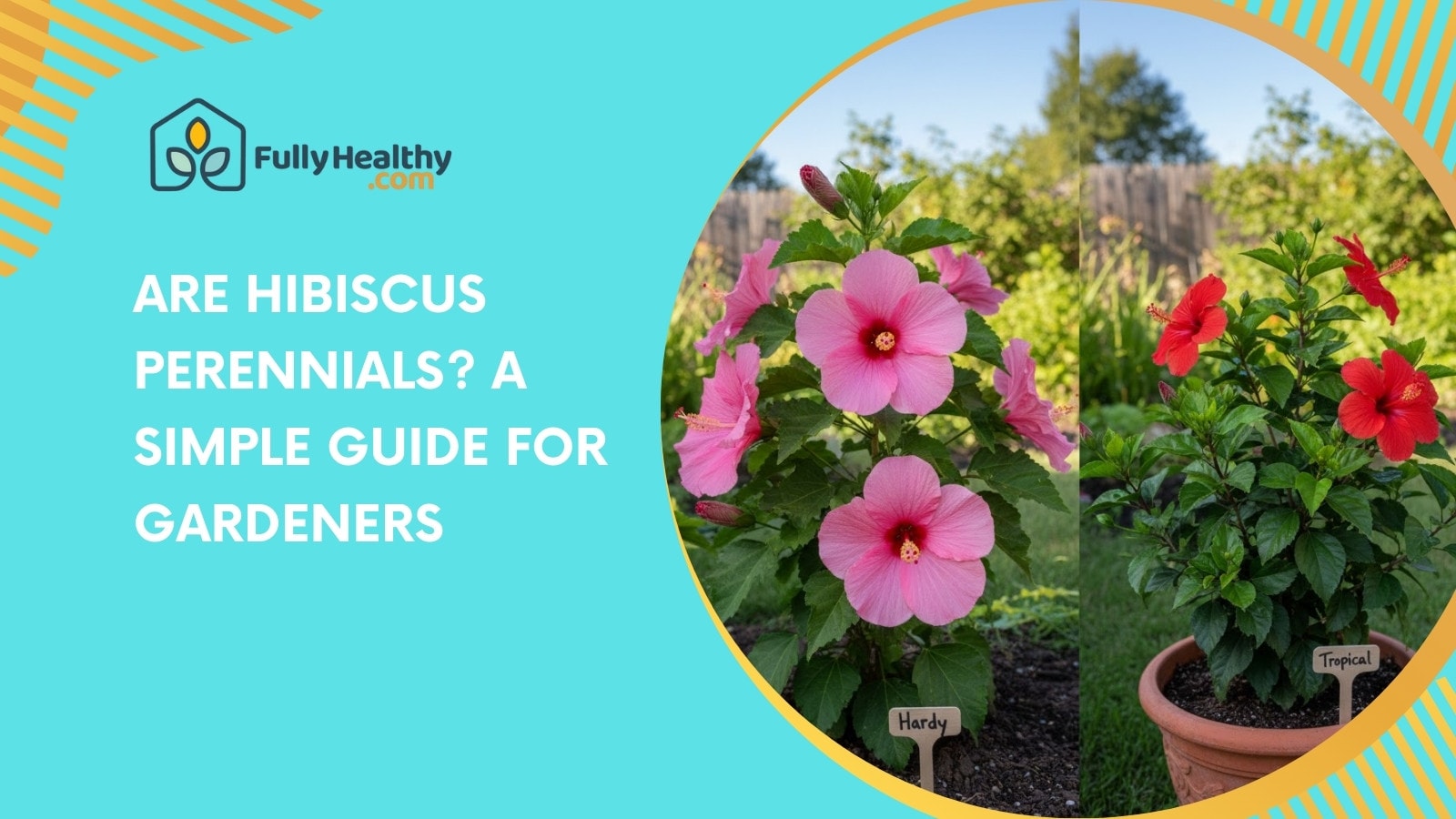
Is hibiscus a perennial plant? In a word, yes, but it depends on the type and the weather. Hibiscus plants that do well in cold weather come back every year. Tropical hibiscus are perennial plants that can only live in warm, frost-free places or indoors over the winter.
This article talks about the differences, how to care for hibiscus in the winter, where to plant it, and how to enjoy it year after year. You'll know what to expect and how to keep plants healthy for a long time.
Featured Tea Pick
Traditional Medicinals // Organic Hibiscus Tea - 16 Bags
Loading...
Are Hibiscus Perennials?
There are different kinds of hibiscus plants, so gardeners often get them mixed up. Many of them are true perennials, but it depends on the species and the weather if they can come back every year. It's much easier to grow perennial hibiscus in your garden once you know the difference between hardy and tropical types.
Perennial Hibiscus or Annuals?
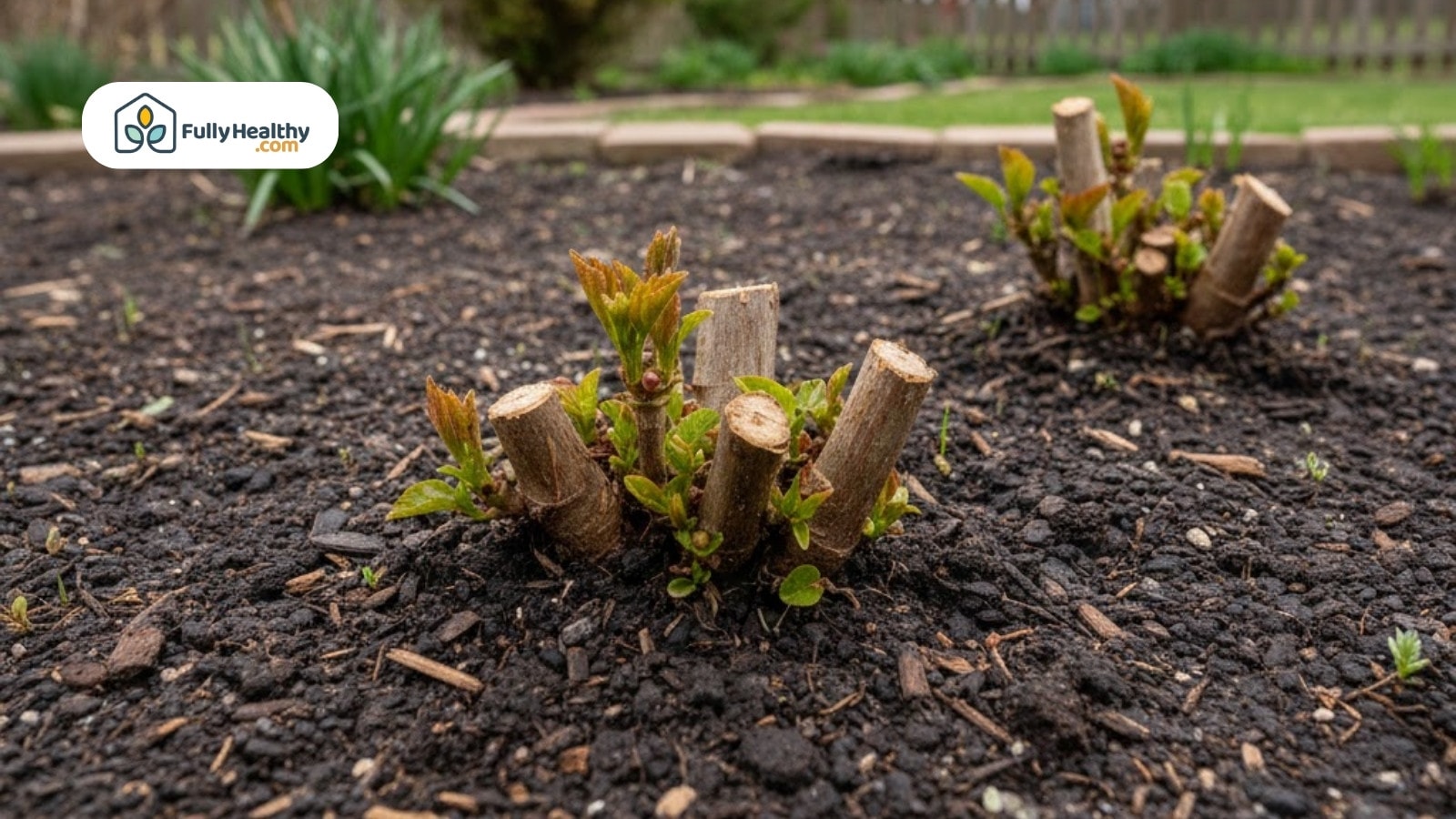
Plants that are perennial hibiscus die back in the winter and grow back from the roots when the weather gets warmer. Hibiscus moscheutos, which is also called rose mallow or swamp rose mallow, is a well-known example. It may look like these plants are dead for months, but new growth always comes back, though it's usually later than with most perennials.
-
Perennial behavior: Hardy perennial hibiscus die back fully, but growth emerges from the soil in late spring.
-
Bloom size and color: Many varieties produce huge flowers, including bright pink blooms, pink flowers, white flowers, and red flowers with red centers.
-
Plant structure: Mature plants form thick, woody stems standing briefly before dying back each winter.
Tropical Hibiscus vs Hardy Hibiscus: The Key Difference
People often mix up hardy and tropical hibiscus, but they act in very different ways. Hibiscus moscheutos, hibiscus laevis, and rose of Sharon are all hardy plants that can survive cold winters. Hibiscus rosa sinensis and hibiscus mutabilis are tropical types that can't handle frost outside.
-
Cold tolerance: Hardy types return yearly, while tropical hibiscus must be brought indoors.
-
Bloom timing: Hardy hibiscus bloom in late summer, while tropical plants bloom earlier.
-
Plant use: Hardy types work well in a perennial border, while tropical types suit containers.
Can I Leave My Hibiscus Outside in Winter?
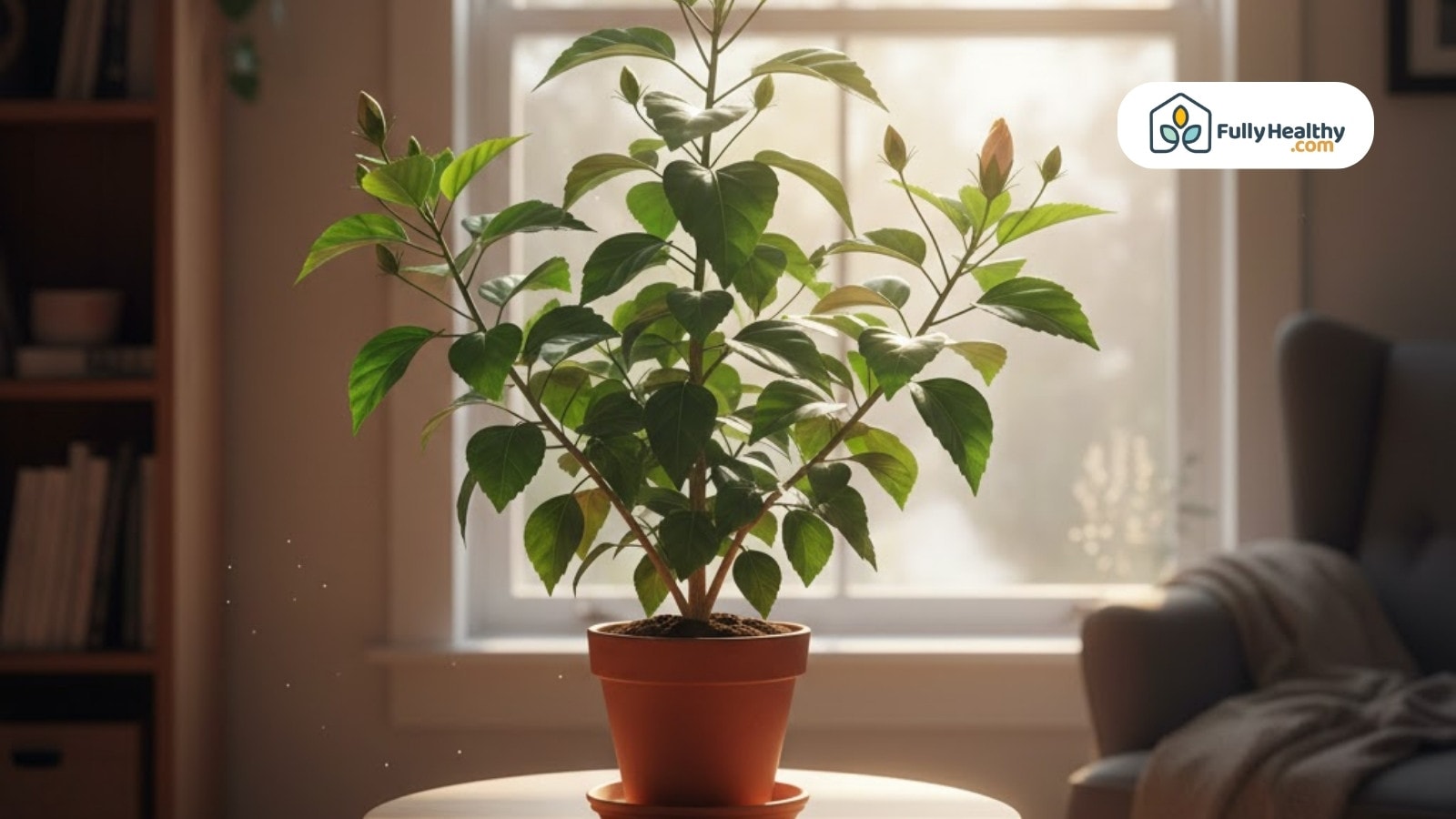
Depending on the type you are growing, you can leave hibiscus outside in the winter. Tropical hibiscus die forever when they get frost on them, but hardy hibiscus can handle freezing temperatures. Don't make mistakes that cost a lot of money. Know which ones you have.
When Hibiscus Can Stay Outdoors Year-Round
Some types, like hibiscus moscheutos, hibiscus syriacus, rose mallow, and lord baltimore, are hardy enough to stay outside all winter. The leaves of these plants stop growing and look dead, but the roots stay healthy below the ground. It's important to be patient because growth takes longer than expected.
-
Winter survival: Roots survive freezing temperatures without protection.
-
Soil preference: These plants thrive in moist soil and even tolerate wet areas.
-
Landscape uses: Ideal for rain gardens and low spots with consistent moisture.
What Happens to Hibiscus in Cold Weather
Hardy hibiscus loses all of its leaves and stems die back to the ground in the winter. Tropical types, on the other hand, can't grow back after being frozen. Too many gardeners worry too early and pull plants out before they grow new leaves.
-
Dormancy cycle: Plants rest through winter, then push new growth in late spring.
-
Pruning timing: Cut last year's stems back in early spring once frost risk passes.
-
Pest timing: Japanese beetles appear later in the season, not during dormancy.
Is a Potted Hibiscus a Perennial?
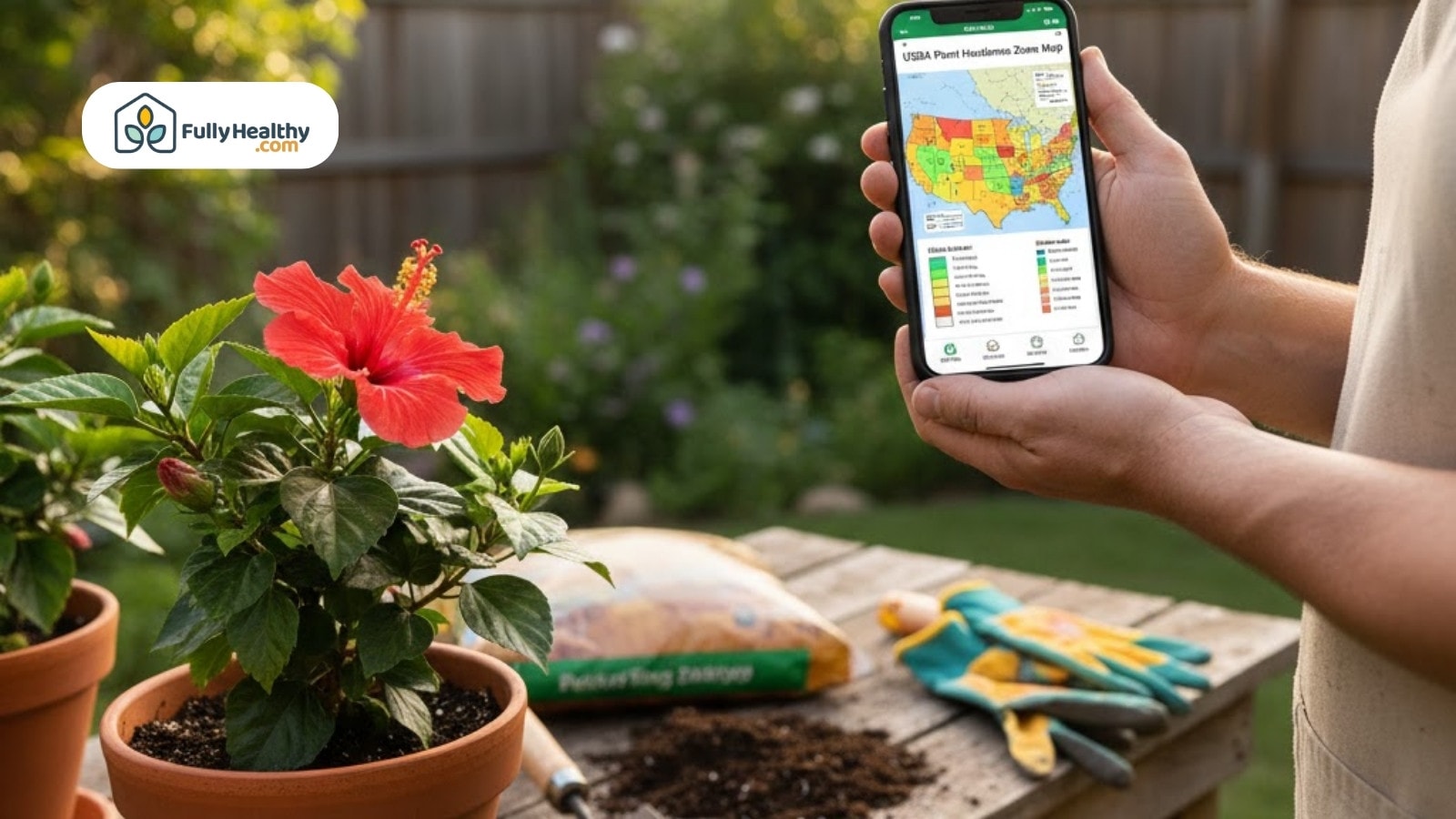
If you take good care of it, a hibiscus in a pot can still live for many years. Gardeners have more options when they use containers, especially in colder places. Hibiscus plants, both hardy and tropical, do well in pots as long as the soil, light, and water are all taken care of properly.
How Containers Change Hibiscus Perennial Status
You can better control the conditions when you grow hibiscus in pots. Plants that are hardy and grown in pots will still come back every year, while tropical plants can be brought inside before it gets cold. Containers help you keep track of space and soil quality as well.
-
Light control: Move pots between full sun, partial shade, or light shade as needed.
-
Moisture management: Containers help maintain consistent moisture without waterlogging.
-
Placement flexibility: Ideal for patios, balconies, and sunny location setups.
Overwintering Potted Hibiscus Successfully
Timing and care are important for overwintering to go well. If you protect hardy hibiscus pots, you can leave them outside, but tropical hibiscus needs to be brought inside before the first frost in the fall. Strong regrowth is helped by good nutrition.
-
Soil quality: Use well drained soil mixed with organic matter.
-
Feeding schedule: Apply extended release fertilizer in early spring.
-
Seasonal care: Expect new growth in late spring and blooming from late summer into early fall.
Where Is the Best Place to Plant Hibiscus?
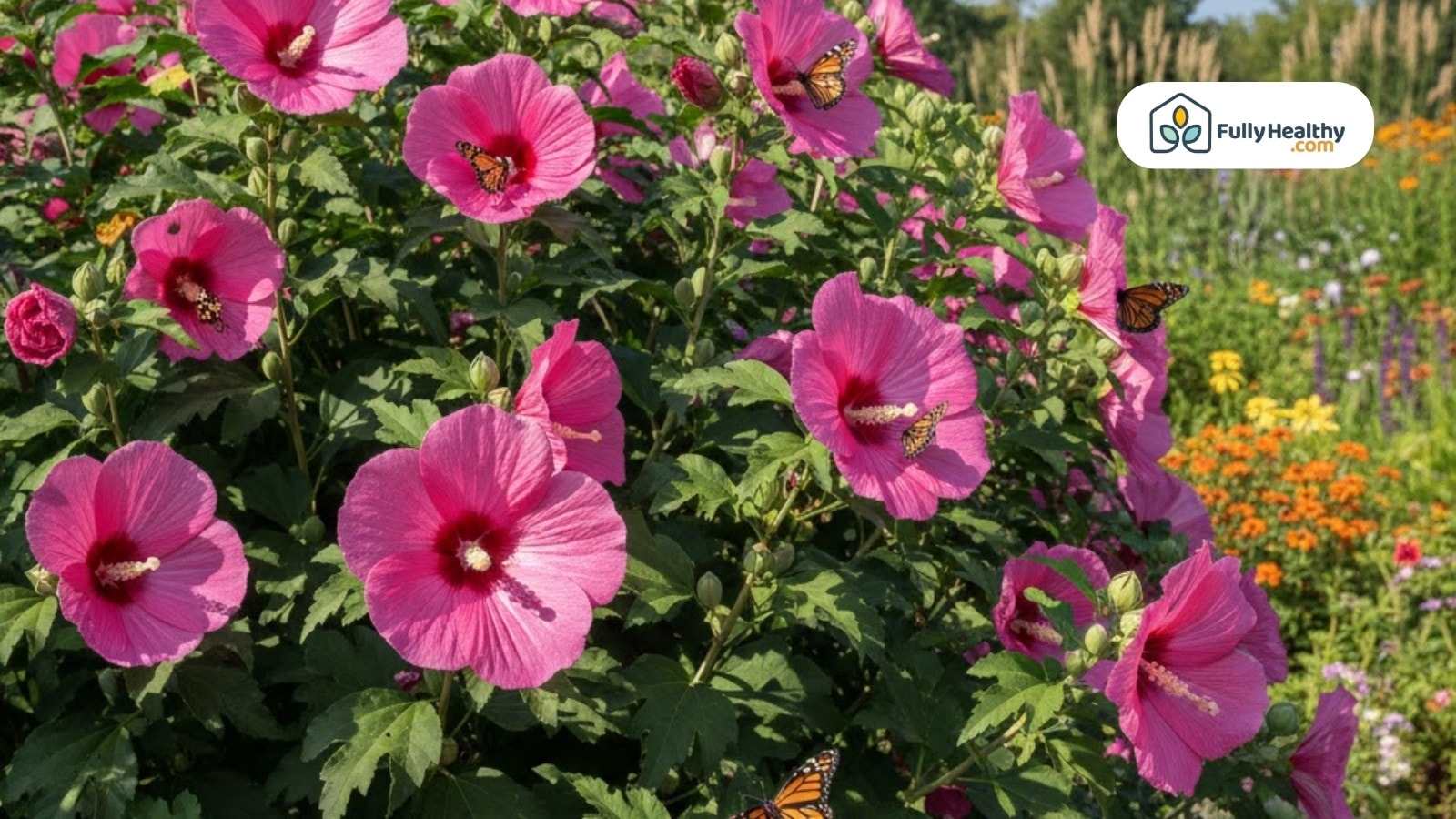
Hibiscus grows strong and has beautiful flowers when it is planted in the right place. People know these plants for their big flowers, bright leaves, and tall growth, but they need room and sun to do well. A good location also helps plants return reliably each year with fewer problems.
Best Outdoor Planting Locations for Hibiscus
Plant hibiscus at ground level in a wide open space so the roots can spread out. Dinner plate hibiscus need a lot of space to grow because their stems and flowers are so big. Picking the right spot helps plants flower and stay healthy in general.
-
Sun exposure: Full sun encourages more blossoms, while light shade may reduce flower size.
-
Soil choice: Well-prepared soil supports strong roots and helps plants grow tall and stable.
-
Garden use: Ideal as a focal plant in borders where large flowers and bold petals stand out.
Soil, Space, and Growth Considerations
Hibiscus plants need room, water, and time to grow well. Some varieties, such as kopper king, are prized for black foliage mixed with green veins and striking blooms. These plants often come up late, but once they do, they grow quickly.
-
Spacing needs: Allow enough room for wide growth and heavy blossoms.
-
Plant sources: Many gardeners choose seed-grown plants or proven winners varieties for reliability.
-
Wildlife value: Bright petals and open blossoms attract butterflies and hummingbirds.
How FullyHealthy Supports a Hibiscus-Focused Lifestyle
People love hibiscus not only for their beauty in gardens but also in other places. As part of a simple, plant-based lifestyle, a lot of people like products that are hibiscus-inspired. FullyHealthy carefully chooses options that let readers enjoy hibiscus without having to grow it themselves.
Enjoy Hibiscus Beyond the Garden With FullyHealthy
Not everyone has space to garden, but interest in plants can still be part of daily life. FullyHealthy focuses on clean, thoughtfully sourced products that align with natural living. This makes enjoying hibiscus easy and accessible year-round.
-
Plant appreciation: Hibiscus petals are valued for color, shape, and visual appeal.
-
Simple access: No planting, pruning, or seasonal care required.
-
Everyday enjoyment: A practical way to connect with plants beyond outdoor spaces.
Hibiscus and Herbal Tea Options Available on FullyHealthy
FullyHealthy features a small selection of herbal teas that highlight hibiscus and complementary botanicals. These products reflect the same qualities gardeners admire, including color, plant-based ingredients, and simplicity.
-
Hibiscus tea option: Traditional Medicinals Organic Hibiscus Tea showcases deep color, visible petals, and a bold red eye when brewed.
-
Complementary blends: Traditional Medicinals Organic Dandelion Leaf and Root Tea and Organic Ginger Chamomile Tea provide additional plant-based options alongside hibiscus.
-
Natural appeal: These teas reflect the beauty of blossoms, foliage, and green plant ingredients in an easy-to-use form.
Final Thoughts
Many gardens use hibiscus plants because they look nice, add structure, and are useful in the long run. It doesn't matter if you grow hardy or tropical plants; knowing about climate, placement, and care makes a big difference. People who garden love hibiscus because it grows back every year when the conditions are right and has big, bright flowers.
If you give these plants the right soil, sun, and time, they will grow well and give you beautiful flowers. Simple growing tips can help your plants flower, get stronger, and do better during different seasons.
Hibiscus are still a popular choice for gardeners who want reliable growth, bright color, and long-lasting appeal without having to do a lot of work on them. They can be used in both simple landscapes and feature plantings.
FAQs
Are hibiscus perennials with double flowers?
Yes, some hibiscus perennials produce double flowers with proper growing tips and care.
Do hibiscus need special growing tips to survive?
Basic growing tips like sun, water, and spacing help hibiscus grow strong and bloom well.
Can hibiscus have double flowers every year?
Many varieties return yearly and may produce double flowers when conditions are right.
Are growing tips important for hibiscus success?
Yes, growing tips improve flowering, plant health, and long-term survival.
Do all hibiscus perennials have double flowers?
No, some have single blooms, while others develop double flowers with proper growing tips.
Leave a comment