

Are Lamb Chops Healthy? Nutrition Facts, Benefits, and Serving Guide
Are lamb chops healthy? Yes, they can be. Lamb chops are a good source of protein, iron, vitamin B12, and other nutrients that support muscle growth, energy production, and overall health. Like any red meat, they are best enjoyed in moderation and as part of a balanced diet.
Below, you'll learn about their nutritional value, serving recommendations, and how they compare to beef.
Featured Snack Pick
Wild Zora // Meat & Veggie Bar Mediterranean Lamb - 1 oz
Loading...
Are Lamb Chops Healthy?
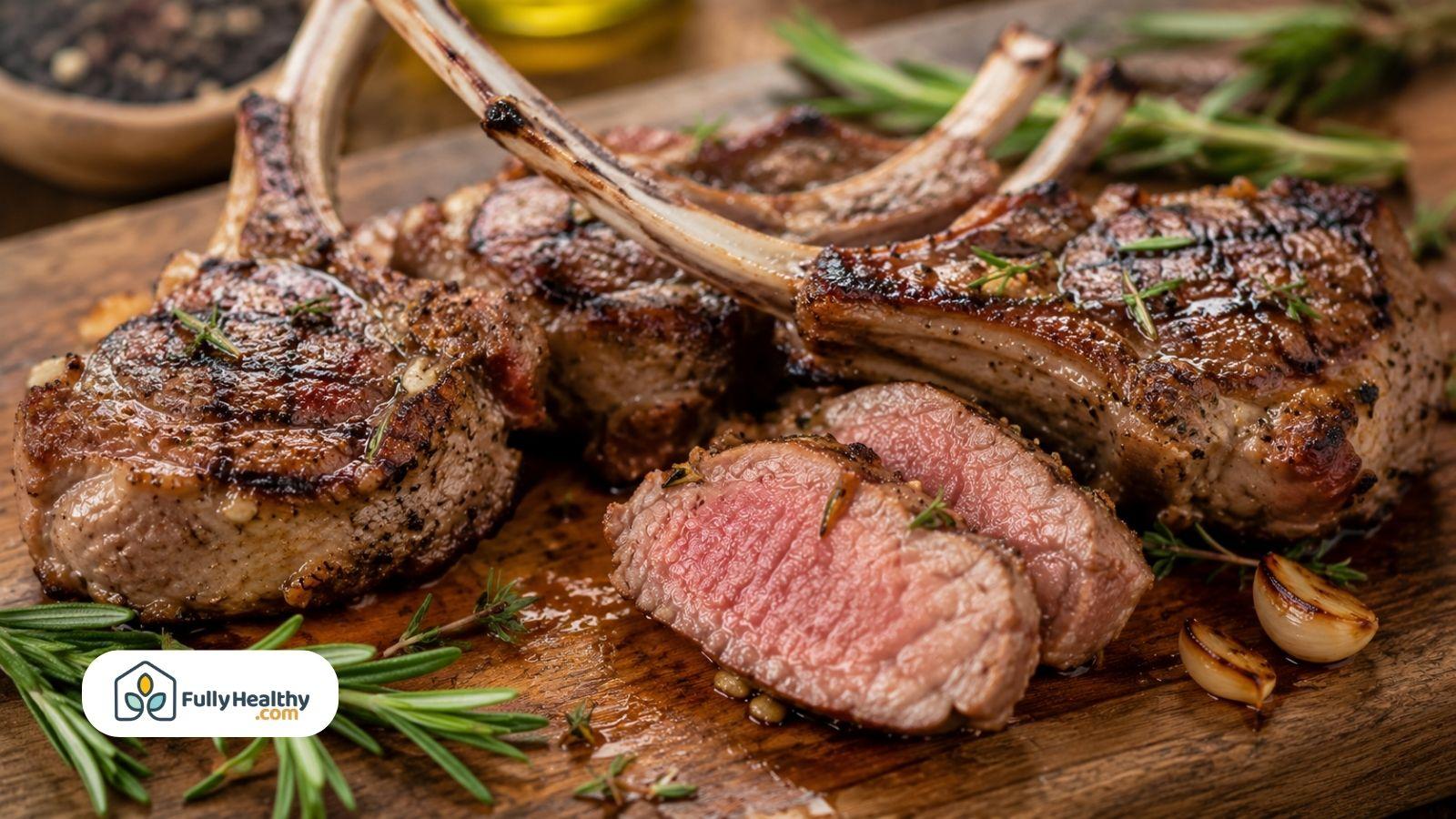
Lamb chops can be a healthy addition to a balanced diet because they provide high quality protein, essential nutrients, and healthy fats. The nutritional value depends on portion size, cooking methods, and the specific cut of lamb.
Lamb Nutrition And Essential Nutrients
Lamb meat is a nutrient dense food that contains complete protein, essential amino acids, heme iron, zinc, and vitamin B12 that support energy production, muscle growth, and brain function.
-
Complete Protein: Lamb provides all essential amino acids needed for tissue repair and lean muscle mass.
-
Heme Iron: This form of iron is easier for the body absorbs compared to non heme iron found in plant foods.
-
Essential Nutrients: Lamb nutrition includes zinc, selenium, vitamin B12, and other essential vitamins.
-
Brain Function: Vitamin B12 supports healthy nerves and cognitive performance.
-
Immune Function: Zinc and selenium help support immune health.
Healthy Fats, Protein, and Overall Health Benefits
Lamb contains a mix of protein and healthy fats that can support overall wellness. Grass fed lamb meat may contain higher omega 3 fatty acids and conjugated linoleic acid than grain fed lamb, but levels vary.
-
Omega 3 Fatty Acids: Grass fed lamb may contain more beneficial fatty acids.
-
Conjugated Linoleic Acid: This naturally occurring fatty acid is commonly found in lamb fat.
-
Muscle Growth: High quality protein helps maintain lean muscle mass.
-
Cardiovascular Health: Choosing lean cuts can help manage saturated fat intake.
-
Balanced Diet: Pairing lamb with fresh vegetables and whole grains creates a more complete meal.
How Often Should You Eat Lamb Chops?
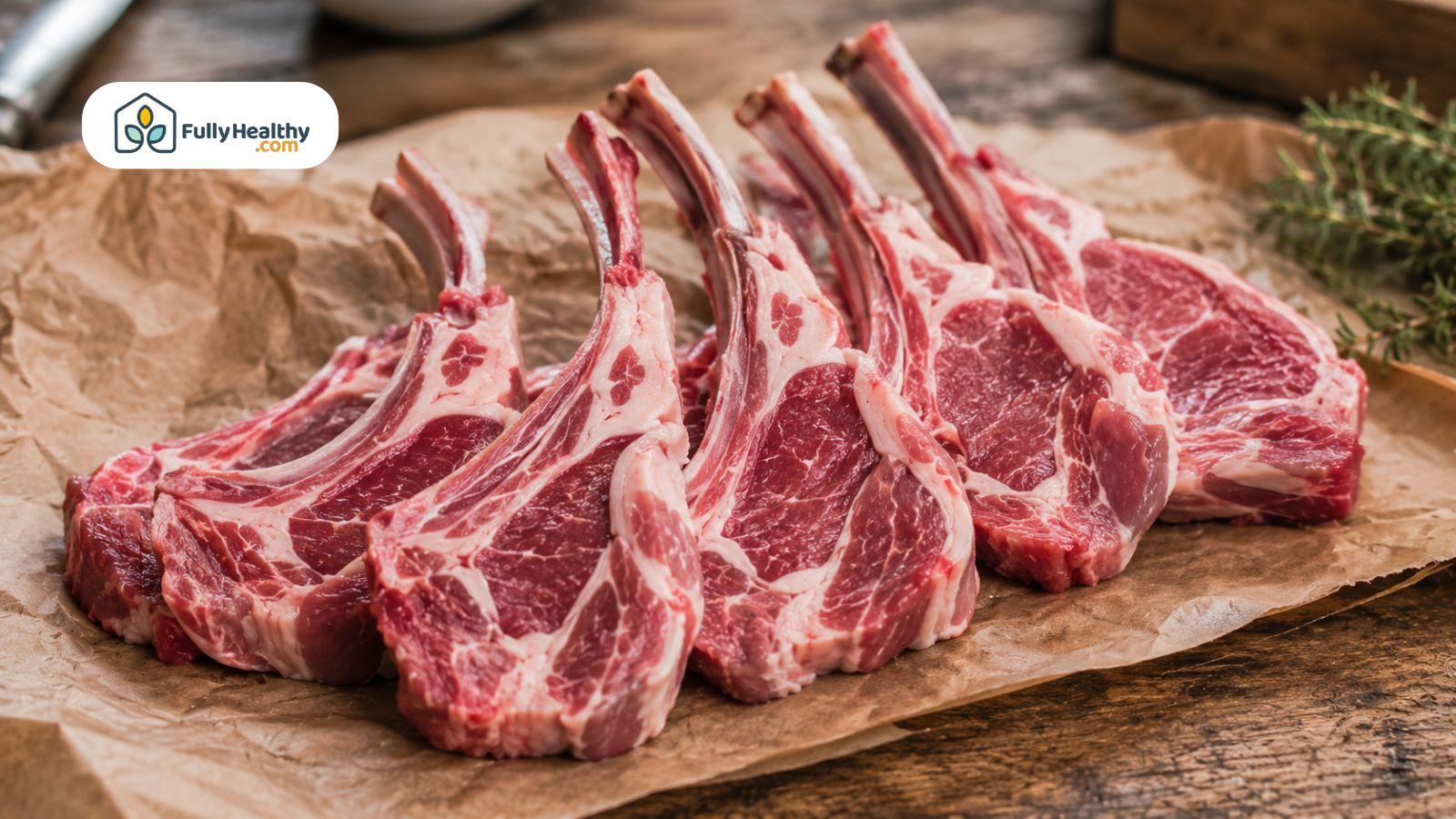
Most nutrition experts recommend treating lamb as a red meat that complements a varied diet rather than serving as an everyday protein.
Intake Recommendations For Red Meat
For most adults, eating lamb as part of a balanced diet is reasonable, but red meat intake should generally be limited to about 1 to 2 servings per week.
This allows you to enjoy the health benefits of lamb while keeping saturated fat consumption within recommended levels.
-
Red Meat Intake: Many nutrition guidelines suggest limiting red meat to 1 to 2 servings weekly.
-
Lean Cuts: Selecting lean cuts helps reduce visible fat and overall fat content.
-
Heart Health: Moderate portions of lean lamb can fit into a heart-conscious diet, but fatty cuts are higher in saturated fat.
-
Plant Foods: Include beans, vegetables, and other plant foods throughout the week.
-
Whole Grains: Whole grains can help create a more balanced diet alongside lamb meals.
Recommended Serving Size For Lamb Chops
A typical serving of lamb chops is about 6 to 8 ounces of cooked meat, which usually equals 2 to 3 chops depending on the cut. Paying attention to serving size helps manage calorie intake while still providing plenty of protein and important nutrients.
-
Serving Size: Most adults can aim for 6 to 8 ounces per meal.
-
Protein Intake: A serving provides a substantial amount of high quality protein.
-
Fat Content: Different cuts contain different fat percentages.
-
Cooking Methods: Grilling, roasting, and broiling can help reduce excess lamb fat.
-
Weight Loss: Portion control can support weight loss goals while maintaining protein intake.
Is Lamb Better for You Than Beef?
Both lamb and beef are nutritious red meats, but neither one is always better. Lamb may have an edge in omega 3 fatty acids and conjugated linoleic acid, while beef can be slightly higher in protein, iron, zinc, and vitamin B6.
Lamb Vs Beef Nutrition Comparison
When comparing lamb and beef, both provide complete protein, heme iron, zinc, vitamin B12, and other important nutrients. Beef is slightly higher in protein, while lamb is higher in total fat, cholesterol, calories, and some essential amino acids.
-
Protein Sources: Both lamb and beef are high quality protein sources.
-
Heme Iron: Both provide heme iron, but beef is slightly richer in iron and zinc.
-
Beef Tenderloin: Usually leaner than fattier cuts like ribeye steak.
-
Ground Lamb: Often has more fat than ground beef, but fat percentages depend on the product.
-
Nutritional Value: Both meats are nutrient dense, but the cut matters more than the animal alone.
Grass Fed Lamb Versus Grass Fed Beef
Grass fed lamb and grass fed beef can both have better fatty acid profiles than grain fed options. Lamb tends to be richer in omega 3 fatty acids than beef, while grass finished beef may have more omega 3 than grain finished beef.
-
Grass Fed Lamb: Often provides more omega 3 fatty acids than beef.
-
Grass Fed Beef: Usually leaner than grain fed beef and may contain more omega 3 than grain finished beef.
-
Conjugated Linoleic Acid: Present in both lamb and beef because both come from ruminant animals.
-
Grain Fed Beef: Often has more fat than grass finished beef.
-
Grain Fed Lamb: May differ in fatty acid levels, but the exact amount depends on the animal’s diet.
Which Meat Can You Eat Every Day?
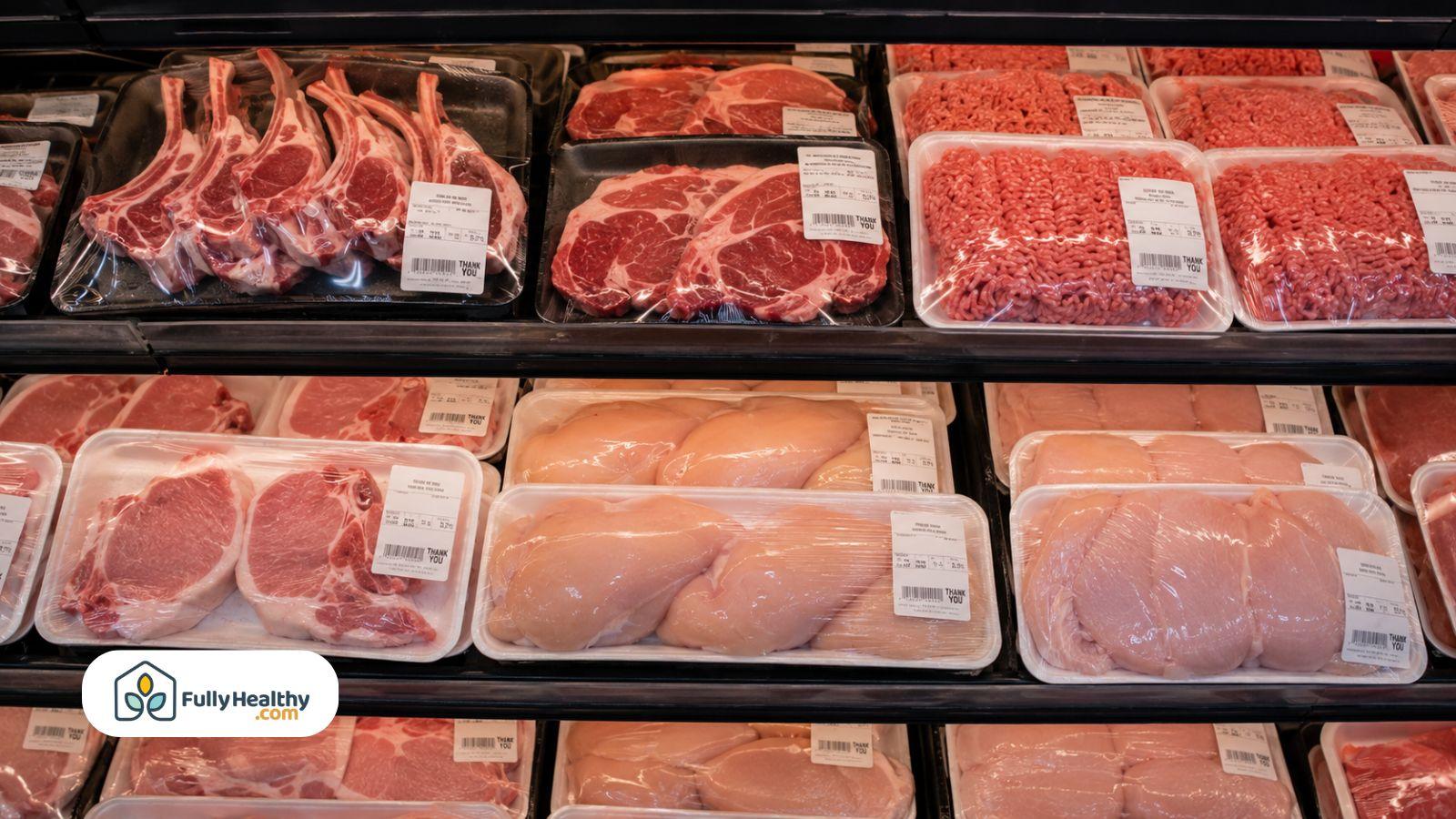
No single meat needs to be eaten every day to maintain good health. Eating different protein sources throughout the week can help you get a wider range of nutrients and support your overall health.
Lean Protein Choices for Daily Meals
Lean proteins are often the best option for frequent consumption because they provide nutrition without excessive saturated fat. Poultry, fish, eggs, and lean cuts of meat can all contribute to healthy eating habits.
-
Poultry: Chicken and turkey are popular lean protein options.
-
Fish: Fatty fish provide omega 3 fatty acids that support cardiovascular health.
-
Lean Cuts: Lean cuts of lamb and beef can fit into healthy meal plans.
-
Protein Sources: Variety helps increase nutrient diversity.
-
Metabolic Health: Balanced protein intake supports daily energy needs.
Building a Balanced Diet Around Protein Sources
Healthy eating is about more than choosing one meat over another. Pairing lamb, beef, fish, and poultry with fresh vegetables and whole grains can create satisfying meals that support overall wellness.
-
Fresh Vegetables: Add fiber, vitamins, and minerals to meals.
-
Whole Grains: Provide lasting energy and additional nutrients.
-
Pairing Lamb: Lamb recipes work well with roasted vegetables and grain dishes.
-
Heart Disease Risk: A balanced diet can help manage long-term health risks.
-
Healthy Eating: Variety remains one of the most important nutrition principles.
Why FullyHealthy Supports Better Food Choices
FullyHealthy offers products designed for people looking for simple, carefully selected foods that fit specialized dietary preferences.
About FullyHealthy
FullyHealthy is an online marketplace that focuses on wellness-oriented foods, specialty products, and ingredients that support different dietary needs. The platform helps shoppers access products that align with health-conscious lifestyles while maintaining convenience.
-
Specialized Options: Products are selected for a variety of dietary preferences.
-
Quality Ingredients: Many products emphasize simple ingredient lists.
-
Convenience: Online ordering makes specialty foods easier to access.
-
Wellness Focus: Products support diverse nutrition goals.
-
Product Variety: Customers can choose from snacks, meals, seasonings, and pantry staples.
Convenient Meat-Based Products For Busy Lifestyles
For shoppers who enjoy lamb and beef but need quick meal options, FullyHealthy carries products that balance convenience and quality ingredients.
-
Wild Zora Mediterranean Lamb Meat + Veggie Bar: A portable snack made with lamb and vegetables that provides convenient protein for workdays, travel, and busy schedules.
-
Wild Zora Harvest Beef Quick Quinoa Meal: A ready-to-prepare meal featuring beef, quinoa, mushrooms, garlic, and oregano for a quick and satisfying lunch or dinner.
-
Wild Zora Italian Beef Meat + Veggie Bar: A beef-based snack with Italian-inspired seasonings that offers a convenient source of protein when you're on the go.
-
Wild Zora BBQ Beef Meat + Veggie Bar: A savory beef snack combined with vegetables and barbecue flavors for an easy grab-and-go option.
-
Wild Zora Apple Pork Meat + Veggie Bar: A balanced snack that combines pork, apples, and vegetables for a slightly sweet and savory flavor.
-
Pluck Spicy Mild Organ Meat Blend Seasoning: A seasoning blend made with organ meats and spices that can add extra nutrients and flavor to everyday meals.
Final Thoughts
Lamb can be a nutritious part of a balanced diet thanks to its protein, essential nutrients, and healthy fat profile. Some people consider lamb healthier than other red meat options because it contains monounsaturated fat and often has a milder flavor.
From lamb chops to stew meat prepared through slow cooking, lamb offers a variety of ways to enjoy a satisfying and nutrient-rich meal.
Chicken is usually lower in fat and calories, but lamb healthier claims often depend on the cut, cooking method, and overall diet quality.
FAQs
Is Lamb Chop Healthier Than Steak?
Lamb and steak are both nutritious protein sources. Grass fed lamb may provide more omega-3 fatty acids than some grain fed meats, while lean steak cuts can be lower in calories and saturated fat.
Is Lamb High in Cholesterol Than Beef?
Lamb can be slightly higher in cholesterol than beef, but fat content depends heavily on the cut and trimming.
Who Should Not Eat Lamb?
People with high cholesterol, gout, or a red meat allergy may need to avoid lamb. Pregnant people, older adults, and immunocompromised people should avoid undercooked lamb.
What are the Disadvantages of Lamb Meat?
Lamb can be high in saturated fat and cholesterol, has a stronger flavor than some meats, and is often more expensive than other protein options.
Leave a comment