

Is Kimchi Vegan? Traditional and Vegan Kimchi Compared
Is kimchi vegan? It depends on the ingredients. Traditional kimchi is commonly made with fish sauce, shrimp paste, or other fermented seafood, although vegan versions replace these ingredients with plant-based alternatives. Knowing the difference can help you choose the right product for your diet.
This guide explains what makes kimchi vegan, how to identify it, the best substitutes, and simple tips for making vegan kimchi at home.
Is Kimchi Vegan?
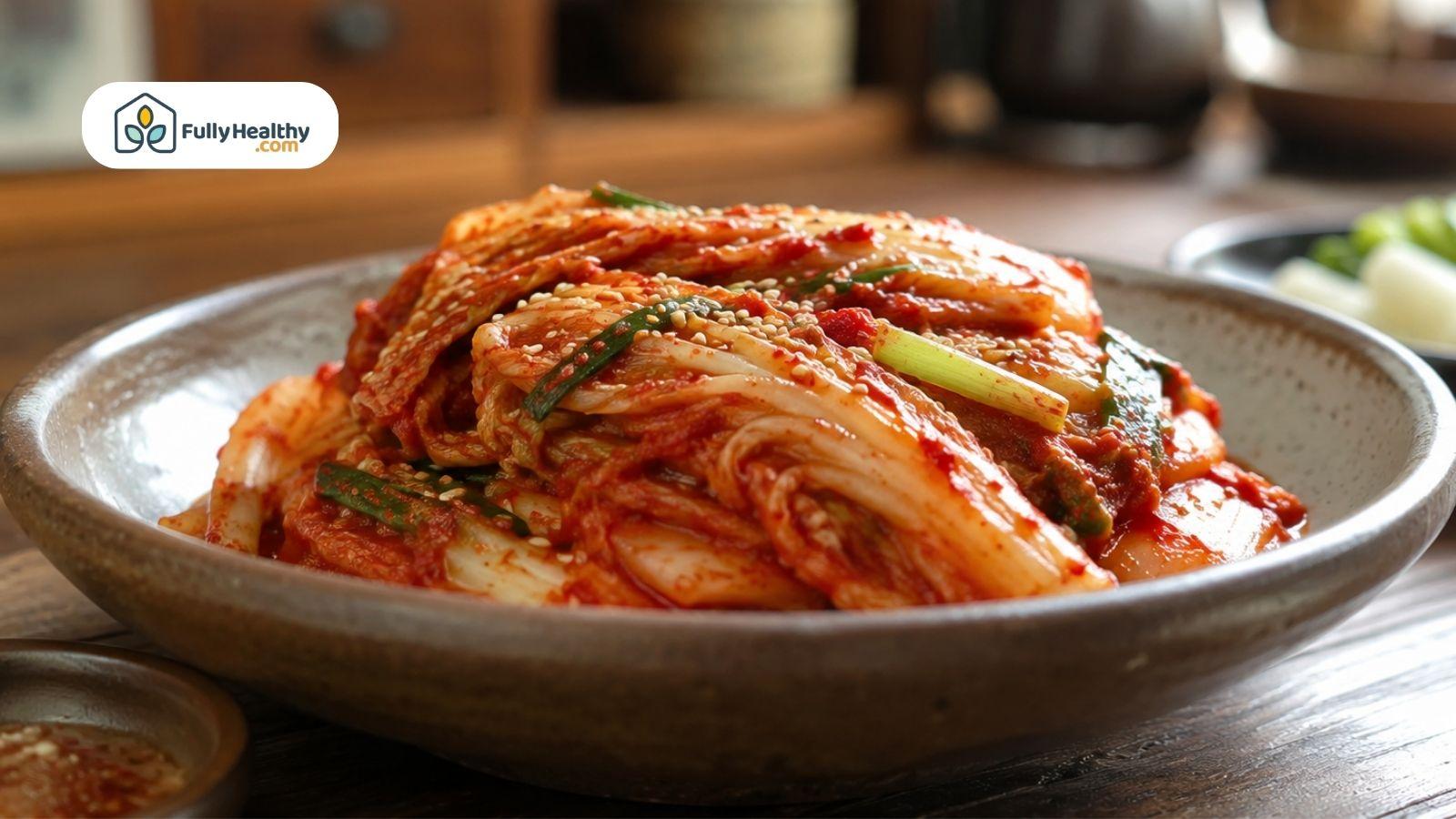
Kimchi is not always vegan because many traditional recipes include seafood-based ingredients. The answer depends on the ingredients used, not simply the vegetables or the fermentation process.
Traditional Kimchi Is Not Always Vegan
Traditional kimchi often contains fish sauce, shrimp paste, or other fermented seafood that gives it its signature savory flavor, making many recipes non vegan even though they are made primarily with vegetables.
-
Traditional method: Authentic kimchi commonly combines napa cabbage, korean radish, garlic, ginger, green onion, scallion greens, scallion whites, and kimchi paste with fish sauce or shrimp paste.
-
Seafood ingredients: Some recipes also include dried shrimp or anchovy extract to create a deeper umami flavor.
-
Regional differences: Traditional kimchi recipes vary across Korea, so one version may be vegan friendly while another is not.
-
Common misconception: Seeing only cabbage or radish on the front label does not guarantee the product is vegan.
How to Identify Vegan Kimchi
Vegan kimchi replaces animal-derived seasonings with plant-based alternatives while keeping the same spicy, tangy character. Reading the ingredient label is the easiest way to confirm that a product is a true vegan version.
-
Read the ingredients: Check for fish sauce, shrimp paste, dried shrimp, anchovy extract, or other seafood before buying.
-
Look for substitutes: Soy sauce, miso paste, vegetable stock, and other plant-based seasonings are commonly used in vegan kimchi.
-
Check certifications: Labels marked vegan or vegan friendly provide extra confidence when shopping.
-
Compare brands: Kimchi recipes differ between manufacturers, so ingredients should always be reviewed individually.
-
Know the difference: A vegetarian version and a vegan version are not always the same because some vegetarian products may still contain animal-derived ingredients.
What's the Difference Between Original Kimchi and Vegan Kimchi?
The biggest difference between original kimchi and vegan kimchi is how each recipe creates its rich umami flavor. Both typically undergo lactic acid fermentation, but differences in ingredients, salt, temperature, and preparation can affect microbial activity and fermentation speed.
The Ingredients That Create Umami Flavor
Traditional kimchi gets much of its savory taste from fermented seafood, while vegan kimchi relies on plant-based ingredients to achieve a similar depth of flavor. The result is a spicy, tangy side dish that stays true to the character of authentic kimchi without using animal products.
-
Traditional seasoning: Fish sauce, shrimp paste, and dried shrimp provide the signature umami found in more traditional kimchi.
-
Plant-based seasoning: Soy sauce, miso paste, vegetable stock, asian pear, and plum syrup create a balanced flavor without seafood.
-
Kimchi paste: Many vegan kimchi recipe variations use glutinous rice flour or cooked brown rice to make a smooth kimchi paste.
-
Flavor balance: Garlic, ginger, chili flakes, and korean radish contribute sweetness, heat, and aroma.
-
Recipe flexibility: Every recipe adjusts the amount of seasoning to match personal taste preferences.
Flavor, Texture, and Fermentation Differences
Vegan kimchi can taste similar to traditional kimchi, but flavor varies with the recipe, seafood substitutes, fermentation conditions, and aging time. Research has shown that vegan and traditional kimchi can develop very similar microbial communities as they ferment, despite starting with different ingredients.
-
Flavor: Traditional kimchi usually has a deeper savory taste, while vegan kimchi highlights vegetables and plant-based seasonings.
-
Texture: Both versions can remain crisp early in fermentation, but texture softens with longer aging, warmer storage, and unwanted yeast growth.
-
Fermentation process: Lactic acid bacteria naturally become dominant during kimchi fermentation and produce organic acids that create its tangy flavor. Not every strain present has proven probiotic benefits.
-
Storage: Storing kimchi in mason jars or another airtight container slows fermentation after refrigeration.
-
Aging: Fresh kimchi has a brighter taste, while aged kimchi becomes more sour and intense.
What Are Vegan Substitutes for Kimchi?
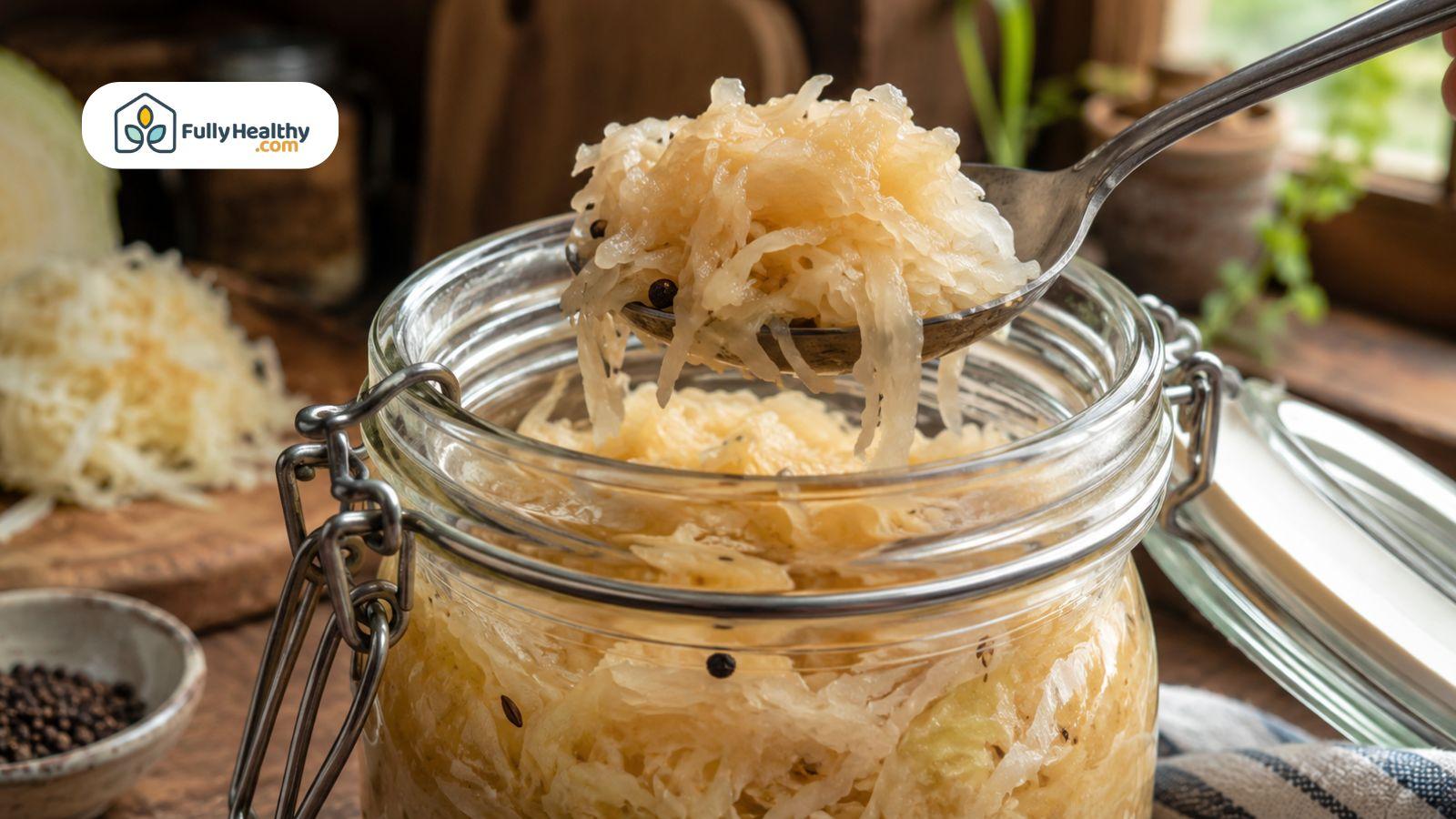
The best vegan substitute for kimchi is vegan kimchi made without seafood ingredients. Other fermented foods, such as sauerkraut, vegan radish kimchi, and cucumber kimchi, also provide a similar tangy flavor and crunchy texture.
Store-Bought and Homemade Alternatives
Vegan kimchi is the best substitute because it keeps the familiar flavor and texture without seafood ingredients. Other fermented vegetables also make excellent additions to meals when traditional kimchi is not suitable.
-
Best kimchi option: Store-bought vegan kimchi labeled as vegan friendly or plant-based offers the closest match to traditional kimchi.
-
Fermented alternatives: Sauerkraut, vegan radish kimchi, cucumber kimchi, and other fermented foods provide similar acidity and crunch.
-
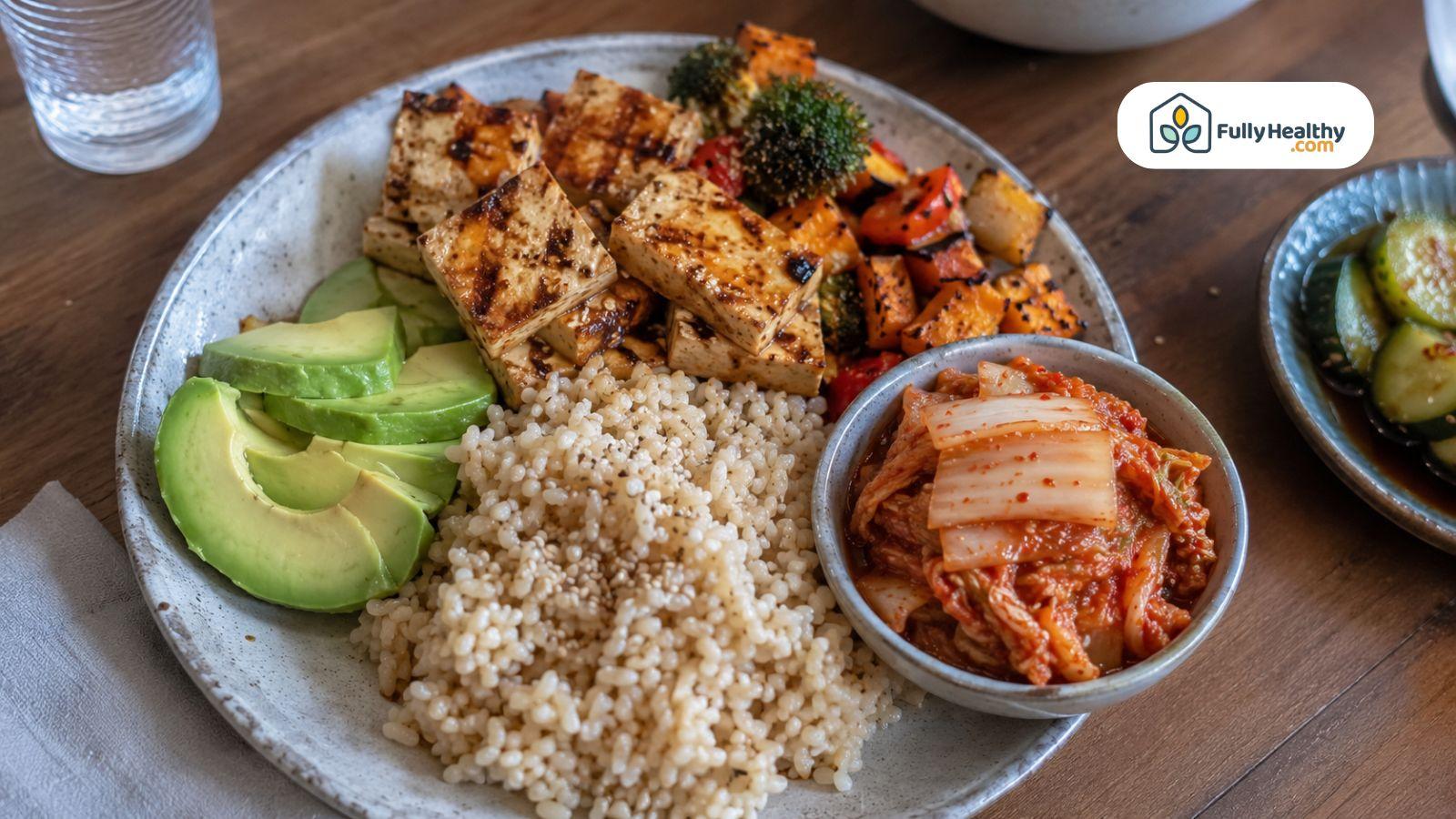
Serving ideas: Use these products as a side dish with white rice, grain bowls, noodles, wraps, sandwiches, or salads.
-
Flavor choices: A spicy version pairs well with grilled dishes, while a milder product is better for readers who prefer less heat.
-
Different recipes: Kimchi recipes vary in seasoning, so taste and texture may differ between brands and homemade versions.
Making Vegan Kimchi at Home
Making homemade kimchi is a simple way to control every ingredient while creating a flavorful vegan version. If you're ready to try making kimchi at home, follow these basic steps:
-
Prepare the vegetables: Rinse the cabbage, cut the cabbage into bite sized pieces, and soak the salted cabbage in cold water with kosher salt or sea salt.
-
Make the kimchi paste: Blend garlic, ginger, soy sauce, miso paste, vegetable stock, asian pear, plum syrup, chili flakes, and glutinous rice flour or cooked brown rice in a food processor or small saucepan over medium heat.
-
Mix everything together: Combine napa cabbage, korean radish, daikon radish, green onion, scallion greens, and scallion whites in a large bowl or mixing bowl until evenly coated with enough sauce.
-
Start fermenting: Transfer the new batch into mason jars or another airtight container and leave it at room temperature or room temp before refrigerating for storing kimchi.
-
Fix common problems: Add more seasoning if you have bland kimchi, reduce excess salt if you end up with salty kimchi, and drain excess water before sealing the container if needed.
Does Fermentation Always Mean It's Vegan?
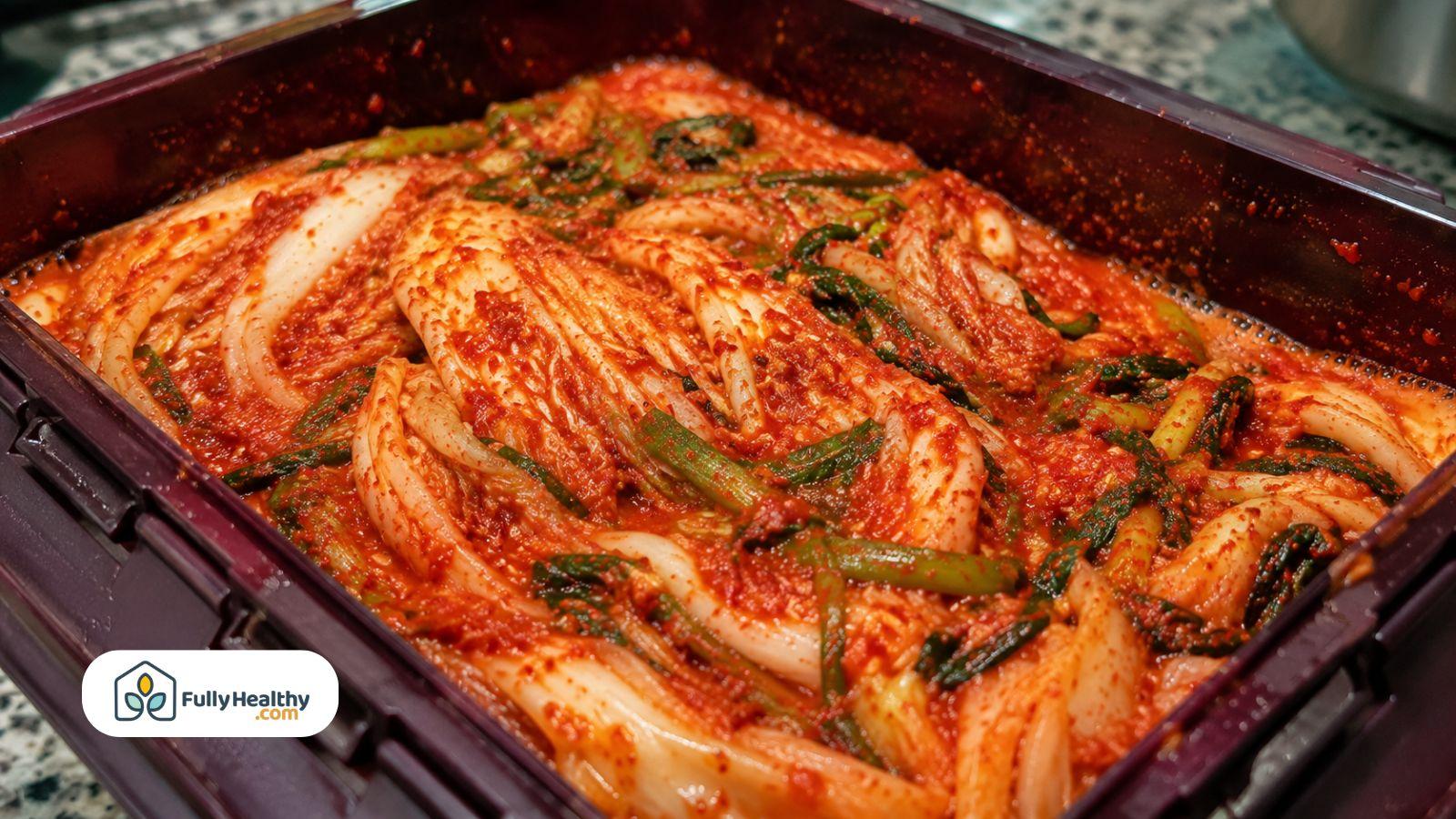
Fermentation does not automatically make a food vegan. The ingredients added before and during the fermentation process determine if a product is suitable for a vegan diet.
Fermentation Does Not Determine Whether a Food Is Vegan
Fermentation is a natural process where beneficial bacteria transform ingredients over time, but it does not change animal-derived ingredients into plant-based ones. A product can still be non vegan if it contains fish sauce, shrimp paste, dairy, or other animal ingredients before fermentation begins.
-
Fermentation process: Beneficial bacteria help preserve food and create the tangy flavor found in many fermented foods.
-
Ingredients matter: Fish sauce, shrimp paste, and dried shrimp remain animal products even after fermentation.
-
Plant-based options: Vegan kimchi uses ingredients like soy sauce, miso paste, and vegetable stock instead of seafood.
-
Common misconception: Fermented foods are not automatically vegan because every recipe uses different ingredients.
-
Shopping tip: Always read the ingredient label instead of relying on the word "fermented."
Modern Fermentation and Vegan Food Production
Modern food production uses several fermentation techniques, including precision fermentation, to create ingredients without traditional animal farming. Even so, checking labels remains the best way to confirm a product matches your dietary preferences.
-
Precision fermentation: This method uses microorganisms to produce specific food ingredients in a controlled environment.
-
Product labels: Manufacturers may use different fermentation methods, so ingredient lists provide the clearest information.
-
Vegan friendly foods: Many modern fermented products are made entirely from plant-based ingredients.
-
Gluten free options: Some fermented products are also gluten free, but certifications should still be verified.
-
Better choices: Choosing clearly labeled vegan products makes shopping simpler and helps avoid unwanted animal-derived ingredients.
Shop Plant-Based Fermented Foods at FullyHealthy
If you enjoy fermented foods but prefer plant-based options, FullyHealthy offers a curated selection that makes shopping easier. The store specializes in products that support a variety of dietary needs, including vegan, gluten free, and allergy-friendly lifestyles.
About FullyHealthy
FullyHealthy is an online marketplace focused on specialty foods for people with dietary restrictions and wellness goals. Its collection includes pantry staples, snacks, baking ingredients, and fermented foods from trusted brands, making it easier to choose products that fit your lifestyle.
-
Curated selection: Products are chosen to support vegan, gluten free, paleo, AIP, and other specialty diets.
-
Convenient shopping: The website groups foods into easy-to-browse categories, helping shoppers compare products quickly.
-
Trusted brands: FullyHealthy carries products from brands known for high-quality ingredients and dietary transparency.
-
Dietary support: Clear product descriptions help customers identify foods that match their nutritional preferences.
-
Everyday staples: The selection includes snacks, pantry essentials, condiments, baking products, and fermented foods.
Featured Pickled and Fermented Products
FullyHealthy carries several fermented vegetable products that offer bold flavor and natural crunch. These options work well as a side dish, sandwich topping, salad ingredient, or flavorful addition to grain bowls and other meals.
-
Lil Kim Chee Organic Raw Sauerkraut: A kimchi-inspired raw sauerkraut with a spicy, tangy flavor.
-
Great Plain Raw Sauerkraut: A classic raw sauerkraut with a crisp texture and clean fermented taste.
-
Pickled Planet Organic Raw Taqueria Mix: A zesty fermented vegetable mix inspired by Mexican flavors.
-
Immune Boost Organic Raw Sauerkraut: A flavorful fermented cabbage blend with vegetables and herbs.
-
Beat Kraut Organic Raw Sauerkraut: A fermented cabbage and beet blend with a mildly earthy flavor.
-
Dill-E-Gent Organic Raw Sauerkraut: A dill-infused raw sauerkraut with a fresh, savory taste.
Final Thoughts
Traditional kimchi and vegan kimchi may look similar, but the ingredients make all the difference. Checking the label is the easiest way to avoid animal-derived ingredients and choose a product that matches your dietary preferences.
If you enjoy making your own food, a homemade version also gives you complete control over every ingredient. Use this guide to compare your options and choose the kimchi that best fits your lifestyle.
FAQs
Is Kimchi Supposed to Be Vegan?
No. Traditional kimchi is usually not vegan because it commonly contains fish sauce, shrimp paste, or other fermented seafood. Vegan kimchi replaces these ingredients with plant-based alternatives.
What's Not Vegan in Kimchi?
Fish sauce, shrimp paste, dried shrimp, anchovy extract, and other seafood-based seasonings are the ingredients that make traditional kimchi non vegan.
Is Ginger Necessary for Kimchi?
No. Ginger is not required, but it is a common ingredient that adds depth of flavor and aroma to many traditional and vegan kimchi recipes.
How Long Does Vegan Kimchi Take to Ferment?
Vegan kimchi typically ferments for 1 to 3 days at room temperature, then continues to develop flavor slowly after it is refrigerated.
Is Kimchi Good for Your Gut?
Yes. Kimchi contains beneficial bacteria produced during fermentation, which may support gut health as part of a balanced diet.
Leave a comment