

Are Lemons Man Made? The Origins of This Citrus Fruit
 Photo Credit: Canva Pro
Are lemons man-made? Lemons, as we know them today, are a hybrid that does not occur naturally in the wild but was created through human cultivation of wild citrus species like citron and sour orange. Citron and bitter orange were crossed with each other by people to make them. People have grown this citrus fruit for a very long time, from Asia to the Mediterranean and beyond.
Today, lemons are popular because they are good for you, especially because they have a lot of vitamin C. They are also used in a lot of food and health products.
Featured Pantry Pick
Lakewood // Pure Organic Lemon Juice - 12.5 oz
Loading...
Are Lemons Man Made?
 Photo Credit: Canva Pro
Lemons are a hybrid fruit created by humans through the cultivation of wild species such as citron (Citrus medica) and bitter orange (Citrus aurantium), which do grow naturally. Over hundreds of years, people grew these fruits to make the lemon we know today.
Genetic studies show that lemons and other citrus fruits were shaped by selective breeding. Lemons got their unique qualities over time, like their sour taste and high acidity, from being grown.
Hybrid Nature of Lemons
Since they are a true hybrid of Citrus medica and Citrus aurantium, lemons don't grow in the wild.
-
Citrus Family Tree: Oranges, limes, and grapefruits are all citrus fruits, and lemons are one of them.
-
Plant Breeding: People selectively bred lemons to get better qualities like their unique flavor and acidity.
-
Cross Breeding: One big reason why lemons are man-made fruits is that they were made by crossing citron and sour orange.
The Role of Humans in Lemon Cultivation
Lemons were initially cultivated primarily for food and medicinal purposes and later became important in farming due to their commercial value.
-
Lemon Groves: Large-scale lemon groves can now be found in places like Florida and California, where the weather is perfect for lemon trees.
-
Lemon Juice: Lemon juice, pulp, and zest are all used in many things, from cleaning products to lemonade.
-
Citrus Crops: Lemons are now one of the most important citrus fruits, and they are grown for both their fresh fruit and their essential oils.
Is It True We Made Lemons?
 Photo Credit: Canva Pro
Yes, that's correct. People have changed the natural world to make lemons, which are a man-made hybrid. Lemons were first cultivated in Asia, particularly in India and Southeast Asia, and later spread to Southern Italy and other parts of the Mediterranean.
As citrus farming spread, lemon trees were planted in many places, like the Middle East, Florida, and California. A lot of work went into making them taste better, produce more, and be less vulnerable to pests.
The Early History of Lemons
People in ancient times grew lemons, but it was natural selection that made them into the fruit we know today.
-
Citrus Varieties: As lemon trees grew older, they bred with other citrus species to make new types that taste and look different.
-
Selective Breeding: Over time, farmers selectively bred lemon trees to produce fruit that is more acidic, tastes better, and doesn't attract pests.
-
Citrus Crops: Growing citrus crops over time has changed both the culinary and farming worlds. The development of lemons is one example of this.
Human Influence on Lemon Characteristics
It is people who have directly changed the taste and properties of lemons.
-
Lemon Seeds: Lemon tree seeds are used to grow new plants, which makes it possible to selectively breed lemons with the traits that people want.
-
Flavor and Acidity: Lemons are used a lot in cooking, drinks, and health products because they have a unique sour taste and a lot of citric acid.
-
Culinary Uses: Lemons are an important part of making lemonade and are used in a wide range of foods, from savory to sweet.
Are Lemons Natural or Not?
 Photo Credit: Canva Pro
In the sense that they didn't just grow on their own in the wild, lemons aren't completely natural. Like other citrus fruits, like limes, oranges, and grapefruits, they are hybrids that were made by humans.
For thousands of years, people have grown lemons to meet their needs, even though they have some traits in common with wild species like the pomelo. There are both naturally occurring wild species and hybrids in the citrus family tree. Lemons are a great example of a crop that was cultivated by humans.
Lemons as Part of the Citrus Family
Lemons are a type of citrus fruit. All citrus fruits have been changed by people growing them.
-
Wild Species: Even though lemons didn't come from wild lemons, they do come from wild species like Citrus medica (citron) and Citrus aurantium (bitter orange).
-
Citrus Crops: These wild species were tamed and crossed with other species to make a wide range of citrus crops, such as lemons, oranges, and grapefruits.
-
Citrus Diversity: Many years of farming and crossing-breeding have led to the wide range of citrus fruits we see today.
The Evolution of Lemons
Lemons have become an important fruit in agriculture around the world thanks to human farming.
-
Lemons Grown: Lemons can grow in a wide range of climates, from California to Florida to Mexico. This is because they can handle different growing seasons.
-
Harvest and Cultivation: Every step of the lemon production process, from planting the seeds to picking the fruit, is affected by how people farm.
-
Food and Agriculture Organization: International groups like the Food and Agriculture Organization keep an eye on the growing and distribution of lemons around the world.
Are Lemons Healthy?
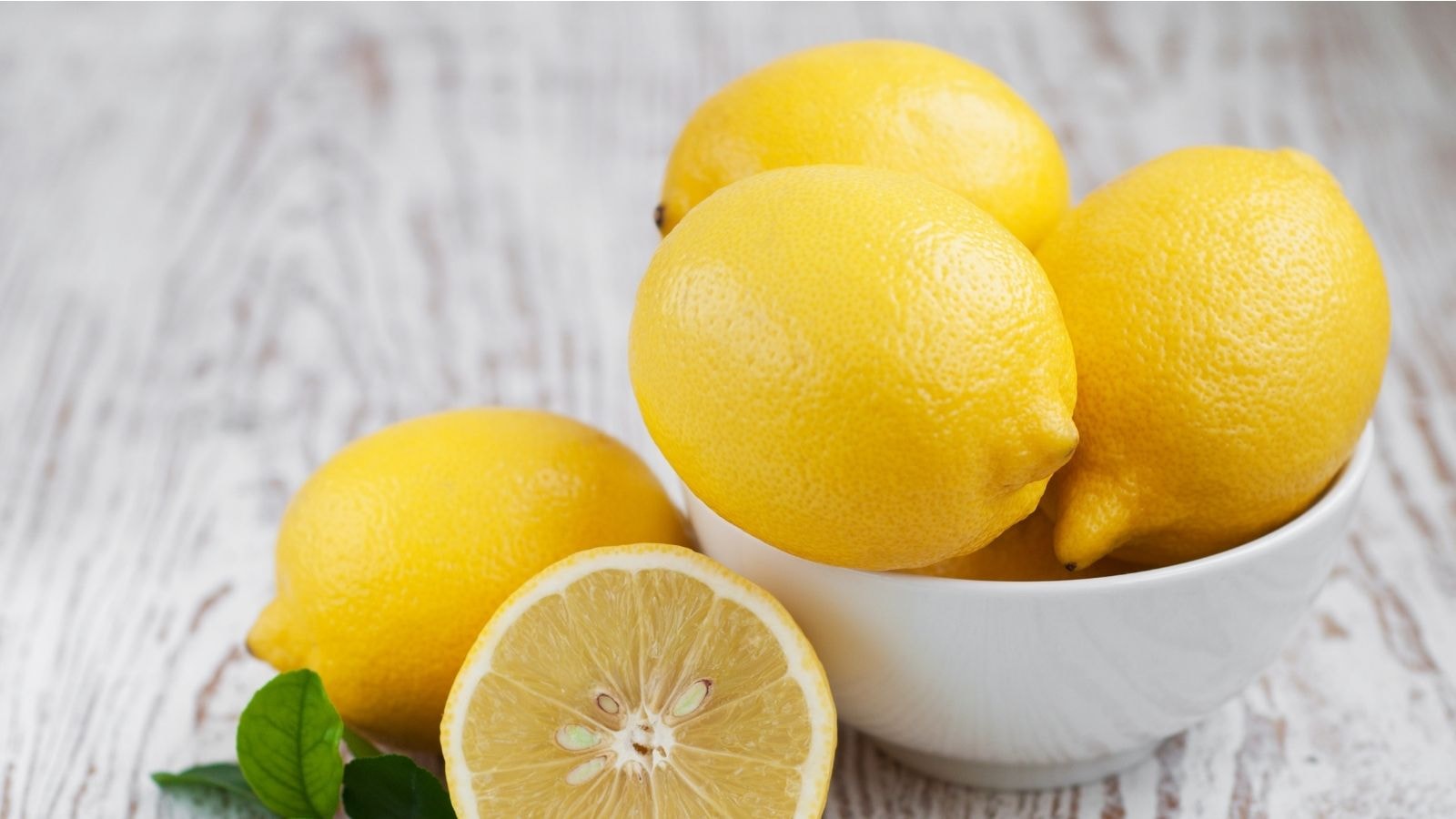 Photo Credit: Canva Pro
Not only are lemons tasty, but they are also full of good things for you. They are a powerful fruit that is high in vitamin C and good for your health in many ways, like making your skin healthier and stronger, and helping your digestion. Along with the vitamins they contain, lemons' fresh, sour taste and citric acid make them an important part of many foods, teas, and even natural medicines.
Health Benefits of Lemons
Lemons are an excellent source of vitamin C, which supports immune health and helps in collagen formation, but their medicinal use, such as treating sore throats, should be approached with caution and based on individual needs.
-
Lemon Juice: A great source of vitamin C, which helps the body make collagen and fights off infections.
-
Citric Acid: Citric acid in lemon juice helps your body digest food and keeps kidney stones from forming.
-
Sour Flavor: Lemons add flavor to food and are good for your digestion because they are sour.
Lemons in Medicinal Use
For their antibacterial and fungi, lemons have been used in medicine for hundreds of years.
-
Lemon Peel: Bioflavonoids, which are found in lemon peel, help keep your immune system healthy and reduce inflammation.
-
Lemon Tea: Lemon tea is often used to treat sore throats and digestive problems because it is known to be soothing.
-
Citrus Varieties: Oranges, limes, and other citrus fruits are also good for you in many ways, but lemons are especially valued for how useful they are in so many situations.
What Products Does Fully Healthy Offer Related to Lemons?
Fully Healthy has a range of lemon-based products for people who need to follow certain dietary guidelines. Fully Healthy has a variety of lemon products, such as tea and snacks infused with lemon, that can help your meals taste better and be better for you if you are on a gluten-free, AIP (Autoimmune Protocol), or other special diet.
These products are made with great care to meet the highest standards and give you important nutrients.
Fully Healthy's Lemon-Infused Products
Lemon-infused goods make it easy to get the health benefits of lemons without having to squeeze them fresh.
-
Lemon Snacks: These snacks, like dried lemon slices and seasonings that taste like lemon, can help you eat more lemon.
-
Lemon and Tea: Adding lemon to tea makes it taste better and makes it a healthier, more relaxing drink.
Benefits of Lemon Products for Specific Diets
Lemon products are great for people who are on strict diets because they taste good and are good for you.
-
AIP Compliance: There are a lot of lemon-based products that are safe for people with autoimmune conditions because they follow the AIP.
-
Citrus Crops: Fully Healthy only gets its lemon products from high-quality, environmentally-friendly citrus crops to make sure they are pure and taste good.
-
Lemons and Health: As part of a healthy diet, using lemon products regularly can help with digestion, skin health, and overall health.
Final Thoughts
Are lemons man-made? Like sour oranges and sweet oranges, lemons are in the same family as citrus fruits. By crossing citron and sour orange, plant breeders were able to make true lemons. Today, US lemons are grown as part of citrus crops that give food flavor and citric acid. In the new world, fruit trees like lemon trees do very well and grow lemons with bright yellow and green peels.
Lemons are still an important fruit in a man's life, whether they're used in tea, food, or medicine. Because they come from the citron fruit, they are a key part of the Food and Agriculture Organization's global farming efforts
FAQs
Was lemon created by man?
Yes, lemons were created by humans through the cross-breeding of wild species like sour orange and citron. This hybridization process resulted in lemons, which are now grown in places like California as part of citrus crops.
What citrus fruits are man-made?
Lemons are man-made, originating from sour orange and citron. Mandarin, limes, and pomelo are also citrus fruits that humans have cultivated through plant breeding and hybrids.
Is lemon a false fruit?
No, lemons are not a false fruit. They are a true fruit formed from the citrus hybrids of sour orange and citron, grown on fruit trees and rich in citric acid.
Is real lemon made with real lemons?
Yes, real lemons are made from lemons, citrus crops grown for their sour flavor and yellow peel. Tea and food often use fresh lemon squeezed from these trees.
Did humans create limes?
Yes, limes, like lemons, are created by humans through plant breeding, often crossing other citrus fruits like mandarin and pomelo to create different citrus varieties for cooking and health benefits like preventing scurvy.
Leave a comment