

Are Mushrooms Plants or Just Other Fungi in Disguise?
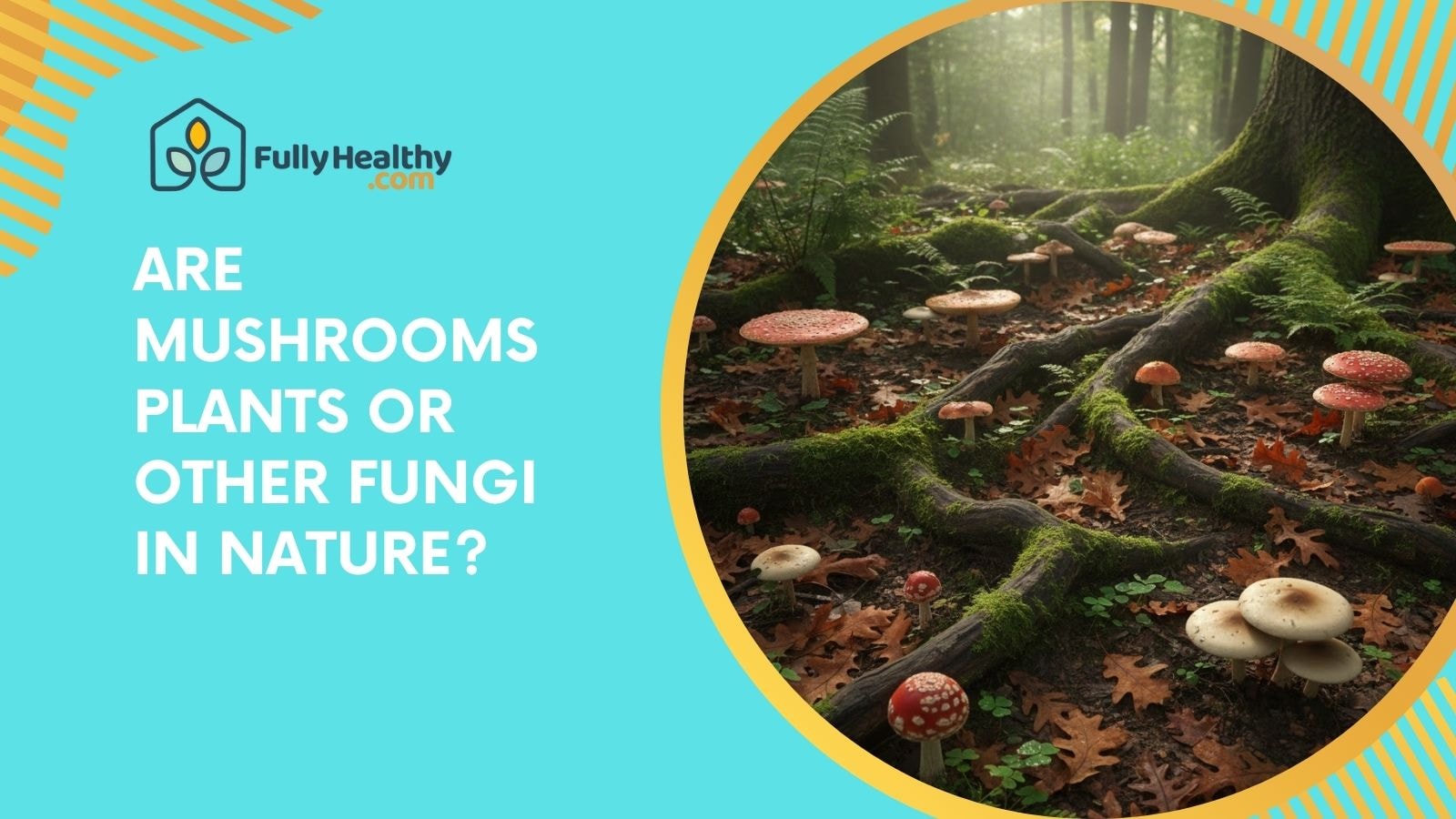
Mushrooms are not plants, even though they look like they are. They don't have roots, leaves, or chlorophyll. They do not produce their own food through photosynthesis; instead, they absorb nutrients from organic matter. For this reason, mushrooms are in their own group called fungi.
We cook them like vegetables, but in some ways, they are more like animals. Here's an article that talks about mushrooms: what they are, how they grow, and why they're not plants.
Featured Pantry Pick
Wild Zora // Instant Soup Mushroom Beef with Mushrooms Pumpkin Turmeric - 0.5 oz
Loading...
Are Mushrooms Plants?
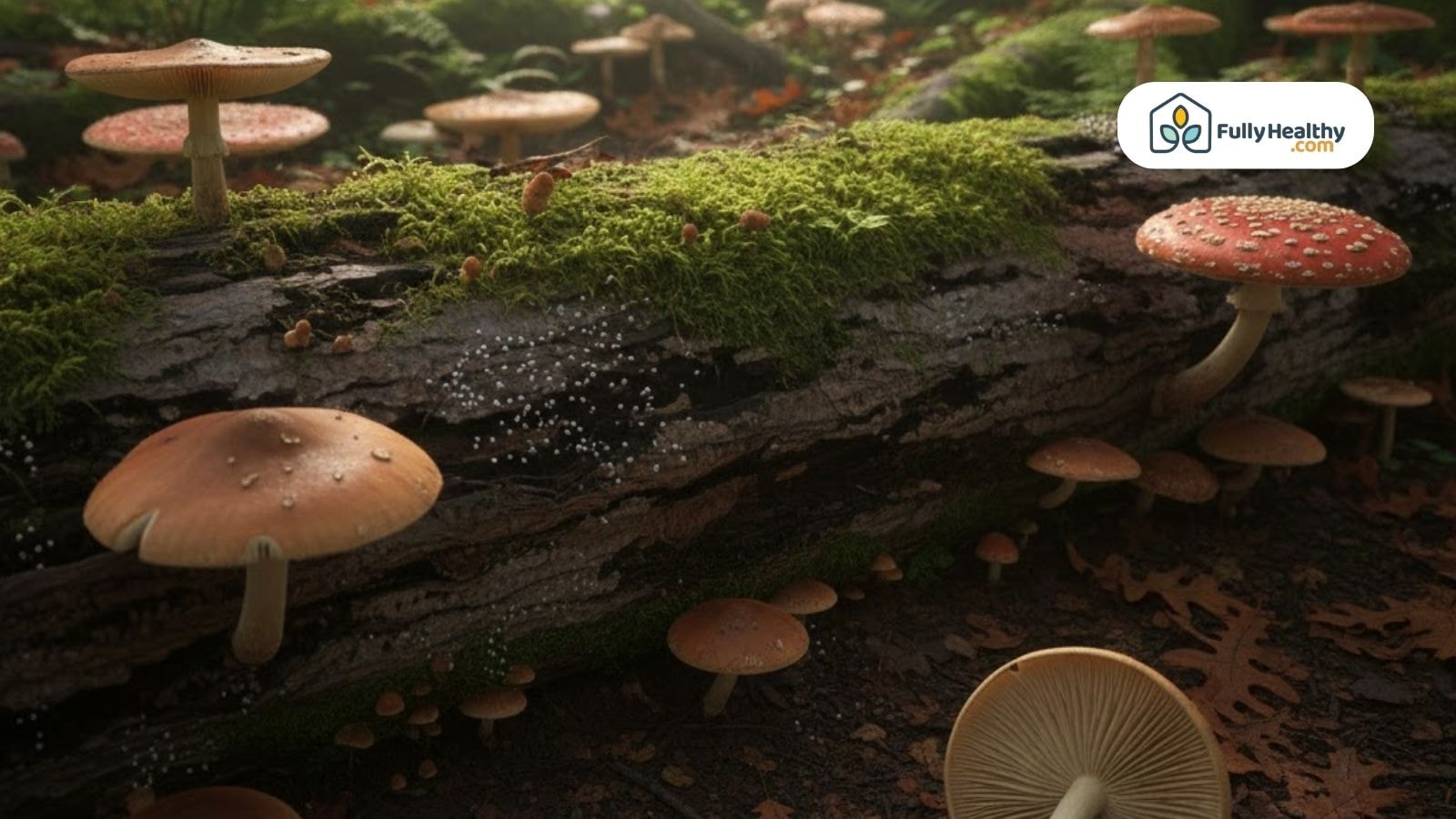
Mushrooms are not plants or animals, but they are often thought of as plants. They belong to a distinct biological kingdom called Fungi. They don't make their own food as plants do. Instead, they get their nutrients from organic compounds that are alive or dead in the soil, trees, or other living things. This difference is very important to how we think about where they fit in with the rest of nature.
Mushrooms Don’t Photosynthesize Like Plants
Mushrooms don't have chlorophyll, the green pigment in plants that lets them make sugar through photosynthesis. Instead, they get their nutrients by breaking down things like wood, leaves, or tissue. They do this with enzymes, which break down complex matter into smaller pieces that fungi can eat. This way of doing things is nothing like how plants get their food.
-
No Chlorophyll: Mushrooms can't do photosynthesis.
-
Absorbing Nutrients: They break down organic compounds and take in the nutrients.
-
Different Process: Mushrooms eat like other fungi, not plants.
-
Surface and Underground Activity: Mushrooms growing on the ground, trees, or underground break down surrounding materials.
Mushrooms Belong to a Separate Biological Kingdom
Mushrooms are in a group called Fungi. This kingdom has more than just yeasts and molds. Some mushrooms are safe to eat, but others are poisonous or are used in science, medicine, or beer brewing. The Mycological Society studies fungi from all over the world and how they are used.
-
Kingdom Fungi: Mushrooms are not plants; they are in this group.
-
Own Food Source: They don't make their own food; they absorb it instead.
-
Rigid Cell Walls: Unlike plants, which use cellulose, fungi use chitin to make their cell walls.
-
Important Role: Fungi are responsible for breaking down dead matter and supporting ecosystems.
What Are Mushrooms Classified As?
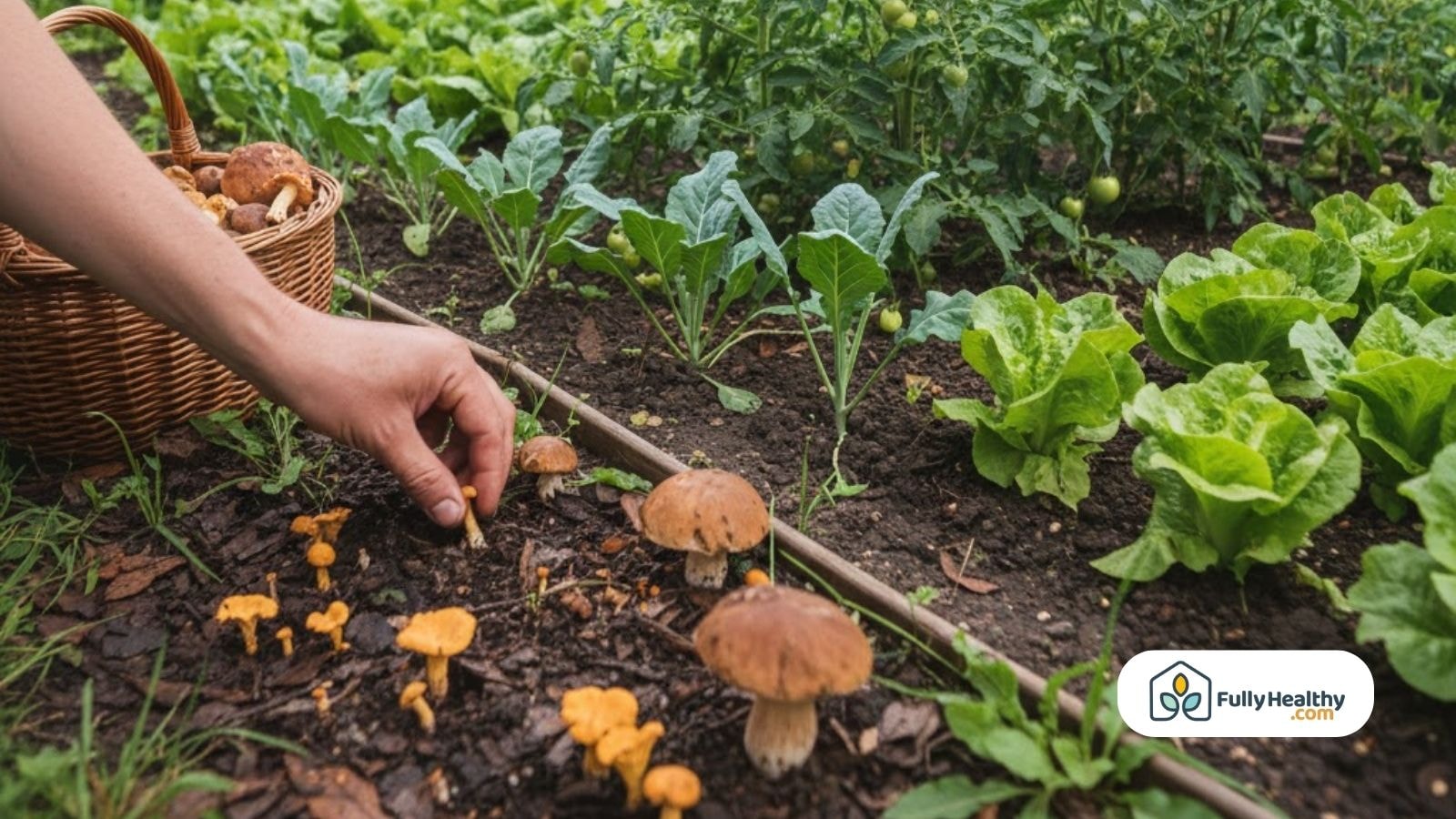
Mushrooms are not plants, even though they are often cooked like vegetables. They might be sold next to broccoli and spinach in grocery stores, but that's just for convenience. Mushrooms are fungi, and they are grouped into different categories based on their unique features, structure, and life cycle.
Why Grocery Stores Call Mushrooms Vegetables
Most people eat mushrooms like vegetables because they taste good together. They're put in bread, soups, and stir-fries. But being consumed by them like vegetables doesn't change their kingdom.
-
Culinary Use: Mushrooms are used in recipes like veggies.
-
Labeling: In food groups, they are usually put in the vegetable category.
-
Cultural Norms: In some cultures, mushrooms are thought to be plants because people don't know any better.
The Kingdom Fungi and Its Biological Importance
Fungi don't use seeds to reproduce; they use spores. They grow from mycelium, a root-like network. Their bodies develop into the parts that we see and eat. This process happens underground or on things that are breaking down.
-
Spore-Based Reproduction: Only spores, no seeds.
-
Fruiting Body: This is the part of the mushrooms that you can see.
-
Mycelium Network: A Web that is hidden underground or in wood.
-
Diversity: There are over 150,000 known species of fungi, with many more likely undiscovered.
-
Roles in Nature: Fungi help break down waste, put minerals back in the soil, and support plant roots.
Are Mushrooms Closer to Plants or Animals?
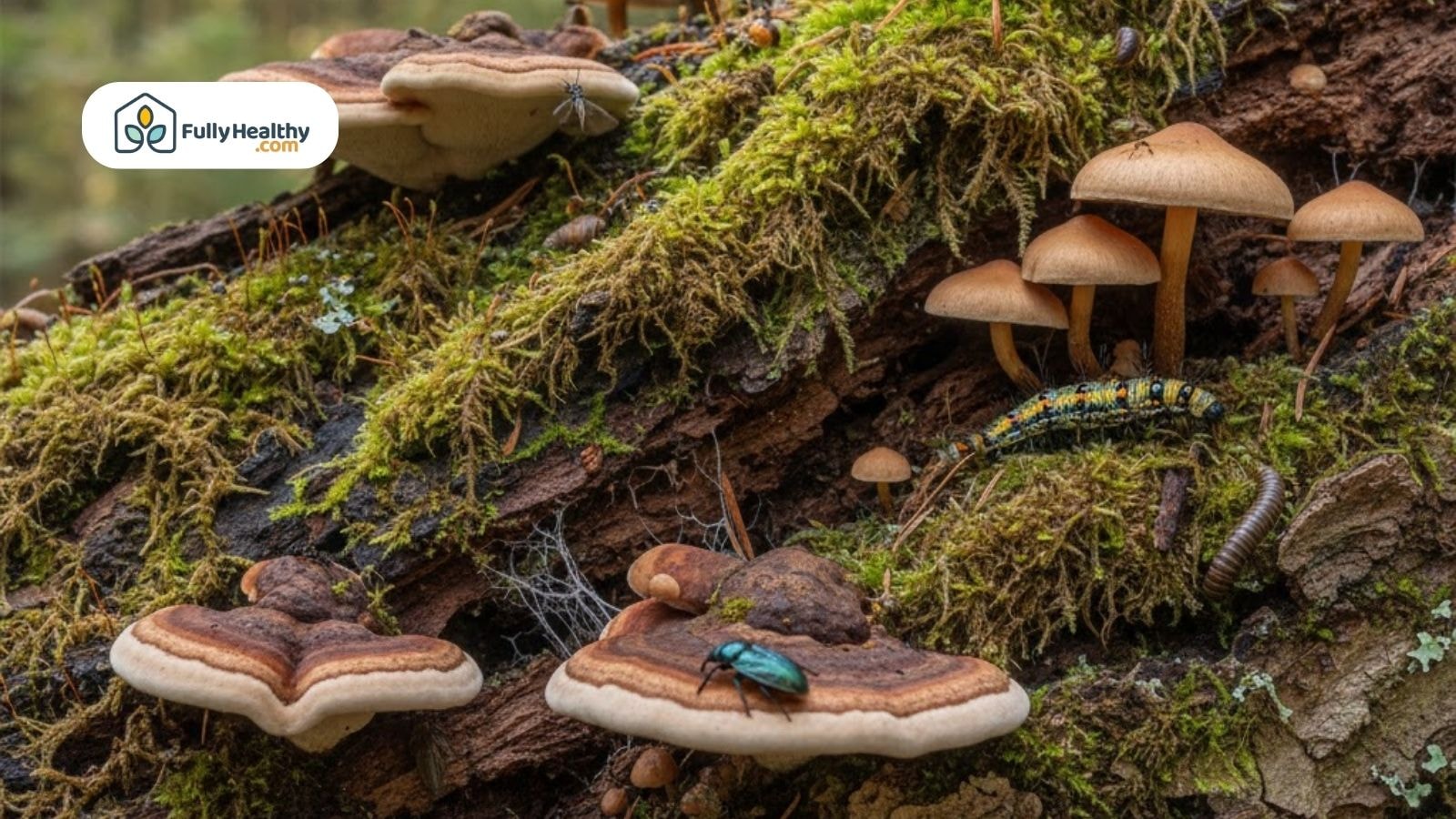
Biologically, mushrooms are more closely related to animals than to plants. Fungi store energy as glycogen, like animals, and their cell walls are made of chitin—unlike plants, which use cellulose. This link is even backed up by their evolutionary history.
Mushrooms Have Chitin, Not Cellulose
Chitin makes up the cell walls of fungi. Chitin is also found in insect shells and some grain coverings. However, plants use cellulose. This difference in structure shows that fungi and plants evolved in different ways.
-
Chitin Structure: Fungi have tough cell walls made of chitin.
-
Cellulose in Plants: Plants use cellulose to show their own way.
-
Function: Chitin is chemically different, but it makes things stronger.
DNA and Metabolic Similarities With Animals
Animals and fungi have the same ancestor, according to research. Unlike animals, most fungi and plants lack flagellated cells in their mature forms, though some primitive fungi have flagellated spores. This detail, along with other enzymes and sugars, makes them more like animals.
-
Energy Storage: Animals and fungi both store glycogen.
-
Evolutionary Link: DNA studies show that there are common shared branches in the tree of life.
-
Flagellum Trait: A common thing in early cells.
-
Shared Enzymes: Similar ways of digesting food.
Are Mushrooms a Living Thing?
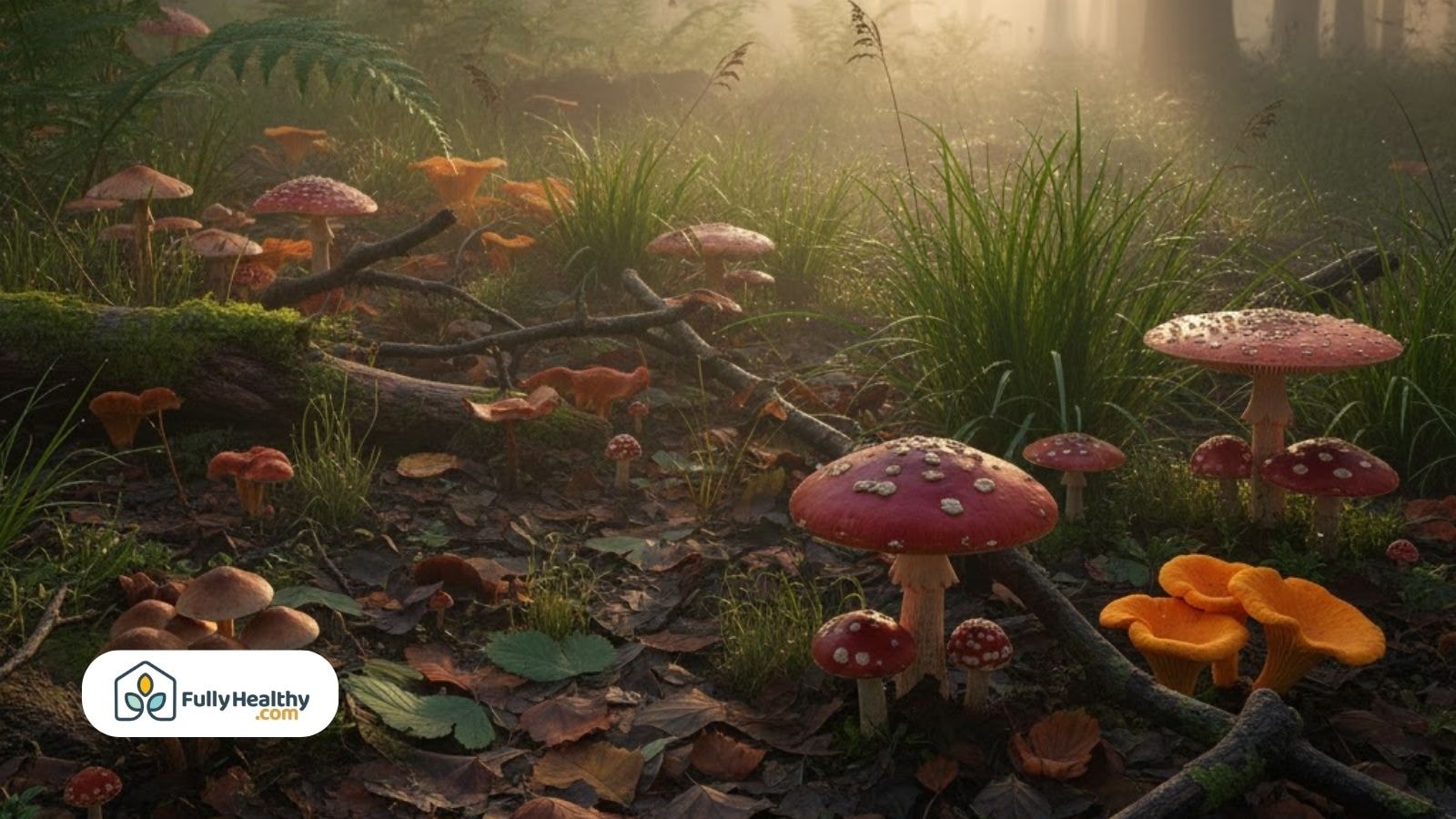
Yes, mushrooms are alive. They grow, respond to their environmental conditions, have babies, and use energy to stay alive, just like people, plants, and animals. Even though they seem simple, they have a hard and important life cycle for many ecosystems. Fungi, including mushrooms, exist globally in diverse shapes and species, with names varying by form and habitat.
What Makes Something a Living Organism—and How Mushrooms Qualify
An organism is alive if it grows, reproduces, responds to its environment, and uses energy. All of these things are true about mushrooms. They help recycle nutrients in nature by breaking down organic matter. In fact, some kinds of mushrooms can be identified by how they react to light, moisture, or touch.
-
Energy Use: Mushrooms use organic matter for fuel.
-
Growth and Reproduction: They get bigger by using mycelium and spread by releasing spores.
-
Response to Environment: Mushrooms react to moisture, temperature, and light.
-
Cell Structure: Made of eukaryotic cells with rigid walls.
-
Role in Ecosystems: Important for breaking down waste and putting nutrients back in the soil.
Lifecycle of Mushrooms from Spore to Fruiting Body
An organism is alive if it grows, reproduces, responds to its environment, and uses energy. All of these things are true about mushrooms. They help recycle nutrients in nature by breaking down organic matter. In fact, some kinds of mushrooms can be told apart by how they react to light, moisture, or touch.
-
Spore Release: The mature mushroom cap lets out spores.
-
Mycelium Growth: To get nutrients, a web of fine threads spreads out.
-
Fruiting Body: Grows above ground when it finds nutrients.
-
Short Lifespan: Most mushrooms only live for a few days.
-
Reproduction: The process starts over when new spores are released.
What Does FullyHealthy.com Offer for Mushroom Lovers?
FullyHealthy.com is a specialty food store that sells clean, allergy-safe, and autoimmune-friendly foods. It has a lot of mushroom-based products that are often used as healthy snacks for mushroom lovers. These products help people with special dietary needs by offering foods that taste good and feel good in the mouth while also lowering the amount of chemicals that are eaten.
AIP-Compliant Mushroom-Based Products
People who follow the Autoimmune Protocol (AIP) diet have a hard time finding food that is safe to eat. Fully Healthy sells mushroom products that are AIP-compliant and don't have grains, eggs, dairy, or other common allergens. Mushrooms are safe to eat when they are clearly labeled in snacks, soups, or seasoning blends.
-
Adaptogenic Mushrooms: Are used to help the body deal with stress.
-
Mushroom Seasonings: Help create flavor that doesn't have any allergens.
-
Snack Products: Chips and trail mixes that have mushroom powder or extracts in them.
-
Ingredient Clarity: All of the items are labeled so that they can be used safely.
-
Supports Health Goals: Fits diets focused on protecting gut health.
How FullyHealthy Simplifies Dietary Shopping
Fully Healthy makes it easy to buy clean foods by sorting them by diet stage or allergy type. The site makes it easy to find a healthy treat, whether you're new to the AIP course or just want something tasty. It also helps farming by showing small, ethical brands.
-
Filter by Diet: Look for products by stage (AIP elimination, reintroduction, etc.).
-
Trusted Sourcing: Supports brands that care about health and the environment.
-
No Subscriptions Needed: You can shop without any pressure.
-
Quick Access: Look by snack type, wild ingredients, or special needs.
-
Easy to Navigate: Made with food restrictions in mind.
Final Thoughts
So, are mushrooms plants? No. They are in their own kingdom, which is different from plants and animals. Mushrooms don't make their own food or do photosynthesis, even though they have hard cell walls.
Instead, they help other organisms by breaking down matter and taking in nutrients from organic compounds. For example, some species grow in the wild and have their own unique shapes and tastes, while others are very important in agriculture, science, and eating.
FAQs
What is a mushroom technically?
A mushroom is a fruiting body of fungi with rigid cell walls and belongs to its own kingdom, not plants or animals.
Is a mushroom a plant or what?
No, mushrooms are neither plants nor animals—they absorb nutrients from organic compounds using a mycelium network.
Do mushrooms count as vegetables?
Mushrooms are not vegetables scientifically, but many mushrooms are used like veggies by humans in ingestion and cooking.
How close is human DNA to mushrooms?
Mushrooms and animals share a common ancestor, and some primitive fungi exhibit posterior flagella, a trait also found in animal sperm.
Why are fungi not a plant?
Fungi lack photosynthesis, don’t make their own food, and have cell walls made of chitin, not cellulose like plants, for instance.
Leave a comment