

How to Get Rid of Mushrooms in Yard? Bye Toxic Mushrooms
Mushrooms in your yard can be a pain, even if they don't hurt your grass. They grow in shady, wet places with dead plants and animals. It's easy to get rid of them, but it's harder to keep them from coming back. This guide shows you safe and easy ways to get rid of mushrooms in your yard. You'll also learn why they grow and what changes will make them go away for good. Let's quickly fix the problem.
Featured Pantry Pick
Wild Zora // Instant Soup Mushroom Beef with Mushrooms Pumpkin Turmeric - 0.5 oz
Loading...
How to Get Rid of Mushrooms in Yard?
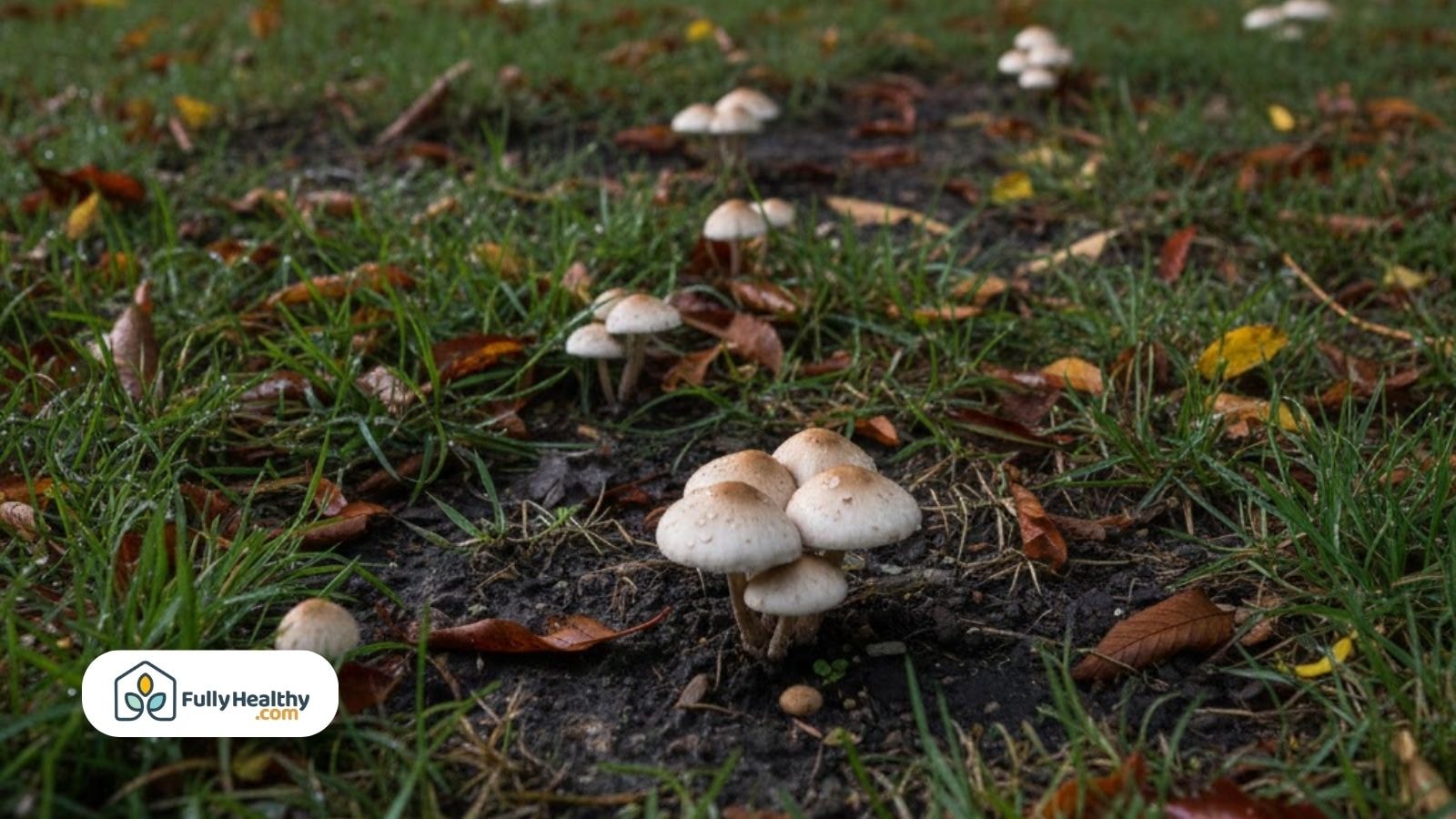
Mushrooms may appear in soil rich in organic matter, which can sometimes indicate biological activity but not necessarily overall soil health. Many mushrooms help the earth by breaking down organic matter, but some are toxic mushrooms that can hurt dogs, other plants, or pets.
Once you know how mushrooms grow in your yard and how to safely get rid of them without using harmful chemicals, it's easy.
Understand the Real Problem: Mycelium and Fruiting Bodies
You're not seeing the whole fungus; what you see are the fruiting bodies of mycelium, which is a network that grows underground. These structures are only the top part of the fruiting body. Soil fungi live and grow well in moist, nutrient-rich soil, and organic matter that is breaking down, like dead roots, thatch, or leaf litter.
-
Shady areas: If there isn't much sunlight, moisture can build up.
-
Moisture buildup: The soil stays too wet when there is too much water or not enough drainage.
-
Organic material: The fungi eat grass clippings, mulch, and tree roots that are rotting.
-
Environmental conditions: They can spread more easily when it is rainy and there is enough water.
Start With Safe Removal Methods
You can safely take off mushrooms that you can see from your lawn and plants. Use things you already have at home that aren't toxic. If you come across plants or animals that are toxic or poisonous species, make sure to always wear gloves when you dispose them away the right way.
-
Hand-pick: Carefully pull them out from the bottom. Wear gloves all the time.
-
Use dish soap: To kill mushrooms, poke holes in the ground around the mushrooms and pour in a mix of two tablespoons of dish soap and water.
-
Mow carefully: Mowing your yard often and using a bag to collect the grass clippings will stop the spores from spreading.
Does Vinegar Kill Mushrooms in the Yard?
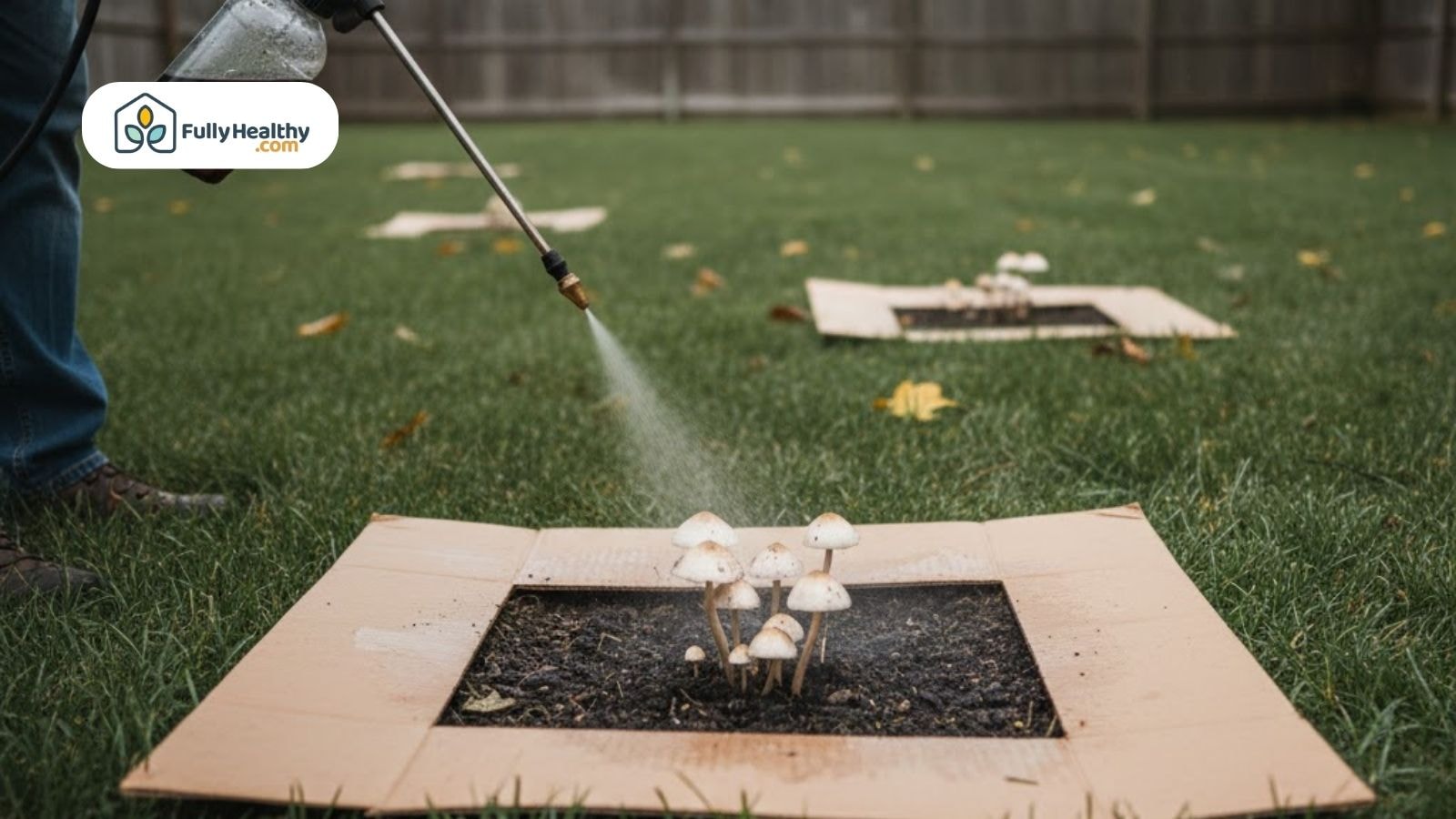
Some people use vinegar to kill mushrooms, but you have to be careful when you do it. If vinegar is used the wrong way, its strong acid can burn other plants, grass, and lawns. It does kill mushrooms that you can see, but it doesn't get to the fungi that are underground.
Choose the Right Type and Application Method
Household vinegar (5% acetic acid) may damage mushrooms on contact, but has limited efficacy and may harm surrounding vegetation. If you do this, use horticultural vinegar. Mix it with water and put it on the mushroom.
-
Use a mix: One part vinegar and four parts water.
-
Shield other areas: Use cardboard to shield plants that are close by.
-
Apply carefully: Just spray the fruiting bodies, not the soil around them.
Know the Risks and Limitations
Vinegar doesn't get rid of the organic material or stop the underground network from making more mushrooms. It works for now.
-
Only kills surface: The mycelium doesn't reach it.
-
Can harm turf: May damage healthy grass.
-
Needs repeat use: If the root problems are still there, mushrooms will pop up again.
Why Do Mushrooms Keep Coming Up in My Yard?
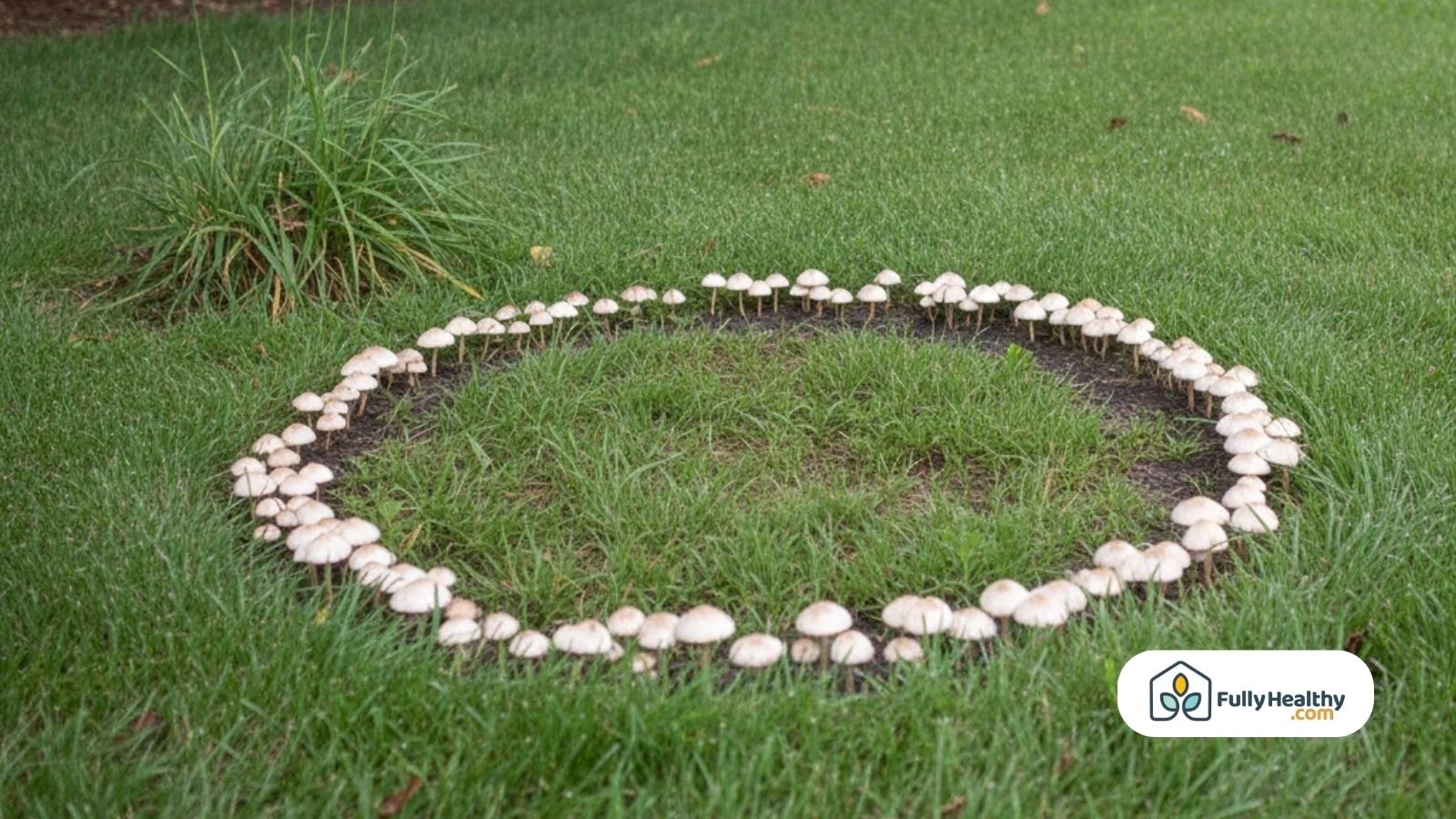
If mushrooms keep coming back, it means your yard has the right amount of shade, moisture, and organic matter. Most people don't know that growing mushrooms is a good thing as your soil has a lot of beneficial fungi and nutrients that can be used. But the same weather that is good for lawns can also help mushrooms grow.
Common Lawn Conditions That Attract Fungi
Mushrooms often grow in areas with poor drainage or where organic matter is breaking down. Fungi can grow in old tree roots, buried mulch, or thick thatch.
-
Thick thatch: It feeds fungi and traps moisture.
-
Shade: It keeps things from drying out, especially under trees.
-
Wet soil: Caused by too much water or bad drainage.
-
Organic debris: Like old mulch, dead roots, and leaves on the ground.
Make Lawn Adjustments to Stop Recurring Mushrooms
To stop more mushrooms from growing, improve the air and light flow, get rid of organic material, and fix the drainage. You don't need to kill mushrooms; you just need to stop feeding them.
-
Aerate the lawn: Helps water absorption and airflow.
-
Trim trees: Let sunlight hit the ground.
-
Dethatch and rake: Gets rid of decaying material.
-
Add nitrogen fertilizer: Apply nitrogen fertilizer cautiously; it may speed up decomposition of organic material, reducing fungal food sources, but excessive use may harm lawn ecosystems.
What’s the Most Effective DIY Mushroom Killer?
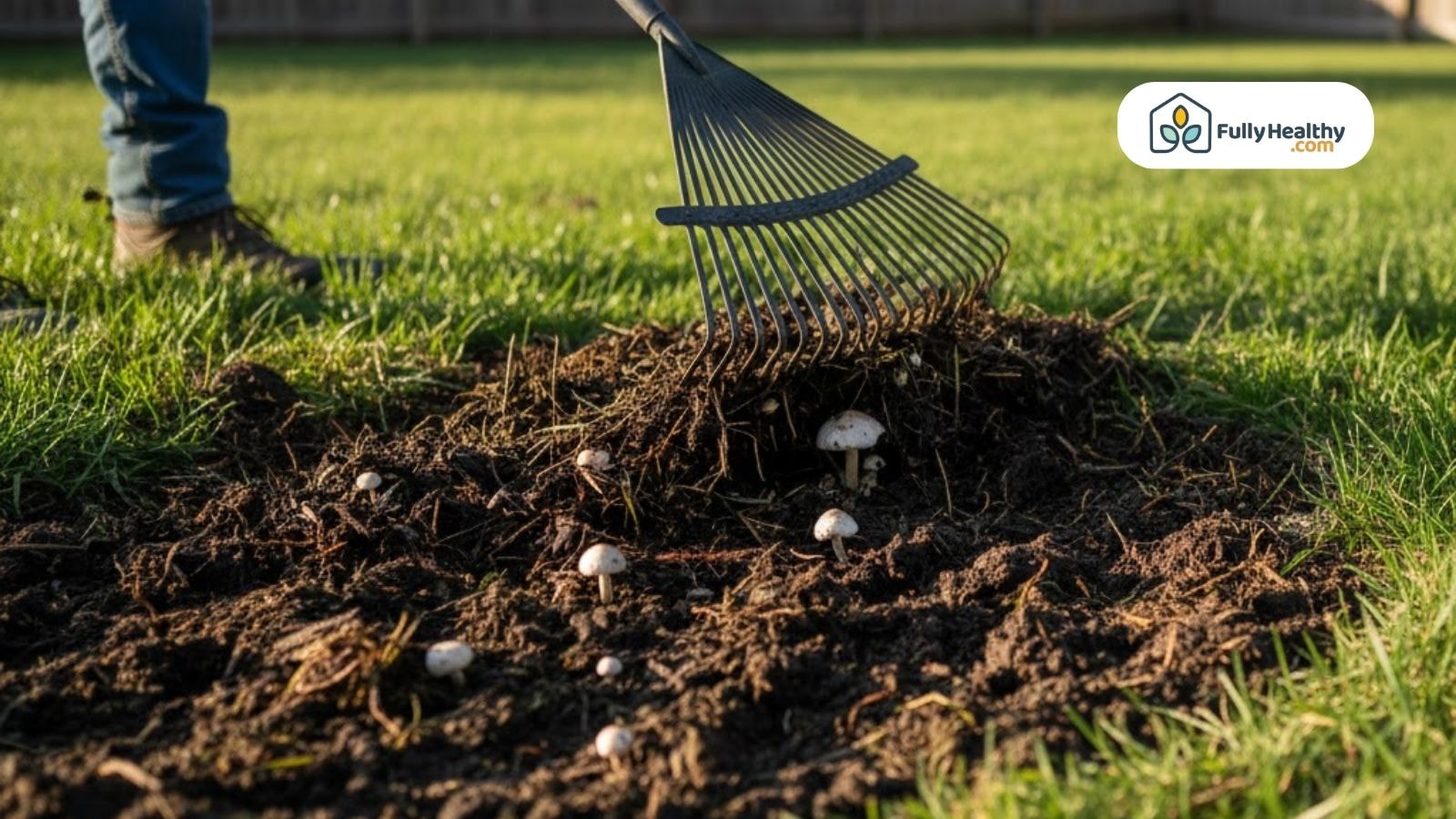
There are a number of natural ways to kill mushrooms that don't involve harmful chemicals. In the yard, mushrooms usually grow where there is a lot of moisture, shade, and rich soil. These are also great places for other fungi and even weeds to grow.
The best way to get rid of mushrooms is not just to kill the ones you can see. You should treat the area and change the conditions that make it easy for them to grow.
Compare Home Remedies That Target Mushrooms
There are a number of do-it-yourself ways to quickly kill mushrooms. People most often use safe things, like dish soap or baking soda. These work on the surface, but they don't get rid of fungi that are growing underground. You should remove anything that mushrooms can feed on, like decaying matter or roots, if you also want to keep them from coming back.
-
Dish soap mixture: Takes apart the mushroom's outer shape and makes it less wet on the surface.
-
Baking soda solution: It alters the soil's pH, which makes the fungi less likely to grow there.
-
Vinegar spray: It can kill mushrooms, but it might also hurt grass and other plants.
-
Pulling by hand: Works well if done early, before the spores get everywhere.
Step-By-Step: How to Kill Mushrooms Naturally.
The easiest and safest way to handle mushroom patches is often to use a mix of water and dish soap. Baking soda is another choice that won't hurt the lawn if it's used the right way. These methods can also stop fairy rings from getting started. These are big circles that some kinds of fungi make in gardens and lawns.
-
Use dish soap: Add two tablespoons to a gallon of water and mix it. Make holes around the mushrooms and pour the mix right into the ground.
-
Try baking soda: Add two tablespoons of baking soda to a gallon of water and spray the mix on the area.
-
Repeat as needed: For the best outcome, do the treatment again after it rains or when mushrooms come back.
-
Avoid harsh chemicals: Avoid using harmful products that can hurt your garden or kill plants that are close by.
What Does Fully Healthy Offer for Mushroom-Prone Yards?
Fully Healthy is more than a food site. It sells natural, chemical-free products that help your garden and lawn stay healthy. They focus on organic foods that are free of allergens and follow the AIP. This also means that their product values include not using harmful chemicals that can damage soil health.
Using natural, safe products in your yard might help keep harmful fungi and toxic buildup from growing over time.
Helpful Product Categories for Clean Lawn Care
The website doesn't sell mushroom killers, but it does sell gentle, non-toxic personal care and kitchen items. These can be used to treat areas of your yard that need it or to make living with kids and pets safer. Some of the things in their products can be used instead of chemical lawn sprays.
-
Natural seasonings and herbs: Use to safely make compost better or mix with water to make natural sprays.
-
Personal care: Non-toxic soaps and cleaners that are good for treating mushrooms safely
-
AIP pantry staples: Things that let you add organic material to compost without feeding bad fungi.
Why Natural Products Help Reduce Fungi and Weeds.
Artificial fertilizers and chemical runoff can help weeds and fungi grow, which can lead to more mushrooms. Some non-toxic household products may be safer alternatives for use around children and pets, but their effectiveness for lawn fungus control is not scientifically validated.
Limiting chemical use can benefit overall soil ecology, though it may not directly prevent fairy rings or mushroom growth. The mushrooms look nice, but they can be dangerous if pets eat them.
-
No toxic runoff: Better for your garden, pets, and soil.
-
Less chance of harmful fungi: A natural balance is healthier when there are fewer chemicals.
-
Safe alternatives: Instead of harsh sprays, use cleaners that are made from plants.
Final Thoughts
If you know how to get rid of mushrooms in your yard, you can keep your lawn, pets, and garden safe. Most mushrooms are safe, but pets can get hurt if they eat poisonous mushrooms or mushrooms that are bright colors. Soil fungi that eat organic material like thatch, grass clippings, mulch, and dead roots cause fruiting bodies which these fungi grow.
Lower the moisture, use dish soap or baking soda to kill mushrooms, and stay away from harmful chemicals. Add organic material carefully, control weeds, and make environmental conditions better to stop mushrooms and fairy rings from growing. Soil that is healthy needs to be in balance. Give it nutrients without adding to organic matter that is breaking down.
FAQs
Do mushrooms go away on their own?
Yes, mushrooms growing from fruiting bodies can go away when environmental conditions like moisture and shade improve, but soil fungi stay underground with organic material and decomposing organic matter.
What kills fungus but not grass?
Baking soda and dish soap are common options that kill mushrooms and weeds without using toxic chemicals that harm turf or other plants in the garden or lawn.
Does baking soda kill mushrooms in grass?
Yes. Baking soda may temporarily alter surface pH, but scientific evidence for its effectiveness in killing mushrooms is limited.
What happens if I pour vinegar on grass?
Vinegar kills mushrooms but may harm turf, grass, and other plants if sprayed directly; only use on fairy rings or brightly colored mushrooms and always avoid adding vinegar near roots.
Does Dawn dish soap kill lawn fungus?
Yes, dish soap solutions may physically disrupt mushrooms but are not proven fungicides; effects are anecdotal.
Leave a comment