

Are Peptides Illegal? Facts About Safety and Regulations
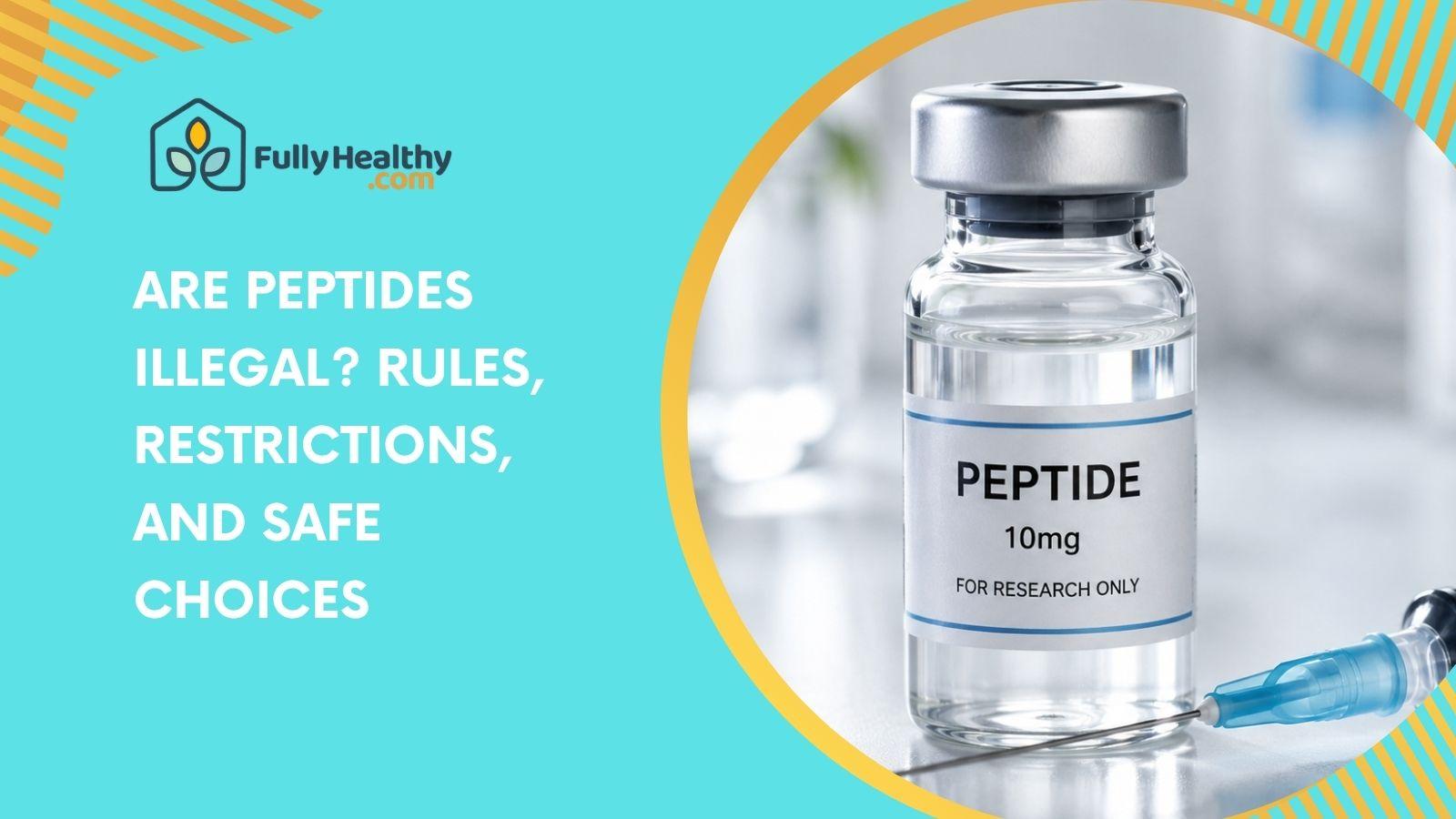
Are peptides illegal? Not always. Some peptides are approved for medical use, while others are limited to research or remain unapproved. Their legal status depends on FDA approval, intended use, and federal regulations.
This guide explains peptide legality, how peptides compare with steroids and testosterone replacement therapy, what not to mix with peptides, and how to choose safe collagen peptide products.
Are Peptides Illegal?

Peptides are widely used in medicine, scientific research, and wellness products, but they are not all regulated the same way. Their legal status depends on FDA approval, intended use, and compliance with federal law.
Understanding Peptide Legality
No. Peptides are not automatically illegal. Some FDA-approved peptide drugs are legally prescribed for medical conditions, while many research peptides and unapproved peptides cannot legally be marketed for human consumption.
-
FDA Approval: Several FDA approved peptide drugs completed clinical trials before becoming FDA approved drugs for specific medical conditions.
-
Research Use: Many "research only" peptides are labeled for research use and are not intended for human use.
-
Compounding Pharmacies: Licensed pharmacies may prepare customized medications through pharmacy compounding when allowed under the FD&C Act and other federal rules.
-
Regulatory Status: Most peptides have not received regulatory approval and are considered unapproved drugs.
-
Peptide Sales: Companies selling peptides cannot market therapeutic peptides for health benefits without meeting FDA regulations.
Why Some Peptides Face Restrictions
The Food and Drug Administration continues updating peptide regulation because some synthetic peptides present significant safety concerns. Increased oversight helps reduce regulatory risk and protects consumers from products that have not completed proper clinical testing.
-
FDA Enforcement: The agency has issued warning letters to peptide companies promoting unapproved drugs.
-
Safety Risks: Some compounded peptides may cause contamination, dosing errors, or immune reactions.
-
Compounded Drugs: Peptide compounding must follow pharmacy compounding standards and FDA regulations.
-
Banned Peptides: Certain growth hormone secretagogues are prohibited in competitive sports.
-
Legal Status: Prescribing unapproved peptides outside approved pathways may create legal and ethical crossroads.
Do Peptides Count as Steroids?
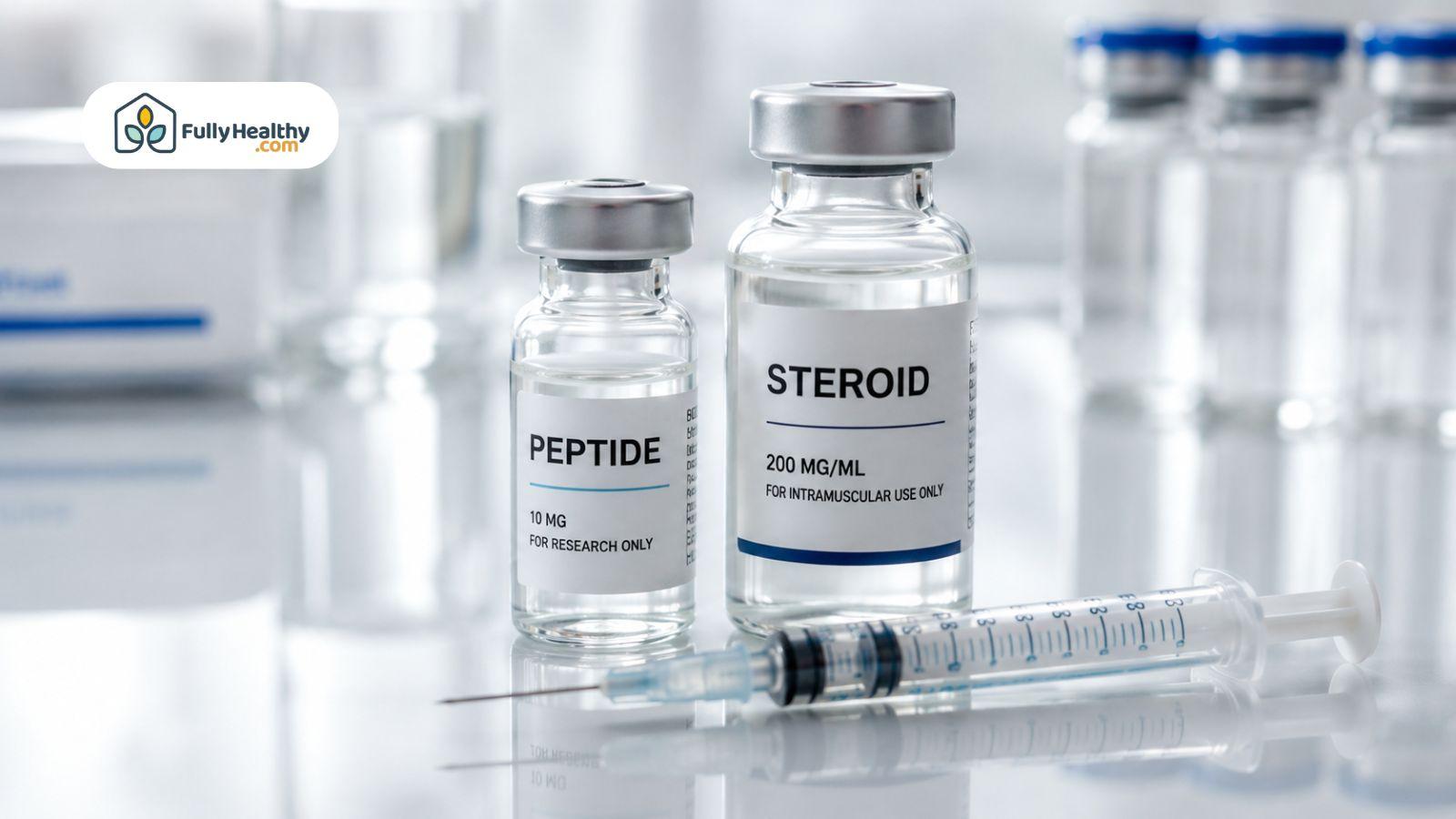
Peptides and steroids are frequently mentioned together, especially in fitness communities. Although they may have similar goals, they are different substances with different structures, functions, and regulatory requirements.
Why Peptides and Steroids are Often Confused
Many peptides are discussed alongside steroids because they are popular in bodybuilding and athletic performance. This connection often creates confusion, even though peptide therapies and steroids affect the body through different biological mechanisms.
-
Fitness Goals: Both are commonly associated with muscle growth, recovery, and performance.
-
Research Peptides: Many injectable peptides remain investigational without FDA approval status.
-
Health Benefits: Marketing claims may exceed the available scientific evidence.
-
Regulatory Landscape: Peptide legality differs significantly from steroid regulations.
-
Safety Concerns: Using either without medical supervision increases potential health risks.
Key Differences Between Peptides and Steroids
Peptides are short chains of amino acids that support specific biological signals, while steroids are hormone based compounds. They work differently in the body and are developed for different medical purposes.
-
Chemical Structure: Peptides are made from amino acids, while steroids are derived from cholesterol.
-
Peptide Drugs: Some peptide-based drugs support tissue repair, hormone signaling, or immune response.
-
Growth Hormone: Certain peptide therapies stimulate growth hormone instead of replacing hormones directly.
-
Approved Drugs: FDA approved peptides and steroid medications follow separate approval pathways.
-
Medical Supervision: Both should only be used under the guidance of a licensed healthcare provider.
What is Better, TRT or Peptides?
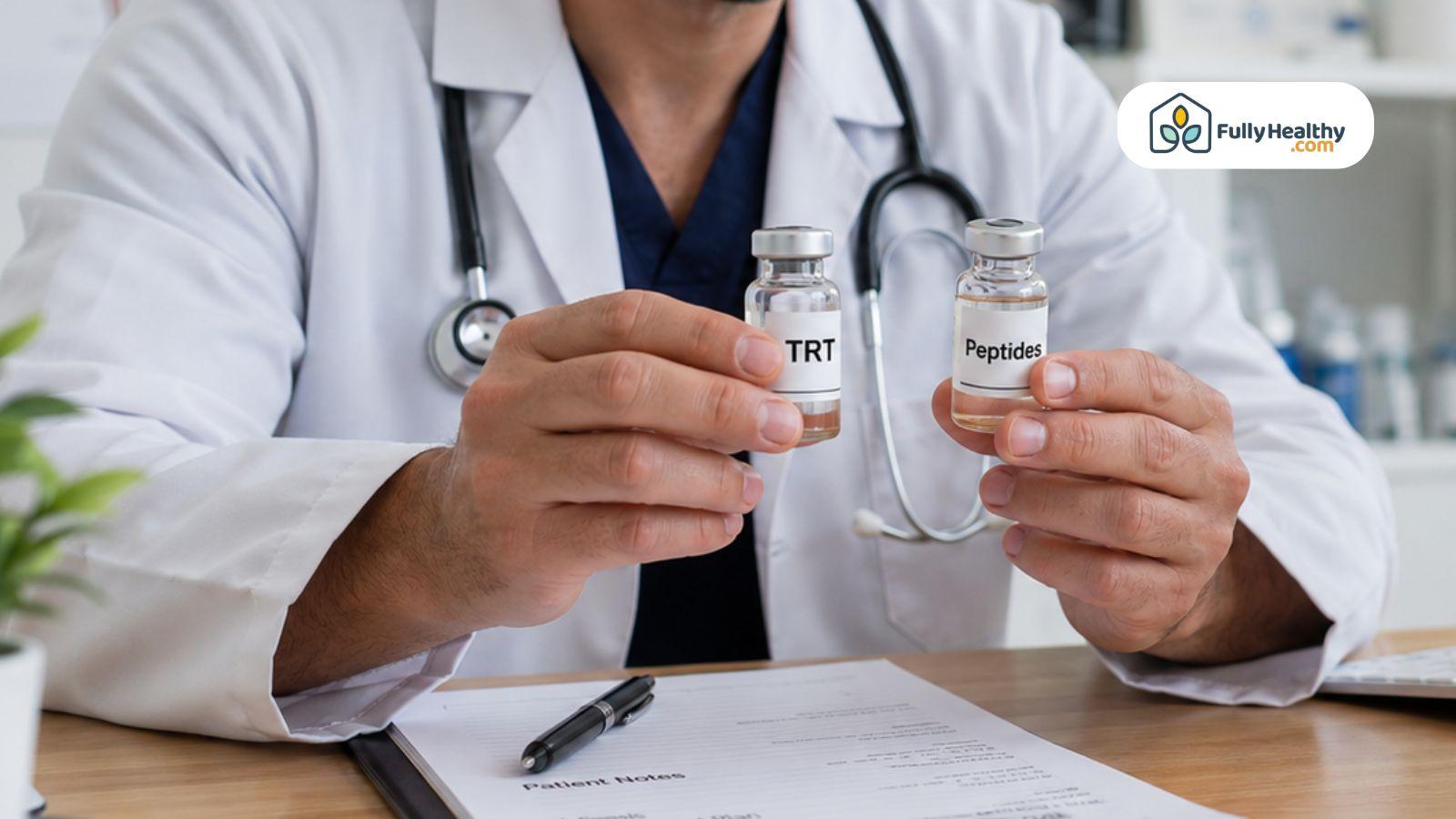
Testosterone replacement therapy (TRT) and peptide therapies are designed for different medical purposes and should not be viewed as direct replacements for one another.
Comparing How TRT and Peptides Work
Testosterone replacement therapy (TRT) gives the body the testosterone it is missing. Peptides do not replace testosterone. Instead, they help the body produce or regulate certain hormones naturally, depending on the type of peptide.
-
TRT: Replaces testosterone in people with confirmed hormone deficiency.
-
Peptides: May support growth hormone release, tissue repair, or other biological functions.
-
FDA Approval: Several testosterone products are FDA approved drugs, while many peptides remain under investigation.
-
Clinical Trials: Regulatory approval requires successful clinical testing for safety and effectiveness.
-
Individual Patients: Treatment decisions should always involve a licensed healthcare provider.
Choosing Between TRT and Peptide Therapy
The better choice depends on medical history, treatment goals, fertility plans, and overall health. Medical supervision helps individual patients balance expected benefits with possible risks before starting either treatment.
-
Effectiveness: TRT treats low testosterone, while peptide therapies target different biological processes.
-
Monitoring: Both treatments require regular follow-up appointments and laboratory testing.
-
Costs: Expenses vary depending on medication, provider, and long-term care.
-
Safety Risks: Review active ingredients, possible interactions, and side effects before treatment.
-
Long-Term Care: Ongoing medical supervision supports safer and more effective treatment outcomes.
What Should You Not Mix Peptides With?

Using peptides safely requires more than choosing the right product. Certain medications, supplements, and peptide combinations may increase safety risks or affect treatment outcomes, making medical supervision important.
Medication And Supplement Interactions
Some peptide therapies may interact with prescription medications, hormone treatments, or unverified supplements. Always discuss injectable peptides and other therapeutic peptides with a licensed healthcare provider before combining products.
-
Hormone Therapy: Combining peptides with growth hormone or other hormone treatments may require close monitoring.
-
Prescription Drugs: Some medications may affect how peptide drugs work or increase the chance of unwanted effects.
-
Alcohol: Excessive alcohol consumption may interfere with recovery and reduce the intended health benefits of certain peptide therapies.
-
Unverified Supplements: Avoid combining peptides with products that contain undisclosed active ingredients or unsupported health claims.
-
Medical Supervision: A healthcare provider can evaluate potential interactions based on your medical history and current medications.
Common Mistakes When Combining Peptides
Using several peptides together does not always improve results and may increase safety concerns. Because the regulatory landscape for many peptides is still developing, combining products should only be done under medical supervision.
-
Research Peptides: Do not combine research only peptides intended for laboratory research with products for human use.
-
Compounded Peptides: Use compounded peptides only from licensed pharmacies that follow FDA regulations.
-
Dosage Changes: Avoid increasing doses or adding new peptide therapies without professional advice.
-
Multiple Products: Mixing several injectable peptides at once makes it harder to identify side effects.
-
Safety Risks: Poor product quality or incorrect peptide production may increase regulatory risk and potential health concerns.
Choosing High-Quality Collagen Peptide Products
Not all peptide products serve the same purpose. FullyHealthy focuses on everyday wellness products, including collagen peptides from trusted brands, rather than investigational or research peptides.
About FullyHealthy
FullyHealthy offers carefully selected wellness products that support specialty lifestyles, including gluten-free, allergen-friendly, and clean-label options. The company partners with established brands that emphasize quality ingredients and transparent manufacturing.
-
Trusted Brands: FullyHealthy carries products from recognized wellness manufacturers.
-
Specialty Diets: The store features options for gluten-free, paleo, keto, and other dietary preferences.
-
Product Quality: Many products contain simple ingredient lists without unnecessary additives.
-
Customer Choice: Shoppers can compare different collagen options based on their wellness goals.
-
Convenient Shopping: Products are available online with detailed descriptions and ingredient information.
Featured Collagen Peptide Products
Great Lakes collagen products provide convenient ways to add collagen peptides to daily routines. They are food-based supplements and should not be confused with therapeutic peptides, peptide drugs, or research peptides discussed earlier.
-
Great Lakes Wellness Grass-Fed Bovine Collagen Peptides Unflavored 20 Packs (0.42 oz, 12 g Each): Single-serve grass-fed bovine collagen peptides that mix easily into hot or cold drinks.
-
Great Lakes Gelatin Co. Marine Collagen Peptides 8 oz: Marine-sourced collagen peptides made from fish for everyday wellness support.
-
Great Lakes Gelatin Co. Grass-Fed Collagen Hydrolysate Unflavored 16 oz: Unflavored grass-fed collagen that dissolves easily into coffee, smoothies, and other beverages.
Final Thoughts
Understanding peptide legality starts with knowing that not all peptides are regulated the same way. Some peptides legal for medical use have FDA approval, while others remain restricted because of significant safety risks.
As the peptide landscape evolves, consult a qualified healthcare provider before using products that affect human growth hormone, and choose trusted sources.
FAQs
What is the Risk of Taking Peptides?
The main risks include incorrect dosing, contamination, side effects, and using unapproved products meant only for research.
How to Tell if Peptides are Legit?
Buy from trusted companies and, if required, get peptide medications through licensed compounding pharmacies or a healthcare provider.
How Long Do Peptides Last?
It depends on the type of peptide, as each one stays in the body and works for a different amount of time.
Can Compounding Pharmacies Provide Peptides?
Yes. Licensed compounding pharmacies may prepare certain peptide medications when allowed by law and with a valid prescription.
Are FDA Approved Peptide Drugs Safer Than Other Peptides?
Generally, yes. FDA approved peptide drugs have been reviewed for safety, quality, and effectiveness for their approved uses.
Leave a comment