

Can Cats Eat Bacon? Health Risks Pet Owners Must Know
People who own cats often wonder if their cats can eat bacon when their cat likes the smell of frying meat. Bacon is not toxic to cats, but it is not recommended as a regular food because it is high in fat and sodium and lacks balanced nutrients required for feline diets.
Cats can get sick from even small amounts. This article talks about the risks, what happens if your cat eats bacon, and other meats that are safer for your pet.
Featured Snack Pick
EPIC // Beef Apple Uncured Bacon Bar - 1.5 oz
Loading...
Can Cats Eat Bacon?
Not recommended. While bacon is not toxic to cats, its high fat and sodium content make it unsuitable as a regular treat. While many humans enjoy bacon, it is not a good choice for feline friends. Because cats have to eat meat based diet, but not all meats are safe.
A cat's health can be hurt by the fat and salt in cat bacon, and this can happen over time. Before giving their pets human food like bacon as a special treat, pet owners should know about the health risks.
Can Cats Eat Bacon Safely
A lot of pet owners think that giving their pets a small amount of cooked bacon is safe. On the other hand, bacon is a processed meat that has extremely high fat and salt. Most cats enjoy the smell, and their taste buds react strongly, but giving cats bacon all the time may be bad for their health. Cats don't get as many health benefits from bacon as they do from boiled chicken or other healthy cooked meats.
-
High Fat Content: Bacon contains excess fat that can upset the intestinal tract and lead to digestive problems in most cats.
-
Excess Sodium: Bacon contains high levels of sodium, which may be problematic for cats with existing kidney or heart conditions and is unnecessary in a balanced feline diet.
-
Processed Meat Risks: Many types of bacon, including turkey bacon and bacon bits, are processed meats that contain preservatives and additives that may harm cats.
-
Poor Nutritional Value: Bacon does not meet feline nutritional needs for essential nutrients and essential amino acids needed to stay healthy.
Can Cats Eat Bacon As An Occasional Treat
Some pet parents want to know how much bacon their cat can eat without getting sick. Veterinary nutritionists generally advise limiting fatty and highly salted human foods, including bacon, because frequent consumption may contribute to digestive upset or obesity.
A small amount of cooked bacon might not always hurt right away, but eating it all the time can cause long-term health problems. Safer cooked meats give you protein from animals without as much fat as bacon.
-
Tiny Portion Only: If a cat accidentally eats a small bite, a tiny amount of cooked bacon is unlikely to make your furry friend sick.
-
Healthier Alternatives: Plain cooked meats like boiled chicken are better choices and support feline health with real meat protein.
-
Balanced Diet Matters: Most cats should eat quality cat food, such as wet food or dry food designed for feline nutritional needs.
-
Better Treat Options: Instead of table scraps or fatty foods, offer a safer occasional treat made for cats.
What Would Happen If A Cat Ate Bacon?
If your cat shows interest in bacon, it's probably because it smells so good. The fat and salt content, on the other hand, can be very bad for your cat's health. Bacon grease and other fatty foods can irritate the intestines and make it hard to digest food. Cats can have serious health problems when they eat foods that are high in fat and sodium.
Short Term Effects After Eating Bacon
If your pet is sensitive to human food, even a small bite of bacon may cause mild symptoms. Can cats get table scraps from the kitchen? If so, they'll eat either raw or cooked bacon. However, raw bacon can also have bacteria that are bad for you and can hurt your immune system and digestive system.
-
Digestive Upset: A cat may vomit or develop digestive problems because of excess fat.
-
Dehydration Signs: Too much salt may lead to excessive thirst and discomfort.
-
Bacteria Risk: Raw bacon may contain harmful bacteria that irritate the intestinal tract.
-
Food Sensitivity: Some cats become cat sick after eating bacon grease or other fatty foods.
Long Term Health Problems From Bacon
Over time, giving a cat bacon over and over can hurt its health. Chronic diseases are more likely to happen because it has a lot of fat and salt. Regularly giving cats fatty foods can also make it hard for them to get the nutrients they need and stay healthy overall.
-
Heart Disease Risk: Very salty foods are not appropriate for cats and may contribute to electrolyte imbalance or dehydration if consumed in large amounts.
-
Kidney Damage: Excess sodium may strain the kidneys, potentially leading to kidney failure or other kidney issues.
-
Weight Gain: Excess fat from bacon can lead to obesity and other related health problems.
-
Salt Poisoning: Large amounts of sodium may result in salt poisoning and serious complications.
Is Bacon Unhealthy For Cats?
Yes, cats shouldn't eat bacon. Although it's made from meat, it's not a good choice for cats that should eat meat. Bacon is a processed meat that has a lot of salt, fat, and chemicals added to keep it fresh. For cats' health and well-being as a whole, these ingredients may do more harm than good.
Why Bacon Is Bad For Feline Health
Cats get all the nutrients and energy they need from animal protein. The high amounts of fat and salt in bacon, on the other hand, are not good for cats' health. Long-term health problems may happen if you feed your pet bacon regularly.
-
Excess Sodium: High salt content may increase the risk of kidney problems and high blood pressure.
-
High Fat Levels: The fat content in bacon can cause digestive problems and increase the risk.
-
Poor Nutrition Source: Bacon lacks the balanced essential nutrients needed for cats to stay healthy.
-
Disease Risk: Too much fat and sodium may increase the risk factor for heart disease and kidney issues.
Why Processed Meats Are Worse Than Fresh Meat
Fried meats like bacon and sausage are not as safe as fresh meats that have been cooked. Cats are obligate carnivores, which means they need clean sources of animal protein. Cats can have problems digesting and staying healthy when they eat highly processed human food that is high in salt and preservatives.
-
Natural Protein Source: Real meat, like boiled chicken, provides essential amino acids that support the immune system.
-
Lower Salt Option: Freshly cooked meats contain far less excess sodium than processed meats.
-
Safer Treat Choices: Lean cooked meats are a better occasional treat than bacon or other fatty foods.
-
Veterinary Advice: If a cat eats a significant amount of bacon and shows excessive thirst or illness, contact a vet immediately.
What Is The One Meat To Never Feed A Cat?
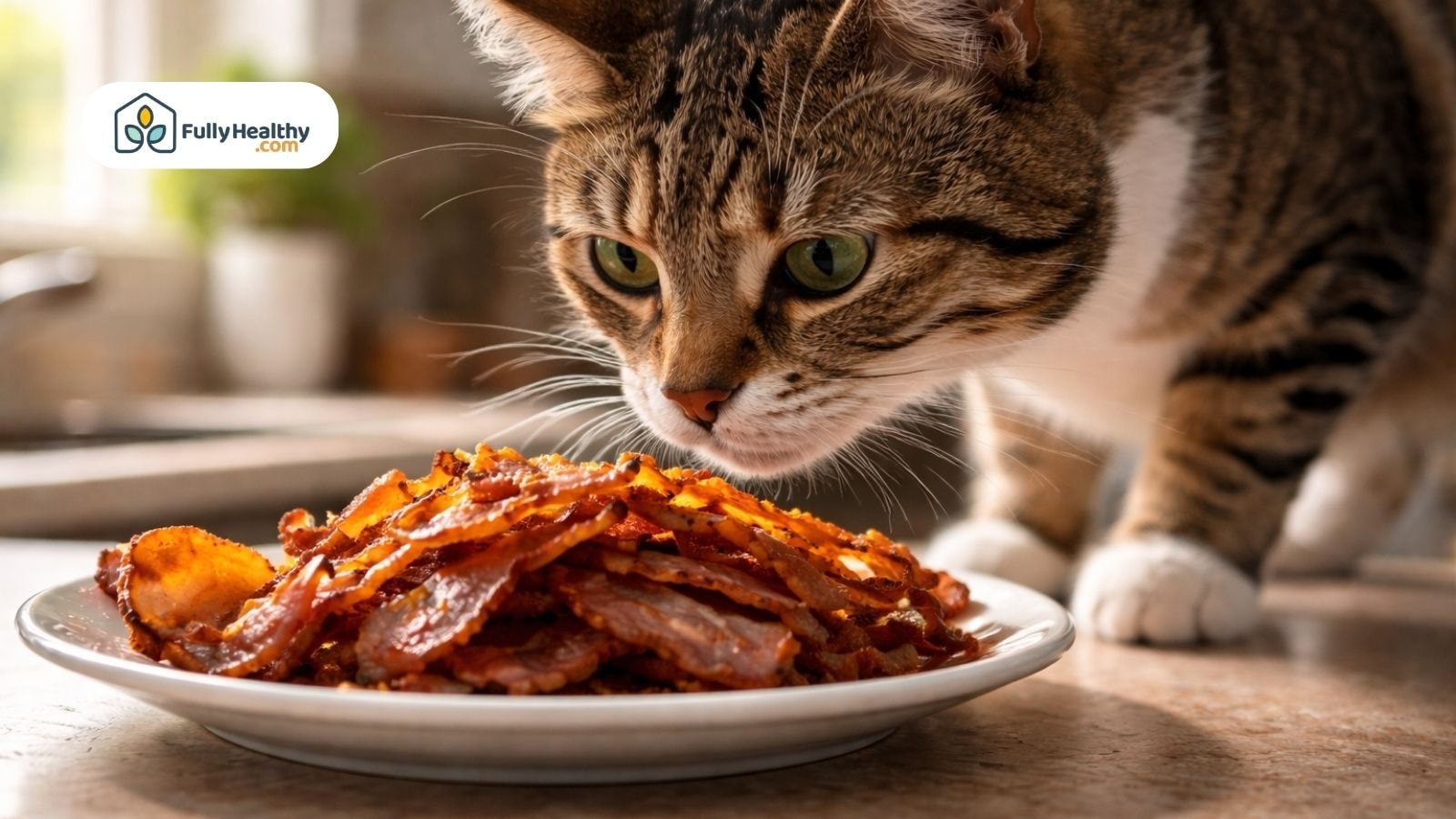
Some types of meat are bad for cats, but cats do well on meat alone. Because cats have to eat meat, many pet owners think that any protein from an animal is fine. In fact, some meats are bad for cats' health. One example is processed meats like bacon. A lot of the time, they have a lot of salt, unhealthy fats, and preservatives. Cats are more likely to get serious health issues if they eat these foods a lot.
Why Processed Meats Like Bacon Should Be Avoided
Processed meats are smoked, cured, or preserved so that people can eat them. Even though they smell good, they don't meet the nutritional needs of cats. Most of the time, these foods have too much sodium, artificial flavors, and preservatives. These ingredients may hurt a cat's digestive system and health in the long run.
There's also the matter of seasoning. A lot of processed meats have garlic or onion powder in them. Cats can't handle these ingredients at all, and they might hurt their red blood cells. It's bad for your health to get even a small amount. It is best not to give your cat processed meats because of this.
-
High Sodium Levels: Processed meats contain large amounts of salt that can increase dehydration and raise the risk of kidney stress.
-
Dangerous Seasonings: Ingredients such as onion and garlic powder are highly toxic to cats and may cause serious complications.
-
Low Nutritional Value: Processed meats do not provide the balanced nutrients cats need for daily health.
-
Digestive Problems: Fatty preserved meats may irritate a cat’s stomach and digestive system.
Safer Meat Alternatives Cats Can Eat
Instead of processed meats, offer simple animal-based protein sources such as plain cooked chicken or turkey. Plain cooked meats give you protein from animals without adding anything bad or too much salt. These choices are more like what cats normally eat, which is good for their health.
Cat owners should always remember that their cats should get most of their nutrition from balanced cat food made just for cats. Meat treats should only be given a few times a month and in small amounts. They can be a great way to add variety to your cat's life if you use them the right way.
-
Plain Cooked Chicken: Lean chicken is a healthy source of protein and easy for cats to digest.
-
Cooked Turkey: A simple turkey without seasoning can be a safe and nutritious option.
-
Cooked Fish: Small portions of plain fish can provide protein and healthy nutrients.
-
Moderate Portions: Even safe meats should only be offered occasionally, along with balanced meals.
What Can You Find On FullyHealthy That Supports Healthier Food Choices?
Many pet owners are becoming more aware of how good the ingredients are in the food their pets eat. Being aware of this can also help you think about how safe pet food is. There is an online store called Fully Healthy that sells clean foods made for specific diets. It does not sell pet food, but it does talk about how important it is to choose foods with few ingredients.
The platform is mostly about products that don't have extra chemicals or preservatives in them. This is a good idea because a lot of processed foods have chemicals in them that could hurt cats if they eat them. Knowing more about the quality of pet food can help owners make safer choices at home.
What FullyHealthy Offers For Clean And Specialty Diets
Fully Healthy sells foods that are made to fit certain diets, like the AIP and gluten-free plans. It's the goal to help people find goods that are made with basic ingredients and not as many extraneous ingredients. People can avoid eating foods that have been processed too much, which is good for their health.
The message is good for pet owners, too, even though these products are made for people. If you buy cleaner foods for yourself, it's easier not to share ingredients that are very bad for cats.
-
Special Diet Marketplace: Fully Healthy offers products for people following allergen-friendly and specialty diets.
-
Cleaner Ingredient Options: Many items avoid artificial preservatives, additives, and unnecessary chemicals.
-
Better Food Awareness: Shoppers learn how ingredients affect overall health and nutrition.
-
Healthier Household Habits: Understanding food quality helps families make safer food choices at home.
Popular Products Available On FullyHealthy
FullyHealthy has a lot of snacks and pantry items that are made for people who are sensitive to certain foods. These foods focus on using simple ingredients and giving you a healthy diet. Some examples are baking mixes, natural sweeteners, and specialty snacks.
Even though these aren't cat food, they show how important it is to choose ingredients that are better for you. Even so, pet owners should remember that humans shouldn't give their pets snacks very often, especially if the snacks contain ingredients that are harmful to cats.
-
Natural Sweeteners: Items like maple syrup or coconut sugar are sold for specialty diets.
-
Baking Mixes: Grain-free cookie and bread mixes are popular products on the site.
-
Healthy Snacks: The platform provides snack options designed for cleaner eating.
-
Transparent Labels: Products clearly list ingredients so customers can make informed choices.
Final Thoughts
So, can cats eat bacon? The short answer is no, because bacon is high in fat and salt, which can create an increased risk of digestive problems, kidney problems, and other health problems. A small bite might not hurt right away, but regular feeding to cats is often bad for their health.
Instead, pet owners should give their cats balanced food and simple protein treats. Always give your cat fresh water, and if it eats something strange, you should talk to a vet.
FAQs
What Is The Silent Killer Of Cats?
Chronic kidney disease is a common and progressive condition in older cats that may develop with subtle early symptoms like excessive drinking, frequent urination, weight loss, and lethargy may not appear until the disease is advanced.
What Is The #1 Cause Of Death In Cats?
Cancer is one of the leading causes of death in older cats, along with kidney disease and other chronic illnesses.
What Are The Signs Of Bacon Poisoning In Cats?
Signs may include vomiting, diarrhea, stomach pain, lethargy, excessive thirst, and in severe cases seizures due to harmful bacteria or high salt content.
What Kind Of Meat Can Cats Eat?
Cats can safely eat plain cooked meats such as chicken, turkey, and certain fish, as these provide the animal protein they need for a healthy diet.
What Kind Of Fat Can Cats Eat?
Healthy fats for cats usually come from animal fat and fish oil, which provide essential fatty acids that support skin, coat health, and overall well-being.
Leave a comment