

Can Cats Eat Bananas? A Simple Guide for Cat Parents
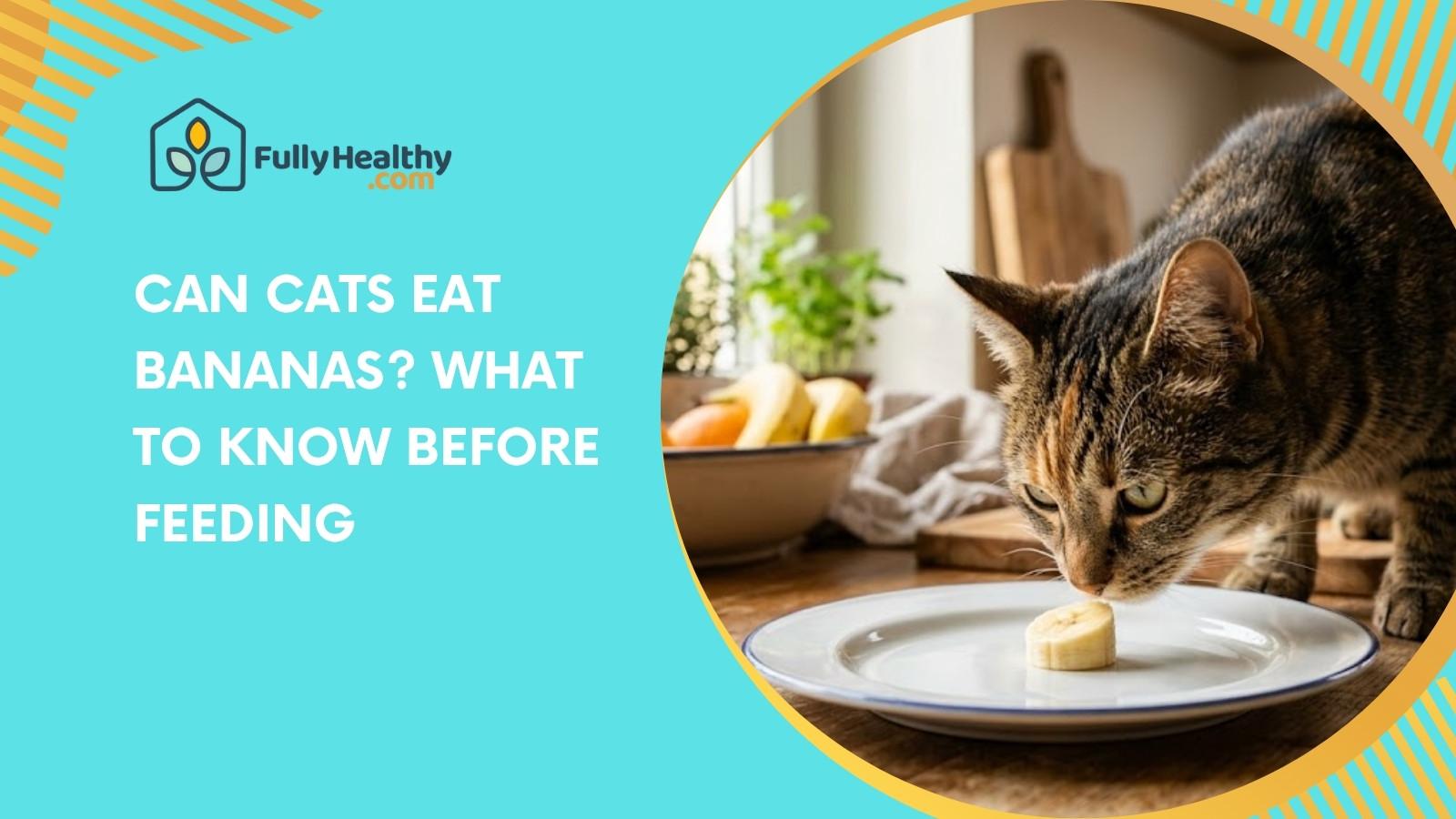
Can cats eat bananas? Yes, cats can eat a small piece of banana as an occasional treat. Bananas are not toxic to cats, but they are not a needed part of their diet. Cats need meat-based food to stay healthy.
Too much banana may cause vomiting, diarrhea, or constipation. Banana peels are unsafe because they are hard to digest and can be a choking risk. Here’s what to know before sharing one.
Featured Snack Pick
Barnana // Organic Chewy Banana Bites - 3.5 oz
Loading...
Can Cats Eat Bananas?
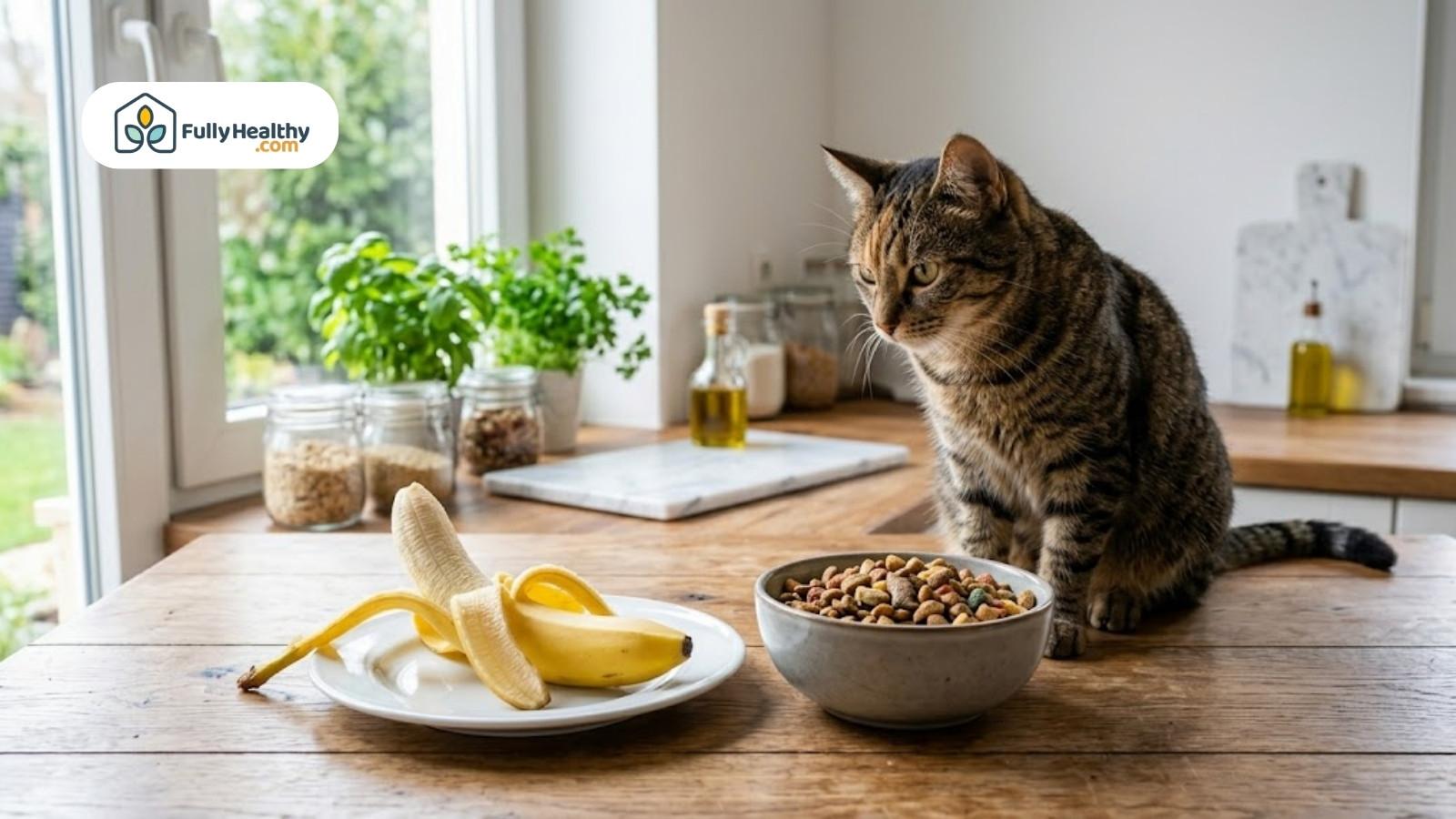
Cats can eat bananas, but only in small amounts and not as a regular part of a cat's diet. Bananas are safe for cats in moderation, yet they do not give cats the nutrients they need most. Since cats are obligate carnivores, their bodies depend on meat, not human foods like fruit.
Are Bananas Safe For Cats To Eat?
Bananas safe for cats means they are not toxic. Still, they are not needed for good cat nutrition. Most cats may ignore this tropical fruit because cats dislike sweet foods, but a curious feline friend may lick or try cat bananas.
-
Non-toxic but optional: Bananas are safe, but they offer limited nutritional benefits for cats.
-
Not a daily treat: Cat food should stay as the main source of balanced nutrition.
-
Not like banana bread: Plain banana is different from banana bread, which may contain unsafe ingredients.
How Much Banana Can A Cat Have?
Knowing how much banana to offer helps pet parents avoid problems. A small banana slice once in a while is enough. Too much banana may cause digestive upset, stomach upset, or weight gain, especially in adult cats.
-
Best portion: Offer only bite sized pieces as an occasional treat.
-
Calorie limit: Treats should stay under 10% of a cat's daily calories.
-
Watch closely: Monitor your cat closely for vomiting, diarrhea, constipation, or allergic reaction.
What Fruit Can Cats Not Eat?

Not all fruits are safe for cats. While cats can eat bananas in small amounts, some fruits can be harmful and should never be offered. Cat parents should know which foods may hurt their feline friend and affect cat's health.
Toxic Fruits Cats Should Always Avoid
Some fruits can cause serious health issues, even in small amounts. These should be kept away from cats and kittens.
-
Grapes and raisins: These are clearly linked to kidney failure in dogs; cats should also avoid them because toxicity is possible, but feline evidence is more limited.
-
Cherries: These may contain toxic compounds that can harm a cat’s body.
-
Citrus fruits: Lemons, limes, and grapefruit may cause vomiting, irritation, or digestive issues.
-
Seeds and pits: These can be a choking hazard and may also upset digestion.
Why Some Fruits Are Dangerous For Cats?
Cats have sensitive stomachs. When you introduce new foods too fast, they may develop gastrointestinal upset. Their bodies are not made to handle many plant-based foods.
-
Sensitive digestion: Sudden diet changes can lead to stomach upset.
-
Hidden toxins: Some fruits contain compounds that are unsafe for cats.
-
Simple rule: Ask a veterinary medicine professional before feeding risky human foods.
What Is The Healthiest Fruit For Cats?
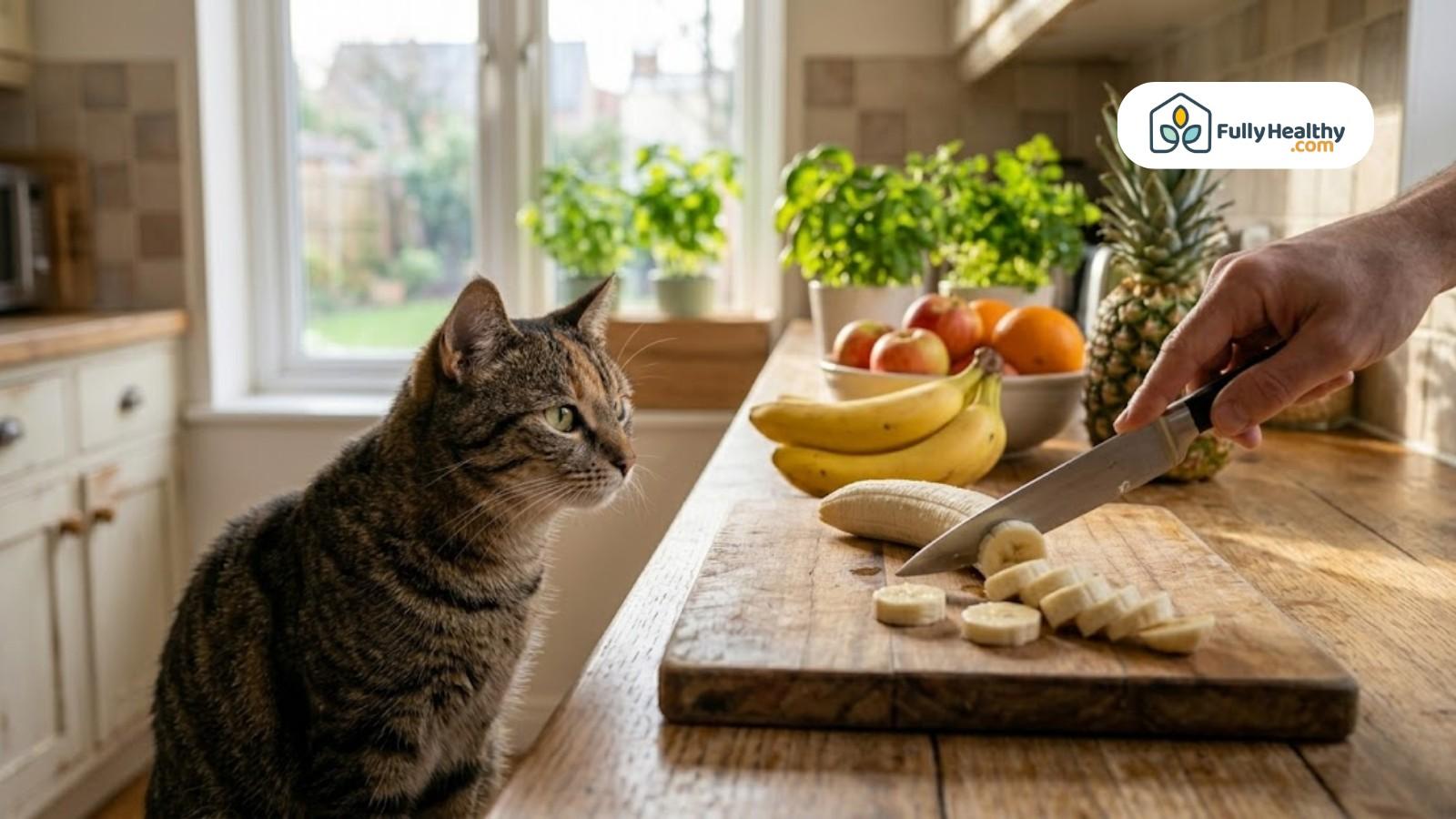
Some fruits are safer than others, but they should still be rare treats. Cats can eat bananas, but they do not need fruit to stay healthy. The best choice is always specially formulated food made for cats.
Safe Fruits Cats Can Eat In Moderation
A few fruits can be used as a healthy snack when served the right way. Always wash the fruit, remove seeds, and serve tiny pieces.
-
Bananas: Cats can safely eat a small plain banana slice once in a while.
-
Berries: Strawberries or blueberries may be offered in bite sized pieces.
-
Melons: Soft melon can be easier for some cats to chew and digest.
Do Cats Actually Benefit From Fruit?
Cats are obligate carnivores, so fruit should never replace meat-based cat food. Fruits may have some nutritional benefits for people, but cats need animal protein for strong daily health.
-
Main need: A cat’s diet should focus on complete and balanced cat food.
-
Low reward: Bananas good for humans does not mean they are important for cats.
-
Safe feeding: You can safely feed bananas in tiny amounts, but do not feed bananas often.
Why Does My Cat Lick Bananas?

Many cats show interest in bananas even if they do not eat them. This behavior can look odd, but it often comes from curiosity, smell, or texture. Bananas aren't toxic, so a quick lick is usually harmless. Still, bananas to cats should only be a fun treat, not a habit.
The Science Behind Banana Attraction
Cats depend more on smell than taste. Even without a sweet tooth, many cats may react to the strong scent found in people foods like bananas.
-
Scent appeal: Bananas release strong smells that may catch your cat’s attention.
-
Natural curiosity: New smells can make cats lick, sniff, or inspect the fruit.
-
Not sweetness: Cats do not crave sweet things, so licking is usually not about flavor.
Texture, Curiosity, And Behavioral Triggers
The soft feel of bananas may also explain the licking. For many cats, it is simple exploration rather than hunger.
-
Soft texture: A small bite or lick may feel interesting on a cat’s tongue.
-
Play behavior: Cats may treat bananas like a new object to inspect.
-
Safety check: Watch for unusual reactions like vomiting, drooling, or discomfort.
FullyHealthy: Where To Find Banana-Based Products
FullyHealthy is an online store for clean, diet-friendly foods. It focuses on products for people with special diets, including gluten-free, allergen-free, and AIP options. These products are made for humans, not cats, but they show how bananas can fit into simple snacks and recipes.
What FullyHealthy Offers For Specialized Diets
FullyHealthy helps shoppers find foods that match strict diet needs. This can save time for people who need to avoid certain ingredients.
-
Clean options: Many products avoid common allergens, added sugar, and artificial additives.
-
Diet support: The store offers AIP, paleo, gluten-free, and allergen-friendly choices.
-
Easy shopping: It gathers specialty foods in one place, so shoppers can compare options faster.
Featured Banana Products On FullyHealthy
FullyHealthy carries several banana-based products for human diets. These can work as small treats, baking options, or smoothie add-ins.
-
EAT G.A.N.G.S.T.E.R Banana Bread Mix: A 10 oz baking mix made without grains, eggs, dairy, gluten, soy, legumes, nuts, seeds, and refined sugar.
-
Barnana Organic Chewy Banana Bites: A 3.5 oz snack made with organic bananas and organic banana powder.
-
Autoimmune H&N Paleo Perfection Vanilla Banana Protein Powder: A 16 oz protein powder with grass-fed beef collagen protein, organic banana, apple fiber, broccoli, carrot, and vanilla flavor.
Final Thoughts
The short answer is yes, but with limits. Cats can try a small slice as a fun treat, yet bananas bad if overfed. They don’t give all the required nutrients your cat needs, even if they contain vitamin c and some health benefits for humans.
Since the vast majority of a cat’s diet should be meat, fruit should stay minimal. Experts, including sources like new york state college, suggest focusing on proper nutrition for muscle function and overall health. While kittens eat bananas in tiny amounts, it’s safer to rely on balanced meals and not replace them with other fruits.
FAQs
Can cats eat bananas every day or are bananas bad?
Bananas bad if given daily, so offer only a small slice as an occasional treat.
Can kittens eat bananas safely or should they avoid other fruits?
Kittens eat bananas in very small amounts, but other fruits are not needed for all the required nutrients.
Do bananas provide vitamin c and health benefits for cats?
Bananas contain vitamin C, but cats synthesize vitamin C and do not need bananas for this nutrient; any health benefit for cats is minimal.
What do experts like New York state college or York State College say about bananas?
New York state college and York state college sources suggest fruit should not replace proper cat nutrition.
What is the short answer on feeding bananas to cats?
The short answer is yes in tiny amounts, but the vast majority of their diet must be balanced cat food.
Leave a comment