

Can Cats Have Nuts? Hidden Risks Every Owner Should Know
Can cats have nuts? No, and there are clear reasons why. Although nuts may look harmless, they can be bad for a cat's health and cause digestive problems or even choking. This guide breaks down which nuts are dangerous, why they don’t fit a cat’s diet, and what safer treats you can give instead to keep your cat healthy and safe.
Featured Snack Pick
Mauna Loa // Hawaiian Sea Salt Macadamia Nuts - 4 oz
Loading...
Can Cats Have Nuts?
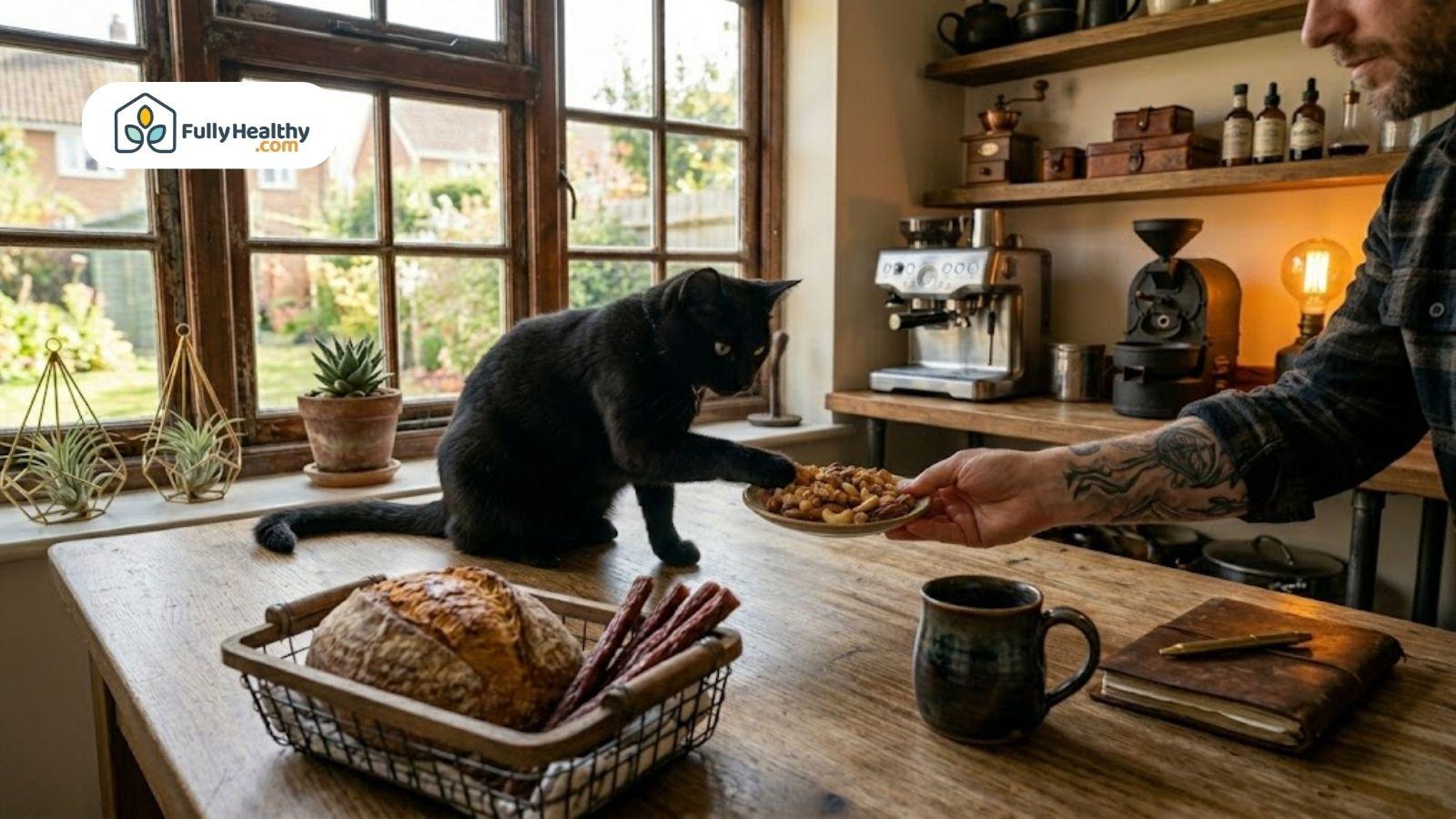
The simple answer is no, nuts are not recommended for cats because they are hard to digest and do not fit a proper cat's diet.
Why Nuts Are Not Recommended For Cats
Cats eat nuts with difficulty because they are obligate carnivores that rely on meat and amino acids, not plant-based fat. The high fat content and hard texture of nuts create digestive issues and long term health risks for cats.
-
High Fat Content: All nuts are high in fat, and too much fat can lead to weight gain, pancreatitis, and long-term cat's health problems.
-
Choking Hazard: Nuts are hard and not easy to chew, which increases choking hazard and the risk of intestinal blockage when a cat eats quickly.
-
Poor Nutrition: Nuts do not provide the amino acids or nutrients needed for a cat's nutritional needs and overall immune system support.
-
Digestive Issues: Many cats experience upset stomach, diarrhea, or abdominal pain after eating nuts because their bodies are not built to digest them.
Occasional Exposure Vs Safe Feeding
A cat eats tiny amounts of nuts accidentally without immediate danger, but feeding nuts intentionally adds unnecessary risk for pet owners and pet parents. Even non toxic nuts still create problems because cats eat cashews, peanuts, or pine nuts without real benefit.
-
Non-Toxic Does Not Mean Safe: Many different kinds of nuts are non toxic, but they still cause digestive problems and do not support a healthy cat's diet.
-
No Nutritional Value: Nuts provide little to no nutritional value compared to proper cat food or wet food that is specially formulated.
-
Additives Risk: Salted peanuts, peanut butter, and flavored cashew nuts contain ingredients that can harm cats and increase health risks.
-
Monitoring Symptoms: If a cat starts vomiting, shows diarrhea, or signs of severe issues, pet owners should contact a veterinarian or emergency animal hospital.
What Nut Is Toxic To Cats?
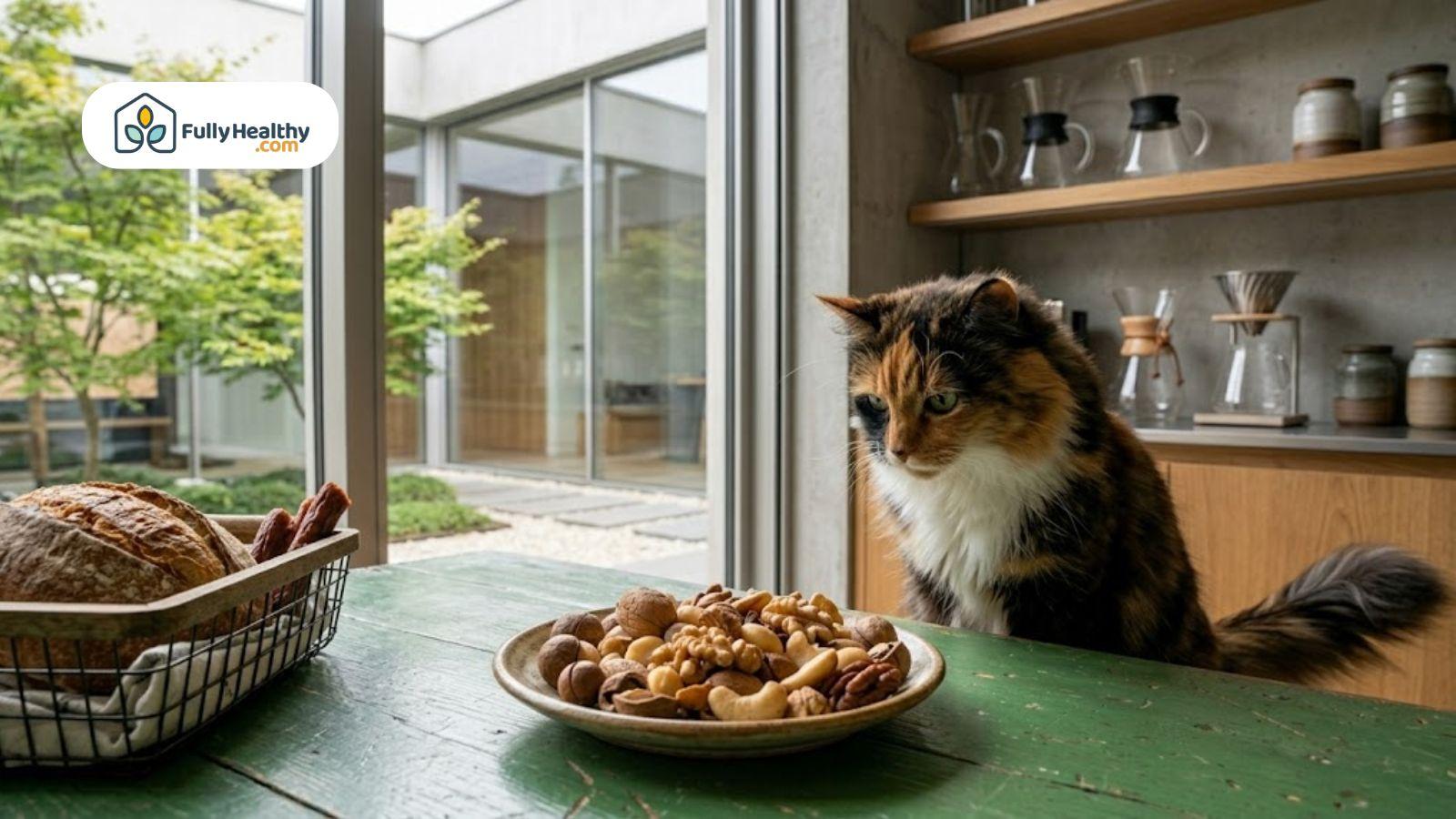
Some nuts are toxic to cats, while most nuts still cause problems due to high fat content and digestive issues.
High-Risk Nuts You Must Avoid
Moldy walnuts are dangerous because mold can produce tremorgenic mycotoxins that affect pets, including cats. Macadamia nuts should also be avoided, mainly because of their fat content and pet safety concerns.
-
Macadamia Nuts: For cats, the bigger concern is their very high fat content and possible gastrointestinal upset.
-
Moldy Walnuts: Moldy walnuts can contain harmful toxins that affect the nervous system and may lead to tremors or seizures.
-
Brazil Nuts: Brazil nuts are not always toxic but have extremely high fat content, which can lead to digestive issues and stomach upset.
-
Pecans: Pecans can become dangerous when moldy and may cause similar toxin-related problems as walnuts.
Why Most Nuts Still Cause Problems
Even if not toxic to cats, most nuts still create digestive problems because cats cannot process fat and fiber efficiently. Cats eat brazil nuts, cats eat cashew nuts, or cats eat peanuts may not cause poisoning but still harm the digestive system.
-
High Fat Levels: Too much fat from nuts can lead to pancreatitis, weight gain, and long-term digestive issues in cats.
-
Digestive Problems: Eating nuts often results in upset stomach, diarrhea, abdominal pain, and other gastrointestinal issues.
-
Choking Hazard: Nuts are difficult for cats to chew, increasing the risk of choking hazard and possible intestinal blockage.
-
No Nutritional Benefit: Nuts do not contribute to a balanced cat's diet and do not support immune system or overall health.
What Human Treats Can I Give My Cat?
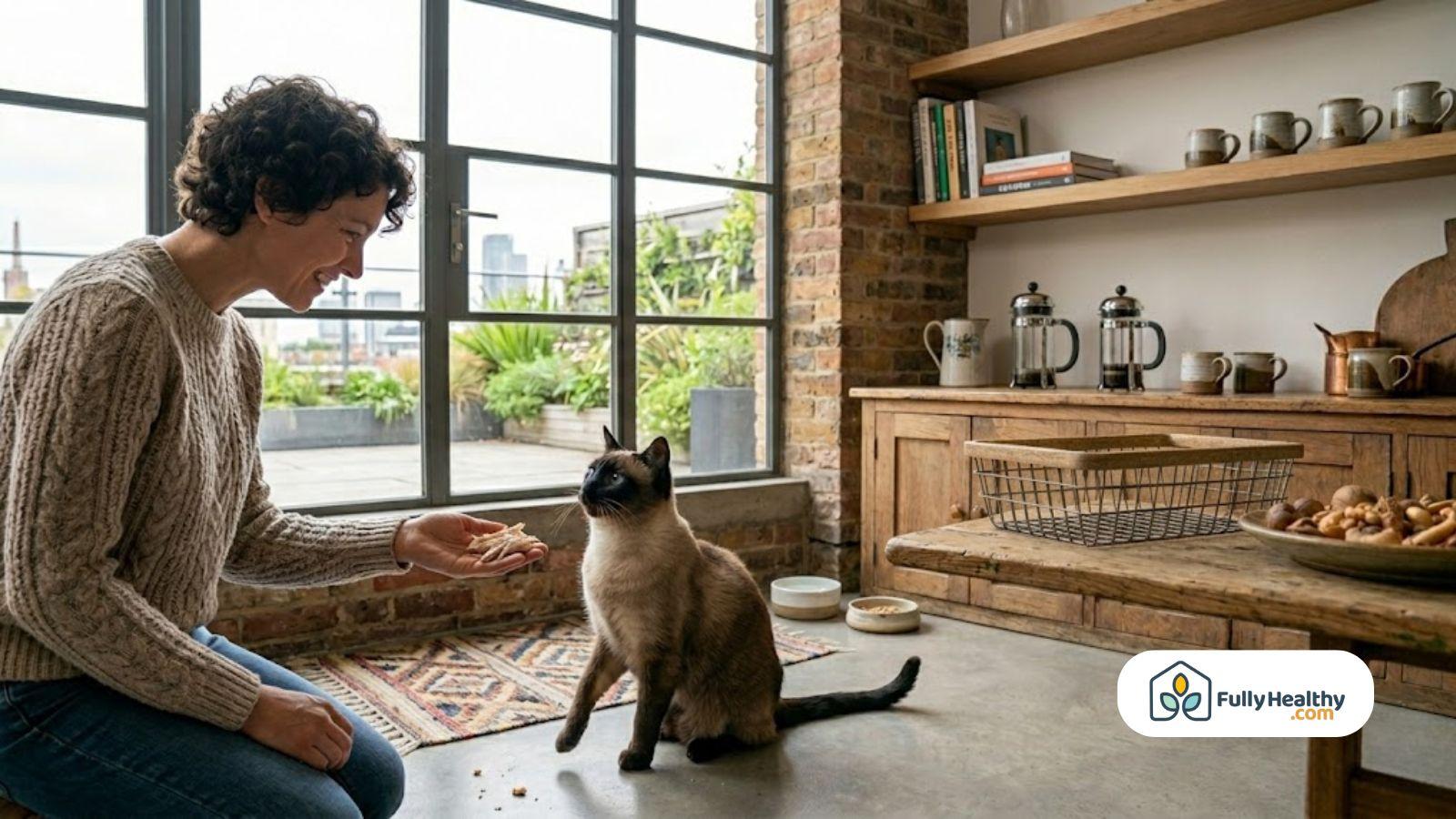
Cats should be given treats that match their natural diet instead of human food like nuts.
Safe Protein-Based Treat Options
Cats are obligate carnivores, meaning they need to eat meat to maintain energy, muscle, and immune system function. Protein-based treats are the safest and most beneficial option for feline friends.
-
Cooked Chicken: Plain chicken is easy to digest and provides essential amino acids that support muscle and overall health.
-
Fish: Salmon or tuna in tiny amounts can provide healthy nutrients, but should not replace regular cat food.
-
Eggs: Cooked eggs are a good source of protein and vitamins when given in moderation.
-
Beef: Small, unseasoned portions offer protein that aligns with a natural cat's diet.
Fruits And Vegetables In Moderation
Some plant-based foods can be given in tiny amounts, but they should never replace meat in a cat's diet. Cats process plant foods differently than humans and dogs, so moderation is important.
-
Pumpkin Seeds: Small amounts may support digestion, but should be plain and given occasionally.
-
Carrots: Soft cooked carrots are safe and can provide fiber in small portions.
-
Blueberries: Contain vitamins c and antioxidants but should only be given in tiny amounts.
-
Peas: Easy to digest and safe when served plain without seasoning.
What Can I Give My Cat To Calm Him Down At Night?
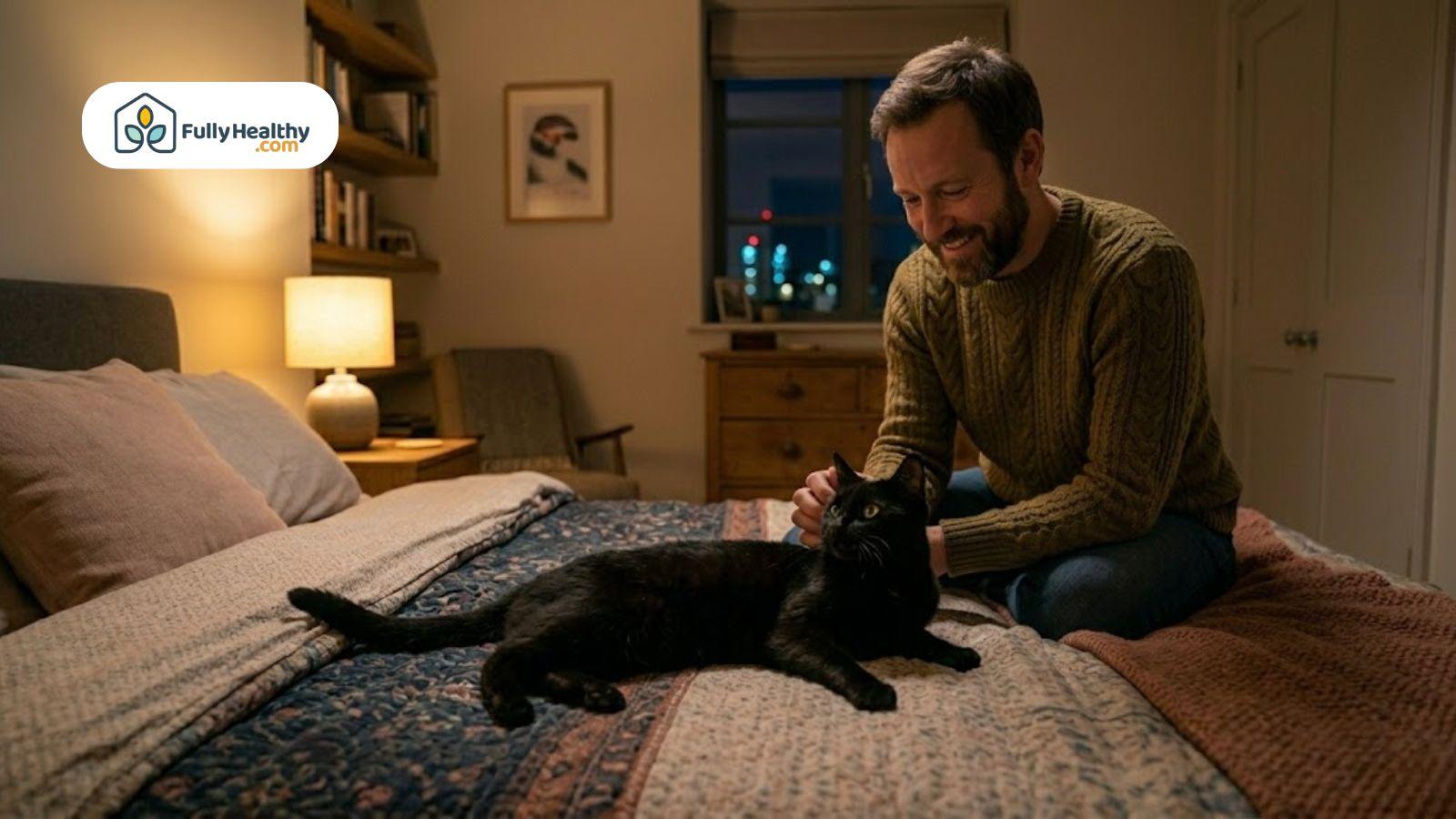
Cats are naturally active at night, so calming them requires routine and environment adjustments instead of feeding certain foods.
Behavioral And Routine Fixes
A cat starts becoming restless at night due to excess energy, so daily habits play a major role in calming behavior. Pet parents can reduce nighttime activity by building structure and consistency.
-
Play Sessions: Engaging cats in active play before bedtime helps burn energy and reduces nighttime activity.
-
Feeding Schedule: Offering wet food in the evening can help cats feel full and more likely to rest.
-
Consistency: Maintaining a consistent routine helps cats feel secure and reduces anxiety.
-
Environment: Providing a quiet and comfortable space helps limit stimulation and supports better sleep.
Safe Calming Tools And Alternatives
Non food solutions are safer because treats like peanut butter or nuts can cause digestive issues and health risks. Cat owners should focus on calming tools that support relaxation naturally.
-
Pheromone Diffusers: These release calming scents that help reduce stress and anxiety in cats.
-
Comfort Items: Soft bedding, toys, and familiar objects provide a sense of safety.
-
Quiet Spaces: Reducing noise and stimulation helps create a calm nighttime environment.
-
Veterinary Advice: Persistent issues should be addressed with a veterinarian for proper guidance.
About FullyHealthy
FullyHealthy is a platform focused on clean ingredient food products designed for humans seeking better nutrition choices.
How FullyHealthy Supports Better Food Choices
FullyHealthy provides specially formulated products for specific dietary needs, focusing on clean ingredients and health-conscious options. It offers alternatives to common processed food and supports better eating habits.
-
Clean Ingredients: Focuses on simple and natural food options.
-
Special Diets: Includes gluten free and allergen friendly products.
-
Wide Selection: Offers many different kinds of healthy snacks.
-
Convenience: Easy access for pet owners and families.
Featured Products Overview
These products highlight clean ingredients and convenient options designed for everyday nutrition and simple meal choices.
-
Mauna Loa Hawaiian Sea Salt Macadamia Nuts: Lightly salted macadamia nuts with rich flavor and satisfying crunch, made for easy snacking.
-
Base Culture Gluten-Free Seven Nut And Seed Bread: Dense, grain-free bread made with a blend of nuts and seeds for a hearty texture and nutrient support.
-
Wild Zora Instant Grain-Free Hot Cereal: Quick, grain-free breakfast option made with simple ingredients for convenient and clean eating.
Final Thoughts
Nuts are not a smart choice for cats because of high fat content, choking hazard, and digestive issues that affect a cat's health. Even a small amount can lead to stomach upset, diarrhea, or more serious problems like intestinal blockage and nut toxicity. Stick to specially formulated cat food and safe treats instead of human food like nuts or chia seeds with high fiber content. If your cat eats large amounts, contact a veterinarian and consider pet insurance for unexpected care.
FAQs
Can cats eat nuts that are raw?
No, cats should not eat raw nuts. Most are not classic poisons, but they are high in fat, hard to digest, and can pose choking or obstruction risks.
Can cats eat cashew nuts?
Cats eat cashew nuts poorly because cashew nuts are high in fat and can cause digestive problems, diarrhea, and weight gain in large amounts.
What is the silent killer of cats?
The silent killer of cats can include certain foods, toxins, and untreated conditions, and nut toxicity from eating other foods like nuts in large amounts can lead to serious health risks.
Can cats lick walnuts?
Cats should not eat or lick walnuts. Although they are not highly toxic, walnuts contain high fat levels that can lead to stomach upset, diarrhea, and even pancreatitis, and they also present a choking hazard.
What scents calm cats down?
Synthetic feline pheromones such as Feliway have evidence for helping some cats feel calmer. Avoid essential oils and scented botanicals unless your veterinarian specifically approves them for use around your cat.
Leave a comment