

Can Chickens Eat Banana Peels? Safe Feeding Guide for Backyard Flocks
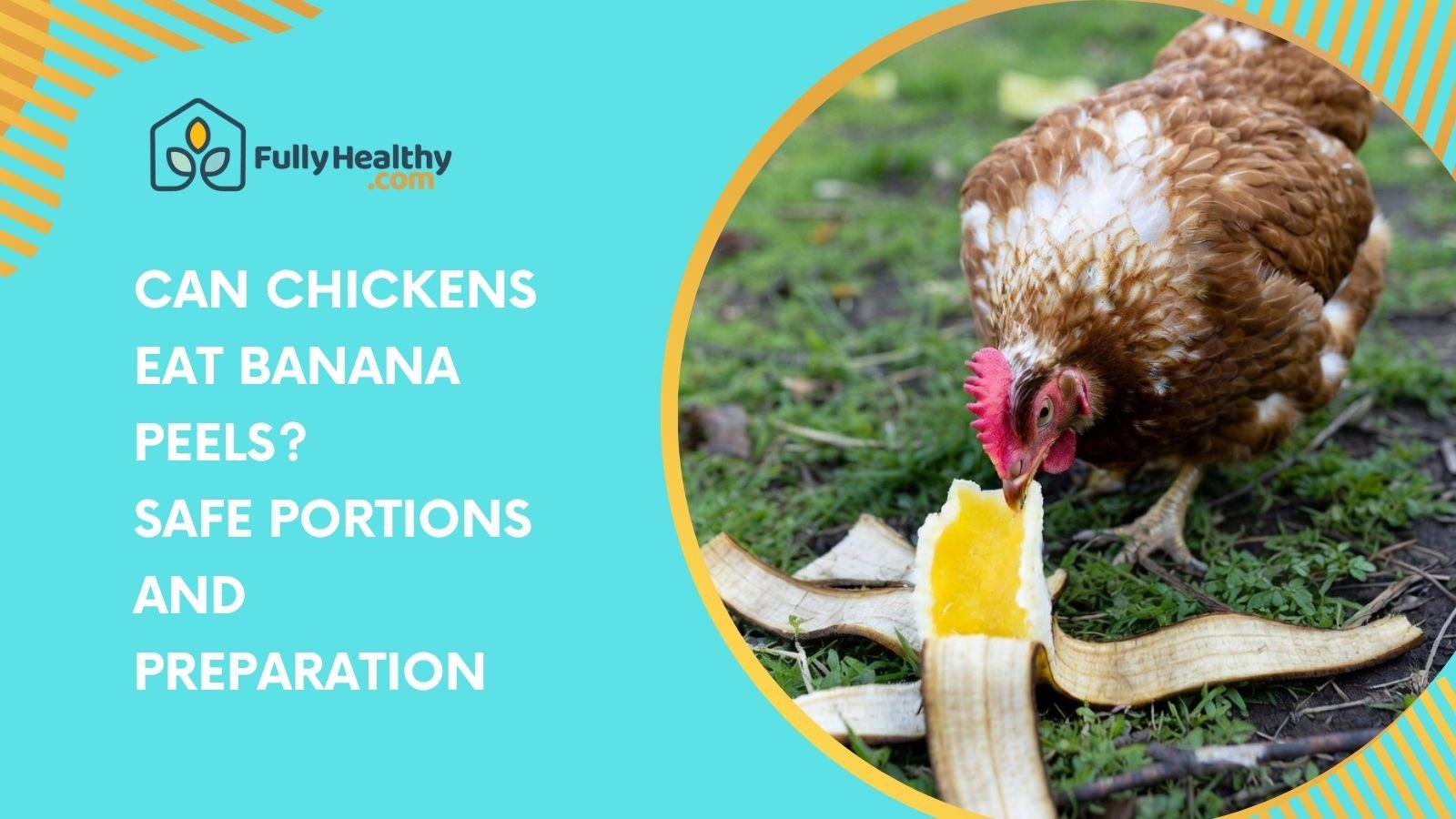
Can chickens eat banana peels? Yes, chickens can eat banana peels, but only in small amounts and with proper preparation. Banana peels are safe, but they are tough and harder to digest than ripe bananas. This guide explains how chickens eat banana peels, how to prepare them, and how to feed bananas safely so your flock stays healthy and productive.
Featured Snack Pick
Barnana // Organic Chewy Banana Bites - 3.5 oz
Loading...
Is Banana Peel Safe For Chickens?
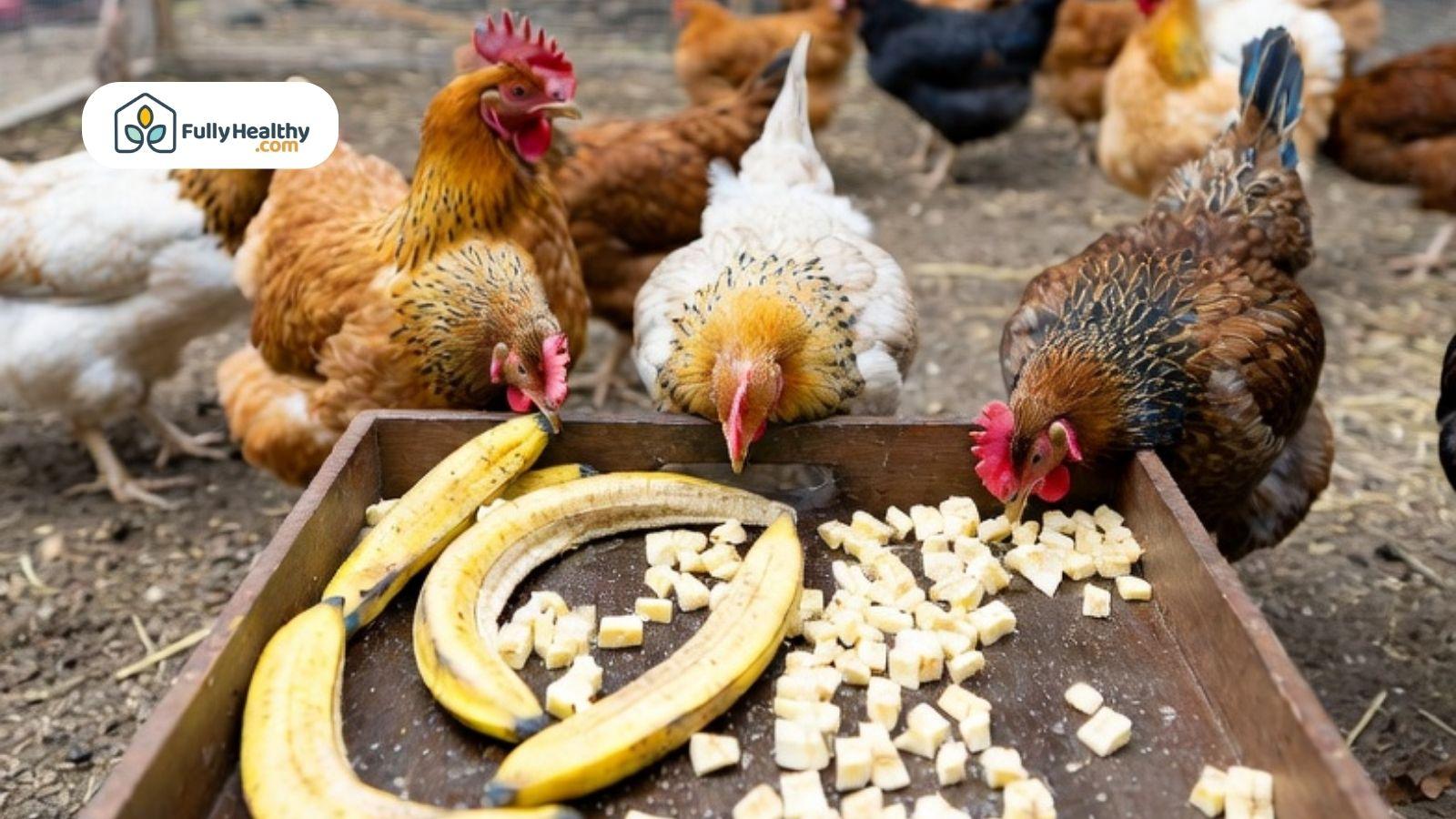
Banana peels can be included in a chicken's diet, but they require proper handling due to their texture and sugar content. Knowing how chickens eat banana peels helps avoid health issues and supports overall well being.
Nutritional Value And Safety
Banana peels are safe for chickens, but their tough texture makes them harder to digest compared to ripe bananas. They provide some nutritional value, but should remain a nutritious snack, not a main food source.
-
Non-Toxic: Banana peels are safe and chickens can eat them without poisoning risks.
-
Fiber Content: Peels are fibrous, meaning tough plant material that slows digestion.
-
Nutritional Value: Bananas provide potassium, vitamin C, and support nerve function and muscle function.
-
Health Benefits: Provide small amounts of nutrients but are not a primary source of dietary requirements.
-
Chickens Eat Banana Peels: Chickens eat banana peels but prefer softer options like overripe bananas.
Feeding Limits And Risks
Banana peels should only be given in small quantities because too much sugar and fiber can affect chickens over time. A balanced diet with well balanced chicken feed must remain the priority.
-
Moderation: Feed banana peels occasionally as a tasty treat, not regular feed.
-
High Sugar Content: High sugar content may contribute to weight gain and dietary imbalance if overfed.
-
Choking Hazard: Whole banana peel pieces are difficult for chickens to eat safely.
-
Digestive Issues: Too much fiber may affect gut health and cause discomfort.
-
Balanced Diet: Chicken feed supports overall health better than excess food scraps.
How To Prepare Banana Peels For Chickens?
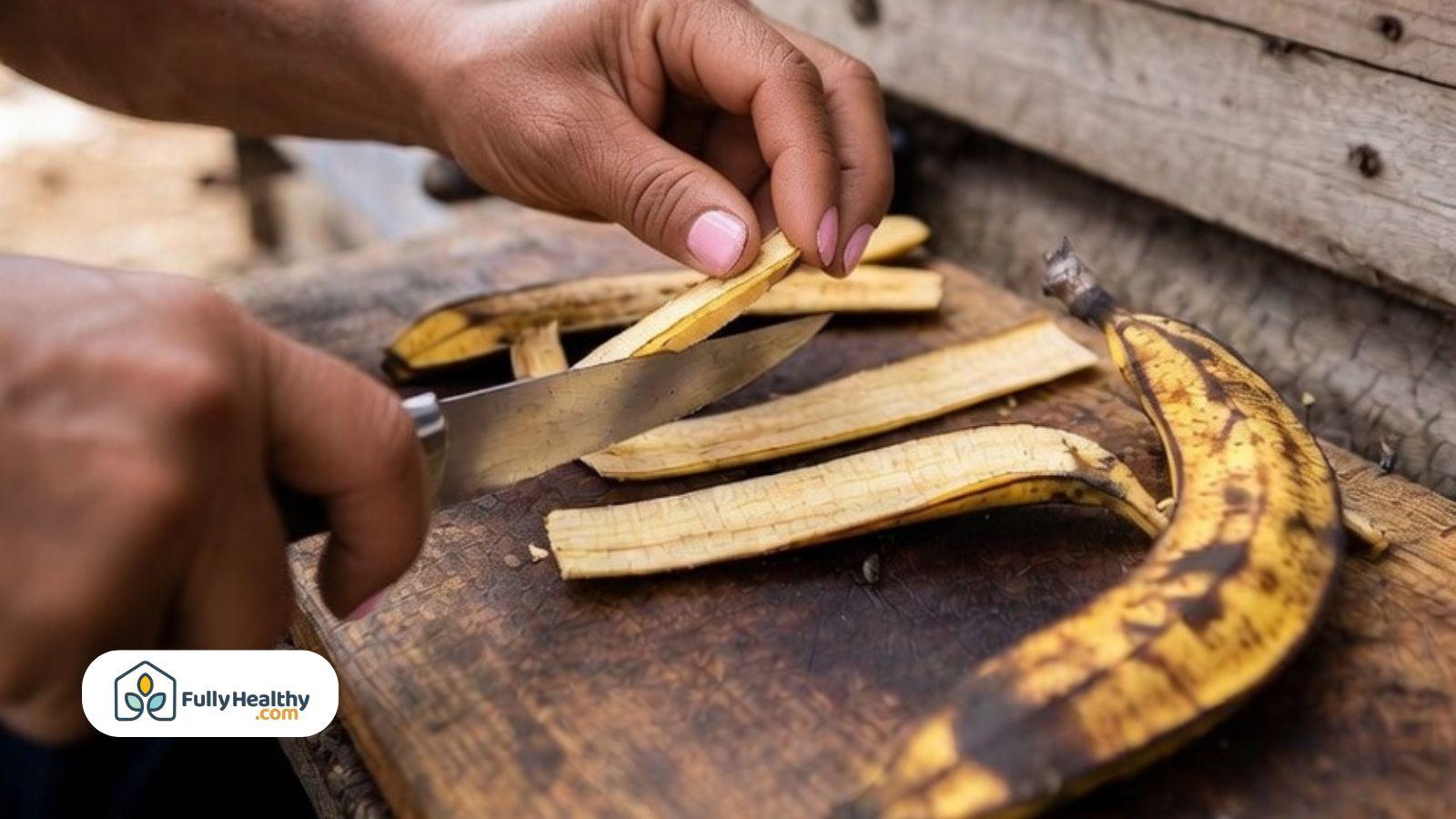
Proper preparation helps chickens eat banana peels safely and improves digestion. Simple steps make banana peels a healthy treat for backyard chickens.
Safe Preparation Methods
Preparation reduces choking hazard and improves how chickens eat banana peels. Clean, soften, and size reduction are key for safe feeding.
-
Wash Peels: Clean banana peels from organic bananas or regular bananas to remove residue.
-
Chop Small Pieces: Cutting into small pieces makes it easier for chickens eat.
-
Boil Peels: Softens fibers, making peels easier for chickens to eat.
-
Mix With Feed: Combine with regular feed when introducing as new food.
-
Use Overripe Ones: Overripe bananas and peels are softer and easier to eat.
Best Forms To Serve
Texture affects how chickens eat and process banana peels. Softer forms are easier and safer for digestion.
-
Raw Chopped: Works but must be cut very small for easier eating.
-
Boiled Peels: Best option for soft texture and digestion support.
-
Dried Powder: Ground peels can be mixed with chicken feed.
-
Fresh Bananas: Whole banana or sliced fresh bananas are easier than peels.
-
Frozen Bananas: Provide a cool treat during hot summer days and heat stress.
Is There Any Fruit Chickens Cannot Eat?
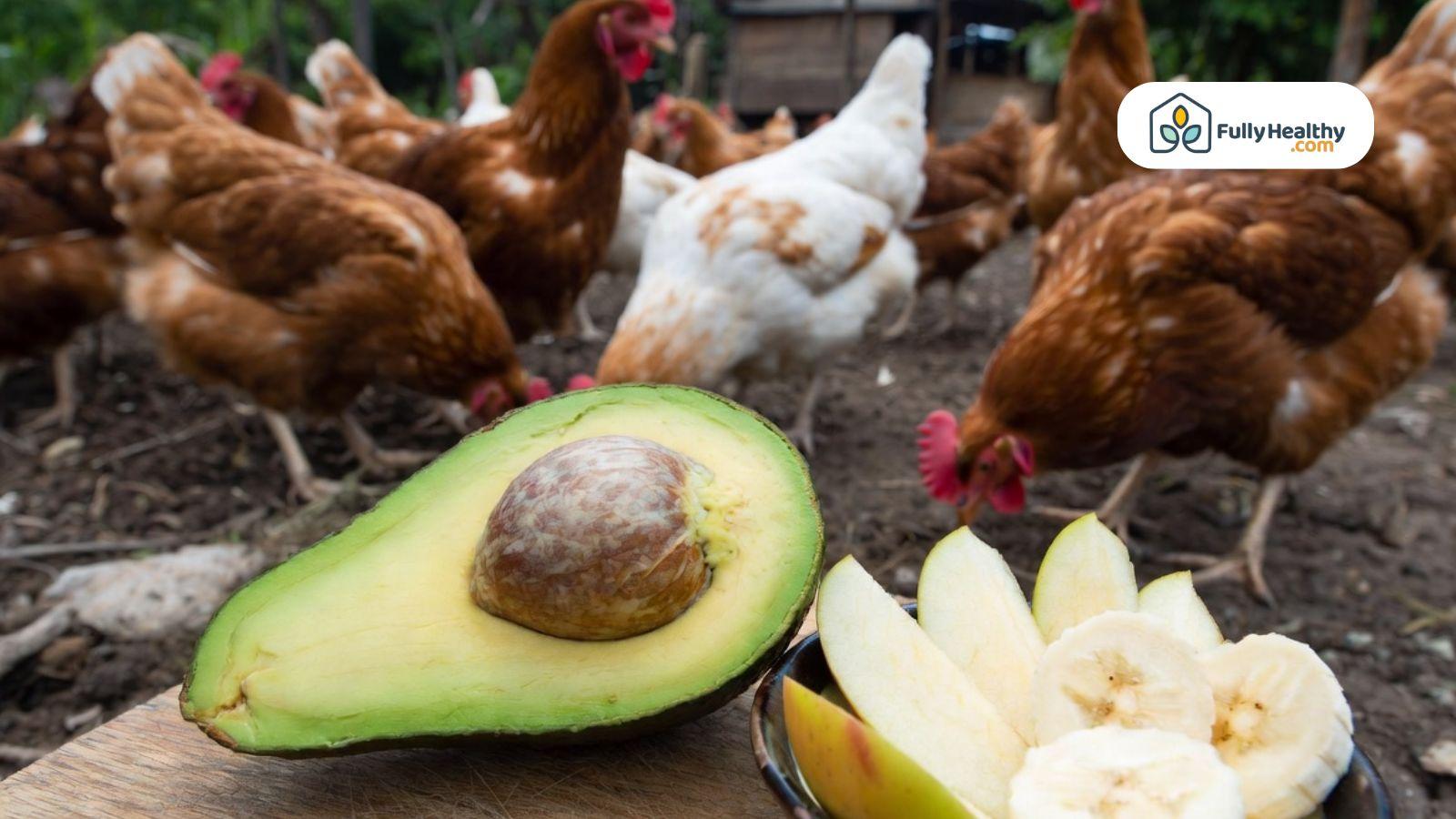
Not all fruits are safe for chickens, and some can cause serious health issues if included in their diet. Knowing which ones to avoid helps maintain overall health.
Toxic Fruits To Avoid
Certain fruits or parts contain harmful compounds that can damage organs or affect the immune system. These should never be part of chicken feed.
-
Avocado Parts: Skin and pit contain toxins harmful to chickens.
-
Green Tomatoes: Contain compounds that affect nerve function.
-
Moldy Fruit: Spoiled fruit can introduce harmful bacteria.
-
Unwashed Peels: May carry pesticides that affect well being.
-
Unsafe Food Scraps: Not all kitchen scraps are safe for chickens eat.
Fruits That Need Moderation
Some fruits are safe but should be limited due to natural sugars and digestive impact. Balance helps maintain egg quality and overall health.
-
Bananas: Chickens eat bananas but should not consume too much sugar.
-
Banana Chips: Often contain added sugars and are less healthy treat.
-
Over Ripe Bananas: Soft and appealing but still high in sugar.
-
Other Fruits: Apples and berries should be given in small quantities.
-
Hydrating Treat: Fruits help during hot days but should not replace balanced diet.
What Foods Do Chickens Love The Most?
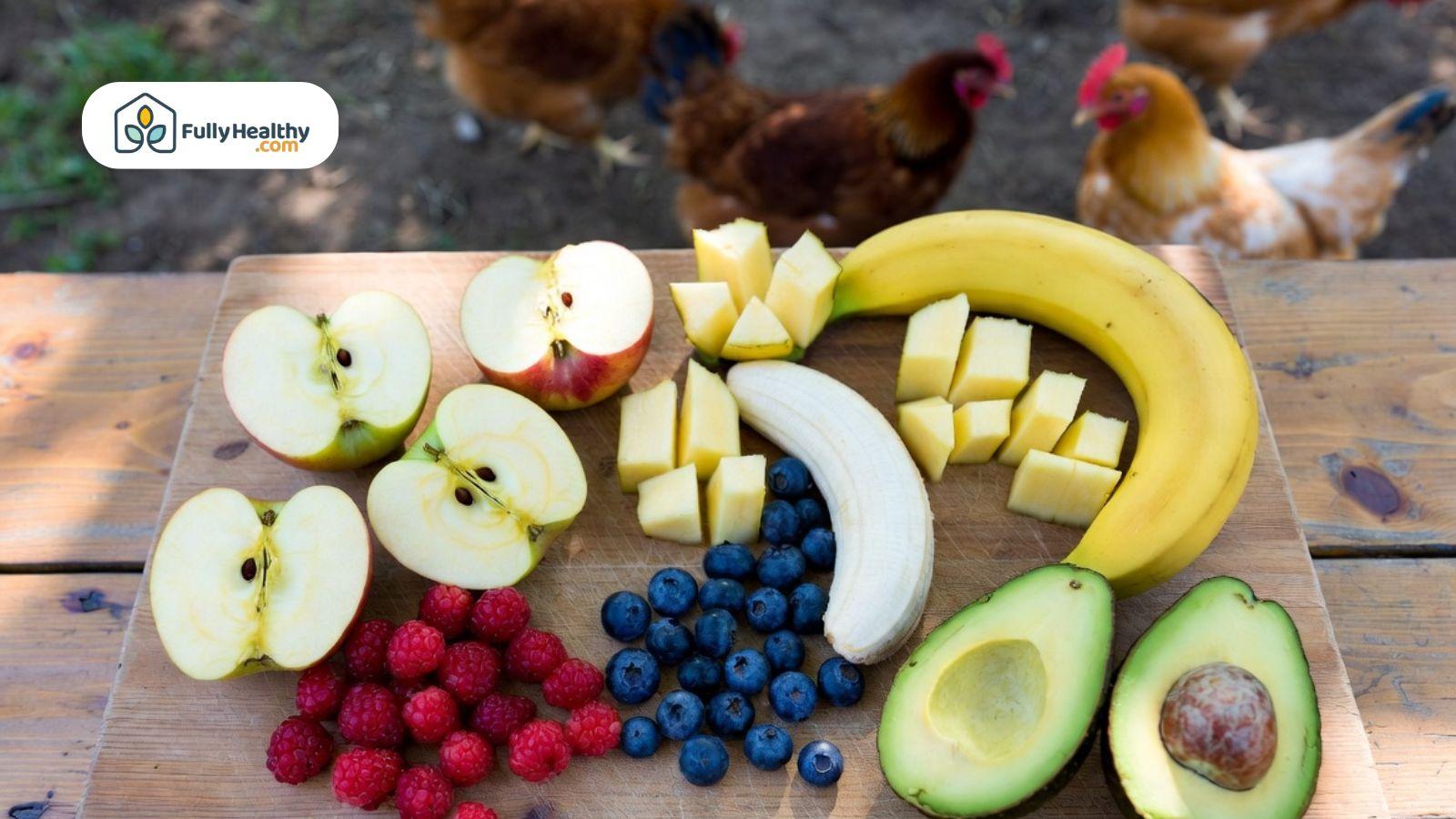
Chickens love a variety of foods that match their natural feeding instincts and support their nutritional needs. Offering the right mix supports egg production and overall health.
Favorite Treats Chickens Enjoy
Chickens love foods that are soft, flavorful, and easy to peck, making fruits and grains popular options.
-
Grains: Provide energy and are a staple in chicken's diet.
-
Vegetables: Supply essential nutrients for bone development and immune system.
-
Fruits: Chickens eat bananas and enjoy sweet treat options.
-
Protein Sources: Support rapid growth and muscle function.
-
Kitchen Scraps: Chickens love pecking safe leftovers as a great treat.
Treats Vs Daily Feed Balance
Treats should never replace complete nutrition, as chickens need a consistent and balanced diet for long term health.
-
Complete Feed: Provides essential nutrients required daily.
-
Treat Limits: Snacks like bananas for chickens should remain occasional.
-
Balanced Diet: Prevents health issues linked to poor nutrition.
-
Regular Feed: Must make up most of the chicken's diet.
-
Overall Health: Proper feeding supports egg quality and well being.
About FullyHealthy: Clean Eating Marketplace
FullyHealthy focuses on providing clean, diet-specific food products that align with simple and mindful eating habits. The platform highlights options that fit various dietary needs.
What FullyHealthy Offers
FullyHealthy provides a curated range of clean-label foods designed for specific diets and overall wellness.
-
Clean Products: Focus on minimal ingredients and no added sugars.
-
Diet Support: Options for paleo, gluten free, and allergen friendly diets.
-
Quality Focus: Emphasis on natural ingredients and transparency.
-
Snack Variety: Includes fruit-based snacks and mixes.
-
Well Being: Supports healthier food choices for daily use.
Banana-Based Products You'll Love
Banana-based products provide convenient snack options while maintaining nutritional benefits and clean ingredients.
-
Barnana Organic Chewy Banana Bites: Made from organic bananas, these chewy bites offer a simple and naturally sweet snack with no added sugars.
-
Eat G.A.N.G.S.T.E.R Banana Bread Mix: A clean baking mix that makes banana bread using simple ingredients, perfect for a homemade healthy treat.
-
Autoimmune H.N Paleo Perfection Vanilla Banana Protein Powder: A banana flavored protein option designed to support muscle function with clean, diet-friendly ingredients.
-
That’s It Apple Banana Fruit Bar : A simple fruit bar made with apples and bananas, offering a quick and natural energy boost.
-
Monkey Brittle Strawberry Banana Crunch: A crunchy snack combining strawberry and banana flavors for a light and enjoyable treat.
-
Solely Banana With Cacao: A two-ingredient snack blending bananas with cacao for a naturally sweet and rich option.
-
Wild Zora Instant Grain-Free Hot Cereal Banana Bread: A convenient grain-free cereal with banana flavor, ideal for a quick and clean meal.
Final Thoughts
Banana peels are safe for chickens when prepared properly and fed in small amounts as part of a balanced diet. They are tough and fibrous, so chopping or softening helps chickens eat them without issues. Chickens absolutely love softer foods, and even picky eaters respond better to prepared options. Baby chicks eat bananas only in tiny portions for safety.
Keep portions controlled, stick to regular feed as the base, and always choose what supports long term health for your flock.
FAQs
What shouldn't you feed to chickens?
Avoid avocado skin and pits, moldy food scraps, and spoiled food that can harm digestion and overall health.
What food do chickens go crazy for?
Chickens get very excited about protein-rich treats like mealworms, crickets, and earthworms, along with sweet, juicy fruits such as watermelon, strawberries, and blueberries.
What is most toxic to chickens?
Avocado parts are highly toxic, along with moldy or rotten food that can cause serious health issues.
How often can chickens eat bananas?
Bananas should be given occasionally in small amounts to avoid excess sugar in the diet.
What smell do chickens hate?
Chickens dislike strong smells like vinegar, citrus, and harsh odors that affect their comfort.
Leave a comment