

Is Butter Gluten-Free? Safe Choices and Hidden Gluten Risks
Is butter gluten-free? The short answer is yes, plain butter is naturally gluten-free because it is made from cream. However, some flavored butter, butter spreads, and specialty products may contain gluten or face cross-contact.
This guide explains which butter is safe, what products deserve extra attention, and how to choose gluten-free butter with confidence while shopping or dining out.
Is Butter Gluten-Free?
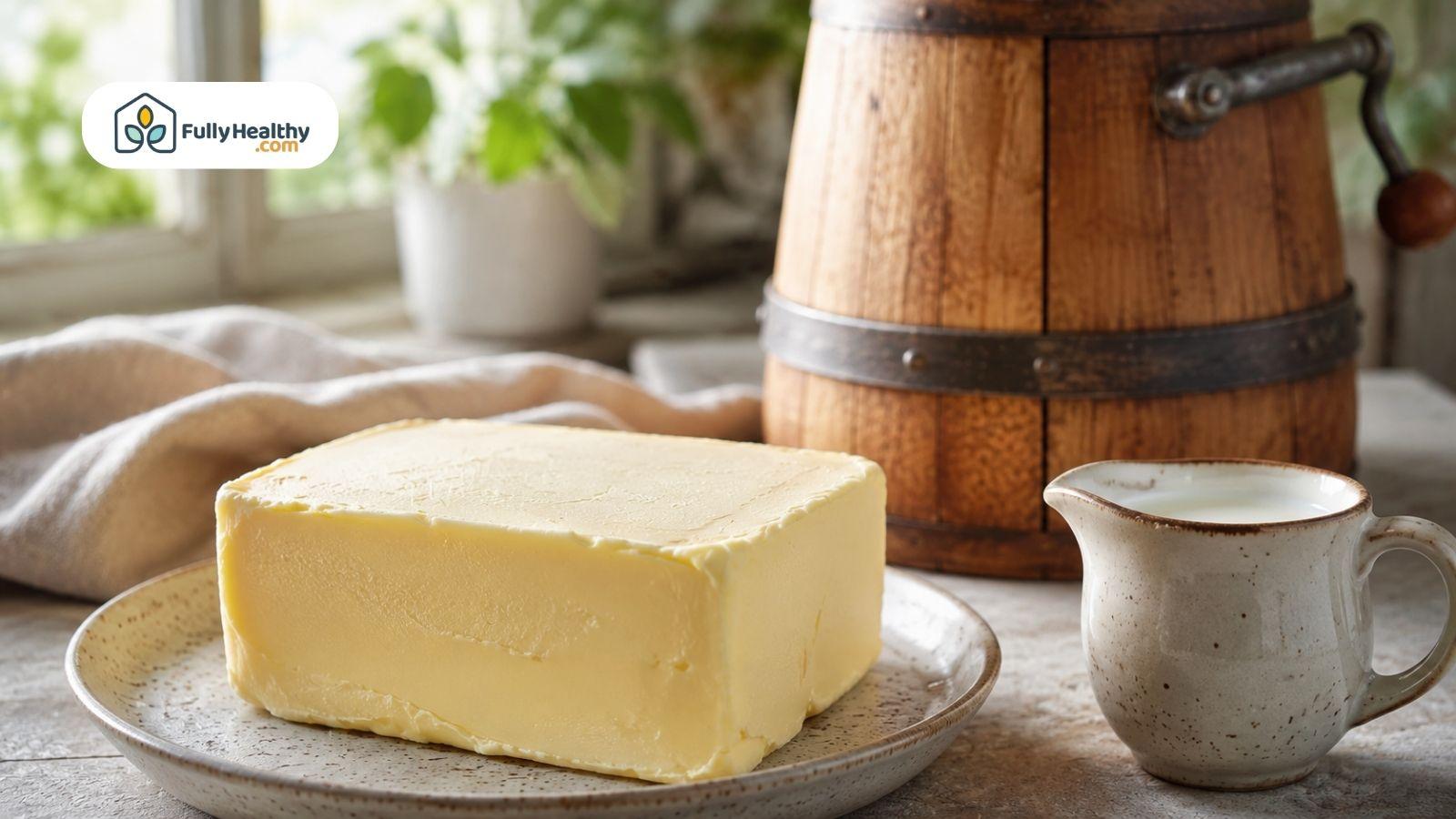
Plain butter is naturally gluten-free because it is made from cream, not wheat, barley, or rye.
Plain Butter is Naturally Gluten-Free
Plain butter is naturally gluten-free because it contains cream and sometimes salt, neither of which contains gluten. Since gluten is a protein found in wheat, barley, and rye, traditional butter fits into a gluten-free diet when it is made with simple ingredients and kept free from contamination.
-
Main Ingredient: Butter is made by churning cream into butterfat and buttermilk.
-
Gluten Source: Gluten comes from wheat, barley, and rye, not from dairy.
-
Simple Recipe: Plain butter usually contains only cream or cream and salt.
-
Gluten-Free Standard: In the U.S., products labeled gluten-free must contain less than 20 parts per million of gluten under FDA rules.
-
Good Choice: Plain butter works well for people following a gluten-free lifestyle when cross-contact is avoided.
When Butter May Not Be Gluten-Free
Butter products can contain gluten when flavorings, seasonings, or other ingredients are added during manufacturing. Cross-contact can also happen in home kitchens, restaurants, and buffets when butter comes into contact with bread or other foods containing gluten.
-
Butter Blends: Products mixed with vegetable oils, starches, or flavorings deserve a careful label check.
-
Whipped Butter: Some whipped butter products include stabilizers or additional ingredients.
-
Cross-Contact: Bread crumbs left on a shared knife can contaminate an entire butter dish.
-
Shopping Tip: Read the ingredient list every time because product recipes can change.
What Type of Butter is Gluten-Free?
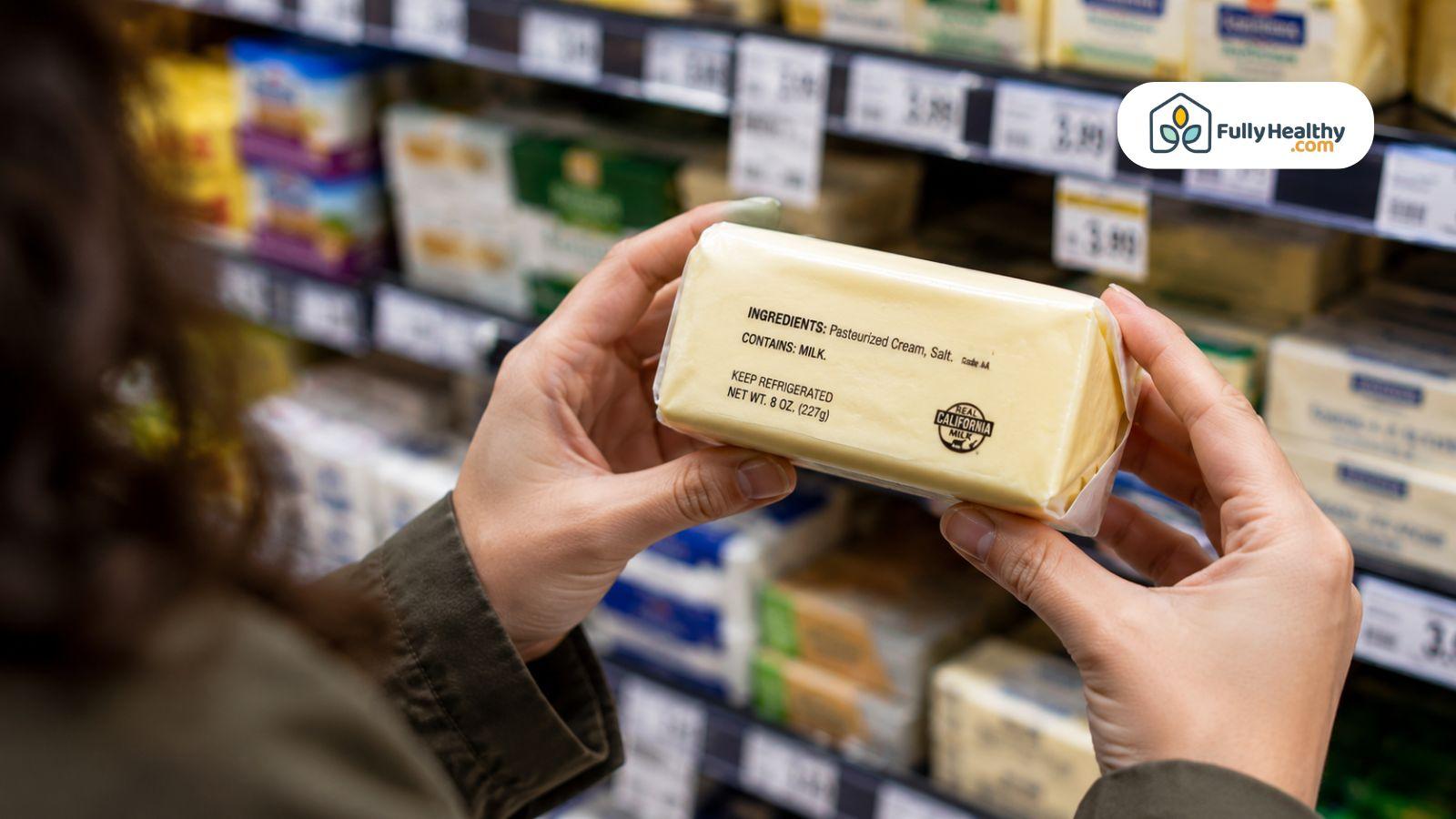
Traditional butter products made with simple dairy ingredients are naturally gluten-free. Knowing the difference between plain butter and specialty butter products makes shopping easier and helps reduce the chance of accidental gluten exposure.
Naturally Gluten-Free Butter Varieties
In its purest form, plain dairy butter is naturally gluten-free because it is made from cream and sometimes salt. To reduce the risk of hidden gluten or cross-contact, choose plain butter with simple ingredients or products that are clearly labeled gluten-free.
-
Unsalted Butter: Made from cream without added flavorings or seasonings.
-
Salted Butter: Contains cream and salt, both naturally free from gluten.
-
Cultured Butter: Made from cultured cream and remains gluten-free when no additional ingredients are added.
-
Clarified Butter: Produced by removing the milk solids, leaving pure butterfat.
-
Ghee: A type of clarified butter commonly used in cooking and naturally gluten-free when made from pure butter.
Butter Products That Require Extra Caution
Products labeled as butter are not always the same as traditional dairy butter. Specialty products may include ingredients that change their gluten-free status, making it important to read every label before buying.
-
Garlic Butter: Seasoning blends may include gluten-containing ingredients.
-
Herb Butter: Herbs are naturally gluten-free, but spice mixes can contain hidden gluten.
-
Butter Spreads: Blended products may include stabilizers, starches, or flavorings.
-
Margarine: Ingredients vary by brand, so each product should be checked individually.
-
Honey Butter: Added flavorings and other ingredients can change the product's gluten-free status.
Does Salted Butter Contain Gluten?

Salted butter is naturally gluten-free because it is made from cream and salt, neither of which contains gluten.
Why Salted Butter is Naturally Gluten-Free
Salted butter contains the same basic ingredients as unsalted butter, with salt added for flavor and freshness. Since salt does not contain wheat, barley, or rye, it does not change the gluten-free status of plain butter made with simple ingredients.
-
Simple Ingredients: Traditional salted butter is made with cream and salt.
-
Salt: Salt is naturally gluten-free and does not introduce gluten into butter.
-
Gluten-Free Diet: Plain salted butter fits into a gluten-free diet because it contains no gluten ingredients.
-
Gluten-Free Label: Some manufacturers voluntarily label their butter as gluten-free, providing extra confidence for shoppers.
-
Everyday Use: Salted butter can be used for cooking, baking, and spreading on gluten-free bread.
How to Choose a Safe Salted Butter
Reading the ingredient label helps confirm that salted butter contains only simple ingredients and no gluten-containing additives. People with celiac disease should also pay attention to flavored butter products and prevent cross-contact during storage and serving.
-
Read Ingredients: Choose products made with cream and salt, without unnecessary additives.
-
Check Certifications: A gluten-free label offers additional reassurance, especially for people with celiac disease.
-
Review Flavorings: Garlic, herb, honey, smoked, or seasoned butter may contain ingredients that require closer inspection.
-
Prevent Cross-Contact: Use a clean knife each time to keep bread crumbs out of the butter dish.
-
Dining Out: Ask for individual butter packets or freshly opened butter to reduce the risk of cross-contact.
What is Surprisingly Not Gluten-Free?

Soy sauce, gravy, seasoning mixes, processed meats, salad dressings, soups, and some restaurant foods may not be gluten-free unless labeled or prepared gluten-free.
Common Foods With Hidden Gluten
Several packaged foods contain ingredients made from wheat, barley, or malt even though they do not look like obvious sources of gluten. Reading the ingredient list carefully helps you avoid products that may not fit a gluten-free diet.
-
Soy Sauce: Traditional soy sauce is usually made with wheat unless it is labeled gluten-free.
-
Seasoning Mixes: Taco seasoning, gravy mixes, and spice blends may include wheat flour or starch.
-
Processed Meats: Some deli meats, sausages, and meatballs use fillers or binders containing gluten.
-
Sauces And Dressings: Marinades, salad dressings, and sauces can contain wheat-based thickeners or malt ingredients.
-
Packaged Foods: Soup mixes, flavored rice, and snack foods may include hidden gluten, so reading every label is important.
Restaurant Foods That May Contain Hidden Gluten
Restaurant meals can contain gluten even when the main ingredients are naturally gluten-free because of shared cooking equipment and preparation areas. Asking questions before ordering helps reduce the chance of accidental gluten exposure.
-
Shared Fryers: French fries and other fried foods may be cooked in the same oil as breaded foods.
-
Butter Stations: Shared butter dishes can become contaminated with bread crumbs from used knives.
-
Gravies: Some gravies use wheat flour as a thickener.
-
Preparation Surfaces: Cutting boards, utensils, and grills can transfer gluten between foods.
-
Kitchen Communication: Let the restaurant know you require a gluten-free meal so staff can prepare it safely.
Why Choose FullyHealthy
Following a gluten-free lifestyle is easier when you have access to products made for different dietary needs. FullyHealthy offers a wide selection of gluten-free, AIP, Paleo, Low-FODMAP, and specialty foods, making it simple to shop in one place.
About FullyHealthy
FullyHealthy is an online store that focuses on specialty diets by offering carefully selected food products, pantry staples, snacks, baking ingredients, and wellness items. Clear product descriptions and dietary filters help shoppers choose foods that match their gluten-free lifestyle.
-
Specialty Diets: Shop products for gluten-free, AIP, Paleo, Low-FODMAP, and other eating plans.
-
Easy Shopping: Product categories and dietary filters save time when searching for suitable foods.
-
Trusted Brands: Browse products from brands known for specialty diet options.
-
Pantry Staples: Stock up on everyday ingredients that fit gluten-free cooking.
-
Convenient Ordering: Shop online and have products delivered directly to your door.
Butter Alternatives At FullyHealthy
Butter alternatives give you more options while following a gluten-free diet, especially if you also avoid dairy or want different flavors and textures. FullyHealthy offers products that work well for cooking, baking, spreading, and snacking.
-
Ahara Rasa Traditional Ghee: Clarified butter that is naturally gluten-free and suitable for high-heat cooking.
-
Artisana Coconut Butter: A creamy coconut spread made from organic coconut, offering a dairy-free butter alternative.
-
Artisana Raw Pecan Butter With Cashews: A smooth blend of raw pecans and cashews that adds rich flavor to snacks and recipes.
-
Eden Foods Organic Apple Butter Spread: A naturally sweet fruit spread made from organic apples without dairy butter.
-
Artisana Raw Almond Butter: A simple almond butter made with minimal ingredients for spreading, blending, or baking.
-
Artisana Raw Cashew Butter: A creamy cashew butter with a mild flavor that works well in snacks and recipes.
-
Off The Farm Banana Walnut Meal Bar: A convenient gluten-free snack bar made with banana and walnuts for easy, on-the-go nourishment.
Final Thoughts
Plain butter is naturally gluten-free because it is made from cream, making it a suitable choice for a gluten-free diet. Still, flavored products, butter spreads, and cross-contact can increase the risk of gluten contamination, so reading labels remains important.
Knowing which butter products are safe helps you avoid gluten and shop with confidence. Keep choosing products with simple ingredients that fit your dietary needs.
Does Mayonnaise Have Gluten in It?
No. Plain mayonnaise is usually gluten-free, but products with natural flavors or other added ingredients should always be checked for gluten contamination.
Why are Eggs Not Gluten-Free?
Eggs are gluten-free foods because they naturally do not contain gluten.
What is the Healthiest Butter That You Can Buy?
Butter made with milk fat is a healthy choice for many people, while plant-based butter made with olive oil, coconut oil, or canola oil can also be suitable depending on your dietary needs.
What Ice Cream Has No Gluten?
Ice cream made with simple gluten-free ingredients is naturally gluten-free, but avoid products containing cookie pieces, cake, malt, or spreads butter made with gluten ingredients.
What Organ is Most Affected by Celiac Disease?
The small intestine is the organ most affected by celiac disease, so choosing real butter, stick butter, Earth Balance, and other gluten-free foods can help you avoid gluten when they are certified gluten-free.
Leave a comment