

Can Chickens Eat Bread? How Much Is Safe For Your Flock
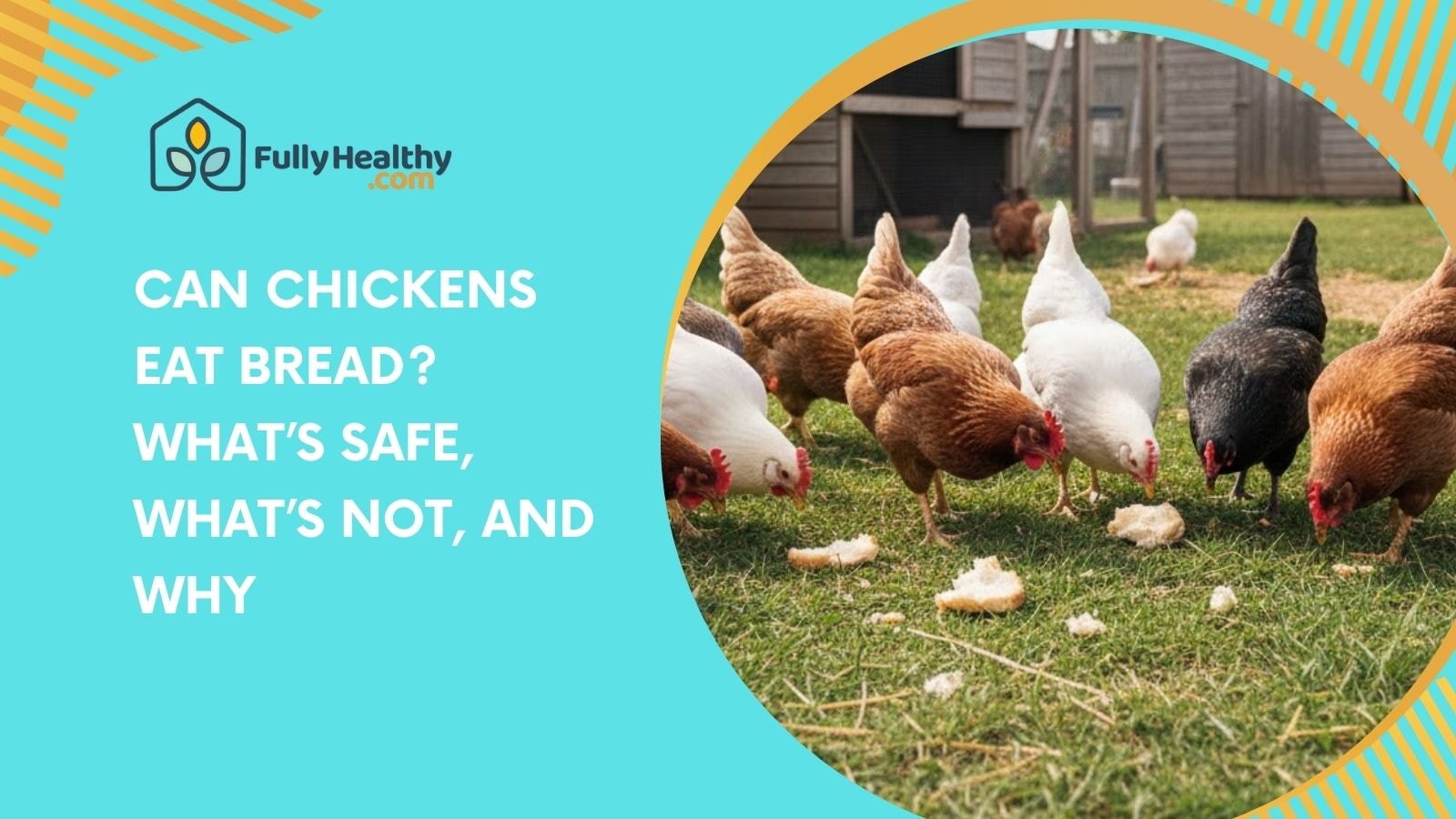
Can chickens eat bread, or should chicken owners avoid it? It's okay to give chickens a little bit of bread as a treat sometimes, but don't make it a regular part of their diet. Bread is not very healthy for chickens and can cause problems if they eat it a lot.
This article talks about when bread is safe to eat, why moldy bread is risky, and how to help a chicken stick to a balanced diet.
Featured Pantry Pick
Base Culture // Original Gluten Free Keto Bread - 16 oz
Loading...
Is It Okay to Feed Bread to Chickens?
When Bread Is Considered Safe
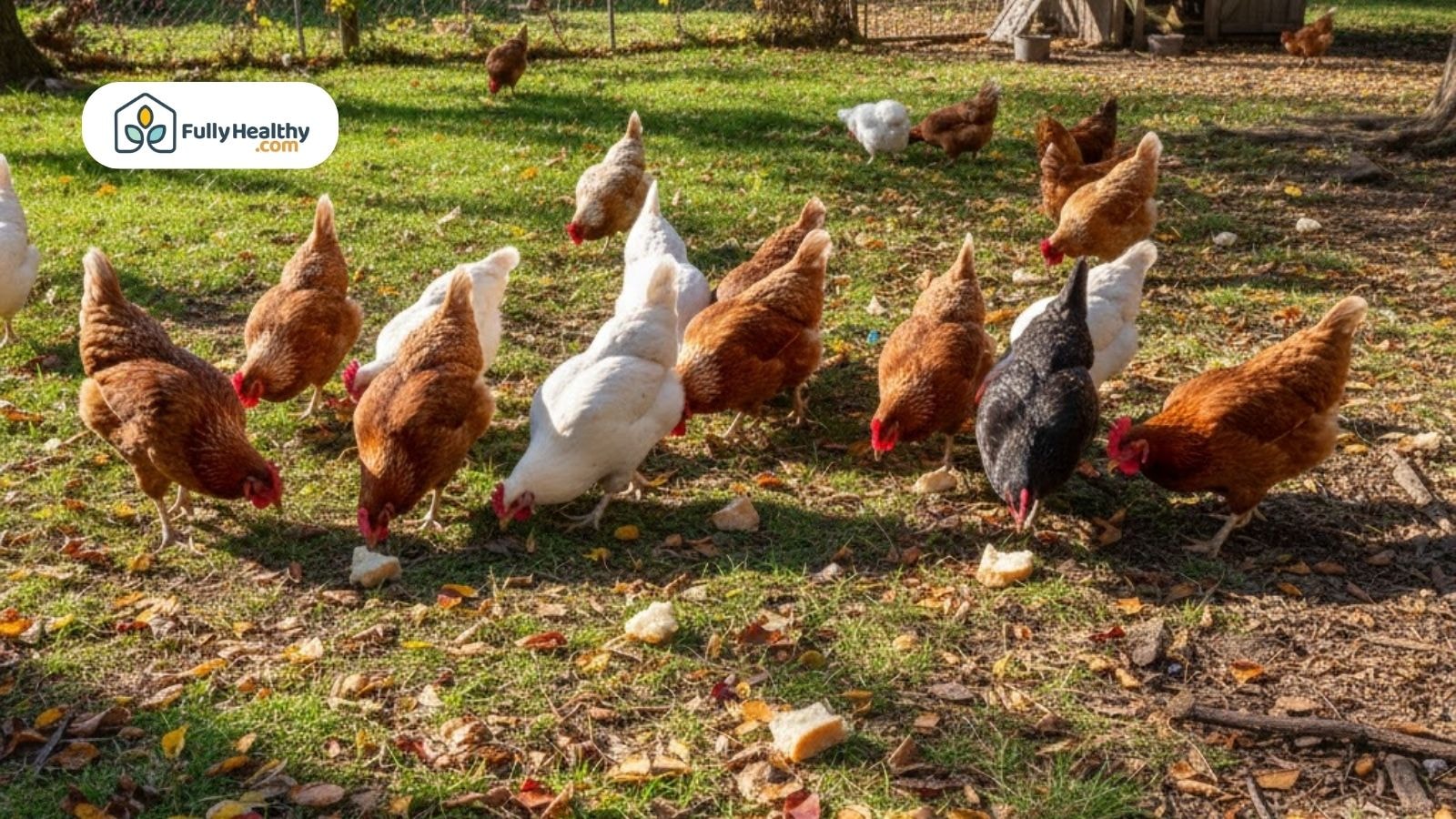
If the bread is fresh, plain, and given in small amounts as part of a varied diet, chickens can safely eat it. Feeding chickens bread works best if you do it only sometimes and not in place of their normal feed or balanced chicken feed that is good for their diet.
-
Treat role: Chickens eat bread as an occasional treat, not a daily food source.
-
Bread type: Whole grain bread without sugar or additives is safer than processed bread.
-
Serving size: Bread should be torn into bite sized pieces to reduce choking or crop impaction risk.
-
Flock behavior: Chickens enjoy pecking soft foods, and chickens chase crumbs instinctively.
-
Moderation: Too much bread can reduce intake of regular feed and balanced diet nutrients.
Why Bread Has Limited Value
Bread is mostly carbs and doesn't have much protein, calcium, or vitamins. This means that it isn't a good food for chickens. If you give chickens bread too often, they might not make as many eggs, and the birds' health might be affected. This is bad for laying hens, baby chicks, and chickens raised for meat.
-
Low nutrition: Bread functions more like junk food than a nutritious snack.
-
Protein gap: Laying hens require protein levels that bread cannot supply.
-
Calcium lack: Bread does not support calcium needs met through oyster shells.
-
Growth risk: Baby chicks and meat birds are more sensitive to poor nutrition.
Why Is It Illegal To Feed Chickens Kitchen Scraps?
Disease Control And Biosecurity Laws
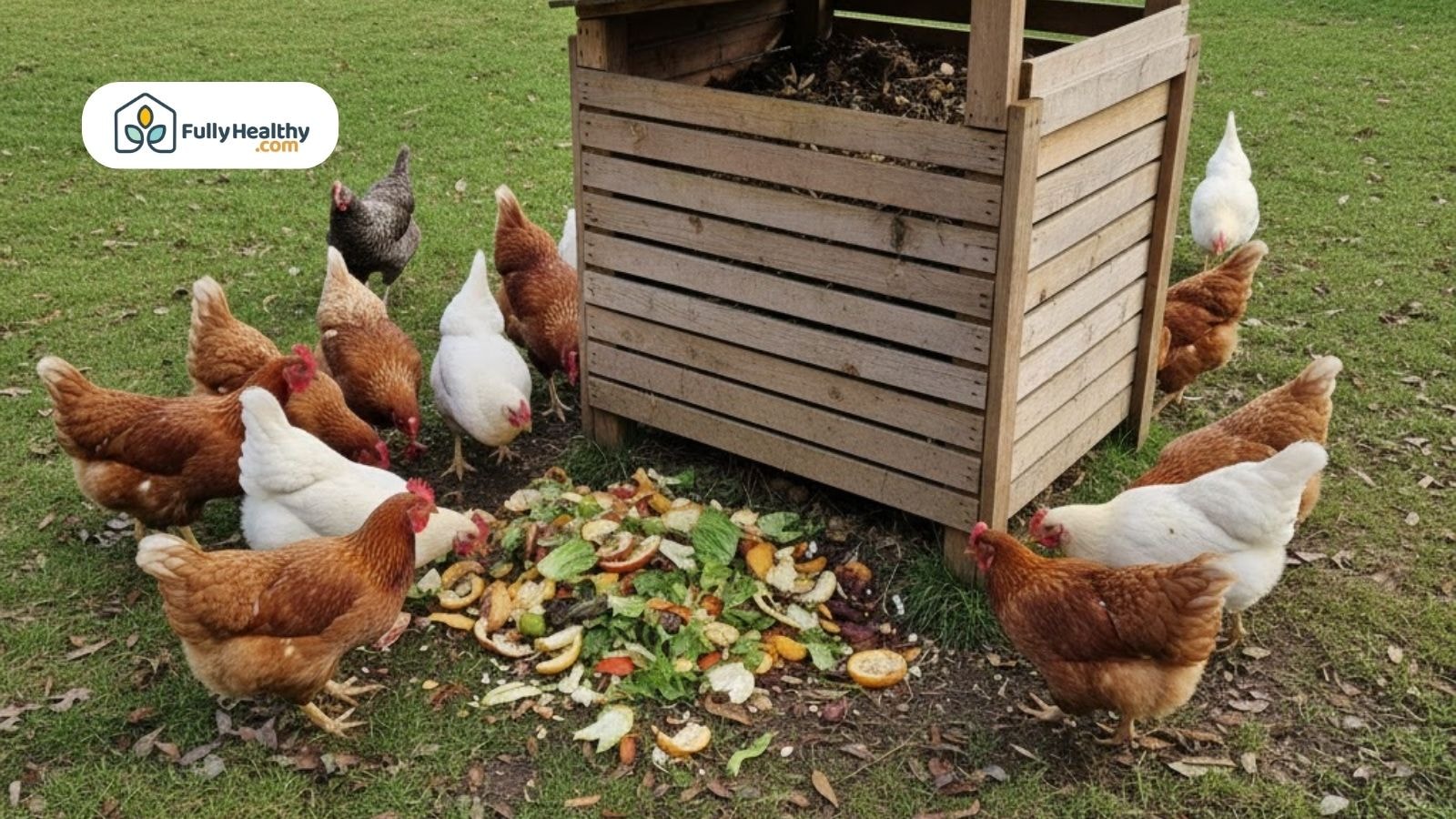
To stop diseases from spreading between chickens, other birds, and wildlife, some places don't allow giving chickens food scraps. These laws are mainly about bird flu, swill feeding, and stopping contact with raw meat or meat residues.
-
Biosecurity: Food scraps can transfer disease between backyard flocks.
-
Swill feeding: Scraps may include raw meat, cooked meat, or animal products.
-
Legal scope: Rules apply to backyard chicken owners and small flocks.
-
Prevention: Restrictions reduce outbreak risks before symptoms appear.
Food Waste And Contamination Risks
Food that is thrown away often has different kinds of food mixed together, which raises the risk of contamination and digestive stress. When scraps come from a compost pile, mold, bacteria, and chemicals can build up quickly.
-
Mold danger: Moldy bread should always be avoided.
-
Cross-contact: Cheese, cat food, and meat residue contaminate scraps.
-
Spoilage: Warm scraps encourage bacterial growth.
-
Imbalance: Most table scraps do not support a balanced diet.
What Should You Not Feed A Chicken?
Foods That Are Toxic Or Dangerous
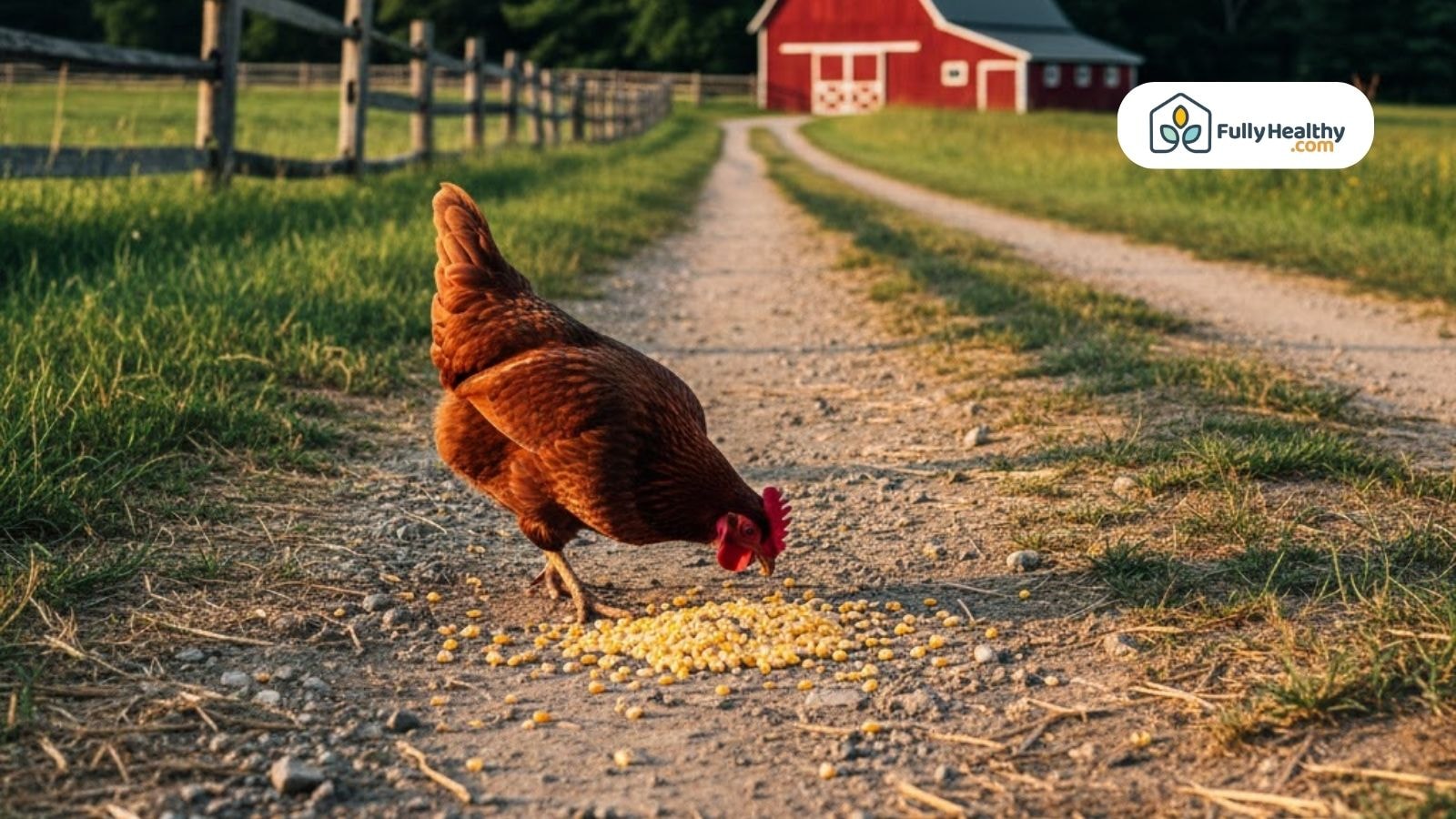
Some foods are unsafe for chickens at any amount and should never be offered. These foods can damage organs, disrupt digestion, or cause sudden illness in chickens can eat mistakes.
-
Mold exposure: Avoid moldy bread completely.
-
Avocado risk: Avocado skins and pits contain toxins harmful when chickens eat avocado.
-
Stimulants: Chocolate, caffeine, and alcohol harm nervous systems.
-
Raw protein: Raw meat and raw eggs increase disease risk.
-
Nightshades: Raw potatoes and potato peels contain solanine from the nightshade family.
Foods That Cause Digestive Or Nutrient Issues
Some foods are not toxic but interfere with digestion or nutrient absorption. These foods can strain digestive systems and reduce the quality of a chicken's diet when fed often.
-
Uncooked starch: Uncooked rice and uncooked beans are difficult to digest.
-
Salty foods: Bread and cheese with salt disrupt hydration balance.
-
Dairy limits: Chickens eat cheese poorly due to lactose sensitivity.
-
Preparation matters: Chickens eat meat safely only when fully cooked.
What Is The Healthiest Thing For Chickens To Eat?
Complete And Balanced Chicken Feed
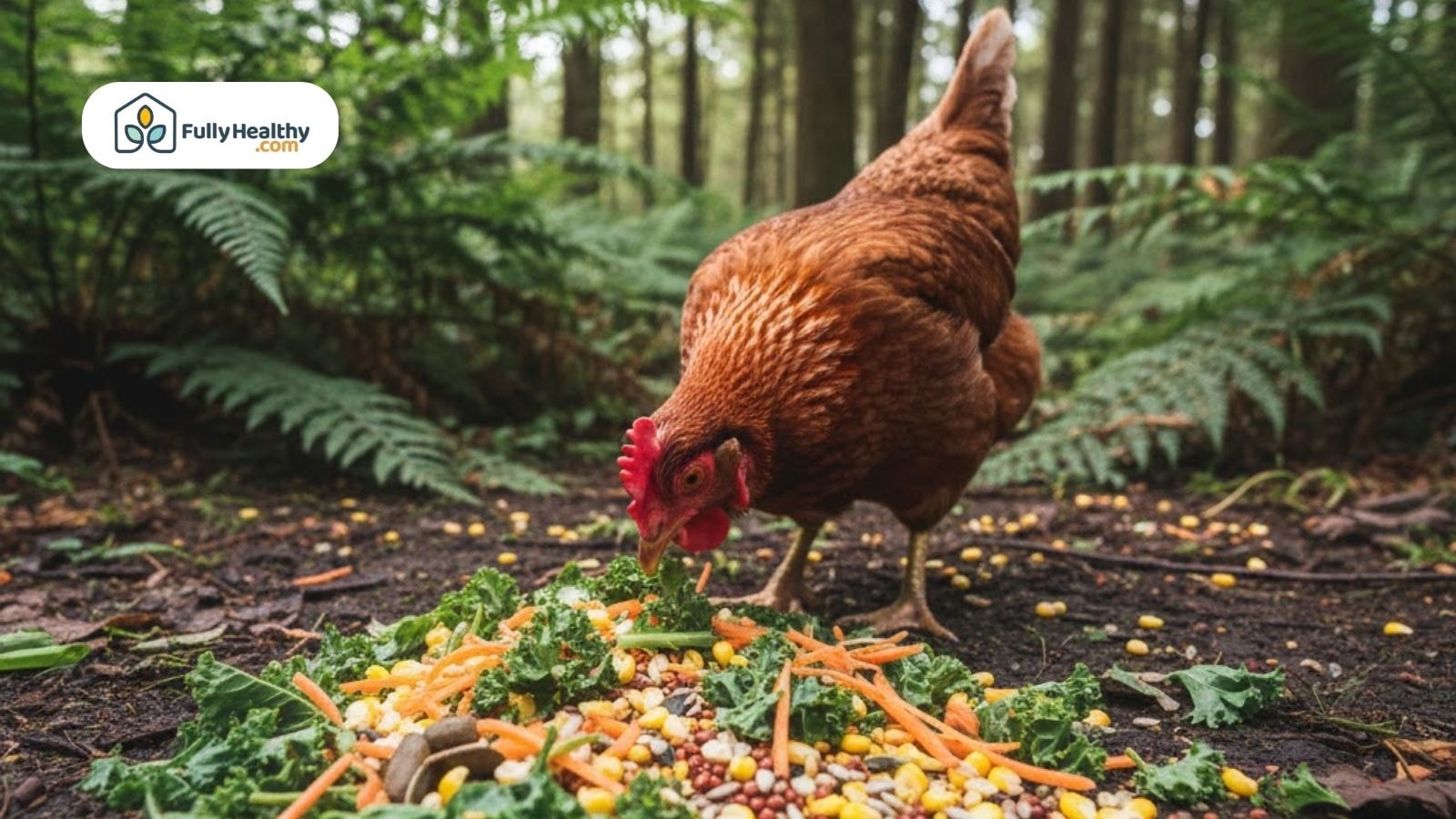
A healthy chicken diet starts with balanced chicken feed because it gives chickens a steady supply of protein, calcium, vitamins, and minerals. It helps laying hens, meat birds, and baby chicks with immune health, growth, and egg production.
-
Nutrient balance: Balanced chicken feed delivers nutrients bread cannot provide.
-
Life-stage support: Different formulas support baby chicks, laying hens, and meat birds.
-
Egg quality: Calcium supports strong shells alongside oyster shells.
-
Consistency: Regular feed prevents nutrient gaps caused by food scraps.
Safe Whole-Food Additions
Whole foods can be given in small amounts as a healthy treat to make up for regular feed. Chickens eat many different fruits, vegetables, and seeds. These foods add variety to the chicken's diet without replacing a balanced diet.
-
Vegetables: Chickens eat carrots, cooked carrots, green beans, celery, cabbage, broccoli, bell peppers, asparagus, sweet potatoes, sweet potato, butternut squash, and tomatoes.
-
Fruits: Chickens eat apples, bananas, strawberries, blueberries, grapes, watermelon, cantaloupe, oranges, pineapple, and pumpkin.
-
Seeds: Sunflower seeds and pumpkin seeds are healthy treats in small amounts.
-
Hydration: Watermelon and oranges act as a hydrating treat during warm weather.
FullyHealthy: Ingredient-Conscious Food Choices
About FullyHealthy
FullyHealthy is an online store that focuses on gluten-free, specialty, and ingredient-conscious foods made for people. The store is open about how it works and helps people who have special dietary needs make informed choices.
-
Ingredient clarity: Products highlight simple, recognizable ingredients.
-
Diet support: Many items align with gluten-free or low-additive lifestyles.
-
Transparency: Clear labeling supports informed purchasing.
FullyHealthy Product Categories
FullyHealthy offers baking mixes, bread alternatives, and dessert products intended for human consumption only.
-
Simple Mills Artisan Bread Almond Flour Mix: Almond flour–based baking mix designed for home bread recipes.
-
Legit Bread Company Brownie Mix: Specialty brownie mix created for ingredient-conscious desserts.
-
Base Culture Original Gluten-Free Keto Bread: Gluten-free, low-carb bread alternative for human diets.
-
Eat G.A.N.G.S.T.E.R Banana Bread Mix: Grain-free banana bread mix made for home baking.
-
Legit Bread Company Pizza Pretzel Mix: Savory baking mix intended for making pizza-style pretzels.
-
Eat G.A.N.G.S.T.E.R Pumpkin Bread Mix: Pumpkin-based baking mix designed for seasonal bread recipes.
-
Simple Mills Pumpkin Muffin & Bread Almond Flour Mix: Almond flour mix suitable for muffins and bread baking.
Final Thoughts
With care and clear limits, bread can be used in a chicken routine. Chickens love different kinds of food, and healthy snacks are better than big ones. Bread should be fed only rarely with better foods like vegetables, fruit, and cooked rice. Chickens eat bell peppers, chickens eat rice, chickens eat bananas, chickens eat tomatoes, and chickens eat cabbage more easily than bread.
To keep your flock active, productive, and easy to take care of, focus on quality, balance, and moderation.
FAQs
Can Chickens Eat Eggs?
Yes, chickens eat eggs, including cooked eggs, and this can support protein intake when managed carefully.
Can Chickens Eat Mushrooms?
Yes, chickens eat mushrooms only when they are store-bought and cooked, since wild mushrooms can be unsafe.
Can Chickens Eat Broccoli?
Yes, chickens eat broccoli, and many chickens love it as a healthy snack alongside greens.
Can Chickens Eat Strawberries?
Yes, chickens eat strawberries, and the fruit can be offered in small pieces as a sweet treat.
Can Chickens Eat Pumpkin Eat Meat?
Yes, chickens eat pumpkin eat meat, and chickens can eat cooked meat in small amounts as part of a varied diet.
Leave a comment