

What Is Unleavened Bread? A Clear Guide To Flat Bread Traditions

What is unleavened bread and why does it still matter today? Unleavened bread is flat and dense because it is made without yeast or other rising agents. It is seen in the food habits and religious ceremonies of many different countries. This article talks about what unleavened bread is called today, how it is different from and made compared to regular bread, and where foods like tortillas fit in.
Featured Pantry Pick
Base Culture // Gluten Free Sourdough Bread - 16 oz
Loading...
What Is Unleavened Bread?
What Is Unleavened Bread In Plain English
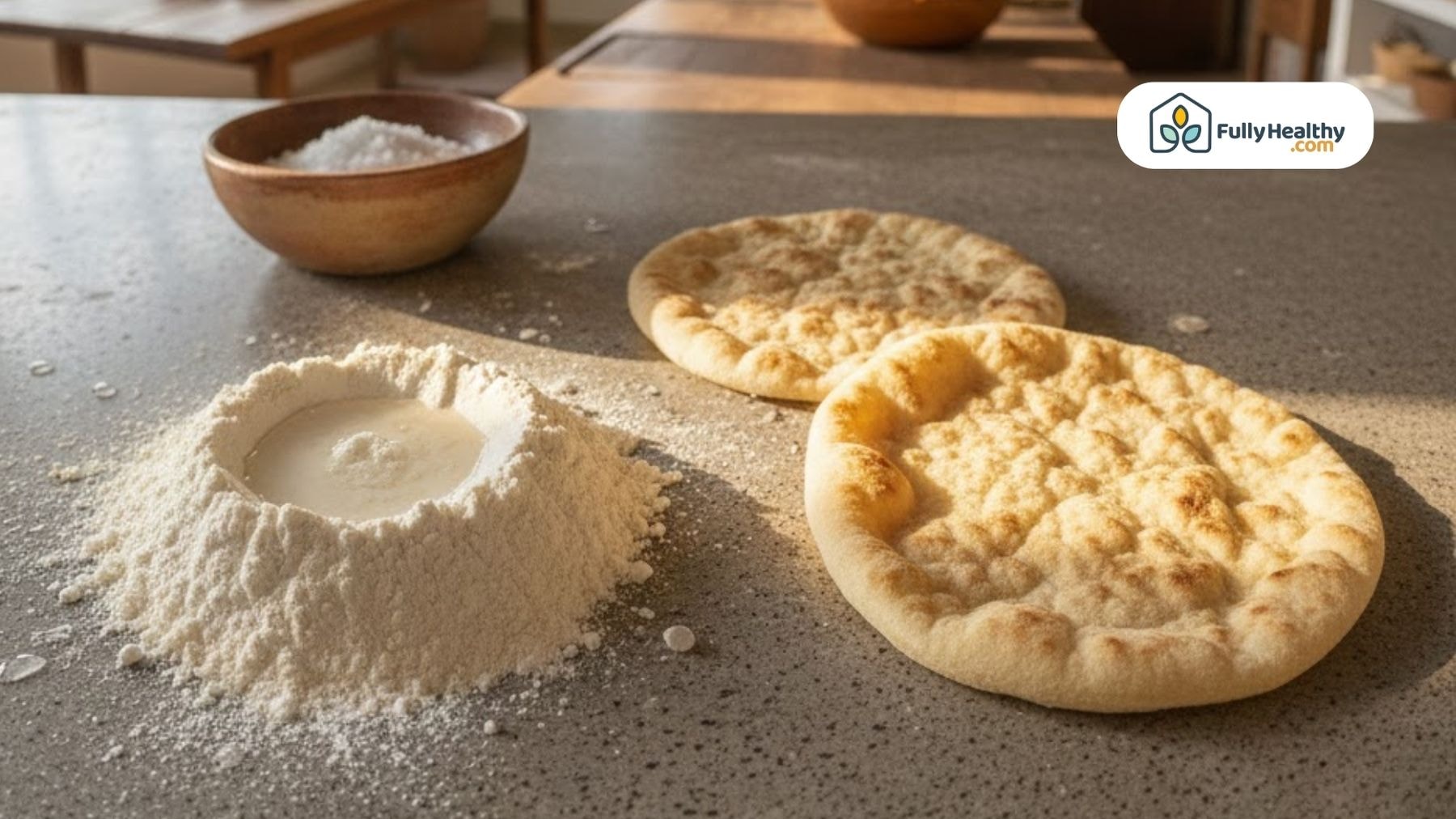
Unleavened bread is made without yeast or any other leavening agent, which means that the dough doesn't rise when it's baked. Unleavened bread is a flat bread that is made quickly from flour and water, sometimes with salt or olive oil, and is baked before fermentation starts to happen naturally.
-
Simple definition: Bread made without yeast, baking powder, or baking soda.
-
Basic ingredients: Water and wheat flour, sometimes salt or oil.
-
Preparation style: Mixed, rolled, and cooked without waiting for dough to rise.
-
Common forms: Matzo or matzah, tortillas, lavash, wafers, and crackers.
-
Cultural role: Used as daily food and as ritual food in religious traditions.
Why Unleavened Bread Does Not Rise
Unleavened bread does not rise because it contains no raising agents that trigger the fermentation process. Without yeast or actual leaven, the dough cannot produce or trap gas, so the bread stays flat instead of expanding like regular bread.
-
No yeast present: Yeast is required for bread rise.
-
No chemical leaveners: Baking powder and baking soda are excluded.
-
No gas production: Fermentation does not occur in the dough.
-
Dense structure: Bread remains compact after baking.
-
Fast baking: Dough is baked before natural fermentation can start.
How To Tell If Bread Is Unleavened?
Visual And Texture Signs
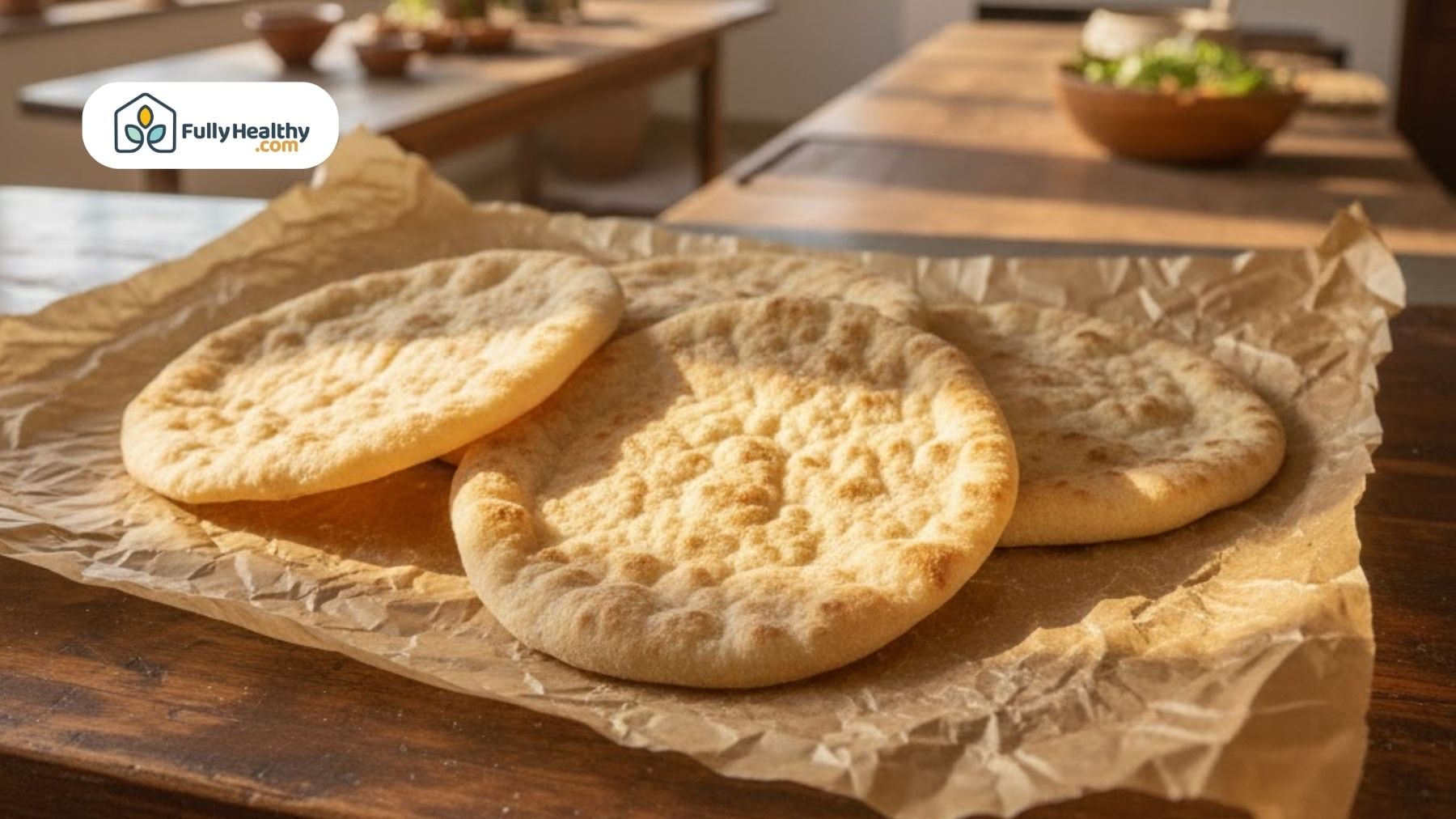
Unleavened bread is flat and dense, and it doesn't have any air pockets inside that come from the dough rising. It is often cooked on a pan, baked on a baking sheet with parchment paper, or put in a preheated oven that is very hot.
-
Flat appearance: No rounded top or puffed center.
-
Thin profile: Often rolled out using a rolling pin.
-
Dense interior: No holes or airy crumb.
-
Firm surface: Texture ranges from crisp to chewy texture.
-
Cooking methods: Pan-cooked or baked quickly at high heat.
Taste Differences Compared To Leavened Bread
Unleavened bread has a mild flavor because it is not made sour or more flavorful through fermentation. It's made tasty with flour, salt, oil, or butter instead of sourdough, pita, or other breads that have yeast in them.
-
Neutral flavor: No tang from yeast or fermentation.
-
Simple profile: Flavor comes from flour quality and fat.
-
Texture-driven taste: Crisp or chewy depending on thickness.
-
Less aroma: No yeast activity during baking.
-
Clean finish: Flavor does not linger like leavened bread.
What Is Unleavened Bread Called Today?

Modern Names And Common Terms
Today, unleavened bread is called different things depending on where it is made, who is making it, and how it is used. Matzo, or matzah, is the most well-known name for this type of flatbread, but there are many other kinds that share the same name.
-
Jewish tradition: Matzo or matzah eaten during passover.
-
Middle Eastern foods: Lavash and thin flatbread varieties.
-
Everyday foods: Crackers, wafers, and simple bread.
-
Global terms: Flatbread and tortilla styles without yeast.
-
Ingredient-based names: Sometimes labeled by flour type used.
Religious And Cultural Naming Differences
The name of unleavened bread is often based on more than just the recipe and has religious meaning. During Passover, matzo is used to remember the Exodus, when Jewish people fled Egypt in a hurry. Similarly, Christians use unleavened bread in Communion to represent humility and obedience to God.
-
Passover meaning: Passover commemorates urgency after the Exodus.
-
Symbolism: Represents humility and simplicity.
-
Christian use: Served as wafers during communion.
-
Historical context: Reflects the moment families left Egypt.
-
Shared tradition: Bread links faith, memory, and food.
Are Tortillas Considered Unleavened Bread?
When Tortillas Count As Unleavened
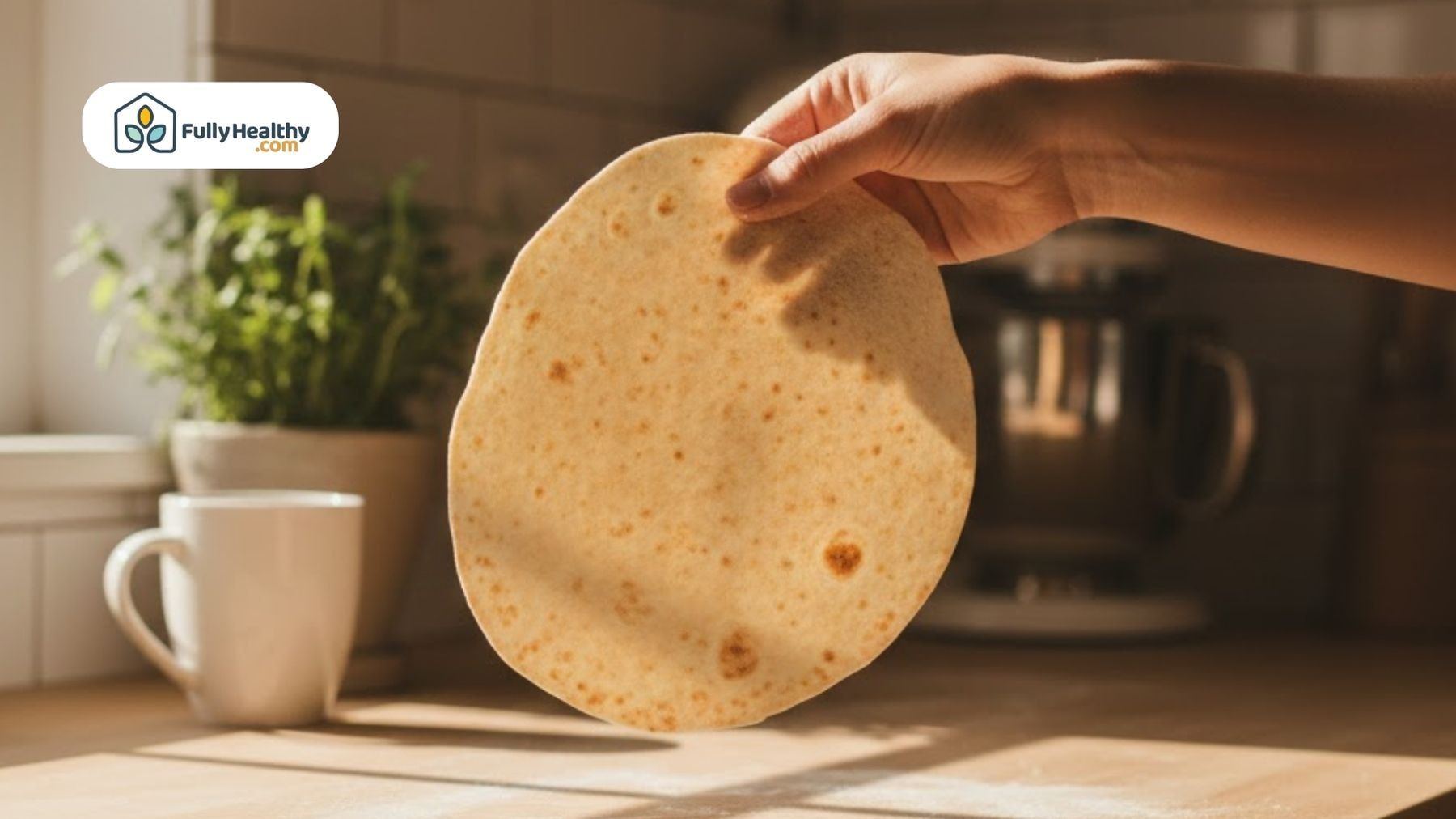
If tortillas are made with just flour and water (and sometimes salt or oil) and no yeast or chemicals that make them rise, they are basically unleavened bread. Traditional flour tortillas fit this description because the dough is rolled flat and cooked quickly without rising.
-
Traditional tortillas: Made from flour and water without yeast.
-
No leavening agent: Baking powder and baking soda are not included.
-
Flat structure: Rolled thin and cooked on a hot pan.
-
Quick preparation: Dough is cooked immediately without resting.
-
Not all tortillas: Some modern recipes add leavened ingredients.
Other Common Types Of Unleavened Bread Worldwide
Many cultures prepare unleavened bread as a practical and staple food using simple ingredients and high heat. Even though the names, flours, and cooking tools are not the same, these breads are all flat and cook quickly.
-
Lavash: Thin flatbread cooked quickly in very hot ovens.
-
Roti and chapati: Flatbread styles made from flour and water.
-
Matzo or matzah: Unleavened bread eaten during passover.
-
Cracker breads: Dry, crisp unleavened bread baked until firm.
-
Unleavened pita: Some pita styles are made without yeast and do not puff.
FullyHealthy: Thoughtful Options For Intentional Eating
What FullyHealthy Offers
FullyHealthy focuses on hand-picked, health-minded food choices for people who have limited or purposeful eating habits. The store supports gluten-free, low-carb, and unleavened-style eating by offering foods with simple ingredient lists and no extra additives.
-
Curated selection: Products chosen for clean labels and purposeful ingredients.
-
Diet-aware focus: Supports gluten-free, grain-free, and simplified food needs.
-
Intentional eating: Designed for people who read ingredient lists carefully.
-
Modern access: Makes specialty food easier to source in one place.
-
Everyday use: Fits both daily meals and special dietary routines.
Bread Products You’ll Find
FullyHealthy offers bread-related products that help people stick to specific eating plans. These things look at simple ingredient choices, different kinds of flour, and ways of baking that don't use yeast, but still fit with modern diets.
-
Simple Mills Artisan Bread Almond Flour Mix: Almond-flour-based mix suited for low-rise or flat-style baking applications.
-
Legit Bread Company Brownie Mix: Grain-conscious dessert mix for people limiting traditional wheat products.
-
Base Culture Original Gluten-Free Keto Bread: Ready-made bread option designed without conventional fermentation.
-
Eat G.A.N.G.S.T.E.R Banana Bread Mix: Alternative baking mix using simplified ingredients for controlled diets.
-
Legit Bread Company Pizza Pretzel Mix: Versatile mix for non-yeasted, oven-baked snack or flat-style recipes.
-
Eat G.A.N.G.S.T.E.R Pumpkin Bread Mix: Seasonal baking mix aligned with ingredient-aware food choices.
-
Simple Mills Pumpkin Muffin Bread Almond Flour Mix: Almond-flour blend for quick baking without yeast dependency.
Final Thoughts
Unleavened bread is a good example of how a simple food can carry history, meaning, and be used every day. The time, ingredients, and purpose all make a difference in the traditions of leavened and unleavened bread and why people eat unleavened bread at feasts. Some cultures rely on unleavened bread made from spelt flour or wheat, served in small portions as one food with symbolic value.
It can still be delicious and tasty word by word, even if you add sugar, other ingredients, or special ingredients. Now you know how to read an ingredient list and decide what fits your table, so keep reading labels and choose what works best for you.
FAQs
What Is The Difference Between Leavened And Unleavened Bread?
Leavened and unleavened bread differ because leavened bread uses yeast and fermentation while unleavened bread skips the fermentation process and stays flat.
How Does The Fermentation Process Affect Bread?
The fermentation process allows yeast to break down sugar in dough, creating gas that changes texture, flavor, and structure.
What Qualifies As Unleavened Bread?
Unleavened bread qualifies when it uses flour and water without yeast, with other ingredients kept minimal and no rising time.
Is Pita Bread Unleavened Bread?
Pita bread can be unleavened bread when made without yeast, but many versions are leavened and puff during baking.
Is Sourdough Bread Unleavened Bread?
Sourdough bread is not unleavened bread because it relies on natural fermentation and live cultures to rise.
Leave a comment