

Can Chickens Eat Cilantro? Health Benefits, Risks & How to Feed It
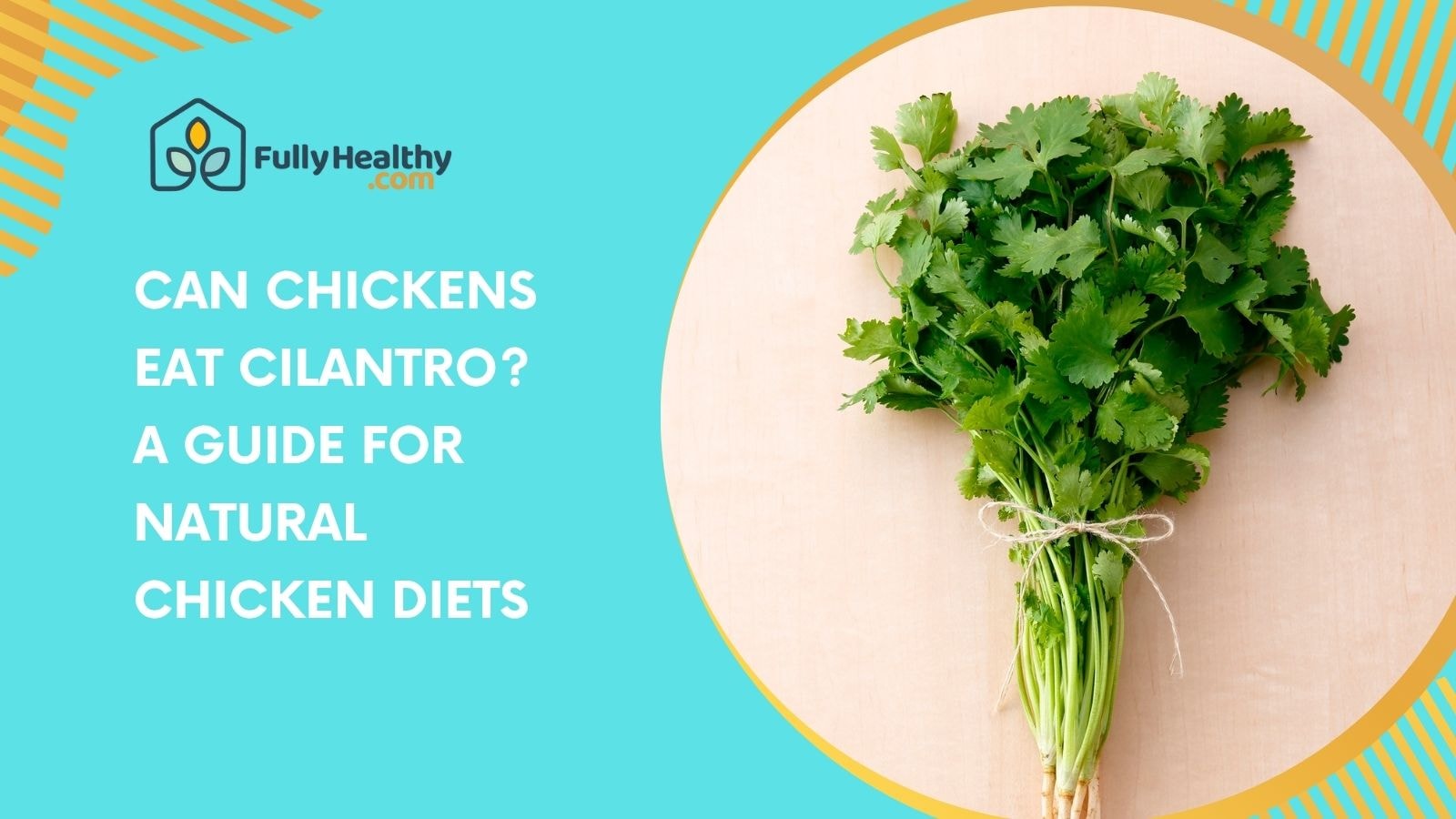 Photo Credit: Canva Pro
Can chickens eat cilantro? Yes, they can, and it’s good for them too. For your chicken's diet, cilantro is a safe and healthy herb. Additionally, it aids in digestion, strengthens the immune system, and provides variety in their daily diet. In moderation, like other fresh treats, it should be given.
You can keep your flock happy and healthy by learning about the health benefits, feeding tips, and herbs that you should not give to your flock.
Featured Pantry Pick
Simply Organic // Cilantro - 0.78 oz
Loading...
Is Cilantro Ok For Chickens To Eat?
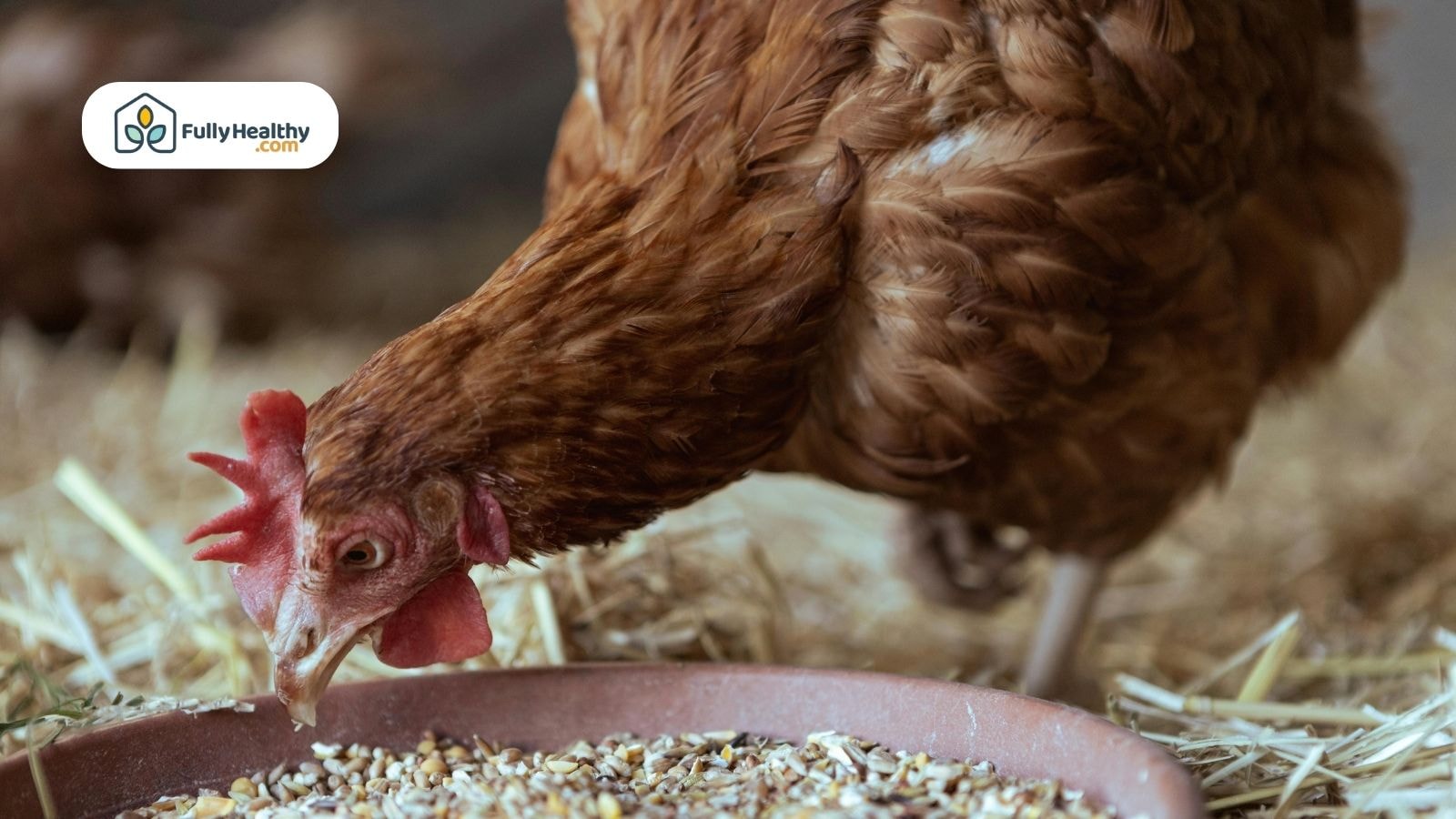 Photo Credit: Canva Pro
Fresh, Stems, Leaves And Seeds: All Are Safe
The fresh leaves, stems, and even the seeds that are called coriander are safe for chickens to eat. It's a healthy snack that gives chickens something new to take in and helps their immune system health and digestive tract.
Many chicken owners report their backyard chickens enjoy foraging fresh cilantro around the chicken coop, especially when chopped and served with scratch grains.
-
Safe parts: Cilantro leaves, stems, and coriander seeds.
-
Digestive support: Helps maintain healthy gut bacteria and immune system.
-
Fragrant herb: Encourages natural foraging and stress relief.
-
Not a nightshade: Unlike tomatoes or peppers, it carries no toxic risk.
-
Safe for chicks: Baby chicks can eat small amounts without harm.
How Much Is Too Much?
Even though chickens like cilantro as a healthy treat, it should only make up a small part of their daily feed. The 90/10 rule works best: 90% full meals and 10% healthy snacks like cooked rice, herbs, or fruits. A lot of herbs can throw off the balance of nutrients that adult chickens, especially laying hens, need.
-
Portion control: Feed chickens cilantro 2–3 times per week.
-
Treat guideline: Follow the 90% complete feed, 10% treats rule.
-
Monitor intake: Not all chickens eat strong herbs in the same amount.
-
Best served: Mix with other vegetables like carrots, cabbage, or celery.
-
Avoid excess: Too much can lower nutrient absorption in chickens bodies.
What Does Cilantro Do For Chickens?
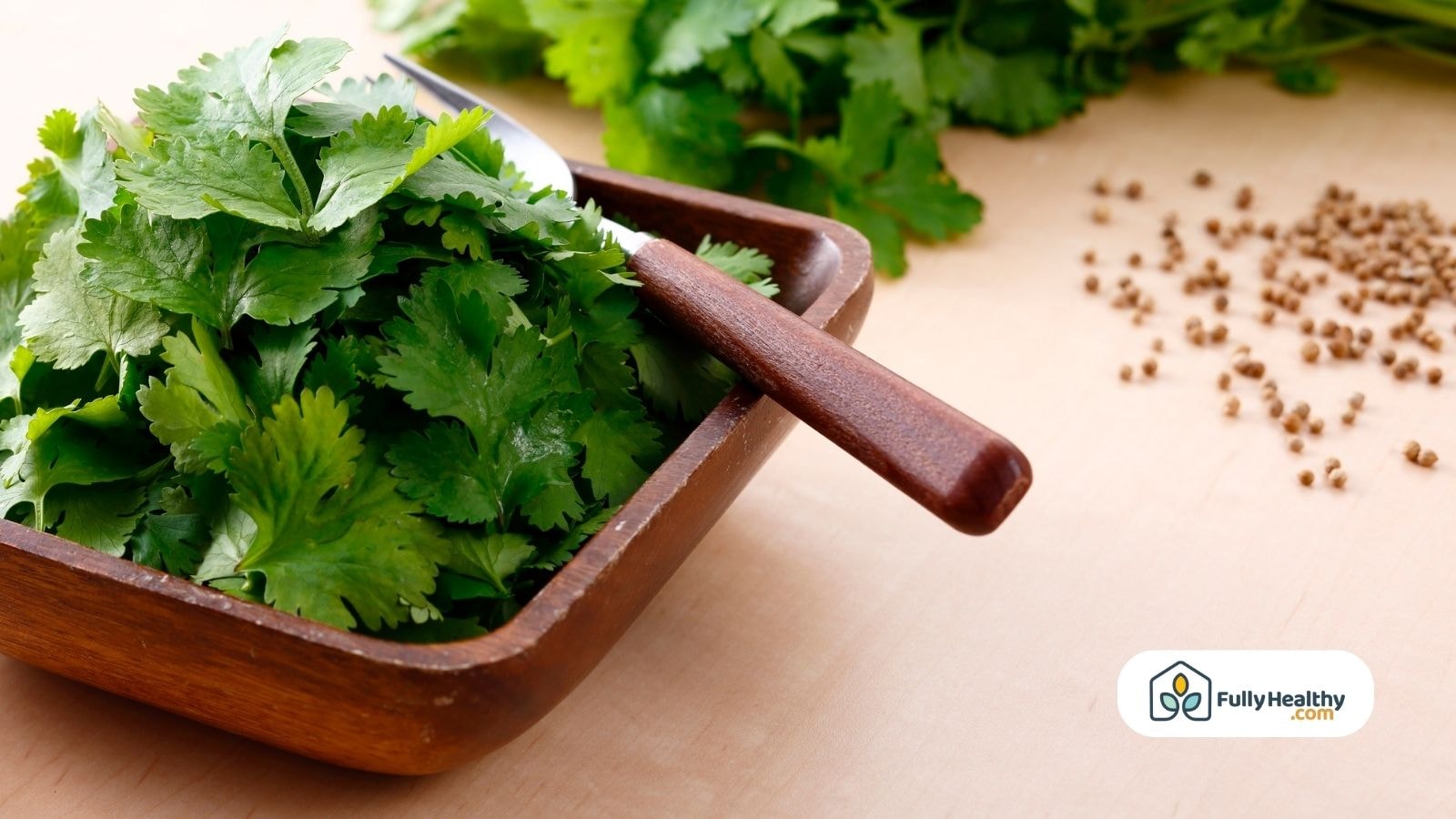 Photo Credit: Canva Pro
Boosts Immunity And Digestive Health
Fresh cilantro improves intestinal health, reduces harmful bacteria, and may support a positive immune system response. Its antibacterial properties help maintain the digestive tract and respiratory health in backyard chickens.
Because of this, it is a natural way to improve the chickens' diet that doesn't involve adding anything or using dairy products.
-
Gut support: Promotes balanced gut flora in chickens.
-
Antibacterial role: Fights intestinal pathogens that affect chicken's health.
-
Respiratory help: Supports clear breathing in hot weather.
-
Boosts defense: Helps laying hens build disease resistance.
-
Clean feeding: Add to cooked rice or sprinkle in chicken treats.
Supports Egg Production And Bone Strength
Vitamins C, A, and K are all found in cilantro. These vitamins are needed for egg production, bone growth, and shell quality. Chickens can naturally get more minerals like calcium and potassium from it.
-
Vitamin boost: Delivers vitamin A, C, and K to support egg health.
-
Stronger shells: Minerals improve eggshell hardness and structure.
-
Bone strength: Helps build skeletal support in growing or laying birds.
-
Healthy fats: Supports nutrient absorption in the chicken’s body.
-
Laying hens: Beneficial for maintaining regular laying cycles.
What Herbs Deworm Chickens?
 Photo Credit: Canva Pro
Top Natural Dewormers: Oregano, Wormwood And Garlic
Chickens eat cilantro for its health benefits, but stronger herbs like oregano, wormwood, and garlic are used as natural dewormers. When fed regularly, these herbs can lower the number of parasites inside a chicken. They are safe alternatives to chemical dewormers for backyard chickens and don't cause egg withdrawal.
-
Oregano: Acts as a strong natural antibiotic and parasite deterrent.
-
Wormwood: Traditionally used to expel intestinal worms in poultry.
-
Garlic: Boosts immune system and helps cleanse the digestive tract.
-
Apple cider vinegar: Supports pH balance and gut health.
-
Use method: Mix into feed or water weekly in small doses.
Cilantro Seeds May Have Antiparasitic Effects
Studies have shown that coriander seeds, which are the dried fruit of cilantro, can help fight parasites. When mixed with other herbs in a complete feed plan, cilantro seeds may help lower worm loads in chickens that eat scratch grains or feed.
-
Mild effects: Not a dewormer alone but supports general parasite resistance.
-
Feeding tip: Grind seeds and mix with feed or cooked rice.
-
Preventative role: Works best when used before signs of infestation.
-
Safe dosage: Use 0.25% to 0.5% of feed for best results.
What Herbs Should Chickens Not Eat?
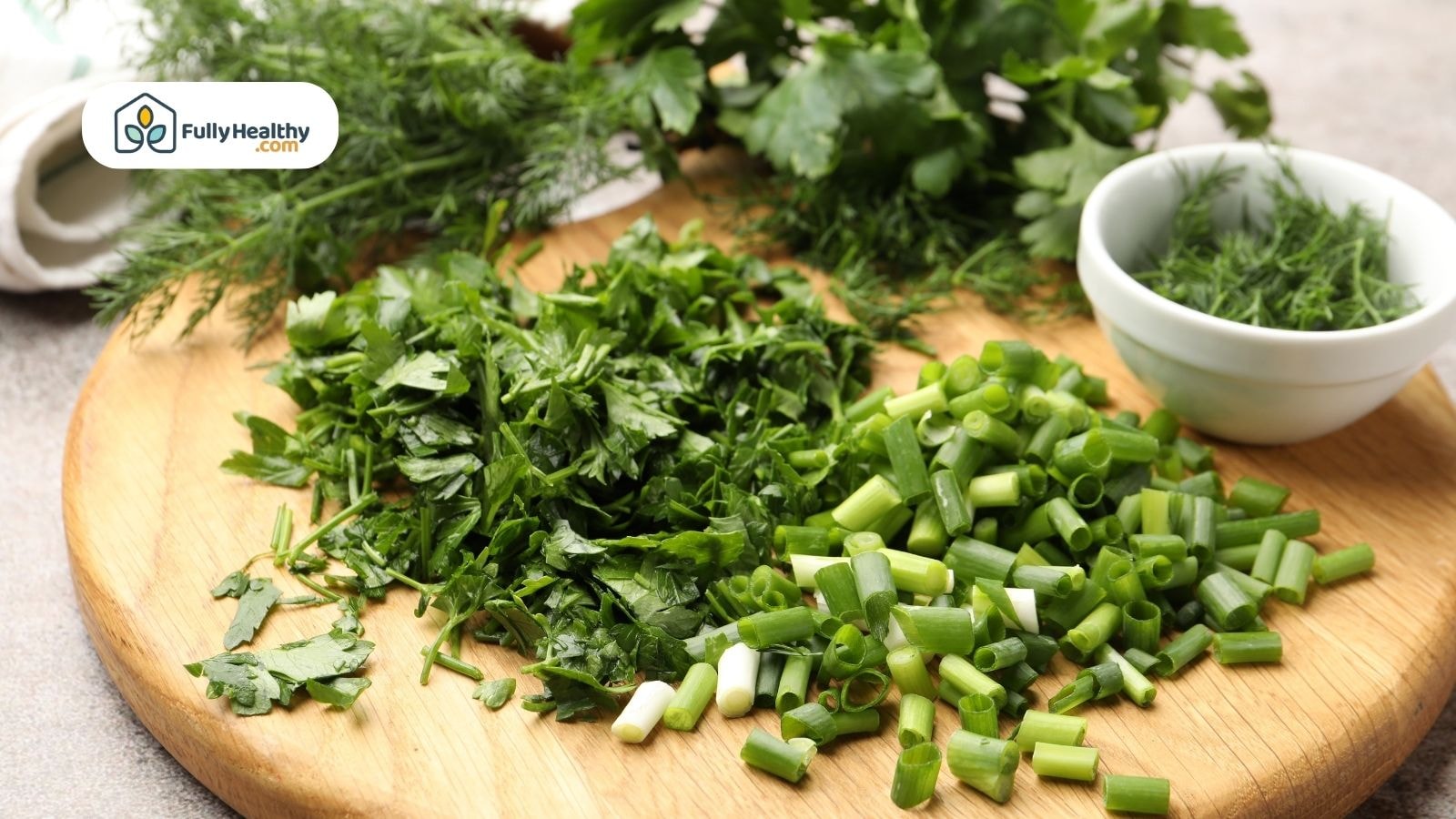 Photo Credit: Canva Pro
Known Toxic Herbs: Hemlock, Foxglove, Nightshades
Chickens can eat cilantro without getting sick, but they should stay away from some herbs. Herbs from the nightshade family, like tomato leaves or green potatoes, and hemlock all have compounds in them that can kill chickens or cause kidney failure.
-
Hemlock: A deadly herb causing muscle paralysis and breathing failure.
-
Foxglove: Contains compounds that disrupt heart rhythm.
-
Nightshades: Tomato leaves, green tomatoes, and peppers can be harmful.
-
Avoid foods: That come from unripe or wild nightshade plants.
-
Toxic to chickens: Even small amounts can be fatal to baby chicks.
Avoid These Too: Lavender (In Excess), Catnip, Chives
Even some non-toxic herbs should be fed carefully. Chickens eat herbs like lavender or chives in small doses, too much of them can make their digestive systems upset or change the taste of their eggs. Iceberg lettuce and catnip are not good for them and may make the chicken's diet less stable.
-
Lavender: Safe in tiny amounts but can cause off flavor in eggs.
-
Chives: Belong to the onion family and may cause anemia.
-
Catnip: Not toxic but useless nutritionally.
-
Iceberg lettuce: High water, low nutrients, avoid feeding large quantities.
-
Watch reaction: Not all chickens eat these herbs the same way.
About FullyHealthy: Organic Goods For You
What Is FullyHealthy?
FullyHealthy is an organic grocery and lifestyle shop offering clean, non-GMO ingredients suitable for AIP diets, and natural living.
-
Clean label: No preservatives, artificial colors, or GMO ingredients.
-
Wide range: Offers items for pets and human wellness.
-
AIP compliant: Supports autoimmune-friendly nutrition.
-
Sustainably sourced: Emphasizes eco-conscious farming and packaging.
Featured Cilantro Products
Cilantro adds a fresh, citrusy flavor to many dishes, and FullyHealthy has a number of high-quality varieties that you can keep in your pantry or use for meal prep. There are no preservatives in these cilantro products, and they are certified organic. They are great for adding depth to everyday recipes like soups, rice bowls, and seasoning blends.
-
Simply Organic Cilantro (0.78 oz): 100% organic and non-irradiated dried cilantro, perfect for seasoning tacos, curries, or quinoa bowls.
-
Primal Palate Organic Ginger Cilantro Blend (1.83 oz): A flavorful mix of organic ginger and cilantro for bold, globally inspired dishes.
-
Wild Zora Quick Quinoa Meal: A gluten-free, protein-rich meal ready in minutes, brightened with tomato and cilantro.
-
Wild Zora Instant Soup: A clean-ingredient, savory soup featuring garden herbs and a zesty cilantro profile.
Final Thoughts
Chickens love many healthy and wholesome treats, and cilantro is one of them. It's good for them in more ways than one. It can deter mites, boost the immune system, and even regulate body temperature.
But avoid feeding raw rice, uncooked rice, potato chips, avocado pits, dried beans, or anything high in oxalic acid. Always provide complete feed first. Want to improve your nesting boxes or add herbs to make citric acid and amino acids stronger? Start small, stay consistent, and enjoy healthier hens.
FAQs
Can chickens eat bread?
Yes, chickens eat bread, chickens eat cheese, chickens eat carrots, chickens eat tomatoes, and chickens eat peppers but only in moderation with complete feed.
Can chickens eat pineapple?
Yes, chickens eat pineapple in small amounts, but only fresh and without the tough core or skin.
Can chickens eat celery?
Chickens eat celery safely but avoid feeding them anything that makes them eat onions due to toxicity.
Can chickens eat apples?
Chickens eat apples but avoid feeding apple seeds because of cyanide risk.
Can chickens eat popcorn?
Yes, chickens eat plain popcorn, but it must be air-popped with no butter, oil, or salt. Chickens eat peaches, chickens eat grapes, chickens eat blueberries, and chickens eat pears too, but only in small amounts.
Leave a comment