

Can Chickens Eat Onions? The Truth Backyard Keepers Must Know
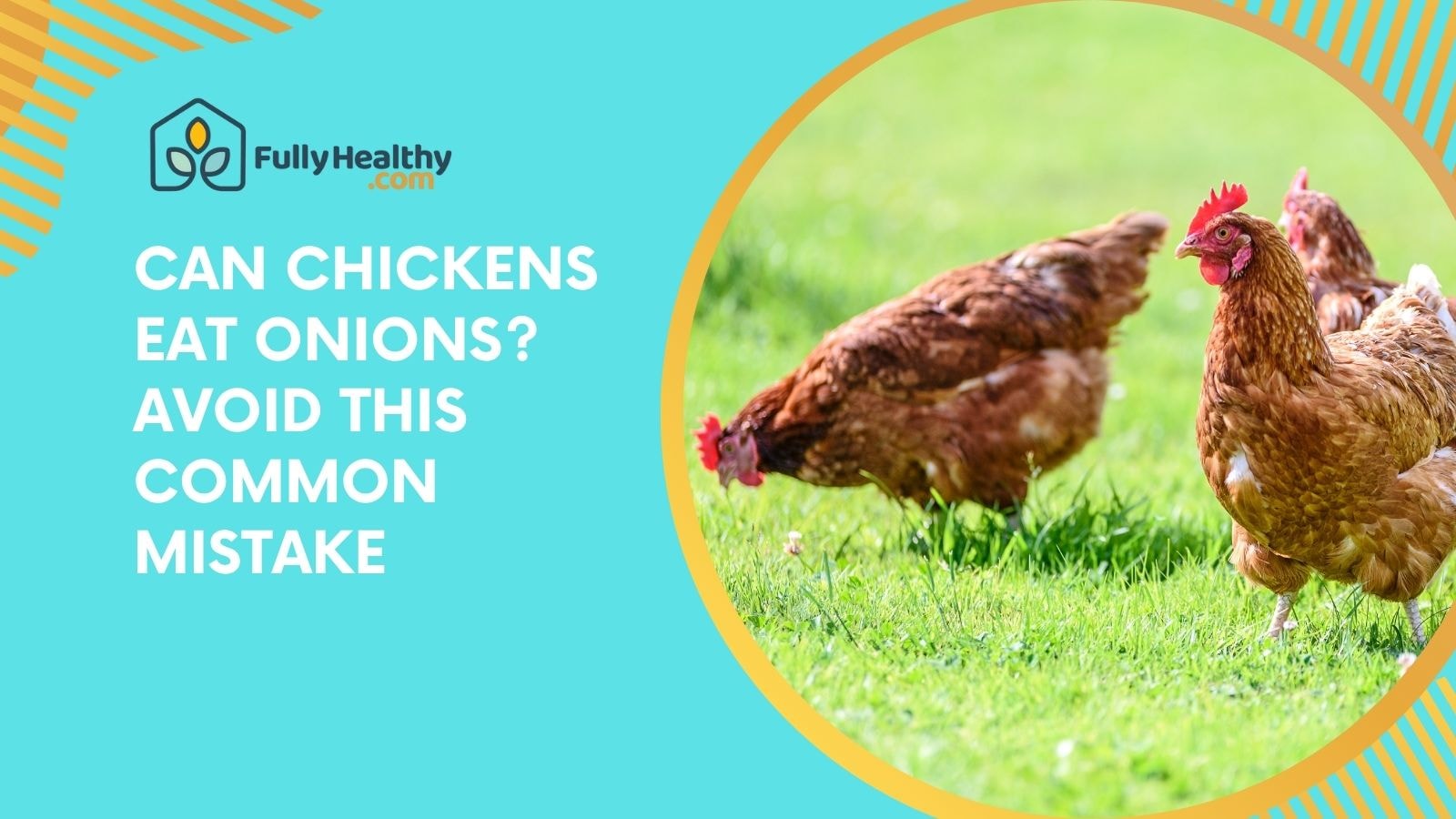 Photo Credit: Canva pro
Can chickens eat onions? Onions are bad for chickens to eat. Onions contain compounds such as thiosulfate that are toxic to certain animals, including chickens and some pets, but are generally safe for human consumption in typical culinary quantities.
Raw onions pose a higher risk of hemolytic anemia in chickens due to thiosulfate. While taste alteration in eggs has been anecdotally reported, it lacks strong empirical validation. This article tells you why onions are dangerous, what the risks are, and what other foods are safer to give your flock. It's time to make it all clear.
Featured Pantry Pick
Simply Organic // Onion Powder - 3 oz
Loading...
Can Chickens Eat Onions?
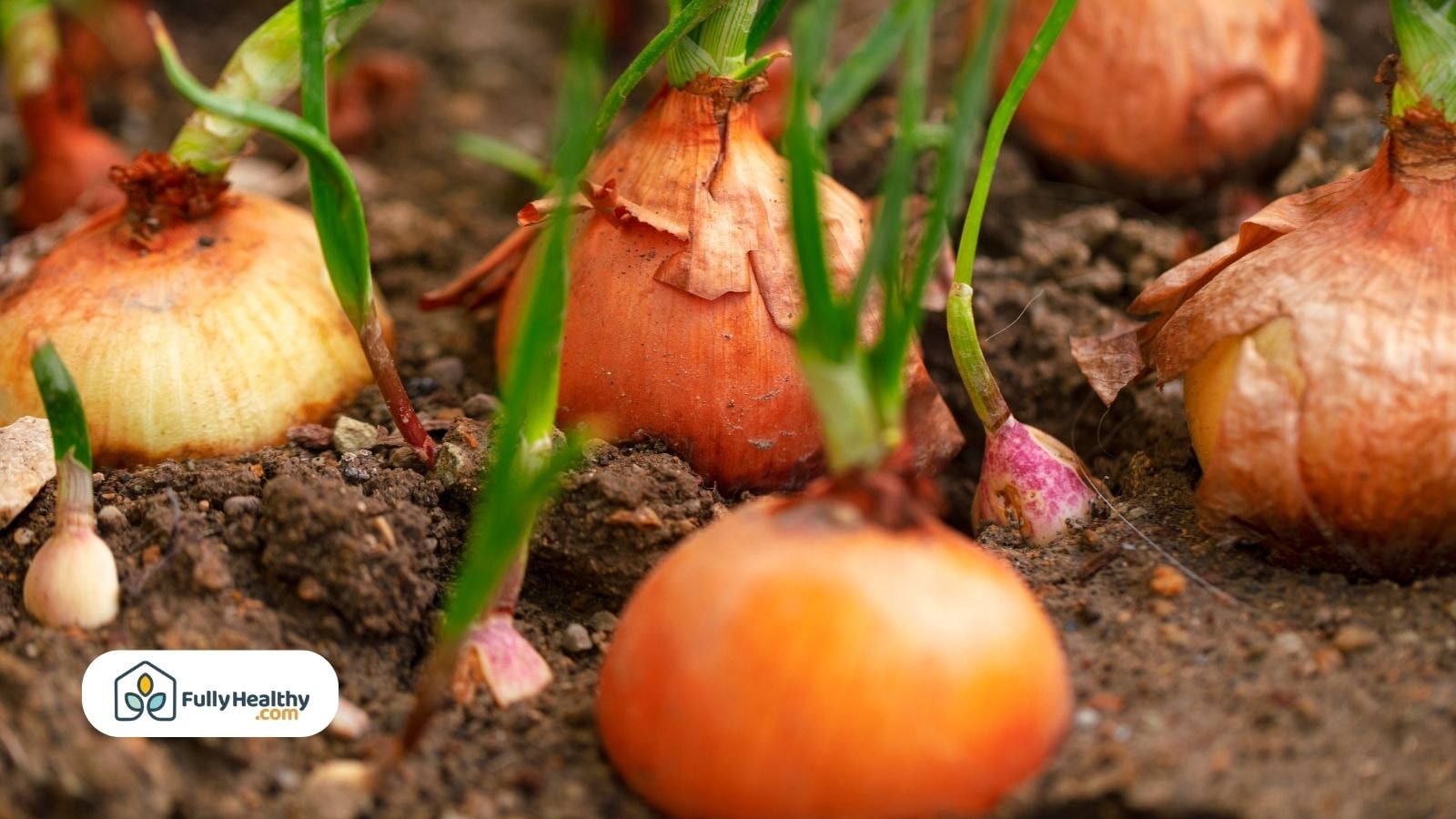 Photo Credit: Canva pro
People think of chickens as natural recyclers because they enjoy eating old food. Nevertheless can chickens eat onions? Simply put, no. The allium family includes onions, garlic, leeks, and other plants.
Onions pose health risks to chickens primarily due to their sulfur-containing compounds. Chickens eat a lot of different foods, but onions are one of the only ones that can cause immediate harm in the short and long term.
Why Onions Are Harmful to Chickens
Onions have chemicals in them that are highly toxic to birds. When chickens eat onions, the toxins in them can kill red blood cells. This can potentially leading to anemia, breathing problems, or even death in the worst cases. It's possible for small quantities to cause problems.
-
Toxic Compound: The chemical thiosulphate is found in onions. Chickens can't break it down because it is based on sulfur.
-
Health Effects: Thiosulfate can cause oxidative damage to red blood cells, leading to Heinz body hemolytic anemia, where red blood cells rupture prematurely.
-
Serious Symptoms: If they eat it, look for signs like being tired, having pale combs, diarrhea, or making eggs in strange ways.
Safer Alternatives for Your Flock
Don't add onions if you want to give your flock something different. There are a lot of foods that are safe, good for them, and fun for chickens to eat. Always choose foods that add value to the chickens diet.
-
Healthy snack ideas: Whole grains, salad greens, cooked rice, and some fruits, like apples (without the seeds).
-
Avoid feeding: Potatoes, green potatoes, avocado pits, uncooked beans, and junk food that are raw.
-
Focus on nutrition: A balanced chicken feed that includes oyster shells will produce healthy eggs and keep the flock healthy as a whole.
Can Chickens Eat Raw Onions?
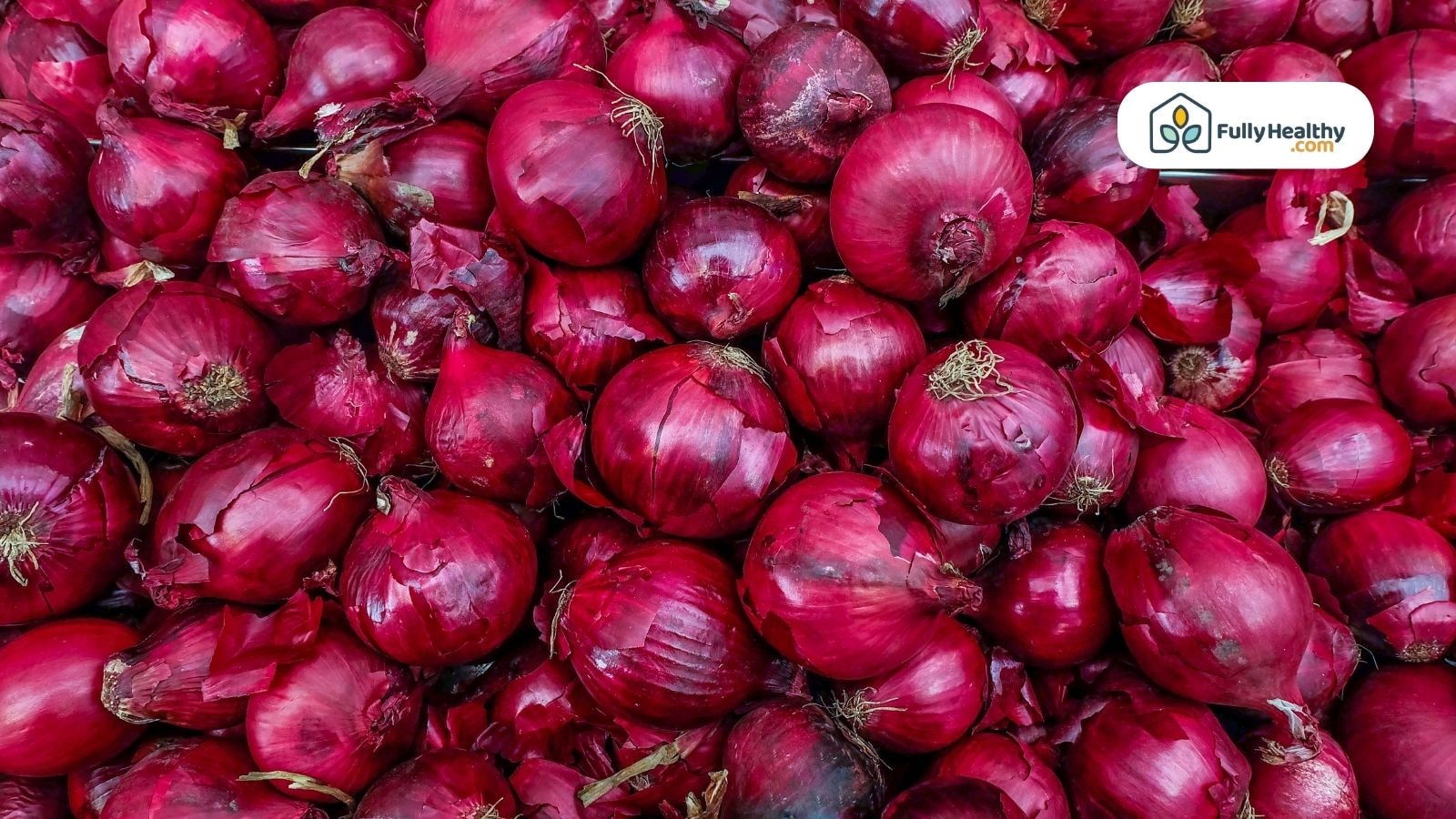 Photo Credit: Canva pro
They should never eat raw onions, so no. When they are in raw form, onions are even more dangerous than when they are cooked because they have more thiosulfate in them. Some chicken owners think that small amounts might not hurt their chickens, but they are a definite no go in a healthy flock diet.
Thiosulphate in Raw Onions and Its Toxic Effects
Onions come from the allium family and have a lot of thiosulphate in them. There are no enzymes in chickens that can break down this compound. This puts oxidative stress on the blood, which hurts the red blood cells.
-
Key danger: Causes hemolytic anemia and makes it hard for oxygen to get to all parts of the chicken's body.
-
Excessive amounts: Could cause problems like breathing problems, tiredness, and digestive upset.
-
Severe cases: Can result in sudden death if you don't get treatment right away.
Why Garlic Is Sometimes Okay but Onions Are Not
Garlic contains thiosulfate as well, but in different concentrations and forms. Limited quantities may be less harmful, but caution is still advised. Once in a while, garlic may help your birds' immune systems and lungs when used in small amounts. However, moderation is still important.
-
Garlic powder: When added to food in the amounts that experts say are safe, it's usually okay.
-
Fresh garlic: It's safer than onions, but too much of it can still cause digestive issues.
-
Best approach: Don't eat garlic every day; only use it as a supplement.
Focus on safety and consistency when you raise chickens. Try not to mess around with certain foods just because they seem good for humans.
What Is the Number One Killer of Chickens?
 Photo Credit: Canva pro
Many of people who own chickens worry about what they eat, but one of the biggest dangers isn't in the bowl, it's outside the coop. Most chicken deaths are caused by predators, not by poisonous food. You can keep your birds safe if you know what to look out for.
Raccoons and Dogs Are the Top Chicken Predators
Crows and foxes get the blame, but dogs and raccoons are really the ones who kill most chickens. They live in both rural and urban areas and can attack at any time of the day or night.
-
Nocturnal threats: Animals that hunt at night include raccoons, mink, and owls.
-
Daytime danger: Dogs, foxes, and hawks.
-
City risk: Animals that hunt can show up anywhere, even in your own backyard in the city.
Coop Safety Tips to Protect Your Birds
Stopping predators from getting in is the best defense. Chickens tend to sleep deeply at night, making them easy targets.
-
Secure coops: Replace the chicken wire with ½-inch hardware cloth.
-
Close doors: Do not forget to close the coop at night.
-
Avoid hiding places: Get rid of any structures, brush, or trash that are near the run.
-
Cover runs: To keep predators from flying, use mesh or roofing.
There's more to raising chickens than just feeding them. You also have to make sure they're safe, comfortable, and getting a balanced diet.
Why Is It Illegal to Feed Chickens Kitchen Scraps?
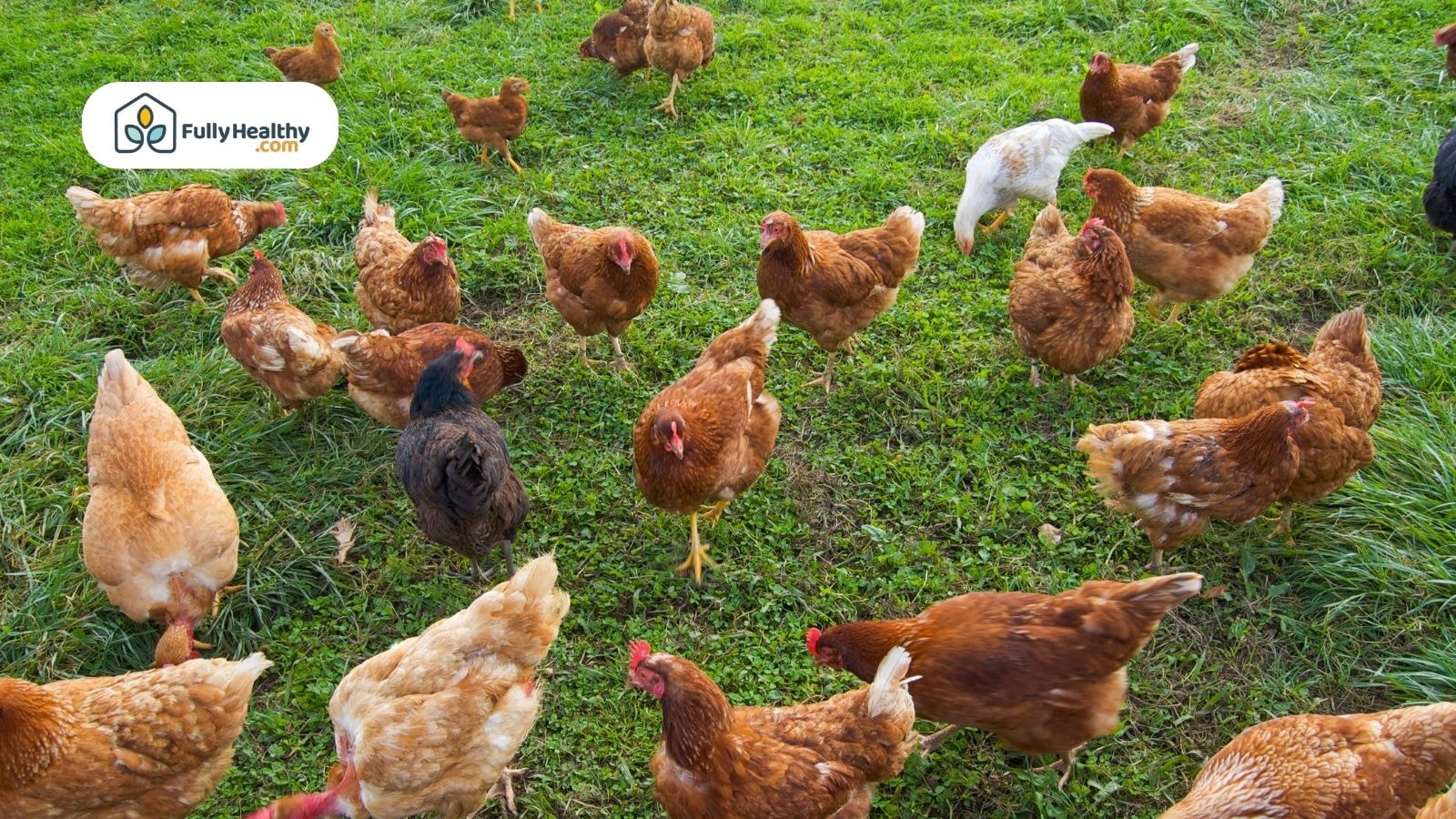 Photo Credit: Canva pro
It is against the law in many places, especially the UK, to feed chicken scraps from the kitchen. This rule keeps flocks safe from diseases that can kill them and spread through contaminated food waste. It might seem natural to give your birds leftovers, but doing so can be very bad for their health and the health of other birds in the area.
Legal Risks and Disease Outbreaks Linked to Scraps
Kitchen scraps are not allowed to be fed because they can spread diseases like Foot and Mouth Disease. Cross-contamination with meat, eggs, or dairy can make even meals without meat dangerous. If you want to keep your chickens safe, don't give them any table scraps.
-
Disease risk: Food scraps can spread germs and viruses that were not killed during cooking.
-
2001 outbreak: Caused millions of animal deaths when pigs were fed undercooked waste.
-
Even vegetarian meals: Still pose risks if they are made in kitchens with animal products.
What Counts as Illegal Scraps for Chickens
Things that have been in a home or business kitchen are considered scraps. In this group are raw eggs, fried foods, junk food, and any foods cooked with spices or oils. Things you think are safe in general can be dangerous because they have residue or have gone bad.
-
Avoid feeding: Anything from your plate, like pasta, bread, or potatoes that are already cooked.
-
Cross-contaminated foods: Like sauces with dairy or fruit cut with a knife that has been used to cut meat.
-
High-risk foods: Put in uncooked rice, beans, and anything else that smells or tastes bad.
If you own chickens, you should always feed them approved feeds that are clean and balanced. It's the best thing you can do for their overall health and egg production.
What Can You Find on Fully Healthy for Your Flock?
The website FullyHealthy is all about allergy-friendly and clean-label foods. Even though it doesn't sell chicken feed itself, it's a great spot to find safe, natural ingredients for making treats that your chickens will love. You can feed chickens these things without worrying about giving them harmful foods or onions that could make them sick.
AIP-Safe Ingredients That Support a Healthy Flock
A lot of the products on Fully Healthy follow the Autoimmune Protocol (AIP), which stays away from allergens like grains and nightshades. If you're making treats at home for your flock, these same tips can help them.
-
Great alternatives: Coconut sugar, maple sugar, and natural seasonings that steer clear of onion, garlic, and artificial additives.
-
No harmful fillers: A lot of mixes only have whole foods that are high in essential nutrients.
-
Flavor with safety: Don't eat onions or garlic; they are in the allium family and can cause onion toxicity. Instead, use approved herbs.
Allergen-Free Mixes to Replace Dangerous Additives.
FullyHealthy.com sells baking mixes that don't have any sprouting eyes, green parts, or artificial flavors. This is different from some homemade chicken snacks that use unhealthy vegetables like green potatoes or old apples.
-
Try instead: "Cut-Out" banana bread or sugar cookie mix (no eggs or onion powder).
-
Flock-friendly: Avoid citrus fruits, dairy, and other items that may cause difficulty digesting lactose in lactose intolerant birds.
-
Nutritional value: If you're giving the chickens treats, many of these mixes have ingredients that are safe for them in small amounts.
Always read the labels on the food you give chickens. Your feathered friends deserve treats that support egg quality, digestion, and help them stay healthy.
Final Thoughts
Never let your chickens eat anything bad when you're raising them. Giving your chickens onions, even in large amounts, can make them have trouble breathing and other serious issues. Avocado (especially skin and pit) can be toxic to birds due to persin. Garlic should be used cautiously in very small, infrequent amounts.
Instead, suggest giving them a nutritious snack or special food that will help them stay healthy and lay their own eggs. Allow your chickens to eat smart and secure foods.
FAQs
Why put an onion in a chicken?
Do not put onion in a chicken or feed your chickens onion because it's not generally safe and may cause difficulty breathing from oxidizing agents.
Can birds eat raw onions?
No, birds including chickens should not eat raw onions as they are toxic and unsafe even in large amounts.
What kills chickens and just leaves them?
Predators often kill chickens and may leave the body uneaten. While toxic foods like raw green potatoes can be dangerous, they are less commonly the cause of sudden death without signs.
What is the 90 10 rule for chickens?
While raising chickens, the 90/10 rule means recommend feeding 90% balanced feed and 10% treats like seeds or veggies.
What are 5 symptoms of coccidiosis?
Coccidiosis in chickens can cause diarrhea, weight loss, pale combs, difficulty breathing, and poor ability to stay healthy.
Leave a comment