

Can Dogs Eat Bread? Safe Bites or Bad Dog Food?
Can dogs eat bread? Yes, but only a little and carefully. If your dog isn't allergic to anything, white or wheat bread is fine for them to eat. But some breads have harmful things like garlic or raisins. Dogs shouldn't eat bread because it doesn't help their health and can make them gain weight. This article talks about safe types, dangers, and overdoing it. Before you share, always look at the ingredients.
Featured Pantry Pick
Base Culture // Original Gluten Free Keto Bread - 16 oz
Loading...
Can Dogs Eat Bread?
Dogs often beg for a piece of the food we eat, even if it's bread. But is it safe for dogs to eat bread? Yes, but only a little. If it is fully baked and doesn't have any harmful ingredients, plain bread is generally safe for dogs to eat. However, there are different kinds of bread, and some can even be poisonous to dogs.
What Types of Bread Are Safe for Dogs?
If your dog doesn't have a wheat allergy or a sensitive stomach, it's okay for them to eat plain white or whole wheat bread every once in a while. Look for added ingredients like chocolate, garlic, nuts, or raisins, which can be harmful.
-
Plain white bread: Safe in small amounts if nothing else is added.
-
Plain wheat bread: Contains a little more fiber, but you should still feed it in moderation.
-
Plain pita bread: A gentle choice if it doesn't have garlic or other spices in it.
-
Plain rye bread: Only safe if it doesn't have seeds or additives and is unsweetened.
-
Dogs eat toast: Toasted bread is fine as long as it's plain and unbuttered.
-
Dogs eat bread crusts: It's fine if the crust is small, but don't use one that is burnt or flavored.
What Are the Risks of Raw Dough and Hidden Ingredients?
Baked bread is usually safe to eat, but uncooked dough is very dangerous. It can grow in the dog's stomach, which can cause bloating or even alcohol poisoning because it ferments. Even a little bit of some things that are in bread can be bad for your dog.
-
Raw bread dough: Can grow inside the stomach and make things dangerous for life.
-
Dogs eat bread dough: This can lead to very serious health problems and needs to be treated right away.
-
Garlic bread: Contains garlic, which is poisonous and can make you vomit or give you anemia.
-
Dogs eat gingerbread: Gingerbread often contains nutmeg, which in large amounts can be toxic to dogs and should be avoided.
-
Sourdough bread: Raw sourdough starter can ferment and release ethanol in the stomach, but fully baked sourdough bread does not pose this specific risk.
-
Dogs eat banana bread: It's safe as long as there are no chocolate chips, xylitol, or raisins in it.
-
Pumpkin bread: It usually has sugar and spices in it, which are not safe.
-
Dogs eat seeded bread: Seeds can upset the stomach or even cause blockages.
-
Rye bread: It might have caraway or other spices that are harmful to dogs.
Is It Bad for Dogs to Eat Bread?
Bread is not toxic, but it offers little nutritional value and can contribute to weight gain if fed regularly. If you bake your own bread, make sure you avoid ingredients that can hurt your dog.
Does Bread Add Any Nutritional Value to a Dog’s Diet?
Bread is mostly carbs, and dogs don't need to eat bread because high-quality dog food already gives them everything they need. It can even lead to stomach issues in dogs that are allergic or sensitive to grains.
-
Bread good for dogs: While some owners give plain bread for mild digestive upset, there is limited scientific support for this, and veterinary advice is recommended.
-
Bread bad for dogs: If it has sugar, dairy, or other harmful things in it, though, then it's worse.
-
Too much bread: Can cause a loss of appetite, weight gain, and bloating.
-
Mild stomach upset: A common effect of giving bread that is flavored or sweet.
-
Nutritional value: Bread is not healthy for your dog because it doesn't have any nutrients that they need.
Can Bread Upset a Dog’s Stomach?
Yes, even plain bread can upset a dog's stomach a little, especially if they aren't used to it. Allergic dogs or those with delicate stomachs may get gas or diarrhea. You should never feed moldy bread because it is unsafe.
-
Stomach upset: Eating too much bread can give you bloating or diarrhea.
-
Feeding bread: Shouldn't be done every day, but only sometimes.
-
Puppies eat bread: It's best not to do this unless it's a small, plain piece right after weaning.
-
Dogs eat pita bread: As long as it doesn't have oils or sauces on it and is plain.
-
Plain bread crust: A safer choice, but you still need to watch how much you eat.
How Many Slices of Bread Can a Dog Eat?
A dog's size, age, and health will determine how much bread it can eat. Small dogs should eat less than big dogs, but even big dogs shouldn't eat a whole slice. Bread should never be used instead of real meals or dog food that is good for dogs.
What Is a Safe Portion Size for Dogs?
Dogs can eat bread, but only a little bit at a time. One or two bites is all you need. Bigger servings won't help your dog and might hurt their digestion or weight.
-
Eat plain bread crust: It's okay to have a few bites every now and then.
-
Plain wheat bread: For medium to large dogs, half a slice is enough.
-
Whole grain bread: Only if it doesn't have any seeds or harmful grains.
-
Dogs eat sourdough bread: Not safe because it could ferment.
-
Dogs eat rye bread: Plain rye bread may be tolerated, but should be avoided if it contains caraway seeds or other additives, which are toxic to dogs.
Should Portion Size Vary by Breed or Weight?
Yeah. A toy breed can't eat as much bread as a working dog. Age and energy level are important too. Dogs that are overweight or old should not eat bread at all.
-
Too much bread: Can cause obesity and digestive problems.
-
Puppies eat bread: Only a few small bites, and not all the time.
-
Dogs can eat plain: Yes, but not a lot and not every day.
-
Dogs eat pumpkin bread: Homemade pumpkin bread may be safe in tiny portions if free of sugar, spices, and harmful additives, but should only be given under veterinary guidance.
What Is the Most Unhealthy Food for Dogs?
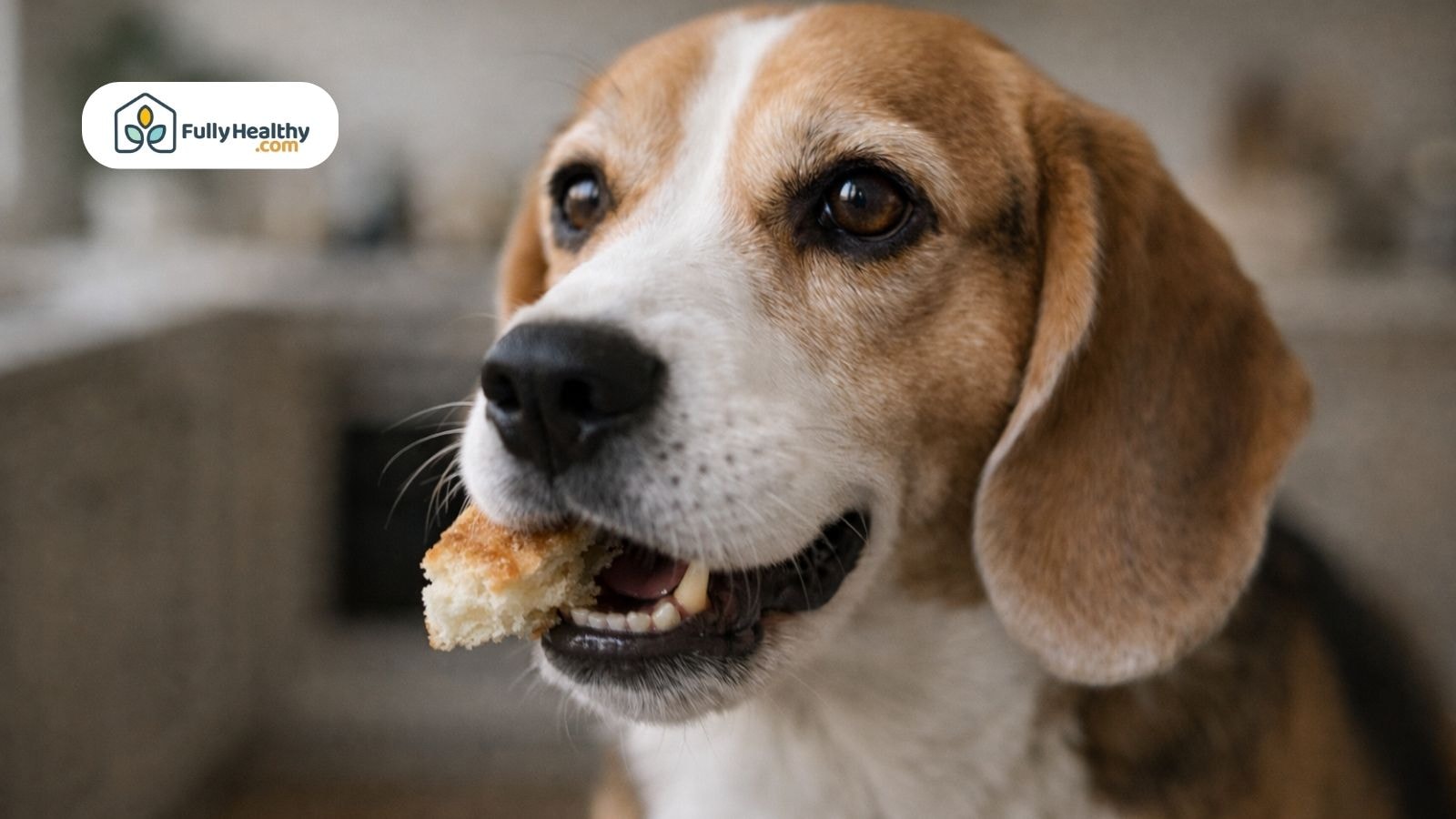
Some foods that don't hurt people can be bad or even deadly for dogs. Dogs can eat bread in small amounts, but not all kinds of bread or ingredients are safe. It's important to know which foods and ingredients to stay away from when you feed your furry friend, especially bread and baked goods.
Which Ingredients Are Most Toxic and Why?
Several ingredients commonly found in bread and pastries are toxic to dogs. Just a little bit of these foods can be very bad for your health, especially for puppies or dogs with sensitive stomachs.
-
Dogs eat garlic bread: Garlic can hurt red blood cells, which can make you feel weak or even give you anemia. Dogs should stay away from all foods that taste like garlic.
-
Macadamia nuts: These are very poisonous and can make you throw up, shake, and have trouble walking.
-
Yeast based bread dough: This grows inside a dog's stomach, which can hurt and make the dog feel bloated. It can also cause alcohol poisoning.
-
Uncooked bread dough: Uncooked yeast dough can continue rising in a dog’s stomach, producing gas and potentially leading to bloat or alcohol toxicosis in severe cases.
-
Dogs eat white bread with raisins or chocolate chips: Chocolate and raisins can both hurt your kidneys and nervous system.
How Can Pet Owners Spot Food Toxicity Early?
Knowing the early signs of food toxicity can save your dog's life. After eating something bad, a lot of symptoms appear within hours. If your dog eats something they don't usually eat, keep an eye on them.
-
Abdominal pain: Dogs might whine, stretch a lot, or show that they don't like being touched.
-
Vomiting or diarrhea: These are common signs that their food wasn't safe.
-
Weakness or shaking: If you suddenly lose a lot of energy, it could mean that you are poisoned.
-
Bloating or swelling: A sign that yeast or uncooked dough is making gas in the stomach.
-
Staggering or confusion: These symptoms could mean serious problems inside, like alcohol toxicosis from raw dough.
Call your vet right away if you see any of these signs.
What Does FullyHealthy.com Offer for Dog-Safe Diets?
A lot of pet owners make their own meals or treats and might give their dog food by accident. Fully Healthy sells things that make it easier to eat clean and are safer to have in kitchens with pets. Even though it's not a pet food site, it focuses on clean foods that don't have allergens, which makes it a better choice for families with dogs.
Which Products From Fully Healthy Support Clean, Pet-Safe Baking?
Fully Healthy sells baking mixes and ingredients that don't have a lot of bad additives. This makes it easier to bake at home without having to worry about getting ingredients that are bad for dogs.
-
Dog bread safety starts with ingredients: Pick the plain ones that don't have nuts, raisins, or garlic.
-
Avoid feeding unsafe extras: Don't eat anything with chocolate, sugar, or processed fillers.
-
Balanced diet support: These products don't take the place of high-quality dog food, but they help make baking around pets safer.
Why Fully Healthy’s Products Are Trusted by Pet Parents
The site works with brands that use simple, clean ingredients. Many healthy dogs can benefit from this. These things are safer to have around and easier to understand.
-
No risky surprises: The labels are easy to read, so it's simple to stay away from harmful ingredients like garlic or macadamia nuts.
-
Great for occasional treat prep: These mixes are safer to use if you share small pieces of baked goods.
-
Trusted by pet parents: Their dedication to quality helps keep people from accidentally coming into contact with food while it is being made.
Even when those puppy dog eyes are hard to resist, using clean ingredients at home helps keep your dog healthy.
Final Thoughts
Dogs can eat wheat bread as a treat now and then, but it should never take the place of high-quality dog food in a balanced diet. Bread may look like a safe food, but it doesn't give dogs any nutrition.
Always look at the ingredients first, especially if it has toppings or is flavored. Stay away from things that have garlic, raisins, or chocolate. Overfeeding can make your stomach hurt. When you share bread with your furry friend, keep it small, simple, and plain.
FAQs
What happens if a dog eats a little bit of bread?
If dogs eat wheat bread in small amounts, it's usually safe but has no real nutritional benefits.
Is bread easy for a dog to digest?
Plain bread may be digested by healthy dogs in small amounts, but can still cause gas or bloating, especially in dogs with grain sensitivity.
Does bread give dogs worms?
Bread itself doesn't cause worms, but dogs eat wheat bread should still be fresh and clean.
What are the symptoms of bread poisoning in dogs?
If bread has garlic or raisins, dogs may show signs like vomiting, abdominal pain, or weakness.
How quickly will a dog show signs of toxicity?
Dogs can show toxicity symptoms within hours, especially if dogs eat wheat bread with harmful ingredients.
Leave a comment