

Can Dogs Have Avocado? What Every Dog Owner Must Know Today
 Photo Credit: Canva Pro
Can dogs have avocado? People often ask this question, and the answer isn't so easy. Most dogs can safely eat small amounts of avocado flesh, although excessive consumption or eating other parts of the plant may pose risks.
Avocado contains persin, mostly concentrated in the leaves, bark, and skin; the flesh contains minimal amounts unlikely to affect dogs. The pit and skin can also choke someone. It's not worth the risk for some dogs to take a small bite. Before you share that snack, let's look at the facts.
Featured Snack Pick
Jackson's // Avocado Oil Sweet Potato Chips - 5 oz
Loading...
Can Dogs Have Avocado?
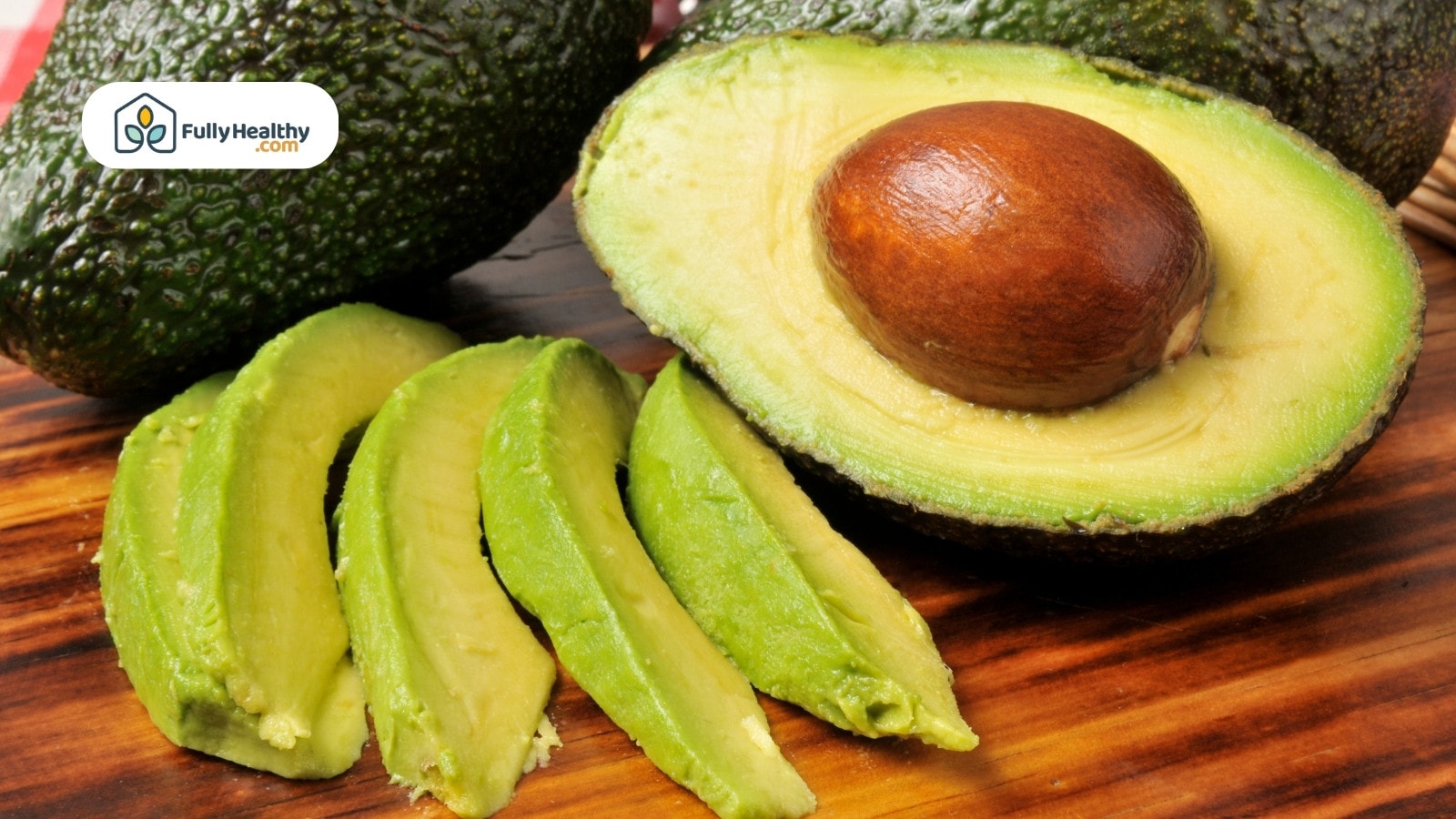 Photo Credit: Canva Pro
It's good for people to eat avocados, but what about animals? Avocado: Can dogs eat it? It's a yes, but only in the right places and to a certain extent. Avocado fruit can be good for you, but it can also be bad for you. If you know what's safe and what's not, you can keep your four legged friend from getting serious health problems.
What Makes Avocados Risky for Dogs?
A natural poison called persin is found in the avocado plant. Dogs don't react as badly to persin as some other animals do, but still getting too much of it can be bad, especially if they eat the wrong parts.
-
Toxic parts of the avocado plant: It's not good to eat the pit, peel, leaves, or bark.
-
Danger of persin poisoning: In rare cases, excessive consumption of avocado plant material or too much persin, may cause gastrointestinal upset in dogs.
-
High fat content issues: Eating avocado flesh can make your stomach hurt, increase weight gain, or even give you pancreatitis.
-
Choking hazard: The pit of an avocado can get stuck in a dog's intestinal tract or cause them to choke.
Is Any Part of the Avocado Safe for Dogs?
Some dogs might be able to handle small amounts of avocado pulp. Vitamin C and healthy fatty acids are in it. Avocado flesh may be given occasionally in small quantities, depending on the dog’s size and health condition. It should only be a treat once in a while.
-
Small servings of avocado pulp: If given without the peel or pit, it might be safe for healthy dogs.
-
Avoid mixed foods: Guacamole often has garlic, onion, and salt in it, all of which are toxic to dogs.
-
Be careful with avocado products: Things that are high in fat, like avocado oil, aren't always safe for dogs.
-
Better options: Other foods, like blueberries or pumpkin, are safer and still taste good.
How Is Avocado Poisoning Treated in Dogs?
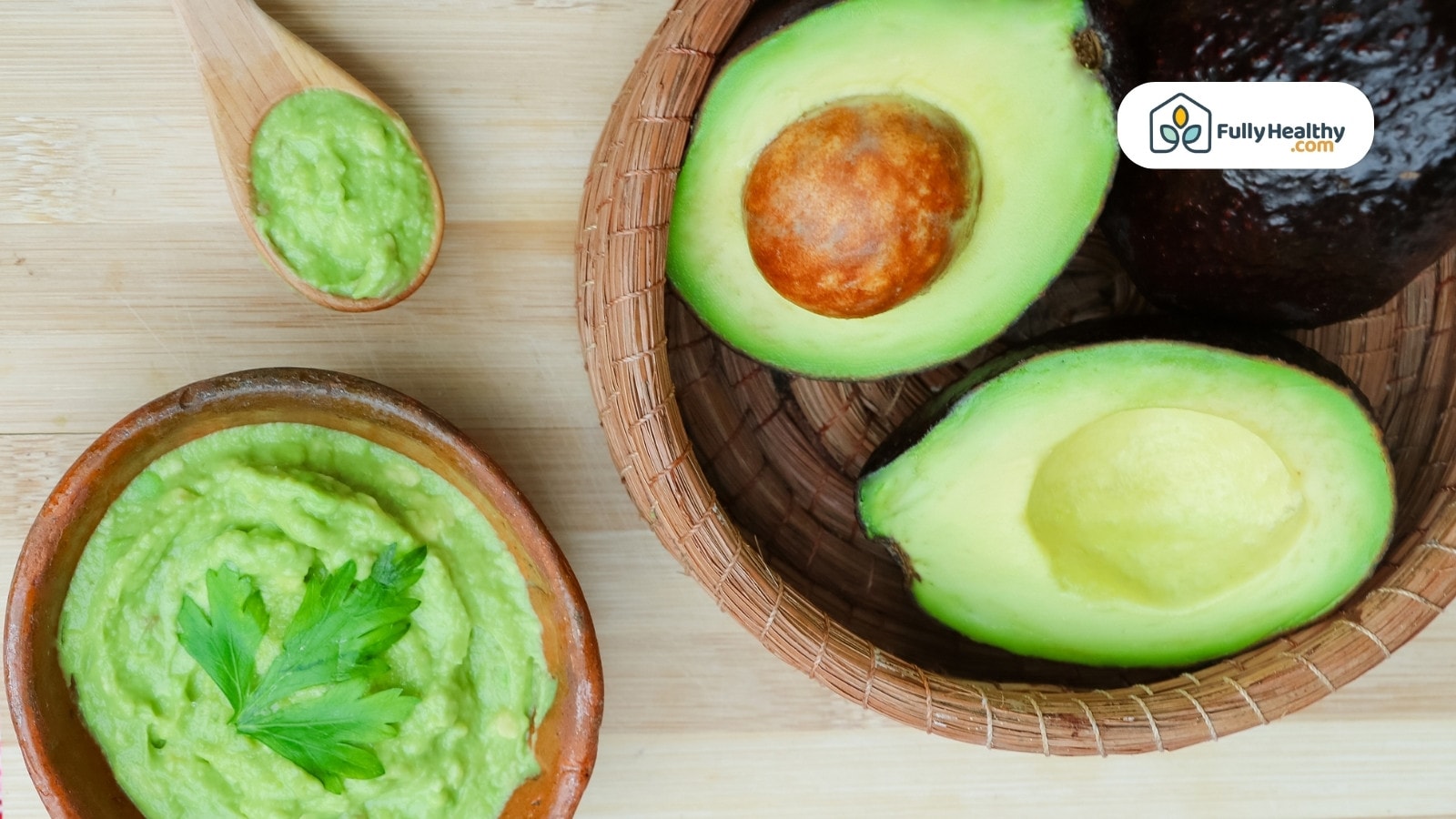 Photo Credit: Canva Pro
If your dog eats a piece of avocado and then acts sick, you should call your vet right away. What was done depends on what part of the avocado was eaten and how much was eaten.
Recognizing the Signs of Persin Poisoning
The peel, pit, and leaves of an avocado are not safe for dogs, but the flesh is sometimes safe. After giving your dog avocado, keep a close eye on him.
-
Early symptoms: Vomiting, diarrhea, tiredness, and stomach pain.
-
If dogs eat avocado pit: There’s a risk of choking or an intestinal blockage.
-
After dogs eat guacamole: Call a vet immediately due to harmful ingredients like onion and garlic.
-
Risk of avocado oil: Avocado oil, while non-toxic, is high in fat and may cause gastrointestinal issues or pancreatitis if consumed in large amounts.
Veterinary Treatment Options
Veterinary doctors use your dog's symptoms and what it may have eaten to figure out if it has been poisoned by persin.
-
Vet may induce vomiting: To remove toxic parts before they’re digested.
-
Supportive care: This includes fluids and medicine to treat vomiting or pain.
-
Imaging tests: X-rays or ultrasounds may be needed if there’s a chance the pit is in the intestinal tract.
-
Call your vet immediately: Don’t wait if your dog shows any unusual behavior.
What Size Dog Is Most at Risk From Avocado?
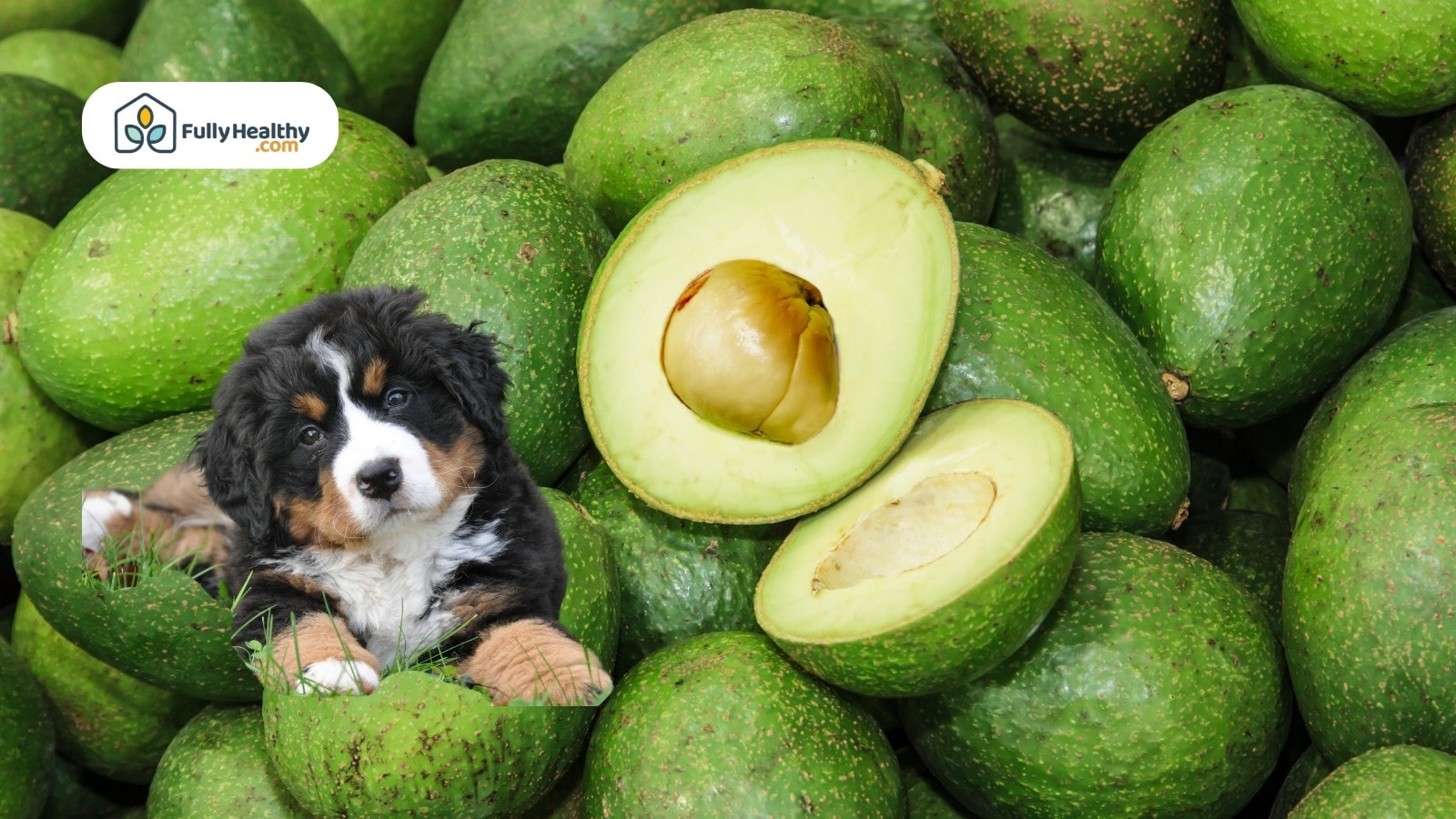 Photo Credit: Canva Pro
Can dogs safely eat avocado? It actually depends on how big they are. To make matters worse, smaller dogs may be more sensitive to high-fat foods, including avocado, which can cause digestive upset in large quantities. Larger dogs may be able to handle more, but they still have risks.
Why Small Breeds Have Bigger Risks
Smaller dogs can't handle as much fat because their digestive systems aren't as strong. That makes avocados more harmful to them.
-
Mini breeds like Yorkies or Schnauzers: At higher risk of upset stomach or pancreatitis.
-
Avocados bad for toy breeds: Even a small bite can cause big problems.
-
Pit danger: Smaller dogs can choke or suffer from a blocked intestinal tract.
-
Dogs eat less, but react more: A small dose can go a long way.
How Much Avocado Is Too Much?
There isn't a single amount that is safe for all dogs. If your vet doesn't say it's okay, it's best not to give avocado.
-
Dogs eat avocado?: Only a small amount of avocado flesh and only occasionally.
-
Dogs eat avocado oil?: It may seem safe, but the high fat can trigger stomach issues.
-
Avoid avocado products: Most aren’t made for pets and may include unsafe ingredients.
-
Safer human foods: Try carrots, apples (without seeds), or green beans instead.
What Animals Can’t Eat Avocados?
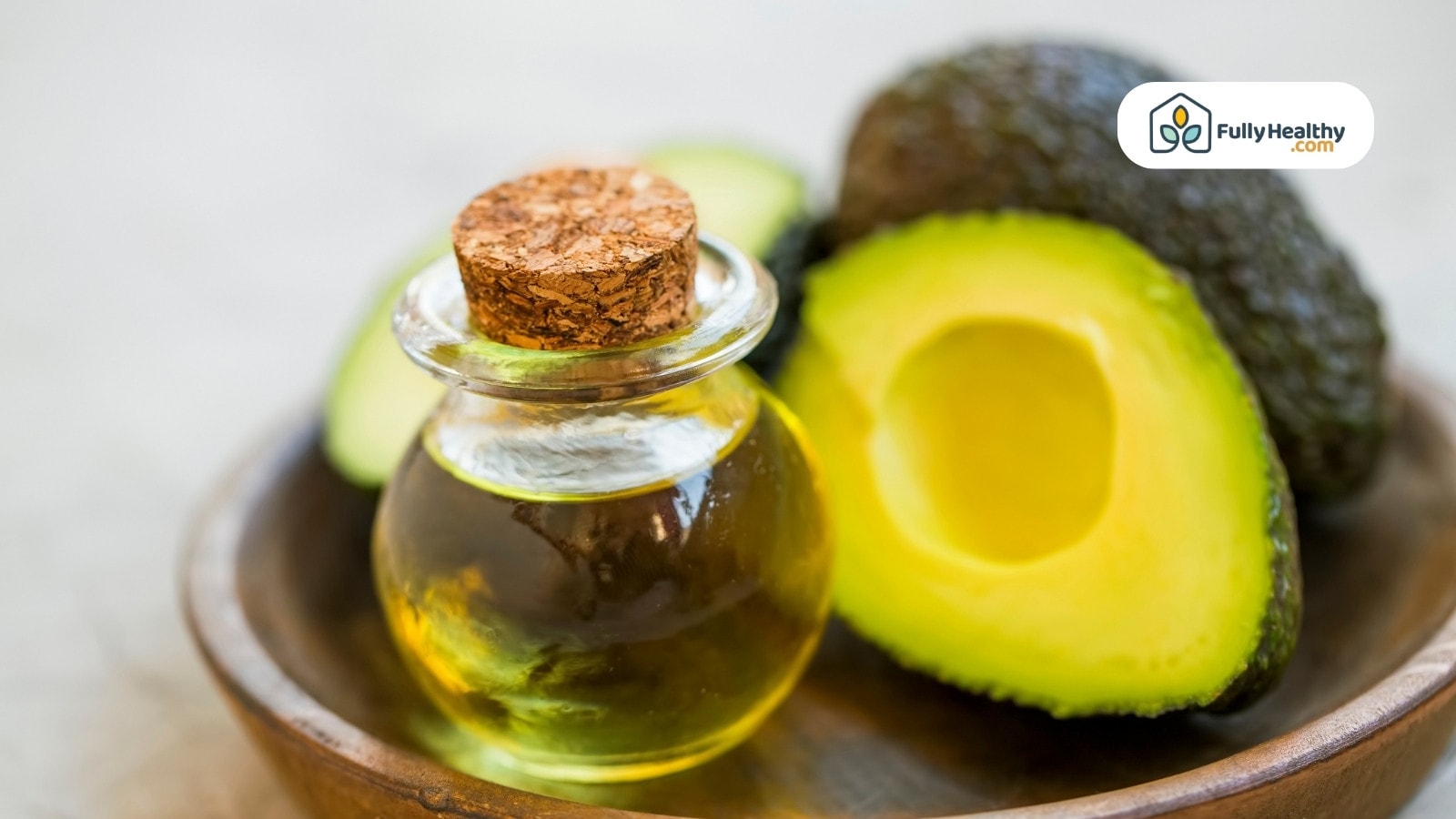 Photo Credit: Canva Pro
Dogs can handle small amounts of avocado flesh, but other animals can get sick or even die if they do. The avocado plant has a fungicidal toxin called persin that kills fungi and is much more dangerous to some species. You can keep your whole house safe by knowing which animals are easily scared.
Animals That Are Most Sensitive to Avocado
Most of the time, dogs don't have bad reactions to avocado, but other pets and livestock do. In some animals, even small amounts of avocado peel or leaves myocardial damage, cause fluid to build up, or even death.
-
Birds, rabbits, guinea pigs: Very sensitive to persin and can suffer heart failure or breathing problems.
-
Horses, goats, sheep, cattle: May show swelling, trouble breathing, or drop in milk production.
-
Cats: Not highly sensitive to avocado; minor gastrointestinal symptoms may occur in rare cases.
-
Smaller pets: Due to their size, small animals are at higher risk even from tiny pieces of avocado.
How Avocado Affects These Animals
Persin has different effects on different species, but the most common ones have to do with the heart, lungs, or digestion. As there is no cure for persin toxicity, the best thing to do is to avoid getting it.
-
Heart issues: Fluid around the heart and lungs may occur quickly after ingestion.
-
Digestive problems: Vomiting, bloating, or gastrointestinal upset are common in pets and livestock.
-
No safe dose: Even a small piece can be harmful, especially if it's a large amount relative to the animal’s size.
-
Fatal outcomes: Animals that eat the avocado peel, bark, or leaves may not survive without fast treatment.
What FullyHealthy Can Do for You
FullyHealthy has a lot of safe, clean-label avocado products for people that you can enjoy without worrying about your dog's health. These oils and snacks aren't made for pets, but they're great if you have to follow a certain diet and don't want to eat anything that could be harmful.
Avocado Products Available at FullyHealthy
Some of the things made with avocado are tasty, easy, and safe for people to use. But if you have pets in the house, keep them out of reach at all times. This is especially important if you have curious dogs that might sneak a bite.
-
Jackson’s Avocado Oil Sweet Potato Chips: Made with avocado oil, sweet potatoes, and sea salt. Not made for pets—can pose a choking hazard if your dog swallows a piece.
-
Chosen Foods 100% Pure Avocado Oil Spray: Great for grilling or baking, but not for dogs due to its high-fat content.
-
Primal Kitchen Avocado Oil (500ml): Pure avocado oil, ideal for Paleo and Whole30 diets, but should never replace dog-safe oils.
Using Avocado Products Safely Around Pets
It doesn't mean these foods are good for dogs just because they're good for you. Dogs might try to eat broken things or lick pans that are oily. Be careful when you store and use these things.
-
Store high: Keep avocado oils and snacks where your dog can’t reach them.
-
Watch your pup: If a dog eats a chip or licks spilled oil, call your veterinarian to check for any concerns.
-
Be careful with table scraps: Human foods often contain other ingredients like garlic or salt that aren’t safe.
-
Know the risks: A swallowed stone or ping pong ball-sized pit can get stuck partway in the throat or gut, causing an emergency.
Final Thoughts
When it comes to dogs, avocados can be tricky. Avocados are good for people, but dogs should only eat small amounts of the flesh and never the pit, peel, or leaves. If dogs eat the wrong part or too much, they might lose their appetite or have trouble breathing.
Always talk to a vet first before giving your dog new foods. It might be good for you, but that doesn't mean it's safe for your dog. Stick to treats you know are safe when you're not sure what to eat.
FAQs
Can dogs consume avocado oil safely?
Dogs can sometimes consume small amounts of avocado oil, but high fat levels make it risky in large quantities.
Are avocados good or bad for dogs to feed daily?
Avocados good for people, but not safe to feed dogs every day due to fat and persin content.
Can dogs have breathing difficulties from eating avocado?
Yes, some dogs may show breathing difficulties if they consume toxic parts like the peel or pit.
Should I introduce new foods like avocado to my dog’s diet?
New foods should be introduced slowly—do not feed avocado unless your vet says it’s okay.
What happens if my dog eats large quantities of avocado?
Large quantities may cause vomiting, diarrhea, or breathing difficulties; contact a vet immediately.
Leave a comment