

Can Dogs Have Oranges? Hidden Hazards in Orange Slices

Dogs can eat oranges, but not too many. Oranges are not toxic to dogs, but due to their sugar and acidity, consuming large quantities may cause gastrointestinal upset such as vomiting or diarrhea, especially in dogs with sensitive stomachs. The safe part is the juicy flesh. Stay away from the peel, seeds, and juice.
Knowing the difference between fruits that are bad for dogs is important. This article tells you what to do if your dog eats an orange and what the pros and cons are. First and foremost, always ask your vet.
Featured Pantry Pick
St. Dalfour // Orange Marmalade Fruit Spread - 10 oz
Loading...
Can Dogs Have Oranges?
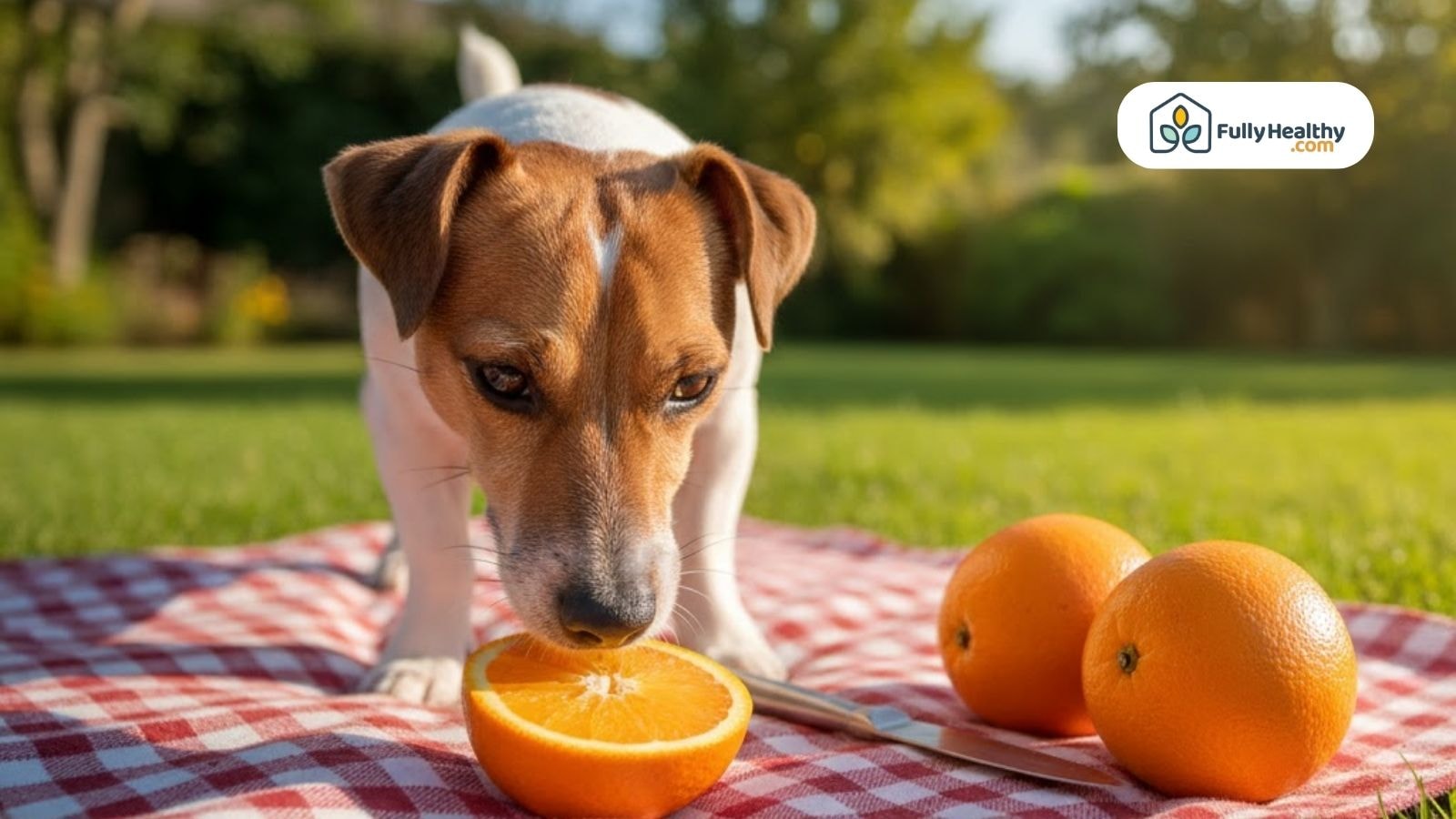
Of course, dogs can eat oranges, but not too many. Although most dogs can safely eat the juicy orange flesh, not all dogs will enjoy it. Oranges are full of natural sugar, fiber, and vitamin C.
However, due to their citric acid and high sugar content, they should be treated as an occasional treat, not a regular part of your dog’s diet Always introduce oranges gradually to make sure there are no signs of stomach upset.
Are Oranges Good or Bad for Dogs?
Dogs can eat oranges, but they're not necessary. Given that they are adults, dogs don't need to get vitamin C from food as people do. Still, while oranges are a source of vitamin C and water, most healthy dogs synthesize sufficient vitamin C on their own. Claims regarding colon health and immune support are anecdotal and not well-supported in veterinary literature.
-
Nutrient Boost: Oranges contain modest amounts of fiber, potassium, and vitamin C, but should not be relied upon as a major source for dogs.
-
Low-Calorie Treat: Orange slices are a sweet treat for dogs that are big or small.
-
Natural Sugar Alert: Oranges contain natural sugars, which may negatively affect dogs with diabetes or cause stomach upset if given in large amounts.
-
Occasional Use: Oranges for dogs should be a limited, healthy snack, not part of regular meals.
Which Parts of an Orange Are Safe for Dogs?
Only the flesh of the orange should be given to dogs. The peel and seeds may cause gastrointestinal issues and present a choking hazard. They can make your dog sick and could choke them. Also, orange juice is not a good choice because it is too acidic and has a lot of sugar.
-
Avoid Orange Peels: Animals that eat orange peels might have stomach problems.
-
No to Seeds: Seeds can get stuck in a dog's throat and make them sick.
-
Skip the Juice: Dogs shouldn't drink orange juice because it has sugar and citric acid in it.
-
Fresh Is Best: Feed oranges only in fresh slices, with nothing else added.
Are Any Fruits Toxic to Dogs?

Some fruits are safe for dogs to eat, like oranges. While some citrus fruits are good for you, others can be poisonous. Owners of dogs need to know which fruits are poisonous and which are safe.
Which Fruits Should Dogs Avoid?
Your furry friend might get sick from some fruits. Dogs shouldn't eat cherries, grapes, or avocados because they are poisonous. These can hurt your health very badly and cause kidney failure or other serious problems.
-
Grapes & Raisins: Can cause kidney failure in dogs.
-
Cherries: These pits contain cyanide, which is very dangerous
-
Avocados: Avocados contain persin, but the level of toxicity for dogs is generally low. The greater risk lies in the high fat content and the large seed, which can cause pancreatitis or obstruction.
-
Tomatoes: In some cases, green parts are bad.
Which Fruits Are Safe for Dogs?
Fruits other than oranges are also good for your dog's health. As an example, blueberries, bananas, apples, and watermelon. Protected fruits provide antioxidants, fiber, and water. Additionally, different dogs digest new foods in different ways, so always start giving them food slowly.
-
Apples: As for making it good for dogs, take out the seeds and core.
-
Blueberries: Maintain a strong immune system.
-
Watermelon: Staying hydrated and safe if seedless.
-
Bananas: Somewhat high in potassium, but also high in sugar, so use in moderation.
What If My Dog Ate a Whole Orange?

Ingesting the peel can cause digestive issues and possible obstruction, especially in smaller dogs. Monitor closely and consult a vet if symptoms arise. Still, keep an eye out for symptoms. Animals that eat orange peels may get stomach problems, especially small dogs or dogs that already have sensitive stomachs.
Signs of a Problem After Eating Oranges
Many dogs will be fine, but if they eat too many oranges, they might have stomach problems. Puppies eat oranges and they might be more sensitive than adult dogs. In case your dog eats a lot of orange peels or citrus fruits, look for signs of possible problems.
-
Upset Stomach: Vomiting, diarrhea, or bloating.
-
Lethargy: Boring or low-energy behavior.
-
Drooling or Gagging: Even more so if the seeds or peel bother your throat.
-
Refusing Food: Possible sign of feeling sick or having stomach pain.
When to Call the Vet
Get in touch with your vet if your dog is sick or ate moldy oranges. Dog owners shouldn't give their dogs orange juice or peels, and they should never feed their dogs oranges instead of commercial dog food.
-
Long-Lasting Signs and Symptoms
-
Your dog has diabetes or a stomach that is easily upset.
-
Peels or seeds can choke you or make you sick.
What Is the #1 Cause of Death in Dogs?
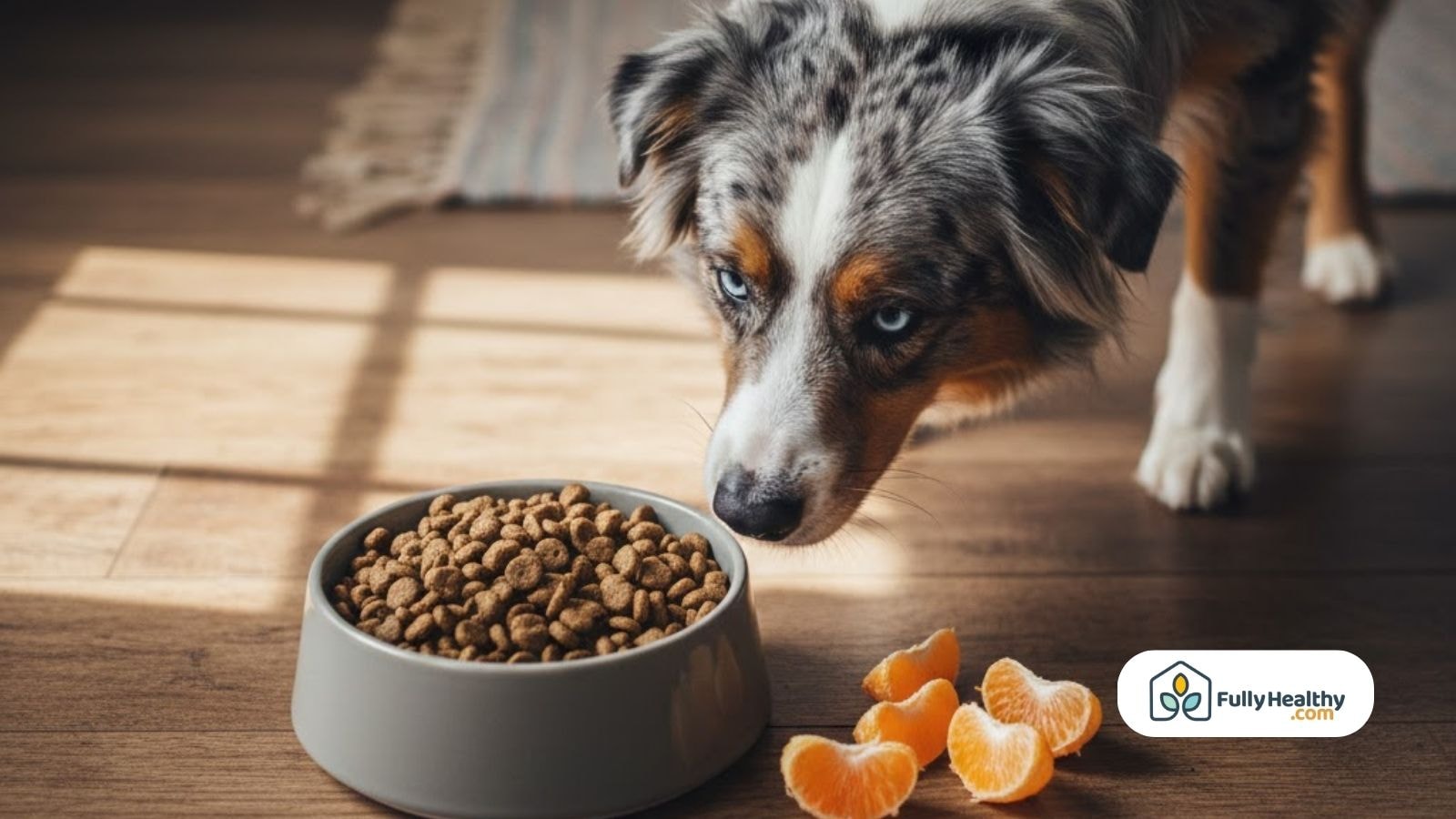
As important as it is to choose safe foods for your dog, you should also know what risks to look out for. Oranges and other fruits are safe for dogs to eat, but they can still get sick from more serious conditions. The main reason dogs die varies by age and breed, but there are a few health problems that are risks for all dogs.
Common Health Risks for Dogs
Veterinary medicine has shown that both long-term illnesses and sudden accidents can kill dogs. Some of these are harder to avoid, like heart disease and cancer. Some, like bloat or poisoning, can be avoided if pet owners know what to look out for.
-
Hemangiosarcoma: A common cancer in big dogs that causes them to bleed internally all of a sudden.
-
Gastric Dilatation and Volvulus (GDV): It's called bloat, and it mostly happens to large breeds of dogs. They need surgery right away.
-
Kidney Failure: Long-term kidney problems might not show up until they are very bad.
-
Heart Conditions: Heartworm disease and cardiomyopathy are both fatal if not treated.
-
Toxins: Essential oils, chocolate, and grapes are all examples of poisonous foods that can kill you.
How to Improve Your Dog's Lifespan
Even though you can't always keep your pet from getting sick, there are things you can do to help keep your furry friend healthy. For long-term health, it's important to keep your dog at a healthy weight, take them to the vet regularly, and feed them a balanced diet full of the right nutrients.
-
Feed smart: Most safe fruits for dogs, like oranges or apples, are best served raw and in moderation; cooking is not typically necessary or recommended.
-
Stay active: Your dog's dog's immune system and heart will benefit from regular walks.
-
Vet visits: Early detection of diseases is key to survival.
-
Avoid toxins: Keep your dog away from citrus fruits that have peels and seeds, and don't use oils that have harmful chemicals in them.
What Does FullyHealthy.com Offer for Dogs and Pet Owners?
Even though FullyHealthy.com isn't a pet store, it can help pet owners who need to find food that is good for their pet. Even though it doesn't sell dog treats directly, a lot of its products help families where both people and dogs need to eat in a clean, safe way. For example, if you live with two cats and a dog, a healthy kitchen is good for everyone.
Healthy Living for You and Your Dog
This site has low-sugar, allergen-free, and AIP-friendly foods that are good for families' health as a whole. Since new foods come into shared areas, it's important to pick safe foods if your dog likes to dig through trash to find food. Some things in human food could make a dog sick or even kill them.
-
Low-sugar ingredients: Better for pets with diabetes.
-
No hidden toxins: Stay away from essential oils and too much sugar.
-
Whole-food products: Easier for dog owners to keep track of the dog's daily calorie intake.
Relevant Products for Dog Households
When given the right way, dogs and many pet owners eat oranges. If you drop something on your pet by accident, Fully Healthy sells items like coconut sugar, maple syrup, and seasoning blends that are less likely to hurt them. These choices make it easier to safely feed oranges or similar healthy snack options at home.
-
Natural seasonings: Do not use ingredients that are bad for dogs, like onion or garlic.
-
Low sugar options: Very important for dogs whose bodies are easily harmed.
-
Family-safe baking mixes: Encourage good immune system habits all over the house.
-
No artificial additives: Safeguard your dogs while you eat and make treats.
Final Thoughts
Oranges are safe for dogs to eat in small amounts, and orange slices can be a healthy treat for your canine companion. Oranges are safe in small amounts due to fiber and vitamin C, but they are not essential in a dog’s diet. Parents shouldn't let their dogs eat orange peels.
Instead, they should give their dogs peeled mandarin oranges or blood oranges as treats every once in a while. Oranges are a good low-calorie treat for big dogs, but you should always think about a dog's daily calories. For dogs, oranges are best as a safe, hydrating snack that helps keep their immune systems strong.
FAQs
Can dogs eat oranges or mandarins?
Yes, dogs can eat oranges and mandarin oranges in small pieces, but pet parents must avoid orange peels and only offer orange pieces that are safe for dogs.
Why do dogs love oranges?
Dogs love to eat oranges because they are sweet and juicy, but not all dogs like citrus; feeding your dog regular oranges without peel is safest.
What are signs of orange poisoning in dogs?
If dogs eat orange peels or foods with essential oils, they may vomit or get diarrhea. High sugar and peel parts can lead to digestive issues or gastrointestinal upset. Peels are a choking hazard and not safe fruits for your dog’s well-being.
What is the healthiest fruit for dogs?
Oranges are good for dogs in small quantities and offer vitamin C and dietary fiber. But some dogs enjoy other safe fruits like apples or watermelon. Always serve oranges to dogs prepared correctly to avoid issues.
What fruit hydrates dogs?
Oranges to dogs on hot days are a great hydrating and healthy option. Dogs enjoy the taste, but only give orange slices in small quantities to avoid digestive issues. Large dogs may tolerate more, but safe fruits should always be prepared correctly.
Leave a comment