

How Long Do Oranges Last? Stop Wasting Fresh Oranges

Oranges taste great, but they don't last long. You can store them in different ways and for different amounts of time. When left out in the open, they go bad quickly. They can last for weeks in the fridge. If an orange is bad, it will have soft spots or a sour smell.
This article talks about how to store oranges so they stay fresh longer and how to tell when they are going bad.
Featured Pantry Pick
St. Dalfour // Orange Marmalade Fruit Spread - 10 oz
Loading...
How Long Do Oranges Last?
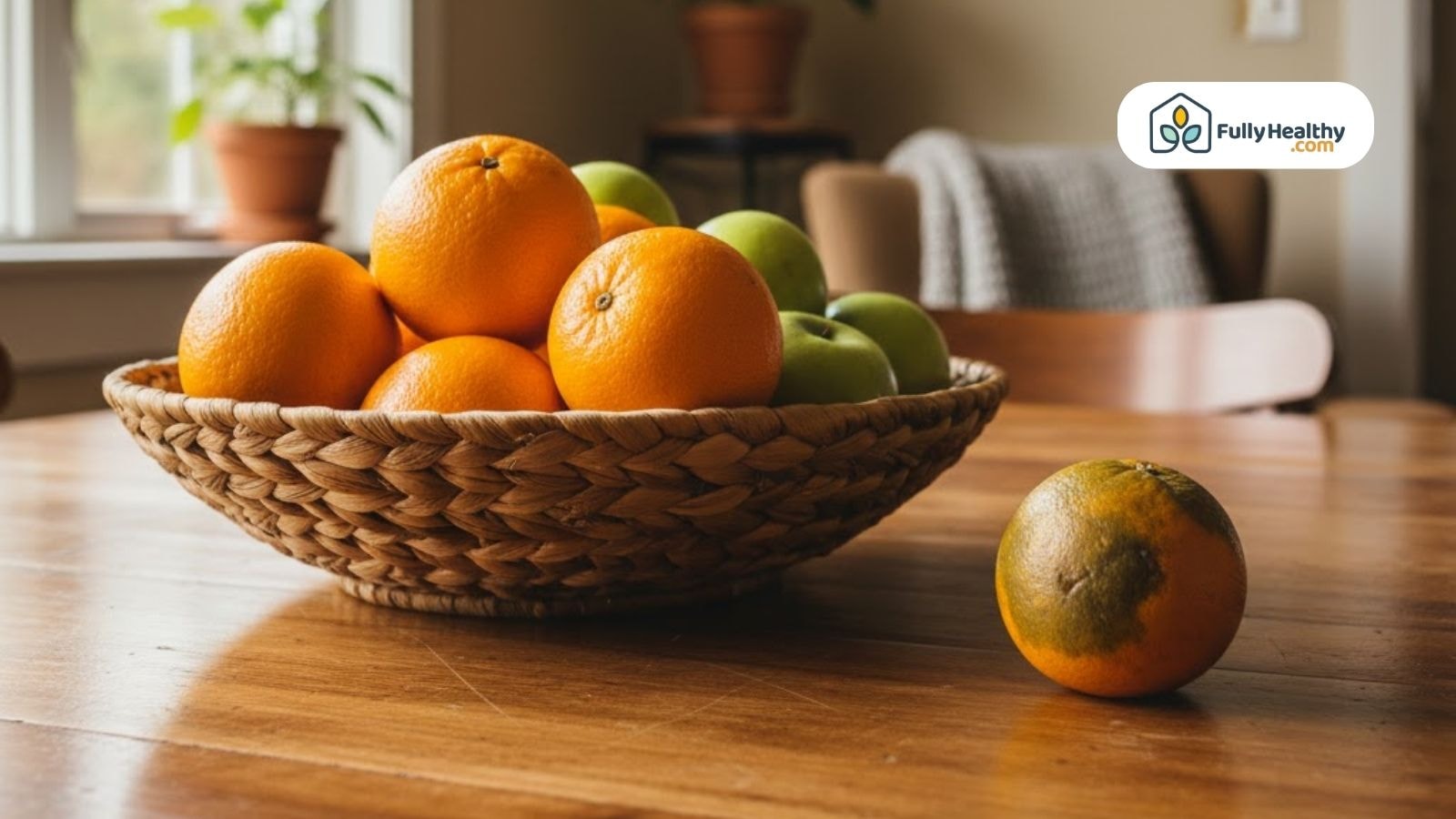
One of the most delicious fruits, especially in the winter months, is the orange. But they go bad after a while, just like any other fresh fruit. How you store oranges affects how long they last. Oranges that are left out at room temperature will go bad faster than oranges that are kept in cold storage. Fresh oranges will last longer if you keep them in a cold place, like a fridge or freezer, instead of a fruit bowl.
Storage Timelines Across Conditions
Putting oranges away the right way is the best way to keep them fresh. Temperature and how you store things are very important. Fresh oranges can last a long time and still taste good if they are stored properly. Ethylene-producing fruits like apples and bananas accelerate ripening, but not spoilage. Lemons and oranges are less sensitive to ethylene than climacteric fruits.
-
Room Temperature: Oranges may last 5–7 days at room temperature depending on ambient conditions.
-
Fridge (Crisper Drawer): A whole orange can last up to three weeks.
-
Freezer: If you put frozen oranges in a freezer bag and seal it. Frozen orange slices or juice can last 3–12 months if stored at or below 0°F in airtight packaging.
Factors Influencing Longevity
Oranges don't always last that long. It depends on how ripe it is when you buy it, where you store it, and how humid it is. With a few quick tips, orange storage is easy to keep track of.
-
Ripeness: Oranges that are ripe should be eaten soon.
-
Ideal Temperature: For the longest life, keep it between 45°F and 50°F.
-
Moisture: Mold grows in damp places, so keep citrus fruits dry.
-
Air Flow: Do not use plastic wrap or bags made of plastic. Instead, use a mesh bag.
-
Direct Sunlight: Stay away from it and go somewhere dark places instead.
-
Other Fruits: Apples and bananas give off gas that makes oranges go bad, so stay away from them.
How Can You Tell If An Orange Is Gone Bad?
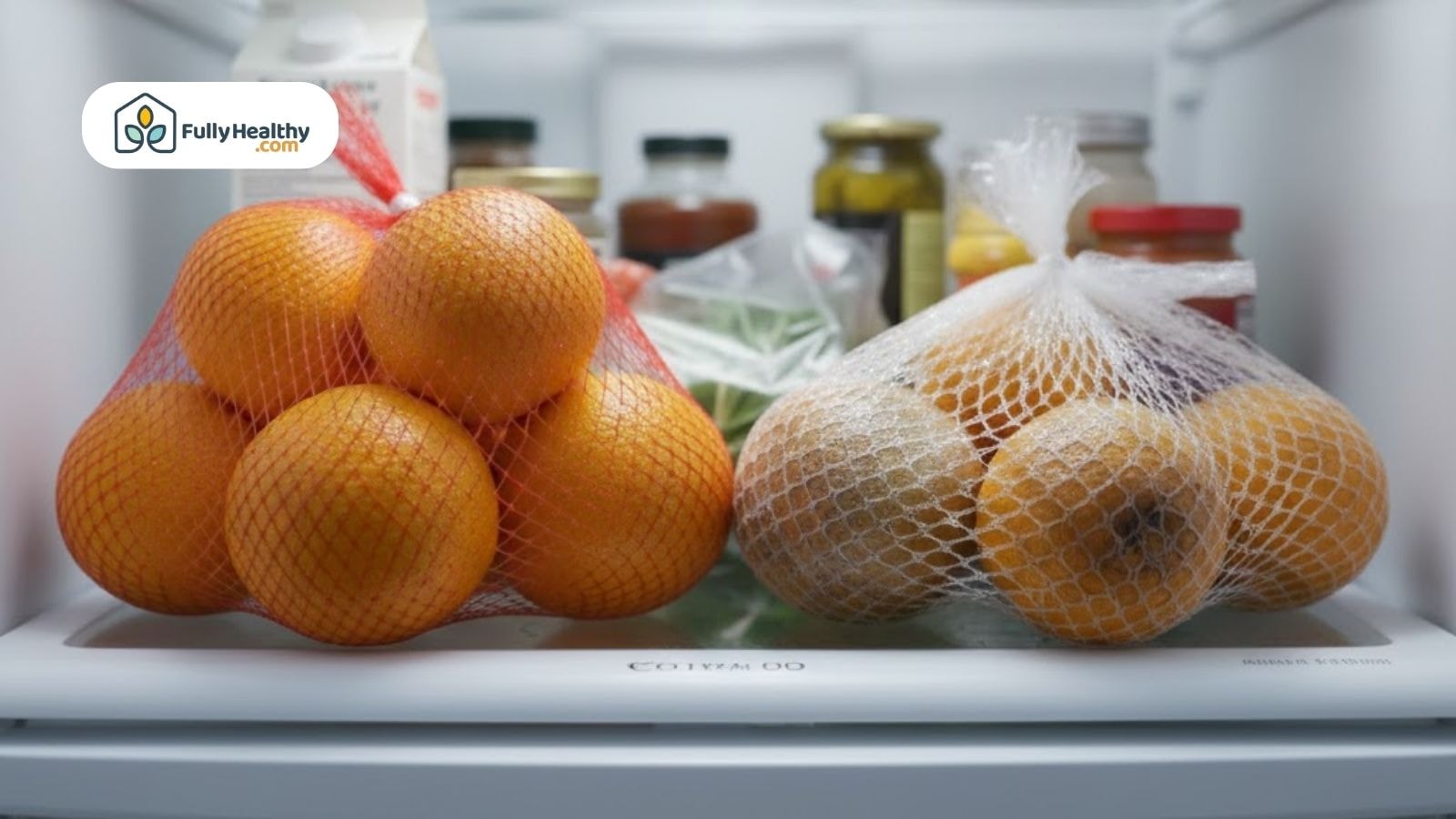
If an orange is fresh, it should smell sweet and be clean. You should get rid of the peel if it feels soft or smells bad. Citrus fruits like navel oranges naturally go bad, but it's easy to tell when one isn't good. Before you eat, look, smell, and touch things.
Visual and Tactile Indicators
There are clear signs of spoilage on the outside of the orange. Before you cut or juice it, check the skin.
-
Soft Spots: Soft spots may indicate over-ripeness or damage but aren't definitive signs of spoilage unless accompanied by odor or mold.
-
Mushy Spots: That it's no longer edible.
-
Dry Skin: The peel looks dry or dull.
-
Discoloration: On the skin, there are dark spots or green mold.
Smell and Taste Detection
If an orange is bad, it will often smell sour or funny. It's probably gone bad if it doesn't smell fresh or citrusy. Another important thing is to taste it, but only after you've looked at it.
-
Sour Smell: This means the orange has gone bad.
-
Off Taste: Bitter, alcohol-like, or not sweet.
-
Juice: Throw away orange juice that doesn't taste right.
-
Peel: Don't eat it if it feels rubbery or sticky.
Is It Okay To Eat Expired Oranges?
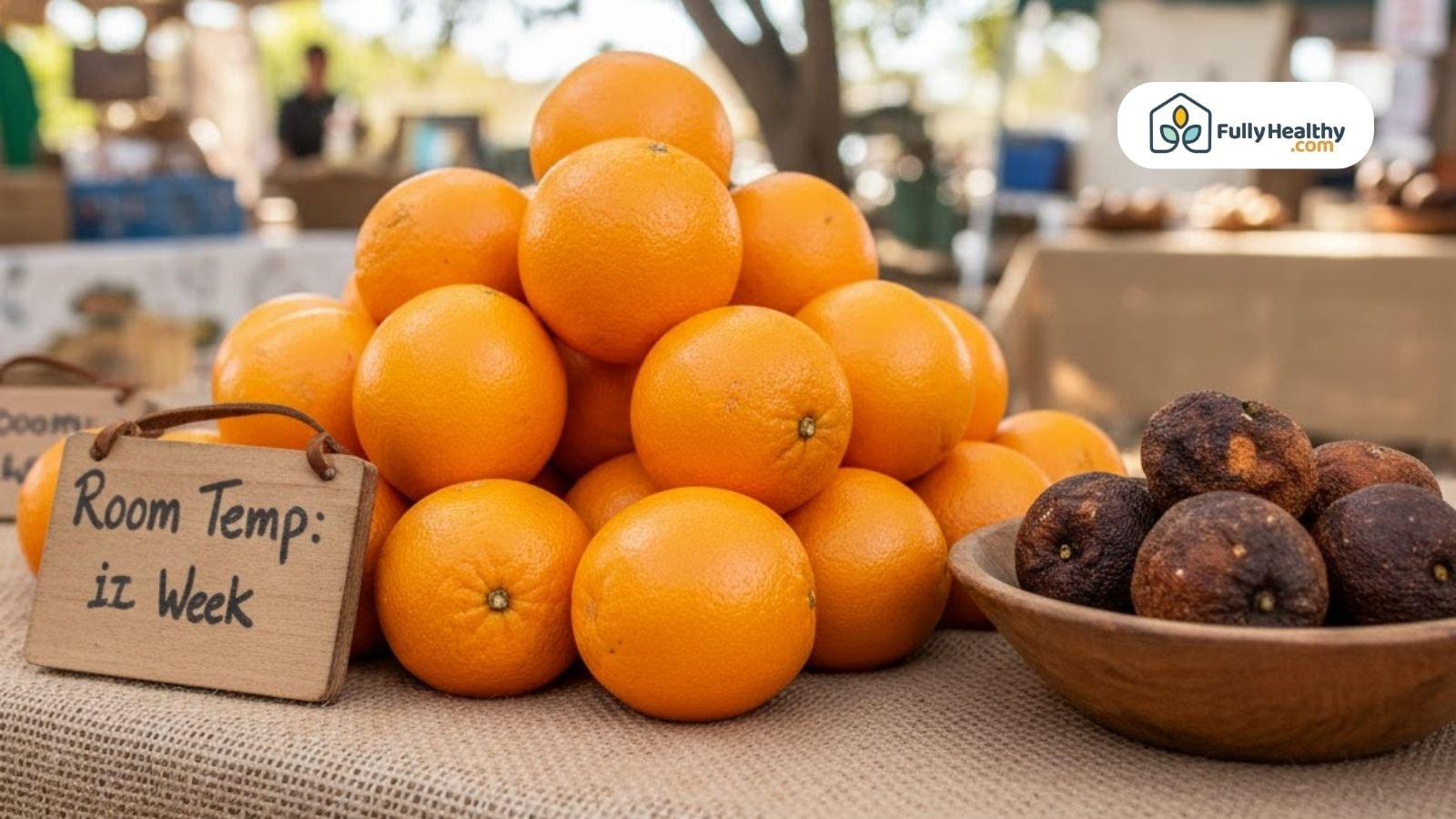
When it comes to whole oranges, "expired" doesn't always mean "not safe." But how long the orange lasts depends on how it is stored and how it looks and smells. When stored properly, fresh oranges can be eaten even after their "best-by" date. But you should throw it away if you see mold or smell something bad.
Understanding “Expired” In Fresh Produce
Unlike packaged foods, oranges don't usually have hard dates on when they go bad. You judge by how fresh it is instead. It's more about how it looks, smells, and tastes.
-
Best-By Date: Fresh oranges often don’t have best-by dates; shelf life is best judged by storage conditions and sensory cues.
-
Freshness Check: Listen to your body, not the calendar.
-
Cut Oranges: Cut oranges can last 3–4 days in an airtight container in the fridge.
Food Safety Risks And Judgment Calls
If mold or bacteria are present in bad citrus, it can make you sick. Orange juice, orange peels, and cut oranges go bad faster than whole oranges. You shouldn't eat the fruit if it feels soft or smells bad.
-
Spoilage Risk: Toxins can be made by mold.
-
Proper Storage: Oranges that have been peeled or cut should always be kept in the fridge.
-
Use Airtight Containers: It keeps citrus fruits fresh longer after they've been peeled.
-
Don’t Guess: Throw it away if you're not sure.
How Quickly Do Oranges Spoil?
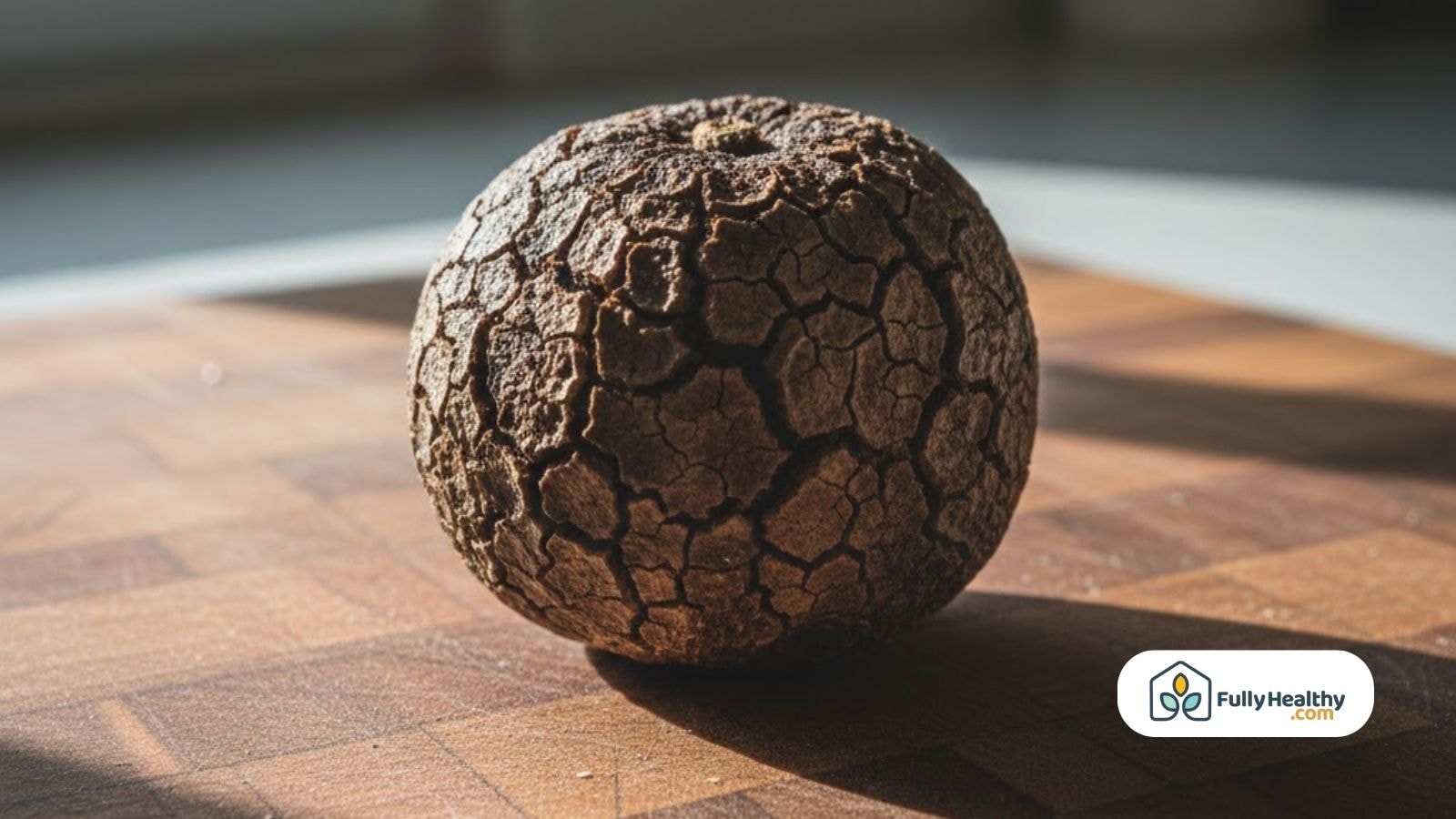
One of the most popular fruits is the orange, but if you don't take care of them, they go bad very quickly. How you store oranges and how good they are when you buy them affect how long they last. They're full of vitamin C and good for your immune system, but they won't stay fresh forever. Especially for ripe fruit, food that is left out at room temperature goes bad faster.
Spoilage Speed by Storage Type
First, you need to know how different places affect the oranges' shelf life in order to store them well. How you store oranges is very important for keeping them fresh, whether they are navel oranges, cut oranges, or peeled oranges.
-
Room Temperature: When oranges are left out, they only last one or two days before they start to go bad.
-
Refrigerator (Crisper Drawer): This place keeps oranges fresh for up to three weeks, especially if they are kept away from apples and other vegetables.
-
Freezing: Citrus juice can retain flavor and nutrients up to 12 months when frozen; whole oranges do not freeze well due to texture breakdown.
-
Cut Oranges: For best results, eat your sliced oranges within two days to avoid getting mushy spots or losing their flavor.
Tips to Prevent Rapid Spoilage
By learning the right way to store oranges, you can make them last longer and waste less food. Oranges and other citrus fruits can stay fresh-tasting and clean if you follow these steps.
-
Use Proper Bags: Plastic bags hold water and make fruit go bad faster, so don't use them. You should use a mesh bag instead, which lets air flow.
-
Keep Away from Apples: Citrus fruits go bad faster when apples give off gases.
-
Store Separately: Do not mix oranges with leafy greens or other vegetables. Keeping them in a separate area is best.
-
Avoid Fruit Bowls: In spite of how nice they look, these are not the best places to keep fresh fruit for a long time.
-
Freezing Slices: Cut up oranges, wash them, and put them in a freezer bag if you can't eat them right away.
-
Cold Is Key: The best way to keep fresh citrus for longer is to put it in the fridge.
What Does FullyHealthy.com Offer for Citrus-Friendly Diets?
FullyHealthy.com is an online store that only sells things that are good for people on strict diets. It has foods that don't contain allergens or gluten or are AIP-friendly. It doesn't sell oranges itself, but it does sell healthy foods like seasonings and natural sweeteners that go well with citrus fruits.
This is helpful for people who want to eat better food that doesn't have any extra chemicals or allergens added to it.
What Does FullyHealthy.com Specialize In?
This website helps people find foods that are better for them instead of usual ones. It can be hard to stay away from certain ingredients, but this site can help. They focus on products with clean labels, and a lot of them go well with citrus.
-
Diet-Friendly Products: Gluten-free, AIP, and paleo-friendly foods are available.
-
Natural Ingredients: There aren't many fillers or additives in most products.
-
Trusted Brands: Work together with health-related small businesses.
Citrus-Friendly or Orange-Compatible Products
Even though they don't sell oranges, a lot of their food goes well with citrus. Some of these are mixes and snacks that go well with fresh fruit, orange juice, or zest.
-
Sweeteners: In orange-based recipes, both organic maple sugar and coconut sugar work well.
-
Snacks and Mixes: Foods like banana bread mix go well with nuts or orange slices.
-
Storage Tips Included: A lot of things come with instructions on how to best use and store them.
Final Thoughts
If you know how long oranges last, you can eat them longer and waste less fruit. Avoid putting whole oranges near bananas because bananas go bad faster than oranges. Instead, put them in the crisper drawer of your fridge.
Wash them before you eat them, and decide how to store them based on when you want to eat them. Fruits from the tree come in different kinds, and ripe ones may only stay good for two weeks. Make sure you buy them before they go bad, and enjoy the taste, vitamin C, and health benefits of each one. For the best results, store them in the fridge.
FAQs
When should you throw away oranges?
Throw away oranges at the first sign of spoilage like bad taste or soft spots, especially if you don’t store oranges in the crisper drawer of the refrigerator.
Can bacteria grow in orange juice?
Yes, bacteria can grow in orange juice if the storage method is wrong, especially if you don’t refrigerate it after you wash and store.
When should you not eat oranges?
While bananas emit ethylene gas, this may slightly reduce shelf life of citrus in enclosed spaces, but is not a direct spoilage trigger.
What happens if you don't refrigerate oranges?
Oranges spoil faster in course of days if you store them wrong and not in the refrigerator or crisper drawer with the right storage method.
How long until oranges mold?
Mold can appear in 1–2 weeks if you store oranges wrong and don’t wash them or keep them fresh, especially when stored near bananas from the tree.
Leave a comment