

Can Dogs Have Raspberries? A Simple Guide for Pet Owners
 Photo Credit: Canva Pro
Can dogs have raspberries? Sure, but only in small amounts. These tasty berries are full of antioxidants, fiber, and vitamins that may be good for your dog's health. Raspberries contain trace amounts of natural xylitol, which is not harmful in small quantities but can be dangerous in large amounts.
We'll talk about how many raspberries are safe, what fruits dogs can eat, and which berries are the best in this guide. Let's learn what is safe and what not to do!
Featured Pantry Pick
St Dalfour // Red Raspberry Conserves - 10 oz
Loading...
Can Dogs Have Raspberries?
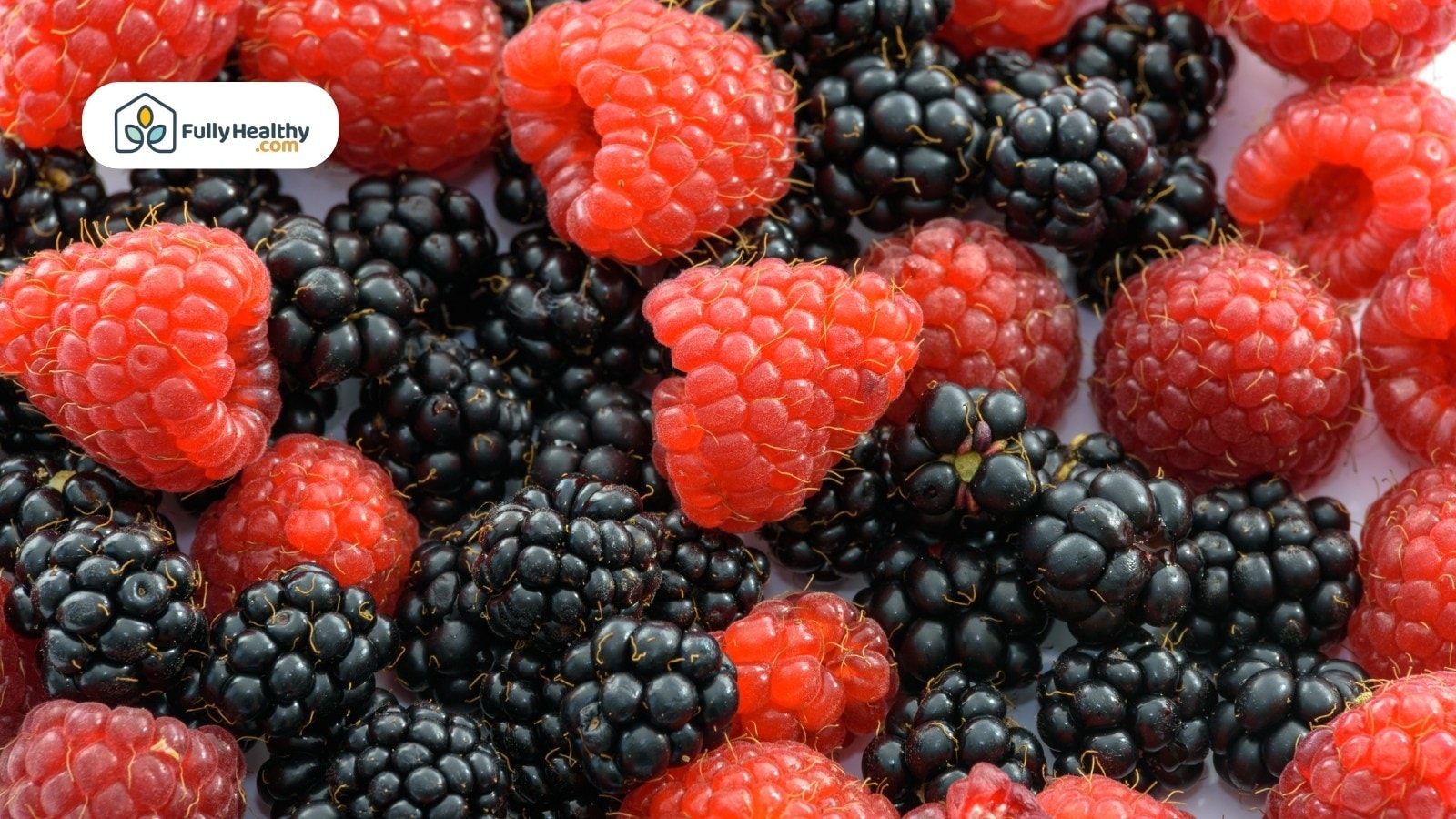 Photo Credit: Canva Pro
Raspberry pieces are safe for dogs to eat, but not too many. Great nutritional value can come from eating a lot of these juicy red berries, but too many can be bad for you. Sometimes they can be a healthy snack when given as an occasional treat. You should know how much is safe as dog owners and how to serve them, though.
Are Raspberries Safe or Toxic for Dogs?
Dogs can eat raspberries, but they do have a small amount of natural xylitol in them. When taken in large amounts, xylitol can be bad for you. Raspberries can be tasty and safe for dogs if they are given in small amounts.
-
Serve in small amounts: Too many raspberries may cause stomach issues like gas or diarrhea.
-
Choose fresh or frozen raspberries: Both are fine, but always wash raspberries first to remove dirt and chemicals.
-
Avoid sweetened products: Don't give dogs jams, canned fruit, or desserts that contain added sugar or artificial sweeteners.
-
Supervise young dogs: If puppies eat raspberries, limit it to 1–2 berries and watch for allergic reactions.
What Are the Health Benefits of Raspberries for Dogs?
If you add raspberries to your dog's food in the right way, they can get a lot of benefits. Raspberries offer low in calories, high in fiber, and full of vitamins and antioxidants that are good for your health.
-
High in antioxidants: Raspberries contain vitamin C, polyphenols, and other compounds that help fight cell damage.
-
Support digestive health: The fiber in raspberries helps regulate the dog’s digestive system and keeps things moving.
-
Good for bone health: They contain vitamin K and magnesium, which help keep bones strong.
-
Ideal as a healthy treat: These berries are low-calorie, making them great for small dogs or those needing to watch their weight.
How Many Raspberries Can I Give My Dog?
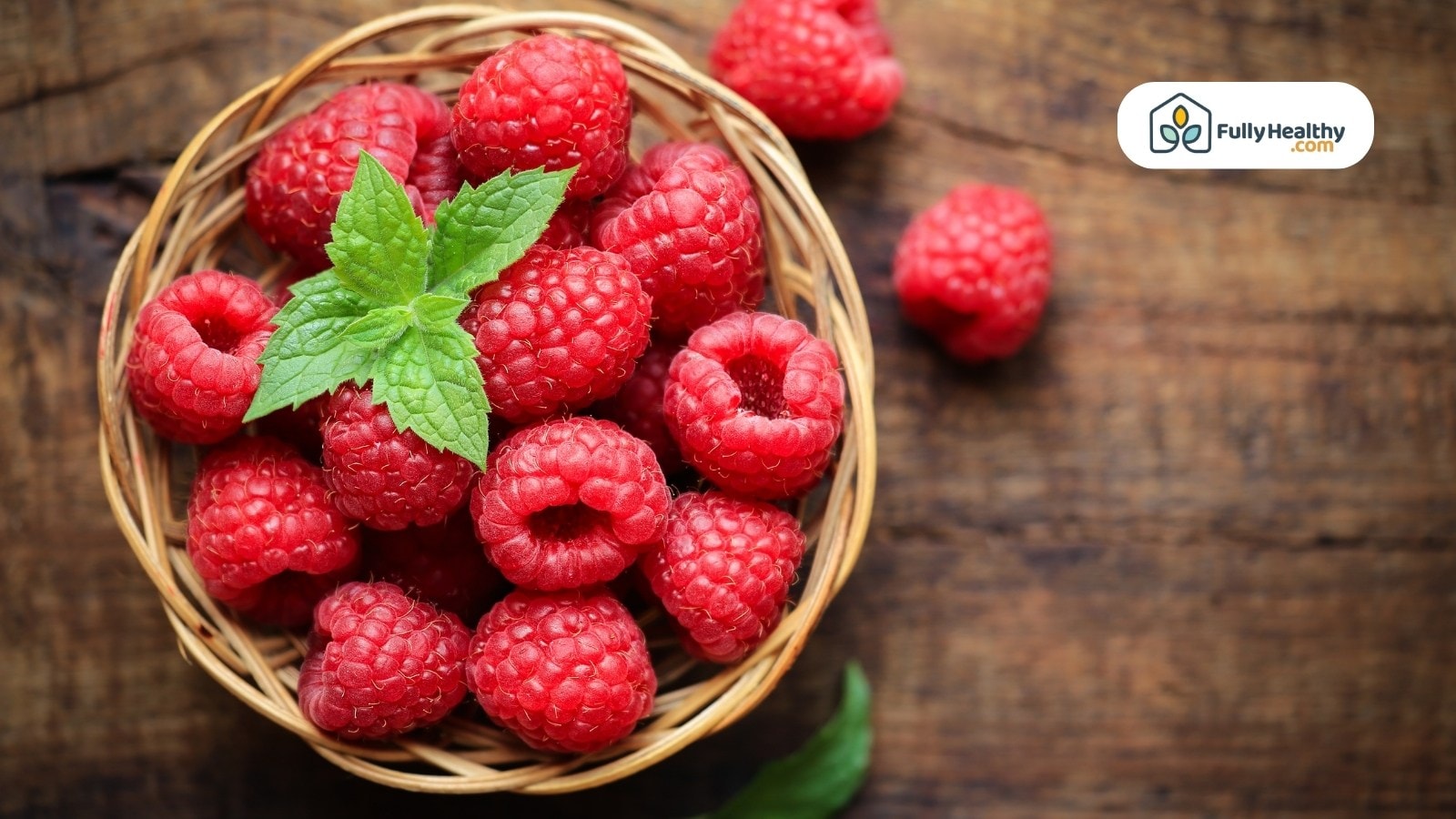 Photo Credit: Canva Pro
When feeding raspberries to dogs, be careful. When given too often or in large amounts, even healthy treats can be bad for you. If your dog is the right size, a few fresh raspberries here and there can be good.
Portion Guidelines by Dog Size
Some dogs should eat more raspberries than others. That way, problems like upset stomach or xylitol buildup won't happen. Portion sizes should be based on breed and weight. Dogs can also eat frozen raspberries, but only if they are plain and broken up into smaller pieces to avoid choking hazard.
-
Toy dogs (e.g., Pomeranian): 1–2 raspberries
-
Small dogs (e.g., Corgi): 2–3 raspberries
-
Medium dogs (e.g., Beagle): 5–6 raspberries
-
Large dogs (e.g., Labrador): A small handful of fresh raspberries
Risks of Overfeeding Raspberries
Raspberries are good for dogs, but too many can be bad for them. Know the signs of eating too much.
-
Xylitol risk: Raspberries naturally contain xylitol, which can build up if dogs eat too many.
-
Digestive issues: Too much fiber can cause gas, bloating, or diarrhea.
-
Choking concern: Always cut or mash raspberries before feeding to puppies or small dogs.
-
Not for diabetic dogs: Dogs with diabetes should avoid fruits like raspberries due to their natural sugar content, which may interfere with glucose control.
Which Fruit Is Good for Dogs?
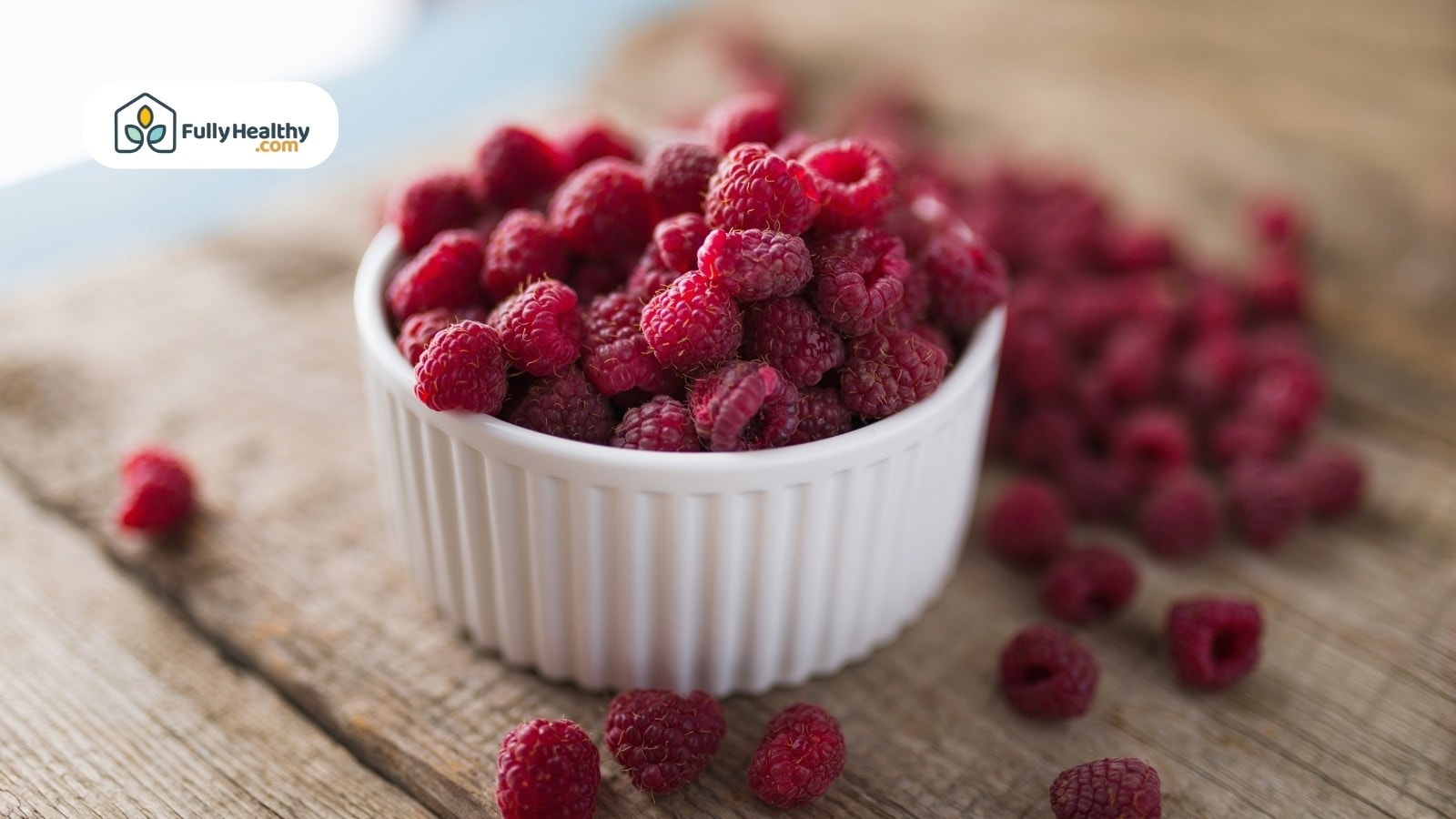 Photo Credit: Canva Pro
Some types of fruit are safe for dogs to eat, but not all of them. While some fruits are very good for you, others can be harmful to dogs. If you own a pet, knowing the difference can help you decide what to do.
Top Dog-Friendly Fruits With Nutritional Benefits
Many fruits make excellent healthy treats. They support your dog’s immune system, digestion, and energy. You can let your dog eat frozen raspberries or other fruits, as long as they’re plain and cut into small pieces.
-
Blueberries: Packed with antioxidants and low in sugar, great for senior dogs.
-
Apples (no seeds): A crunchy source of fiber and vitamin C.
-
Bananas: High in potassium and easy to digest.
-
Watermelon (seedless): Keeps dogs hydrated and provides vitamin A and vitamin C.
Fruits Dogs Should Never Eat
Some fruits look good for you, but they are bad for dogs. They can make reactions very bad or even worse.
-
Grapes and raisins: Can lead to kidney failure, even in small amounts.
-
Avocados: Contain persin, which is toxic to dogs.
-
Cherries: The pits contain cyanide and can block airways.
-
Tomatoes: The green parts contain solanine, which is toxic to dogs.
What Is the Healthiest Berry for Dogs?
 Photo Credit: Canva Pro
Yes, dogs can eat raspberries, but are they the best kind for your pet? Most fruits have various advantages, and certain berries are better for your dog's diet. Find out which healthy fruit is better by comparing raspberries to the others.
Why Blueberries Are Often the Top Choice
Blueberries are often called the healthiest berry for dogs. They’re full of antioxidants and have less natural sugar than other berries, which is better for adult dogs and those with health issues.
-
More antioxidants: Help protect your dog’s cells and lower inflammation.
-
Lower in natural sugar: Safer for dogs managing weight or health conditions like liver disease.
-
Easy to digest: Gentle on your dog’s stomach and unlikely to cause bloating.
-
Brain health boost: May improve memory and support aging canine companions.
How Raspberries Compare to Other Berries
Raspberries are also good for dogs, as long as they are served in small amounts. They can help with inflammation and great dog treat when added to a healthy diet.
-
Great for joint health: Their anti inflammatory properties may help reduce joint pain, especially in senior dogs.
-
Support digestion: Their fiber helps regulate bowel movements and supports gut health.
-
Moderate sugar content: Higher than blueberries, so use raspberries as an occasional snack.
-
Safe for most dogs: As long as you don’t feed your dog too many raspberries.
You can feed your dog raspberries fresh or blend raspberries into frozen treats for a cool, refreshing treat.
FullyHealthy: Raspberry Products You’ll Love
FullyHealthy sells natural raspberry products that animal lovers who care about their health can enjoy. Even though these treats aren't made for dogs, they're great for dog owners who want to eat clean, real food.
St. Dalfour Raspberry Conserves
There is no refined sugar in this St. Dalfour Raspberry Conserves, it only has fruit-based sweeteners. It tastes good and is clean, but it's not for dogs.
-
Naturally sweetened: Made with grape and date juice instead of added sugar.
-
No preservatives: Just real fruit and juice.
-
Paleo and AIP compliant: Great for people on strict diets.
-
Not for pets: Raspberry jam is not safe for dogs due to sugar and fruit concentrates.
Elements Truffles Raspberry Chocolate
The flavor of the Elements Truffles Raspberry Chocolate is made from raspberry oil and beetroot. Organic and good for people with allergies, but it's never safe for dogs.
-
Organic ingredients: Clean and natural for health-conscious dog parents.
-
Infused with real raspberry: Delivers a bold, fruity taste.
-
Coconut-free and AIP-friendly: Good for sensitive diets.
-
Keep away from dogs: Chocolate is toxic and can cause vomiting or difficulty breathing.
Final Thoughts
If you share raspberries with your pet the right way, they can be a tasty and healthy snack. Dogs do eat raspberries, but not very much. Raspberries are good for dogs in moderation due to fiber and antioxidants; they contain small amounts of folic acid and natural sugars. However, giving them too many may make their stomachs upset or pose other health risks.
As with other fruits dogs can eat, small amounts are best. Raspberries are low in calories, making them suitable as a treat during weight management, but they are not a substitute for a balanced diet. Before giving your dog new foods, you should always talk to your vet. Some processed foods, fruit products with added sugars, and chocolate should be avoided because they can be very bad for you. Only give your dog fresh, plain raspberries as a treat. They are safe and healthy.
FAQs
Can dogs eat raspberries every day?
No, dogs eat raspberries only as a treat. Too much can cause stomach upset and health risks.
Are raspberries good for dogs with weight issues?
Yes, raspberries good for dogs needing weight management due to low calories and high fiber.
Can I mix raspberries with other fruits dogs eat?
Yes, but be cautious. Other fruits dogs eat may cause reactions if combined with new foods.
What does the American Kennel Club say about raspberries?
The American Kennel Club says raspberries good for dogs in small amounts but warns about overfeeding.
Are raspberry-flavored processed foods safe for my furry friend?
No, processed foods are not safe. Some ingredients can be extremely toxic to your furry friend.
Leave a comment