

Can Dogs Have Turmeric? Learn Why Vets Recommend It and When to Avoid
 Photo Credit: Canva Pro
Can dogs have turmeric? Yes, they can with the right amount and form. Natural turmeric contains curcumin, which is known to help dogs with joint pain, inflammation, and digestion.
But you need to know the safest amount, the best way to give it to your dog, and any side effects that might happen before you add it to his food. Everything dog owners need to know about using turmeric safely and effectively is in this guide.
Featured Pantry Pick
Simply Organic // Ground Turmeric Root - 2.38 oz
Loading...
Can Dogs Have Turmeric?
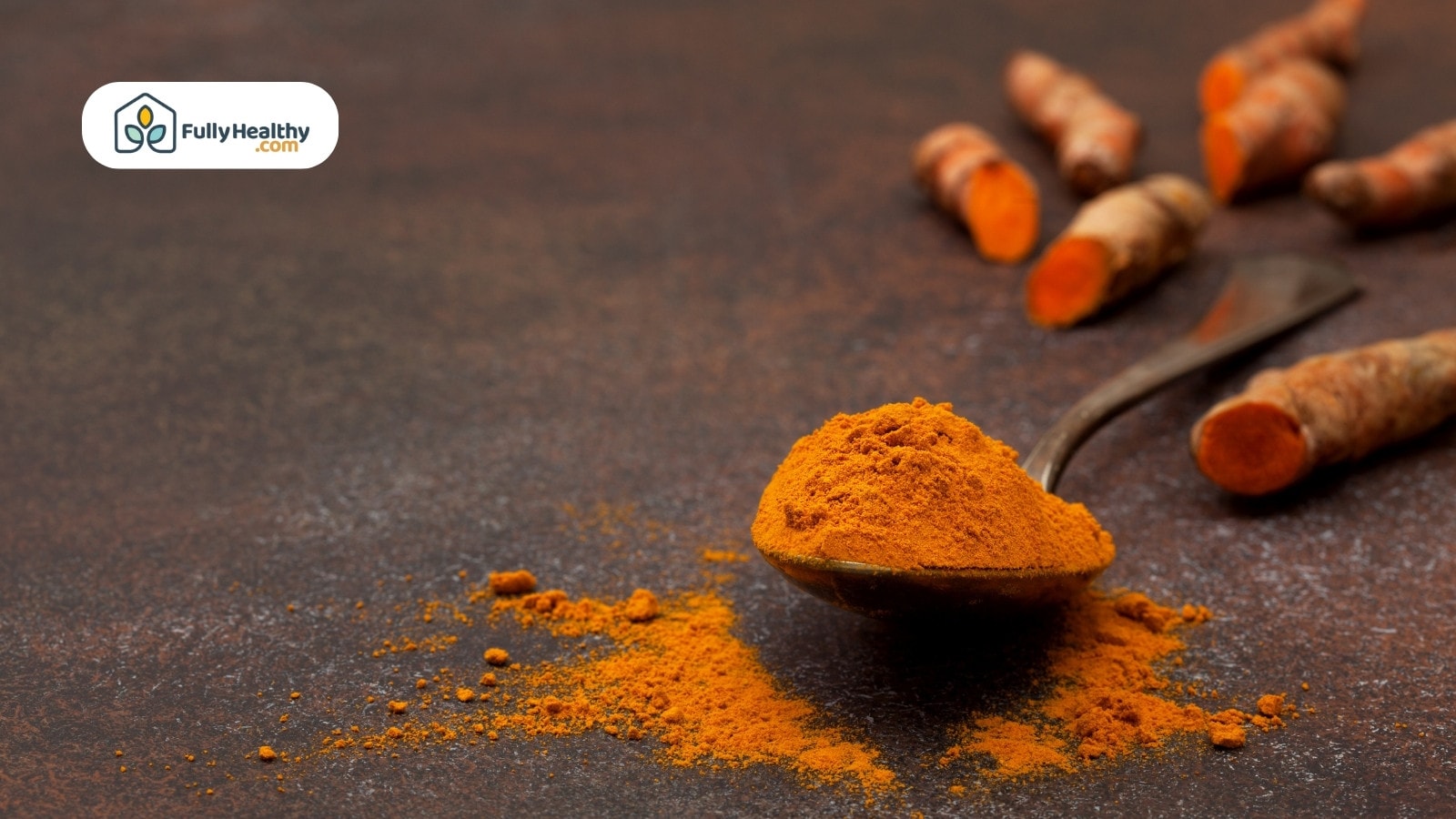 Photo Credit: Canva Pro
The ginger family has a yellow spice called turmeric. It has been used in traditional medicine for a very long time. Many dog owners want to know if their dogs can eat turmeric. The short answer is yes. Turmeric is good for dogs' health when given in the right way and amount.
What Is Turmeric and Why Is It Used in Dog Health?
Curcumin, a natural compound found in turmeric, is known to reduce inflammation. People and pets have used it as a natural cure for a wide range of health issues. It helps reduce swelling and improves a dog's overall health.
-
Natural remedy: Helps reduce pain and inflammation in dogs suffering from joint problems or inflammatory bowel disease.
-
Safe herbal medicine: Often recommended by holistic vets for senior dogs or pets recovering from surgery.
-
Supports healing: Curcumin may aid wound healing and ease chronic inflammation linked to age or environmental factors.
Key Health Benefits for Dogs From Clinical Evidence
Turmeric isn't just a spice; it has real health benefits that are backed by science. The anti-inflammatory benefits and antioxidant properties of this food help many dogs, whether it is added to their food or given as a supplement.
-
Fights inflammation: Curcumin has notable anti-inflammatory properties that may help reduce joint pain and stiffness in some dogs.
-
Boosts immune system: Helps dogs fight diseases by improving immune response.
-
May slow cancer growth: Studies show turmeric might slow tumor cell proliferation and help in cancer treatment.
How Much Turmeric Can You Give to Your Dog?
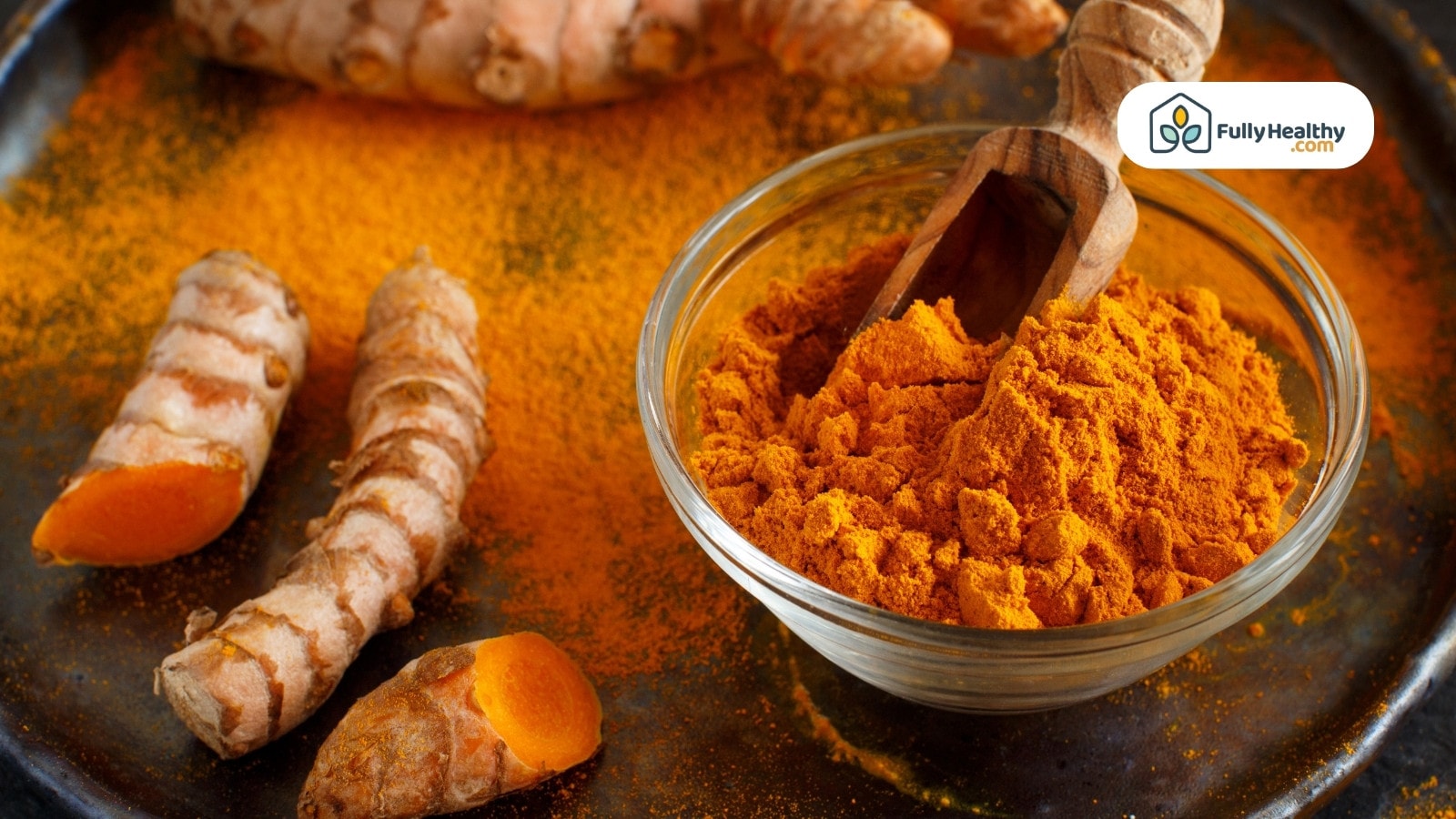 Photo Credit: Canva Pro
Your dog may benefit from eating more turmeric, but you must do it safely. Quantity needed is based on the weight of your dog and the kind of turmeric you use.
Dosage Recommendations Based on Weight and Form
Carefully measure the turmeric. If you're going to use turmeric powder or supplements, start out small and build up slowly.
-
Small dogs (under 20 lbs): Start with 1/8 teaspoon per day.
-
Medium dogs (20–50 lbs): 1/4 teaspoon daily is a safe amount.
-
Large dogs (50–100 lbs): Can take between 1/2 to 1 teaspoon per day.
-
Use dog turmeric chews: These pre-measured treats are safer and easier to give.
Choosing Between Powder, Golden Paste, or Chews
Some types of turmeric are better than others. Pick what works best for your pet and your way of life.
-
Turmeric powder: Must be combined with oil or black pepper for better absorption.
-
Golden paste: A mix of turmeric, coconut oil, and black pepper that boosts curcumin’s effect.
-
Turmeric chews: Great for dog owners who want a mess-free, tasty option.
What Are the Side Effects of Turmeric for Dogs?
 Photo Credit: Canva Pro
Many health benefits come from turmeric, but not all dogs should eat it. Just like any other supplement, it should be taken slowly to keep side effects from happening.
Potential Adverse Reactions to Monitor Closely
When dogs first start taking turmeric, they might have some mild stomach problems. These usually go away after the dose is changed.
-
Stomach upset: Look for signs like gas, bloating, or diarrhea.
-
Constipation or vomiting: May happen if the dose is too high.
-
Loss of appetite: Reduce or stop turmeric and check with your vet.
When Turmeric Is Unsafe: Conditions and Medications
For example, dogs that are on medicine or already have health problems should stay away from turmeric.
-
Dogs with bleeding issues: Turmeric is a natural anti inflammatory that can thin the blood.
-
Dogs with gallbladder disease: Can worsen gallstone or bile flow problems.
-
Dogs on medication: It may interact with cancer treatment drugs or fish oil.
Do Dogs Need Black Pepper to Absorb Turmeric?
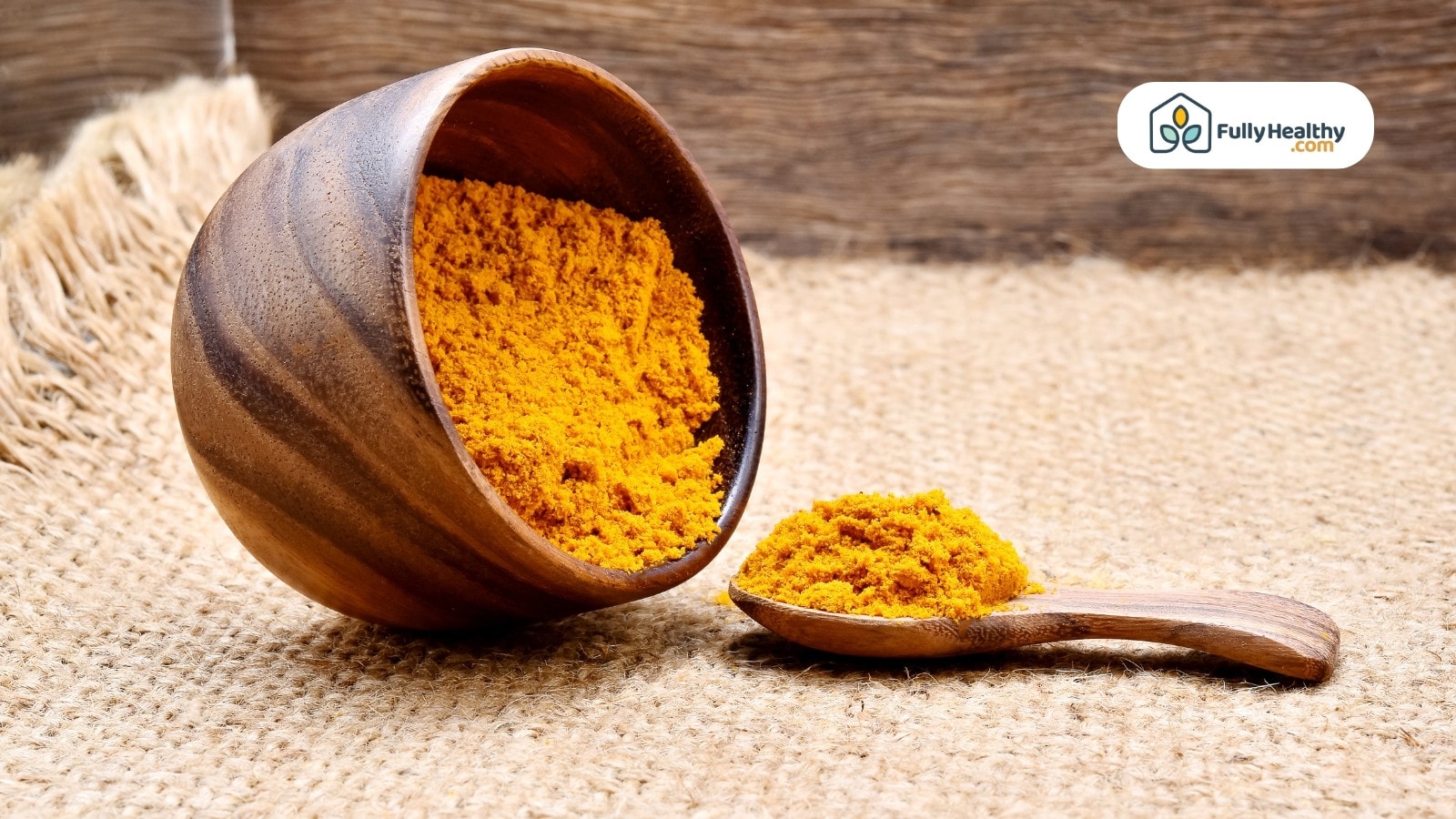 Photo Credit: Canva Pro
Turmeric is very good for them, but the curcumin in it is hard to absorb on its own. Right now, black pepper is needed. Piperine is in it, and it helps your dog's body use more curcumin. If you don't give it to your dog, he might not get all of the pain-relieving benefits of turmeric.
Why Piperine Is Crucial for Bioavailability
Curcumin extract, a natural part of turmeric, is good for your health in many ways. But it needs something extra to get into the bloodstream right. Black pepper is that helper.
-
Boosts absorption: Piperine has been shown to significantly enhance curcumin bioavailability, with some studies reporting increases of up to 2000%, though exact absorption may vary by species and formulation.
-
Improves anti inflammatory effect: Helps reduce pain, stiff joints, and swelling faster.
-
Supports healing process: More curcumin means better support for joint mobility and immune response.
Golden Paste and How It Improves Curcumin Uptake
A common way to get dogs eat turmeric is to mix it with golden paste. Because it has black pepper, turmeric, and oil in it, curcumin is easier for your dog to absorb and is better for his stomach.
-
Helps reduce health issues: Can manage chronic inflammation linked to many diseases.
-
Supports healthy skin: Works well for dogs with allergies or skin irritation.
-
Easy to add to pet foods: Mix into meals for better flavor and health benefits.
How to Prepare Turmeric for Dogs
To safely introduce turmeric to your pet’s diet, you need to prepare it the right way. Making your own golden paste and pet diet food with turmeric can be easy and safe.
Step-By-Step Recipe for Homemade Golden Paste
When you make golden paste at home, you can control what goes into it and skip fillers that aren't needed. When added to your dog's routine, it's easy to make and can have positive effects and benefits.
-
Use basic ingredients: Combine turmeric powder, water, black pepper, and coconut or olive oil.
-
Cook for 7–10 minutes: Simmer turmeric and water until thick, then mix in the oil and pepper.
-
Start with small doses: Try 1/4 teaspoon once daily for small dogs and increase slowly.
Feeding Golden Paste Safely: Dosage and Timing
Turmeric and other natural remedies need to be taken in the right amount. Having gastrointestinal issues can happen if you give too much too quickly.
-
Follow the recommended dose: Adjust based on your dog’s weight and size.
-
Split the servings: Feed twice a day with meals for better digestion and absorption.
-
Watch for adverse effects: Stop use if your dog shows signs of vomiting or appetite loss.
What Can FullyHealthy Do for You?
FullyHealthy is a reliable online store that sells clean dog health products that have been approved by vets. It's especially helpful for people who want to safely add turmeric to their dog's food.
AIP-Compliant Turmeric Products Available Now
If you don't want to make golden paste yourself, FullyHealthy has turmeric products that are ready to use and will go well with your dog's regular food.
-
Ginger Turmeric Herbal Tea: Helps reduce inflammation and supports relaxation.
-
Turmeric Coconut Wraps: A grain-free, AIP-friendly treat made with turmeric good for digestion.
-
Ground Turmeric Root: A pantry essential that supports the benefits of turmeric in home recipes.
Support for Specialized Diets Like AIP and Paleo
FullyHealthy helps dogs who have allergies, inflammation, or other health issues. Their products make it easy to keep your dog's diet same, even if you have heart disease, allergies, or joint problems.
-
Helps prevent cancer: Curcumin has shown anti-cancer potential in lab studies, but evidence in dogs is insufficient to support preventative claims.
-
Supports dogs with many diseases: Turmeric supplementation may aid in managing some inflammatory conditions like arthritis.
-
No fillers or additives: Only clean, natural ingredients to avoid unnecessary health issues.
Final Thoughts
Turmeric, whose scientific name is Curcuma longa, is more than just a yellow spice. In veterinary care, it has many uses because it is a strong antioxidant. When used appropriately, turmeric may support joint health and inflammation management, though effects vary by individual dog but it will be a huge difference.
It's a natural choice that pet owners like because it stops inflammation and cancer cells from spreading. Turmeric can help your dog's body absorb nutrients better and stay healthy for a long time, whether you make your own golden paste or buy one that already has other ingredients in it. The best way to use turmeric is to follow the advice of a vet.
FAQs
Is turmeric from southeast Asia safe for dogs?
Yes, turmeric from southeast Asia is commonly used in pet foods and has powerful antioxidant benefits.
Can turmeric help with leading cause of joint pain in dogs?
Yes, turmeric may help reduce chronic inflammation, which is a leading cause of joint pain in senior dogs.
Does the yellow color of turmeric mean it's strong?
The yellow color comes from curcumin in turmeric and shows it's rich in antioxidant and anti inflammatory compounds.
What are two methods to use turmeric for dogs?
Two methods include golden paste and turmeric supplements, both offering increased absorption and health benefits.
Can turmeric from asian cuisine work with other ingredients for pets?
Yes, turmeric in asian cuisine forms like powder or paste can blend with other ingredients in dog food for inhibitory effects on inflammation.
Leave a comment