

Can I Eat Fish on a Vegan Diet? Don't Make This Common Mistake
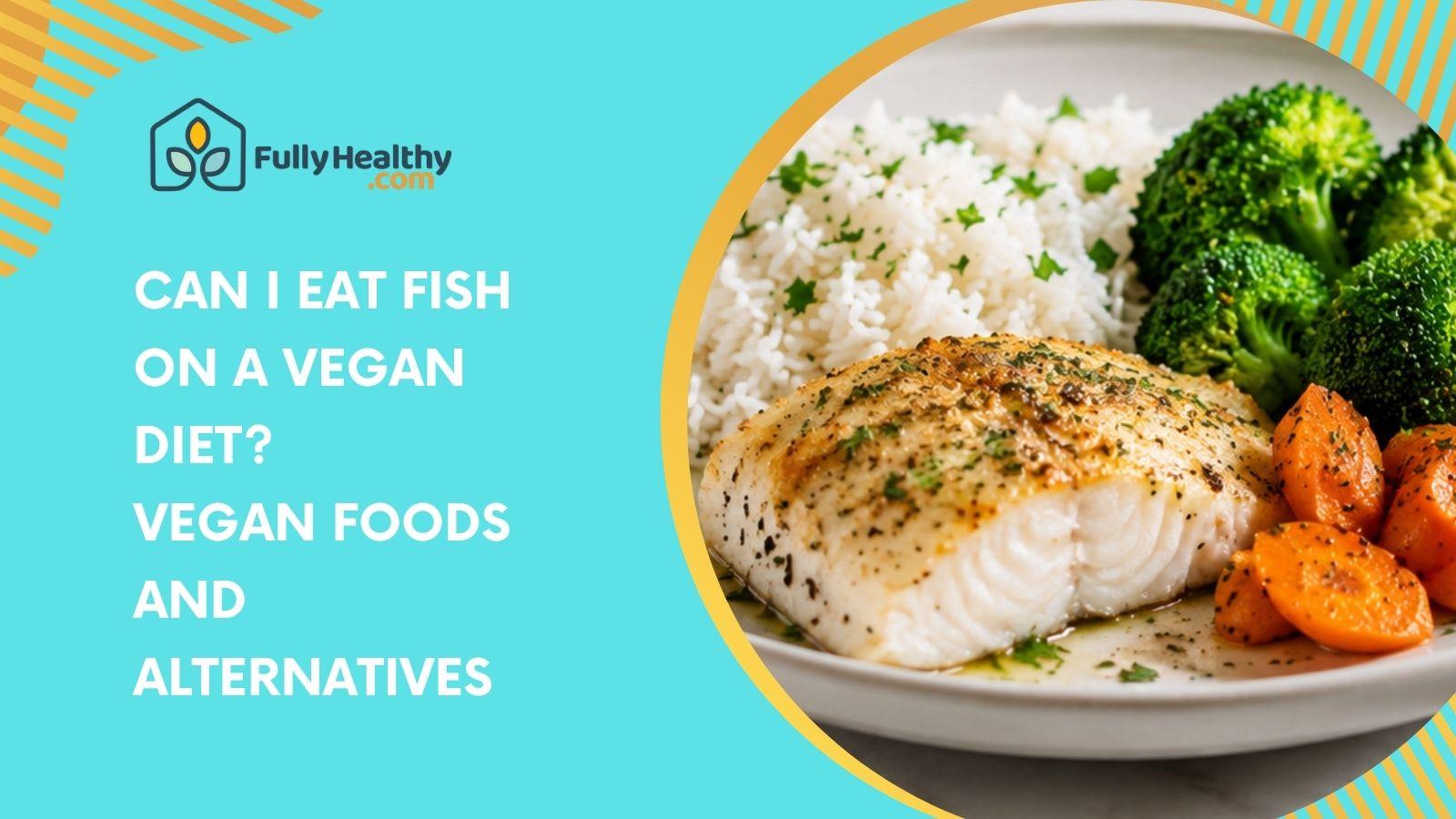
Can I eat fish on a vegan diet? No, because fish are animals and a vegan diet excludes all animal products. Many people confuse vegan, vegetarian, and plant based diets, making this a common question.
This guide explains why fish is not vegan, the best vegan substitutes for fish, healthy vegan foods, and simple ways to enjoy a balanced vegan diet.
Can I Eat Fish on a Vegan Diet?
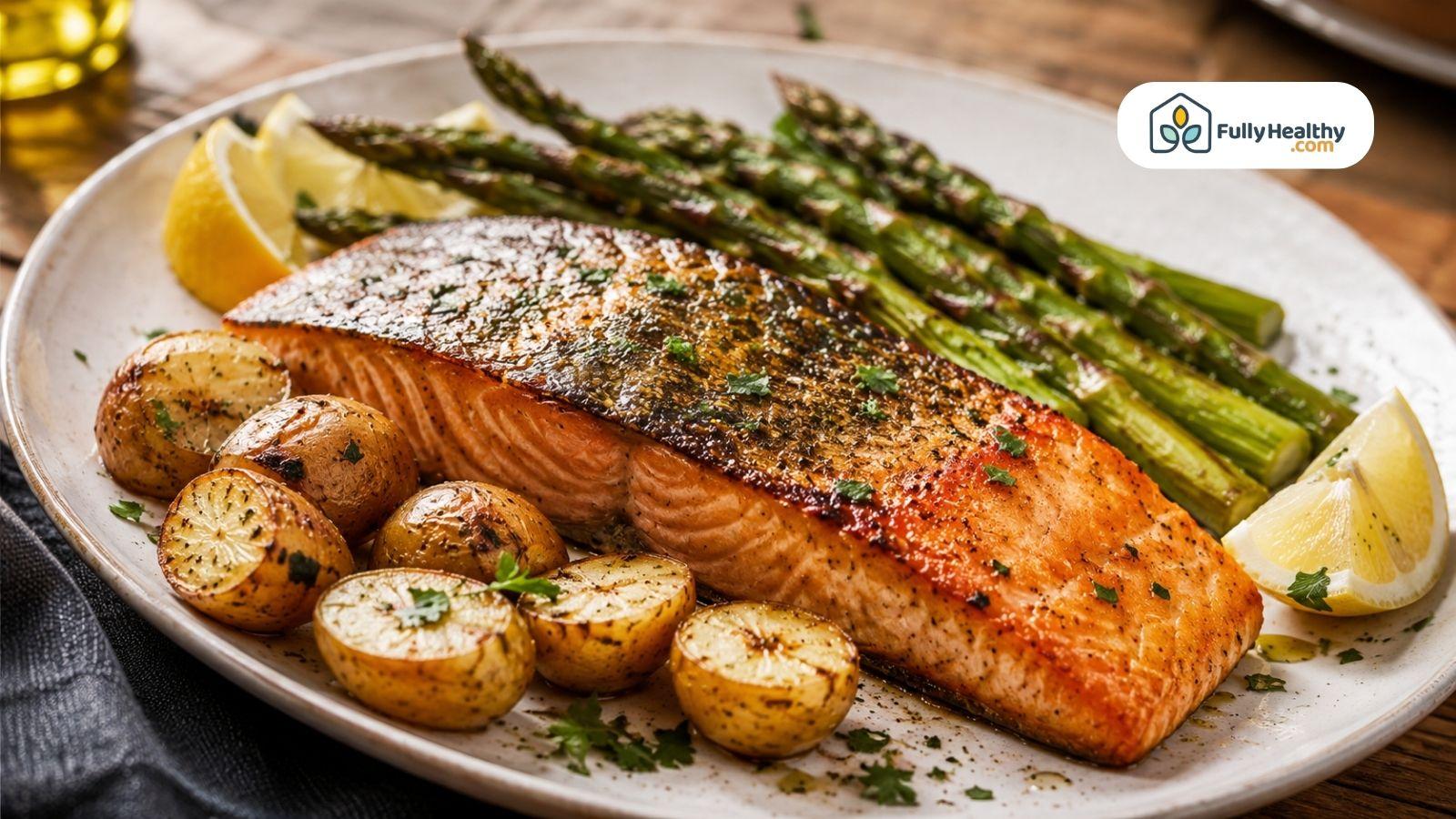
No, you cannot eat fish on a vegan diet because fish are animals. Many people confuse vegan and vegetarian diets, but fish is never part of a true vegan diet.
Why Fish Isn't Vegan
Fish are considered animals, so they are excluded from a vegan diet along with all other animal foods. While some think seafood is healthier than red meat, it is still an animal-based food, which means vegans don't eat fish for ethical reasons, animal welfare, and to reduce animal suffering.
-
Vegan Diet: Excludes fish, meat, shellfish, dairy products, eggs, milk, cheese, and other animal derived products.
-
Vegetarian Diet: Does not include meat or fish, but many vegetarians eat eggs, milk, and cheese.
-
Plant-Based Diet: Focuses mainly on plant-based foods but may still include small amounts of animal foods, depending on the person.
-
Ethical Reasons: Scientific evidence indicates that fish can experience pain-related states, which is one reason ethical vegans avoid eating them.
Why Some Vegans Eat Fish
Some people who previously eat vegan decide to eat fish because of health concerns or personal preferences, but they are no longer following a vegan diet. Their decision does not change the definition of veganism, which continues to exclude fish and other animal products.
-
Important Nutrients: Some people worry about getting enough protein, omega-3 fats, vitamin B12, iodine, and other certain nutrients.
-
Scientific Evidence: A well-planned vegan diet can meet most nutritional needs with vitamin B12 supplements or fortified foods and careful meal planning.
-
Personal Choice: Choosing to eat fish changes the eating pattern from vegan to a plant based diet or pescatarian diet.
-
Health Effects: Individual nutrition needs vary, especially for people managing specific health conditions.
-
Balanced Diet: Planning meals carefully helps many vegans meet nutrition goals without adding seafood.
What is a Vegan Substitute for Fish?
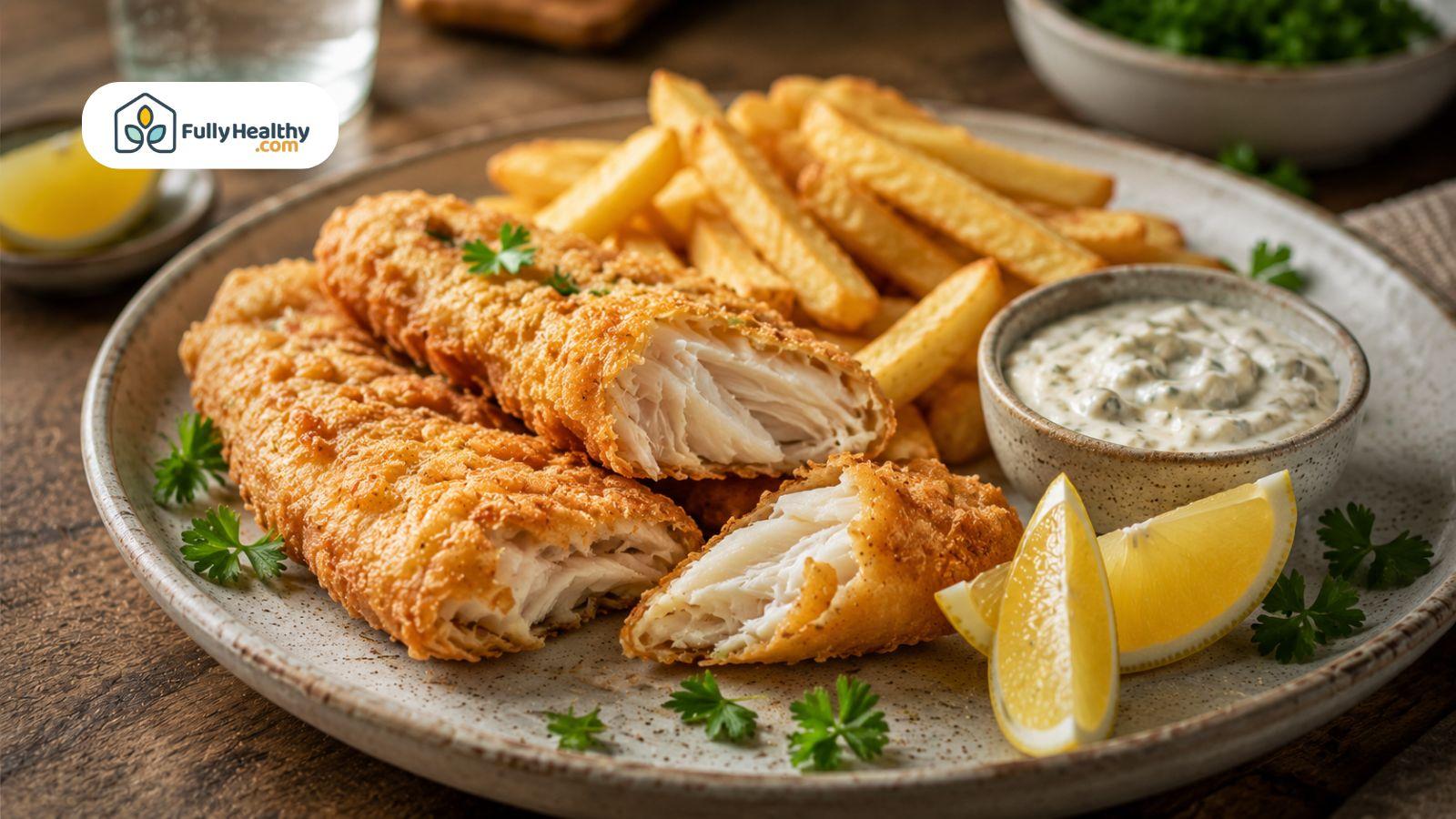
The best vegan substitutes for fish are whole foods like hearts of palm, banana blossom, tofu, and seaweed, along with ready-made plant-based seafood alternatives. They can be used in recipes that traditionally include fish without using animal products.
Whole Food Alternatives
Several plant-based foods can replace fish in everyday recipes using familiar ingredients. These options work well in tacos, sandwiches, curries, salads, and rice bowls while supporting vegan choices.
-
Hearts of Palm: Creates flaky layers that resemble cooked fish.
-
Banana Blossom: Has a texture that works well for vegan fish and chips.
-
Jackfruit: Absorbs seasonings easily and works in many savory meals.
-
Seaweed: Nori, kelp, and dulse provide a natural seafood flavor while adding minerals.
-
Tofu and Mushrooms: Offer plenty of protein and pair well with herbs, lemon, and olive oil.
Plant-Based Seafood Products
Other grocery stores now carry a vegan version of popular seafood products, making it easier to enjoy familiar meals. These products help people transition from eating fish while continuing to avoid non vegan foods.
-
Vegan Fish Fillets: Often made from soy, wheat, pea protein, or other plant ingredients.
-
Plant-Based Tuna: Commonly made with legumes, soy, or pea protein for sandwiches and salads.
-
Vegan Shrimp: Uses starches and plant protein to recreate the texture of seafood.
-
Plant-Based Salmon: Frequently includes algae ingredients that provide omega-3 fats.
-
Ready Meals: Vegan crab cakes, fish sticks, and seafood alternatives continue to become more widely available.
How to Eat Healthy Without Fish?
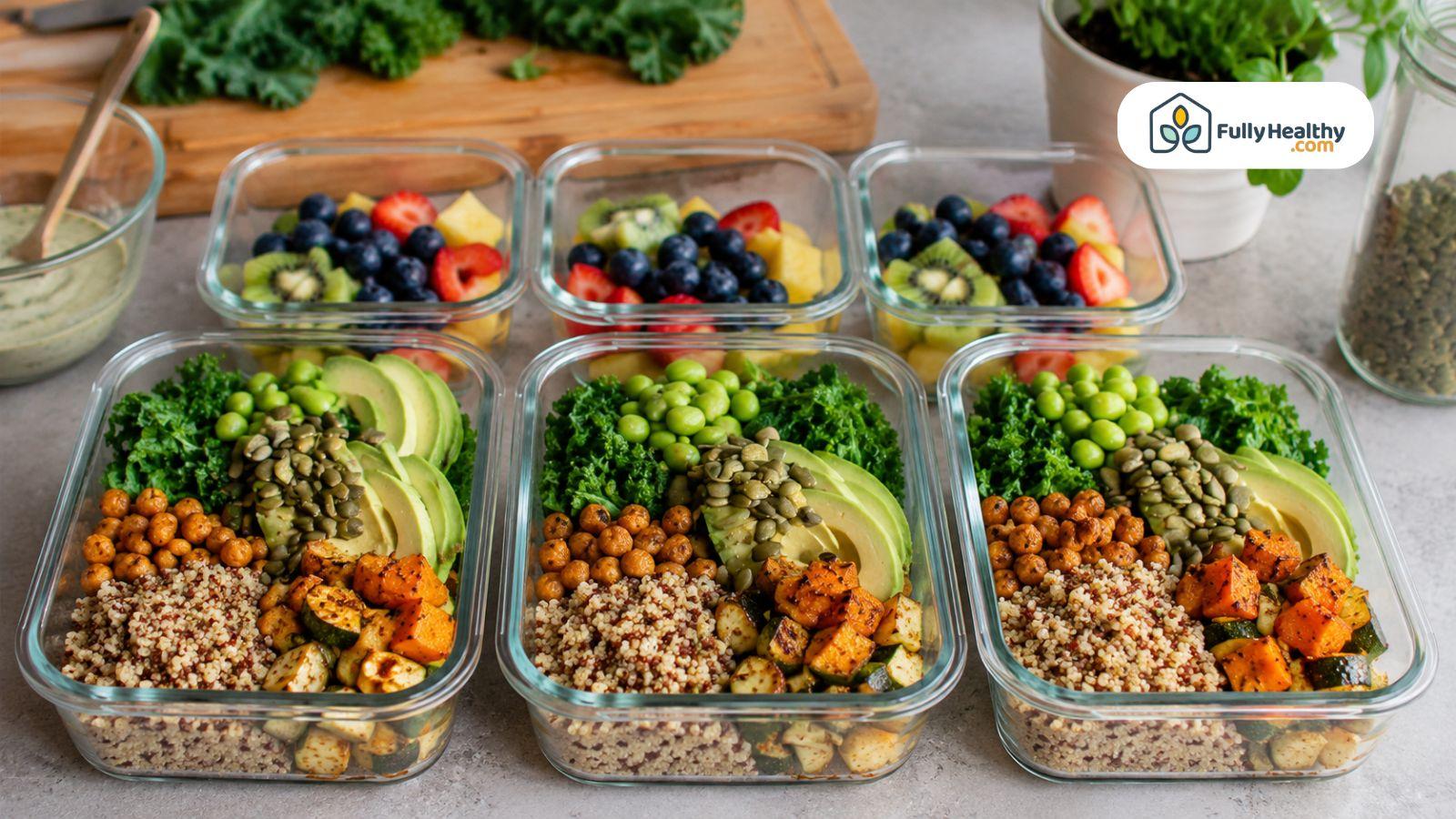
You do not need seafood to eat a balanced diet. A variety of vegetables, whole grains, legumes, nuts, and seeds can provide protein and many important nutrients.
Building Balanced Meals
Healthy vegan meals include a combination of protein, healthy fats, whole grains, and colorful vegetables. Eating a wide variety of plant based foods helps support the immune system, central nervous system, and overall health.
-
Protein: Beans, lentils, tofu, tempeh, and edamame help provide enough protein.
-
Whole Grains: Brown rice, oats, quinoa, and other whole grains offer lasting energy.
-
Healthy Fats: Olive oil, avocado, nuts and seeds, and chia seeds support heart health.
-
Leafy Greens: Low-oxalate greens such as kale, bok choy, and broccoli can provide absorbable calcium, while leafy greens also contribute iron and other nutrients.
-
Balanced Plate: Combining protein, vegetables, healthy fats, and grains creates satisfying meals.
Essential Vegan Nutrients
Some nutrients deserve extra attention on a vegan diet, but they can still come from plant foods, fortified products, or supplements. Building meals around nutrient-rich foods makes it easier to support long-term health.
-
Vitamin B12: Vegans need a reliable source from fortified foods or supplements because unfortified plant foods are not dependable sources of vitamin B12.
-
Iron: Beans, lentils, tofu, fortified cereals, seeds, and some leafy greens provide iron, but plant iron is absorbed less efficiently and is better absorbed when eaten with vitamin C.
-
Calcium: Fortified almond milk, oat milk, soy milk, and soy yogurt can provide calcium, but unfortified products may contain much less.
-
Omega-3: Chia seeds, flaxseed, walnuts, and algae-based supplements are vegan-friendly options.
-
Vitamin D and Iodine: Fortified foods and supplements may help meet daily needs, depending on your diet and lifestyle.
What Foods Can I Eat if I Am Vegan?
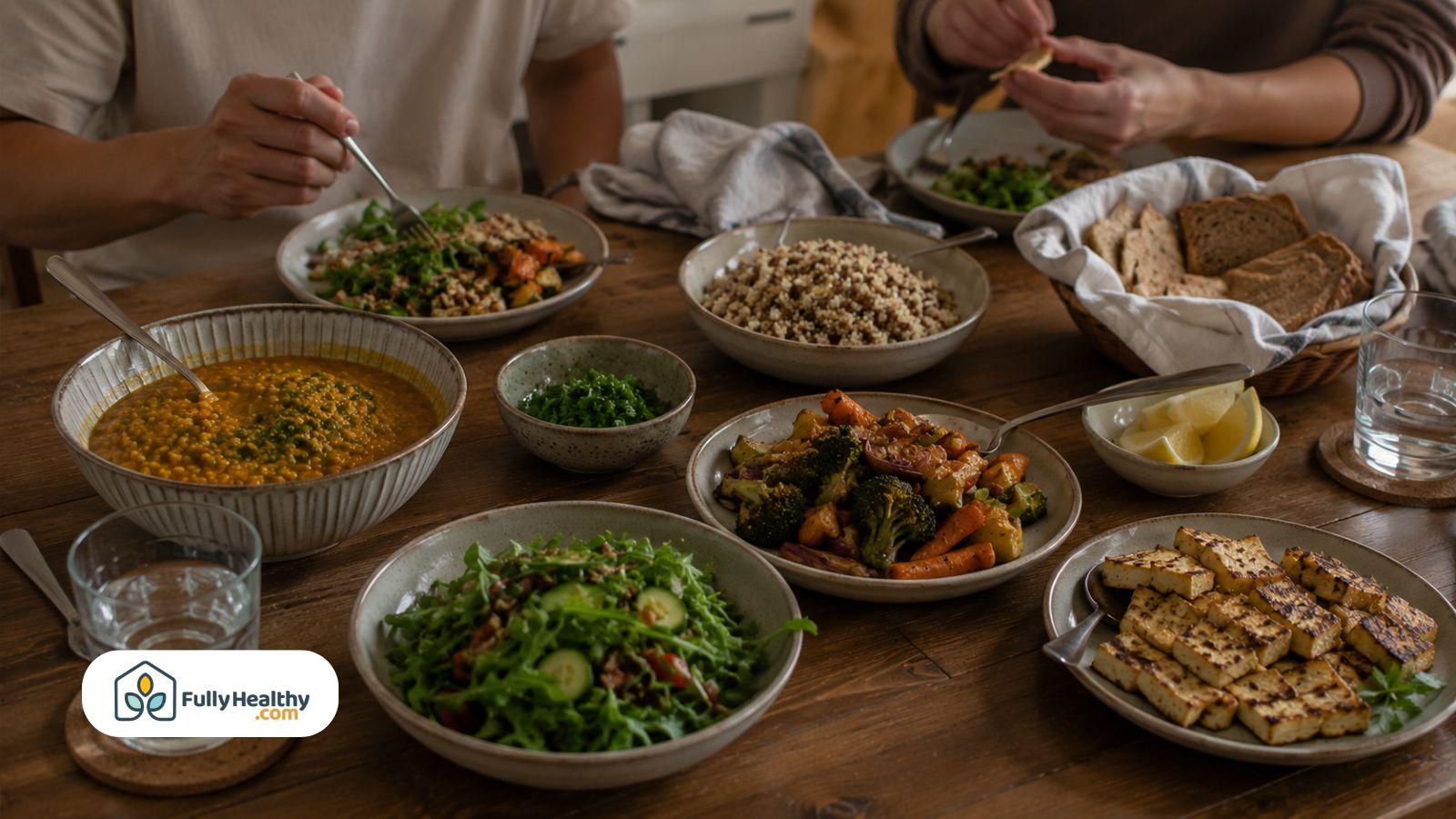
You can eat fruits, vegetables, legumes, whole grains, nuts, seeds, tofu, tempeh, and many other plant based foods on a vegan diet. These foods provide variety, flavor, and important nutrients while avoiding animal products.
Everyday Vegan Foods
A lot everyday foods are naturally vegan and easy to include in your meals. Building your diet around whole foods makes it easier to get important nutrients while keeping meals simple and satisfying.
-
Fruits and Vegetables: Fresh, frozen, and canned fruits and vegetables are staples of a healthy vegan diet.
-
Legumes: Beans, lentils, chickpeas, and peas provide protein, fiber, and iron.
-
Whole Grains: Oats, quinoa, brown rice, white rice, barley, and whole wheat products add energy and fiber.
-
Nuts and Seeds: Almonds, walnuts, peanuts, pumpkin seeds, sunflower seeds, and chia seeds provide healthy fats and protein.
-
Plant Alternatives: Almond milk, oat milk, soy yogurt, and other dairy alternatives replace traditional dairy products in many recipes.
Easy Meal Ideas
Simple meals can make eating vegan more enjoyable without spending hours in the kitchen. Mixing familiar ingredients helps create a balanced diet that supports everyday nutrition.
-
Breakfast: Oatmeal with almond milk, berries, nuts and seeds, or soy yogurt with fruit.
-
Lunch: Chickpea salad wraps, lentil soup, or grain bowls with vegetables and tofu.
-
Dinner: Stir-fried vegetables with tofu and rice, bean chili, or pasta with tomato sauce and mushrooms.
-
Snacks: Fresh fruit, hummus with vegetables, roasted chickpeas, or french fries cooked in vegetable oil.
-
Desserts: Dairy-free chocolate, fruit smoothies, or chia pudding made with oat milk.
Discover FullyHealthy's Vegan Collection
FullyHealthy makes it easier to shop for vegan-friendly pantry items in one place. The store offers specialty foods for people following vegan and vegetarian diets, along with products that suit other dietary needs.
About FullyHealthy
FullyHealthy is an online store that specializes in foods for people with different dietary preferences and food sensitivities. Along with vegan products, the store carries options for gluten-free, Paleo, AIP, and other specialty diets.
-
Specialty Foods: Offers products for vegan, gluten-free, and allergy-conscious shoppers.
-
Convenient Shopping: Groups products into easy-to-browse dietary categories.
-
Trusted Brands: Carries products from well-known health food companies.
-
Pantry Staples: Includes everyday ingredients, snacks, seasonings, and meal options.
-
Ingredient Labels: Product pages include ingredient information to help shoppers make informed vegan choices.
Featured Vegan Products
Several products available at FullyHealthy fit well into a vegan pantry and make meal planning more convenient. These foods can be paired with everyday ingredients to create quick breakfasts, lunches, dinners, and snacks.
-
Vegan Worcestershire Sauce: A savory vegan seasoning sauce made without anchovies, ideal for marinades, dressings, soups, and stir-fries.
-
Vegan Minestrone Noodle Soup: An instant vegetable noodle soup that makes a quick and convenient plant-based meal.
-
Vegan Enchilada Noodle Soup: A spicy enchilada-inspired noodle soup that's easy to prepare for lunch or dinner.
-
Quinoa Meal: A ready-to-make quinoa bowl with vegetables and Baja citrus seasoning for a satisfying vegan meal.
-
Coconut Wraps: Soft coconut-based wraps that can replace tortillas for sandwiches, wraps, and tacos.
-
Dairy-Free Mini Chocolate Chips: Vegan chocolate chips that are perfect for baking, trail mix, or topping oatmeal.
-
Dill Pickle Chips: Crunchy pickle slices that make a tangy snack or flavorful sandwich topping.
-
Plantain Chips: Crispy banana plantain chips seasoned with Himalayan pink salt for a simple vegan snack.
Final Thoughts
Choosing a vegan lifestyle does not mean giving up variety or satisfying meals. With plenty of whole plant foods, nutritious seafood alternatives, and well-planned meals, it is possible to enjoy a balanced and flavorful diet while avoiding animal products.
Understanding your options also makes shopping and meal planning much easier. Start with simple swaps, try new recipes, and build eating habits that fit your lifestyle and long-term goals.
FAQs
Does a Vegan Diet Lower Creatinine Levels?
Not necessarily. Creatinine levels depend on kidney function, muscle mass, hydration, and overall health, not simply following a vegan diet.
Can I Be Vegan but Eat Fish?
No. If you eat fish, you are not vegan because a vegan diet excludes fish and other animal products.
Can I Eat Fish With High Blood Pressure?
Yes, some people with high blood pressure may eat fish as part of their diet, but this is different from a vegan diet and you should follow medical advice for your individual needs.
What Is Surprisingly Not Vegan?
Some foods that look plant based still contain animal ingredients, including gelatin, some cheeses, certain candies, sauces, and products made with milk, eggs, or honey.
What Vitamins Should a Vegan Take Daily?
Vitamin B12 is the most important supplement for many vegans, while vitamin D, iodine, and omega-3 may also be recommended depending on your diet and healthcare advice.
Leave a comment