

Can Pregnant Women Eat Tuna? Here’s What’s Safe and What’s Not
 Photo Credit: Canva Pro
Can pregnant women eat tuna? Yes, but only some types and the right amounts. Omega-3s and protein, which are found in tuna, are good for your baby's growth. But some types of tuna have too much mercury, which can hurt their development. Skip the bigeye and light tuna in a can. Instead, eat skipjack or light tuna.
This article talks about why it's important to know how to eat tuna safely while pregnant and what to avoid. Let’s make smart, simple choices together.
Featured Pantry Pick
Wild Planet // Wild Albacore Tuna - 5 oz
Loading...
Is It Safe to Eat Tuna While Pregnant?
 Photo Credit: Canva Pro
Mercury Levels and Tuna Types to Avoid
Eating low-mercury tuna in small amounts can be safe while you're pregnant. Tuna is a nutritious fish, but mercury levels are a concern during pregnancy. High levels of mercury can hurt your baby's brain and nervous system as they develop.
-
High mercury fish to avoid: Bigeye tuna, king mackerel, tilefish, shark, and swordfish.
-
Unsafe raw options: Raw tuna and undercooked tuna may contain harmful bacteria and mercury.
-
Canned light tuna is safer: Light canned tuna made from skipjack has lower mercury content.
-
Avoid large predatory fish: These fish accumulate more mercury over time.
-
Craving tuna while pregnant: Choose low mercury tuna varieties and eat them in moderation.
How Much Tuna Is Safe During Pregnancy?
Health and Human Services and the Food and Drug Administration recommend moderate fish consumption. People who are pregnant should watch how much they eat and how often they eat.
-
Two to three servings weekly: That’s 8 to 12 ounces of low mercury fish like canned light tuna.
-
Limit albacore tuna: Consume no more than 4 to 6 ounces of white tuna weekly.
-
Skipjack tuna is a better choice: This type is lower in mercury and often used in canned light tuna.
-
Space out your servings: Avoid eating all your tuna in one day to reduce mercury exposure.
-
Follow local advisories: If eating fish from local waters, check for mercury alerts.
What Are the Benefits of Tuna During Pregnancy?
 Photo Credit: Canva Pro
Omega-3s and Fetal Brain Development
Docosahexaenoic acid and eicosapentaenoic acid are two important omega-3 fatty acids that you can get from tuna. These fats are key for your baby’s development.
-
Supports brain development: DHA helps grow your baby’s brain, eyes, and nervous system.
-
Improves birth outcomes: May reduce risk of low birth weight and poor fetal growth.
-
Lowers pregnancy complications: Associated with fewer cases of preterm birth.
-
Boosts maternal health: Omega 3s support heart health and reduce inflammation.
-
Complements other foods: Pair tuna with whole grains or leafy greens for added nutrition.
Key Vitamins and Minerals in Tuna
Tuna is a good source of high quality protein and essential nutrients that benefit both you and your baby.
-
Vitamin B12 and iron: These support red blood cell production and prevent anemia.
-
Vitamin D for bone health: Helps calcium absorption and supports skeletal development.
-
Selenium and iodine: Boost the immune system and regulate thyroid hormones.
-
Complete protein source: Supports tissue repair and muscle function during pregnancy.
-
Nutritional benefits add up: Even small servings can make a big difference in your diet.
What Kinds of Tuna Are Best for Pregnant Women?
 Photo Credit: Canva Pro
Best Choices for Low Mercury Exposure
If you're pregnant and want to eat tuna, make sure you get the right kind. The safest kinds of tuna are those that are lower in mercury and easier to find.
-
Canned light tuna: Made from skipjack, it’s the most recommended for pregnant women.
-
Skipjack tuna: A low mercury fish that’s rich in omega 3s and safe to eat often.
-
Safe canned tuna: Choose BPA-free, tested products from trusted brands.
-
Limit high mercury fish: Avoid bigeye tuna and other large predatory fish.
-
Follow dietary guidelines: Stick to approved limits from the Environmental Protection Agency.
Albacore vs Skipjack: What’s the Difference?
Albacore and skipjack are both tuna fish, but they differ in size, mercury levels, and how often they should be eaten.
-
Albacore tuna (white tuna): Larger fish that have more mercury. Tuna should only be eaten once a week.
-
Skipjack tuna: Smaller, contains less mercury, and is the main fish in canned light tuna.
-
Nutrition varies slightly: Both are high in omega 3s, protein, and essential nutrients.
-
Check your labels: Look for “light tuna” or “skipjack” on canned tuna packaging.
-
Skipjack is the safer choice: Especially for pregnant people concerned about mercury content.
Should Pregnant Women Avoid Raw or Seared Tuna?
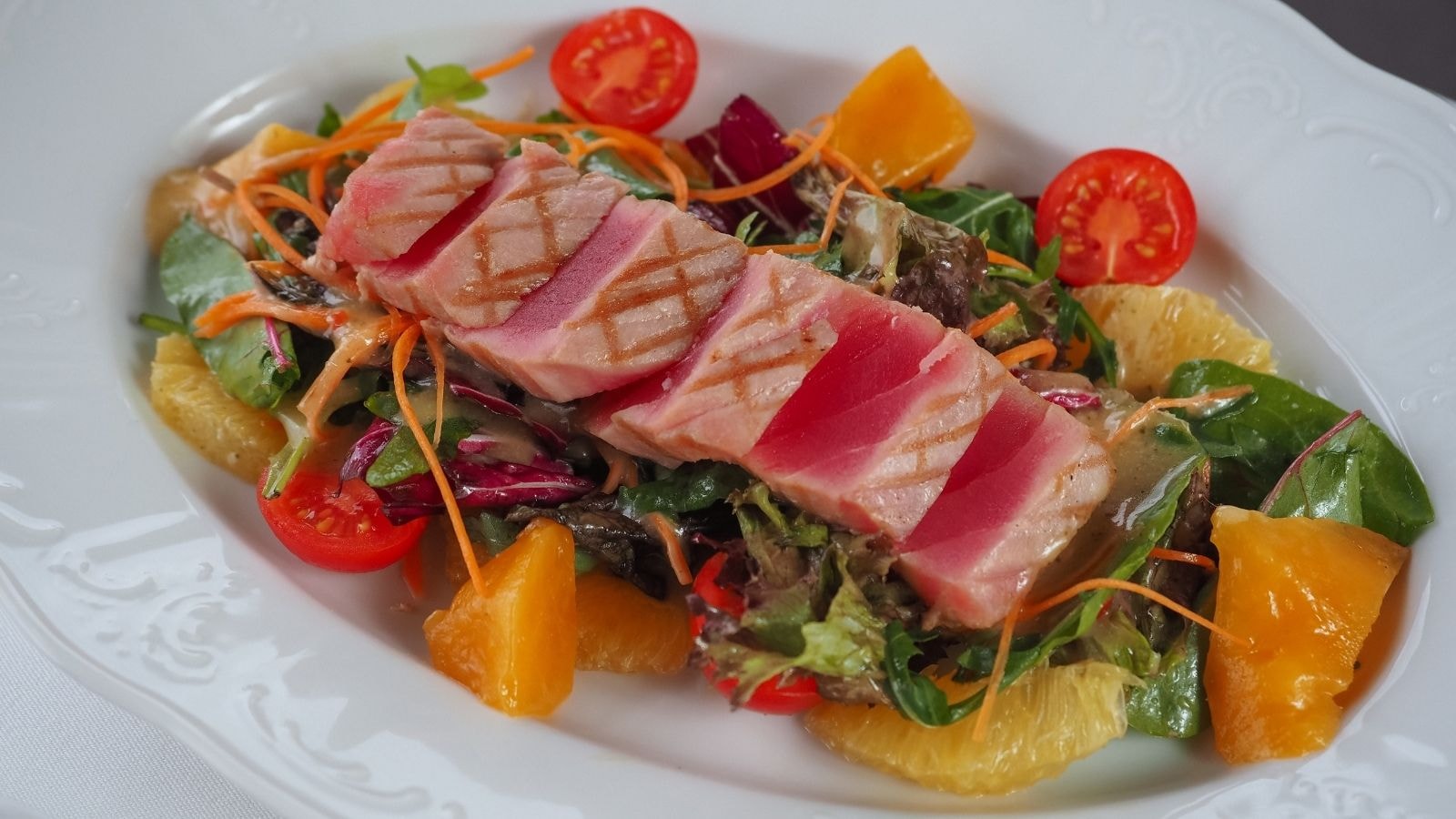 Photo Credit: Canva Pro
Dangers of Listeria and Other Bacteria
When you're pregnant and eat raw tuna, you might be exposed to bacteria and parasites that could make you sick. These dangers might hurt your baby's health.
-
Eating raw seafood is risky: Increases chance of Listeria, Toxoplasma, and Salmonella.
-
Raw tuna sushi is unsafe: Includes sushi, poke, tartare, and seared ahi tuna.
-
Food poisoning dangers: May result in miscarriage or serious fetal harm.
-
Cooked tuna is safer: Always choose fully cooked options over eating raw.
-
Other seafood to avoid: Avoid cold-smoked or undercooked fish during pregnancy.
Safe Preparation and Cooking Tips
To keep harmful bacteria from growing, tuna should be cooked and stored the right way. Make sure food is safe by following these tips.
-
Internal temperature: Cook tuna to 145°F until it flakes and appears opaque.
-
Avoid cross-contamination: Use separate cutting boards for seafood and other foods.
-
Store properly: Refrigerate cooked tuna within two hours of preparation.
-
Use fresh fish quickly: Eat cooked tuna within two days to avoid spoilage.
-
Wash hands and surfaces: Reduce bacteria transfer in the kitchen.
The FullyHealthy Standard for Tuna Quality
Sustainability and Safety
FullyHealthy values clean eating and responsible seafood consumption. We carry Wild Planet tuna because it meets strict safety and sustainability standards.
-
Third-party tested: Every Wild Planet tuna is tested for mercury content.
-
Low mercury fish: Meets FDA and Health and Human Services safety levels.
-
Eco-friendly practices: Pole-and-line caught to protect marine ecosystems.
-
Trusted by families: Recommended by nutrition experts for safely eating tuna.
Best-Selling Wild Planet Tuna Products
These Wild Planet tuna products are some of the most popular ones among seafood lovers. They are all sustainably caught, fully cooked, and ready to eat, making them great for quick and healthy meals.
-
Wild Planet Skipjack Wild Tuna No Salt 5 oz: A mild, flavorful option that’s naturally lower in mercury and sodium-free.
-
Wild Planet Wild Albacore Tuna 3 oz: Convenient single-serve size packed with lean protein and rich flavor.
-
Wild Planet Wild Albacore Tuna 5 oz: Larger can for salads, sandwiches, or meal prep, offering premium albacore cuts.
-
Wild Planet Wild Albacore Tuna No Salt 5 oz: A no-salt variety ideal for balanced diets and versatile recipes.
Final Thoughts
Eating seafood while pregnant is good for the baby's growth, brain health, and development of the nervous system. Like salmon and other fish, tuna has nutrients that are good for fetal development when mercury levels are low.
Oily fish, like light canned tuna, can be safe for pregnant women as long as they don't eat too much mercury from wild fish. You and your baby are both safe when you eat fully cooked tuna and other seafood in a smart way. Watch what you eat, read the labels, and choose foods that are good for you and your baby.
FAQs
Can eating seafood cause too much mercury in pregnancy?
Yes, eating seafood like tuna and other fish every day can lead to too much mercury which affects fetal development.
Is oily fish like salmon safe during pregnancy?
Yes, oily fish like salmon has important nutrients but pregnant women should limit tuna and high mercury seafood.
What happens if pregnant women eat too much tuna and other fish?
Too much tuna and other fish with mercury may affect nervous system development and baby’s growth.
Why eating seafood helps with baby's growth and fetal development?
Seafood gives important nutrients that support fetal development, brain growth, and the baby’s nervous system development.
Can tuna and salmon help more than other fish during pregnancy?
Yes, tuna and salmon have high protein and omega-3s, and eating seafood like them gives more than some other fish.
Leave a comment