

Can Rabbits Eat Raspberries? The Easy Guide To Doing It Right
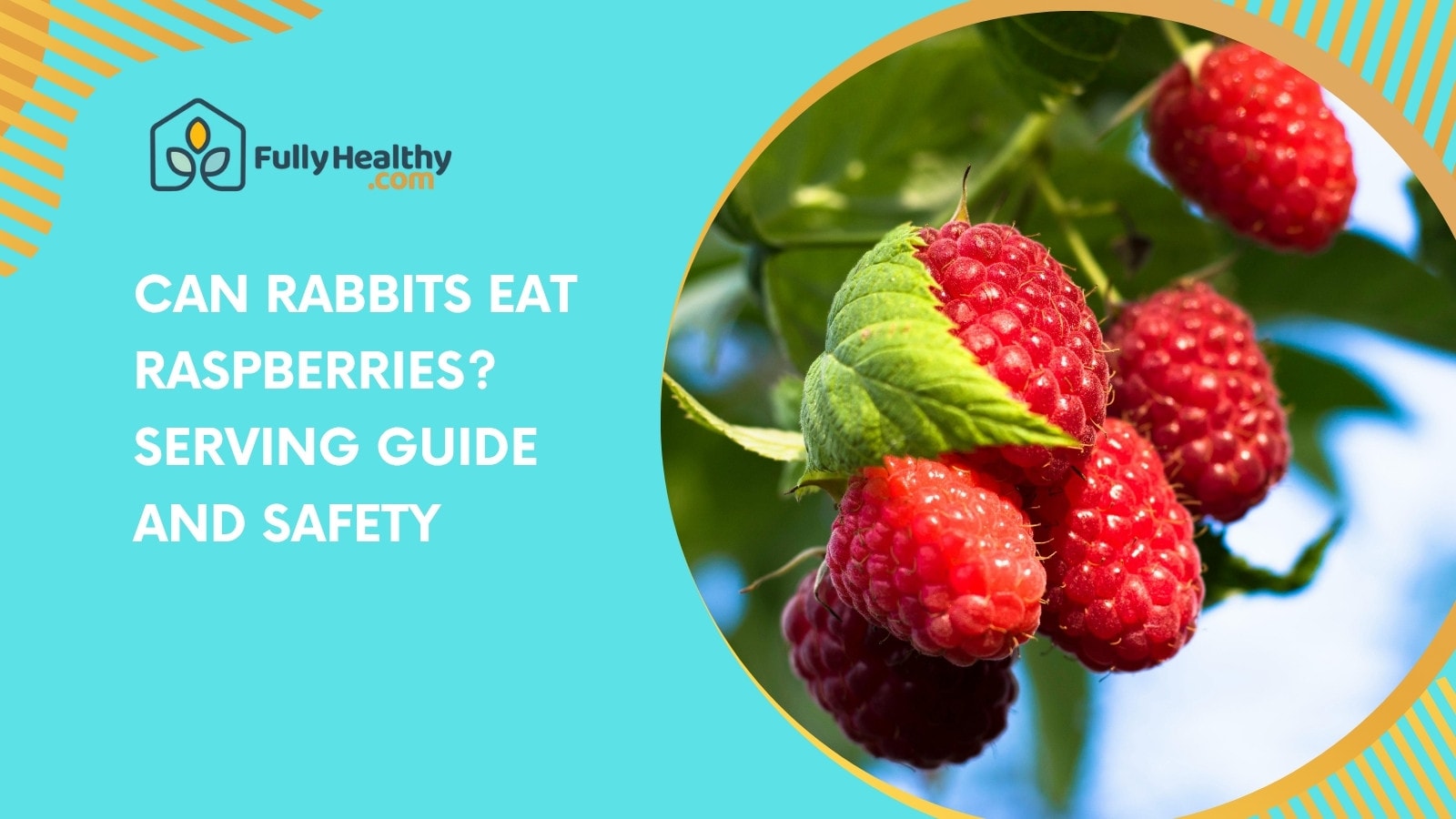 Photo Credit: Canva Pro
Can rabbits eat raspberries? Yes, in tiny amounts as an occasional treat. Your rabbit should still eat mostly hay. Berries are tasty and have some fiber, but too much sugar can make your stomach upset. Give one to two tablespoons for every five pounds, once or twice a week.
Berry wash and serve plain. Keep an eye out for soft stools or changes in appetite. If your urine turns red after eating berries, it's probably just a harmless food color.
Featured Pantry Pick
St Dalfour // Red Raspberry Conserves - 10 oz
Loading...
Can Rabbits Eat Raspberries?
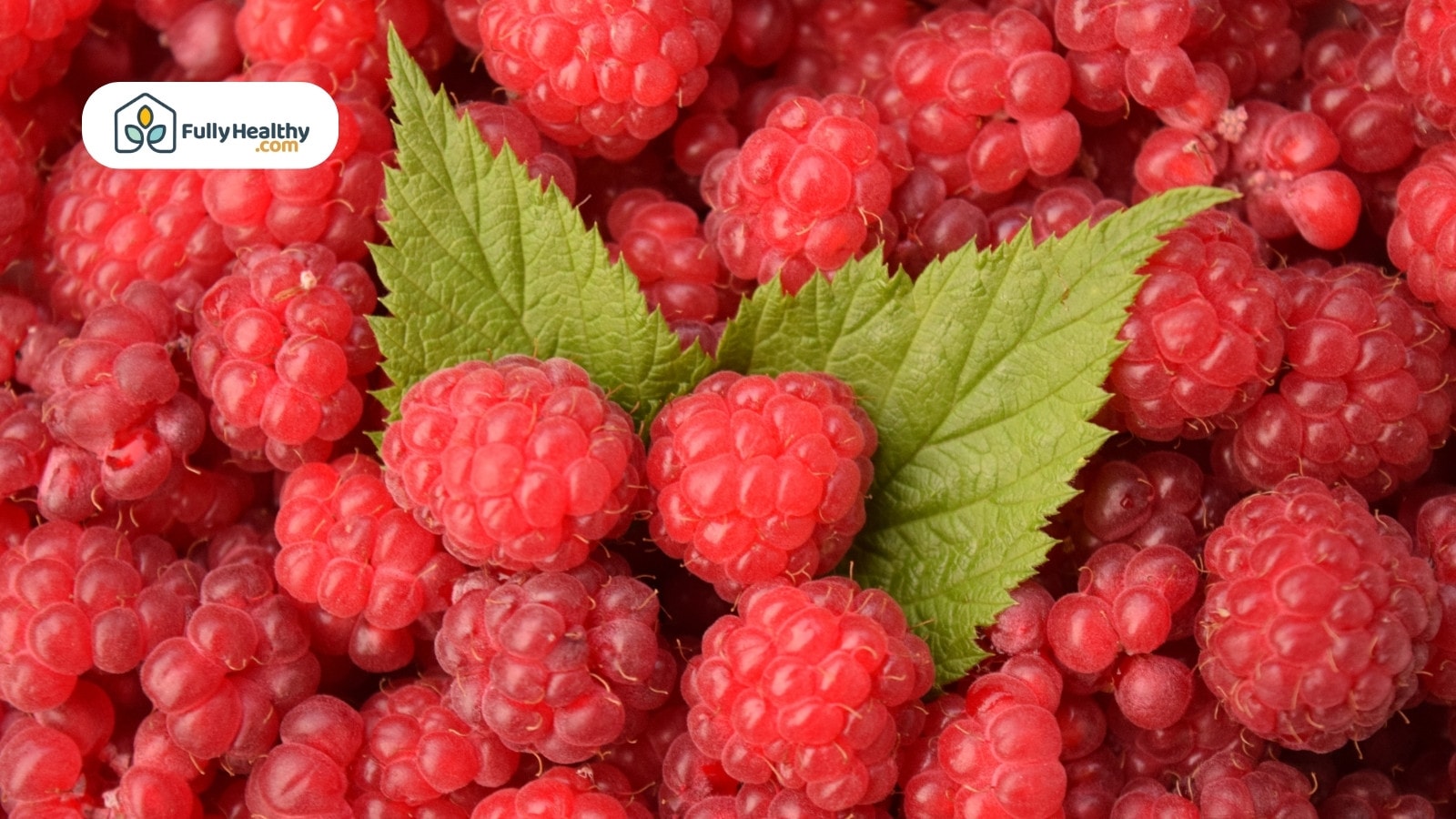 Photo Credit: Canva Pro
As a treat every once in a while, rabbits can eat a few raspberries. A rabbit should eat mostly hay, with some fresh vegetables and rabbit pellets as a treat. Provide adult rabbits with plain berries and clean water. If you want to avoid stomach problems or bad reactions, introduce new foods slowly. At every feeding, try to give them a balanced diet.
Direct Answer, Portion Size, And Frequency
Raspberries safe doesn't mean you can eat as much as you want. Because raspberries naturally contain more sugar and carbs than hay, eat very little of them and adjust the amount based on your body weight. Rabbits in the wild eat mostly grass, so that's what your bunny should eat first.
-
Portion Guide: One to two tablespoons per five pounds body weight, once or twice weekly.
-
Diet Order: Good quality hay and grass first, then vegetables, then limited rabbit pellets.
-
Avoid Excess: Large quantities raise sugar intake and risk digestive problems.
-
Monitor Closely: Stop the treat if you see soft stools, low appetite, or other adverse reactions.
Benefits Versus Cautions In Plain English
If you eat too many raspberries, they can make your stomach upset. They are a sweet treat that is good for you and adds variety. Raspberries and leaves are not the same thing. Give them in small amounts and watch for changes.
-
Quick Pros: Small quantities add flavor without replacing core diet.
-
Key Cons: Natural sugars and carbohydrate content can upset a sensitive gut.
-
Smart Pairings: Avoid leaves and stems of tomato plants, which are toxic; the tomato fruit itself may be fed occasionally in small amounts.
-
Age Note: Alfalfa hay suits young rabbits; adult rabbits do better on grass hays.
Are There Any Fruits Rabbits Can’t Eat?
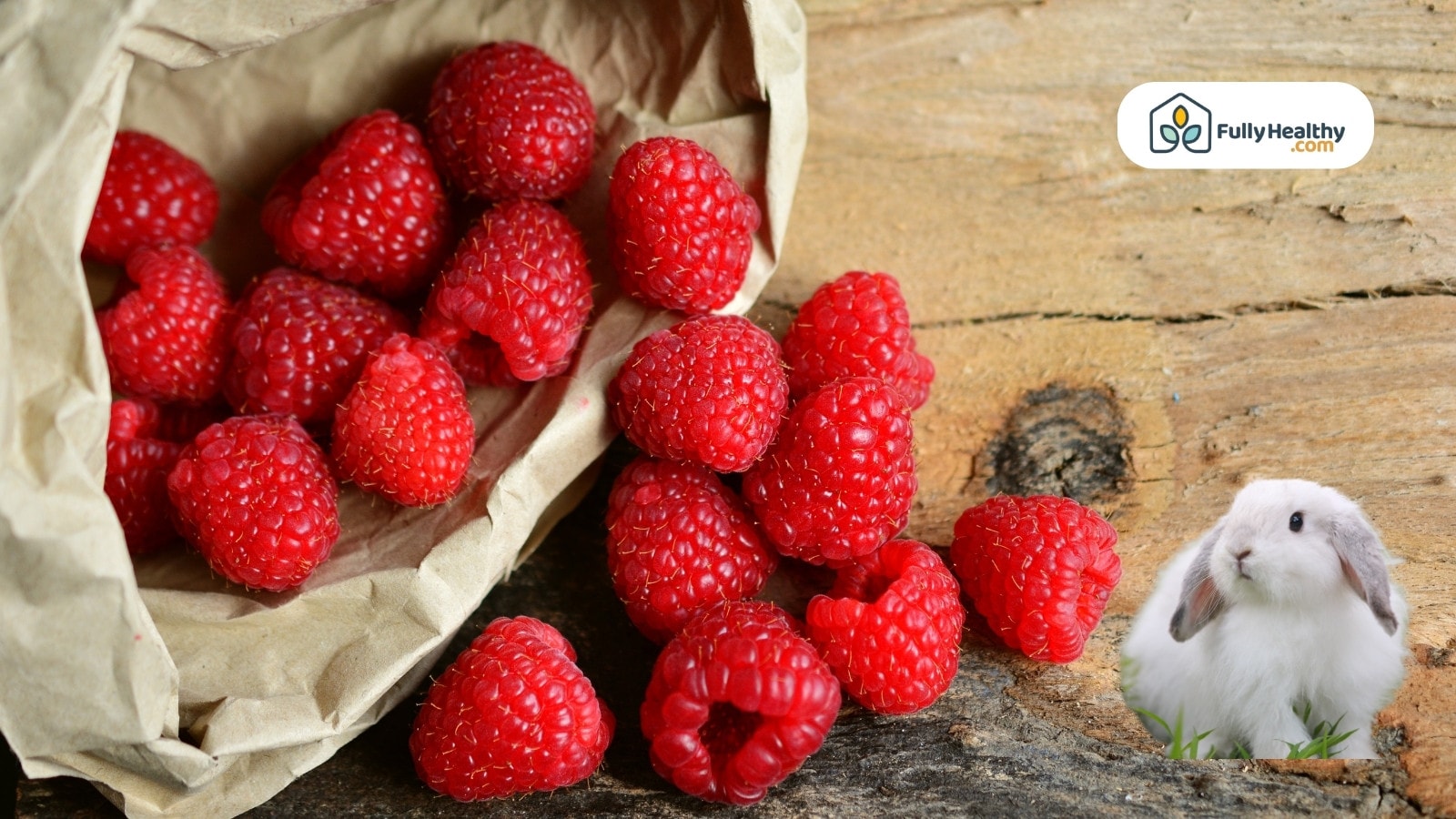 Photo Credit: Canva Pro
Some fruits and snacks for people are not good for you. Stay away from things that have pits, big seeds, or extra sugar. A rabbit should always eat hay, vegetables, and pellets along with fruit.
Fruits And “Human Treats” To Avoid
Not every food for people belongs in a bunny’s diet. Sticky, dried, or processed sweets concentrate sugar and can harm the gut.
-
Skip List: Dried fruit, candied fruit, fruit leathers, juices, and chocolate.
-
Seeds And Pits: Do not feed apple seeds or any stone-fruit pits due to toxins and choking risk.
-
Plant Hazards: Avoid leaves and vines from tomato plants.
-
Portion Control: Even safe fruit is still a treat, not daily food.
Simple Safety Rules For Fruit in Small Quantities
Bunnies shouldn't eat all the foods that people eat. Sticky, dried, or processed sweets have a lot of sugar, which is bad for your gut.
-
Prep Basics: Wash well, remove pits or large seeds, and cut bite-size.
-
Serve Timing: Offer fruit after hay so diet stays hay-first and sugar stays low.
-
Frequency Limits: Once or twice weekly helps prevent extra sugar.
-
Mix Wisely: Rotate apples, blackberries, and raspberries; keep portions tiny.
What Berries Are Good For Bunnies?
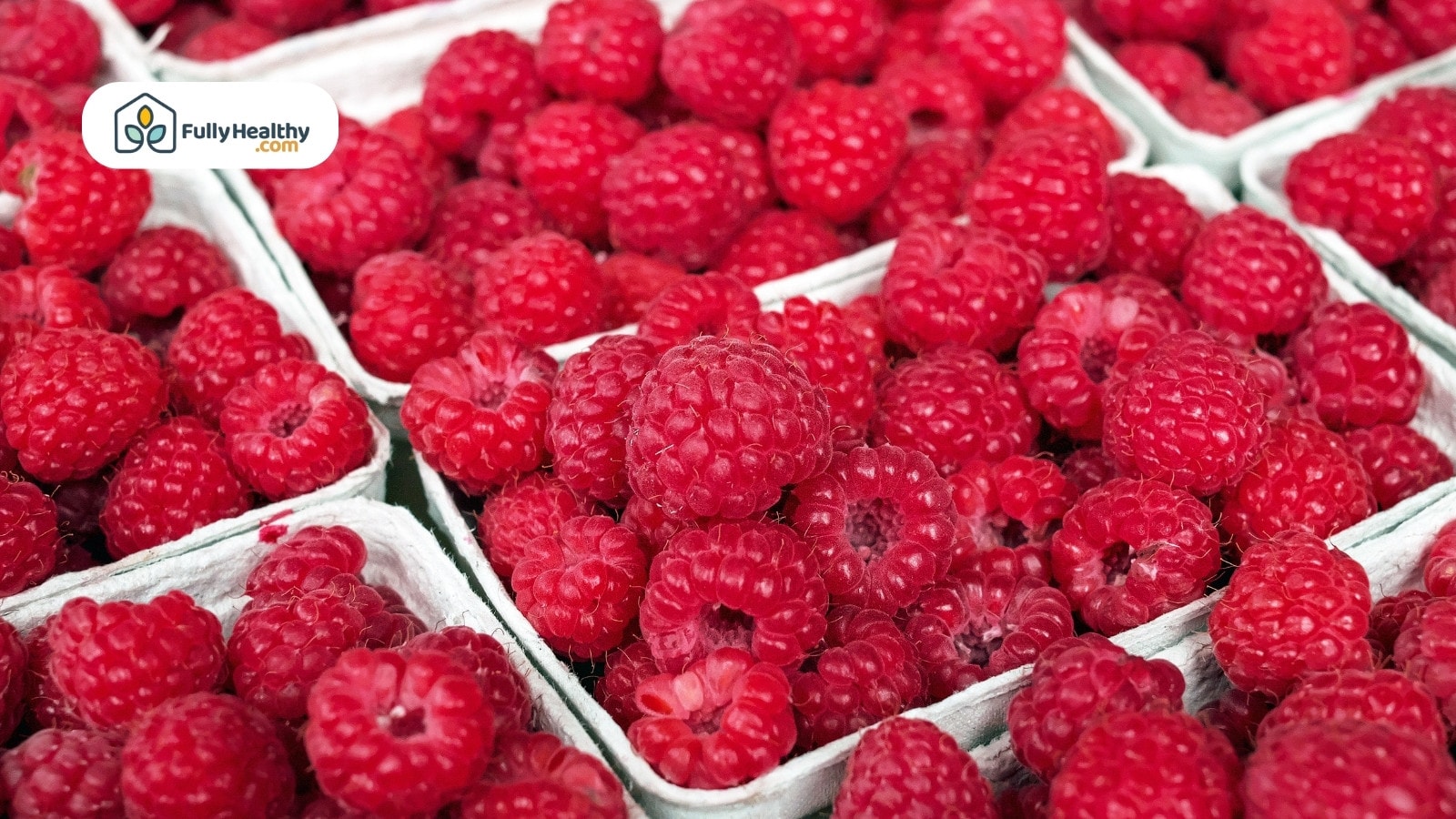 Photo Credit: Canva Pro
It's okay to have a few berries as a small treat. Start with hay, grass, and fresh vegetables, and then add berries in small amounts. After giving your pet new foods, keep a close eye out for digestive issues.
Berry Shortlist And Prep Notes
Pick simple, fresh berries. Don't give your rabbit too much to protect its stomach and satisfy its sweet tooth.
-
Good Options: Raspberries, strawberries, blueberries, and blackberries in small quantities.
-
Prep Reminders: Rinse well, pat dry, and serve plain without syrups or mixes.
-
Serving Order: Hay and vegetables first, then a tiny treat.
-
Stop Signs: Reduced appetite or soft stool means pause the food and reassess.
How Often To Rotate Berries
Switching up the treats keeps things interesting and lowers the amount of sugar that is eaten.
-
Weekly Rhythm: Pick one berry type per week to limit sugar.
-
Total Amount: One to two tablespoons per five pounds body weight.
-
Balance Tip: Pair fruit with leafy vegetables; avoid iceberg lettuce.
-
Health Check: If issues persist, stop the food and call your vet.
How Do Raspberries Affect Rabbit Urine?
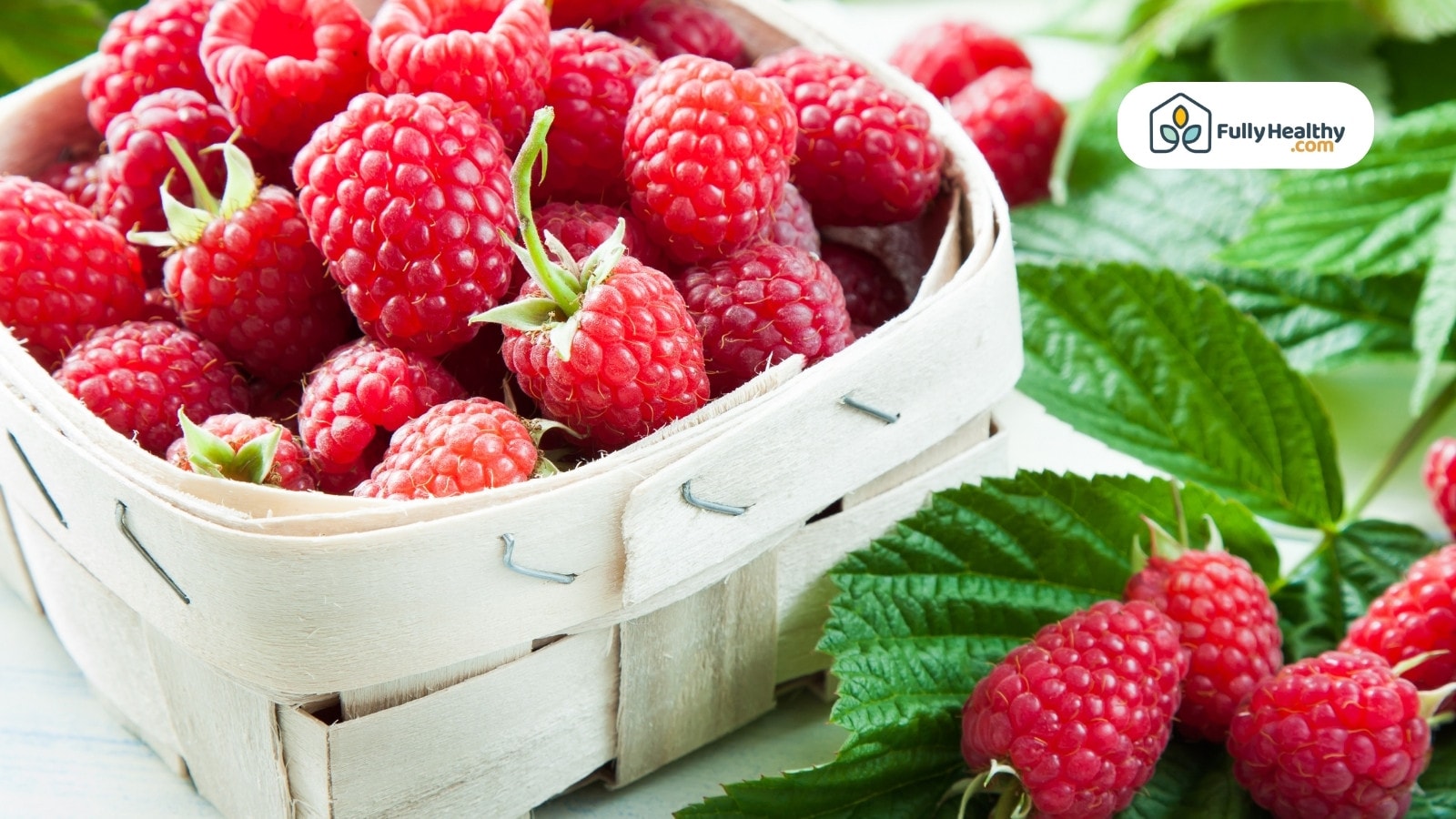 Photo Credit: Canva Pro
Raspberry colors can make orange or red urine. The effect is usually not harmful, and it goes away when rabbits eat the fruit. Maintain the right amount of treats and keep an eye out for diarrhea, straining, or lack of energy. Incorporating hay, greens, and water into a healthy routine can help the bladder and lower stress.
Red Or Orange Urine From Plant Pigments
Berries, carrots, and some herbs contain pigments that can color urine without harm. The color usually goes away in a day or two for rabbits that eat hay and greens. Eat small amounts of food and stick to a steady diet.
-
Typical Look: Even color, no clots, and normal behavior.
-
Diet Context: Hay first, then greens, with tiny fruit portions to help digest well.
-
Timeframe: Color often returns to normal within 24–48 hours.
-
When To Cut Back: Reduce grapes or bananas if stools soften.
When To Call The Vet Immediately
Blood doesn't always look the same color; it often looks like streaks or spots. There may be a problem if there is pain, sludge, or a bad smell. If the signs don't go away after you stop giving treats, call your vet.
-
Urgent Signs: Straining, grit or sludge, visible clots, or repeated diarrhea.
-
Behavior Changes: Hunched posture, low appetite, or hiding more than usual.
-
Output Clues: Very dark urine, strong smell, or wet fur around the vent.
-
Diet Triggers: New foods, nuts, or too much broccoli or kale can be harmful.
FullyHealthy: What It Can Do For You
FullyHealthy helps you stock your pantry with healthy foods and keeps rabbit treats simple. The rabbit should graze on hay and simple greens, while people should keep their snacks separate. Even dogs have different needs. Always read the labels and pick a good product. Also, make sure rabbits only eat the right amount of fruit to keep their vitamins and nutrients in balance.
Pantry Help For Humans, While Keeping Bunny Treats Plain
FullyHealthy lets you keep clean, basic food on hand for people. Simple rabbit food like hay, greens, and small pieces of fruit are best. For rabbits, don't give them syrups or desserts.
-
Human-Only Reminder: Jams, chocolate, and sweet spreads are not rabbit food.
-
Bunny Basics: Hay first; offer fruit as a small treat, and avoid thorny stems.
-
Veggie Sense: Plain greens are fine; limit gassy items like broccoli and kale.
-
Treat Reality: Fruit is a treat, not a meal or daily staple.
Real Products Available On FullyHealthy (For Humans, Not Rabbits)
You can buy Four Fruits Fruit Spread, Elements Truffles Raspberry Chocolate, and St. Dalfour Red Raspberry Conserves on the site. Do not give these to rabbits; eat them yourself.
-
How To Use: Pair with toast or snacks for people only.
-
Label Check: Watch naturally added sugar to stay healthy and balanced.
-
Separation Rule: Human snacks stay human; rabbits get plain produce.
-
Safety Note: Added sugars can upset sensitive pets and lead to digestive issues.
Final Thoughts
Can rabbits eat Raspberries? Yes, raspberries are safe as long as they are eaten in moderation and only as a treat once in a while. Hay and grass should be the main rabbit's diet. Fresh vegetables and a few rabbit pellets should also be given. To keep your pet's stomach from getting digestive upset or having bad reactions, make sure the portions are right for their size, give them plenty of fresh water, and add new foods slowly.
Wild rabbits eat plants that are high in fiber. Adult rabbits should do the same thing with good quality hay. Fruits are high in natural sugars and carbohydrates and should be offered in moderation, not excluded entirely. A sweet treat can satisfy your sweet tooth, but food should stay simple.
Leave out iceberg lettuce and tomato plant parts, and only eat small amounts of apples and blackberries. In small amounts, some rabbits also like raspberry leaves. For rabbits that are young, alfalfa hay is best. As they get older, switch to grass hay. Stick to the same foods, keep an eye out for changes, and put the health of your diet as a whole first.
FAQs
Can rabbits eat raspberries every week?
Yes, in the right amount for body weight; keep it a sweet treat with hay, greens, and fresh vegetables still leading the diet to stay healthy and avoid health problems.
What other fruits are a good choice besides raspberries?
Tiny portions of apples, grapes, or bananas can be nutritious, but limit sugar, remove stems and pits, and always keep hay and grass first so rabbits digest fiber well.
Which vegetables and herbs pair best with fruit treats?
Offer greens like kale and broccoli sparingly, plus safe herbs and carrots in small pieces; too much can be harmful or cause diarrhea if nutrients shift too fast.
How do I keep portions in the right amount for my rabbit?
Base feeding on body weight, graze-style meals, and good quality hay; add one fruit at a time, watch vitamins and nutrients balance, and stop if adverse reactions appear.
Can dogs or nuts be part of my rabbit’s food plan?
No, rabbits should not be fed nuts, which are high in fat and not suitable for their digestive systems.
Leave a comment