

Can You Cook With Extra Virgin Olive Oil? Benefits, Flavor, and How to Use It
 Photo Credit: Canva Pro
Many people ask can you cook with extra virgin olive oil or if it should only be used raw. The truth is that you can sauté, bake, and even lightly fry with it every day. Antioxidants, flavor, and healthy fats that come from the food stay stable in a normal kitchen heat.
When you know how to use it right, you can make simple, everyday meals that taste great and are good for you.
Featured Pantry Pick
Graza // Sizzle Extra Virgin Olive Oil - 750ml
Loading...
Is Extra Virgin Olive Oil Safe for Cooking?
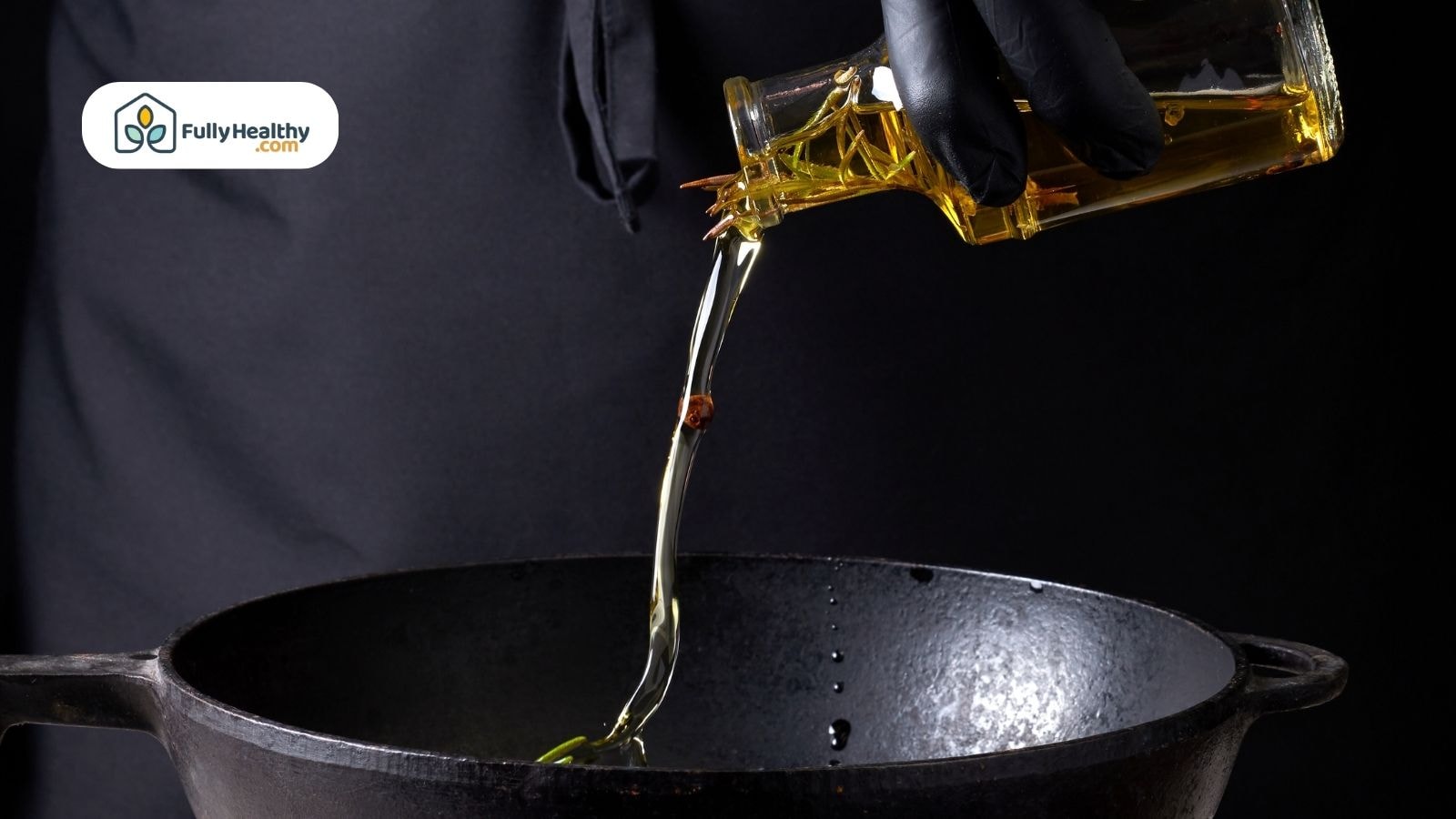 Photo Credit: Canva Pro
Stability, Antioxidants, And Real-World Temps
You can cook with extra virgin olive oil because its natural antioxidants and monounsaturated fats help it remain stable under high heat, producing fewer polar compounds than many vegetable oils and refined oils.
-
Oxidative Stability: Extra virgin olive oil stays stable during heating due to antioxidants.
-
Fatty Acid Profile: Monounsaturated fats and oleic acid support heat resistance.
-
Polar Compounds: Fewer harmful compounds form compared to sunflower oil and corn oil.
-
Comparison: Many vegetable oils and coconut oil break down faster.
-
Mediterranean Diet: Long-term cooking traditions support its regular use.
Practical Heat Ranges For Home Cooking
Since most sautéing, stir-frying, and roasting that people do at home happen below the temperature at which extra virgin olive oil starts to smoke, it can stay stable, flavorful, and healthy in everyday cooking.
-
Sautéing: Typically occurs at controlled moderate temperature in the pan.
-
Stir Frying: Extra virgin can be used for quick stir-frying if heat is kept below its smoke point (~190°C).
-
Roasting Vegetables: Cooking oil remains stable in the oven at common temperatures.
-
Baking: Extra virgin can bake without forming trans fats.
-
Frying: Shallow frying works, but deep frying benefits from monitoring heat.
Which Is Better for Cooking Olive Oil or Extra Virgin Olive Oil?
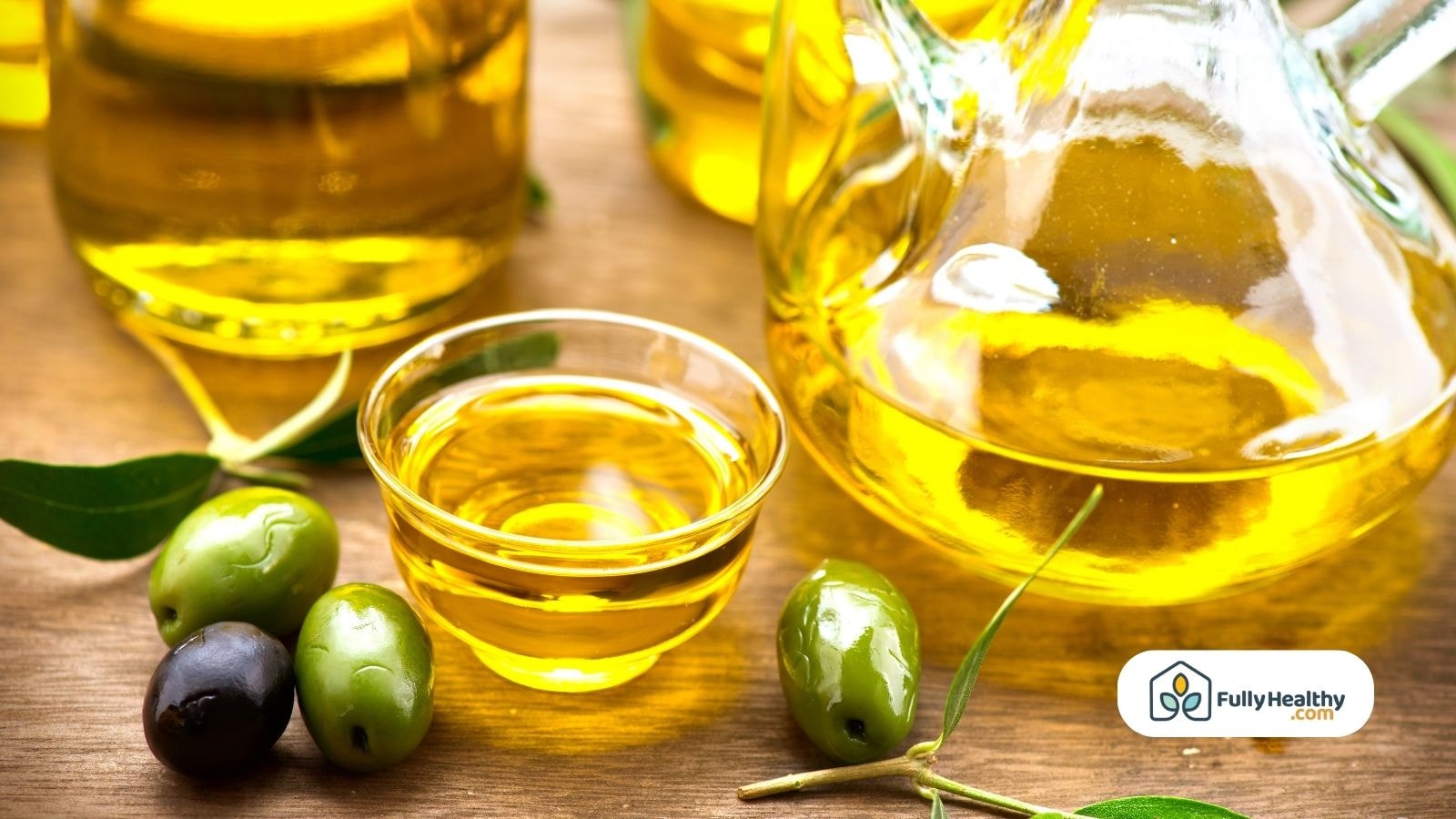 Photo Credit: Canva Pro
When To Choose EVOO Vs. Regular Olive Oil
Extra virgin olive oil has more antioxidants and flavor compounds, while refined olive oil has a higher smoke point and milder flavor, making each option useful depending on the dish and cooking process.
-
Extra Virgin: Richer flavor and nutritional value due to natural antioxidants.
-
Refined Olive Oil: Lighter taste and slightly higher smoke point.
-
Virgin Olive Oil: Mid-level flavor and processing.
-
Most Olive Oils: Differences depend on how much the oil is filtered.
-
Good Quality Olive Oil: Choose fresh and protected from direct sunlight.
Task-Based Guidance (Match Oil to Cooking Method)
Use extra virgin olive oil for sautéing, roasting vegetables, finishing oil on salads, and low temperature dishes, while refined olive oils may suit high heat frying or neutral-flavor recipes.
-
Sautéing: Extra virgin works well for everyday pan cooking.
-
Roasting: Adds rich flavor to cooked vegetables and foods.
-
High Heat: Refined oils may suit very high temperatures.
-
Deep Fry: Temperature control prevents smoke and flavor loss.
-
Finishing Oil: Extra virgin adds taste to salads and final dishes.
Does Olive Oil Release Toxins When Heated?
 Photo Credit: Canva Pro
Myth Check: “Toxic When Heated”
Unlike many vegetable oils and polyunsaturated fats, extra virgin olive oil doesn't become harmful when heated. Instead, it makes fewer oxidative byproducts.
-
Toxicity Myth: Heating does not automatically create harmful compounds.
-
Polar Compounds: Increase more rapidly in grapeseed oil and sunflower oil.
-
Trans Fats: Not produced under normal cooking heat with extra virgin.
-
Fatty Acids: Monounsaturated fats remain stable longer.
-
Flavor: Remains pleasant unless the oil is overheated to smoke.
Safe-Use Notes
Control the heat, don't let the oil smoke, and store extra virgin olive oil the right way to keep its quality, flavor, and nutritional value while cooking.
-
Temperature Control: Prevent oil from reaching smoke point.
-
Pan Heating: Add oil once the pan is warm, not extremely hot.
-
Storage: Keep away from direct sunlight to protect antioxidants.
-
Quantity: Enough oil prevents scorching while cooking.
-
Cook With Olive Oil: Stability improves when food is in the pan.
Is It Okay to Use Extra Virgin Olive Oil When Baking?
 Photo Credit: Canva Pro
Baking With EVOO: Texture, Flavor, And Substitution Ratios
As long as the flavor is balanced, baking with extra virgin olive oil can be a good alternative to butter or other cooking oils in cakes and quick breads because it adds moisture and a smooth crumb.
-
Texture: Adds tenderness and moisture to baked foods.
-
Flavor: Mild or medium extra virgin olive works best for neutral taste.
-
Substitution: Replace butter or vegetable oil in recipes using simple ratio.
-
Low Temperature Baking: Remains structurally stable in low-temperature baking, though antioxidants such as polyphenols may reduce over time.
-
Nutritional Value: Contributes to health benefits while maintaining structure.
Cakes, Quick Breads, And Citrus-Forward Desserts
Citrus desserts, vanilla-based cakes, and almond-flour loaves all go well with extra virgin olive oil because the flavor compounds balance out the sweetness of the food without overpowering it.
-
Citrus Cakes: Lemon and orange enhance fruity olive notes.
-
Quick Breads: Works well in banana and zucchini recipes.
-
Vanilla Desserts: Mild extra virgin avoids strong flavor influence.
-
Mediterranean Cakes: Traditional recipes rely on olive as the only oil.
-
Moist Crumbs: Maintains softness even after the dish is fully cooked.
FullyHealthy For Better Oils and Better Meals
Our Approach
FullyHealthy is an online store offering ingredient-focused pantry staples, snacks, sauces, and cooking oils selected for clean labels, natural antioxidants, flavor integrity, and supportive mediterranean diet cooking habits.
-
Ingredient Quality: Selects oils with strong natural antioxidants and clean production.
-
Storage Standards: Protects oils from heat and direct sunlight to maintain freshness.
-
Mediterranean Influence: Aligned with mediterranean diet health benefits and cooking traditions.
-
Product Transparency: Provides clear labeling on processing and origin.
-
Flavor Integrity: Ensures oils support taste and nutrients in cooked dishes.
EVOO-Forward Picks To Try
The extra virgin olive oil Graza Sizzle can be used for everyday cooking, while Baby Drizzle is best used as a finishing oil. The extra virgin olive oil packed seafood from Wild Planet makes meals healthier and tastes better.
-
Graza Sizzle: Used for sautéing vegetables, frying, and cooking process.
-
Baby Drizzle: Ideal as finishing oil on salads and prepared dishes.
-
Wild Planet Yellowtail: Cooked in extra virgin olive for convenient meals.
-
Wild Planet Mackerel: Contributes monounsaturated fats and flavor compounds.
-
Simple Pairings: Combine with vegetables, grains, and fresh foods for balanced dishes.
Final Thoughts
The short answer is that extra virgin olive oil can be used in a lot of everyday recipes. Natural antioxidants and monounsaturated fats help protect flavor even though it has a lower smoke point than some other oils. This means that it stays stable during normal cooking.
These traits help food taste good and cook evenly when sautéing, roasting, frying, or baking. You can use it with confidence in your own home cooking, and you'll notice that your food tastes better and more satisfying.
FAQs
Which olive oil is not suitable for cooking?
Some regular blends and highly refined oils with very low flavor and lower smoke point may break down faster than extra virgin, especially when compared to study published results in acta scientific nutritional health.
Is it okay to fry eggs in extra virgin olive oil?
Yes, you can fry eggs in extra virgin olive oil because the short answer is its natural antioxidants help stability and taste even compared to other oils.
What is the unhealthiest oil to cook with?
Some vegetable oils and seed oils with high levels of polyunsaturated fats can oxidize faster during heat than extra virgin, according to study published comparisons.
Why don't some cooks use extra virgin olive oil when cooking?
Some cooks assume the lower smoke point limits heat use, but acta scientific nutritional health research shows extra virgin remains stable while many other oils do not.
What happens if you use extra virgin olive oil instead of vegetable oil?
Using extra virgin olive oil instead of vegetable oil can change flavor, support health benefits, reduce polar compounds, and still remain stable during heating compared to other oils, even with a lower smoke point.
Leave a comment