

Can You Freeze Cabbage? A Freezer-Friendly Guide That Works
 Photo Credit: Canva Pro
Can you freeze cabbage? Yes, and it’s easier than you think. To cut down on waste, stretch their groceries, and simplify meal preparation, many people do this. A smart way to keep cabbage on hand for stir-fries, soups, and other recipes is to freeze it.
But it all depends on how you do it. This guide explains how to properly freeze cabbage so that it retains its nutrients, flavor, and texture for months.
Featured Pantry Pick
Lil Kim Chee // Organic Raw Sauerkraut - 16 oz
Loading...
What Is the Best Way to Freeze Cabbage?
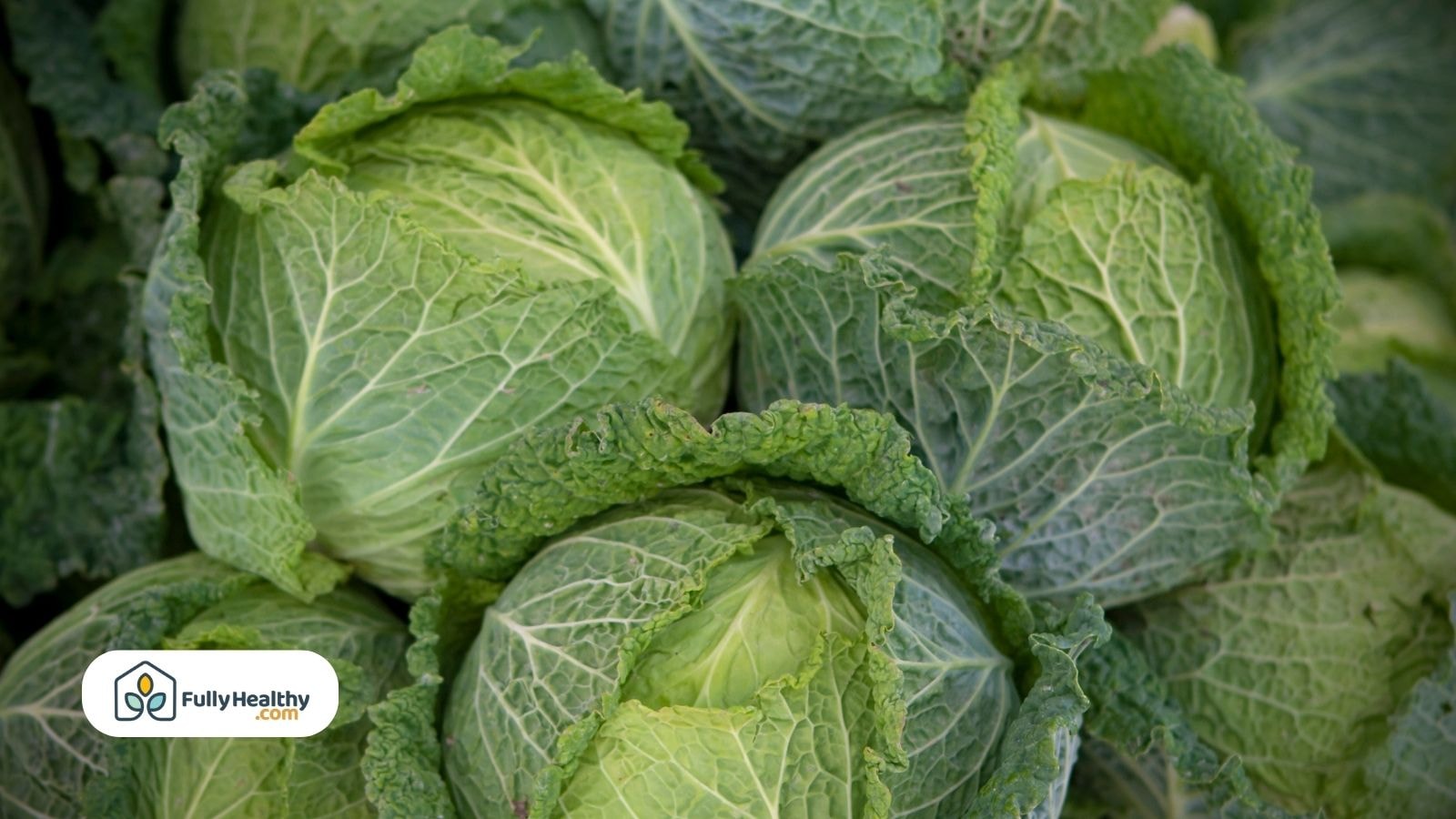 Photo Credit: Canva Pro
How to Blanch Cabbage Before Freezing
So can you freeze cabbage? Yes, and blanching it beforehand is the best method. Blanching involves briefly boiling the cabbage and then cooling it in a bowl of ice water to stop the cooking process, preserving its texture, color, and nutrients.
-
Use a large pot: Bring a large pot of boiling water to a rolling boil before adding the cabbage.
-
Prepare a bowl of ice water: This maintains the crispness of the cabbage and immediately stops the cooking process.
-
Shredded cabbage: Blanch for 30 to 60 seconds.
-
Cabbage wedges: Blanch for 1.5 to 2 minutes.
-
Individual leaves: Blanch for 60 to 90 seconds.
-
Drain well: Remove the cabbage with a slotted spoon, then quickly place it in cold water.
-
Dry properly: Pat dry with paper towels to prevent freezer burn.
Storage Bags vs. Containers: What’s Better for Cabbage?
The way cabbage is wrapped when frozen has an impact on its taste and storage time. Air exposure may ruin texture and result in freezer burn.
-
Freezer bags: Best choice due to its adaptability and compact design. Before sealing, squeeze out as much air as you can.
-
Vacuum sealing: Offers the longest shelf life by removing air entirely. Best to prevent freezer burn.
-
Rigid airtight containers: Bulky but sturdy. Ideal if you're freezing cooked cabbage or cabbage soup in portions.
-
Meal-sized portions: Always freeze shredded cabbage or cabbage wedges in usable amount to avoid refreezing.
Does Cabbage Get Soggy After Freezing?
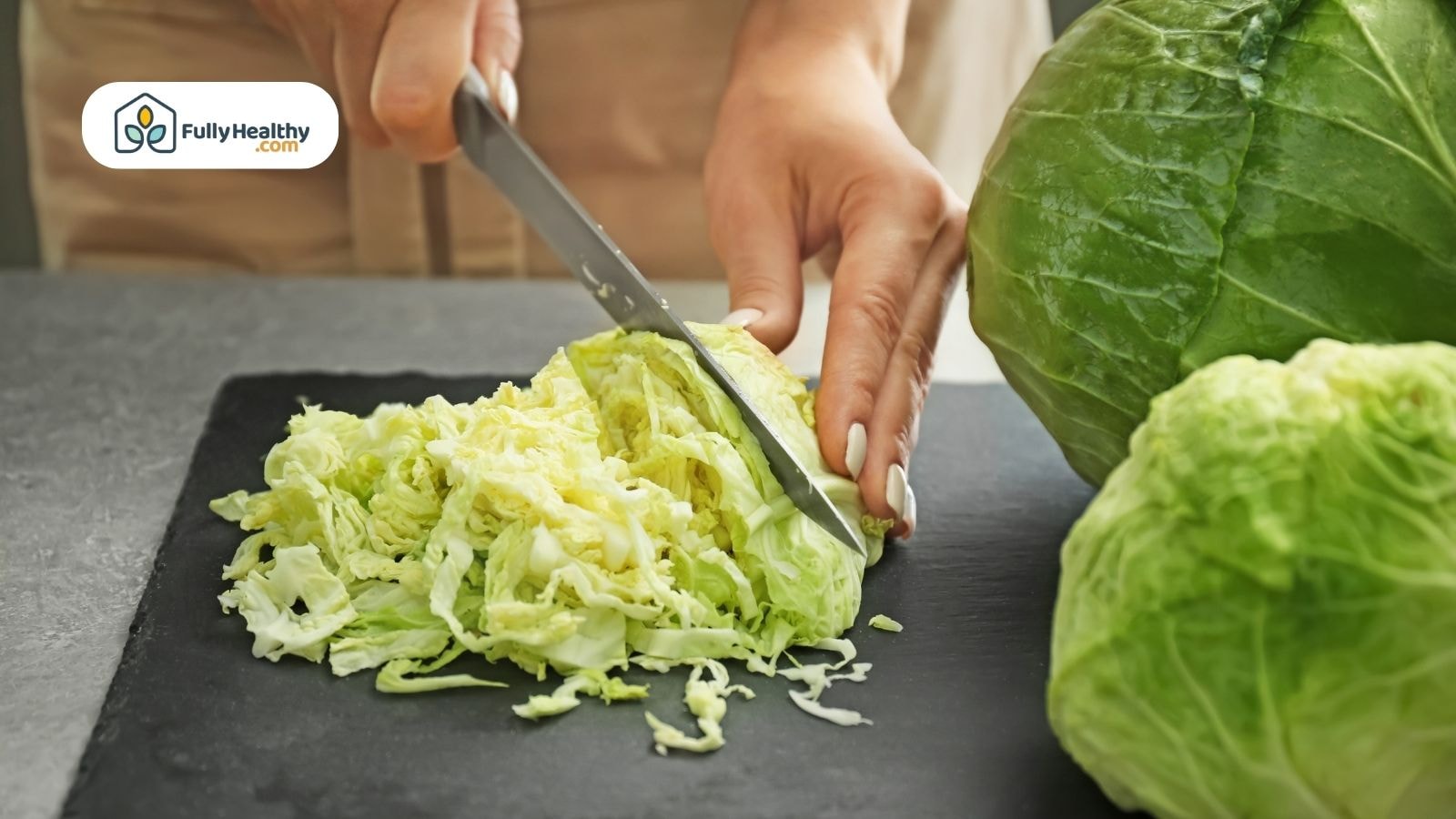 Photo Credit: Canva Pro
Why Texture Changes After Freezing Cabbage
When cabbage is frozen, the water inside it expands and breaks down the cell walls. This makes the cabbage mushy or limp when it thaws, especially if you freeze raw cabbage without blanching it first.
-
Cell rupture: Ice crystals expand in frozen cabbage, softening structure during thawing.
-
Soggy but usable: Still good for cooked dishes like cabbage rolls, stews, stir fries, and soup.
-
Avoid freezing for raw dishes: Thawed cabbage won’t work for coleslaw or fresh salads.
Blanching vs. Raw Freezing: Which Keeps It Firmer?
Blanching is the key step if your goal is to preserve quality and prevent freezer burn. Raw freezing is faster, but not ideal for long storage or firm texture.
-
Blanching protects texture: Stops enzyme activity and helps retain flavor, color, and crispness.
-
Raw freezing saves time: But results in soggier thawed cabbage, especially if used after a month.
-
Use frozen cabbage wisely: Add frozen shredded cabbage straight to hot soup or stir fries without thawing for optimal results.
How Long Will Cabbage Last in the Fridge?
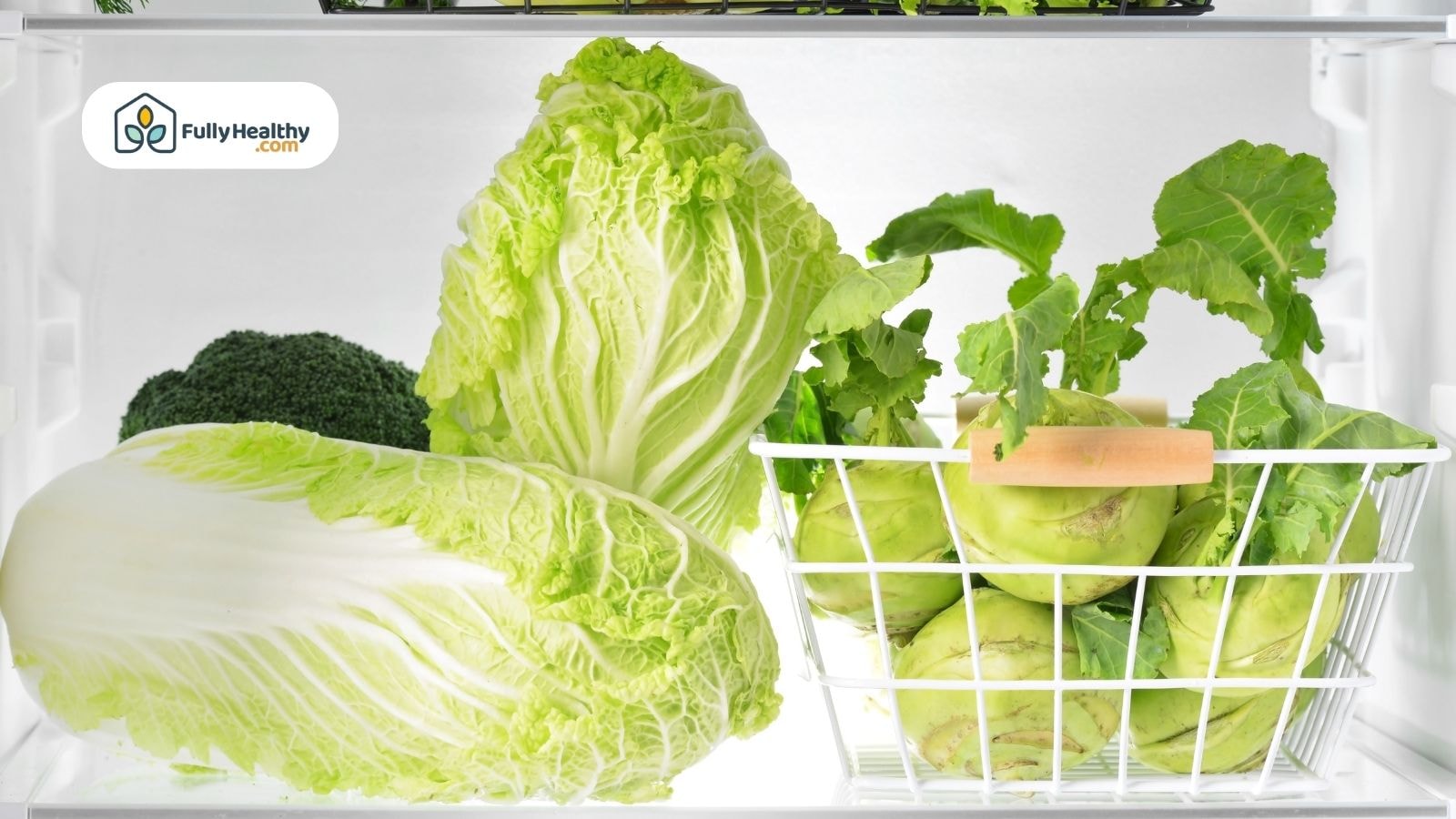 Photo Credit: Canva Pro
Fridge Life for Whole vs. Cut Cabbage
One of the vegetables that stays fresh the longest in the fridge is cabbage, especially if it is stored without being washed and with the outer leaves still on. How the cabbage is prepared and wrapped affects how long it can be stored.
-
Whole cabbage: Lasts 4 to 8 weeks in the fridge crisper drawer if kept unwashed and sealed in plastic.
-
Half cabbage: Use within 3 to 5 days when tightly wrapped in plastic or placed in airtight containers.
-
Shredded cabbage: Keeps for 2 to 3 days and should be used quickly to maintain freshness.
Storage Mistakes That Shorten Cabbage Shelf Life
Raw cabbage can go bad faster if it is handled badly. Proper care is important for maintaining texture and nutrition.
-
Washing before storage: Adds moisture that leads to rot. Always wash right before use.
-
Cutting too early: Exposes inner leaves and speeds up deterioration.
-
Not using airtight containers: Exposure to air increases spoilage and reduces vitamin C.
-
Bruising the head: Damaged cabbage respires faster and loses shelf life. Handle gently.
What Is the Best Way to Preserve Cabbage?
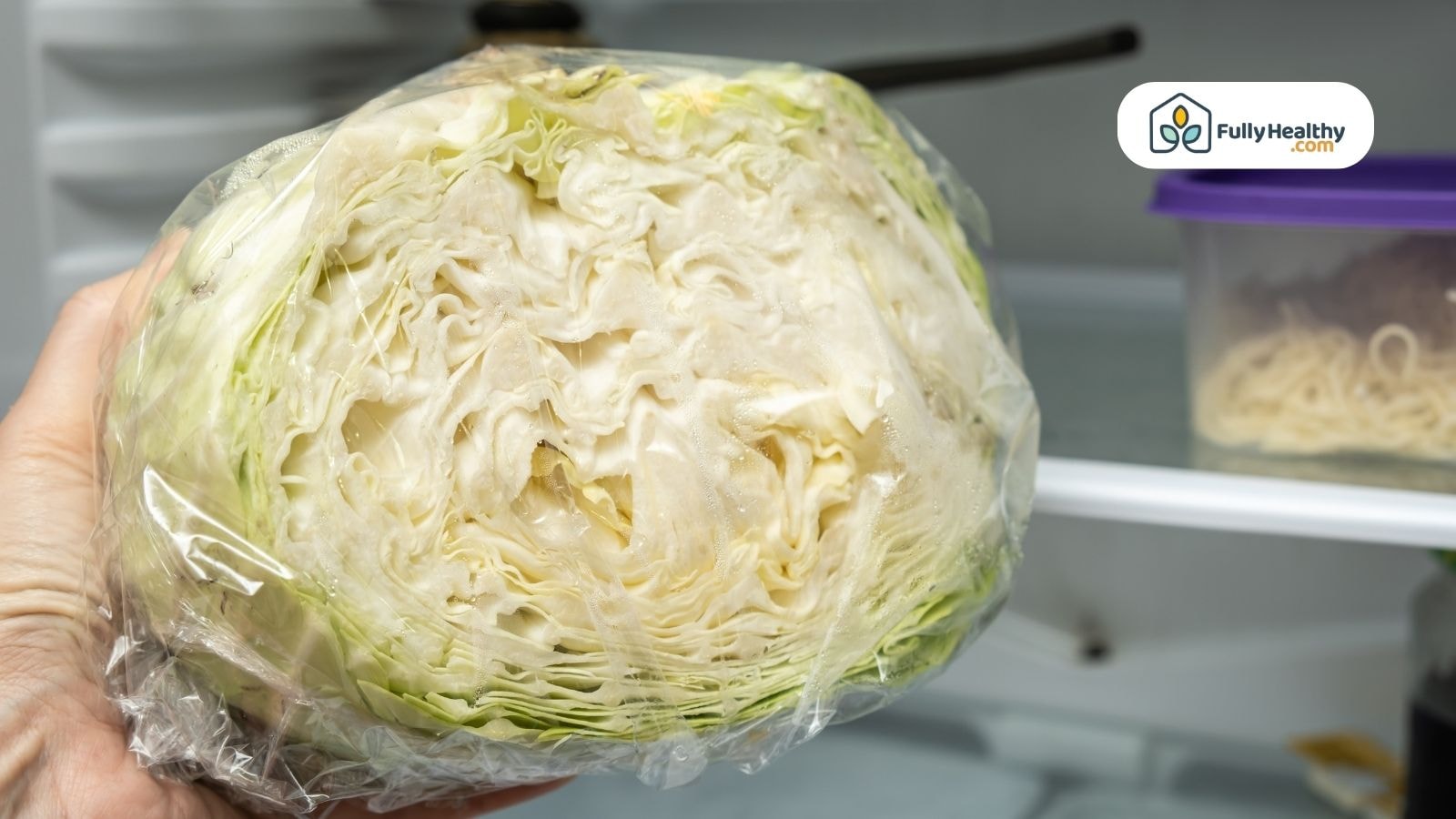 Photo Credit: Canva Pro
Freezing vs. Fermenting vs. Fridge Storage
Freezing, fermenting, and putting cabbage in the fridge are three good ways to keep it for later use. Based on how you want to eat the cabbage, each method works best for a different purpose.
-
Freezing: Ideal for cooked dishes like stir fries, soup, or stew. Use blanched cabbage to prevent freezer burn.
-
Fermenting: Turns cabbage into probiotic-rich foods like sauerkraut and kimchi. Lasts 4 to 6 months refrigerated.
-
Fridge storage: Best for raw cabbage used in salads or coleslaw. Whole heads last longer than shredded cabbage.
Does Sauerkraut Really Extend Shelf Life?
Through natural acids that kill bad bacteria, fermentation slows down the spoilage process. One of the best and safest ways to keep food for a long time is still this old method. Fermented cabbage is good for your gut and keeps fresh vegetables fresh longer than they would normally.
-
Raw sauerkraut: Keeps for 4 to 6 months in the fridge in airtight containers.
-
Pasteurized sauerkraut: May last longer unopened but loses some probiotic benefits.
-
Cabbage freezes well: Some fermented cabbages, like sauerkraut, can be frozen, but the taste may change.
Meet FullyHealthy: Clean Ingredients, Smarter Choices
Who We Are and What We Stand For
FullyHealthy is a curated wellness food site offering clean-label pantry staples. To support eating real food and keeping your nutrition solid, all of our products have to meet strict standards for their ingredients.
-
Nutrient-dense products: Designed to support gut health, energy, and immunity.
-
Ingredient transparency: Only the essentials, with no fillers, gums, or hidden additives.
-
For your own food goals: Ideal for those looking to prepare vegetables or stock clean frozen foods.
Cabbage-Based Products You’ll Love
These best-selling cabbage-based foods are great for quick meals and healthy pantry items. You can save time and still get the flavor of fermented or cooked cabbage dishes with these ready-to-eat foods.
-
Wild Zora Savoy Beef & Cabbage Soup: Shelf-stable, protein-rich meal made with real vegetables like cabbage and beets.
-
Lil’ Kim Chee Organic Sauerkraut: Raw fermented cabbage with garlic and spice. Full of probiotics and crunch.
-
Beat Kraut Organic Sauerkraut: A sweet-savory blend of cabbage and beets with caraway. Perfect for adding depth to cooked dishes.
-
Love Kraut Organic Raw Sauerkraut: Crunchy, clean, and tangy. A classic kraut made with only cabbage and sea salt, no preservatives.
-
Lil’ Kim Chee Organic Kraut Shots: Raw kraut brine in a drinkable shot form, loaded with live cultures. A convenient way to support gut health daily.
Final Thoughts
To freeze cabbage, learn the best method that actually works. First, blanch it. Then, dry it well. Finally, put it in freezer bags. You'll save money, avoid freezer burn, and get up to nine months more use out of your food. Cut the cabbage into quarters and take off the wilted leaves on the outside.
Then, you can add the frozen cabbage right to rice, soup, or other dishes. Even if you only use salt and a microwave, keep a recipe card close by. Got questions? A registered dietitian or our services can help. Make sure your freezer stays full and your meals stay easy.
FAQs
Can unstuffed cabbage be frozen?
Yes, freeze cabbage in quarters or shredded form using the best method to keep it fresh for up to nine months.
How to cut cabbage for freezing?
Cut cabbage into quarters, remove wilted outer leaves, then blanch before freezing in bags to prevent freezer burn.
How can you use frozen cabbage in recipes?
You can use frozen cabbage in cooked recipes like rice, stew, and soup by adding it straight from the freezer without needing to thaw frozen cabbage.
Does freezing ruin cabbage flavor?
Freezing doesn’t ruin flavor if you blanch first and thaw frozen cabbage properly in the microwave or fridge.
Does freezing affect cabbage flavor?
Freezing can change texture slightly, but with a good recipe card and salt, frozen cabbage works well in recipes.
Leave a comment