

Can You Freeze Cooked Cabbage? The Freezer-Safe Method You Need
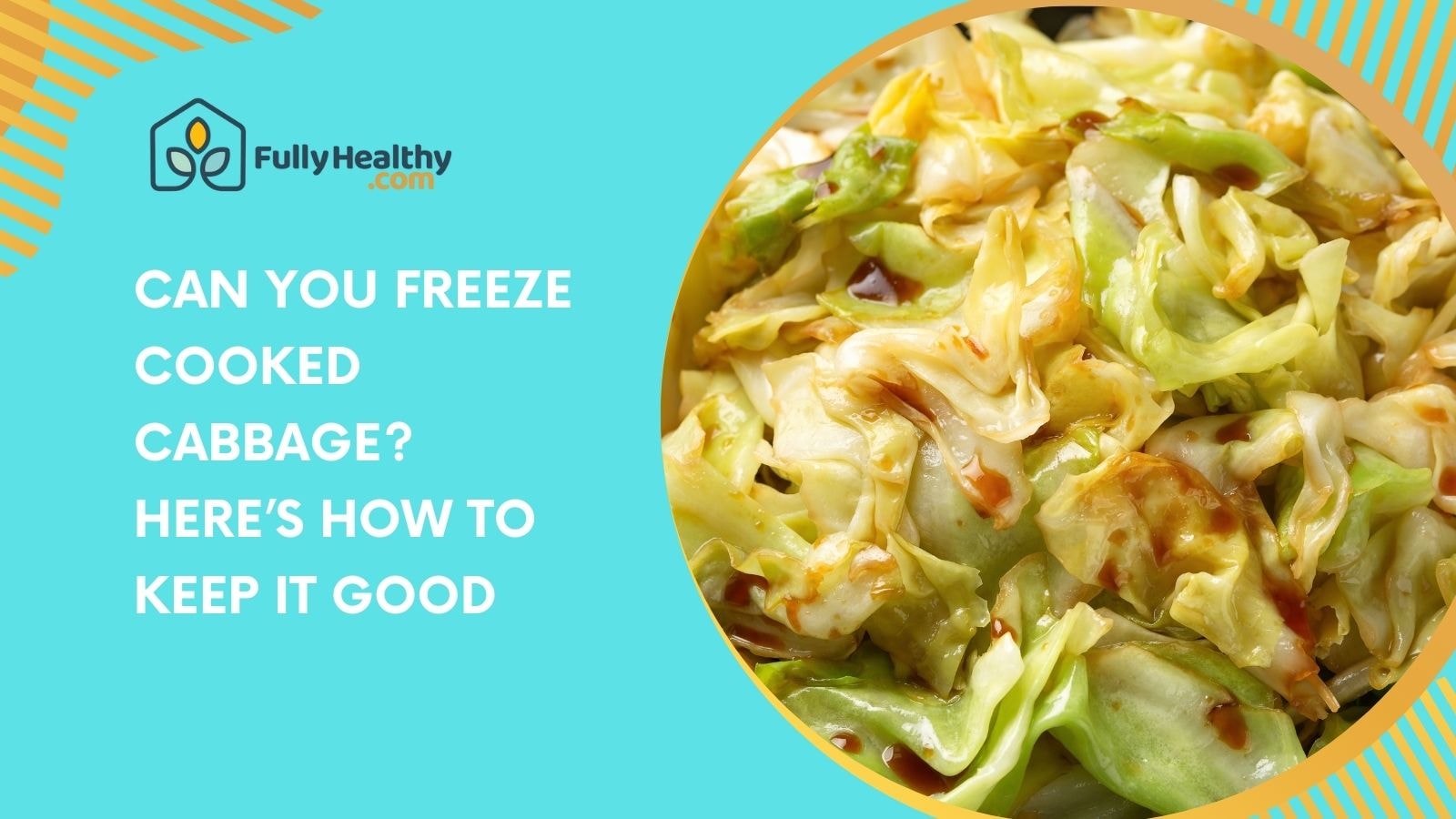 Photo Credit: Canva Pro
Can you freeze cooked cabbage? Yes, and it's a good way to cut down on waste and save time. If you pack cooked cabbage right, it freezes well and stays good for months. It works great for stir fries, soups, and casseroles. You will learn how to freeze it, how long it stays good, and how to use it later in this guide. Read on to learn how to freeze cooked cabbage so that it doesn't lose its texture or flavor.
Featured Pantry Pick
Lil Kim Chee // Organic Raw Sauerkraut - 16 oz
Loading...
What Is the Best Way to Freeze Cooked Cabbage?
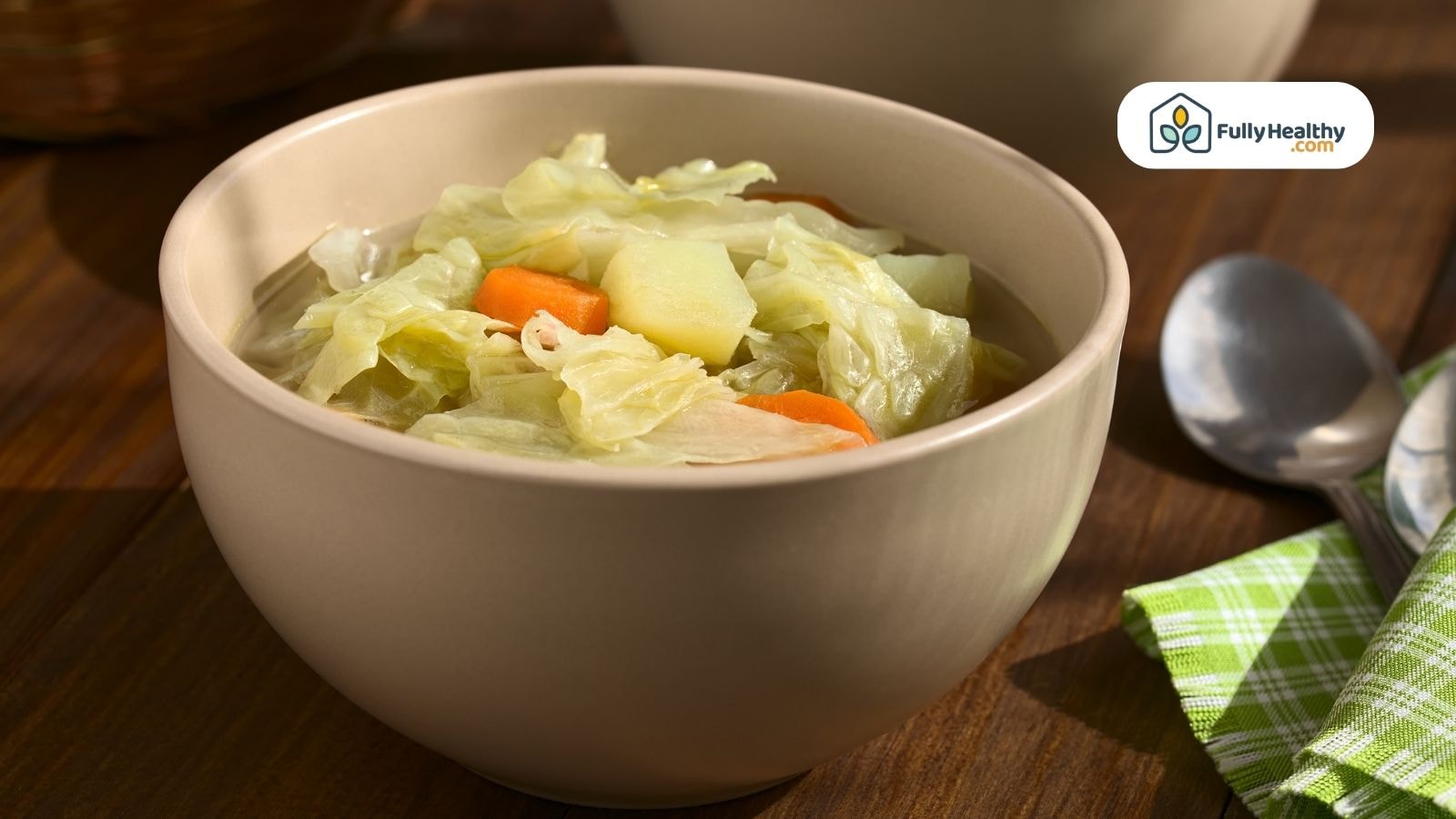 Photo Credit: Canva Pro
Step-by-Step Instructions for Freezing Cooked Cabbage
To safely freeze cooked cabbage, let it cool down all the way and put it in an airtight freezer bags . This helps the food keep its flavor, texture, and nutritional value while freezing it and also cuts down on food waste.
-
Cool completely: Let cooked cabbage reach room temperature before freezing.
-
Use airtight freezer bags: They preserve quality and prevent freezer burn.
-
Remove as much air as possible: This minimizes ice crystals and sogginess.
-
Divide into usable portions: Freeze only what you need to avoid thawing the entire bag.
-
Label with date: Helps track freshness and shelf life.
-
Freeze in a single layer: Lay bags flat on a baking sheet to freeze them quickly and make the best use of space.
Best Practices for Packaging and Storage
Pay attention to controlling moisture and smart packaging if you want to freeze cooked cabbage well. These tips can help you keep the texture and nutritional value of your cooked food.
-
Use freezer bags or airtight containers: Plastic bags and freezer bags both work, but freezer bags are smaller.
-
Pat cabbage dry: While drying surfaces can help reduce freezer burn, cooked cabbage will still release moisture upon thawing due to internal water content.
-
Prevent freezer burn: Avoid freezing cabbage with ice water still clinging to leaves.
-
Flatten bags: Press out excess air and lay bags flat to maximize freezer space.
Does Cabbage Get Soggy After Freezing?
 Photo Credit: Canva Pro
Texture Differences Between Fresh and Frozen Cabbage
Because its cells break down when it freezes, cabbage that has been frozen often gets softer after it thaws. It's normal for frozen vegetables like leafy greens to change texture in this way.
-
Cabbage freezes soft: The freezing process causes moisture expansion and cell wall damage.
-
Not spoiled: A softer texture does not mean the cooked cabbage is bad.
-
Best in cooked dishes: Use frozen cabbage in cabbage soup, fried cabbage, or stir fries.
-
Avoid raw uses: It won’t hold up in salads or coleslaw after freezing.
How to Minimize Sogginess in Frozen Cabbage
To keep the texture of cabbage, keep it from getting too wet and freeze it quickly. The way you cook cabbage also changes how well it stays fresh after it's been frozen.
-
Pat dry thoroughly: Use a paper towel or salad spinner before freezing.
-
Freeze in a single layer: Spread cabbage on a baking sheet before transferring to bags.
-
Use high heat when cooking: Stir fries and sautés help remove extra moisture.
-
Thaw in cold water or the fridge: Avoid the microwave defrost setting to reduce wateriness.
-
Add salt after thawing: Salt draws out water if used too early in the freezing process.
How Long Will Cooked Cabbage Last in the Freezer?
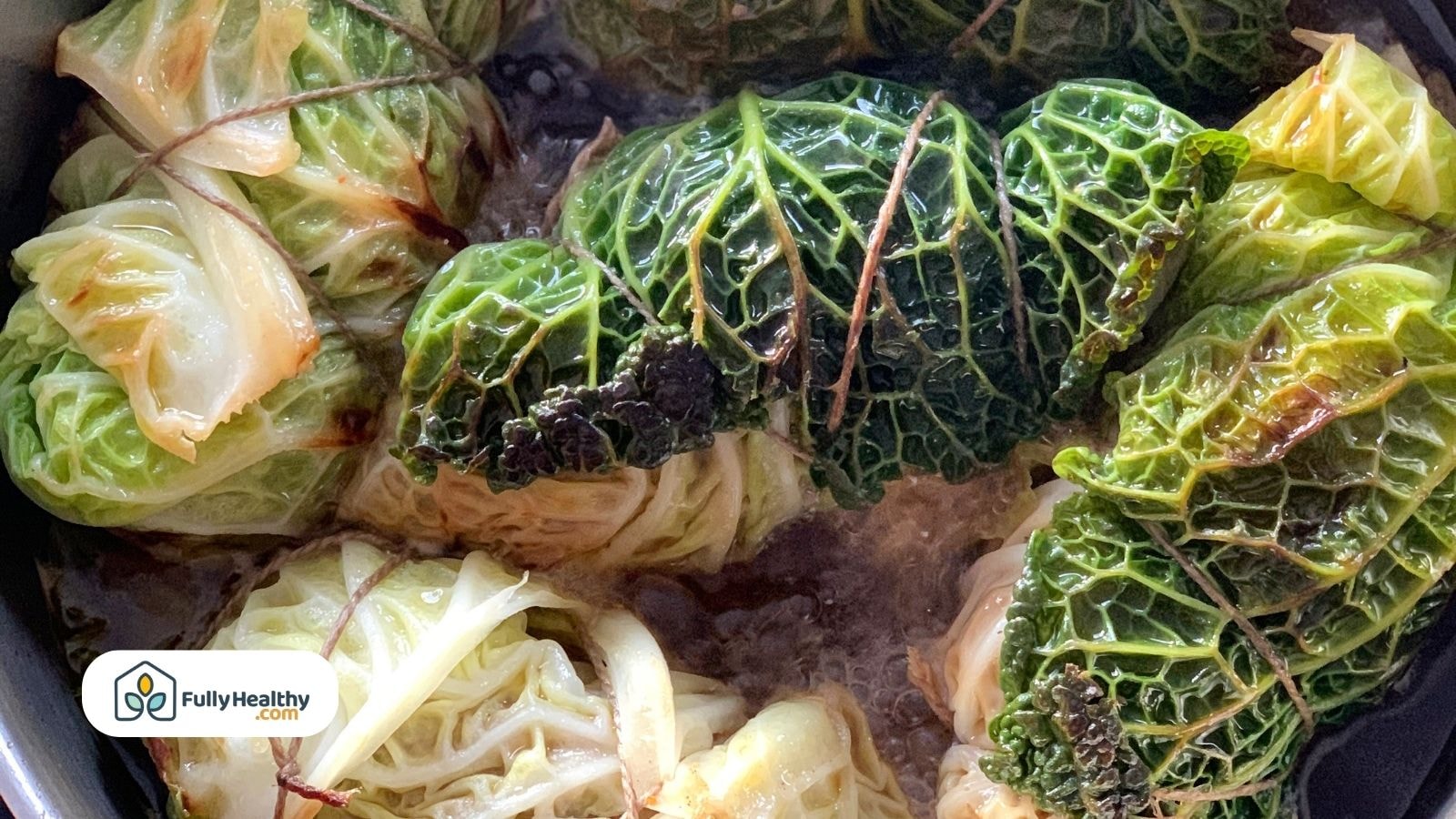 Photo Credit: Canva Pro
Ideal Freezer Shelf Life for Cooked Cabbage
How you store frozen cooked cabbage affects how long it will last. It will taste and feel best if you use it within three months, even though it can last up to nine months.
-
Best used within three months: Keeps flavor and texture intact.
-
Safe for longer: Up to nine months if stored properly in airtight containers.
-
Use airtight freezer bags: These help preserve quality better than regular containers.
-
Avoid thawing and refreezing: That reduces taste and increases the risk of spoilage.
-
Label the date: Keep track to avoid using expired cabbage.
Signs That Frozen Cooked Cabbage Has Gone Bad
It is not safe to eat frozen cabbage that is starting to go bad. After you let frozen cabbage thaw, look and smell for changes.
-
Freezer burn: Look for dry patches, discoloration, or ice crystals.
-
Sour or off smell: This usually means the cabbage is no longer safe.
-
Slimy texture: Mushy, soggy cabbage may have spoiled during storage.
-
Dark green leaves turned brown: A color change is a sign of quality loss.
-
Better safe than sorry: Discard if anything seems wrong during thawing.
Is It Best to Freeze Cabbage Raw or Cooked?
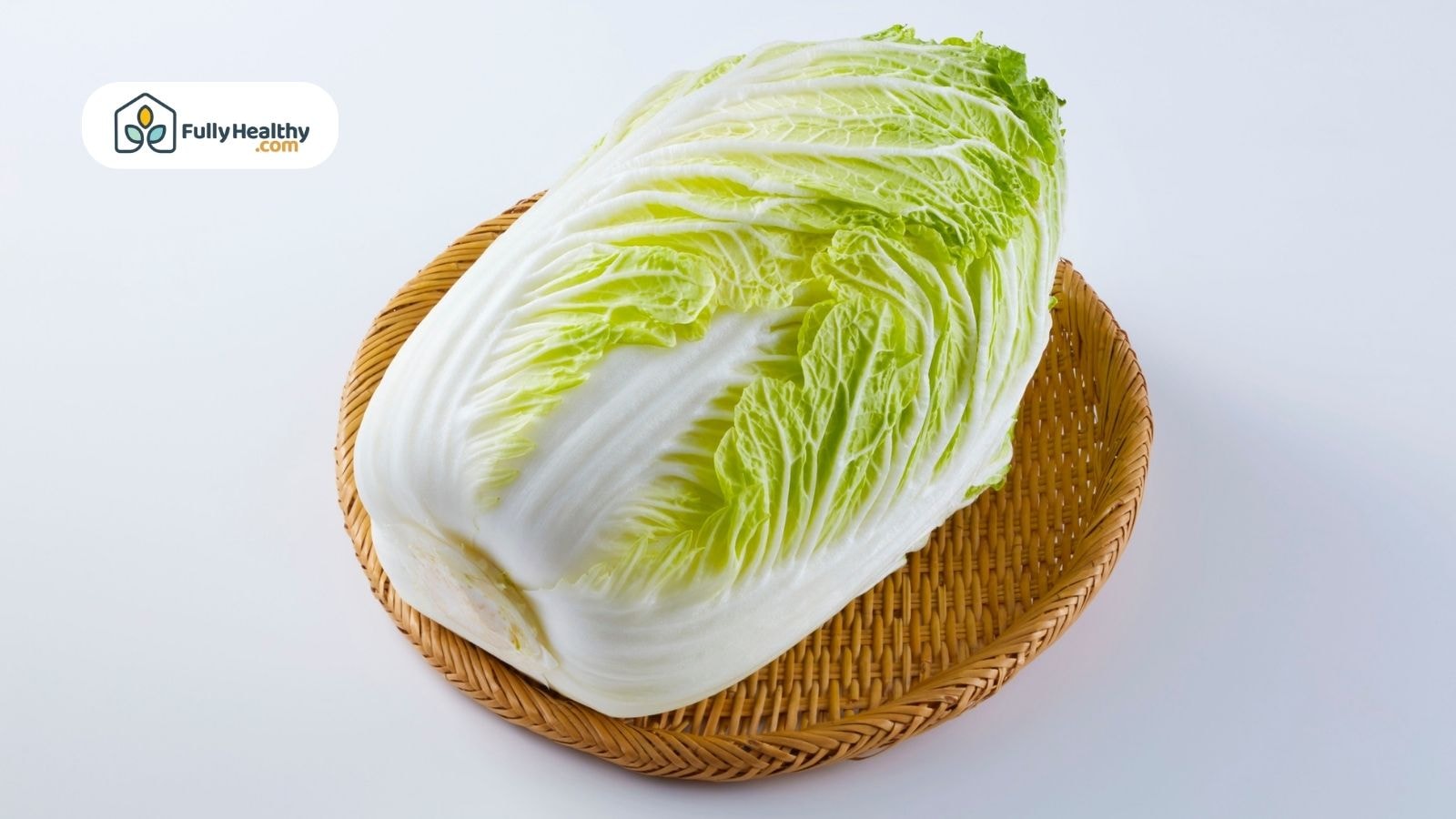 Photo Credit: Canva Pro
Pros and Cons of Freezing Raw Cabbage
You can freeze raw cabbage, but it needs to be blanched first to keep its quality and keep it from getting soggy. If you don't blanch the cabbage, it might get soft and go bad faster in the freezer.
-
Blanching process required: Boil sliced cabbage for 90 seconds, then transfer to a bowl of ice water.
-
Preserve quality: Blanching helps retain texture, color, and nutritional value.
-
Shorter shelf life without blanching: If you freeze raw cabbage without blanching, use within one month.
-
Freeze shredded cabbage: Great for stir fries or cabbage soup later.
-
Avoid freezing a whole head: Always slice cabbage into wedges or shred for better results.
When Cooked Cabbage Is the Better Option
Most of the time, it's better to freeze cooked cabbage because it keeps well and can be used in meals again. It's also easier to divide cooked cabbage into servings, and it stores better without losing its texture as much.
-
Ideal for batch cooking: Cook and freeze for easy weeknight meals.
-
Saves cooking time: Skip the blanching process entirely.
-
Works in more dishes: Add frozen cabbage directly to casseroles, stews, or stir fries.
-
Freezer-safe after cooling: Let it sit in a large bowl before transferring to freezer bags.
-
Easier to portion: Freeze in small amounts so you don’t thaw more than needed.
About FullyHealthy: Real Food, Real Convenience
Our Mission at FullyHealthy
FullyHealthy focuses on clean, real-food ingredients you can trust. We provide shelf-stable and frozen vegetables that simplify meal prep without sacrificing nutrition.
-
Nutritious and clean: All our products support whole-food, high-quality eating.
-
Perfect for busy lives: Make meal prep faster while avoiding food waste.
-
Trusted sourcing: Every product is curated with health in mind.
-
Cabbage-focused offerings: We use cabbage leaves, fresh cabbage, and fermented blends across multiple items.
-
Support for real cooking: We help you use and preserve cabbage easily.
Shop Our Favorite Cabbage-Based Products
Our best-selling items make it easy to eat cabbage in tasty, handy ways. These are great for people who want something savory, easy, and healthy.
-
Wild Zora Instant Soup – Savoy Beef: A ready-to-make soup with cabbage, beets, and carrots.
-
Great Plain Raw Sauerkraut: Fresh, fermented cabbage with rich flavor and gut-friendly benefits.
-
Beat Kraut Organic Raw Sauerkraut: A beet-cabbage blend packed with nutrition and crunch.
-
Lil Kim Chee Organic Raw Sauerkraut: Spicy and tangy, made with cabbage wedges and seasonings.
-
Beat Kraut Shots Organic Raw: Drinkable kraut liquid for digestive support.
-
Veda Kraut Raw Sauerkraut: Earthy and balanced, with dark green leaves and spices.
Final Thoughts
If you cook cabbage the right way, it freezes well and tastes great in cooked dishes. With a slotted spoon and a big pot of boiling water, you can handle cabbage leaves before you freeze them. After the ice bath, take off the wilted outer leaves, pat them dry, and put them right into airtight freezer bags.
It's fine to use frozen solid cabbage in soups, cabbage rolls, or stir fries. Freeze cabbage, learn what works, and waste less. When you cook next time, give it a try.
FAQs
Does cabbage freeze and reheat well?
Yes, cabbage freezes and reheats great if frozen solid after removing excess water and outer leaves in an ice bath.
What kind of container is best for freezing cabbage?
Use airtight freezer bags or containers to prevent freezer burn caused by air exposure, not moisture alone.
How do you freeze sauteed cabbage?
After the cooking process, prepare cabbage by letting it cool and then immediately transfer into freezer bags from a large pot.
How to thaw out frozen cabbage?
Thaw frozen cabbage in cold water or hot water slowly to preserve texture and retain moisture from fresh vegetables.
What’s the difference with blanched cabbage?
Blanched cabbage is briefly cooked in boiling water then cooled in an ice bath using a slotted spoon to preserve quality when frozen solid with more cabbage.
Leave a comment