

Can You Freeze Cooked Pasta and Keep It From Turning Mushy?
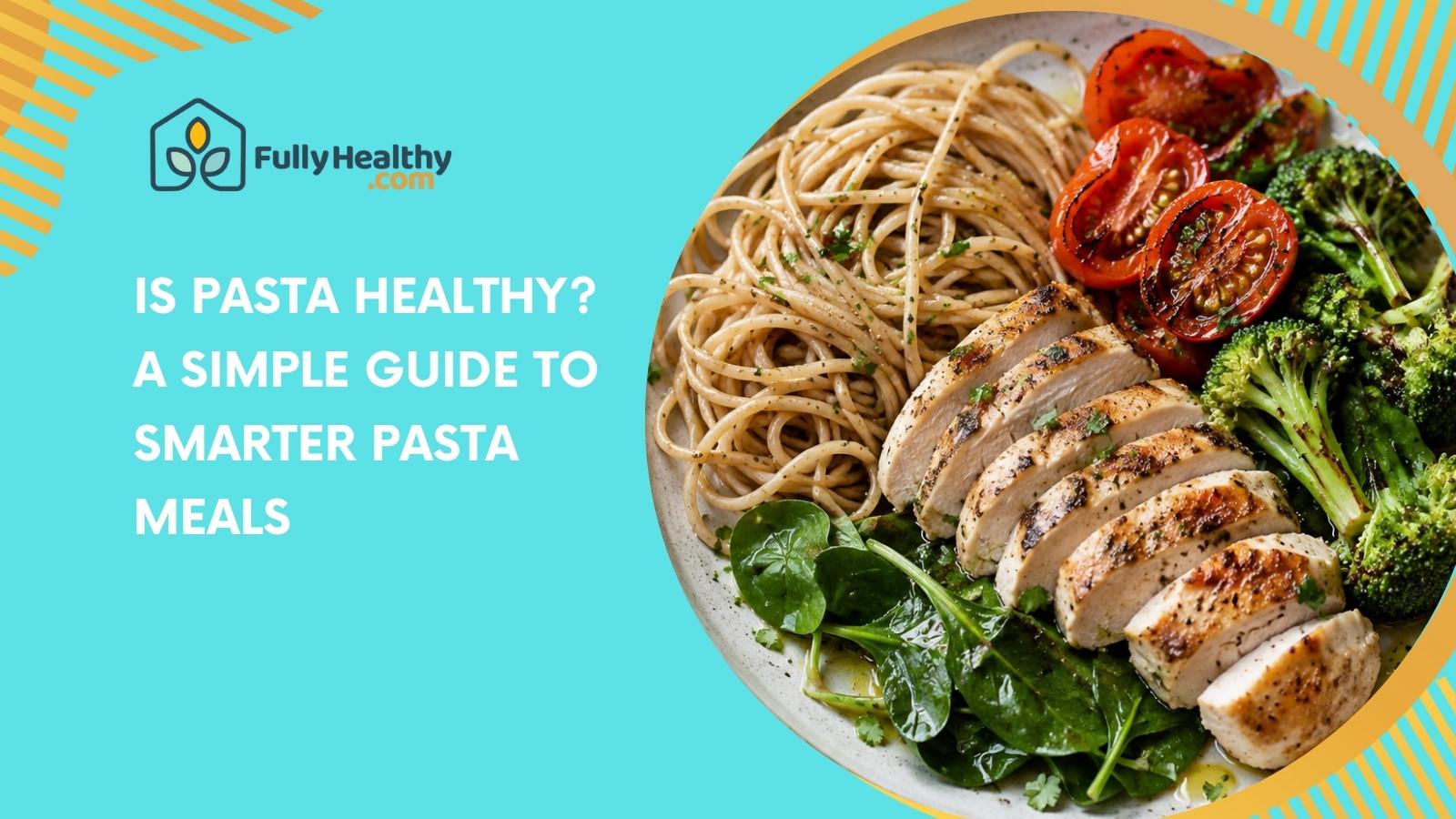
Can you freeze cooked pasta? Yes, and it can still taste good when stored the right way. Cook it until just firm, let it cool, and pack it in airtight portions before freezing.
Plain pasta often keeps a better texture than pasta mixed with sauce, though many sauced dishes also freeze well. For the best quality, use it within about two months. Reheat it gently in hot water, sauce, or the microwave to avoid making it soft or mushy later.
Can You Freeze Cooked Pasta?
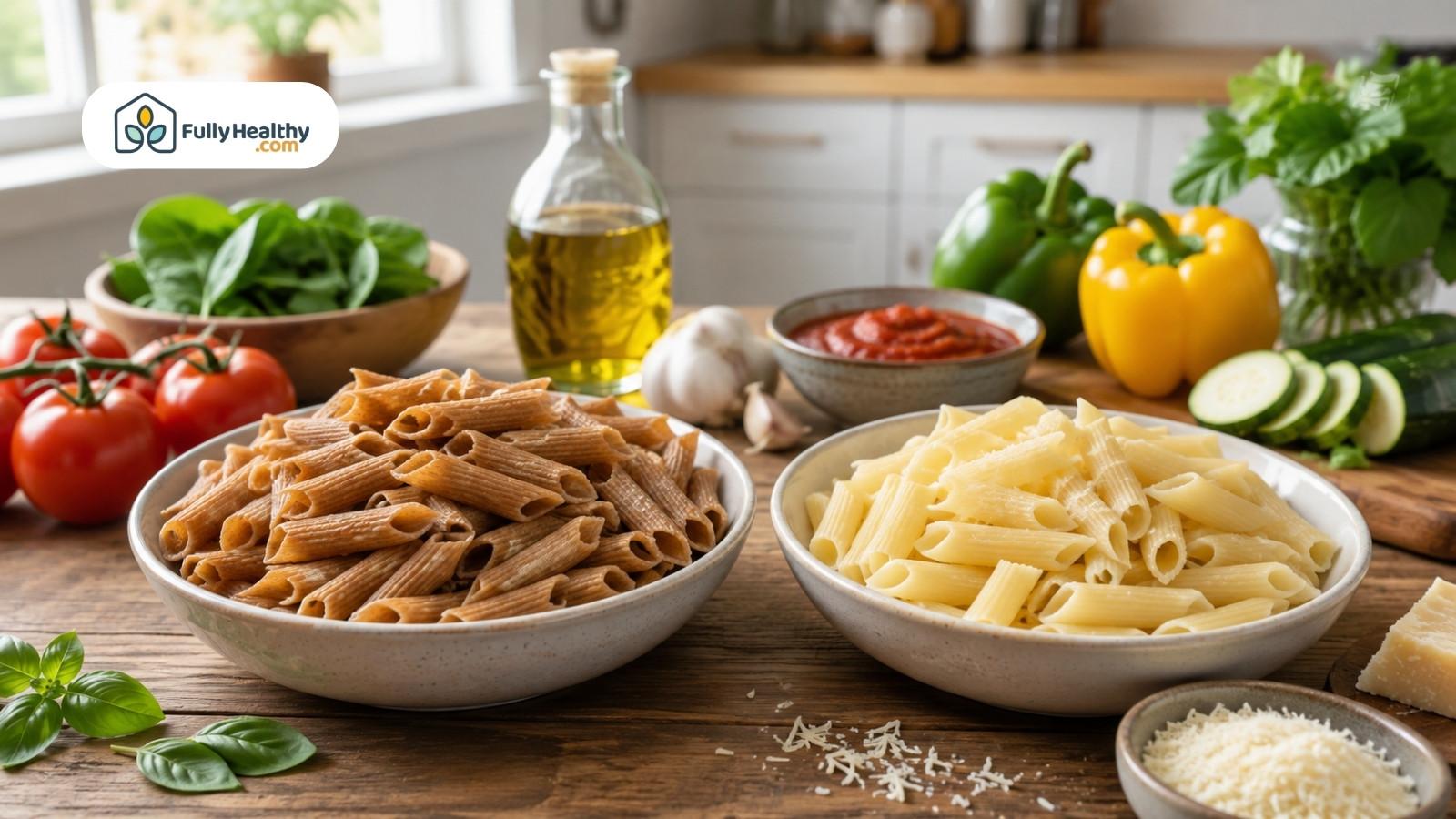
Yes, you can freeze cooked pasta. Best results come from cooking it al dente, cooling it, and packing it correctly. Whether you have spaghetti or macaroni, good storage protects texture and flavor. This simple method also reduces waste and makes future meals easier.
Can You Freeze Cooked Pasta Without Ruining the Texture?
Yes, especially when you slightly undercook it before cooling. Drain the pasta well and rinse it briefly with cold water when needed. Toss it with a little olive oil to reduce sticking.
-
Cooking Tip: Keep pasta al dente so it stays firm after you thaw and reheat it.
-
Freezing Method: Spread it in a single layer on a baking sheet before moving it to a freezer bag.
-
Quality Protection: Remove excess air to avoid freezer burn and limit large ice crystals.
What Is the Best Way to Freeze Cooked Pasta for Later Meals?
Freeze plain pasta because it usually keeps a better texture than sauced pasta. Place cooled portions in freezer safe containers or an airtight container. For best quality, eat the pasta within two months.
-
Best Packaging: Use sealed containers that keep air and moisture out.
-
Long Noodles: Twist spaghetti into nests for easy individual portions.
-
Meal Planning: Keep uncooked pasta in the pantry, and freeze only what your household will eat.
Is Pasta Good After You Freeze It?
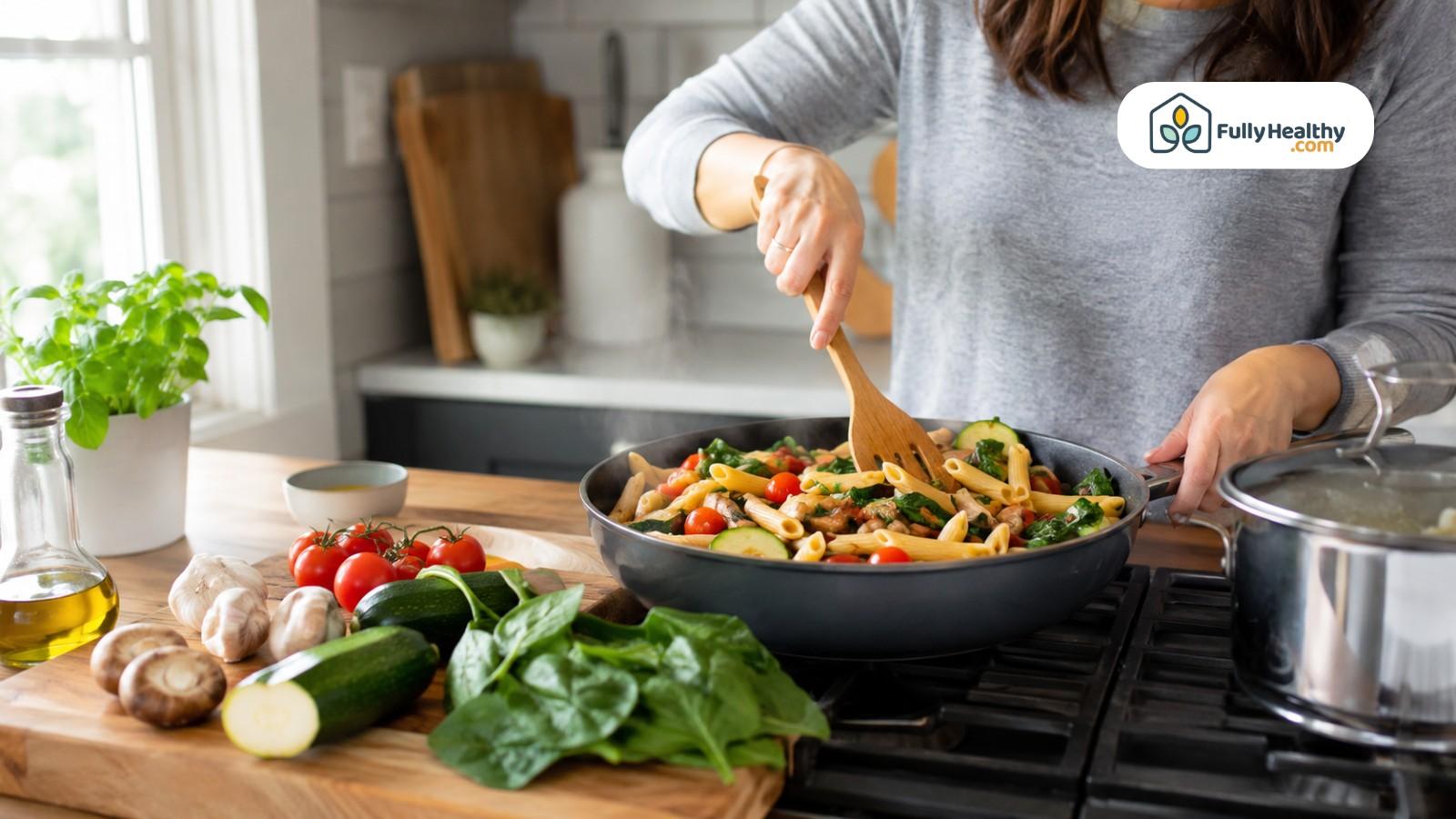
Frozen pasta can still taste good, although it may become slightly softer after you defrost it. Quality depends on how it was cooked, cooled, packed, and reheated.
Does Frozen Cooked Pasta Dishes Taste Different After Thawing?
Pasta may change slightly when frozen. Ice crystals form in the freezer and can soften noodles during thawing. Firm pasta stays closer to fresh after reheating.
-
Texture Change: Overcooked noodles may become soft or mushy.
-
Flavor Boost: Add fresh herbs, warm sauce, or grated cheese.
-
Serving Idea: Thawed pasta can work in pasta salad after safe cooling.
Which Types of Pasta Hold Up Best in the Freezer?
Short, sturdy shapes usually freeze better than delicate fresh pasta or thin noodles. Penne, macaroni, fusilli, and rigatoni hold their shape. Baked pasta dishes freeze well because sauce and cheese help prevent dryness.
-
Best Choices: Pick thicker shapes that can stay firm after thawing.
-
Use Care: Handle fresh pasta and thin spaghetti gently because they can break or soften easily.
-
Storage Check: Seal packages tightly before freezing to protect taste and texture.
Can You Freeze Pasta With a Sauce?
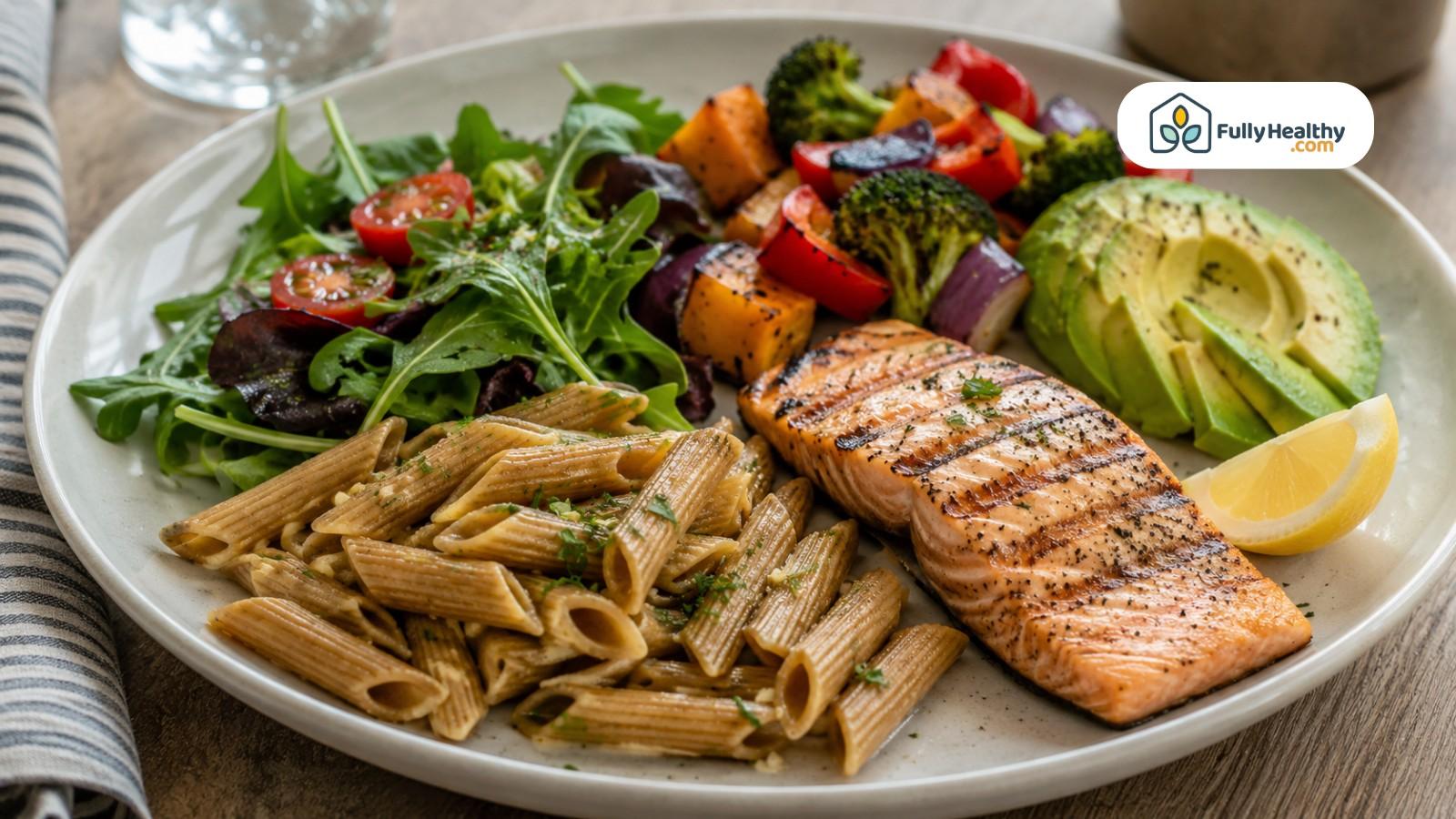
Yes, but results depend on the sauce and storage method. Freeze plain pasta separately, then add sauce after reheating. This keeps noodles closer to just what you expect from a fresh meal.
Should You Freeze Pasta and Sauce Together or Separately?
Separate storage gives pasta a firmer texture and lets you choose another sauce later. Still, tomato-based pasta dishes can freeze well when cooled and packed correctly. Choose the method that suits your recipes and schedule.
-
Separate Storage: Keep pasta and sauce apart for firmer noodles.
-
Together Storage: Freeze complete meals when convenience matters.
-
Portion Size: Use small containers so portions thaw evenly.
Which Pasta Sauces Freeze Best With Cooked Pasta?
Tomato sauces usually freeze well because they are less likely to separate. Cream or cheese sauces may look grainy after they defrost, but gentle heating can help. Warm sauce slowly and stir often.
-
Best Choice: Use tomato-based sauces for dependable texture after freezing.
-
Cream Sauce Tip: Reheat cream or cheese sauces over low heat and stir often.
-
Quick Reheating: Dip plain frozen pasta in boiling water, drain it, and toss with warm sauce.
What Is the Best Way to Reheat Already Cooked Pasta?
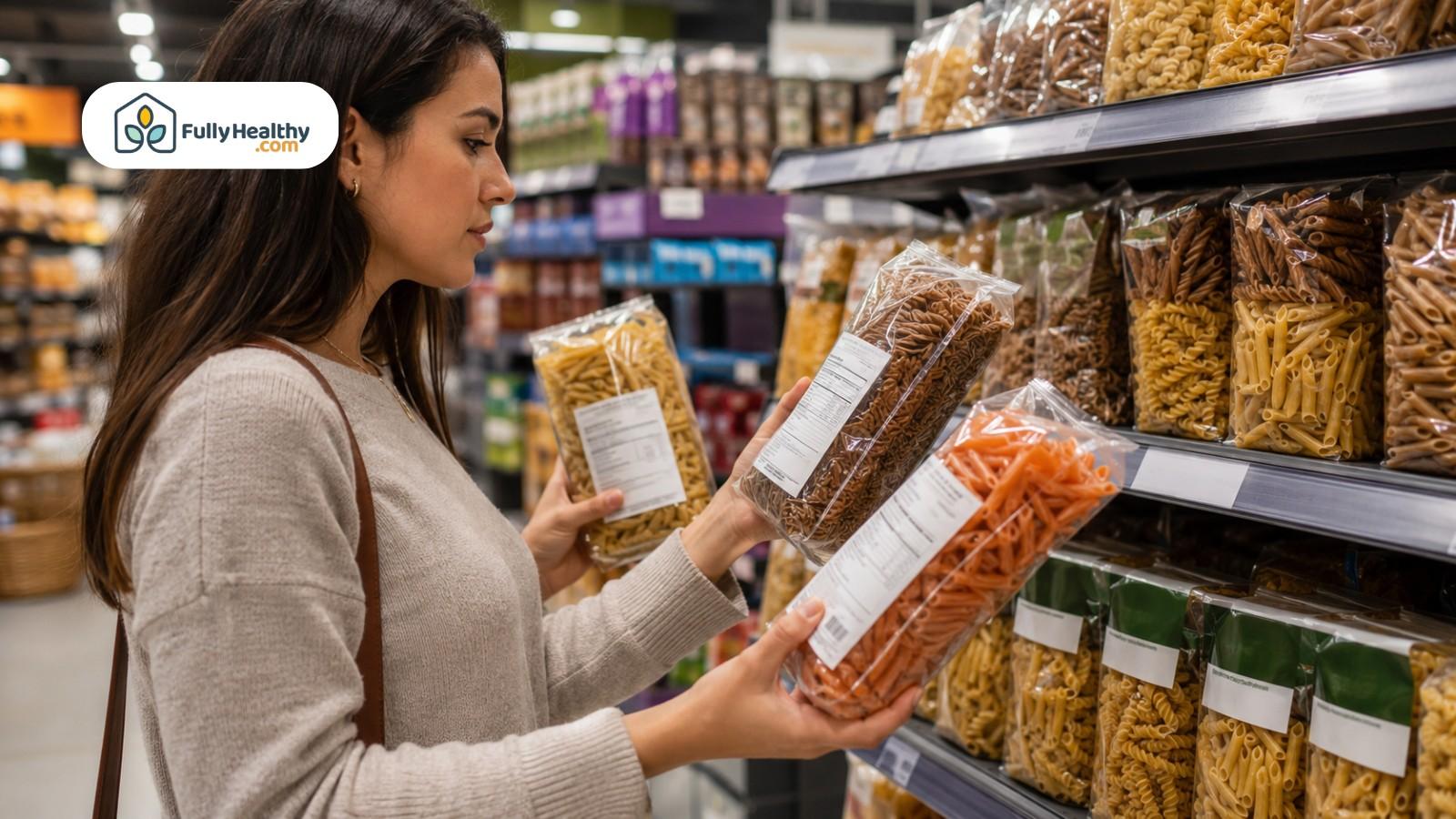
Reheating pasta correctly protects its texture and flavor. Gentle heat works best for leftovers from last night or pasta from the fridge. The goal is to make dinner hot without drying out the noodles.
Should You Reheat Frozen Pasta in Boiling Water, the Microwave, or Sauce?
There are two ways to reheat frozen pasta, depending on storage. Plain pasta works well in boiling water, while sauced pasta can go into a pan. Both methods make a quick meal.
-
Boiling Water: Add frozen pasta for 30 to 60 seconds, then drain it once hot.
-
Microwave Method: Put pasta in a bowl, add water, cover loosely, and stir halfway through.
-
Sauce Method: Warm the sauce first, add the pasta, and stir until it reaches an even temperature.
How Can You Prevent Frozen Pasta From Becoming Mushy?
Reheat pasta promptly and evenly until its internal temperature reaches 165°F/74°C; stir or rotate microwaved portions to eliminate cold spots. Do not thaw pasta on the counter.
Thaw it in the refrigerator, microwave it for immediate reheating, or reheat it directly from frozen; discard perishable pasta left at room temperature for more than 2 hours, or 1 hour above 90°F/32°C. Move it to the fridge overnight, and reheat only what your family will eat.
-
Use Gentle Heat: Warm pasta slowly so the noodles do not overcook or clump together.
-
Add Moisture: Mix in a little water or sauce if the pasta looks dry.
-
Serve Promptly: Eat it after reheating instead of leaving it on the table.
How Can FullyHealthy Help You Find Specialty Pasta for Meal Prep?
FullyHealthy makes it easier to find gluten-free and specialty pasta in one place. This can help you prepare meals faster, reduce food waste, and save money. It helps when you cook too much pasta.
Which Gluten-Free Pasta Products Can You Buy From FullyHealthy?
FullyHealthy lists three verified products: Jovial Cassava Fusilli Pasta, Banza Chickpea Penne Pasta, and Jovial Cassava Spaghetti Pasta. Each option has clear ingredients.
-
Jovial Cassava Fusilli: Made with organic cassava flour and water, it suits gluten-free and grain-free diets.
-
Banza Chickpea Penne: Made with chickpeas, pea starch, tapioca, and xanthan gum, it offers more protein and fiber than average pasta, according to the product page.
-
Jovial Cassava Spaghetti: Made with organic cassava flour and water, it is gluten-free, grain-free, and Paleo compliant.
Which FullyHealthy Pasta Option Might Fit Your Dietary Needs?
Choose based on your diet and preferred meals. Jovial cassava pasta may suit grain-free plans, while Banza penne may suit shoppers seeking more protein. All three can help you plan leftovers instead of having to throw away a ton of food.
-
For Grain-Free Meals: Choose Jovial Cassava Fusilli or Jovial Cassava Spaghetti.
-
For More Protein: Choose Banza Chickpea Penne for a filling meal.
-
For Easy Portions: Divide cooked pasta before storing it so busy-night meals are quicker.
Final Thoughts
Can you freeze cooked pasta? The answer is yes, and doing it the right way helps you save time, reduce food waste, and enjoy easy meals later. Cook the pasta al dente and cool it promptly in shallow containers; do not leave it at room temperature until completely cool before refrigerating or freezing.
Reheat it gently to keep the texture as close to fresh as possible. Whether you freeze plain pasta or a complete pasta dish, simple storage habits make a big difference. A small trick, such as freezing individual portions, makes meal planning even easier.
If the texture is not exactly like freshly cooked pasta, that is completely fine. By pulling together these simple tips, you can confidently freeze, store, and enjoy pasta whenever you need it.
FAQs
How long can frozen cooked pasta stay at its best?
For the best quality, eat frozen cooked pasta within about two months, although it may remain safe longer when stored properly.
Do I need to thaw pasta before reheating it?
No, the answer is no in many cases because you can reheat it directly in boiling water, sauce, or the microwave.
What is the best trick for keeping frozen pasta from becoming mushy?
The best trick is to cook it al dente, cool it quickly, and reheat it gently instead of overcooking it.
Can I freeze pasta for meal prep without losing too much quality?
Yes, freezing individual portions and pulling out only what you need helps maintain quality and reduces waste.
Is frozen cooked pasta still fine to serve for dinner?
Yes, it is fine when stored safely, reheated thoroughly, and enjoyed within the recommended storage time.
Leave a comment