

Can You Fry With Olive Oil? Myths, Facts, and Healthier Frying
 Photo Credit: Canva Pro
Can you fry with olive oil? Yes, it's healthier and safer than most people think. Extra virgin and refined olive oil can be used in high-heat cooking without losing nutrients or making compounds that are bad for you. Olive oil is one of the best oils for frying food at home or in any kitchen because it tastes great, has a lot of health benefits, and is full of antioxidants.
Featured Pantry Pick
Graza // Sizzle Extra Virgin Olive Oil - 750ml
Loading...
Is Olive Oil Safe to Fry With?
 Photo Credit: Canva Pro
Smoke Points and Real Frying Temperatures
Can olive oil be used to fry? Both extra virgin olive oil and refined olive oil can handle the high temperatures needed for deep and shallow frying. Extra virgin olive oils can smoke at temperatures between 374°F and 410°F.
Light and refined olive oils can smoke at temperatures up to 468°F, which means they can be used for cooking over high heat.
-
Extra Virgin Olive Oils: Maintain oxidative stability and preserve nutrients when used below their smoke point.
-
Refined Olive Oils: Provide a higher smoke point and neutral taste ideal for deep frying foods.
-
Virgin Olive Oil: Works well for pan frying vegetables, seafood, and meats while adding rich flavor.
-
Light Olive Oil: Handles high temperatures better and is great for deep fat frying.
-
Pomace Olive Oil: Cost-effective and high in smoke point, it is often used for commercial frying.
-
Olive Oil vs Vegetable Oil: More monounsaturated fats and antioxidants are found in olive oils than in vegetable oils. This means that olive oils produce fewer harmful products.
Safety, Flavor, and Cost Considerations
At high temperatures, olive oil is still safe and stable. Using olive oil for frying makes less harmful chemicals than using canola oil, sunflower oil, or other common cooking oils.
-
Safety: Olive oil forms minimal trans fats and remains chemically stable during high heat cooking.
-
Flavor: Extra virgin olive oil delivers rich flavor for Mediterranean cuisine, while refined olive oils provide a lighter taste for neutral frying.
-
Cost: Although pricier than vegetable oils, olive oils last longer and retain nutritional value.
-
Health Benefits: Regular use supports cardiovascular health, lowers bad cholesterol, and promotes heart health.
-
Cooking Advantage: Olive oils preserve fatty acids and antioxidant content better than refined oils or polyunsaturated vegetable oils.
How to Fry With Olive Oil on the Stove?
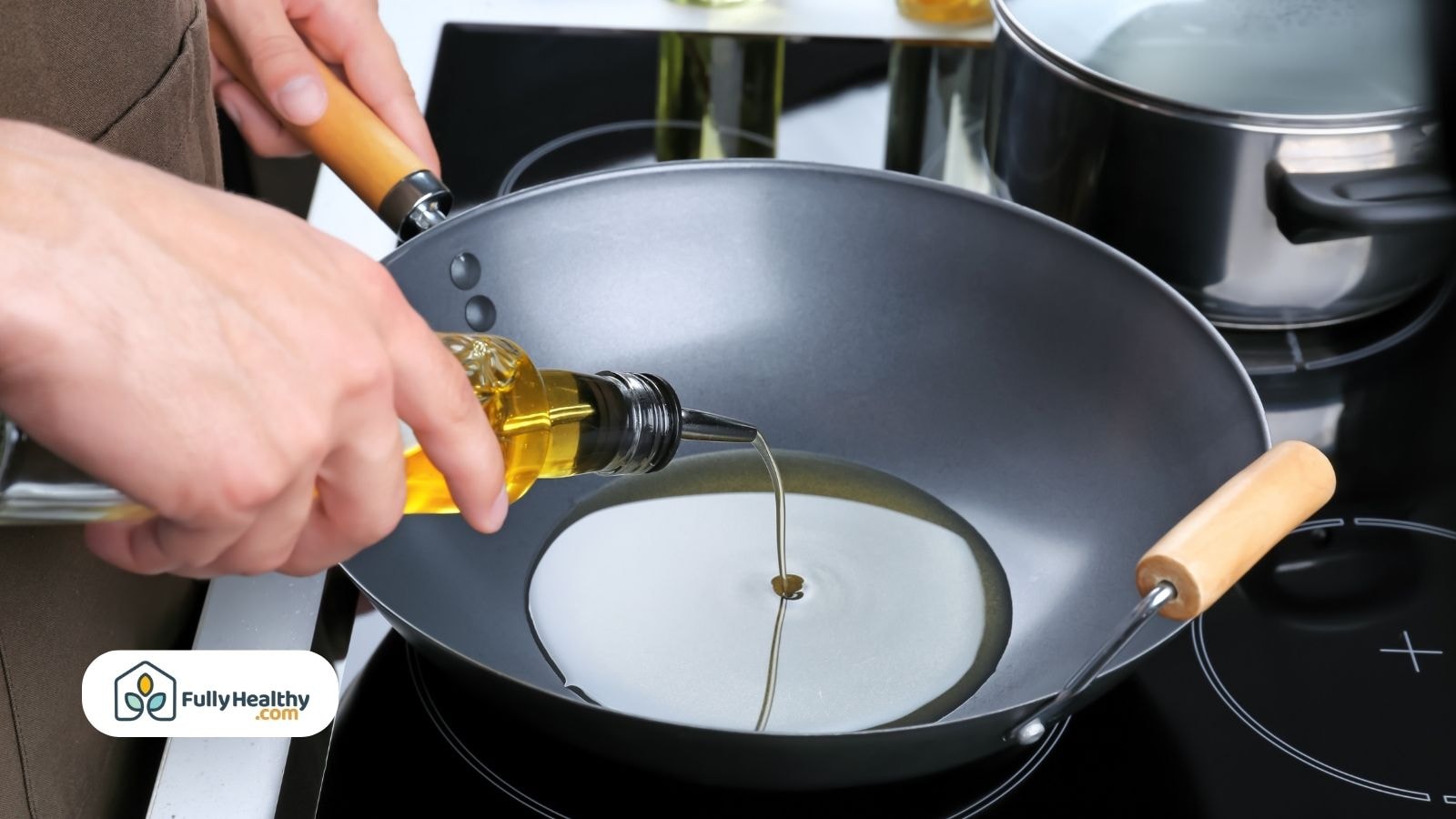 Photo Credit: Canva Pro
Setup, Heat Control, and Best Practices
Using olive oil for frying requires temperature control and patience. Keep the heat steady and don't let it go above the smoke point to keep the flavor and nutritional value from going away.
-
Choose the Right Pan: Heavy-bottomed or cast-iron pans distribute heat evenly.
-
Heat Gradually: Raise temperature slowly to prevent oxidation products and burnt flavors.
-
Shallow Frying Tip: Fill only one-third of the pan with olive oil to prevent splatter.
-
Deep Frying Technique: Maintain around 350°F to 370°F for crisp, golden frying foods.
-
Avoid Overcrowding: Too much food drops the oil temperature and increases greasy texture.
-
Utensils: Use stainless or heat-safe tools to reduce chemical reactions that damage the oil.
Fresh Oil, Small Batches, and Straining
Keeping olive oil clean and fresh will make it taste better, keep it from going bad, and be good for your heart. Using burnt oil again makes more harmful oxidation products and lowers its nutritional value.
-
Small Batches: Fry limited portions to maintain even heat and texture.
-
Strain After Cooking: Filter cooled oil through a mesh to remove crumbs and impurities.
-
Proper Storage: Store oil in dark, airtight containers away from sunlight.
-
Limit Reuse: Limit reuse of olive oil, especially at high temperatures, as antioxidant content declines significantly after repeated heating.
-
Oil for Frying: Olive oil performs better under high temperatures than refined vegetable oils.
-
Flavor Maintenance: Fresh oil gives food a clean taste without absorbing off-flavors.
Does Olive Oil Get Unhealthy When Heated?
 Photo Credit: Canva Pro
Phenolics, MUFAs, and Stability
Even when cooked over high heat, olive oil stays healthy. Compared to other cooking oils, its monounsaturated fats and phenolic antioxidants keep it from going rancid, so it keeps its health benefits and rich flavor.
-
Monounsaturated Fats: Stay stable under high heat and prevent harmful oxidation products.
-
Antioxidant Content: Natural phenolics and vitamin E protect against nutrient loss.
-
High Heat Cooking: Olive oil withstands higher temperatures better than most refined oils.
-
Nutrient Preservation: Retains more nutrients and fewer harmful compounds than corn oil or sunflower oil.
What Studies and Reviews Say
According to North American Olive Oil Association, olive oil stays stable and full of antioxidants even when heated. It is better for your health and doesn't oxidize as quickly as most cooking oils.
-
Scientific Consensus: Olive oil remains safe and stable during high heat cooking.
-
Food Chemistry Evidence: Shows minimal degradation compared to vegetable oils and refined oils.
-
Nutritional Value: Retains vitamin E, phenolics, and monounsaturated fats even after cooking.
-
Oxidative Stability: Stronger resistance to heat-induced damage than canola oil, rapeseed oil, or grape seed oil.
-
Long-Term Benefits: Regular use contributes to improved cardiovascular health and lower chronic disease risk.
Which Oil Should Not Be Used for Frying?
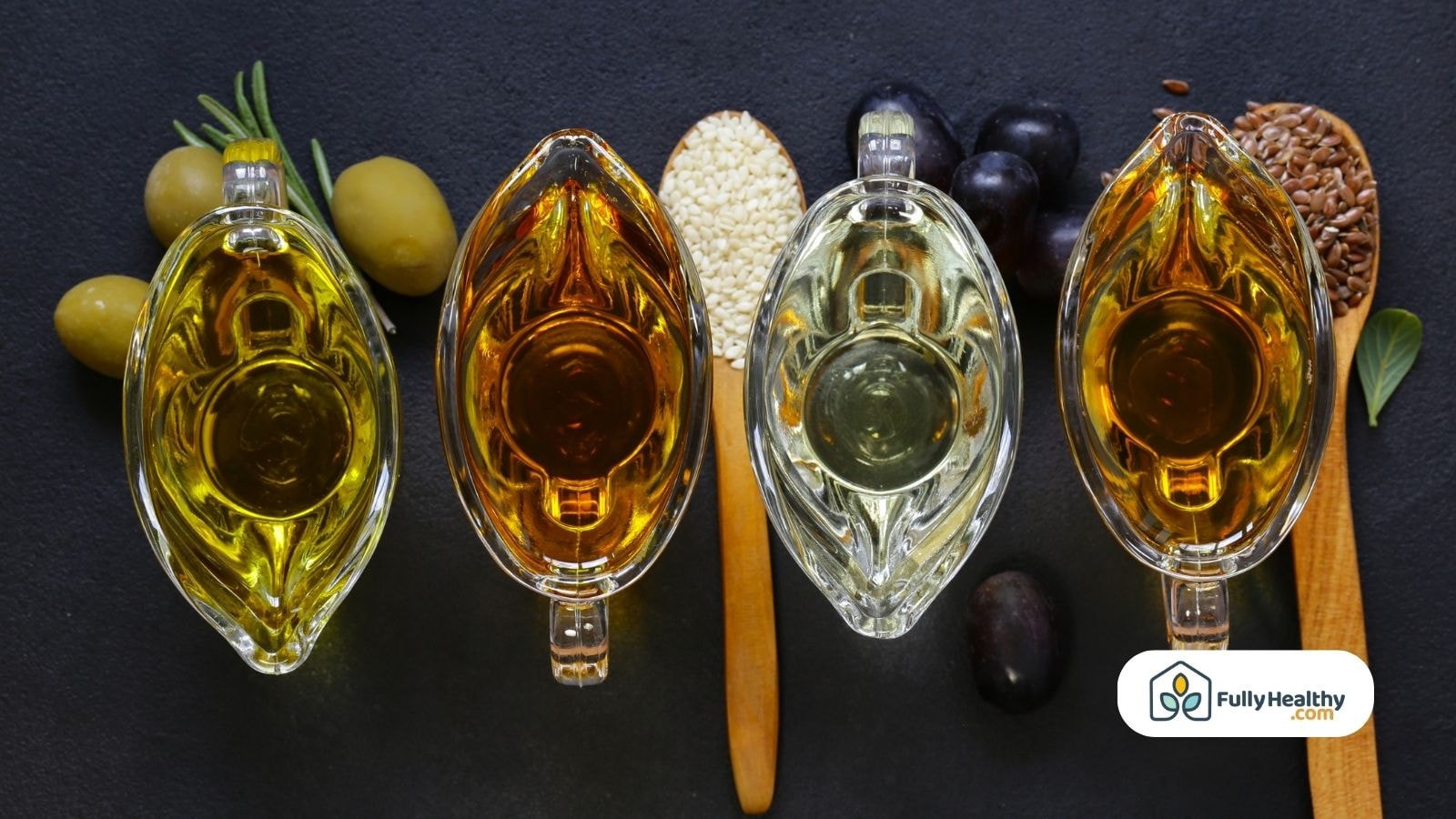 Photo Credit: Canva Pro
Prioritize Stability Over a Big Smoke Point Number
Not every cooking oil works well when it's very hot. Flaxseed or walnut oil, which are high in polyunsaturated fats, have a low smoke point and quickly turn rancid when fried. Because these oils break down and make harmful oxidation products, they are not good for frying foods.
-
Low Smoke Point Oils: Flaxseed oil, walnut oil, and unrefined sunflower oil degrade fast at high temperatures.
-
Oxidation Risk: Oils high in polyunsaturated fats break down easily during frying.
-
Frying Stability: Choose oils that withstand high temperatures and have a stable chemical structure.
-
Heart Health: Stable oils reduce harmful compounds linked to cardiovascular diseases.
Read Labels and Processing Methods
If you know how to read oil labels, you can choose healthier oils to fry with. How well an oil can handle high temperatures without making harmful compounds depends on how refined it is.
-
Refined Oils: Labeled as “refined” or “light,” they have a higher smoke point suitable for deep frying.
-
Cold Pressed Oils: Unrefined and nutrient-rich but better for salad dressings or finishing dishes, not high heat cooking.
-
Ultra Processed Oils: Many vegetable oils and seed oils lose nutrients through heavy refining.
-
Check Expiration Dates: Old oils oxidize faster, lowering quality and health benefits.
-
Choose Stable Oils: Refined olive oils, avocado oil, or peanut oil resist breakdown during frying.
FullyHealthy: Clean Ingredients for Healthier Home Cooking
Who We Are
FullyHealthy is a trusted source for wholesome, allergen-friendly cooking essentials. The brand promotes nutrient-rich foods inspired by Mediterranean cuisine, offering products that support heart health and balanced nutrition.
-
Mission: Provide premium ingredients for cooking and frying that maintain high nutritional value.
-
Philosophy: Encourage mindful cooking with natural oils and clean-label products.
-
Focus: Offer products that enhance cardiovascular health and suit everyday home cooking.
-
Quality Control: All items meet strict freshness and sustainability standards.
Related Products We Carry
FullyHealthy sells healthy pantry staples and products made with olive oil that make cooking over high heat easier and safer. Each item has a lot of flavor, is good for you, and is stable enough to fry at home.
-
Graza Sizzle Extra Virgin Olive Oil: Designed for cooking and deep frying, with high smoke point and strong antioxidant content.
-
Graza Baby Drizzle Extra Virgin Olive Oil: Perfect for finishing dishes or salad dressings.
-
Wild Planet Mackerel in Olive Oil: Packed in extra virgin olive oil for additional heart health benefits.
-
Wild Planet Yellowtail in Organic Olive Oil: Offers a nutrient-dense option for Mediterranean diet enthusiasts.
Final Thoughts
Frying with olive oil is safe, flavorful, and filled with health benefits that support a growing body and reduce heart disease risks. It’s one of the best frying fats because it resists oxidation better than other oils high in saturated fats. From frying potatoes to crispy french fries, olive oil keeps nutrients intact through the cooking process and challenges common myths about unhealthy frying. Try it yourself and taste the difference today.
FAQs
Does Frying With Olive Oil Destroy Nutrients?
No, frying oil like olive oil keeps nutrients better than other oils and prevents oxidation during the cooking process.
Can I Use Olive Oil Instead of Vegetable Oil to Fry?
Yes, extra virgin olive oil or refined olive oil works better for frying potatoes, french fries, and meats than most vegetable oils.
What Type of Cooking Oil Is Healthiest for Frying?
Olive oil has less saturated fats, stronger antioxidants, and better frying fats stability than other oils like canola or corn oil.
Is It Okay to Fry Eggs in Olive Oil?
Yes, using olive oil as frying oil gives eggs a rich flavor and heart health benefits during the cooking process.
Does Extra Virgin Olive Oil Work for Deep Frying?
Extra virgin olive oil performs well at moderate frying temperatures and retains more nutrients, but refined olive oil is better suited for sustained high-heat deep frying.
Leave a comment