

Coconut Flour vs Almond Flour: Which Should You Bake With?
 Photo Credit: Canva Pro
Anyone who bakes gluten-free or low-carb often wonders which flour is better: coconut flour vs. almond flour. There is a big difference between the two despite both being healthy. Towels soak up more liquid because coconut flour has a lot of fiber.
The protein and fat content of almond flour is higher. There are times when one works better than the other. This article compares them based on their health benefits, how they can be used in baking, and common substitutes, so you can pick the best one.
Featured Pantry Pick
Bob's Red Mill // Gluten Free Baking Flour 1 to 1 - 44 oz
Loading...
What’s the Difference Between Coconut Flour and Almond Flour?
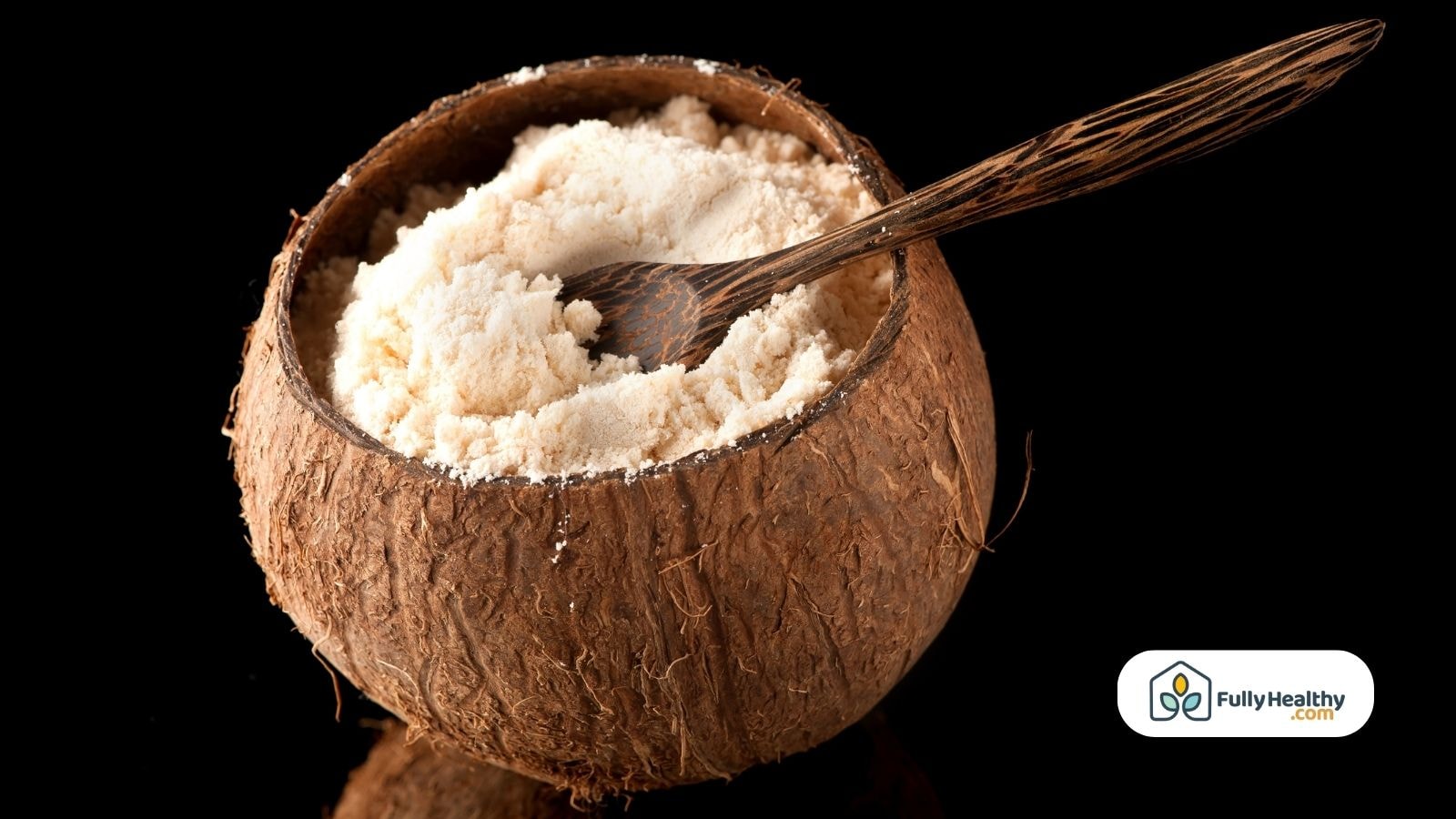 Photo Credit: Canva Pro
What you're baking, your diet, and how much moisture your recipe needs will help you decide between coconut flour and almond flour. Even though these grain-free flours look the same, they work in very different ways. Some almonds are blanched and then ground into flour.
Dried coconut meat is used to make coconut flour. If you know how each type of flour works, you can avoid making mistakes when baking and choose healthier foods.
Texture, nutrition, and absorbency explained
Even though both coconut flour and almond flour are gluten-free, they are not the same when it comes to texture and nutrition. Coconut flour is powdery, soft, and soaks up a lot of liquid. Almond flour, on the other hand, is wet, crumbly, and higher in fat.
-
Coconut flour texture: It's light and dry, and it soaks up a lot of liquid. It's often used in keto recipes and paleo baking recipes.
-
Almond flour texture: It's dense and moist, which makes it great for baking things like cookies, syrup, and mug cakes.
-
Nutrition facts: Coconut flour has more fiber than almond flour, but almond flour has more healthy fats.
-
Net carbs: Coconut flour generally has fewer net carbs than almond flour because of its significantly higher fiber content.
Popular uses in recipes and diets
There are types of low-carb recipes and diet plans that work well with each flour. It's important for people on a low carb diet, keto diet, or paleo diet to know how to use each flour.
-
Coconut flour recipes: It works best for sweet recipes like cupcakes and mug cakes and savory dishes like keto bread.
-
Almond flour recipes: It's great for coating meats, making cookies, and pie crusts.
-
Blanched vs unblanched almond flour: Blanched gives a smoother finish, while called almond meal (unblanched) gives a grainier feel.
-
Coconut flavor: It has a subtle coconut flavor that might change the way some dishes taste.
-
Nut allergy: Since almond flour comes from tree nuts, you should think about how many nuts you eat. As always, talk to your doctor before eating anything coconut-based if you have a nut allergy.
Which Is Healthier, Coconut Flour or Almond Flour?
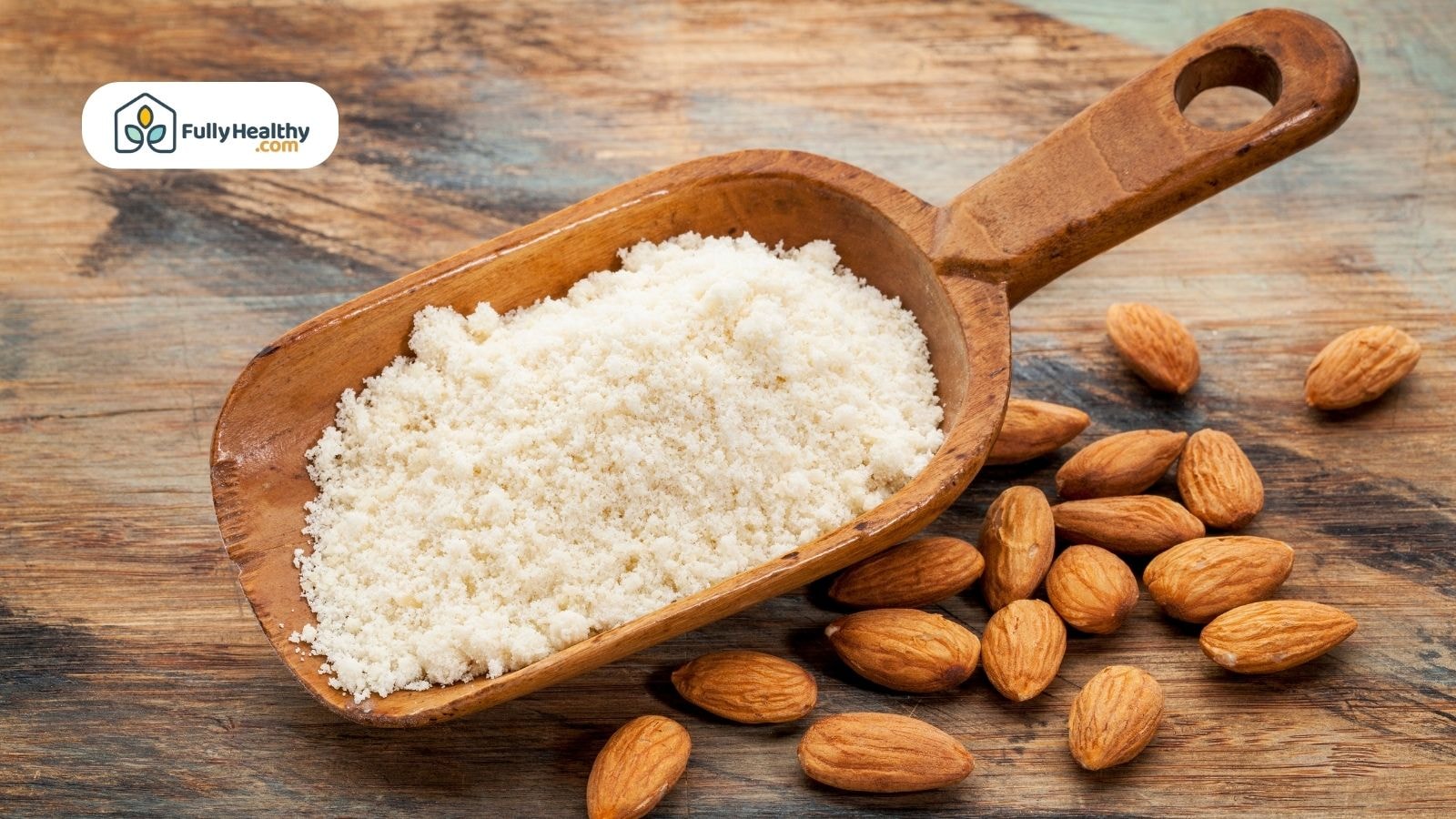 Photo Credit: Canva Pro
In terms of health, the choice between coconut flour and almond flour comes down to what you want to achieve. Both are better for you than conventional flour or flours made with white sugar. They don't have any added colors and are good for a variety of diets. Which is better for you: low-carb, high-fiber, or high-protein?
Nutrition breakdown per 2 tbsp
Here is a clear picture of the nutrition facts for both types of flour.
-
Coconut flour: 70 calories, 11g carbs, 3g protein, 8g fiber.
-
Almond flour: 80 calories, 2g carbs, 3g protein, 1g fiber.
-
Coconut flour benefits: More fiber, iron, and potassium.
-
Almond flour benefits: From ground almonds, you can get more calcium and good fats.
Pros and cons for health goals
Which flour you use may depend on what you eat, this is what to weigh.
-
For digestion: Fiber in coconut flour is good for your gut.
-
For blood sugar: There is less of a spike with almond flour because it has fewer carbs.
-
For heart health: Almond flour is rich in monounsaturated fats and vitamin E, which may support heart health.
-
For allergies: People who have tree nut allergies might be able to eat coconut instead, but not always.
-
Weight management: Almond flour has more calories, so watch how much you eat.
Can I Substitute Coconut Flour for Almond Flour in Baking?
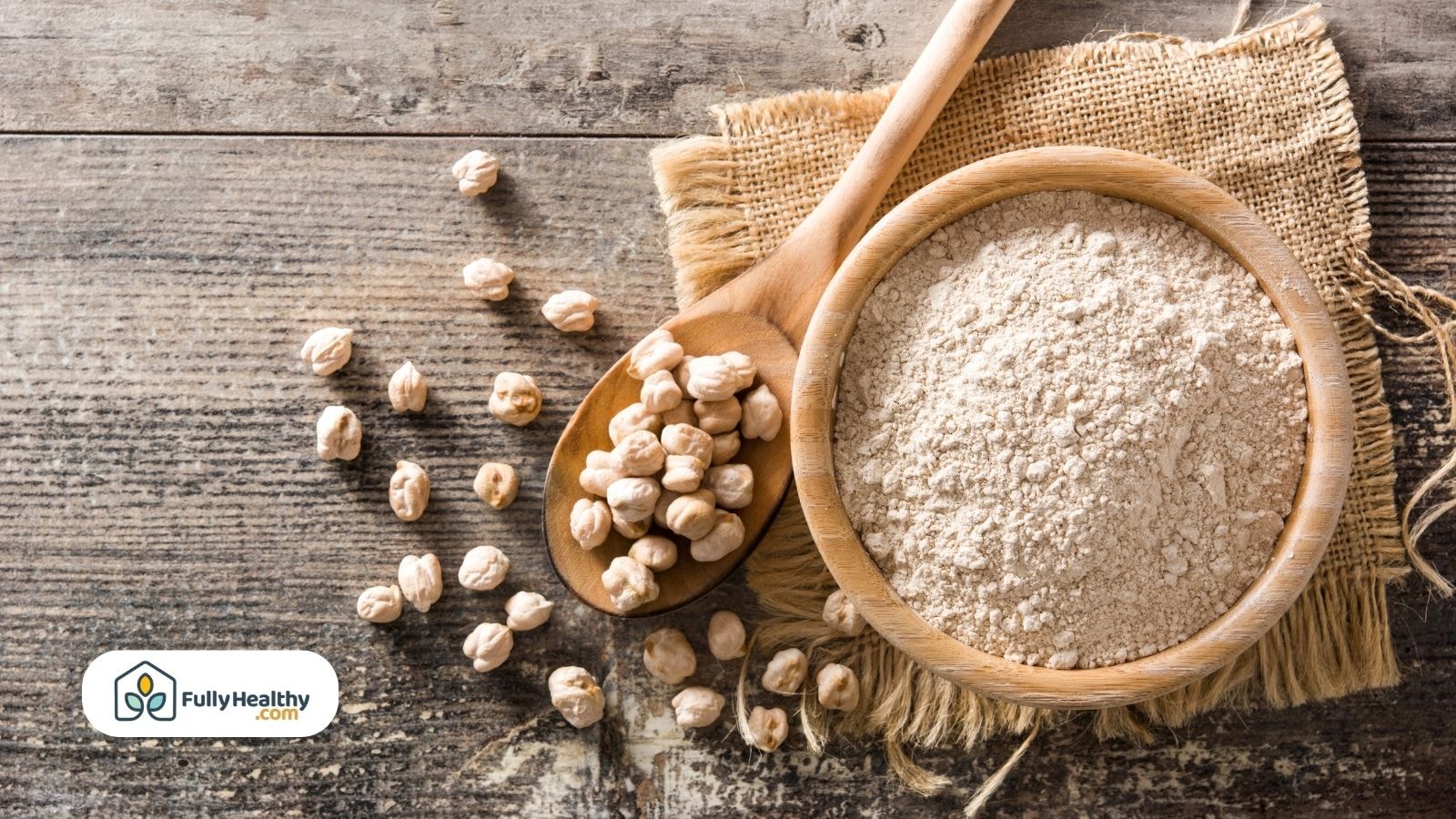 Photo Credit: Canva Pro
Many people who bake at home want to know if they can use coconut flour or almond flour instead of regular flour in recipes. The short answer is "yes," but not in a straight line. It needs to be changed because coconut flour soaks up more water. If you try to swap almond flour with coconut flour without changing the liquids, your dish will turn out badly.
Conversion ratios and moisture tweaks
Planning is needed to substitute. Almond flour can't directly substitute coconut flour.
-
1 cup of almond flour= About 1/4 cup of coconut flour.
-
Extra eggs: After using 1/4 cup of coconut flour, add one egg.
-
More liquid: If it's too thick, add more water, milk, or cream cheese.
-
Try mixes: So that the recipe is balanced, mix coconut flour with rice flour, cassava flour, or seed flours.
Tips to improve texture and consistency
Try these easy fixes to keep the results from being dense or crumbly.
-
Use whipped egg whites: Makes coconut flour recipes more fluffy texture.
-
Use food processor: Before adding liquids, mix the dry ingredients very well.
-
Rest your batter: Wait for it to sit so the flour can fully soak up the water.
-
Use organic coconut flour: Many times, it works better than cheap blends.
What Is the Healthiest Flour for Baking?
 Photo Credit: Canva Pro
When compared to other options, coconut flour and almond flour both do well for people who don't want to use grain-based flours. If you follow a paleo, keto, or gluten-free diet, these are the best options for you. They are often considered better for low-carb diets due to their lower net carbohydrate content compared to wheat flour, they're full of nutrients, and they don't have any pre-processed ingredients.
How almond and coconut rank among alternatives
Today there are a lot of gluten-free flours, but almond flour and coconut flour are two of the best because they can be used in a lot of different ways and are good for you.
-
Almond flour pros: Whitened almonds are used to make it. It's high in healthy fats, low in carbs, and full of vitamin E.
-
Coconut flour pros: It is made from dried coconut meat and is high in fiber and low in net carbs.
-
Compared to others: These work better than starchy flours, which have more carbs, like cassava flour and rice flour.
-
Versus grain flours: Gluten-free and grain-based flours have less fiber and cause blood sugar to rise more quickly.
-
Keto friendly flours: You can use both of them to bake on the keto diet.
Choosing based on dietary needs
The best flour for you depends on things like your allergies, your diet, and the texture you want your baked goods to have.
-
Egg allergy: Many recipes with coconut flour call for more eggs than usual, which may not be good for people who are allergic to eggs.
-
Nut allergy: Since almond flour is made from nuts, it's not safe for people who are allergic to nuts. Coconut flour, on the other hand, may be better for these people.
-
Paleo baking: You can use either one for paleo baking or low-carb flour needs.
-
Best use cases: To make cookies and mug cakes, use almond flour. For pancakes and soft breads, use more coconut flour.
What Does FullyHealthy.com Offer for Coconut and Almond Flour?
FullyHealthy.com is a store that only sells foods that are gluten-free, grain-free, and safe for people with allergies. It has carefully chosen products that are great for people who want to bake with almond or coconut flour and need reliable sources of good ingredients.
AIP-approved coconut-based products
There are a few things on the site made with coconut flour that are AIP-friendly and great for low-carb cooking.
-
Organic coconut flour: It comes from clean coconut products and is great for baking with a soft texture.
-
Coconut flour work: It works great for paleo bread, light muffins, and thick batters.
Specialty almond flour items and usage
You can also find blanched almond flour, almond meal, and other common baking items made with almond flour.
-
Almond flour recipes: Good for brownies, muffins, and crumb crusts, among other favorite recipes.
-
Cup of almond flour: It's simple to measure out and can be used in most recipes instead of all-purpose flour.
-
Nutty flavor: Adds a rich, smooth texture and a nutty taste to both sweet and savory foods.
Final Thoughts
If you want to bake something gluten-free, low-carb, or full of nutrients, you can use either almond flour or coconut flour. Recipes with coconut flour need more eggs and liquid, while recipes with almond flour make things moist and dense.
For different baked goods, you can use almond flour that has been blanched, almond meal, or your own coconut flour. These two are better than either cassava flour or wheat flour. Try baking with blanched almonds next time and adding more coconut flour or a mix of almond flour and coconut flour.
FAQs
Is coconut flour or almond flour better for cookies?
Almond flour is better for cookies than coconut flour because it gives soft texture in baked goods and works well in favorite recipes like mug cakes and cookies using a cup of almond flour.
Is there a downside to coconut flour?
Yes, coconut flour absorbs liquid fast, so most coconut flour recipes need more eggs and don’t work like almond meal or grain free mixes.
Which is healthier, almond or coconut?
Coconut flour and almond flour have different nutrition facts, but both almond flour and coconut flour are gluten free, high fiber, and used in paleo baking.
Is coconut flour low carb?
Yes, coconut flour is a low-carb option with fewer net carbs than many gluten-free flours such as rice or cassava flour, though not necessarily fewer than almond flour in all cases, ideal for low carb and grain free diets.
What happens if I use coconut flour instead of all-purpose flour?
Replacing all-purpose flour with cup of coconut flour changes texture of eating baked goods, so follow coconut flour and almond guides for better swaps in flour vs wheat. nut flour
Leave a comment