

Cumin Is Jeera? What Most People Get Wrong
Many people ask if cumin is jeera and why the names sound different. The answer is simple. They are the same spice, just known by different names in different languages. This article explains what cumin is, how it tastes, its health benefits, safety notes, and how it compares to shahi jeera and black cumin. You will also learn how to use it in everyday cooking.
Featured Spice Pick
Simply Organic // Ground Cumin - 2.57 oz
Loading...
Is Jeera The Same As Cumin?
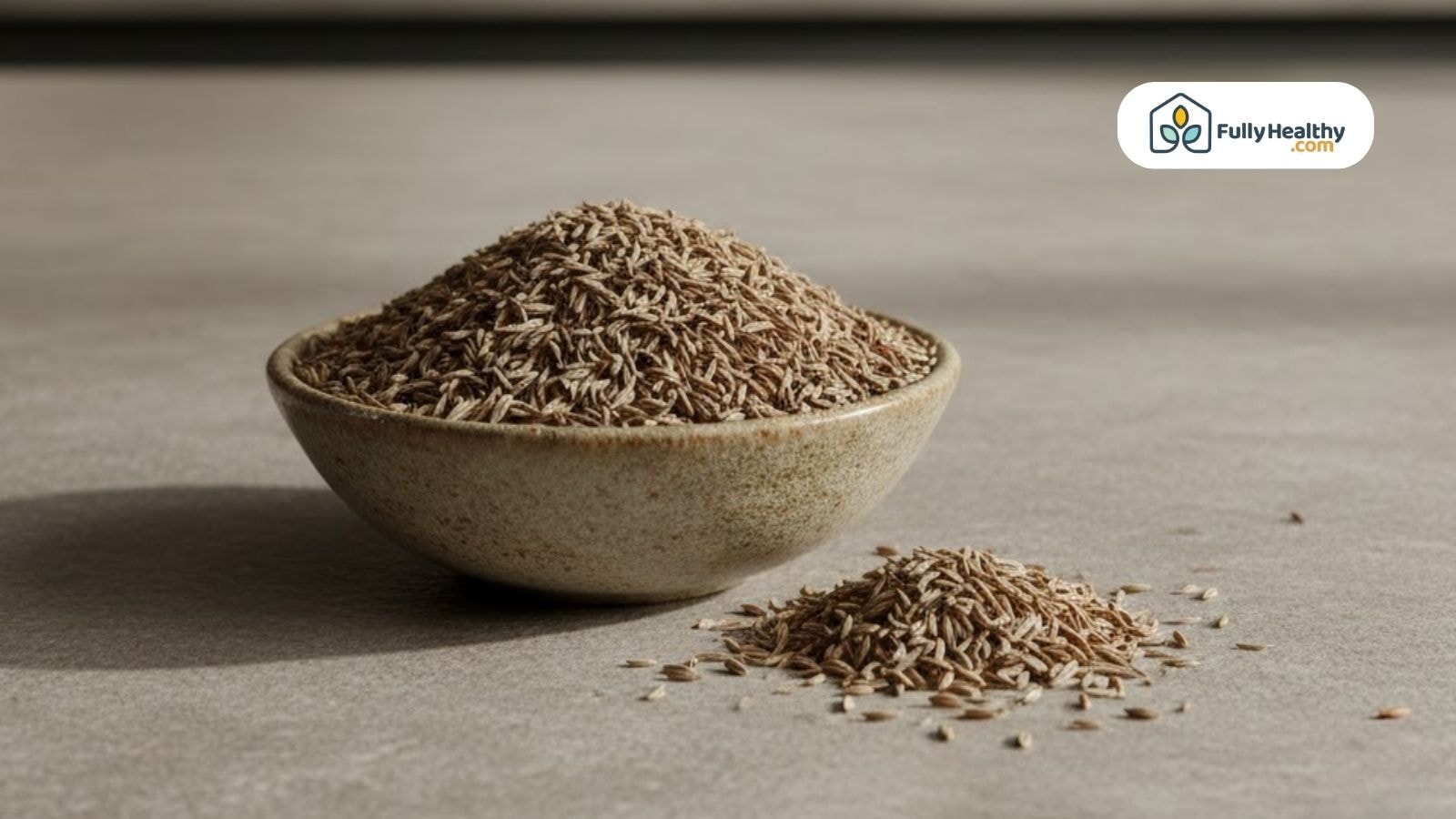
Jeera and cumin refer to the same spice used across indian cuisine and middle east cooking. This section explains the botanical identity, naming differences, and safety considerations clearly.
The Botanical Meaning
People from India call the spice that comes from the Cuminum cyminum plant "jeera," while people from English call it "cumin." It comes from the same family as coriander and parsley, which is also known as Family Apiaceae.
-
Scientific Name: Cuminum cyminum is the botanical identity of the cumin plant.
-
Language Difference: Jeera is used in india, while cumin is the English term for the same spice.
-
Plant Family: The cumin plant belongs to Family Apiaceae alongside coriander and parsley.
-
Seed Structure: The seeds are yellow brown, slightly bitter, longitudinally ridged, and contain oil canals.
-
Available Forms: Whole cumin, whole seeds, ground cumin, cumin powder, jeera powder, and ground powder are different forms of the same spice.
Safety, Blood Clotting, And Blood Sugar Effects
Medical websites say that cumin may change how blood clots and how much sugar is in the blood when used in large medicinal amounts. Using it for cooking is usually thought to be safe.
-
Bleeding Risk: Cumin may slow blood clotting and can worsen bleeding disorders.
-
Surgery Caution: Medicinal amounts should be stopped at least two weeks before surgery.
-
Blood Sugar Effect: It may lower glucose levels and should be monitored in people managing diabetes.
-
Culinary Safety: Normal food use in curries and vegetable dishes is considered safe.
What Are The 10 Benefits Of Cumin?
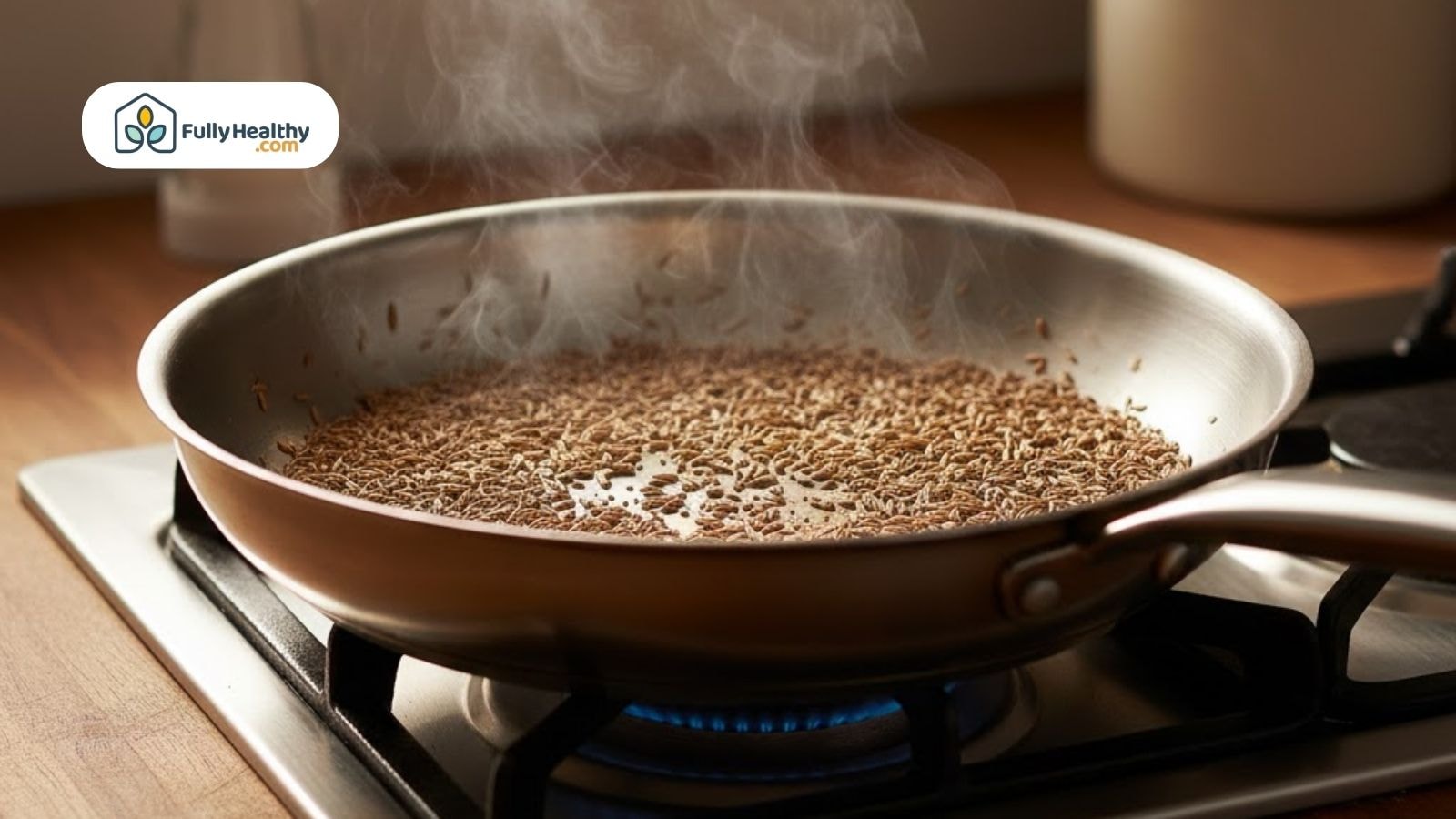
People like to use cumin seeds and ground cumin in their food because they taste good and are good for you. Research that shows this warm spice is good for your metabolism and digestive system.
The 10 Evidence-Based Benefits Of Cumin
Cumin powder and ground cumin seeds have minerals and plant compounds that help the body do many things. They are good for you if you eat the whole seeds or the ground ones that are used in curry powder and garam masala.
-
Digestive Support: Stimulates digestive enzymes and supports smoother breakdown of food.
-
Iron Content: One teaspoon provides about 1.4 mg of iron.
-
Antioxidant Activity: Contains compounds that help reduce oxidative stress in the body.
-
Blood Sugar Support: May assist in regulating glucose levels in small studies.
-
Cholesterol Support: Linked to improved lipid profiles in some research.
-
Weight Support: Associated with modest reductions in body fat when paired with balanced eating.
-
Anti-Inflammatory Potential: Contains plant compounds that may reduce inflammation.
-
Antimicrobial Properties: Shows activity against certain bacteria.
-
Metabolic Enzyme Support: Supports natural enzyme activity related to digestion.
-
Nutrient Density: Provides minerals and beneficial plant compounds in small amounts.
Note: Some reported health benefits of cumin are based on preliminary or small-scale studies, and current scientific evidence does not confirm strong or definitive clinical effects in humans.
Blood Sugar, Cholesterol, And Weight Support Explained
Clinical research suggests that cumin may help keep blood sugar and cholesterol levels in check, but the effects are not very strong. If you also eat healthy foods and cook regularly, you'll see the benefits even more.
-
Glucose Regulation: Some studies report improved fasting blood sugar levels.
-
Lipid Balance: Research suggests reductions in LDL cholesterol markers.
-
Body Composition: Modest fat reduction observed in certain controlled trials.
-
Practical Use: Best incorporated as whole cumin or ground cumin in everyday cooking.
Which Is Better, Cumin Or Fennel?
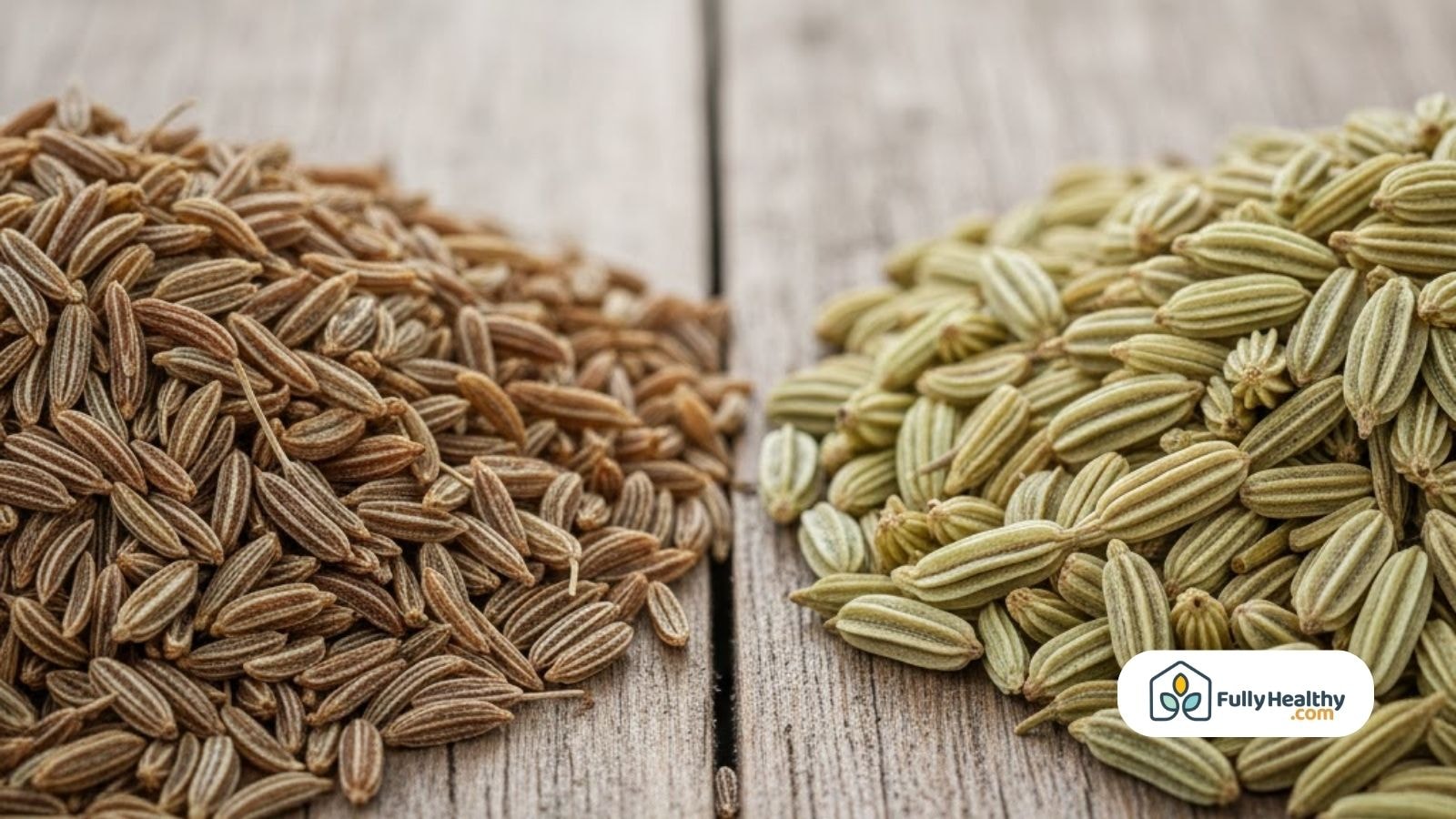
Cumin and fennel are different spices with distinct flavor, aroma, and nutritional composition. Choosing between them depends on taste preference, recipe style, and digestive goals.
Nutritional Differences And Active Compounds
Cumin seeds and fennel seeds differ in fiber, iron, and essential oil composition. Both belong to aromatic spice families but contain different plant compounds.
-
Iron Levels: Cumin generally provides more iron per serving than fennel seeds.
-
Fiber Content: Both contain fiber, though amounts vary slightly.
-
Essential Oils: Cumin contains warm, earthy oil compounds, while fennel contains sweeter aromatic oils.
-
Plant Compounds: Each spice contains different phytochemicals contributing to taste and aroma.
Taste, Traditional Uses, And Digestive Roles
Cumin has a strong aroma and slightly bitter, earthy taste that pairs well with ginger, black pepper, and other different spices. Fennel offers a mild, sweet flavor often used in lighter dishes.
-
Cumin Taste: Warm, earthy, slightly bitter, and pungent.
-
Fennel Taste: Sweet, cooling, and aromatic.
-
Traditional Use: Cumin is common in Indian cuisine and middle east curries.
-
Digestive Role: Both are used in tempering and tadka for digestive comfort.
Which Spice Is Closest To Cumin?
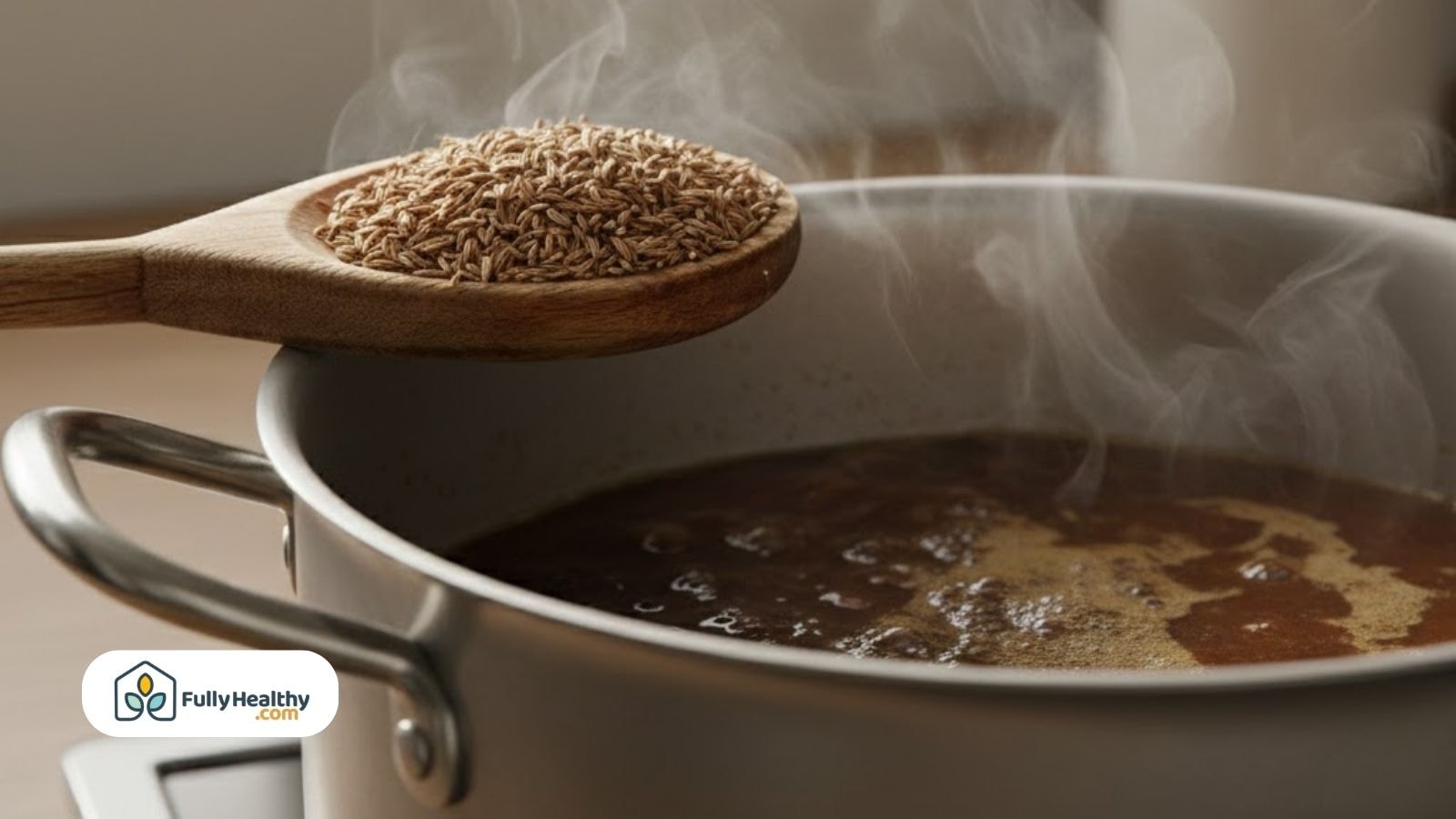
Several different spices can mimic the warm, earthy flavour of cumin in a recipe. The closest substitute depends on the dish, cooking style, and whether you are using whole seeds or ground powder.
Coriander, Caraway, And Curry Powder Options
Because they have similar smell compounds, coriander, caraway seeds, and curry powder are often used instead. These choices work best when they are carefully changed to match the strong smell of cumin.
-
Coriander: Offers a mild citrus note and pairs well in indian dishes and vegetable dishes.
-
Caraway Seeds: Similar in appearance to cumin seeds and provide a warm, earthy taste.
-
Curry Powder: A blend that often includes cumin powder, turmeric, and other spices.
-
Garam Masala: Contains ground cumin seeds along with black pepper and other spice blends.
-
Caraway: Works well in middle east and european cooking where earthy flavor is needed.
How To Choose The Right Substitute For Your Recipe
Which substitute to use depends on the type of food and how strong the flavors are. Carefully change the amounts because some substitutes are milder or sweeter than the original.
-
Indian Cuisine: Use coriander or garam masala for curries and spice mixes.
-
Middle East Recipes: Caraway seeds offer a closer earthy flavor match.
-
Ground Form Recipes: Replace ground cumin with curry powder in smaller amounts.
-
Heat Balance: Combine black pepper and ginger to maintain warmth in cooking.
-
Flavor Control: Start with half the quantity and adjust to avoid overpowering the dish.
About FullyHealthy
FullyHealthy focuses on curated specialty food products designed for dietary needs. The website provides clear product information, ingredient transparency, and support for informed purchasing.
Our Commitment To Specialty And Allergen-Conscious Foods
FullyHealthy emphasizes clean ingredients and clear labeling for customers who prioritize dietary awareness. Products are selected for quality standards and suitability for specialized food preferences.
-
Diet Focus: Offers products aligned with gluten-free and allergen-conscious eating.
-
Ingredient Transparency: Provides detailed information and dates listed for freshness.
-
Quality Standards: Highlights non gmo sourcing where applicable.
-
Customer Policies: Includes payment method options and clear cancellation policy details.
-
Purchase Options: May offer recurring or deferred purchase and deferred purchase selections for convenience.
Simply Organic Ground Cumin Options Available
FullyHealthy carries organic ground cumin suitable for everyday cooking, curries, spice mixes, and indian kitchen use. Below are the available sizes with direct product links.
-
Simply Organic Ground Cumin 2.31 oz: Finely ground cumin powder with a warm, earthy, slightly bitter flavor, ideal for tempering, tadka, vegetable dishes, and indian dishes.
-
Simply Organic Ground Cumin 2.57 oz: Certified non GMO ground cumin seeds in powder form, carefully sourced and suitable for spice blends, curries, and everyday cooking.
-
Ground Form: Finely ground cumin for easy blending in recipes.
-
Flavor Profile: Warm, earthy, slightly bitter, and aromatic.
-
Kitchen Use: Ideal for tempering, tadka, vegetable dishes, and indian dishes.
Final Thoughts
Cumin is still an important part of Indian cooking. It is loved for its strong smell, earthy flavor, and unique smell that gets stronger when toasted in ghee. The seeds show eight ridges and belong to a plant family that includes other members like coriander and parsley, while black cumin, often called black cumin, is a different spice entirely.
When selecting foods, look at how fresh they are and compare the quality of different brands. Make good use of it in the kitchen, and feel confident that every dish will taste better.
FAQs
What Do Indian People Call Cumin?
Indian people call cumin jeera, and cumin seeds jeera are the whole seeds used daily in indian cooking for tempering in ghee and enhancing aroma.
Is Shahi Jeera The Same As Regular Cumin?
Shahi jeera is not the same as regular cumin because it has a darker color, finer texture, and a milder flavor used in specific indian dishes like biryani.
Does Cumin Clean Your Gut?
Cumin may support aspects of digestion, though it does not detox or ‘clean’ the gut in a clinical sense.
Are Turmeric And Cumin The Same?
Turmeric and cumin are completely different spices from different plants, with turmeric offering a bright yellow color and cumin providing an earthy, slightly bitter taste.
Are Cumin Seeds Jeera And Black Cumin The Same?
Cumin seeds jeera come from Cuminum cyminum, while black cumin, often called black cumin, comes from a different species and has a distinct flavor and use in cooking.
Leave a comment