

Do Dry Pasta Expire? A Smarter Way to Check the Box
Do dry pasta expire? Not in the same way fresh food does. Dry pasta can stay usable for years because it contains very little moisture. The date on the box usually marks peak quality, not an instant safety deadline. Still, pasta can go bad if moisture, mold, pests, or damaged packaging reach it.
Check for odd smells, discoloration, insects, or clumps before cooking. Proper storage in a cool, dry place helps protect flavor, texture, safety, and freshness for much longer.
Do Dry Pasta Expire?
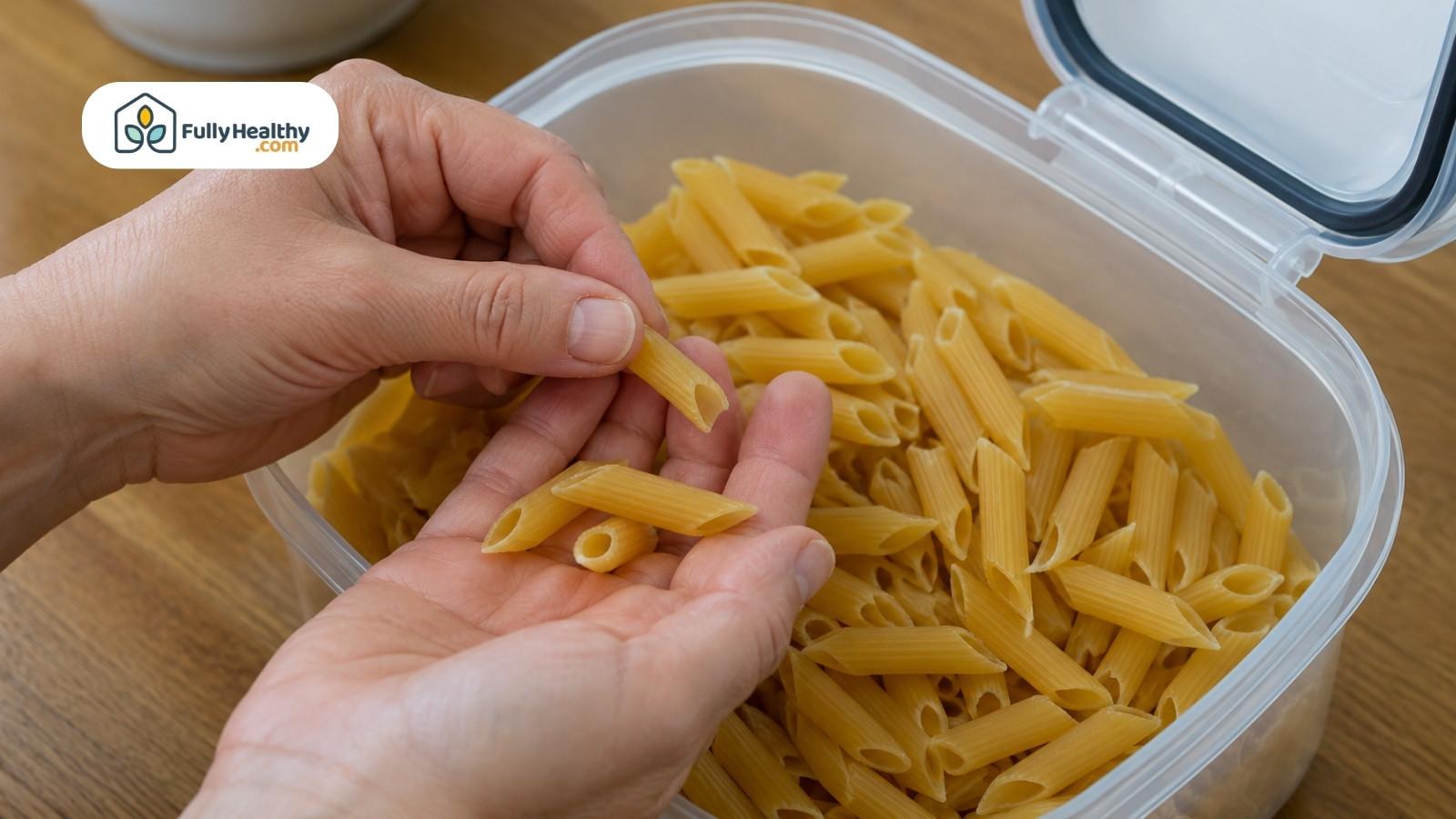
Dry pasta does not expire like fresh food. Its low moisture content helps it last when stored properly. The expiration date usually marks peak freshness, not the exact day it becomes unsafe. Poor storage can still cause spoilage before or after that date. Always follow the label when it gives specific storage or safety directions.
Do Dry Pasta Expire or Simply Lose Quality Over Time?
Most dry noodles stay fine past the printed date if they remain sealed in their original packaging or an airtight container. Quality often changes first. The pasta may taste stale or lose texture before it becomes unsafe to eat.
-
Best-by date: This date usually refers to quality, not immediate safety.
-
Shelf life: Many manufacturers and storage guides use approximately one to two years as a quality estimate, but shelf life is product-specific and should follow the package instructions.
-
Ingredient differences: Pasta containing more lipid-rich ingredients, including some egg products, may develop oxidative rancidity sooner, but shelf life depends on formulation, processing, packaging, and storage.
Why Does Low Moisture Help Dry Pasta Stay Shelf-Stable?
Dry pasta contains little water, so bacterial growth is less likely than in fresh or cooked pasta. Bacteria need moisture to grow. This is why sealed pasta can sit in a pantry or cupboard without refrigeration.
-
Low moisture content: Less water makes bacterial growth harder.
-
Dry storage: Keep pasta away from steam, leaks, and damp air.
-
Safety warning: Damp pasta should not be consumed if mold or odor appears.
How Long Does Dry Pasta Last?
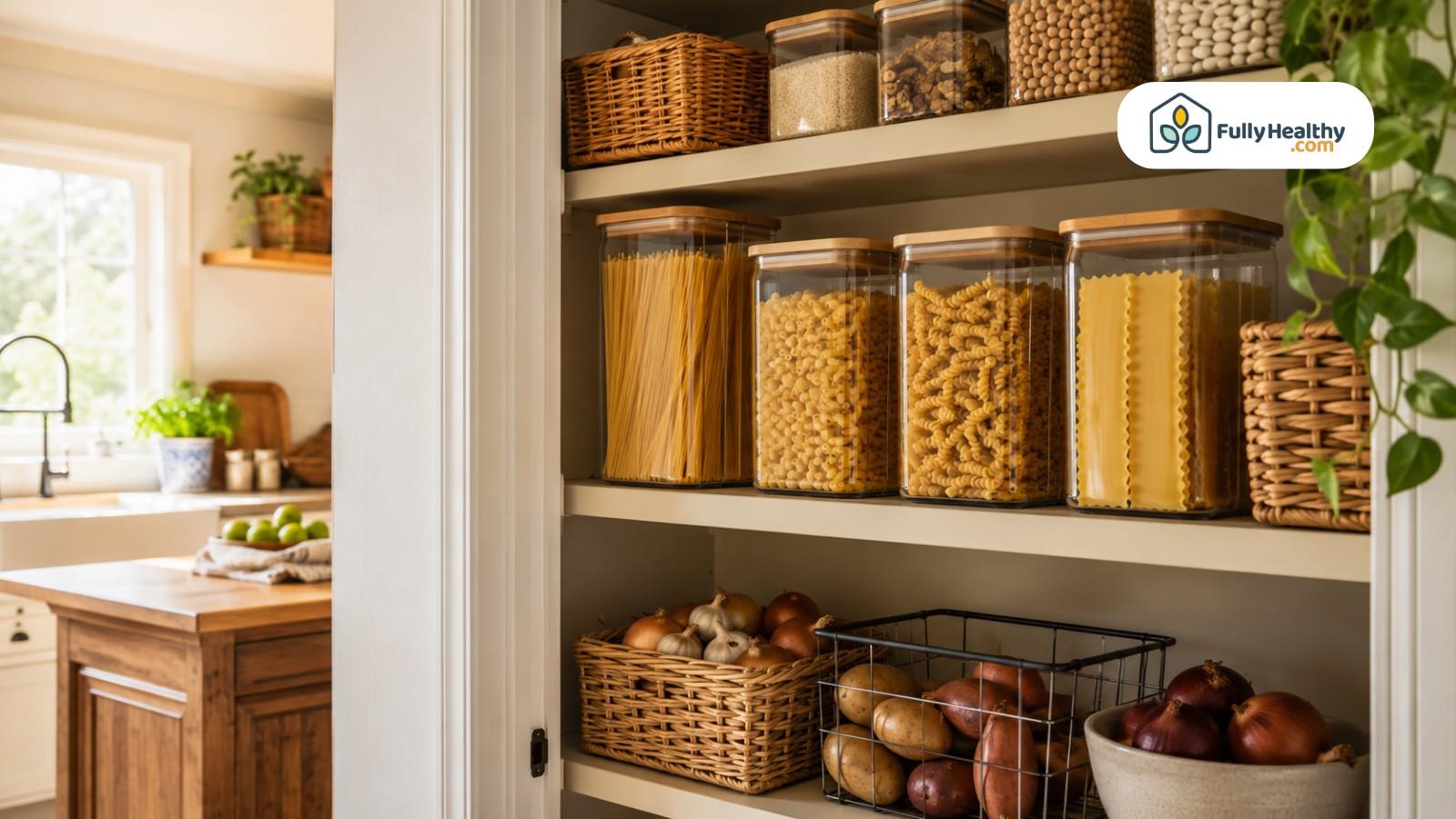
The shelf life of dry pasta depends on its ingredients, package condition, and storage area. Most products stay at their best for about two years. Some may remain fine past that point, but inspect the package before cooking.
How Long Does Unopened Dry Pasta Last in the Pantry?
Unopened pasta stored in its original packaging often keeps for about two years. It may remain usable past the expiration date if the box stays sealed, dry, and free from pests. Flavor and texture may slowly decline.
-
Original packaging: An intact package protects noodles from air and insects.
-
Storage location: Keep pasta away from heat, sunlight, and moisture.
-
Quality clue: Pasta can become stale without being rotten.
Can Airtight Storage Extend Dry Pasta’s Shelf Life?
After opening the box, transfer the pasta to a clean, airtight container. This helps block moisture, pantry moths, strong odors, and pests. It also keeps noodles from sitting in an open package.
-
Airtight container: Use a dry container with a secure lid.
-
No refrigerator needed: Dry pasta does not belong in the fridge.
-
Stock rotation: Use older pasta first and newer pasta later.
How Do I Know if Dry Pasta Has Gone Bad?
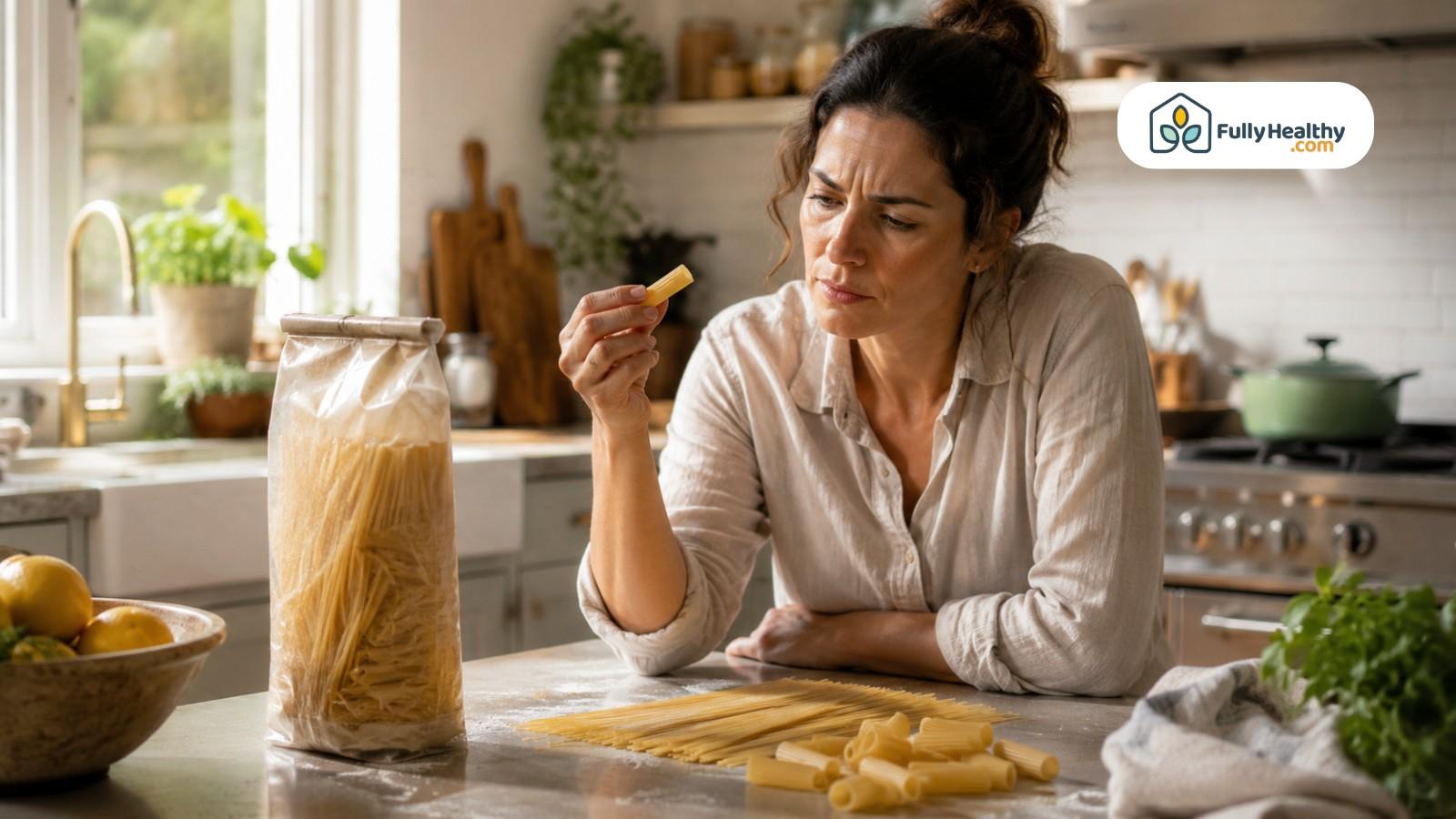
Dry pasta rarely turns rotten quickly, but it still needs a quick check before use. Look at the package, smell the noodles, and check for pests or moisture. Do not trust the expiration date alone.
Which Warning Signs Mean Dry Pasta Should Be Discarded?
Toss expired pasta when clear signs of spoilage appear. Moisture, insects, and damaged packaging can make dry pasta unsafe. These signs matter more than the date on the box.
-
Visible mold: Throw the pasta away at once.
-
Pantry moths: Webbing, larvae, or insects mean infestation, throw it away.
-
Wet clumps: Moisture can support bacteria and mold, so it is unsafe.
Are Cracks, White Spots, or Brittle Noodles Always Unsafe?
Not every change means the pasta has spoiled. Old noodles may crack or become brittle while sitting. White spots may be flour marks, but inspect them closely and check for warning signs before you eat the pasta.
-
Brittle noodles: This often shows age, not dangerous spoilage.
-
White spots: Check for fuzz, spreading marks, or unusual odor.
-
When in doubt: If you still wonder whether it is safe, toss it away.
Can I Still Use Expired Dry Pasta?
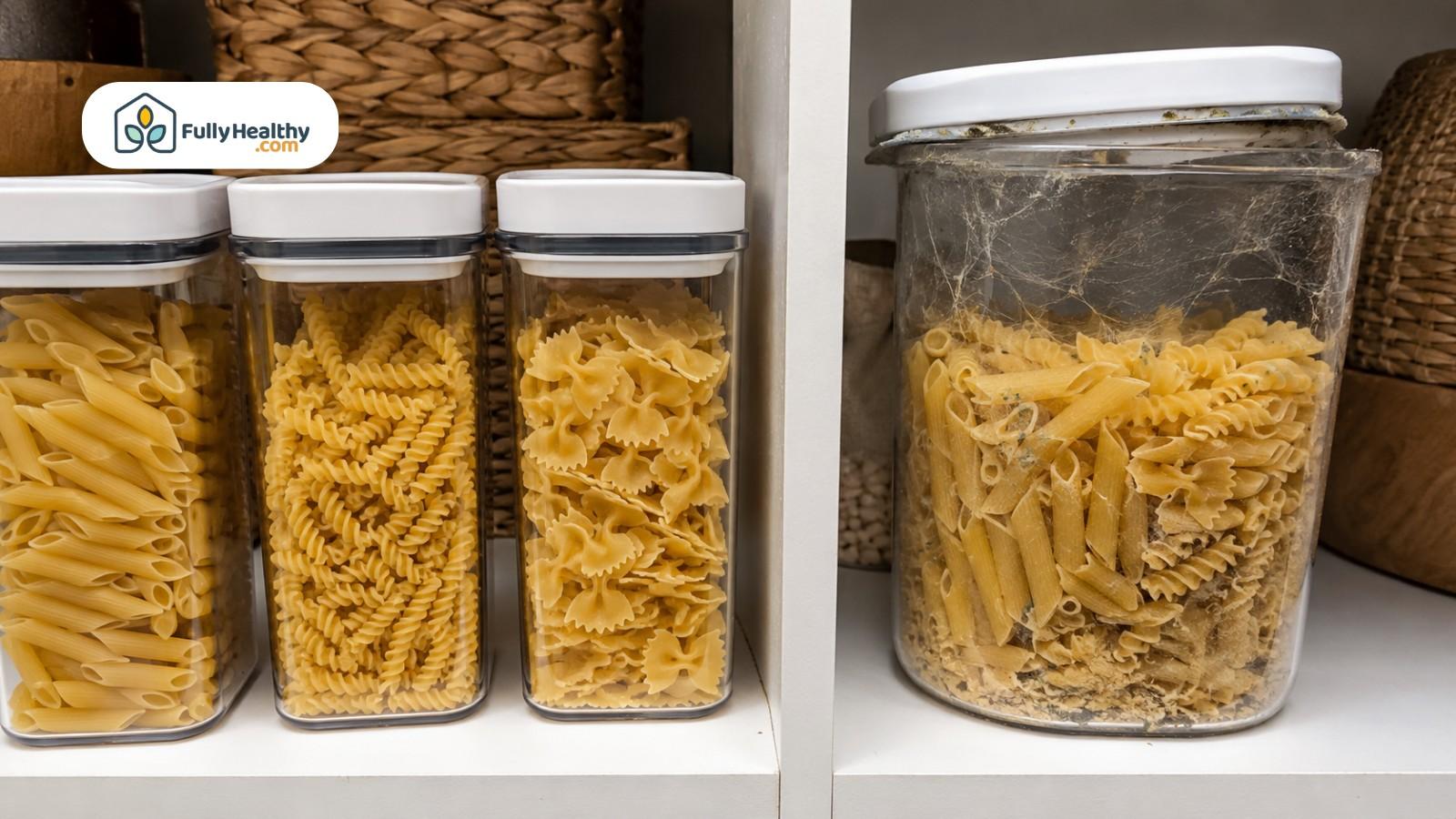
Dry pasta can often be used after its printed date if it stayed cool, dry, and sealed. The date usually marks quality, not an exact safety deadline. Storage conditions matter, so inspect the pasta before cooking. If you notice moisture, pests, mold, or odor, do not use it.
Can You Eat Dry Pasta After Its Best-By Date?
Expired pasta may be edible when stored well and still looks normal. Before you begin, check the package and pasta. If you are unable to confirm its storage history, replace it rather than risk illness.
-
Check the package: Look for tears, damp spots, loose seals, or bugs prior to opening it.
-
Inspect the pasta: Discard it if you notice mold, webbing, insects, or an unusual odor.
-
Expect quality loss: Pasta may become stale after several months, even when safe.
-
Choose caution: When signs are unclear, throw it away.
Can You Eat Dry Pasta One or Two Years After Its Date?
Some dry pasta may remain usable one or two years past its best-by date in a stable kitchen cupboard. Still, no rule fits every product. Ingredients, damaged packaging, air, and moisture can shorten its useful life.
-
Review storage history: Dry, sealed pasta usually lasts longer than an opened box.
-
Compare condition: A comparison with a fresh package may reveal color, odor, or texture changes.
-
Put health first: Never eat pasta that shows contamination.
-
Use sound judgment: A printed date does not replace careful inspection.
How Can FullyHealthy Help You Find Specialty Pasta?
Specialty pasta can be hard to find, especially for gluten-free, grain-free, vegan, or restricted diets. FullyHealthy brings selected products together, which makes specialty shopping faster and simpler. The site lists ingredients and dietary details.
How Does FullyHealthy Simplify Specialty-Diet Shopping?
FullyHealthy helps shoppers narrow their options. Instead of searching stores, you can review product details online and choose what fits your needs.
-
Shop by need: Browse foods for specific diets and pantry goals.
-
Read clear details: Product pages show ingredients, package sizes, and dietary labels.
-
Plan storage: Store pasta in a dry cupboard or transfer it to a clean jar.
-
Check every label: Acknowledge that recipes and certifications may change.
Which Dry Pasta Products Are Available From FullyHealthy?
FullyHealthy lists three verified pasta products in this guide. Each uses different ingredients, so check the label. This helps you avoid a product that does not match your diet.
-
Jovial Cassava Spaghetti: Made with organic cassava flour and water.
-
Jovial Cassava Elbow: Uses the same two ingredients in an elbow shape.
-
Banza Chickpea Penne: Made with chickpeas, pea starch, tapioca, and xanthan gum.
-
Protect opened pasta: Keep it sealed so moisture and pantry bugs cannot thrive.
Final Thoughts
Dry pasta can last much longer than many people expect when it is stored in a cool, dry place. In most cases, the printed date is a guide for quality rather than an automatic safety deadline.
The best approach is to inspect the pasta for moisture, mold, insects, damaged packaging, or unusual odors before cooking. Proper storage helps protect both flavor and texture while reducing the risk of spoilage.
Of course, no food lasts forever, so always use common sense before eating older pantry items. Around the world, different brands may recommend different storage periods, but the same basic rules apply. When in doubt, throw it away instead of risking your health, especially in a high-risk case.
FAQs
Can dry pasta last longer than the date on the box?
Yes. In many cases, dry pasta stays usable beyond the printed date if it has been stored properly in a cool, dry place and shows no signs of spoilage.
Should I throw away pasta if the package is damaged?
Yes. A torn or wet package can let in moisture, insects, and contaminants, so it is safer to replace the pasta in that case.
Does specialty pasta have the same shelf life as regular pasta?
Not always. Ingredients vary, so always follow the storage directions on the package and inspect the product before cooking.
What is the best way to keep dry pasta fresh?
Store it in an airtight container or its sealed package in a cool, dry cupboard away from heat, humidity, and direct sunlight.
Can old dry pasta make you sick?
It can if it has been exposed to moisture, mold, pests, or other contamination. If you notice any warning signs, do not eat it.
Leave a comment