
NEW PRODUCT:
Wily Foods Chicken Bone Broth AIP, Paleo →

Hibiscus are bold tropical plants that are known for their big, bright flowers. A lot of gardeners want to know if hibiscus needs full sun to grow well and bloom a lot. Most of the time, yes. These plants do best when they get at least six hours of direct sunlight every day.
However, water, heat, soil, and where you plant also matter. This guide tells you exactly how sunlight affects the health, growth, and flowering of hibiscus plants.
Featured Tea Pick
Loading...
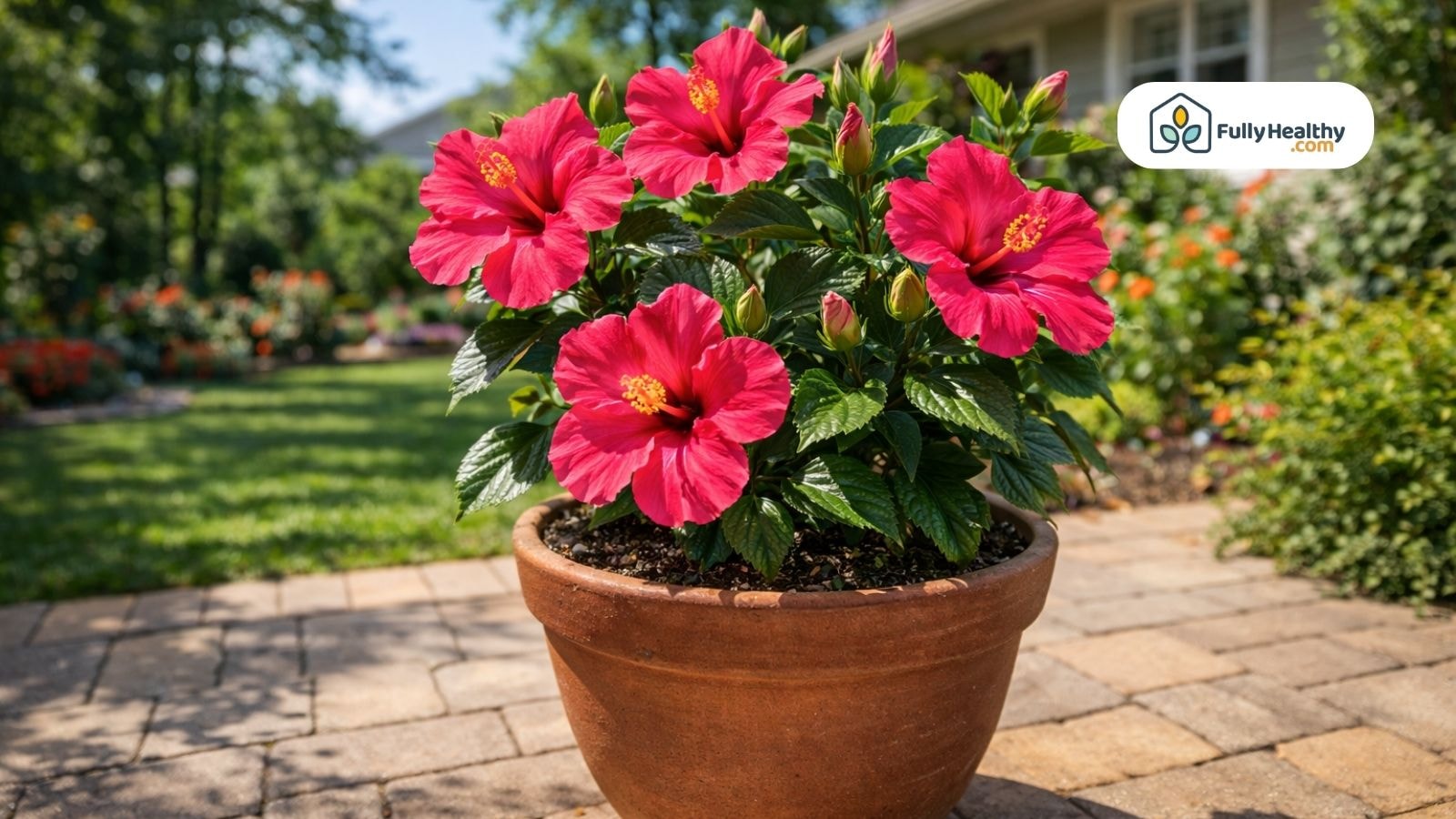
A lot of hibiscus plants bloom best when they get a lot of sun. Light has a direct effect on how many flowers you get, no matter if you grow tropical or hardy hibiscus. The flowering plants in this group are related to the mallow family.
They are loved for their big, trumpet-shaped flowers, and some types of hibiscus even have double flowers. Plants prefer a sunny window during the busy growing season. This helps them stay healthy and bloom a lot.
Hibiscus plants from the tropics, like Hibiscus rosa sinensis, need at least six hours of direct sunlight every day. When they don't get enough sun, plants begin to make fewer and smaller blooms. Hardy hibiscus varieties that can handle cold, like hibiscus moscheutos and scarlet rose mallow, also do best in full sun. Always put light first when you plant hibiscus.
Ideal Exposure: Place plants in a sunny location with warm temperatures in spring and summer for the best flower show.
Bloom Quality: Rose mallow and some other hibiscus cultivars bloom bigger when they get more sun.
Indoor Growing: Chinese hibiscus may survive indoors near a bright window in winter, but growth and flowering typically slow due to reduced light intensity.
Climate Zones: In warm places in USDA Zones 9–12, tropical hibiscus can stay outside all year.
Some kinds can grow in light shade, but they will flower less. Some shade or light afternoon shade can keep plants from getting too hot in places that get very hot. This is useful when it's very hot outside in the summer.
Heat Relief: If intense sun and high heat make the plant wilt, give it shade in the afternoon.
Plant Differences: Most hibiscus species, including cotton rose mallow, bloom best in full sun, though light afternoon shade can help in extremely hot climates.
Expected Results: Too much shade makes flowers bloom less often and new growth move more slowly.
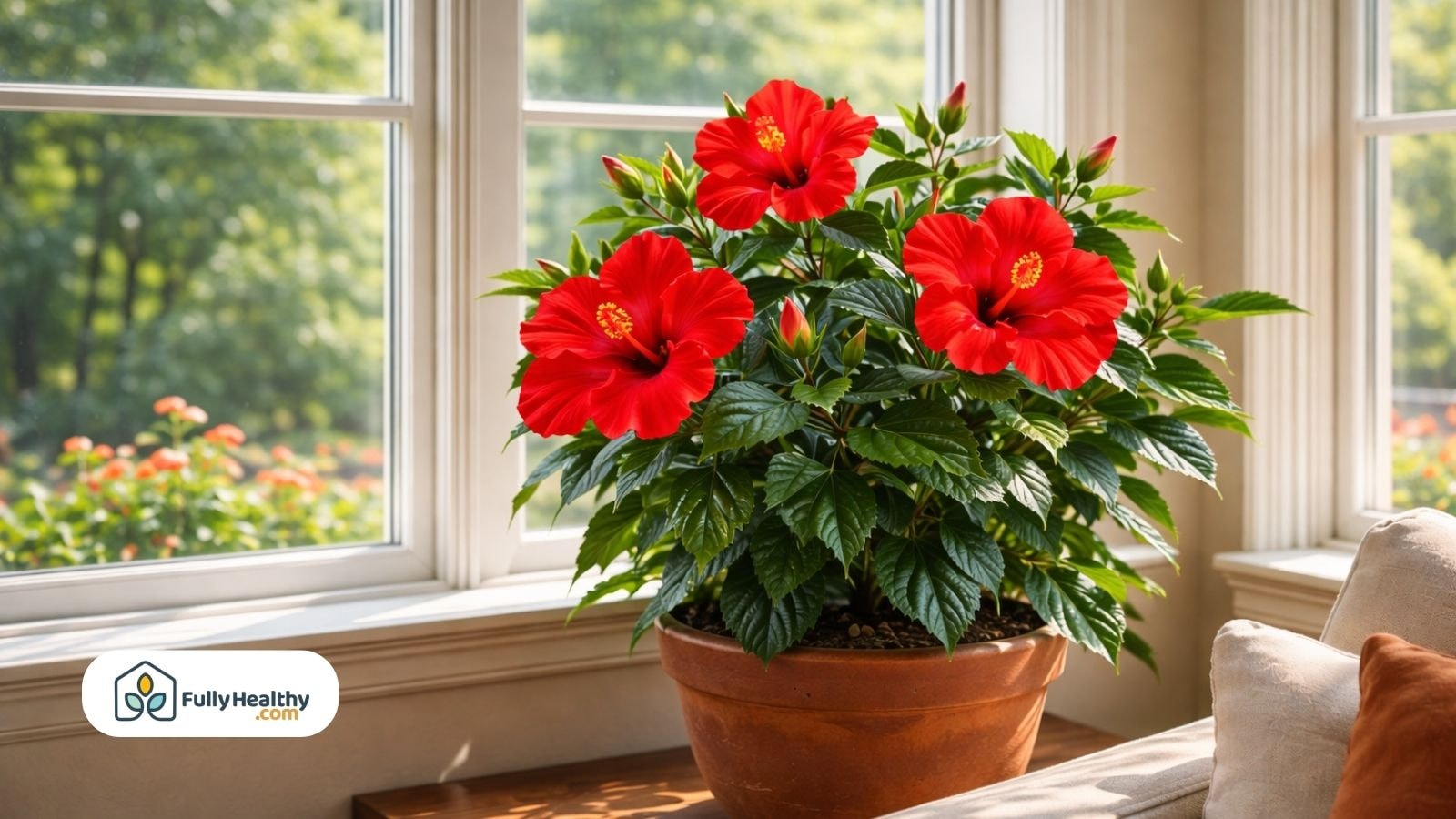
Growing hibiscus requires watering regularly. They like it when it's damp, but not when it's too wet. When hibiscus is growing, especially in the summer, it needs to be watered often. Tropical hibiscus and perennial hibiscus both need the right amount of water in garden soil or pots.
Even more water is needed when plants bloom in the spring and continue to do so through late summer. Deeply water plants all the time so that water gets to all of their roots.
Watering Frequency: Frequency depends on soil type, drainage, and container size; ensure excess water drains freely.
Container Care: In order to keep the soil from drying out too quickly, check the soil's surface often.
Moisture Level: Evenly water the soil, but don't let it get too wet.
Proper Drainage: Pots with adequate drainage holes and soil that has been mixed with peat moss and organic matter should be used.
Hibiscus plants often get root rot and yellow leaves when they get too much water. Plants that are stressed also get bugs like spider mites that eat them.
Soil Check: Do not water again until your finger is two inches below the soil's surface.
Healthy Roots: Soil that is rich and drains well will keep water from standing.
Pest Control: If needed, use insecticidal soap to get rid of bugs quickly.
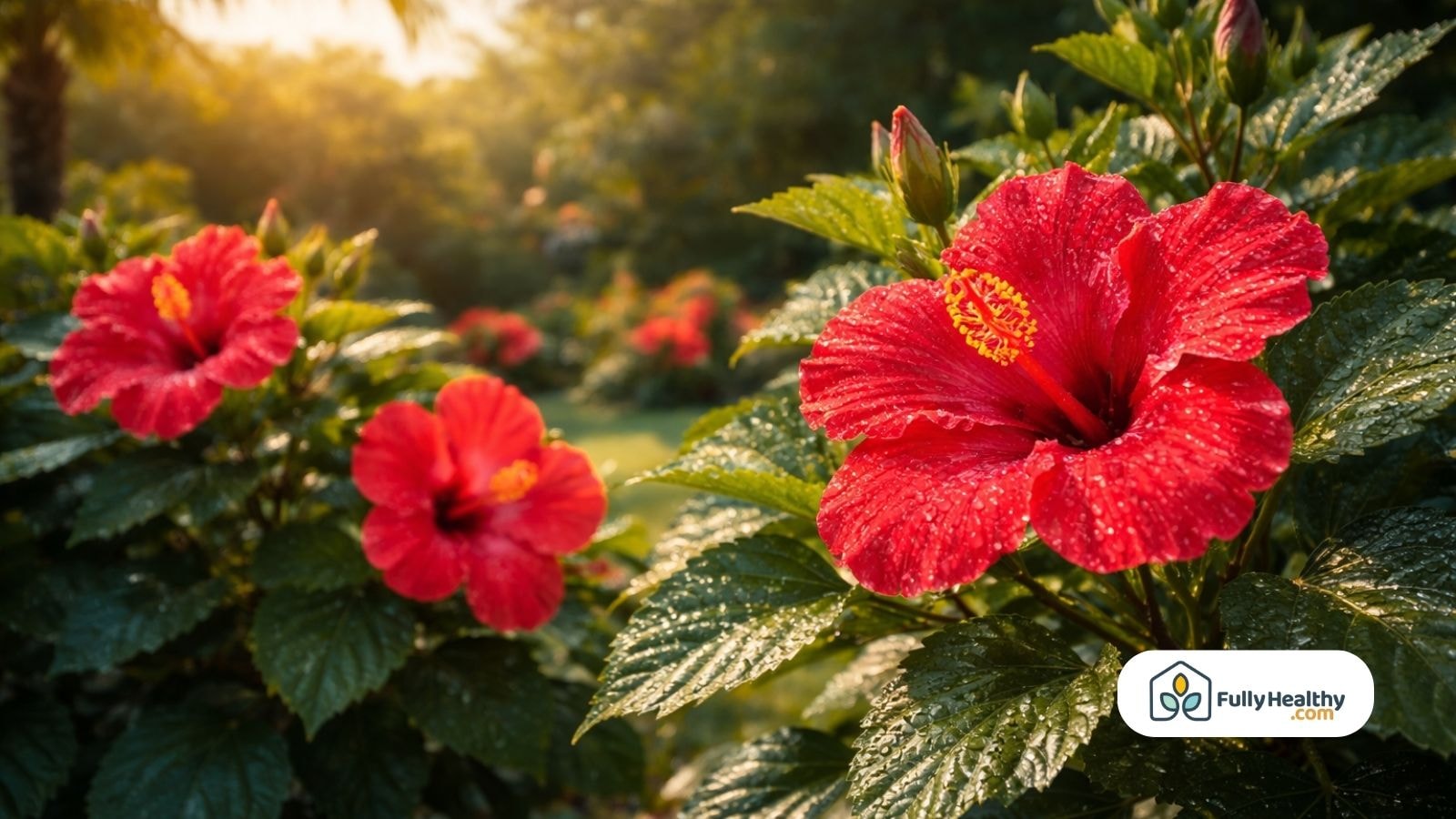
Hibiscus can live in the shade, but it won't grow as well. A home garden has many plants that can grow in shade, but flowering plants like hibiscus need sun to bloom well. Bold flowers have less energy when there is less light.
Different types react in different ways. Hibiscus plants that can handle cold, like Hibiscus moscheutos and scarlet rose mallow, do best in full sun but can also tolerate light shade. The deciduous shrub Hibiscus syriacus can be hardy and grow well in many gardens along the eastern seaboard.
Perennial Hibiscus: It does best in full sun, but it can also grow in partial shade.
Chinese Hibiscus: It does best in sun or light shade in the afternoon and flowers steadily.
Garden Performance: The biggest rose mallow blooms are found in full sun and rich soil.
Blossoms and growth are slowed down by too much shade. Some plants, especially dwarf varieties and newer cultivars, may lose their compact shape as they grow toward the light.
Reduced Flowers: During the growing season, there will be fewer blooms.
Weak Stems: When growth is thin, strong winds can damage it more easily.
Higher Risk: Damp shade can increase diseases hibiscus face in late summer and late fall.
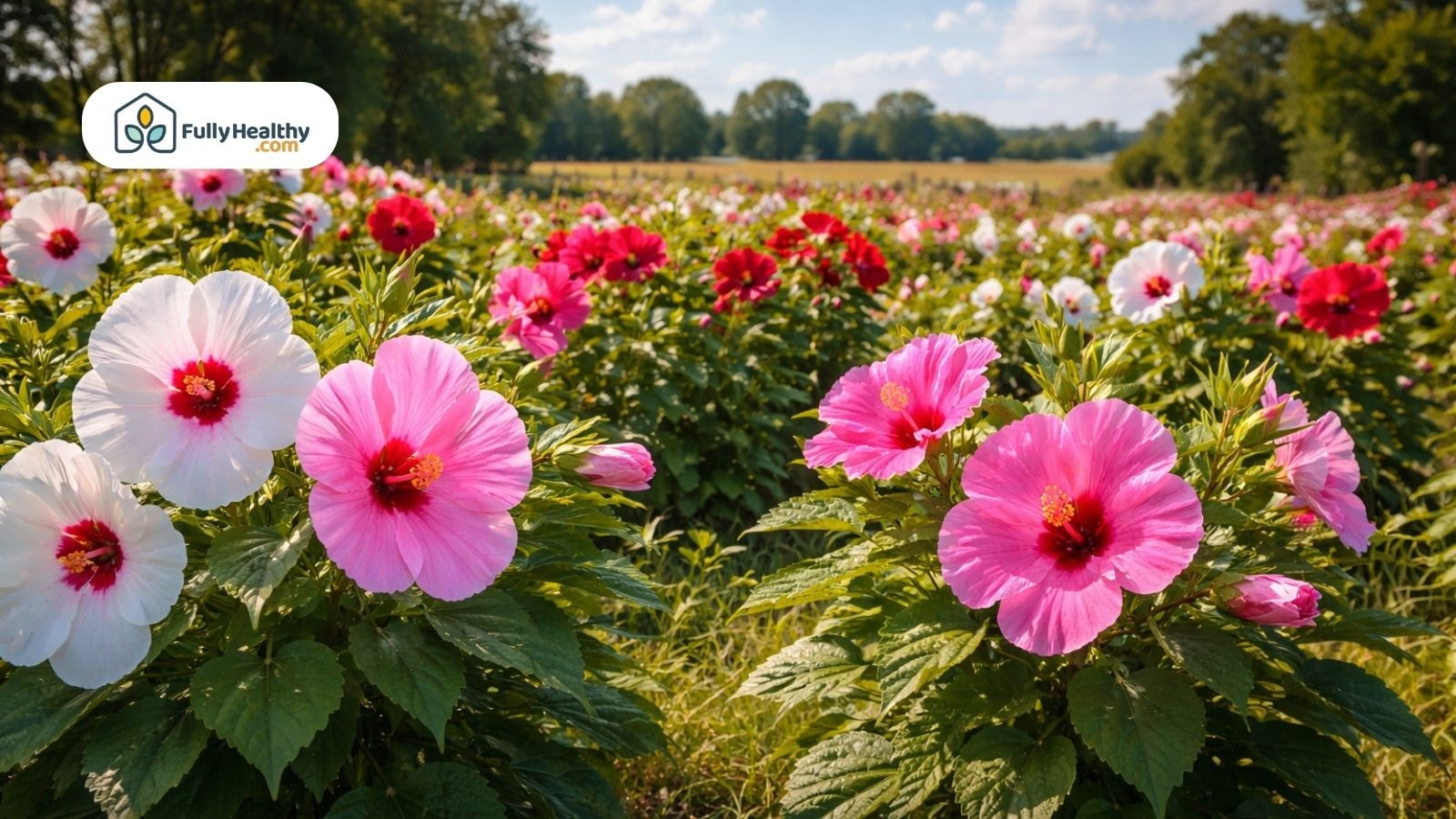
You can grow hibiscus in pots or in the ground. Which option is best for you depends on the weather, the space you have, and how much control you want over the soil and watering. Hibiscus plants can grow into large shrubs in warm climates. When it gets cooler, you can move hibiscus plants in their containers, which makes caring for them easier.
Hibiscus roots can spread out freely when planted in the ground. This usually makes the stems stronger and the growth fuller. But it's very important to prepare the soil before planting.
Soil Improvement: Instead of plain potting soil, use rich garden soil that has been mixed with compost for beds outside
Prevent Air Gaps: Press soil gently around roots to remove air pockets that can dry them out.
Best Timing: That way, the roots will have time to settle down before the summer heat gets too high.
Cold Protection: In late fall and winter, put mulch around the base to protect the roots from the cold.
You can do many things with containers. You can bring plants inside in the late winter or when it gets really cold outside. This helps in places where the weather changes often.
Better Soil Control: Good potting soil that drains well and helps plants grow steadily is what you should use.
Easy Feeding: In early spring, use slow release fertilizers to give your plants steady fertilizer over time.
Mobility Advantage: If you need to, move pots to sunny or shady spots.
Space Solution: Excellent for patios or small yards with limited ground space.
The website Fully Healthy is a market that sells health and specialty foods. It doesn't give information on gardening or how to take care of plants. If you are looking into how to take care of hibiscus plants, this site won't help you with questions about planting or sunlight.
Foods that are safe for people with allergies can be bought on the website. It promotes healthy living but doesn't talk about gardening.
Main Products: Store that sells packaged foods, snacks, and health-related snacks.
No Gardening Supplies: Does not offer plant food, potting soil, or care tools.
Different Focus: The content is mostly about food, not growing plants.
Hibiscus gardeners who want to know how to prune them, when to water them, or how much sun they should get will have to look elsewhere. Most of the time, plant experts or university extension services can give good gardening advice.
No Pruning Advice: What the site doesn't say is when to prune hibiscus or how pruning in late winter makes blooms better.
No Seasonal Care Tips: In early spring, it doesn't say anything about feeding plants or keeping them warm when it gets lower temperatures.
No Fertilizer Guidance: For strong flowering, there is no information on how to pick the right fertilizer or use slow release fertilizers.
It is best for most hibiscus plants to be in full sun, especially tropical hibiscus and hardy hibiscus types. With proper hibiscus care, including watering, feeding, and pruning hibiscus plants correctly and at the right time, they will have strong blooms and healthy growth. Focus on sunlight, good soil, and protection from cold whether you plant in the ground or in a pot. Hibiscus will add bright color and a tropical flair to any garden if it is grown correctly.
Yes. In extreme heat, especially when soil moisture is insufficient, hibiscus may experience leaf scorch or wilting; adequate watering and occasional afternoon shade can help.
Common mistakes include overwatering, poor drainage, lack of sunlight, and skipping proper pruning or fertilizer during the growing season.
An overwatered hibiscus often shows yellow leaves, soft stems, soggy soil, and possible root rot.
Place hibiscus in a sunny location with well-drained soil and protection from strong winds.
Hibiscus plants require regular care, consistent watering, and protection from cold temperatures and insect pests.
Leave a comment