

Are Hibiscus Poisonous To Cats? How Safe Are Hibiscus Plants Around Pets
Are hibiscus poisonous to cats? This question comes up often for pet owners who enjoy keeping plants indoors or in the garden. Hibiscus is generally considered non toxic, but that does not make it risk free for cats. Some cats can develop stomach upset after chewing on leaves or flowers.
Understanding the difference between toxicity and irritation helps you respond calmly and protect your cat if exposure happens.
Featured Tea Pick
Traditional Medicinals // Organic Hibiscus Tea - 16 Bags
Loading...
Are Hibiscus Poisonous To Cats?
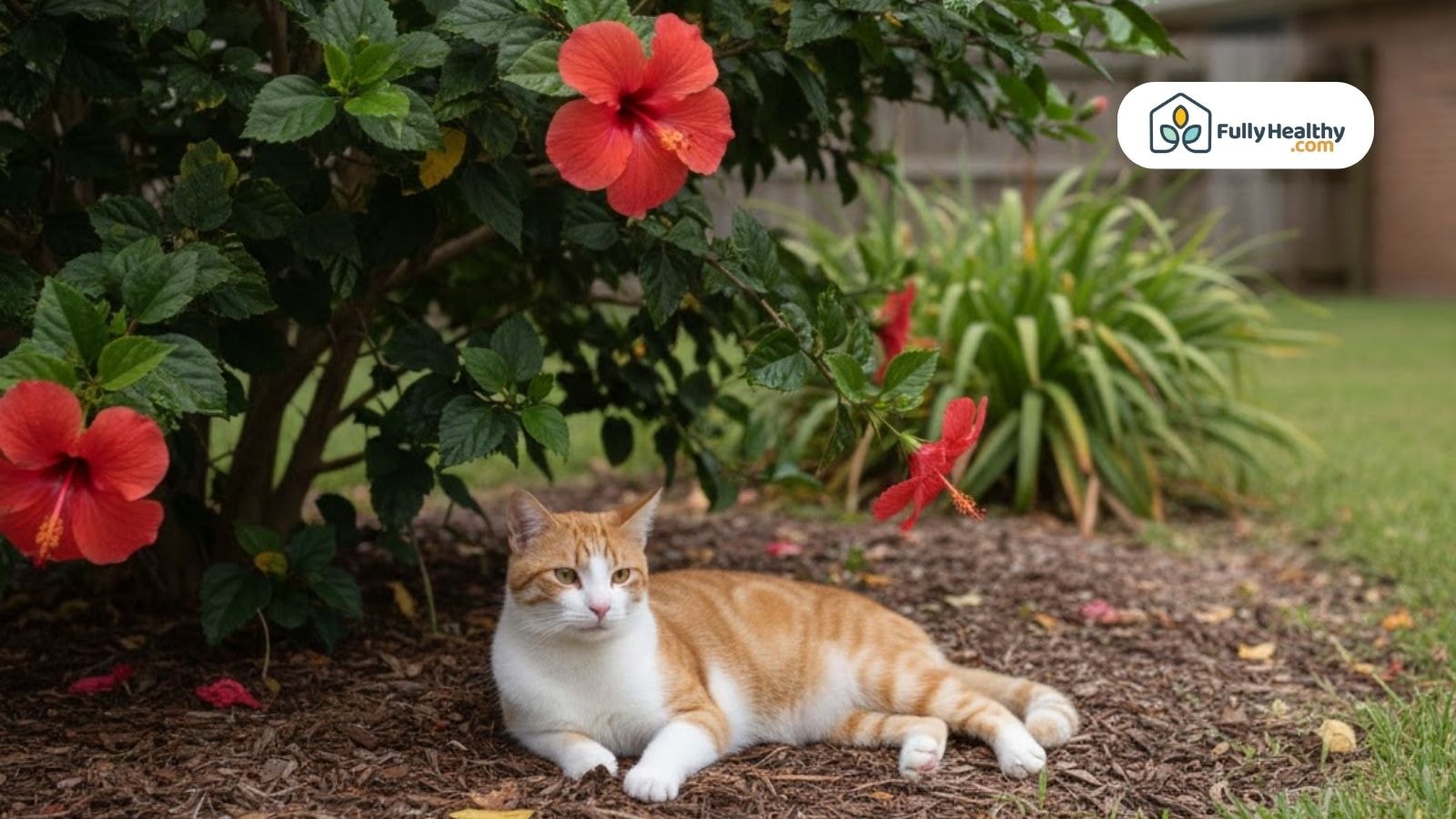
A lot of people have hibiscus plants in their yards and homes, which makes cat owners worry about how safe they are. Online advice that isn't always consistent confuses digestive problems with real toxicity, which causes more worry than it needs to be.
What Official Pet Safety Authorities Say
According to the ASPCA, hibiscus syriacus and related hibiscus plants are classified as non toxic to cats, dogs, and other animals when eaten in small amounts. Non toxic means the plant does not contain chemicals linked to kidney failure, neurological damage, or life threatening plant poisoning.
-
ASPCA classification: Hibiscus is listed as non toxic to cats and dogs.
-
Scientific basis: No known toxins associated with malvaceae toxicity are present.
-
Risk comparison: Hibiscus is not classified with highly toxic plants like lilies.
-
General outcome: Most cats experience no serious symptoms.
-
Veterinary guidance: Veterinary care is recommended if symptoms persist, worsen, or involve known toxic species such as Hibiscus syriacus.
Why Some Sources Still Warn Cat Owners
People who own pets should be warned by some groups because the term "hibiscus poisoning" refers to digestive problems rather than chemical toxicity. These warnings come from seeing what happens when cats eat hibiscus plant parts, not from proof that they are poisonous.
-
Digestive irritation: Plant fiber can irritate the stomach lining.
-
Common symptoms: Nausea vomiting diarrhea loss appetite may occur.
-
Terminology issue: Stomach upset is labeled as poisonous.
-
Owner concern: Vomiting often prompts fear of toxic exposure.
-
Educational gap: Symptoms are not clearly separated from toxicity.
What Part Of Hibiscus Is Poisonous?
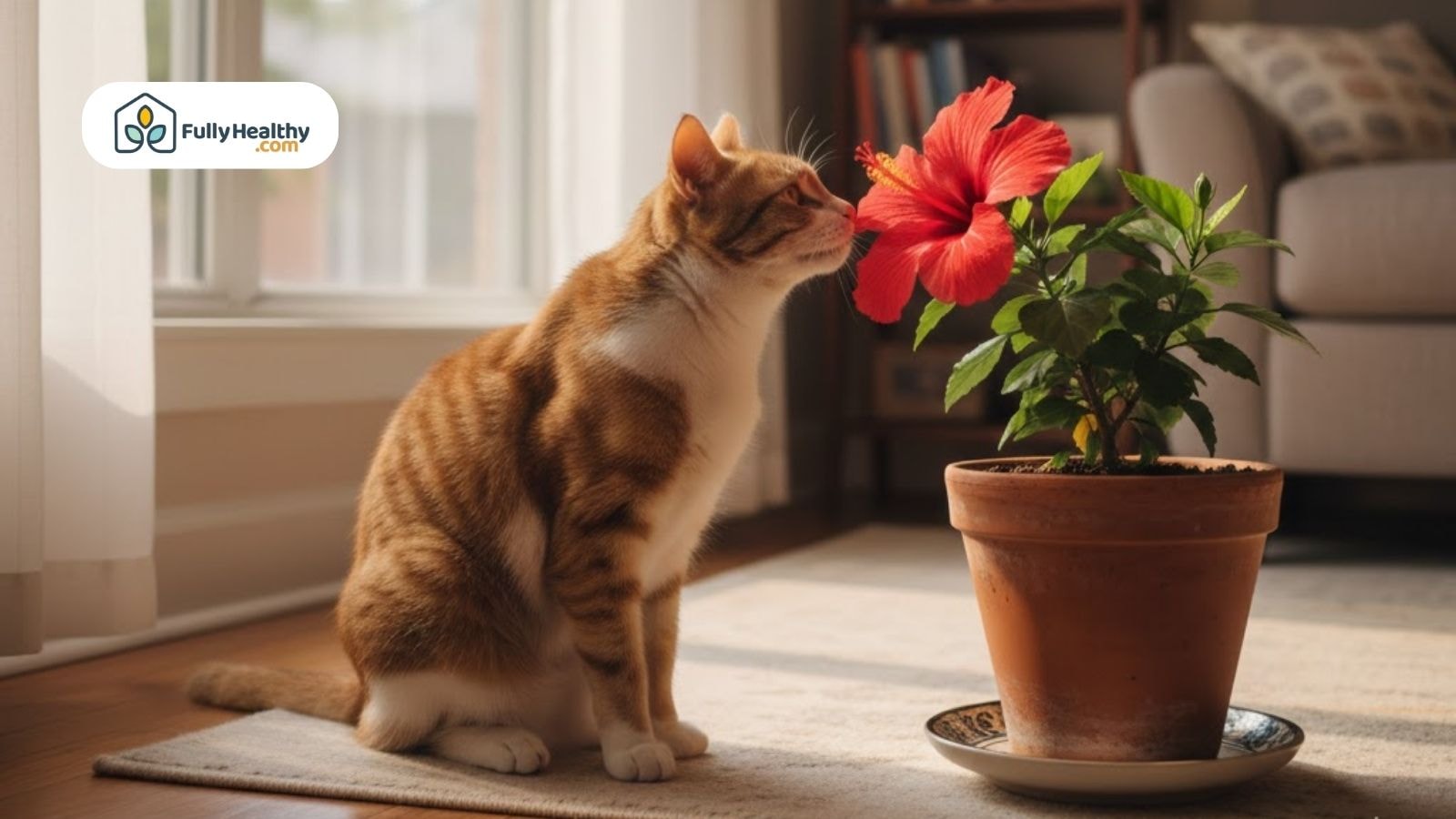
This concern usually arises when cats chew different parts of the plant indoors or in a garden. Reactions depend on how much plant material is eaten rather than which part is involved.
Flowers, Leaves, And Stems Explained
No part of the hibiscus plant is chemically poisonous to cats, including flowers, blossoms, leaves, stems, or fruit, but larger amounts can cause stomach upset. This applies to rose of sharon, sharon hibiscus, and other plants commonly called hibiscus.
-
Hibiscus flowers: Soft texture attracts cats.
-
Blossoms: Bright colors increase curiosity.
-
Leaves: Fibrous plant material irritates digestion.
-
Stems: Harder to break down in the stomach.
-
Fallen debris: Loose plant material is easy to eat.
Why Cats React Even To Non Toxic Plants
Many cats chew plants instinctively, and vomiting is a natural response to indigestible plant material rather than true poisoning. This behavior is seen in house cats, feral cats, and multi-pet households.
-
Chewing instinct: Cats eat plants for digestive stimulation.
-
Protective reflex: Vomiting removes irritants quickly.
-
Normal behavior: Many cats vomit after eating plants.
-
Low risk outcome: Symptoms usually resolve on their own.
-
False alarm: Vomiting does not mean hibiscus poisonous.
What Plant Calms Cats Down?
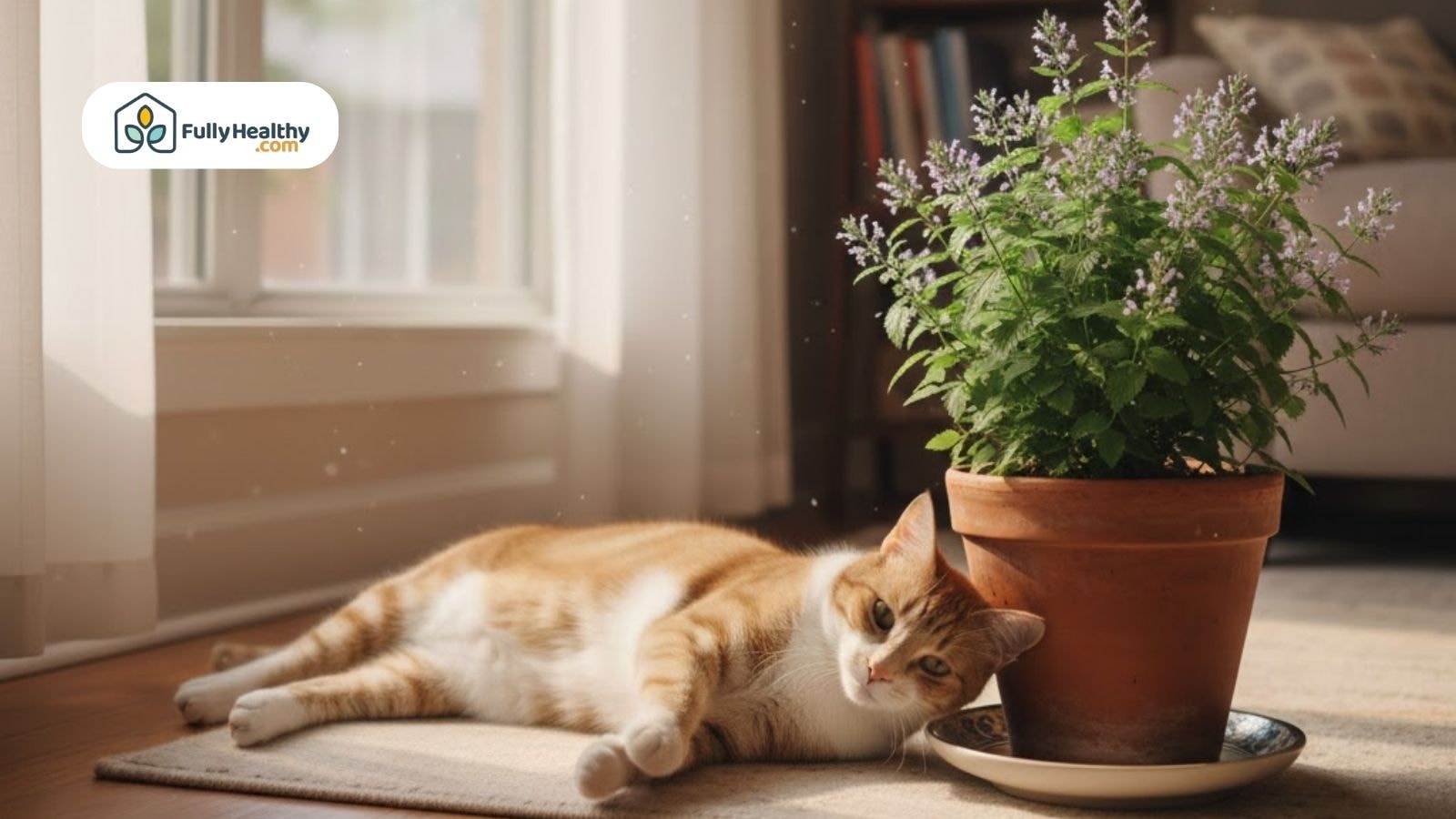
Some plants are talked about as ways to help cats that are stressed, cats that are in new places, or homes with three cats relax. Handling these plants carefully is important because they affect the nervous system in a different way than hibiscus.
Plants Known To Reduce Feline Stress
By affecting smell receptors or neurotransmitters, some plants may help people feel calm. Under the supervision of a vet, these plants are sometimes used for a short time.
-
Catnip: Can cause relaxation or playful behavior.
-
Chamomile: May support mild anti nausea effects.
-
Valerian root: Known for calming effects in animals.
-
Lemon balm: Supports nervous system balance.
-
Passionflower: Sometimes used for stress support.
Safety Rules For Calming Herbs
Calming herbs must be used carefully because human products are not formulated for pets. Improper use can cause gastrointestinal upset or require veterinary attention.
-
Dosage control: Cats require very small amounts.
-
Product form: Human teas are not safe to feed.
-
Individual sensitivity: Reactions vary among cats.
-
Veterinary guidance: A vet should advise before use.
-
Monitoring signs: Watch litter box changes and diarrhea.
Who Should Avoid Hibiscus?
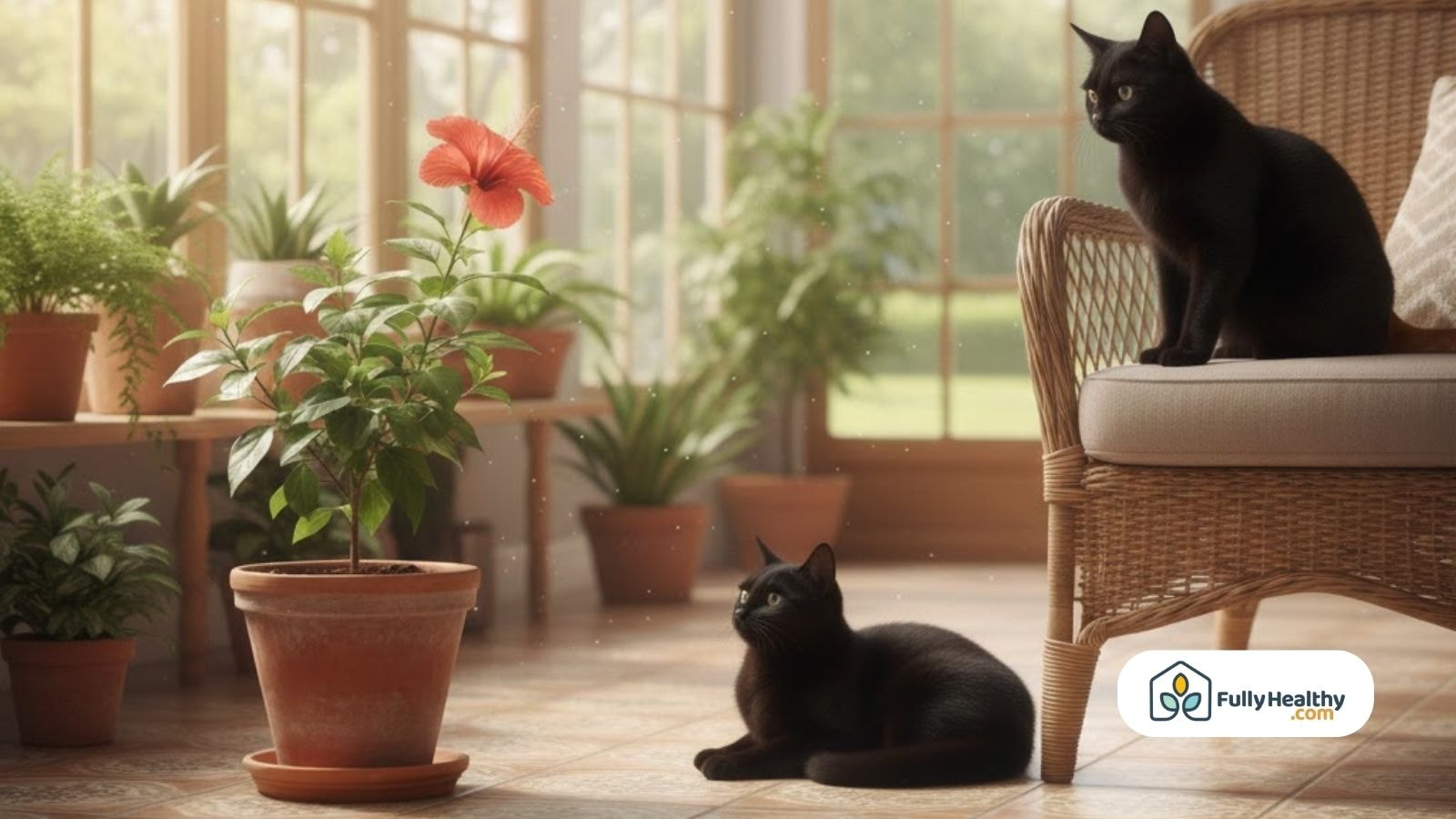
While hibiscus is generally considered non toxic, some cats and other animals may react more strongly than others. Knowing which groups are more sensitive helps prevent unnecessary stomach upset and veterinary visits.
Cats With Sensitive Stomachs Or Pica
Cats that have sensitive stomachs or like to chew on things that aren't food are more likely to show symptoms after being exposed. This includes kittens, cats with stomach problems, and cats that eat plants all the time.
-
Sensitive digestion: Cats prone to gastrointestinal upset react faster.
-
Pica behavior: Cats that eat non food items chew plants more often.
-
Kittens: Smaller body size increases irritation risk.
-
Many cats household: Competition increases plant chewing.
-
Feral cats: Outdoor exposure increases contact with common plants.
Humans And Other Animals At Risk
Because hibiscus has different effects on people and animals, safety tips are different for each species. Things that are safe for people might still make pets sick.
-
Humans: Hibiscus may interact with medications or blood pressure.
-
Dogs: Similar non toxic classification but digestive symptoms possible.
-
Other animals: Reactions depend on species and amount eaten.
-
Pet exposure: Shared houseplants increase accidental ingestion.
-
Veterinary advice: Species differences matter for safety decisions.
About FullyHealthy
FullyHealthy focuses on wellness education and carefully selected products, including herbal options that raise questions about plant safety. Ingredient awareness plays a key role in protecting both humans and pets.
Our Commitment To Evidence Based Wellness
FullyHealthy provides educational resources designed to help readers make informed choices about plants, food, and wellness products. The store emphasizes ingredient transparency and evidence-based information.
-
Educational focus: Clear explanations without fear based claims.
-
Ingredient transparency: Full ingredient disclosure for products.
-
Dietary awareness: Support for specialized dietary needs.
-
Plant education: Helps readers understand common plants.
-
Safety mindset: Encourages informed decision making.
FullyHealthy Herbal Tea Products Featured
FullyHealthy has carefully chosen a range of herbal tea products that can be used at home for everyday health and wellness. Each product has a clear label that says it is for human consumption only. This helps pet owners figure out what belongs in their own routines and what belongs in shared living spaces.
-
Traditional Medicinals Organic Hibiscus Tea – 16 Bags: A single-herb hibiscus tea commonly used as a daily beverage for its tart flavor and traditional wellness role.
-
Truly AIP Herbal Anti-Inflammatory Tea Blend – 2 oz: A blended herbal tea formulated to support anti-inflammatory-focused lifestyles.
-
Traditional Medicinals Organic Dandelion Leaf And Root Tea – 16 Bags: A classic dandelion-based tea often used to support digestive and metabolic wellness.
-
Truly AIP Ginger Turmeric Herbal Tea: A warming herbal blend featuring ginger and turmeric, commonly selected for daily comfort routines.
-
Traditional Medicinals Organic Ginger Chamomile Tea – 16 Bags: A gentle herbal tea pairing ginger and chamomile, often used in evening or relaxation-focused routines.
Final Thoughts
Hibiscus often raises concern because many common plants share space with household pets. While hibiscus is generally considered non toxic, cats that chew on plant material can still develop an upset stomach that may benefit from supportive care.
Keeping plants out of reach, providing fresh water, and separating plants from feeding areas helps reduce risk. If symptoms continue or worsen, a veterinarian should evaluate your cat.FAQs
What if my cat eats a hibiscus?
If my cat eats a hibiscus, most cases involve mild upset stomach issues managed with supportive care and monitoring.
What plants cause cats to hallucinate?
Plants like snake plants and some toxic plants may cause unusual behavior, but hallucinations are rare and require veterinary attention.
Are purple hibiscus plants poisonous?
Purple hibiscus plants poisonous claims are misleading, as color does not change toxicity and hibiscus is generally non toxic.
What is the difference between a hibiscus tree and a hibiscus bush?
The difference between a hibiscus tree and a hibiscus bush is growth form only, not toxicity, and both should be treated the same around pets.
What are four signs your cat is suffering?
Four signs your cat is suffering include upset stomach, lack of interest in cat food, changes in litter habits, and behavior that warrants a veterinarian visit.
Leave a comment