

Do Pickles Need to Be Refrigerated? Food Safety Guide
Do pickles need to be refrigerated? Yes, once you understand how they are made and stored. If the pickles are shelf stable, they can stay at room temperature until they are opened. However, fermented pickles and those that are already open need to be kept cold.
This article talks about when pickles need to be refrigerated, how long they last, what makes food unsafe, and how to tell when they are no longer safe to eat.
Featured Pantry Pick
Great Plain // Raw Sauerkraut - 16 oz
Loading...
Do Pickles Need to Be Refrigerated?
Shelf-Stable vs Refrigerated Pickles
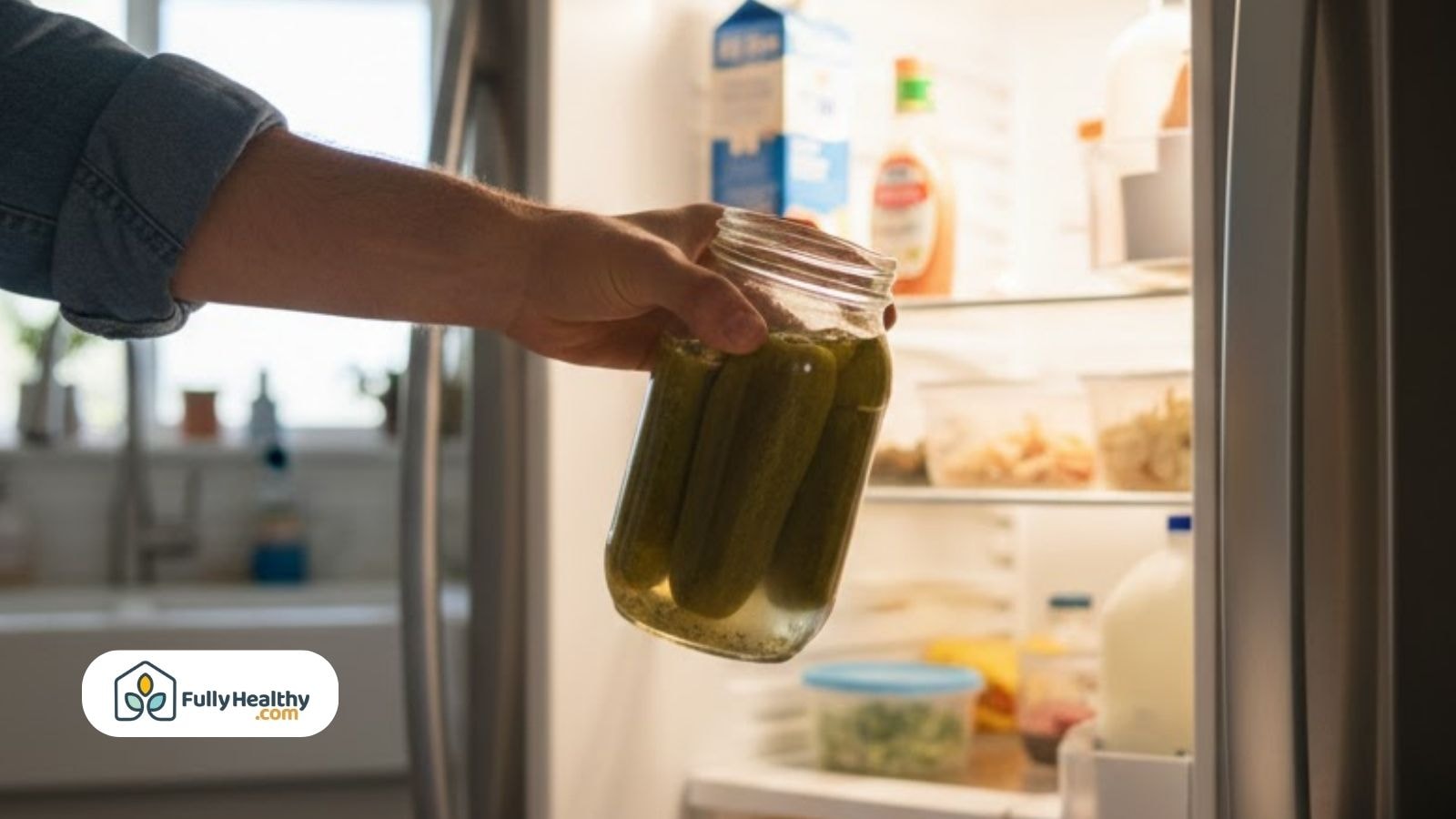
Pickles don't always need to be kept in the fridge. Pickles that are shelf-stable can be kept at room temperature until they are opened. But once they are opened, they need to be refrigerated to stop bacteria from growing and protect the flavor and texture.
Pickles that are kept in the fridge and fermented pickles must always stay cold because they are not heated and need to be kept that way to keep food safe.
-
Shelf stable pickles: Are pasteurized and sealed for room temp storage before opening.
-
Refrigerated pickles: Are not heat processed and require cold storage.
-
Commercial pickles: Store placement reflects the preservation method.
-
Pickle jars: Sealed jars limit bacteria and fungi growth.
-
Flavor: Shelf stable and cold pickles develop different taste profiles.
When Refrigeration Becomes Mandatory
Once a jar is opened, pickles sitting in exposed pickle brine are no longer protected from bacteria, fungus spores, and other competing life forms. When pickles are opened, they should be put in the fridge because microbial activity slows down when they are cold.
This keeps the food safe and helps the pickles keep their sour flavor and texture. This applies to canned pickles, shelf stable pickles, fermented pickles, and homemade pickles.
-
Opened jar: Should always be placed in the refrigerator.
-
Cold storage: Retards growth of harmful bacteria and fungi.
-
Pickle juice: Remains stable longer when kept cold.
-
Fermentation process: Slows significantly at cold temperature.
-
Food safety: Improves when pickles are refrigerated.
How Long Can Pickles Be Unrefrigerated?
Unopened Pickles at Room Temperature
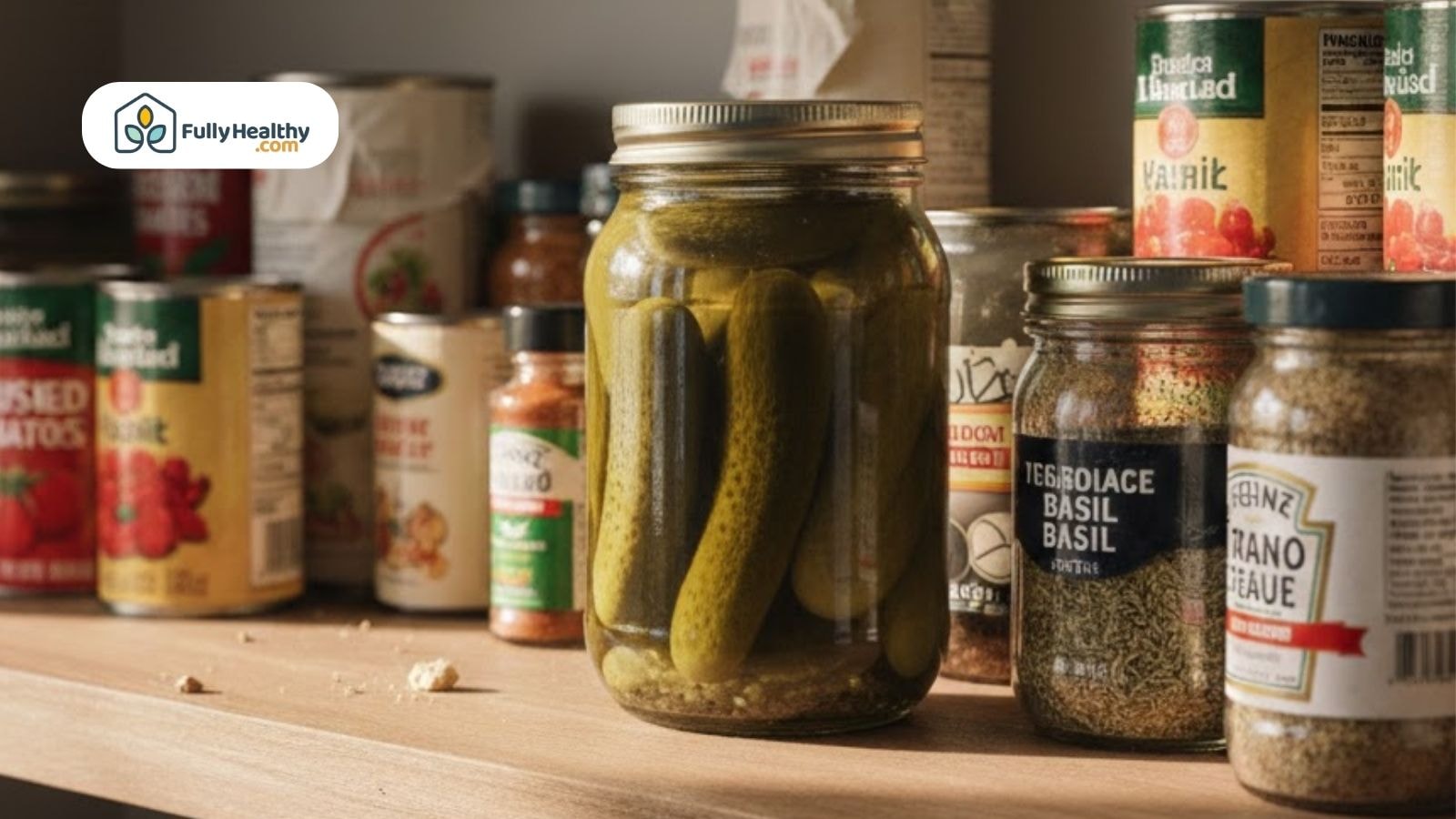
Pickles can stay unrefrigerated only while the jar is unopened. Most commercial pickles are safe at room temperature for one to two years because vinegar, salt, and acidic brine limit harmful bacteria. Once the jar is opened, pickles should no longer be left unrefrigerated and need cold storage to remain safe.
-
Unopened jar: Safe at room temp when sealed and undamaged.
-
Shelf life: Often lasts longer than peak taste and texture.
-
Room temperature: Should remain cool and consistent.
-
Direct sunlight: Can reduce quality over time.
-
Big jar: Must be stored away from heat sources.
Opened Pickles Left Out
Pickles should not be left out of the fridge after being opened. Even though vinegar and salt slow down the aging process, open pickles lose their firmness, flavor, and clarity after being left out at room temperature for a while, and fermentation starts to happen more quickly.
-
Opened pickles: Should not remain left unrefrigerated for long periods.
-
Pickles sitting: Lose crunch before safety issues appear.
-
Fermentation: Accelerates when stored warm.
-
Harmful bacteria: Multiply faster without cold storage.
-
Cold storage: Is essential after opening.
What Is the 3-2-1 Rule for Pickles?
Understanding the 3-2-1 Pickling Ratio
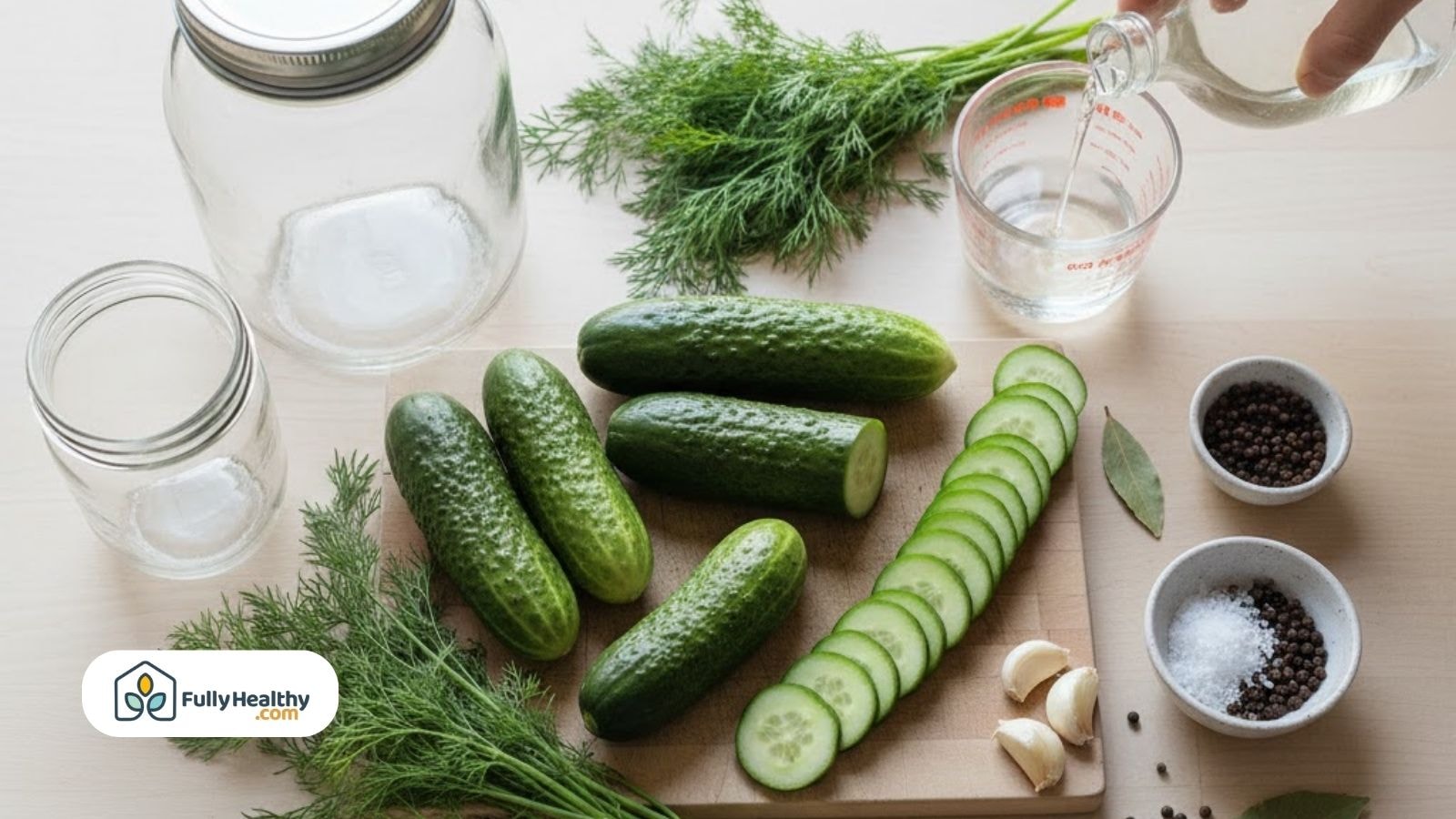
To make quick pickles, the 3-2-1 rule says to mix three parts vinegar with two parts water and one part sugar. This ratio makes a balanced pickle brine with a sour taste, but it's not meant to be used for pickles that will last on the shelf or in a can. You need to store these pickles somewhere cold.
-
Vinegar: Lowers pH and limits bacteria growth.
-
Water: Balances acidity for taste.
-
Sugar tend: To soften sharp sour notes.
-
Pickle brine: Intended for short-term use only.
-
Preservation method: Does not support room temperature storage.
When the 3-2-1 Rule Is (and Isn’t) Appropriate
The 3-2-1 rule works for pickles that will be eaten quickly from the fridge. For long-term storage, you need tried-and-true methods made for pickles that are canned.
-
Homemade pickles: Made with this ratio must be refrigerated.
-
Shelf stable: Cannot be achieved using this method alone.
-
Canned pickles: Require heat processing for safety.
-
Food safety: Depends on verified acidity levels.
-
Cold: Helps retard growth during short storage.
How Do I Know If Pickles Have Gone Bad?
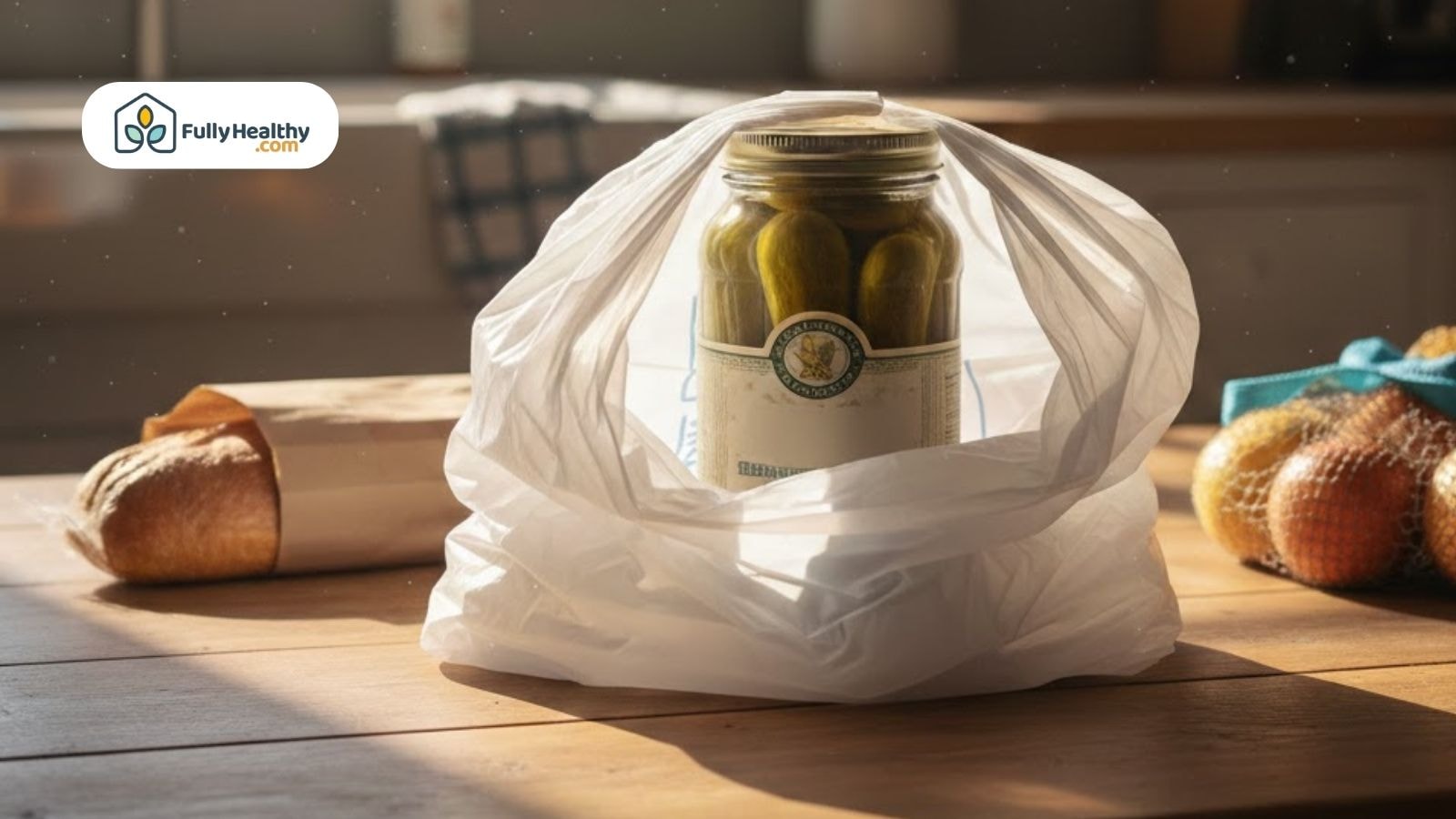
Visual and Texture Warning Signs
Pickles start to go bad over time, and the first signs are usually how they look and feel in the jar. When pickles are not stored properly, mold, very soft brine, or an unusual cloudiness in it are often signs that harmful bacteria or fungi have started to grow.
-
Visible mold: Indicates the jar should be discarded immediately.
-
Slimy texture: Suggests spoilage even if the smell seems mild.
-
Cloudy brine: Can indicate bacterial activity outside normal fermentation.
-
Bulging lids: Signal gas buildup from microbial growth.
-
Leaking jars: Mean the seal has failed and food safety is compromised.
Smell, Taste, and Gas Indicators
When the smell and taste of pickles change, it's clear that they are no longer safe to eat. If pickle juice has bad smells, tastes like metal, or fizzes too much, it means that the fermentation process has gone too far or that bacteria that you don't want are active.
-
Strong odors: Sour smells that feel unpleasant indicate spoilage.
-
Fizzy brine: Is unsafe in non-fermented pickles.
-
Bitter taste: Suggests chemical changes inside the jar.
-
Gas release: Can occur when fungi growth produces pressure.
-
Eat caution: When unsure, discard rather than taste further.
FullyHealthy and Naturally Fermented Products
About FullyHealthy
FullyHealthy focuses on providing foods that are organic, raw, and naturally fermented with few changes and carefully chosen ingredients. These fermented foods use old-fashioned methods, live cultures, and clean recipes that focus on natural taste, texture, and quality without using a lot of chemicals or additives.
-
Naturally fermented: Products rely on live bacteria for preservation.
-
Cold storage: Slows microbial changes and maintains balance.
-
Fermentation process: Continues slowly even in the refrigerator.
-
Food safety: Depends on proper refrigeration after purchase.
-
Modern methods: Avoid heat to protect beneficial cultures.
FullyHealthy Fermented Products
FullyHealthy offers a range of raw sauerkraut and fermented vegetable products made with organic ingredients and traditional fermentation techniques.
-
Pickled Planet Organic Raw Taqueria Mix: A vibrant mix of raw fermented vegetables with active live cultures and bold seasoning inspired by traditional taqueria flavors.
-
Great Plain Raw Sauerkraut: A simple, unseasoned raw sauerkraut made with cabbage and salt, allowing the natural fermentation process to shine.
-
Immune Boost Organic Raw Sauerkraut: A raw fermented sauerkraut blended with immune-supporting ingredients while maintaining live probiotic cultures.
-
Veda Kraut Raw Sauerkraut: A uniquely spiced raw sauerkraut influenced by Ayurvedic ingredients and preserved through cold fermentation.
-
Dill E Gent Organic Raw Sauerkraut: A dill-forward raw sauerkraut that delivers classic pickle flavor while remaining fully fermented and refrigerated.
Final Thoughts
It's important to have control over how you store pickles, not to guess. Traditional fermented pickles act differently than shelf-stable ones, and pickles that aren't refrigerated are only safe because they have a lot of salt in them and are very acidic.
Once jars are opened and put in the fridge, refrigeration stops changes that you don't want to happen. Pickles don't stay the same over time like ketchup or mustard do. Keep them in the right way, check the dates, and eat them in a responsible way so that the taste, safety, and texture are all good for everyone.
FAQs
How long can you keep pickles before they go bad?
Pickles stored in a whole jar last longer than expected, but unrefrigerated pickles spoil faster after opening, especially once expiration dates pass and the pickle barrel balance changes.
Do all types of pickles need refrigeration?
Traditional fermented pickles and your own pickles must be cold, while shelf types last longer sealed, because refrigerated restricts fermentation after opening.
Can pickles go bad if sealed?
Yes, even a sealed whole jar can spoil if stored poorly, ignored expiration dates, or exposed to heat that overwhelms the high concentration brine.
Is it cheaper to make or buy pickles?
Making your own pickles can cost less, but pickle barrel batches still require cold storage, time, and planning once you finish eating and return jars to the fridge.
Are pickles good for your gut?
Traditional fermented pickles support gut balance when eaten properly, but only if stored safely, not left as unrefrigerated pickles for long periods.
Leave a comment