

Do Turkeys Lay Eggs? Facts You’ve Never Been Told
 Photo Credit: Canva Pro
Do turkeys lay eggs? Of course they do. Turkish turkeys, both wild and domestic, lay eggs every spring. Unlike chickens, though, they don't lay as many eggs, and you don't usually find them in stores. Edible, nutritious, and reported by some to have a richer taste than chicken eggs.
When do turkeys lay eggs? Why aren't they common in stores, and can you eat or raise them yourself? This article tells you more about it.
Featured Kids Pick
Serenity Kids // Turkey Bolognese - 3.5 oz
Loading...
Do Turkeys Lay Eggs?
 Photo Credit: Canva Pro
Turkeys do lay eggs. Female turkeys, known as hens, lay eggs during the spring and early summer. This usually happens in the spring and early summer. However, they don't lay eggs as often as chickens do.
Turkey eggs aren't as common as chicken eggs because turkeys are harder to handle and lay fewer eggs. Their ability to lay eggs is still complete, whether they are in the wild or on a farm.
How Often Do Turkeys Lay Eggs?
When compared to chickens, turkeys only lay a few eggs a week. Thus, their egg production is much slower and depends on the season.
-
Laying frequency: Domestic turkeys lay two to three eggs every week.
-
Wild turkey clutch: Builds a nest of 9–13 eggs, laying one egg every 24–32 hours.
-
Laying season: The laying season lasts from April to early summer.
-
Laying age: Within 10 to 12 months, hens usually start laying eggs.
-
Laying habits: Sheep like to nest in private, quiet places, especially when they become broody.
When and How Do Turkeys Lay Eggs?
For safety, hens build their nests in the ground or in nesting boxes on farms. Heritage turkeys tend to be better natural layers than factory breeds that have been artificially inseminated.
-
Nest location: Natural hiding places with good cover or boxes in the backyard are both good options.
-
Incubation: Turkey eggs require approximately 28 days to hatch.
-
Egg viability: A single mating can fertilize all the eggs laid over 10 days.
-
Raising poults: Within 24 hours of hatching, the chicks can walk short distances and find their mother.
-
Egg care: Prior to using an incubator or letting the hens brood naturally, make sure the eggs are clean and have been stored properly in cool places.
Why Aren't Turkey Eggs Sold in Stores?
 Photo Credit: Canva Pro
You rarely see turkey eggs for sale in grocery stores. Even though they taste good and can be eaten, they are too expensive and inefficient to produce on a large scale. Turkeys are primarily raised for their meat, though some heritage breeds are kept for eggs in niche or homestead settings. Since they lay eggs less often and need more space and food, selling their eggs is not a good idea.
Economic Reasons Turkey Eggs Are Rare
People don't want to raise turkeys for eggs because they are too expensive, especially since chicken eggs, duck eggs, and quail eggs are much cheaper.
-
Lower production: Turkeys don't lay as many eggs as chickens or ducks.
-
High cost: It costs more to feed them, but they lay fewer eggs.
-
Meat priority: Male turkeys (toms) and hens are raised on most farms for their meat, not their eggs.
-
Hatcheries: Most of the time, eggs are saved to breed new turkeys, not to eat.
Challenges of Commercializing Turkey Eggs
For of how they are made and how people usually eat them, selling a lot of turkey eggs is hard. The average turkey egg is tougher, bigger, and needs more care while being transported.
-
Fragile supply: Not all year long, turkeys don't lay eggs.
-
Transport: If the shell is harder, you need to be more careful not to crack it.
-
Storage: Needs to be kept cool and handled carefully.
-
Consumer habits: Turkey eggs aren't in high demand because most people don't know that they lay them.
Can a Human Eat Turkey Eggs?
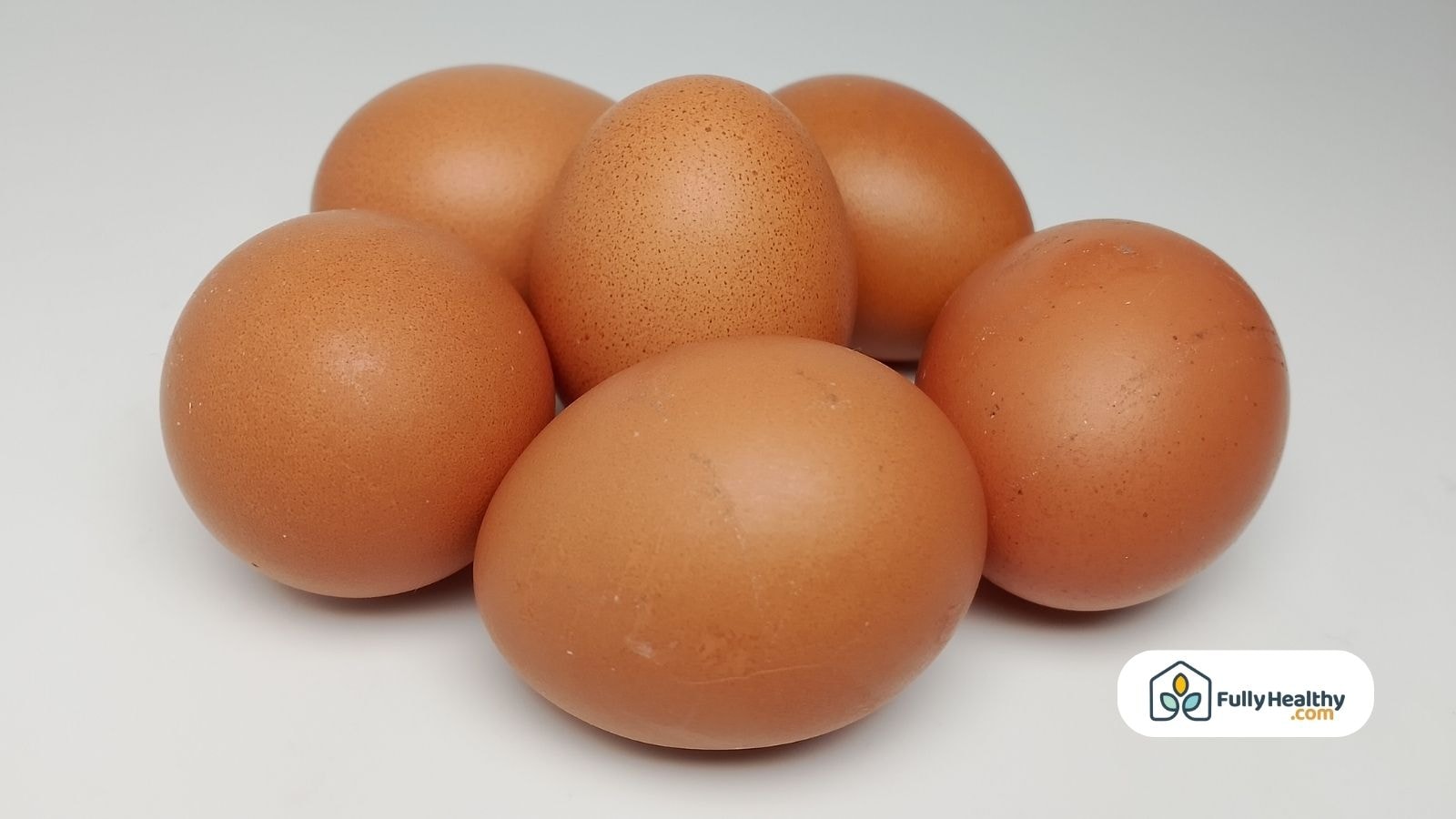 Photo Credit: Canva Pro
People can, in fact, eat turkey eggs. They taste great and are full of protein, cholesterol, and important nutrients. They taste a bit like chicken eggs, but with a gourmet twist. Many people who try them like how they feel and how strong the flavours are, especially in baked goods and recipes that call for a stronger egg.
Are Turkey Eggs Safe and Nutritious?
When cooked right, turkey eggs are completely safe. They have a lot of nutrients and are great for people who want to try something new.
-
Protein content: Each turkey egg weighs around 75–90g and contains roughly 10g of protein.
-
Cholesterol: Contains approximately 933 mg of cholesterol per egg, significantly more than chicken eggs (~186 mg).
-
Calories: About 150 for each egg.
-
Vitamins: Full of B12 and A.
-
Cooking: Like any other egg, it's safe to cook hard or soft.
What Do Turkey Eggs Taste Like?
A turkey egg tastes better and is creamier than a chicken egg, so it's great for high-end cooking.
-
Taste: It's rich and creamy, and the yolk is big. The texture is firmer.
-
Use in recipes: Great for baking, making custards, and sauces.
-
Shell handling: Not as soft as most eggs, needs a firm tap to crack.
-
Comparison: It's not as smooth as duck or quail eggs, but more bold than chicken eggs.
What Does FullyHealthy.com Offer on This Topic?
Fully Healthy doesn't sell turkey eggs, but it does focus on providing diet-specific food. The article doesn't directly answer the question "Do turkeys lay eggs?", but it does teach people about less common egg types. Given that turkeys only lay eggs during certain times of the year and in smaller numbers than chickens, they might be perfect for niche diets.
Health-conscious shoppers who care about clean ingredients, balanced vitamins, and alternative proteins can use the site. Being low in allergens and high in nutrients, turkey eggs are good for people on special diets. They're not sold here, but people who want to cook with richer eggs or eat more variety might like them.
Does FullyHealthy Sell Turkey Eggs or Related Products?
-
No current stock: It is not possible to buy turkey eggs in the store.
-
Primary focus: Products that are AIP, gluten-free, and allergen-free.
-
No mention of: anything to do with turkeys, like brooders, incubator tools, or scratch feed.
How Does FullyHealthy Relate to Turkey Egg Consumers?
-
Target audience: Individuals seeking chicken eggs, nutrient-dense alternatives, or ways to stay away from common allergens.
-
Potential overlap: Who are keeping hens, toms, or heritage birds to breed and have babies.
-
Diet fit: Especially useful in the spring, fall, and winter, when breeding and nesting schedules change at higher elevations.
Final Thoughts
Do turkeys lay eggs? The turkey does lay eggs, but not as often as the chicken does. Most hens start laying eggs at the beginning of spring, and by June, if the eggs are fertile and hatch properly, they may be brooding chicks. House turkeys need a brooder, heat, and good food, but wild turkeys don't. Male turkeys (toms) do not lay eggs and only contribute to reproduction through mating.
It takes luck, rest, food, and surviving through the winter to raise chicks to adulthood. A lot of people cook their own because the store doesn't always have them. A break in care can mess up the whole thing we call life.
FAQs
Can turkeys and chickens live together?
Yes, turkeys lay eggs and hens can live with chickens, but you must watch chicks and feed to stop disease in both birds.
How long is a turkey pregnant?
Turkeys lay eggs; they are not pregnant. Hens lay how many eggs in spring and brood poults until they hatch.
Do turkey eggs taste like chicken eggs?
Yes, turkey eggs taste richer, and you can cook them like chicken eggs, but turkeys lay eggs less, so not in every store.
Do peacocks lay eggs?
No, peacocks are toms, only peahens lay eggs like hens, but not poults or chicks, and not good for food or breeding turkeys.
Do turkeys mate for life?
No, turkeys are not monogamous; males may mate with multiple females during the breeding season.
Leave a comment