

Does Basil Need Full Sun to Thrive? Best Tips for Success
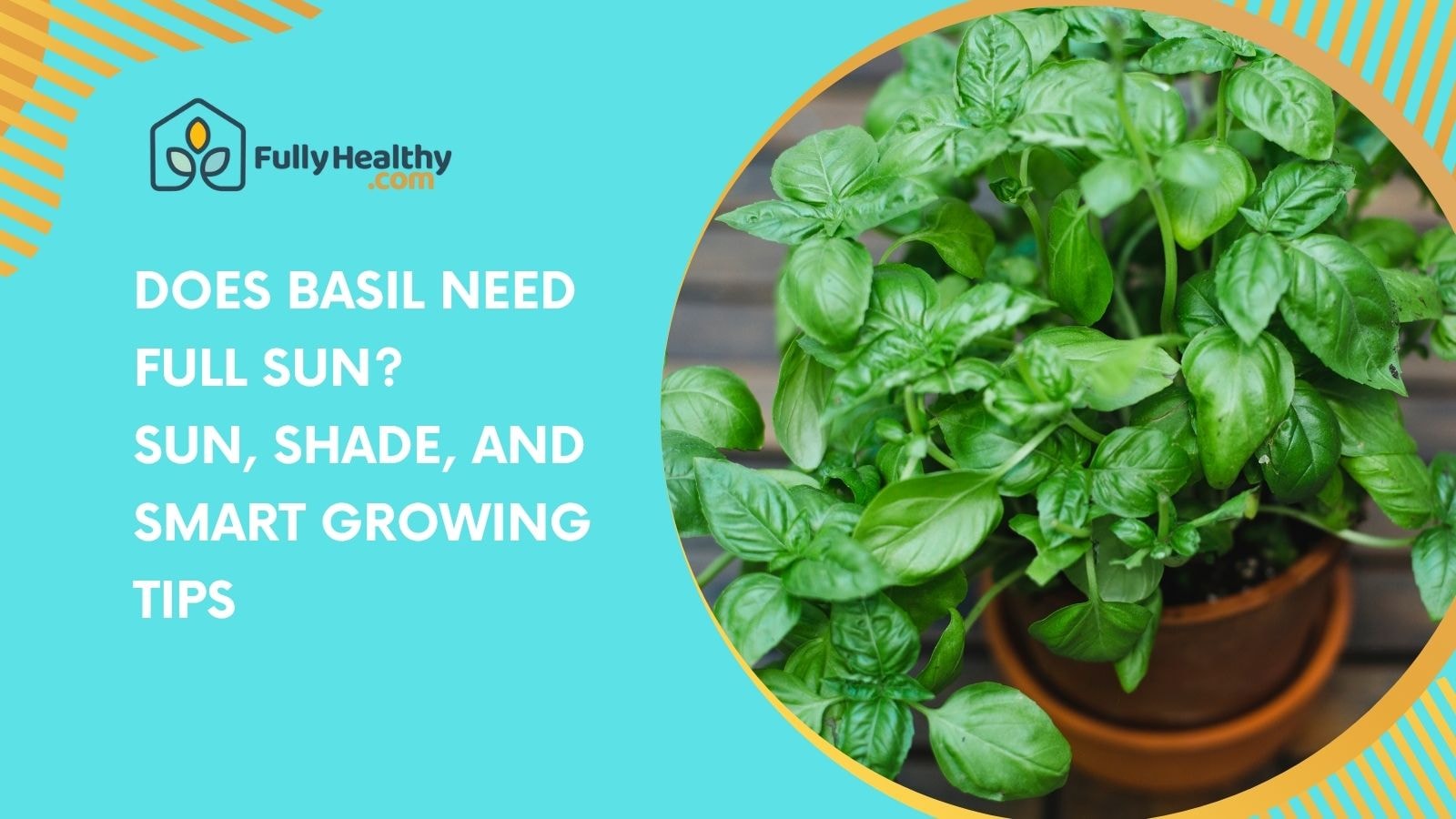 Photo Credit: Canva Pro
Does basil need full sun? Most types of basil do best with 6 to 8 hours of direct sunlight. In very hot weather, some shade is also necessary. This article talks about how much sun basil plants really need, how to keep the soil evenly moist, and the best planting methods for strong, tasty growth.
You will learn how to take care of sweet basil, lemon basil, and other types of basil when you grow them inside or outside.
Featured Pantry Pick
Simply Organic // Basil - .54 oz
Loading...
Can Basil Plants Get Too Much Sun?
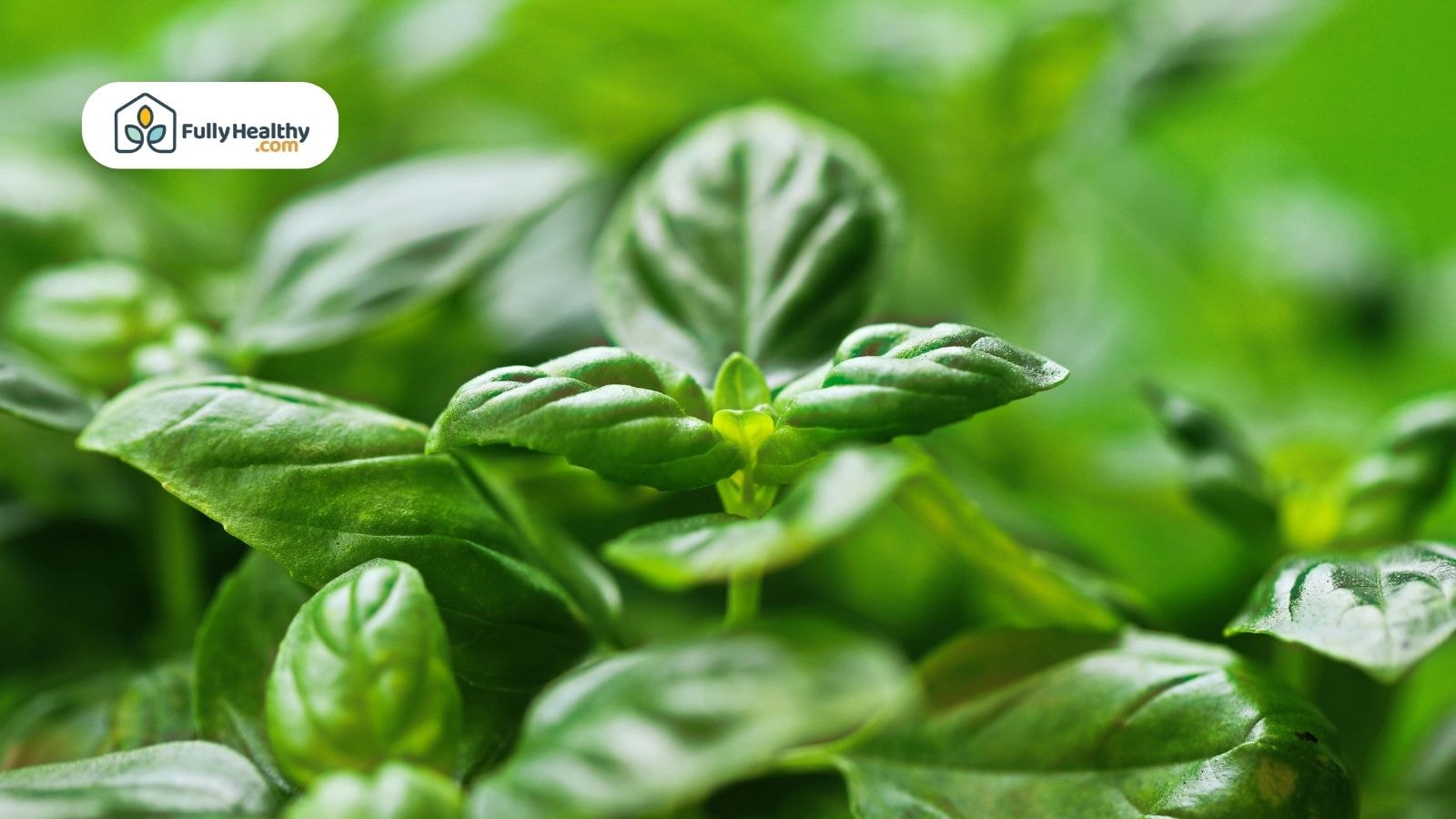 Photo Credit: Canva Pro
Basil Loves Sun, But Heat Stress is Real
Basil plants do best in full sun, but they can suffer in very hot weather. If you grow basil in a hot area, too much direct sunlight can burn the leaves and make flower buds open early, which lowers the flavor and leaf production.
-
Full sun exposure: Most basil varieties like sweet basil, lemon basil, and spicy globe require 6–8 hours of direct sunlight per day.
-
Heat damage risk: In hot climates, extreme heat can trigger bolting and crispy or blackened leaves.
-
Grow indoors tip: Basil grown indoors or in a warm greenhouse can avoid temperature swings.
-
Shade use: Provide afternoon shade using shade cloth or place basil near taller plants.
-
Bolting definition: By bolting, a plant directs its energy to flower buds, which shortens the growing season.
Symptoms of Sun Overload in Basil Plants
Too much sun exposure leads to visible stress in basil. The basil leaves are discolored, shriveled, or burned, and stunted new growth.
-
Leaf scorching signs: Look for brown, crispy edges and faded green or blackened leaves.
-
Plant reaction: Basil may droop or wilt by early afternoon even with regular watering.
-
Container advantage: Move potted basil plants to partial sun areas or shaded patios in high heat.
-
Heat-stressed growth: Basil seedlings may develop tiny leaves and stop vertical growth.
-
Flower buds signal: Flowering too early suggests excessive direct sun and nutrient deficiency.
Can You Grow Basil in the Shade?
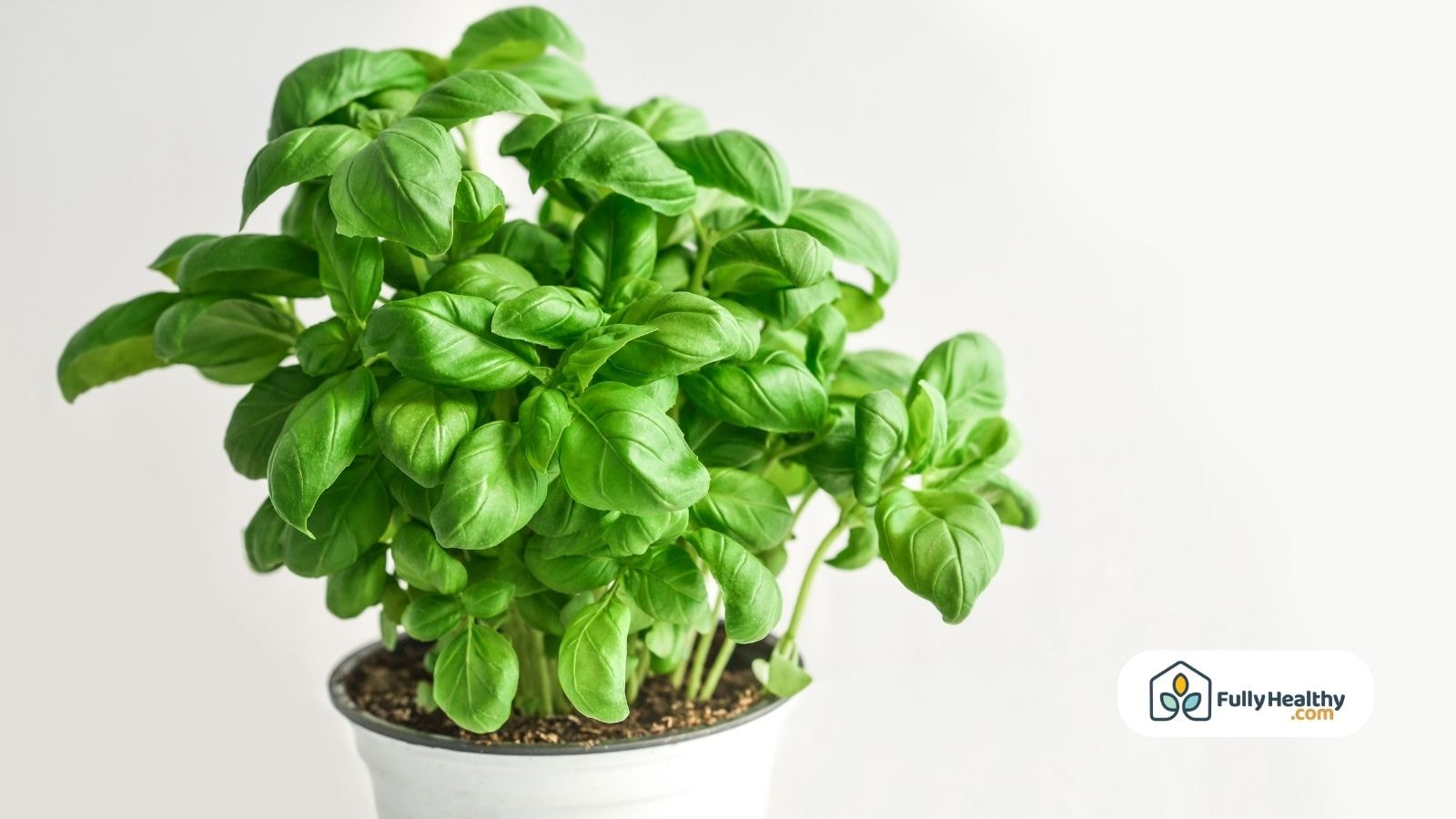 Photo Credit: Canva Pro
Light Shade Can Work, But Not Too Much
Basil is a warm-season herb that does best in full sun, but plants can grow well in partial sun areas in hot regions. In the afternoon, dappled light protects the tender basil leaves without stopping their growth.
-
Partial sun range: Some basil varieties can tolerate 3–6 hours of light, especially morning sun and indirect afternoon light.
-
Shade-smart locations: Patios, balconies, or spots under tomato plants offer filtered light.
-
Leaf quality tip: Too much shade causes pale basil leaves and poor flavor.
-
Suitable varieties: Thai basil and lemon basil can adapt better to reduced sunlight.
-
Indoor options: Place basil indoors near a sunny windowsill or use bright light grow setups.
Best Shade Strategies for Healthy Growth
Without full sun, you can still grow basil successfully if you control how much light it gets and make sure the plants are in the best conditions. Basil grown in the shade can use bright, indirect light and surfaces that reflect light to help photosynthesis.
-
Reflective help: Use white walls or grow basil indoors with LED grow lights to supplement brightness.
-
Companion planting: Place basil next to taller plants that offer natural shade without blocking light completely.
-
Raised bed bonus: Raised beds near fences or structures provide partial sun and airflow.
-
Container control: Basil in pots lets you rotate placement based on daily light shifts.
-
Soil moisture tip: Keep soil evenly moist, not wet soil, to avoid fungal diseases in shady spots.
Does Basil Need Lots of Water?
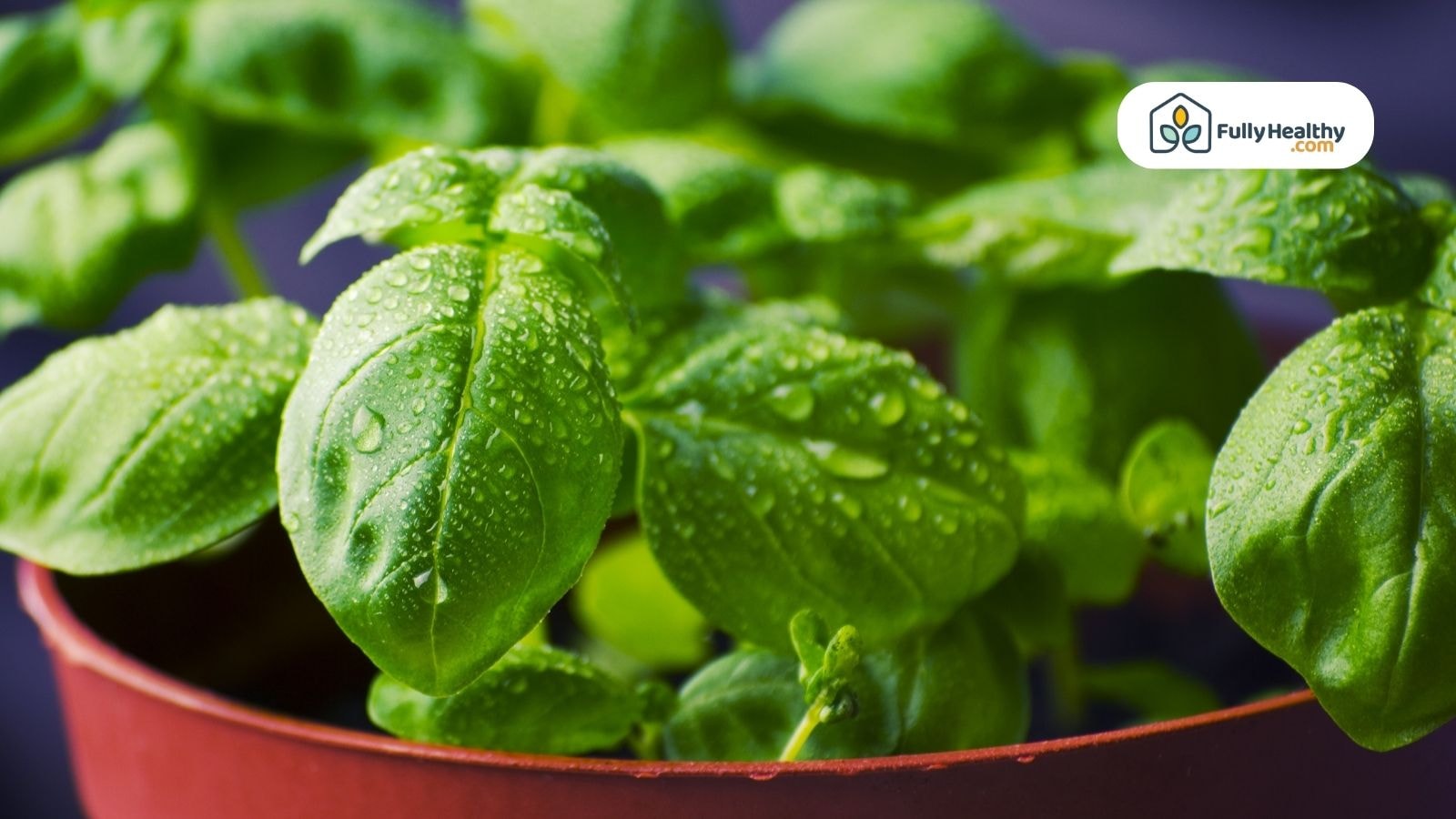 Photo Credit: Canva Pro
Basil Loves Moist Soil, But Not Wet Feet
Basil plants need consistent moisture, but they don't do well when it's too wet. If you want to grow basil, you should keep the soil evenly moist and not let the roots sit in wet soil, which can lead to fungal diseases and root rot.
-
Watering frequency: Water every 1–3 days for potted basil and less often for raised beds with well drained soil.
-
Ideal conditions: Use sandy soil or loamy mixes that allow excess water to drain easily through drainage holes.
-
Check soil moisture: Stick a finger 1 inch deep. If dry, it’s time to water.
-
Climate control: In hot climates, increase watering frequency but avoid flooding the roots.
-
Time it right: Water in the early morning to reduce evaporation and prevent downy mildew.
Spotting Overwatering vs Underwatering
Basil plants stay productive if you know how to tell when they are stressed. When you water too much, the leaves and stems often turn yellow and become mushy. When the soil is too dry, the plants droop and the edges get crispy.
-
Signs of overwatering: Yellow or translucent leaves, soft stems, and wet roots.
-
Signs of underwatering: Droopy leaves, brittle stems, and visibly dry topsoil.
-
Visual cues: Blackened leaves may indicate water stress combined with extreme heat.
-
Container tip: Basil grown indoors may dry out faster and require more frequent checks.
-
Adjustment hack: Increase airflow to avoid moisture buildup and fungal infections.
Where Is The Best Place To Plant Basil?
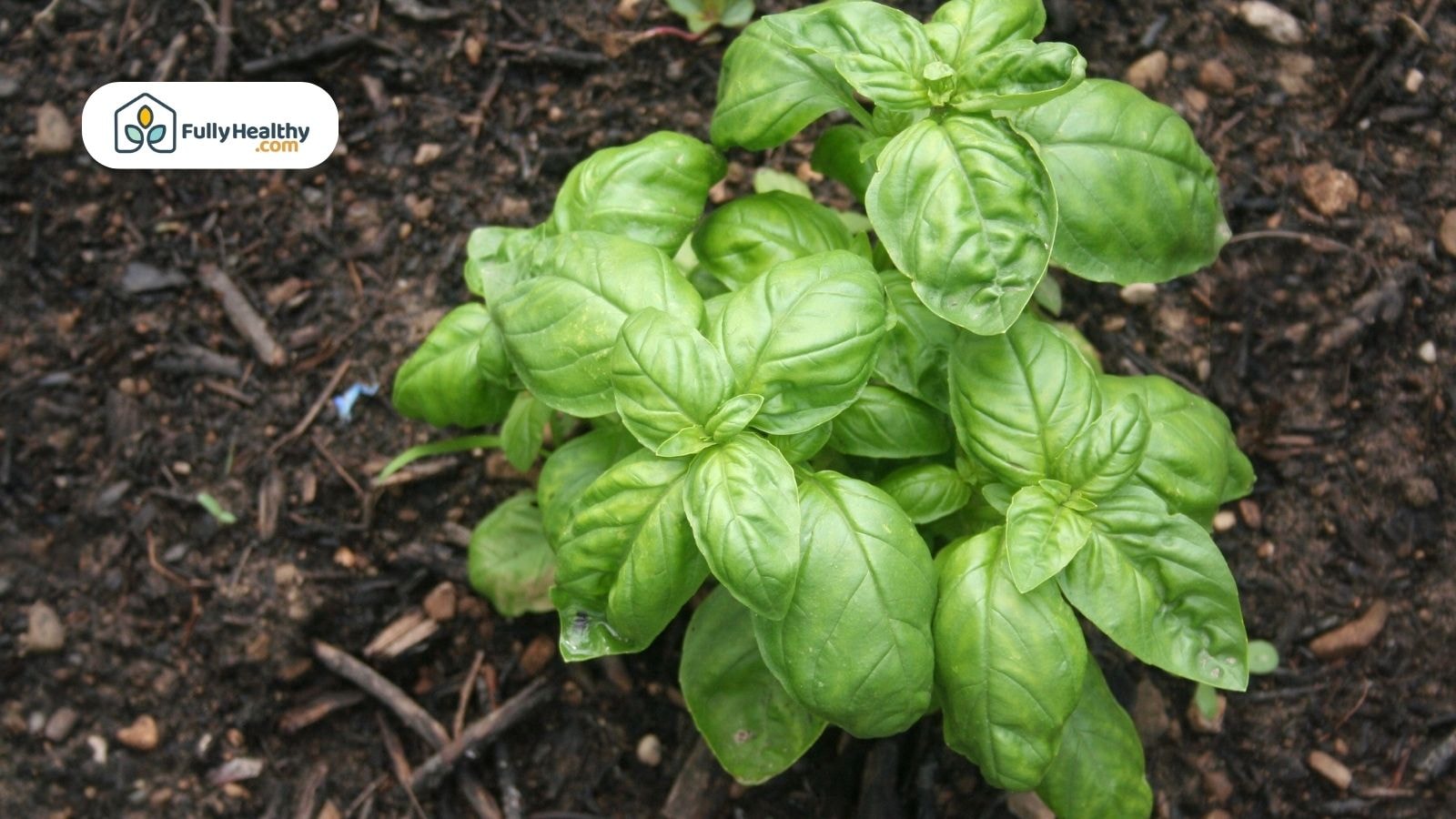 Photo Credit: Canva Pro
Sun, Soil, and Airflow Matter Most
Where to plant basil outdoors or indoors depends on how much sun it gets and the condition of the soil. Basil does best in full sun, sandy or loamy soil, and areas with lots of air flow to keep fungus diseases at away.
-
Ideal planting zones: Garden beds with full sun exposure or patios with partial sun work well.
-
Soil requirements: Use well drained soil with a pH between 6.0 and 7.5, enriched with compost.
-
Spacing rule: Space basil plants 12–18 inches apart to prevent crowding and improve air circulation.
-
Airflow advantage: Basil that is grown in small spaces is more likely to get downy mildew and spider mites.
-
Microclimate tip: Avoid planting next to walls that radiate heat and stress the basil leaves.
Garden Beds, Containers, or Indoors?
Each location has benefits for growing basil. Cuttings and seedlings of basil do well in pots, but raised beds are better for a steady supply of fresh basil because they are more stable and help the roots grow deeper.
-
Containers: Great for small spaces. Ensure drainage holes to prevent wet roots.
-
Raised beds: Best for consistent soil moisture and easy harvesting of several plants.
-
Grow indoors: Use a sunny windowsill or grow lights for basil indoors during cold months.
-
Rotation tip: Rotate indoor pots weekly to keep leaf production balanced.
-
Great basil varieties: Purple basil and holy basil both grow well in containers or sunny patios.
FullyHealthy: Basil-Based Staples for Clean, Everyday Eating
A Marketplace Built For Special Diets
FullyHealthy is an online store that helps people with special dietary needs get clean, healthy foods. It helps people who follow autoimmune-friendly, AIP, gluten-free, paleo, and low-FODMAP diets.
-
Target customers: Ideal for shoppers with chronic health conditions or allergy-sensitive needs.
-
Label clarity: All items are filtered by dietary type, no hidden ingredients.
-
Inclusive focus: Offers a range of sauces, snacks, herbs, and pantry staples for most diets.
-
Quality-first mission: Brands featured are checked for transparency, farming ethics, and ingredient sourcing.
-
Education support: Provides tips for using products like fresh basil and basil garlic blends in real meals.
Organic Basil Products You Can Trust
FullyHealthy has a carefully chosen range of basil-based products that are suitable for special diets and clean eating. Each item, from fermented foods and shelf-stable soups to dried herbs, adds strong flavor and makes cooking easier and healthier.
-
Simply Organic Basil (.54 oz): A non-irradiated, USDA-certified organic dried herb with robust flavor and long shelf life. Great for seasoning sauces, dressings, stir fries, and marinades.
-
Basil Garlic Organic Raw Sauerkraut (16 oz): A probiotic-rich, small-batch fermented food made with clean, organic ingredients. Adds gut support and flavor to any meal.
-
Basil Garlic Shots – Organic Raw Sauerkraut (16 oz): Convenient shot-sized portions of fermented kraut with basil and garlic, ideal for daily wellness routines.
-
Wild Zora Tomato Basil Instant Soup (.5 oz): A single-serve packet featuring tomato, basil, chickpeas, onion, and garlic. Great for travel or quick lunches.
Final Thoughts
Basil plants thrive in warm temperatures with full sun, well drained soil, and regular harvesting to encourage growth. To start basil strong, use basil seeds or basil cuttings in pots or raised beds near other plants. Clip flower buds early to encourage bushy growth and preserve fresh leaves. Genovese basil can grow up to a few feet tall, and extra harvests can be frozen in ice cube trays. Want better flavor and steady leaf production? Keep soil dry at the top and stay consistent with care.
FAQs
What is the trick to growing basil?
Start basil in warm temperatures, keep soil dry at the top, and encourage bushy growth with frequent harvesting.
What does overwatered basil look like?
Overwatered basil has droopy leaves, yellowing stems, and no fresh leaves or new plants showing.
Does basil grow back every year?
Basil is a warm season herb that does not grow back every year unless you plant basil seeds again.
What are common basil harvesting mistakes?
Waiting too long to harvest basil, not trimming flower buds, and cutting too much stops leaf production and hurts other plants.
How do I harvest basil for growing microgreens?
Cut genovese basil seedlings low with scissors before they reach a few feet tall and freeze extra in ice cube trays.
Leave a comment