

Does Brown Sugar Go Bad? Truth About Hard Lumps
Brown sugar doesn't go bad, but it can get hard or lose quality if it's not stored properly. If you keep it dry and sealed, it can last for many years without becoming unsafe, though quality may decline over time.
Even if it's old or clumpy, you can still use it. This guide shows you how to tell if brown sugar is bad, when to throw it away, and how to fix it. You'll also learn how to store it properly and find safer ways to do things.
Featured Baking Pick
Coombs Family Farms // Organic Maple Sugar - 6 oz
Loading...
Does Brown Sugar Go Bad?
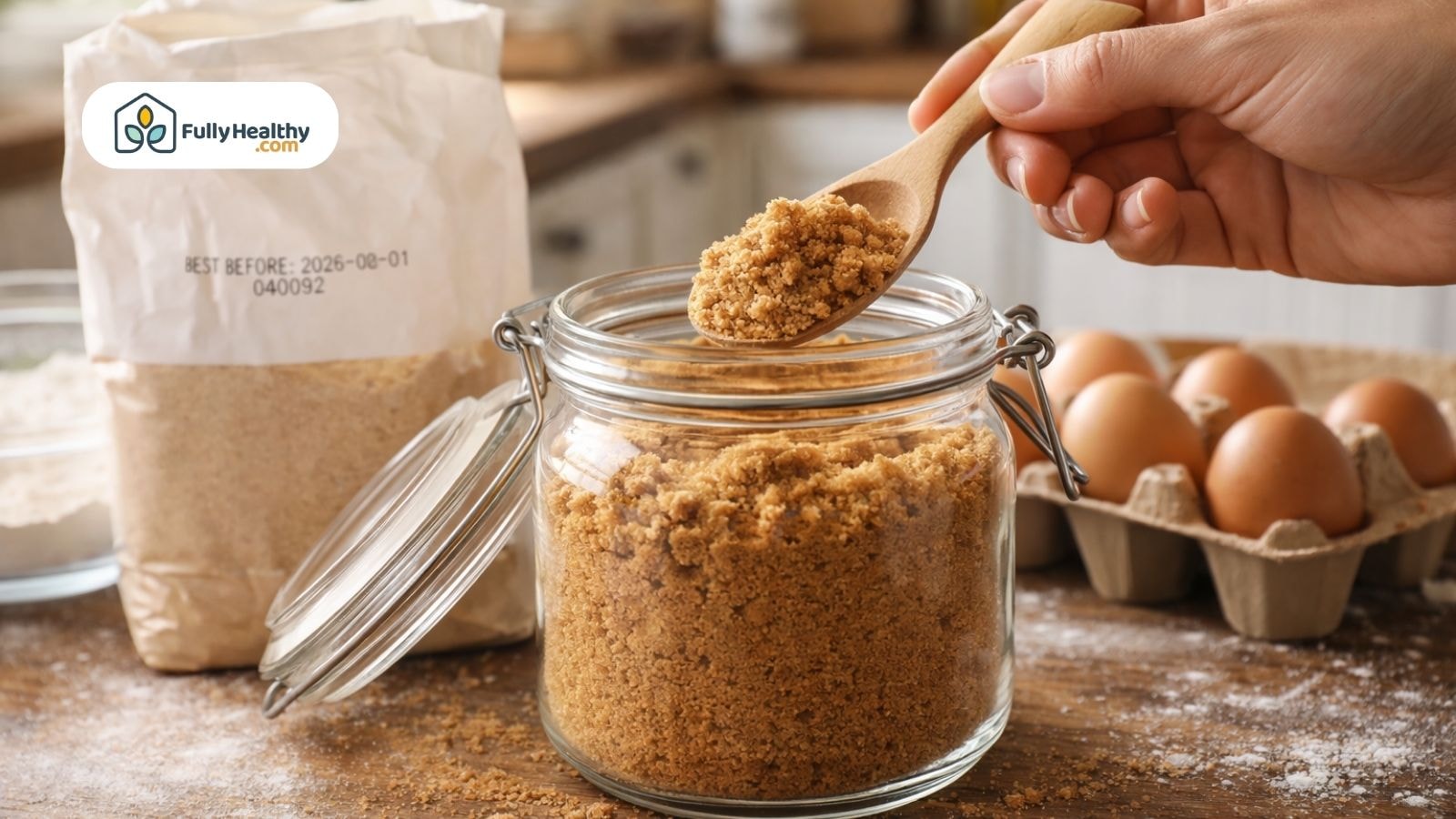
Brown sugar doesn't go bad like milk or bread. But it can harden and lose flavor if it's not kept in the right place. If you store a bag of brown sugar correctly, it will last almost forever. Whether it's light brown sugar or dark brown sugar, the important thing is to keep brown sugar dry, cool, and sealed.
What Happens to Brown Sugar Over Time?
When brown sugar loses moisture, it gets hard. This doesn't mean it's bad; it just needs to be softened. Brown sugar is moist and tasty because it has molasses added. However, that molasses makes it dry out when it touches the air.
-
Shelf life: Brown sugar resists microbial growth due to its low moisture content, allowing it to remain safe for extended periods if stored properly.
-
Why it hardens: When molasses dries out, brown sugar gets hard.
-
Molasses matters: Dark brown sugar has more molasses, which means it tastes better, but it can dry out more quickly.
-
Safe to eat: Once it is softened, hardened brown sugar is still okay to eat and can be used in most recipes.
Can Brown Sugar Ever Go Bad?
Brown sugar doesn't go bad very often, but it can go bad if it's not stored properly. It may become unsafe or unpleasant to use if it gets wet, has pests, or has strong smells.
-
Bad smell: If it smells weird, it might have picked up smells from food that was close by.
-
Visible mold: Throw it away if you can see mold or white spots.
-
Pests or bugs: It's not safe to use anymore if ants or bugs get into it.
-
Moisture exposure: It may mold if it is kept with a wet paper towel, apple slices, or in a wet place.
How Can You Tell If Brown Sugar Is Bad?
Brown sugar usually just gets hard instead of going bad. An unopened bag of brown sugar can stay good for years. The date on the package is only a safety and quality guide. All you have to do is look for real signs that it has gone bad.
Signs That Brown Sugar Should Be Thrown Out
Sometimes, starting over without the sugar is the best thing to do. Don't take chances if it was stored incorrectly or if it looks or smells strange.
-
Mold: It's not safe if you can see mold growth, especially after using moisture tricks.
-
Strange smell: It has probably taken in bad smells if it smells sour, musty, or like chemicals.
-
Bugs or pests: The sugar is no good if there are insects or eggs in it.
-
Wet and sticky texture: Throw it out if it is wet instead of hard because that means that water has gotten in.
When It’s Just Hard, Not Bad
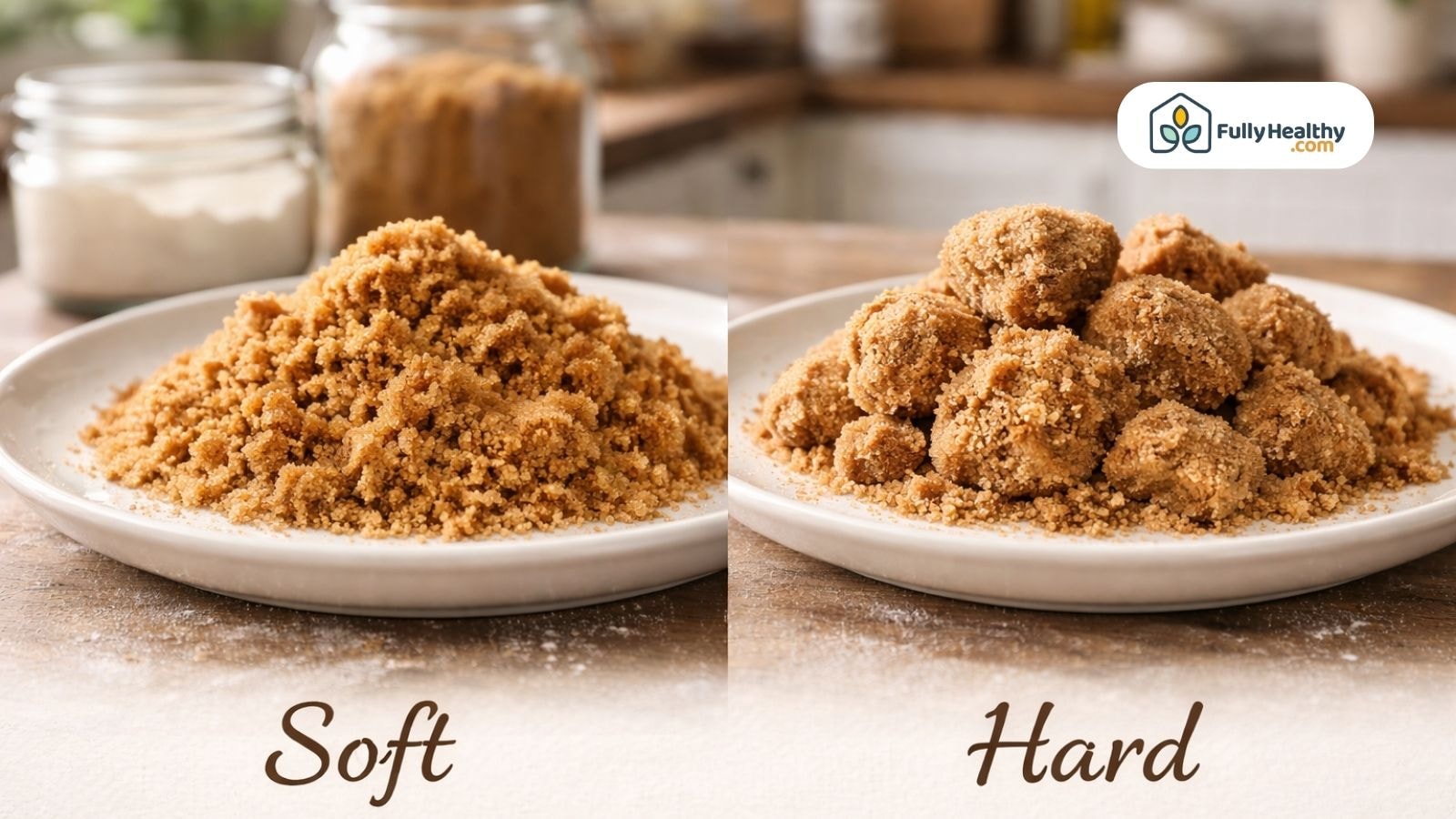
Hard brown sugar isn't spoiled. You can still use it after you make it softer. Changes in texture are common and do not affect safety.
-
Hard lumps: When moisture leaves the sugar, it can clump together. This does not make the sugar unsafe, however.
-
Ways to soften: To make it soft again, use a terra cotta sugar saver, apple slices, or a slice of bread.
-
Microwave option: Put it in a microwave-safe bowl with a damp paper towel for 15 to 30 seconds.
-
Still usable: The sugar can be used for cooking and baking as long as it's dry and clean.
Is It Bad to Use Old Brown Sugar?
If you keep it in the right place, old brown sugar is still good to use. It might not taste as good, but it's safe and works well in baked goods. Light and dark brown sugar both last a long time when they are sealed well.
Safe to Use vs. Still Good Quality
You can use old sugar safely unless it looks like it's gone bad. However, it might lose some of its flavor and moisture over time.
-
Less flavor: Over time, the molasses flavor may go away, especially in dark brown sugar.
-
Still works: It's good for cookies, sauces, and most other recipes once it has softened.
-
No need to toss: You can keep using it as long as it looks, smells, and feels okay.
Understanding Expiration Dates
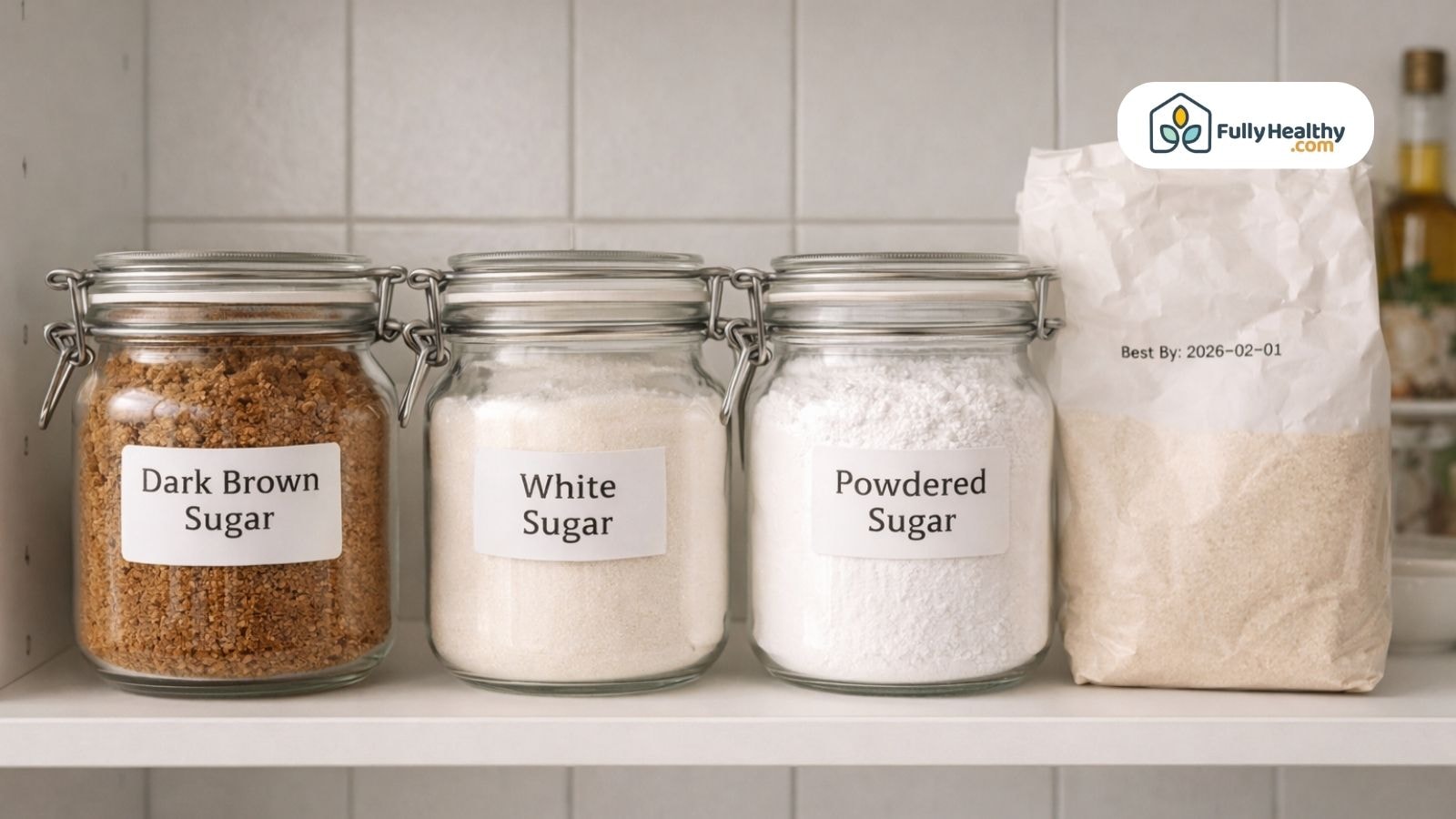
Brown sugar is typically still safe to use after the printed expiration date, provided it shows no signs of contamination or spoilage. It's not as much about safety as it is about quality.
-
Best by vs. expired: Expiry dates show when something is at its best, not when it goes bad.
-
Extended use: Brown sugar can last for a long time if it is kept in a rustproof container or a sealed plastic bag.
-
Proper storage: Keep brown sugar in a cool, dry place with a tight-fitting lid or an airtight container.
-
Avoid the fridge: Cold storage can cause condensation when the sugar is removed from the fridge, which may lead to clumping or mold if not properly sealed.
When to Throw Away Brown Sugar?
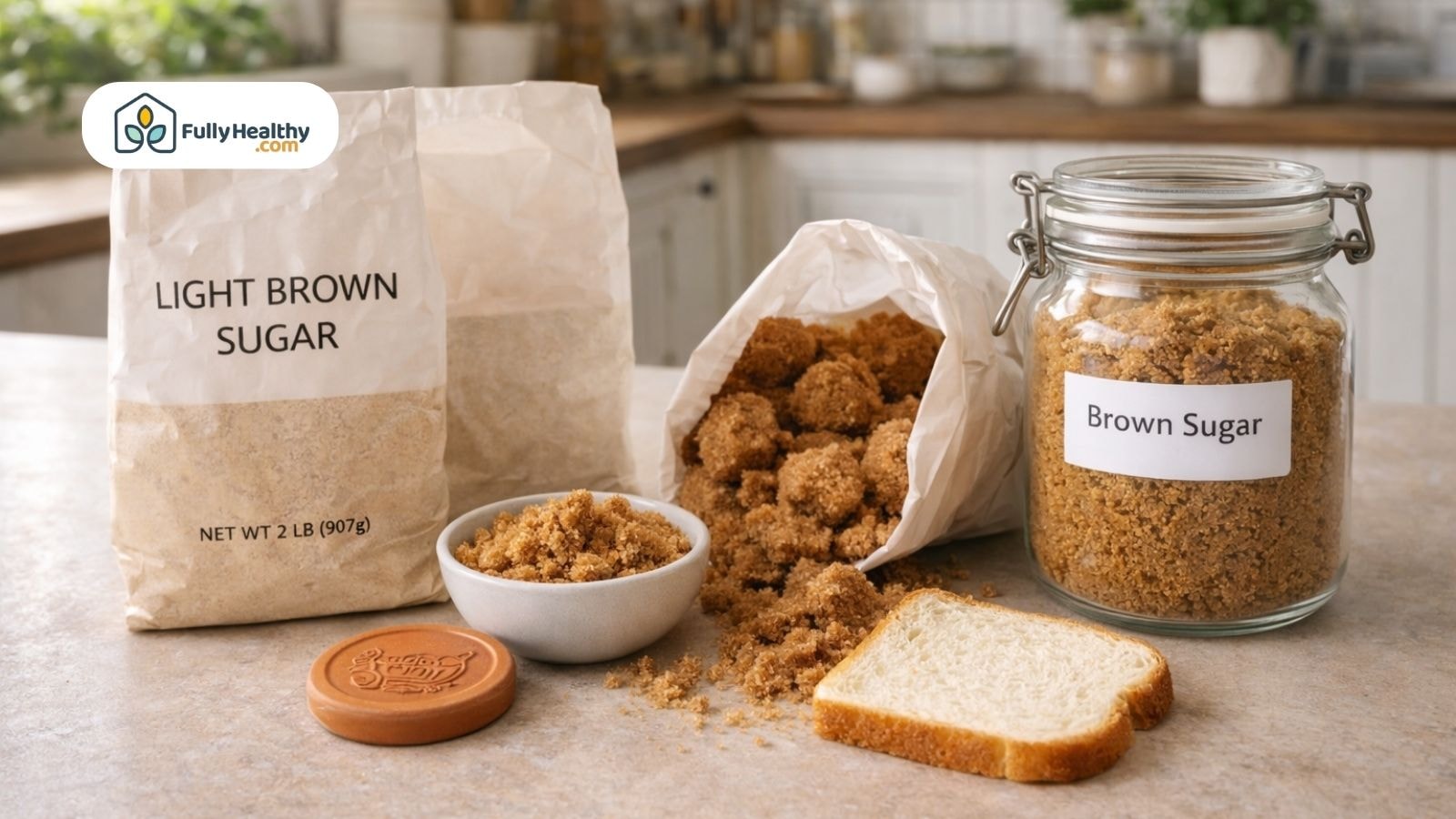
Brown sugar doesn't spoil in the usual way, but it can become unsafe or unpleasant to use. Even though it doesn't help yeast growth, being wet or exposed to air can cause problems. If your sugar smells weird, has mold on it, or has bugs, it's best to throw it away. But not all changes mean it's bad, some can be fixed if the sugar is still clean and dry.
When It’s No Longer Safe to Use
Look at your brown sugar closely if it has been in a place with a lot of moisture or has been stored badly. It's obvious that it's time to throw it away and get a new bag when certain signs appear.
-
Strange odor: It probably picked up bad smells and shouldn't be used if it smells sour or musty.
-
Visible mold: It's not safe if there is any mold or white fuzzy spots.
-
Sticky texture: If the brown sugar feels wet or sticky, it's contaminated.
-
Bugs or pests: Throw the sugar away right away if you see bugs or webbing.
-
Poor storage: Brown sugar can go bad if it isn't kept in an airtight container or if it is kept near heat or humidity.
Check Before You Toss
Sometimes the sugar just got hard, and that's not a problem. If there is no mold or smell, you can still use it.
-
Rock hard sugar: Sugar that has hardened isn't bad; it just needs to be made soft again.
-
Stored properly: Sugar that is kept in a sealed bag or its original package can be used for an extended period.
-
Easy to fix: You can use a slice of bread, apple slices, or a terra cotta sugar saver that has been soaked to make it softer.
-
Smell and stir: It's good for most recipes if it smells good and stirs cleanly.
What Does Fully Healthy Offer for Brown Sugar Needs?
People who need to follow special diets, like gluten-free, allergen-free, and autoimmune (AIP) diets, trust Fully Healthy as an online store. It doesn't have brown sugar, but it does have natural sweeteners that are easier to store and won't clump or harden. If you want to stay away from added molasses or processed sugar, these are great for baking, drinks, and desserts.
A Specialty Marketplace for Restricted Diets
Fully Healthy sells clean, high-quality products. It helps people find healthier options and stay away from hidden ingredients.
-
Clean ingredients: For people on special diets, every item is carefully chosen.
-
Trusted partners: They work with little companies that care about food quality and health.
-
Easy shopping: Filters help you find the right food or diet stage.
Brown Sugar Alternatives Available
The store sells coconut, maple, and date sugar instead of brown sugar. These are great for baking and storing things for a long time because they don't have as much moisture and stay soft.
-
Coconut sugar: A simple, tasty, and less processed substitute for brown sugar.
-
Maple sugar: Adds flavor to cakes and cookies without any added ingredients.
-
Date sugar: Great for baking, because it's full of fiber and natural sweetness.
-
Long shelf life: If these sweeteners are properly stored, they will last longer and stay soft.
-
Great for recipes: In most recipes, you can use them instead of brown or granulated sugar.
Final Thoughts
While some believe brown sugar spoils quickly, it typically remains safe much longer than many natural sweeteners, provided it’s stored correctly. If you store brown sugar in a cool, dry place, it can last for years.
Even when it turns hard, you can make brown sugar soft again using simple methods. The important thing is to keep brown sugar moist by sealing it the right way. To get the best results, always use an airtight container to keep the texture and flavor.
FAQs
What does spoiled brown sugar look like?
Spoiled brown sugar may show mold, not break easily, or smell odd, unlike powdered sugar, says a food scientist.
Can expired brown sugar make you sick?
The expiration date on brown sugar doesn't indicate safety — only quality. Discard it if you observe mold or excessive moisture.
Can I use 3 year old brown sugar?
Yes, if stored well, food scientist says it can remain usable past the printed date—just soften and break it with a food processor.
What are the signs of spoiled sugar?
Signs include mold, clumping that won’t break, or bad odor; powdered sugar and brown sugar expire only with poor storage.
Does brown sugar expire if unopened?
No, if unopened and stored in a cool, dry place, brown sugar can remain safe well beyond its expiration date.
Leave a comment