

Does Cinnamon Kill Ants? Natural Ways That Work
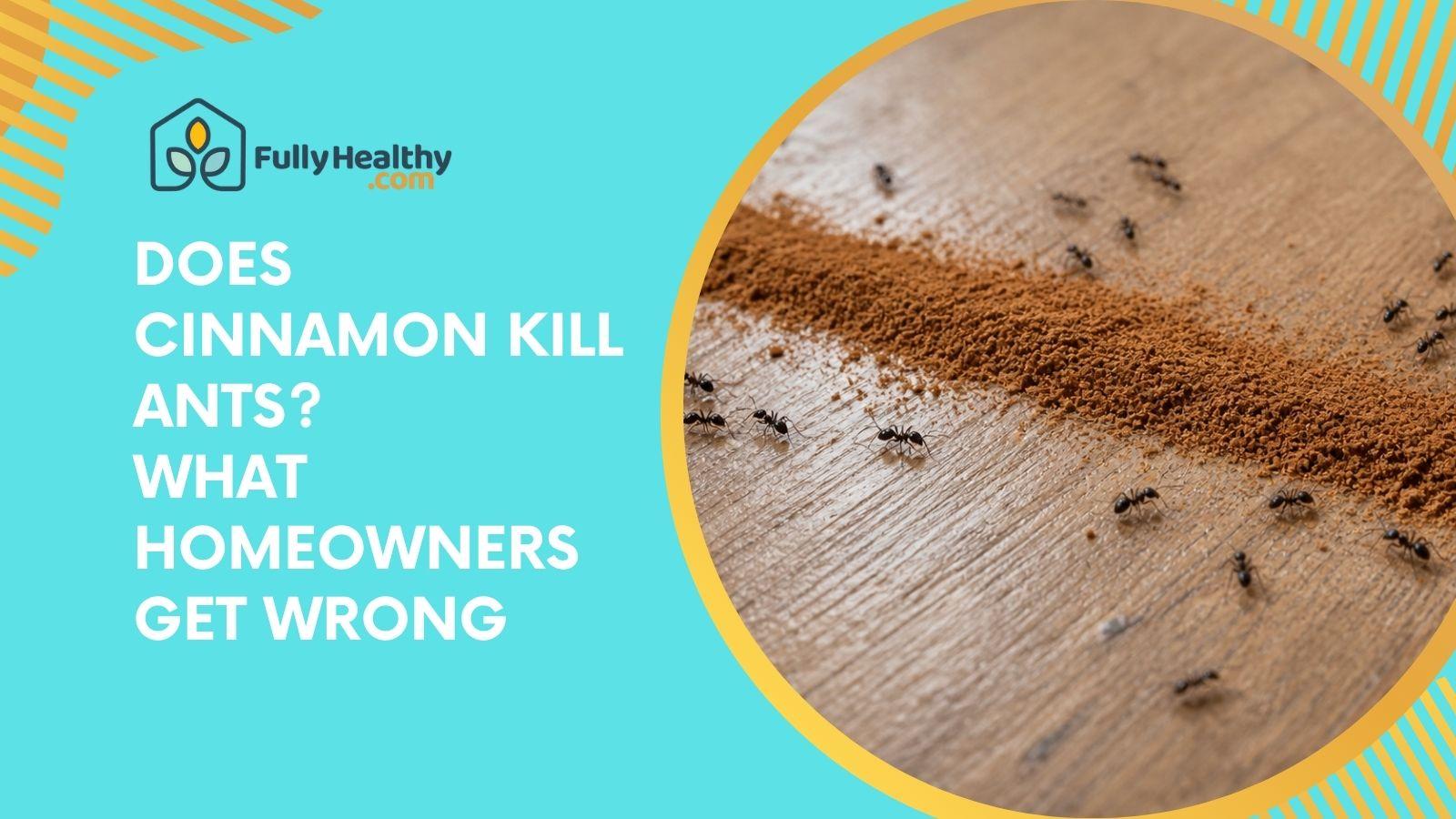
Does cinnamon kill ants? Household cinnamon powder is mainly a repellent; cinnamon essential oil or concentrated compounds may kill some ants under direct-exposure conditions. Most of the time, household cinnamon keeps ants away by messing up their scent trails and making the area less appealing to them.
You might see fewer ants around doors, windows, and small paths, but the colony won't be destroyed. To keep pests away for good, clean up food spills, block off entry points, and use bait as needed. This book talks about what works, what doesn't, and safer ways to do things at home.
Featured Spice Pick
Simply Organic // Ground Ceylon Cinnamon - 2.08 oz
Loading...
Does Cinnamon Kill Ants?
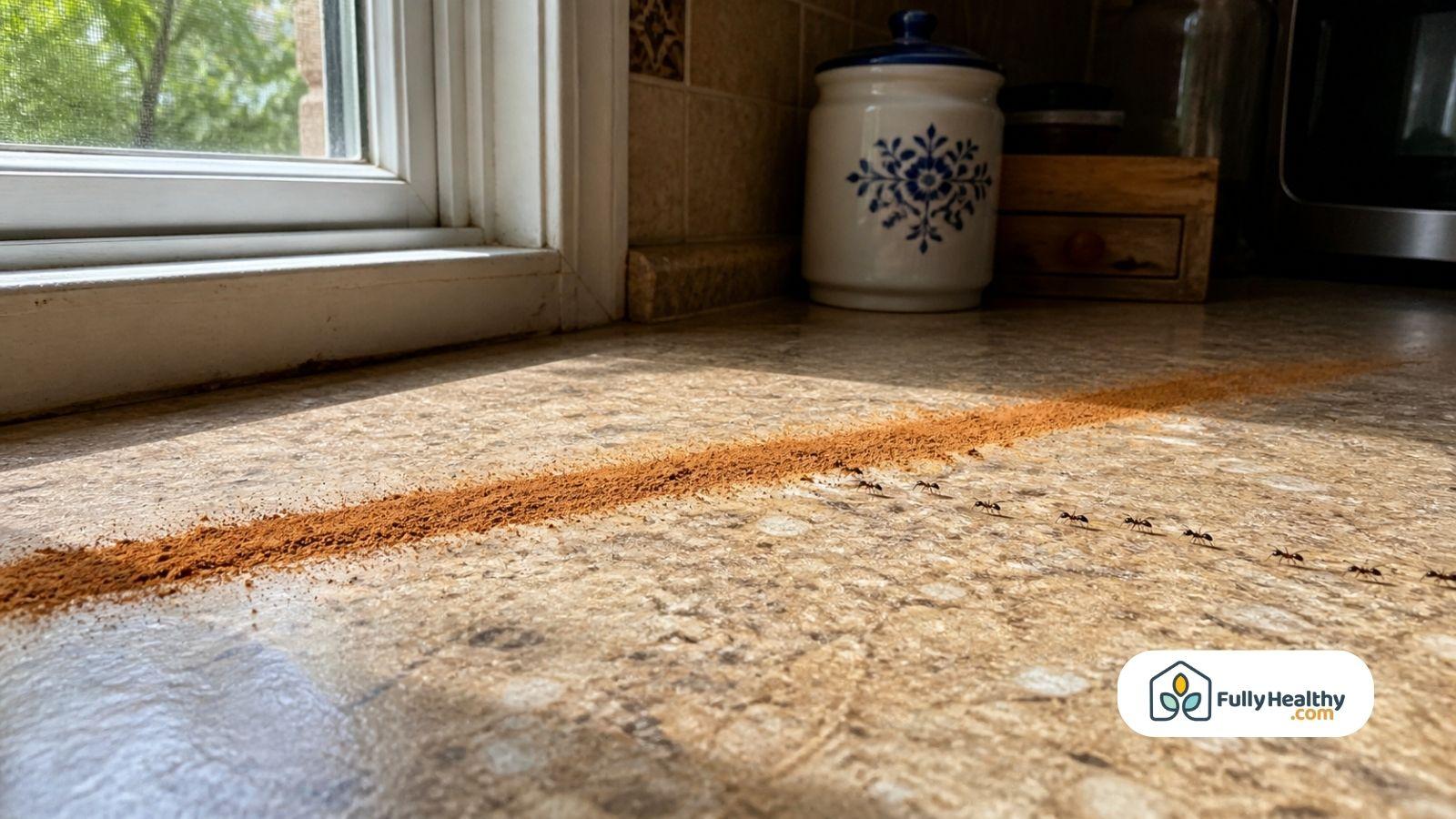
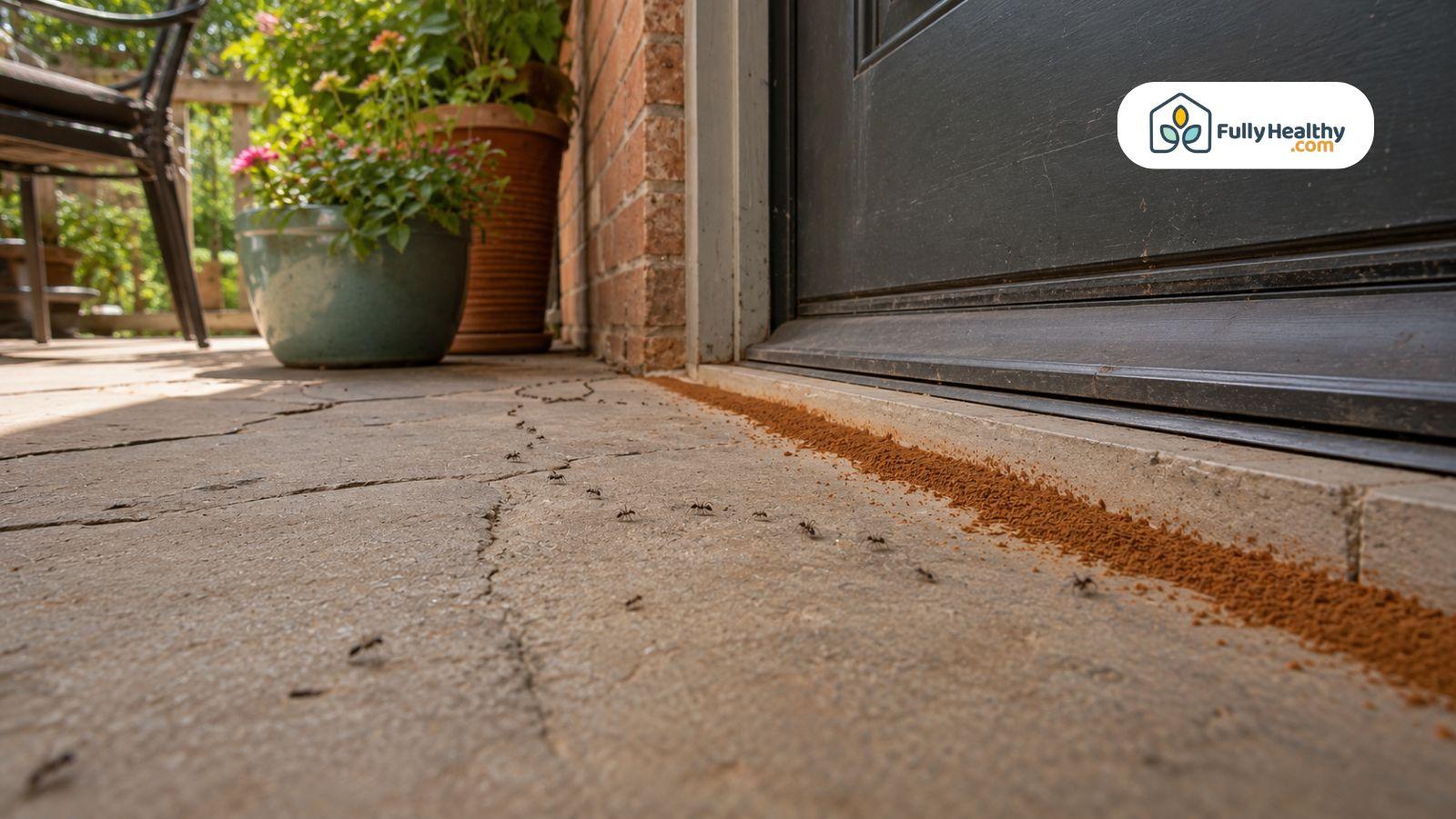
People often use cinnamon to get rid of other ants at home, but it doesn't actually kill them. Ants use scent trails to find food and find their way around, so it keeps them away. Ants will be less likely to follow those trails if you mix up the cinnamon powder. That being said, it won't completely get rid of the ants or destroy the nest.
Why Cinnamon Repels Ants Instead Of Killing Them?
Cinnamon has a strong smell that can get in the way of pheromone trails. Ants will have a harder time getting back to their food sources.
-
Scent Disruption: Ground cinnamon can block ant trails and confuse invading ants.
-
Repellent Effect: Sprinkling cinnamon may deter ants from crossing treated areas.
-
Important Truth: The idea that cinnamon kills ants is not accurate because cinnamon is not a reliable household ant poison, though some cinnamon-derived compounds can be toxic to insects at sufficient concentrations.
When Cinnamon May Help Around Entry Points?
If ants get in through a door, window, or small crack, cinnamon might help. You can lightly sprinkle ground cinnamon in these places or use a spray bottle with diluted cinnamon essential oil.
-
Best Spots: Use it near doors, windows, and visible ant trails.
-
Easy Method: Sprinkle ground cinnamon where ants are discovered.
-
Main Limit: It will not reach a hidden nest or rid your home of carpenter ants.
What Spices Kill Ants?
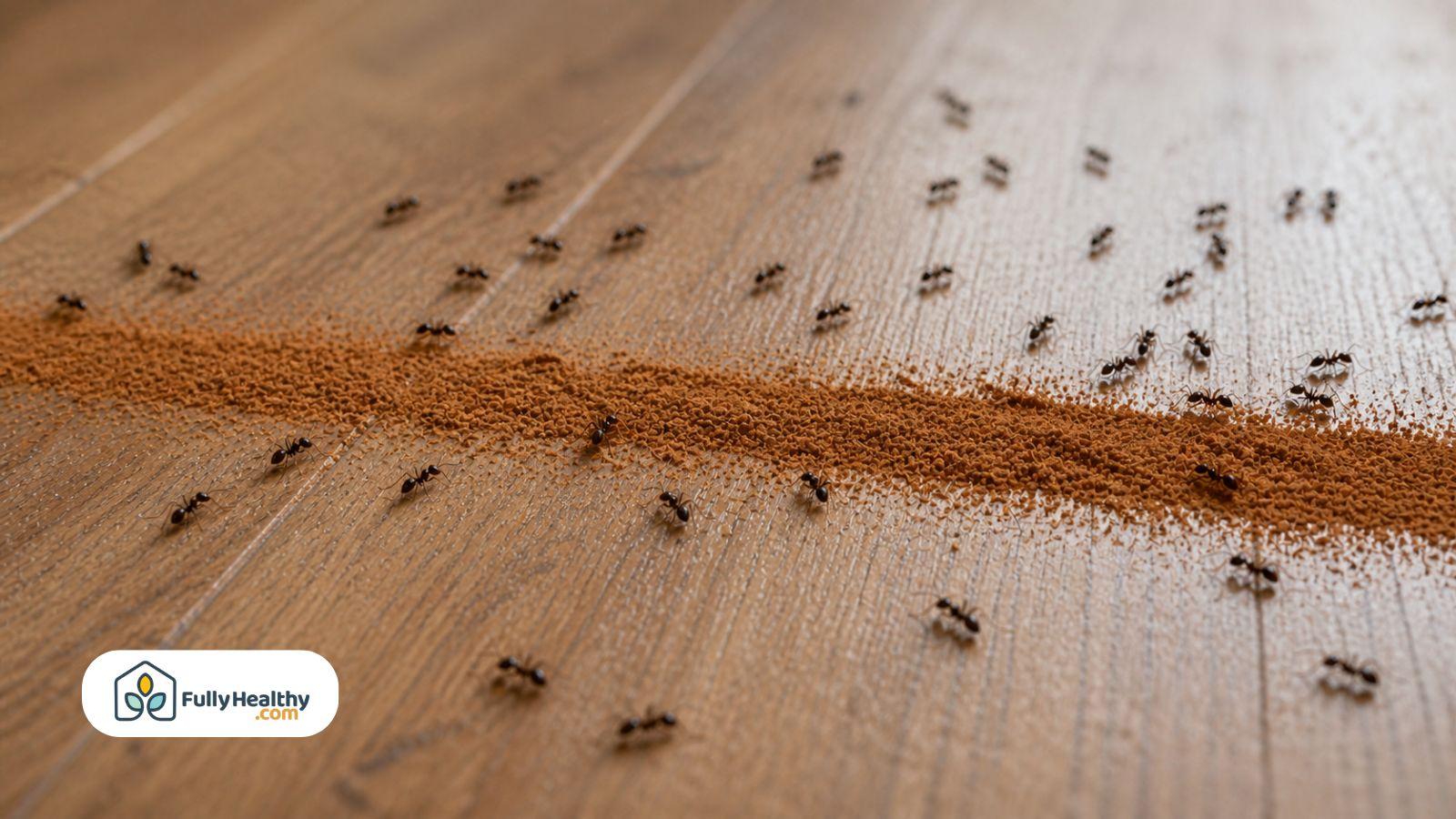
Multiple spices do not really get rid of ants. Since ants don't like strong smells, they mostly work as deterrents. Their effectiveness depends on the type of ant, how much is used, and whether the ants can get to food sources in other ways.
Which Kitchen Spices Are Better Repellents Than Killers?
Using spices like cinnamon, black pepper, and cloves to get rid of ants might work, but they shouldn't be thought of as permanent solutions.
-
Common Choices: Cinnamon, clove powder, pepper, and other strong-smelling spices.
-
How They Help: Their smell can disturb scent trails and slow an ant invasion.
-
What to Know: Spices may deter ants, but they usually will not kill the colony.
How To Use Spices Safely Without Making The Problem Worse?
Thoroughly clean the area before using spices. Eliminate crumbs, spills, wet spots, and food sources that are out in the open to make it less appealing for ants to come back.
-
Clean First: Wipe surfaces before sprinkling cinnamon or other powders.
-
Use Lightly: Too much powder can create a mess and attract moisture.
-
Pet Safety: Keep spices away from pets, especially cats and dogs.
What Do Ants Hate Most?
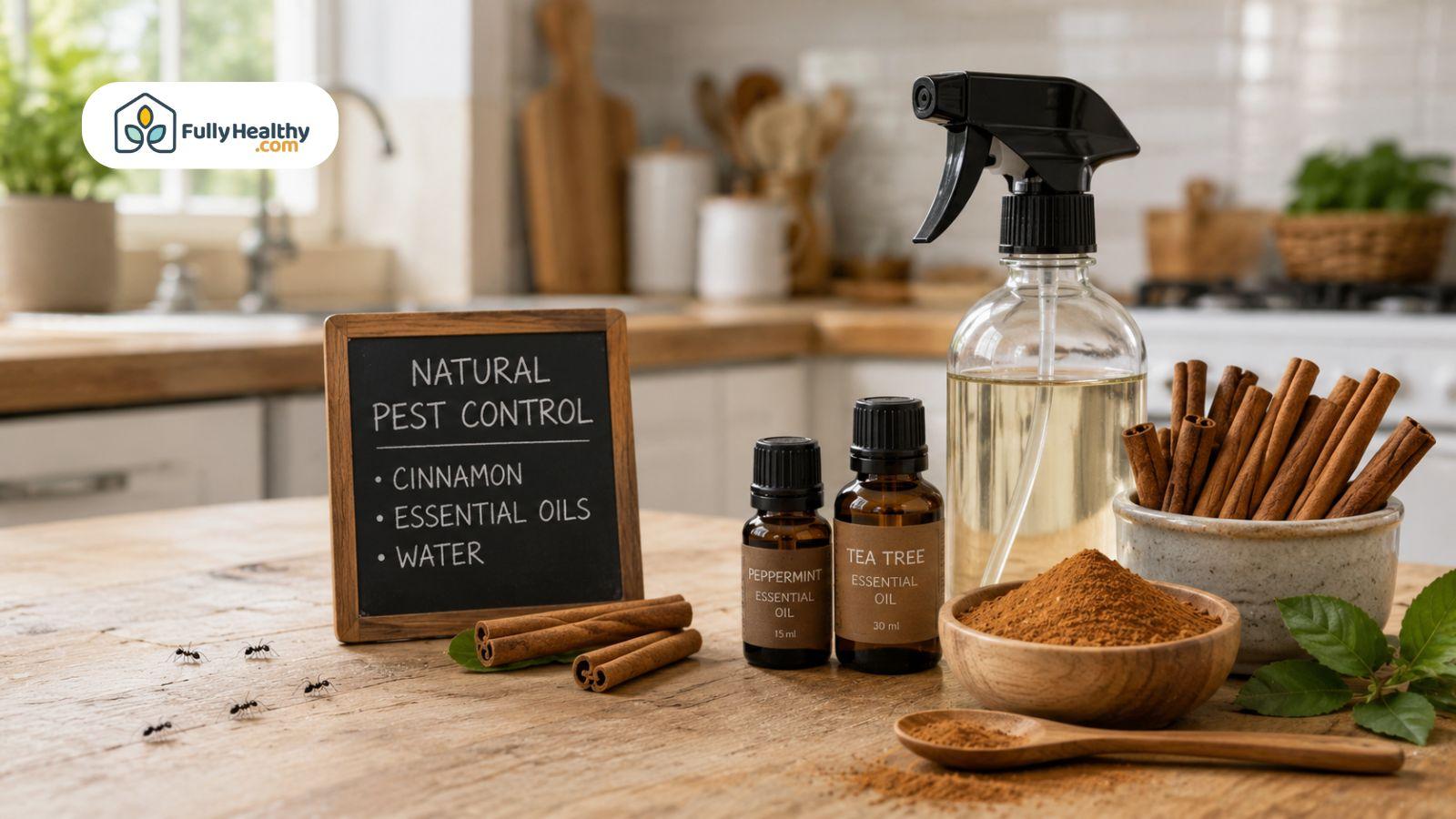
Ants don't like strong-smelling barriers that make it hard for them to talk to each other. Vinegar and essential oils may disrupt trails temporarily; diatomaceous earth can kill crawling insects only when dry and properly applied. Still, these other methods work best after you've found where the ants are coming from.
Strong Scents That Disrupt Ant Trails
It can be hard for ants to follow pheromone trails when you use peppermint, tea tree, eucalyptus, lavender, vinegar, or cinnamon essential oil.
-
Useful Oils: Peppermint, tea tree, eucalyptus, and lavender may repel ants.
-
Simple Spray: Mix essential oils with water in a spray bottle.
-
Vinegar Option: Equal parts vinegar and water can help erase scent trails.
Why Peppermint Oil Is Often Recommended For Ants?
People often say to use peppermint because ants don't like the strong smell of it. Peppermint oil may be less persistent than some insecticides, but it can still irritate people and harm pets if misused, so pets should be kept away from it.
-
Best Use: Spray peppermint near entry points, not directly on pets or food.
-
Extra Support: Food-grade diatomaceous earth may help with crawling pests when used correctly.
-
Smart Plan: Combine cleaning, sealing gaps, repellents, and baits for better results.
What Is The Best Homemade Ant Killer?
You can kill ants at home, but not all of them work the same way. Some may only keep ants away, while others may be used as bait. Which choice is best depends on the type of ants, how bad the problem is, and whether the treatment gets to the nest.
Baking Soda And Powdered Sugar As A Common DIY Option
Baking soda-and-sugar ant control is not well-supported by scientific evidence and should not be presented as a reliable ant killer.
-
Simple Mix: Use equal parts baking soda and powdered sugar.
-
Best Placement: Place small amounts near ant trails, away from pets and children.
-
Reality Check: Results can vary, so check more comments and user experiences carefully.
Why Baits Usually Work Better Than Surface Repellents?
Most of the time, baits work better because the ants may bring them back to the colony. Repellent treatments may scatter ants, while properly selected baits can reduce or eliminate colonies.
-
Colony Target: Baits help reach ants hidden in the nest.
-
Long-Term Control: They can reduce the source, not just visible bugs.
-
Extra Protection: Clean food spills and seal gaps to protect your home from other pests.
What Can Fully Healthy Offer For Natural Ant Solutions?
Fully Healthy seems to be all about natural health and living a clean life. Since the brand isn't for pest control, people shouldn't expect direct products that kill ants unless the site makes that clear.
What Does Fully Healthy Offer For Natural Home And Wellness Shoppers?
Fully Healthy could be helpful for people who like to use natural products around the house. Before you use anything around ants, you should always read the page about it.
-
Product Check: Read labels, ingredients, and safety notes before buying.
-
Safe Use: Follow the suggested concentration and do not overapply products.
-
Helpful Role: Natural products may support a cleaner home that attracts fewer bugs.
Which Fully Healthy Products Could Be Useful Around Ant Issues?
Find items that help with natural home care, cleaning, or storing. These might help make things less appealing to ants.
-
Smart Review: Check whether a product is made for home use before applying it.
-
Better Plan: Use products with cleaning, sealing entry points, and other natural ways.
-
Important Reminder: A natural item may help, but it may not act as a true ant killer.
Final Thoughts
You may have heard that cinnamon kills ants, but it generally just keeps them away. The clear answer to “does cinnamon kill ants? ”No," but it can help for a while because ants rely on scent trails to navigate.
To solve a persistent problem, identify the species first. Then use cinnamon with cleaning, sealing, and the right bait instead of toxic sprays.
FAQs
Can I Sprinkle Cinnamon Around My House?
Yes, you can sprinkle cinnamon around your house as a natural pest repellent, and many have heard it helps keep ants away due to its strong scent.
Will Cinnamon Keep Ants Away?
Yes, cinnamon can help deter ants because it disrupts their scent trails, but it will not kill them or remove the nest.
What Kills Ants Immediately?
Soap water can kill ants on contact by disrupting their waxy cuticle and interfering with respiration, but it does not control the colony.
What Is An Ant’s Worst Enemy?
This is subjective; ants are affected by predators, parasitoids, pathogens, competing ants, habitat disturbance, and humans because they destroy nests and habitats during pest control efforts.
What Is The #1 Ant Killer?
Ant baits are often among the most effective household options for colony control, but the best treatment depends on ant species and infestation type.
Leave a comment