

Does Cream of Tartar Go Bad? Find Out Before It Ruins Your Recipe
 Photo Credit: Canva Pro
Cream of tartar does not spoil like dairy or meat, but it can degrade and become ineffective if exposed to moisture, light, or air for prolonged periods. This kitchen staple doesn't go bad like milk or eggs do, but if you don't store it right, it might not work as well.
Old cream of tartar could be the cause of baked goods that don't rise or meringues that won't get stiff. This guide will show you how to test it, keep it, and figure out when to throw it away.
🍪 Bake with Confidence – Try Frontier Co-op Cream of Tartar!
Does Cream of Tartar Go Bad?
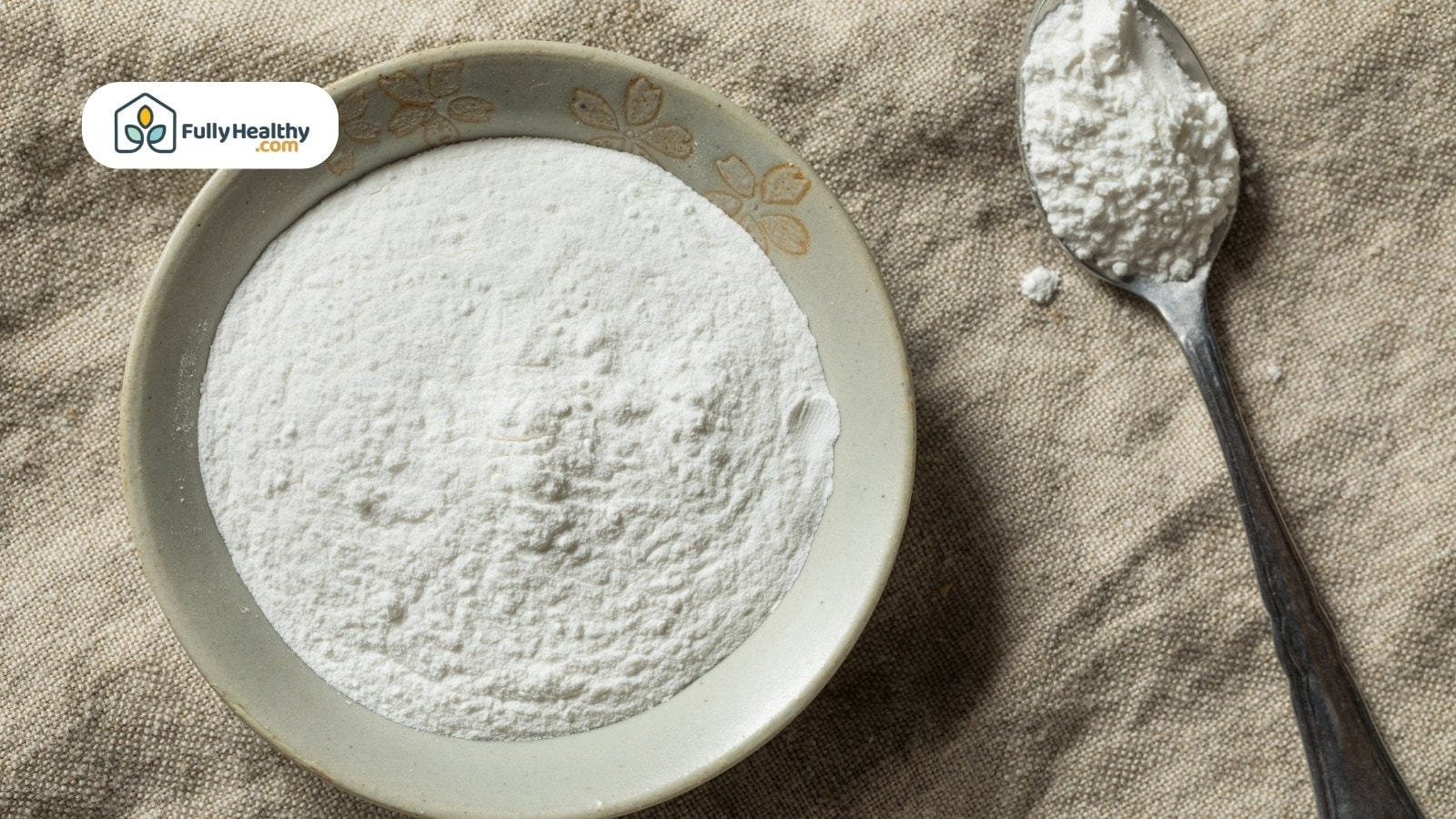 Photo Credit: Canva Pro
Cream of tartar is a staple in many kitchens, but you might wonder: does cream of tartar go bad? The answer is yes and no. It doesn’t spoil like dairy or meat, but this acidic powder can lose its strength over time, which affects your baking.
If your egg whites won't whip or your cookies fall flat, weak cream of tartar might be the cause. Exposure to excess moisture or air will slowly reduce its effectiveness as a leavening agent and its ability to stabilize egg whites or prevent sugar crystallization.
How Long Does Cream of Tartar Last and Why
Cream of tartar, also known as potassium bitartrate, is a natural byproduct formed during the winemaking process and has a long shelf life when stored properly. For years, it can be used without going bad if it is stored properly.
-
Ideal storage method: Keep it in an airtight container, away from heat, light, or moisture.
-
Where to store: Place it in a cabinet, not near the stove or dishwasher, to avoid humidity.
-
Expected shelf life: Cream of tartar can last 3 to 5 years before it starts to lose potency.
-
Why it lasts: It’s a dry, powdery substance, so bacteria and mold are unlikely unless it gets wet.
Signs Your Cream of Tartar Has Gone Bad
Bad cream of tartar won't go bad like other ingredients, but it won't work well in baking either. Check to see if the smell, color, and feel change.
-
Clumps or lumps: Small clumps are fine. Large, hard chunks mean it's been exposed to moisture.
-
Discoloration: If the powder turns yellow or gray, it’s time to throw it away.
-
Odd smell: Fresh cream of tartar has a very faint acidic scent. A strong odor indicates contamination. A sour or chemical smell means it’s off.
-
Failed results: If it doesn’t help your whipped cream or snickerdoodle cookies, it’s likely ineffective.
How to Tell If Cream of Tartar Is Still Good
 Photo Credit: Canva Pro
Not sure if your cream of tartar will still work? You can quickly check it at home to see if it's still working. This is very helpful when your recipe calls it a thickening agent or keep egg whites stable. Like in cake batter, the acid (tartar) and base (baking soda) react to produce carbon dioxide bubbles, which is how this test works.
The Baking Soda Fizz Test Explained
Cream of tartar is often combined with baking soda to make baking powder. You can use this pairing to test freshness using water.
-
Step 1: Mix ½ teaspoon of cream of tartar with ¼ teaspoon of baking soda.
-
Step 2: Add about ½ cup of warm water and stir well.
-
Step 3: If the mixture bubbles or fizzes, your cream of tartar is still good.
-
Step 4: No fizz means the powder has lost its strength and should be replaced.
What Clumps and Color Changes Really Mean
Powders can all clump, but not all of them are bad. How to tell the difference. To avoid these problems, always use dry spoons and store cream the right way.
-
Small clumps: Normal and can be broken up with a fork or spoon.
-
Hard lumps: A sign of moisture damage, don’t use it.
-
Color changes: If the white powder turns yellow, brown, or gray, it's no longer good.
-
Mold or dark spots: Rare, but definitely throw it out if you see any.
Who Should Avoid Cream of Tartar?
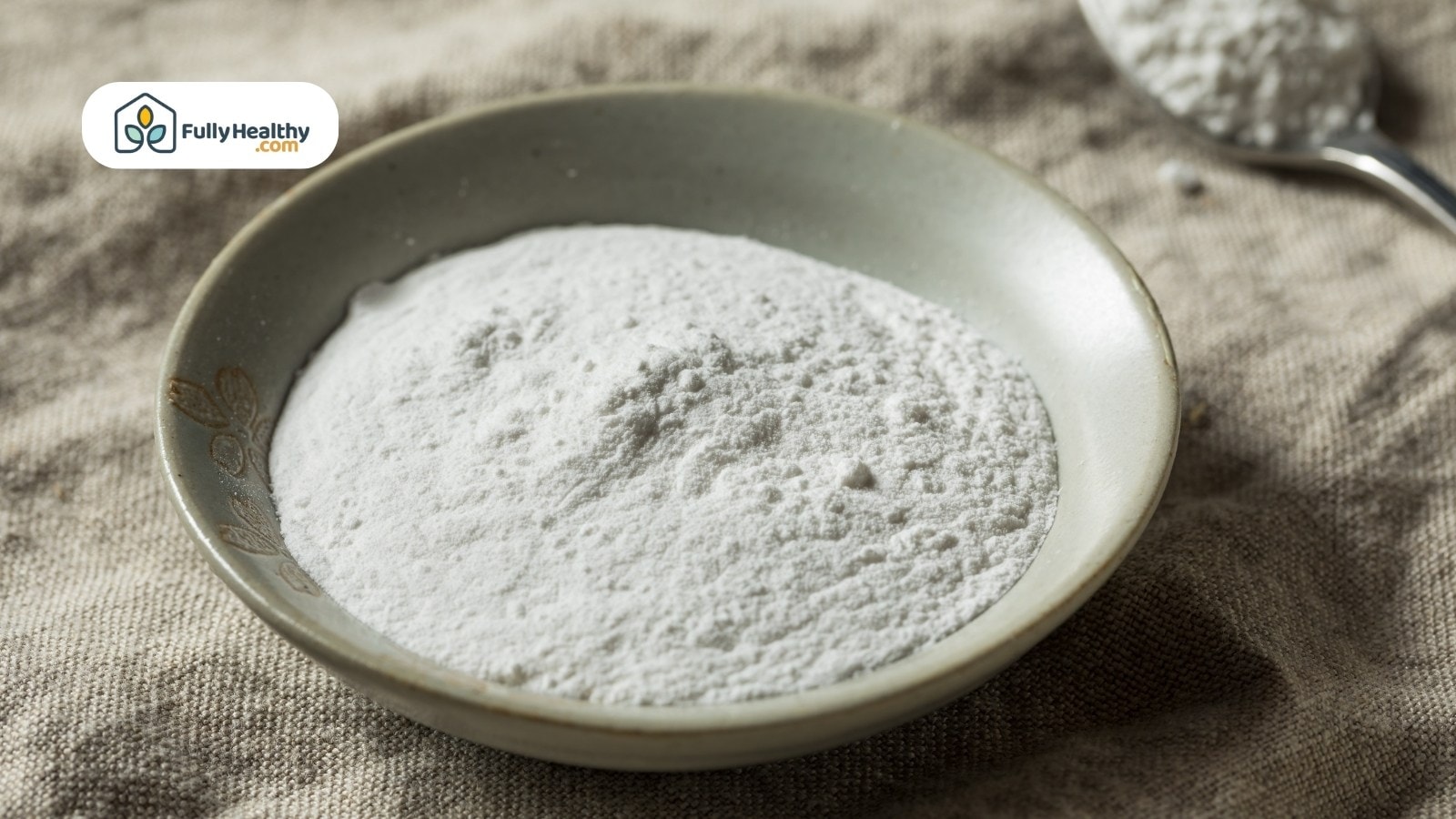 Photo Credit: Canva Pro
There is a lot of potassium in cream of tartar, but it's safe for most people to use in cooking. People who already have some health problems can be hurt by large amounts of it.
Health Conditions That Require Caution
There are about 495 mg of potassium in a teaspoon of cream of tartar. That's good for some people but dangerous for others. People with these health problems shouldn't use cream of tartar until they've talked to a doctor.
-
Kidney issues: The kidneys may not be able to filter the extra potassium.
-
Heart problems: Too much potassium can affect heart rhythm.
-
Medication conflicts: Avoid if you take drugs that affect potassium levels.
-
Electrolyte imbalance: Extra potassium can throw off your body’s natural balance.
Potential Side Effects From Overuse
As a health remedy, some blogs say to mix cream of tartar with lemon juice or white vinegar, but too much of this can be harmful. It works best as a versatile ingredient in cooking, not as a supplement.
-
Overuse risk: Too much can cause nausea, muscle weakness, or irregular heartbeat.
-
Health myths: There is no scientific evidence to support claims that cream of tartar can cure migraines, treat nicotine addiction, or regulate blood pressure.
-
Safe use: Stick to baking, like snickerdoodle cookies, egg whites, and candy recipes that need to prevent sugar crystallization.
-
Not the same: Despite the name, it has nothing to do with tartar sauce.
Is Cream of Tartar the Same Thing as Baking Soda?
 Photo Credit: Canva Pro
Baking soda and cream of tartar look alike, but they work in very different ways. For baking purposes, they should not be switched around without changing the recipe. As the name suggests, baking soda is a base and cream of tartar is an acid.
Why They Aren’t Interchangeable in Recipes
To make baking powder, cream of tartar and baking soda are often mixed together. If you use one without the other, the recipe might not work. Both of these ingredients are often used in baking, but they don't always work well together. Your recipes will be saved if you know when and how to use each one.
-
Tartar and baking soda: This combination creates bubbles that help your food rise.
-
Cream of tartar alone: It needs baking soda or another base to create leavening.
-
Baking soda alone: Must be paired with an acid like lemon juice to activate.
-
Substituting one for the other: A sure sign your dough won’t rise properly.
When to Use Cream of Tartar Instead of Baking Soda
For tasks that need to be stable and have a good texture, cream of tartar is the best choice. A small amounts of it is often used to fix or make things better in baking.
-
Egg whites: Tartar helps them whip into stiff peaks and hold their shape.
-
Preventing sugar crystallization: Useful in candy-making to keep mixtures smooth.
-
Homemade baking powder: Mix 2 parts cream of tartar with 1 part baking soda and 1 part cornstarch.
-
Most common uses: Works well in meringues, syrups, and cookies like snickerdoodles.
What FullyHealthy Can Do for You
FullyHealthy is an online store that sells clean foods that are safe for people with allergies. It contains a lot of pantry staples that are gluten-free, AIP-friendly, and good for other diets. If you need to get more cream of tartar or find a better way to store it, this site has some good ideas.
Frontier Co-op Cream of Tartar
This cream of tartar of Frontier Co-op is very good and works great for everyday baking. It's in the site's spice aisle and ready to be added to your pantry. A half teaspoon is often all you need per recipe, so one jar lasts a long time.
-
Pure ingredient: No salt, additives, or fillers, just cream of tartar.
-
Long shelf life: Lasts a few years if kept sealed in a cool, dry place.
-
Ideal for baking: Great for stabilizing egg whites and preventing crystallization.
-
Storage tip: Avoid storing it near heat or in the fridge, it absorbs moisture like other powdered products.
Other Helpful Products From FullyHealthy
The store has more baking supplies and foodstuffs besides tartar that make life easier in the kitchen.
-
Baking soda: Pairs perfectly with cream of tartar in many recipes.
-
Flatbread and pizza crust mixes: Some include a pinch of tartar to help the dough rise.
-
Allergy-friendly choices: FullyHealthy checks labels so you don’t have to.
-
Combo packs: Great for restocking your pantry in one order.
Final Thoughts
Cream of tartar is an important kitchen ingredient that can be used in a lot of different ways. It comes from the fermentation process of wine. It doesn't go bad, but if you don't store it right, it can lose some of its strength. Keep it somewhere dry, out of direct sunlight and heat, so it lasts longer.
Cream of tartar improves the stability of whipped egg whites and prevents sugar crystallization in desserts. When you make desserts, whip egg whites, bake cookies, or make egg whites, cream of tartar holds everything together. It even makes flavors better in small ways, especially when added to sauces and sweets.
Test that old jar first before you throw it away. This kitchen item can be made to work like new again with a little care.
FAQs
Does tartar typically expire or go bad?
Tartar typically does not expire in the usual way, but it can lose strength if exposed to moisture or direct sunlight.
Is cream of tartar a byproduct of something?
Yes, cream of tartar is a byproduct of the wine fermentation process.
Can I use cream of tartar in desserts for flavor?
While it’s not added for flavor, cream of tartar improves the form and texture of many desserts.
Where should I store cream of tartar to protect its form?
Store it in an airtight container, away from direct sunlight, in a cool dish cabinet or pantry.
Is cream of tartar essential in every recipe?
No, but it’s essential in recipes that need stability, like meringues or when whipping egg whites for light desserts.
Leave a comment