

Does Fiber Cancel Out Carbs? What Happens to Carbs After You Eat Them
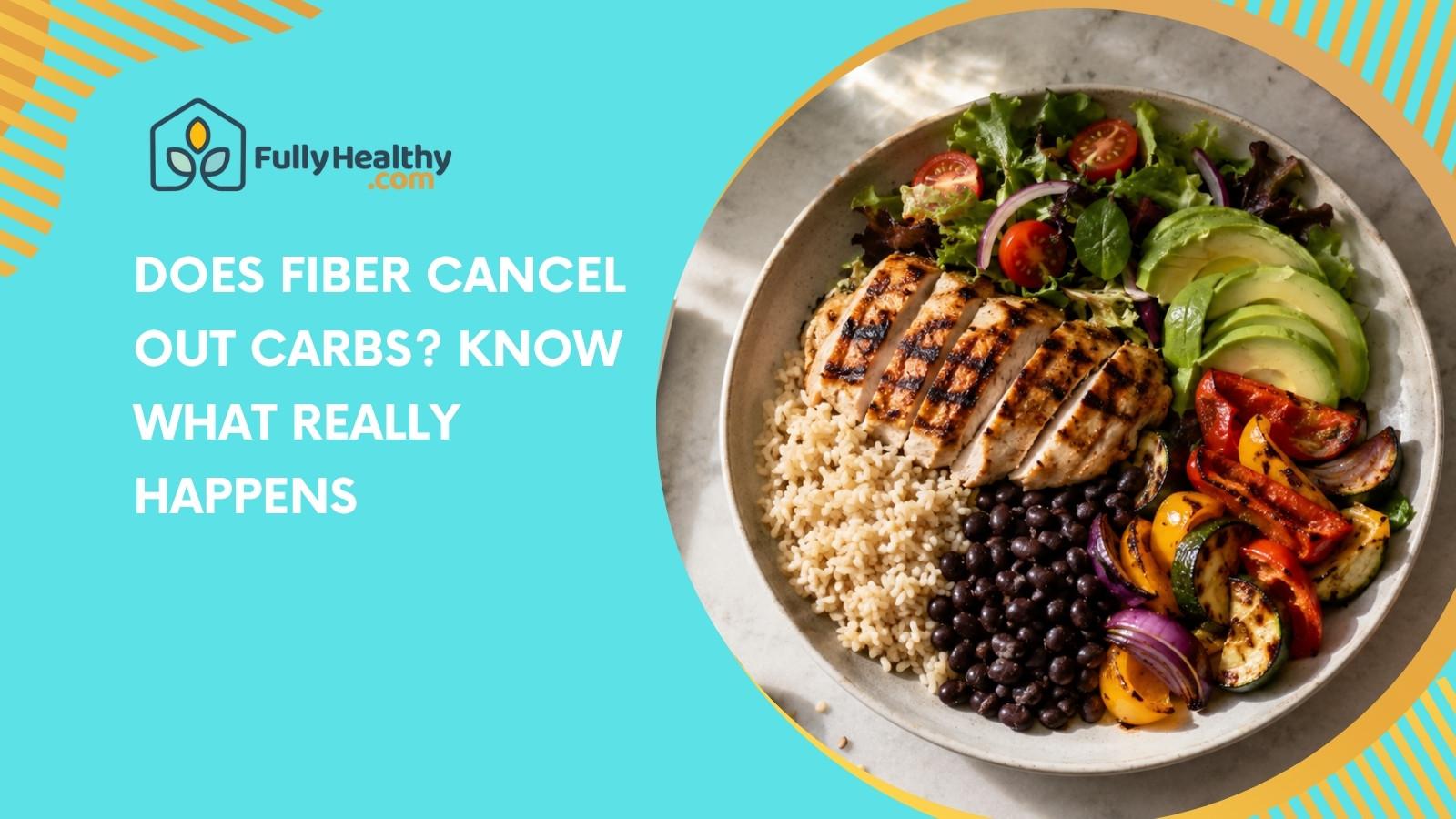
Does fiber cancel out carbs? Not exactly. Fiber is a type of carbohydrate, but your body does not digest most of it like sugar or starch. That is why people often subtract fiber from total carbs to estimate net carbs.
Fiber may also slow digestion, reduce blood sugar spikes, support A1C control, and fit into a keto diet. Still, fiber does not erase carbohydrates. The type of fiber, the food, and your overall diet all matter when judging their effects.
Does Fiber Cancel Out Carbs?

Does fiber cancel out carbs? No. Fiber is included in total carbohydrates, but most fiber is not digested like sugar or starch. Counting net carbs helps estimate digestible carbs.
Does Fiber Cancel Out Carbs or Just Reduce Net Carbs?
Fiber does not remove carbohydrates from food. Net carbohydrates are commonly estimated by subtracting dietary fiber from total carbohydrate. However, fermentable fibers can be metabolized by gut microbes into short-chain fatty acids and provide some energy, so fiber is not metabolically inert. The food industry commonly uses this method.
-
Total carbohydrates: This number includes fiber, sugars, and starches listed on food labels.
-
Soluble fiber: It may slow digestion and reduce blood glucose rises.
-
Insoluble fiber: Insoluble fiber generally contributes to stool bulk and bowel regularity, but its metabolic effects vary with particle size, food structure, processing, and the composition of the meal.
-
Whole foods: Fruits, vegetables, whole grains, and nuts provide fiber and nutrients.
Why Do Food Labels Make Fiber Seem Like It Cancels Carbs?
Food manufacturers highlight net carbs on packages. However, net carbs refers to a calculation, not a regulated nutrient listed like total carbohydrates. Check food labels.
-
Fiber and sugar alcohols: These may affect the body differently from other carbohydrates.
-
Sugar alcohols: Some contribute calories and may raise glucose in small amounts.
-
Certain sugar alcohols: Do not apply a universal ‘subtract half’ rule to sugar alcohols. Their absorption, energy value, and glycemic effects differ substantially: erythritol has minimal glycemic impact.
-
Weight loss: Low carb products may help planning, but calories and eating habits still matter.
Does Fiber Stop the Absorption of Carbs?

Fiber does not fully block carbohydrate absorption. Some types slow digestion, slowing glucose entry into the blood. This may steady blood glucose and insulin, but digestible carbohydrates are still absorbed.
Does Soluble Fiber Slow Glucose Absorption?
Soluble fiber mixes with water and forms a gel in the digestive tract. This gel slows stomach emptying and may reduce fast rises in blood glucose after eating.
-
Soluble fiber: It slows digestion and the speed of glucose absorption.
-
Short chain fatty acids: Gut bacteria make these compounds.
-
Diabetes: More fiber may support glucose control as part of a healthy plan.
-
Whole foods: Beans, oats, fruits, and vegetables are practical fiber sources.
Why Do Different Fibers Affect Blood Sugar Differently?
Not all fiber works the same way. The effect depends on fiber type, amount, and food processing. Two foods with similar fiber content may cause different blood sugar responses.
-
Insoluble fiber: It mainly supports bowel movement rather than slowing glucose absorption.
-
Fiber content: A higher amount does not always create a stronger blood sugar effect.
-
Nutrients: Fiber-rich foods provide vitamins, minerals, and plant compounds.
-
Insulin: The response can vary by meal and person.
Will Fiber Help Lower A1C?
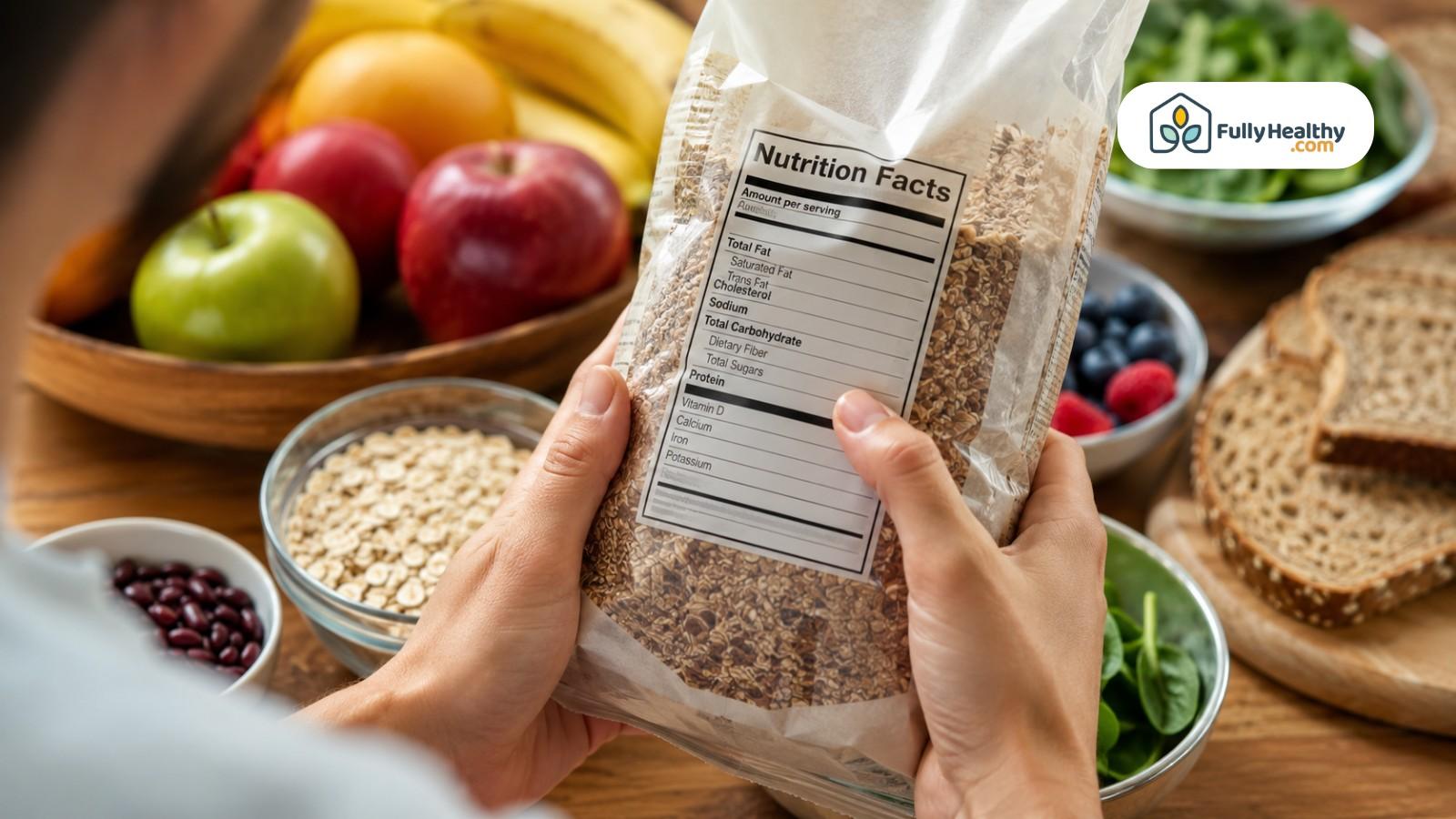
Fiber alone is not a treatment for diabetes, but regular intake may support better blood sugar control. A1C reflects average glucose levels over several months, so steady eating habits matter more than one high-fiber meal.
Can Eating More Fiber Improve Long-Term Blood Sugar Control?
Viscous fiber supplementation and certain fiber-rich dietary patterns can modestly improve post-meal glucose and HbA1c, particularly in people with type 2 diabetes. Effects depend on fiber type, dose, baseline glycemic status, and the foods replacing lower-fiber choices. It works best within a balanced eating pattern.
-
Blood glucose: Slower rises may support healthier long-term control.
-
Whole grains: They provide dietary fiber and nutrients.
-
Vegetables: They add fiber while providing fewer calories.
-
Fruits: They provide fiber, vitamins, and plant compounds.
How Much Fiber Should You Eat for Healthy Blood Sugar?
Most adults should increase fiber slowly and drink enough water. A sudden increase may cause gas, bloating, or discomfort.
-
Grams: Adults need about 22 to 34 grams of fiber daily.
-
Low carb: Fiber-rich foods can fit low carb diets.
-
Higher glycemic index: Maltitol may have a higher glycemic index than some other sugar alcohols.
-
Subtract half: This method may apply to certain sugar alcohols, but not every product.
Will Fiber Kick Me Out of Ketosis?
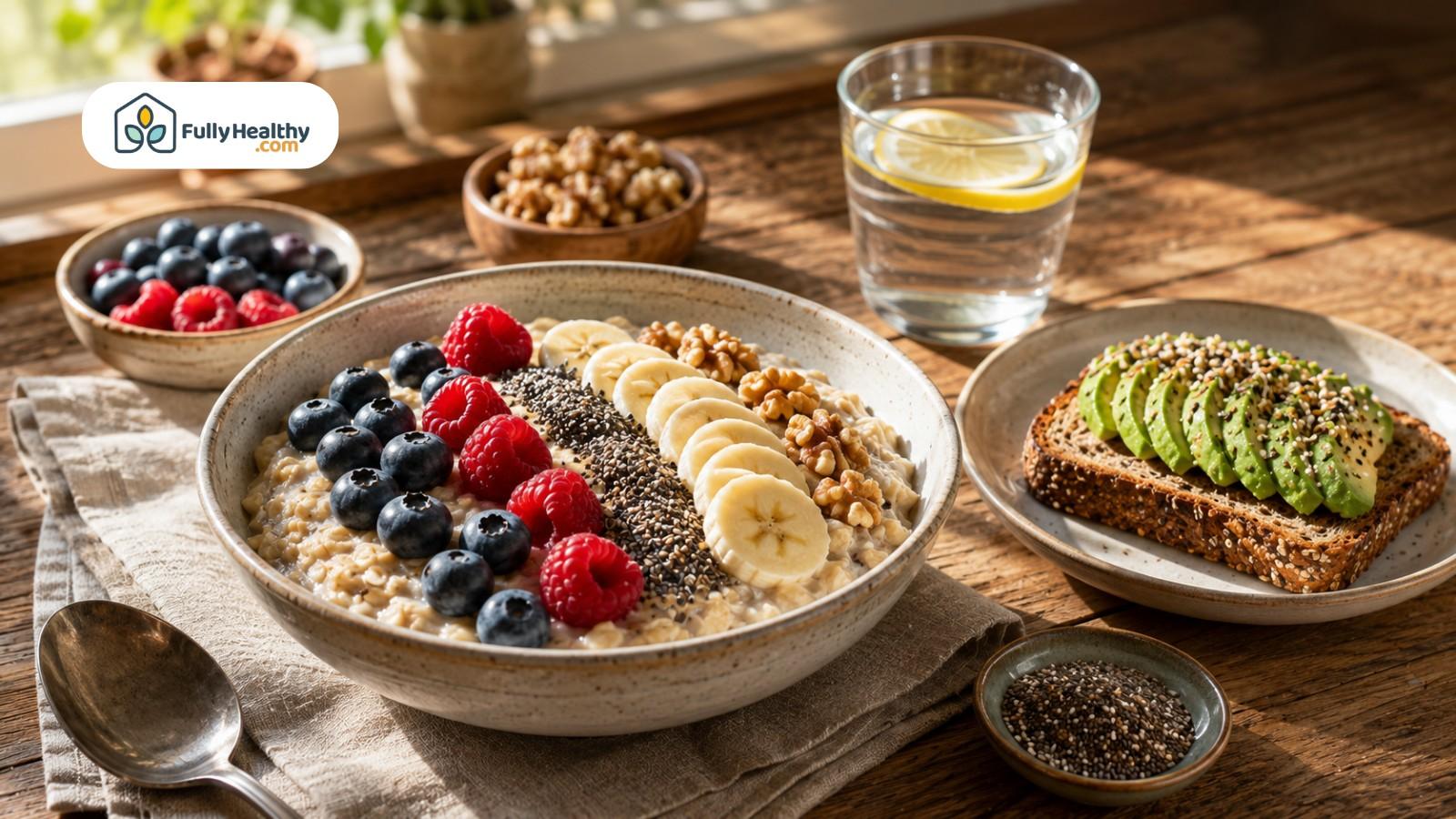
Fiber does not usually kick your body out of ketosis because your body does not digest it like sugar or starch. Instead, ketosis depends more on how many digestible carbohydrates you consume during the day. For most people, getting enough fiber can support digestion, improve fullness, and still fit well into a low-carb eating plan.
Does Fiber Count Toward Net Carbs on Keto?
Many people following keto subtract fiber when calculating net carbs because most fiber has little effect on blood sugar. However, checking nutrition labels is still important because products can contain different fibers, sweeteners, and serving sizes.
-
Net carb focus: Most people track digestible carbohydrates instead of total carbohydrates when following a keto diet.
-
Nutrition labels: The FDA regulates the Nutrition Facts panel, but front-of-package net carb claims can vary between food brands.
-
Whole-food choices: Vegetables, seeds, nuts, and avocados provide fiber along with helpful vitamins, minerals, and other nutrients.
-
Daily balance: Fiber can support digestive health while helping you follow a more nutritious and satisfying eating pattern.
Can Processed Keto Foods Be More Misleading Than Whole Foods?
Some packaged keto foods use added fiber and sugar substitutes to lower the net carb number shown on the label. These products may fit some eating plans, but they should not fully replace nutritious whole foods.
-
Sugar alcohols: Ingredients such as xylitol and mannitol may affect digestion and blood sugar differently from person to person.
-
Sweetness: Sugar substitutes can add sweetness with fewer digestible carbs than regular sugar, but they may still cause symptoms in some people.
-
Sweets and candies: Keto sweets and candies can still contain calories, so it is best to consume them in moderation.
-
Steady energy: Choose foods that provide lasting energy instead of relying mainly on highly processed snacks, pastas, or packaged treats.
How Can FullyHealthy Help You Add More Fiber to Your Diet?
Meeting your daily fiber goal can feel easier when you have convenient options available. FullyHealthy offers specialty products for different dietary needs, which may help you add more fiber to meals and snacks without giving up variety, taste, or convenience.
Which FullyHealthy Products Make Increasing Fiber More Convenient?
Prebiotic Fiber Complete™ combines several fiber sources in one supplement. It may be useful for people who want an easier way to increase fiber intake, especially when they do not get enough fiber from food alone.
-
Fiber blend: It includes baobab fiber, artichoke-derived inulin, acacia fiber, and green banana resistant starch.
-
Diet-friendly formula: The product is listed as gluten-free, dairy-free, soy-free, and non-GMO.
-
Simple preparation: You can mix one scoop into water or another beverage as directed on the product label.
-
Claimed benefits: The product is marketed to support digestive health, but patients should follow medical advice for ongoing conditions or serious symptoms.
Which FullyHealthy Snacks Offer Food-Based Fiber Options?
FullyHealthy also carries convenient snacks made with recognizable ingredients. These options may help you enjoy more fiber while adding variety, texture, and flavor to your meals or snacks throughout the day.
-
Pan’s Teriyaki Mushroom Jerky: It provides 7 grams of fiber and is made with shiitake mushrooms, chia seeds, and simple seasonings.
-
Off The Farm Banana Walnut Meal Bar: It provides 6 grams of fiber and 9 grams of protein from bananas, oats, walnuts, and seeds.
-
More nutritious choices: These products may help you lose some dependence on highly processed snacks by offering more nutrient-rich alternatives.
-
Digestive support: A balanced fiber intake can support healthy intestines and may help reduce mild digestive symptoms as part of an overall healthy diet.
Final Thoughts
Does fiber cancel out carbs? The answer is no. Fiber remains part of total carbohydrates, but most types are not digested the same way as sugar or starch. That is why many people calculate net carbs instead of assuming fiber removes carbohydrates completely. Choosing more whole foods, including fruits, vegetables, whole grains, nuts, and seeds, is a simple way to increase fiber while getting important nutrients. If you follow a low-carb or keto diet, remember that food quality still matters more than marketing claims. Read nutrition labels carefully, focus on balanced eating habits, and use fiber as part of an overall healthy lifestyle instead of expecting it to completely cancel carbohydrates.
FAQs
Is fiber included in total carbohydrates?
Yes. Fiber is included in total carbohydrates on Nutrition Facts labels, but many people subtract it only when estimating net carbs.
Can fiber help control blood sugar?
Yes. Soluble fiber may slow glucose absorption and support steadier blood sugar levels, while insoluble fiber supports digestive health.
Do sugar alcohols count the same as fiber?
No. Sugar alcohols are different from fiber, and some products containing allulose, erythritol, xylitol, or other sugar alcohols may affect people differently.
Are high-fiber foods better than processed low-carb products?
In many cases, yes. Whole foods such as fruits, vegetables, whole grains, nuts, and seeds provide fiber, vitamins, minerals, and other nutrients that processed products may lack.
Should you always trust net carb claims?
No. Food labels may display net carb calculations differently, so compare the Nutrition Facts panel, serving size, ingredients, and fiber content before making your choice.
Leave a comment