

Does Olive Oil Have Omega-3? How It Compares to Other Oils
 Photo Credit: Canva Pro
Yes, olive oil does have omega-3, but only a small amount. Alpha-linolenic acid (ALA), a plant-based omega-3, makes up most of it. Because it contains less omega-3 than fish or flaxseed oil, olive oil is not a significant source of omega-3, though it offers other distinct health benefits.
It is still a big part of heart-healthy diets. We'll look at how much omega-3 it has and how it stacks up against other oils in this guide.
Featured Pantry Pick
Graza // Sizzle Extra Virgin Olive Oil - 750ml
Loading...
Does Olive Oil Have Omega-3?
 Photo Credit: Canva Pro
There are small amounts of omega-3 fatty acids in olive oil. The main kind is ALA, which comes from plants and is an essential fatty acid. But this amount is a lot less than what you'd find in flaxseed or deep-fried fish. Still, olive oil is good for you and has other health benefits and is a key role of heart-healthy diets like the Mediterranean diet.
What Kind of Omega-3 Is in Olive Oil?
The fruit of the olive tree is used to make olive oil, which naturally has a mix of fatty acids in it. It doesn't have a lot of omega-3s, but it does have ALA, which the body changes into more useful forms.
-
Omega-3 type: Olive oil has ALA, a plant-based polyunsaturated fatty acid.
-
Main fat in olive oil: Oleic acid, a monounsaturated fat that supports heart health.
-
What it lacks: It does not contain EPA or DHA, which are found in oily fish.
-
Nutrient focus: Olive oil is better known for its vitamin E and phenolic compounds.
How Much Omega-3 Does Olive Oil Contain Compared to Other Oils?
When it comes to omega-3 fats, extra virgin olive oil is not as high as some other vegetable oils. Add more oils or foods that contain omega-3 if you want to get more of them.
-
Flaxseed oil: Contains around 53% omega-3, mostly from ALA.
-
Canola oil: Offers 9–11% omega-3 content and is widely used in cooking.
-
Olive oil: Less than 1% omega-3, mostly used for flavor and antioxidants.
-
Sunflower and coconut oil: Almost no omega-3s, mainly high in saturated fatty acids.
Is There a Downside to Olive Oil?
 Photo Credit: Canva Pro
Many people say that virgin olive oil have numerous health benefits, but it's not perfect. You should be careful how you use it since it's high in calories and low in omega-3 fatty acids. Also, not all fats are the same, and it's important to know which ones are good for human health.
Can Olive Oil Be Unhealthy in Large Amounts?
When you eat too much olive oil, you can gain weight that you don't want. It works best when eaten with other sources of essential fatty acids in a healthy diet.
-
High calorie content: One tablespoon has around 120 calories.
-
Not a rich omega-3 source: Very low in ALA and no EPA or DHA.
-
Main fat type: Rich in monounsaturated fatty acids, which support cardiovascular health.
-
Watch your intake: Using too much can crowd out better sources of omega 3 fatty acids.
Is Drinking Olive Oil More Effective Than Eating It in Meals?
Some people take olive oil every day, but it works best when eaten with food. It makes food taste better, helps your body digest food, and absorb important nutrients.
-
Better with food: Helps absorb fat-soluble nutrients like vitamin E.
-
Ideal uses: Great in salad dressings, roasted vegetables, or cooked meals.
-
Healthier approach: Adds more nutritional value when used as part of meals.
-
Supports proper functioning: Helps the immune system, heart, and brain health when used properly.
What Oil Is the Highest in Omega-3?
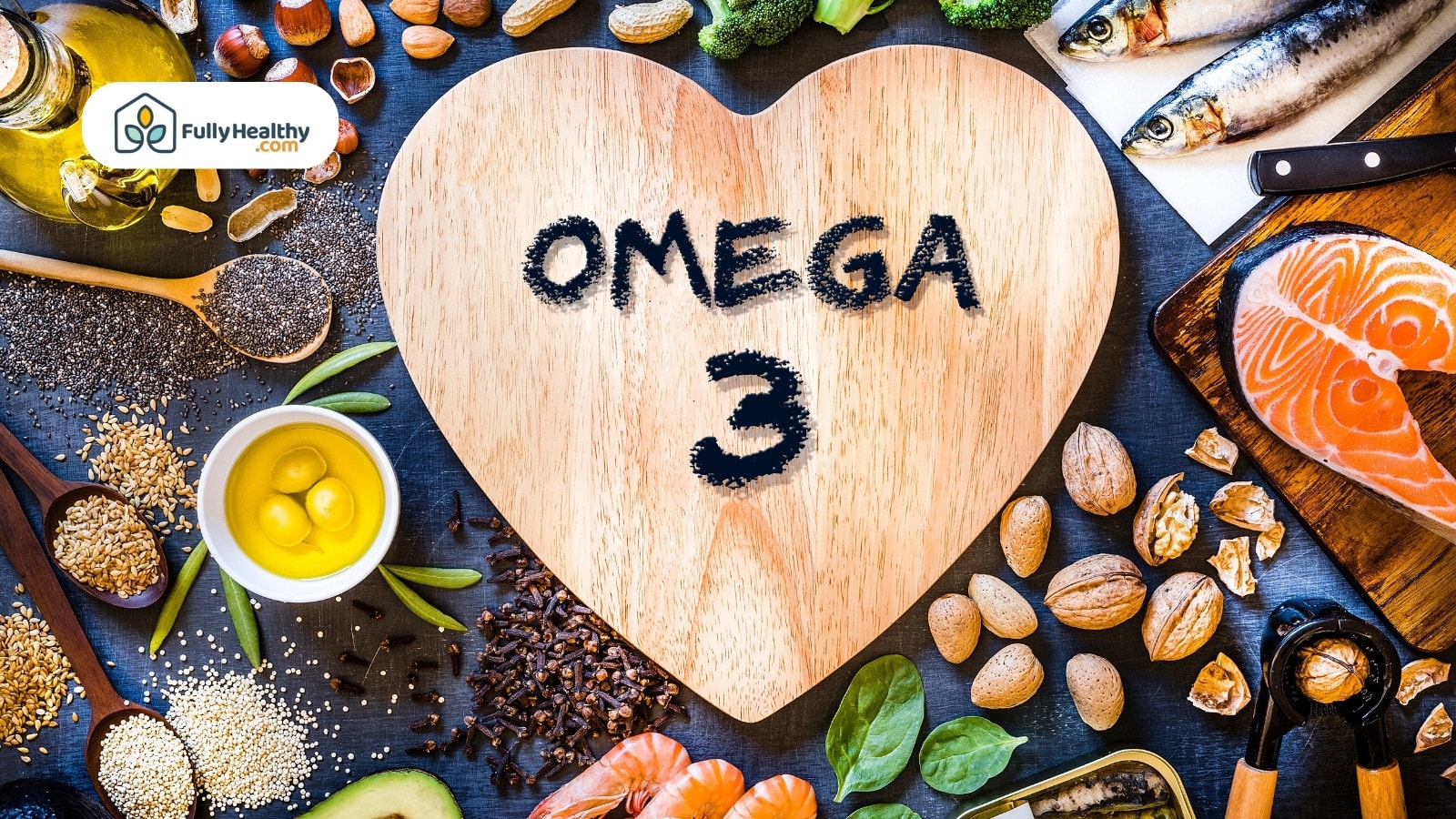 Photo Credit: Canva Pro
Olive oil alone will not provide a significant amount of omega-3 fatty acids. There are much higher amounts in other oils, especially those that come from seeds and fatty fish. They are better for your heart and brain, lower inflammation over time, and boost your immune system.
Which Oils Have the Most Omega-3 Fatty Acids?
Many plant and marine oils are full of omega-3 fats, which are very important for your health. These are good for preventing heart disease and improving overall health.
-
Fish oil: High in EPA and DHA, ideal for heart and brain function.
-
Flaxseed oil: A top plant-based source of ALA for those avoiding animal products.
-
Chia and perilla oil: Great alternatives for omega-3s, especially in vegan diets.
-
Canola oil: A versatile cooking oil that offers moderate omega-3 content.
Why Olive Oil Isn’t an Omega-3 Powerhouse
Olive oil is good for your heart, but it shouldn't be your only source of omega-3. It's more useful because of its anti-inflammatory properties, is good for you, and has a stable fat profile.
-
Low omega-3 content: Less than 1% ALA per 100g of olive oil.
-
Better known for: Oleic acid, monounsaturated fat, and phenolic compounds.
-
Complement, don’t rely: Pair olive oil with fatty fish or flaxseed for full omega-3 coverage.
-
Supports health differently: Great for preventing cardiovascular disease, but not enough for meeting omega-3 needs alone.
Which Has More Omega-3, Olive Oil or Avocado Oil?
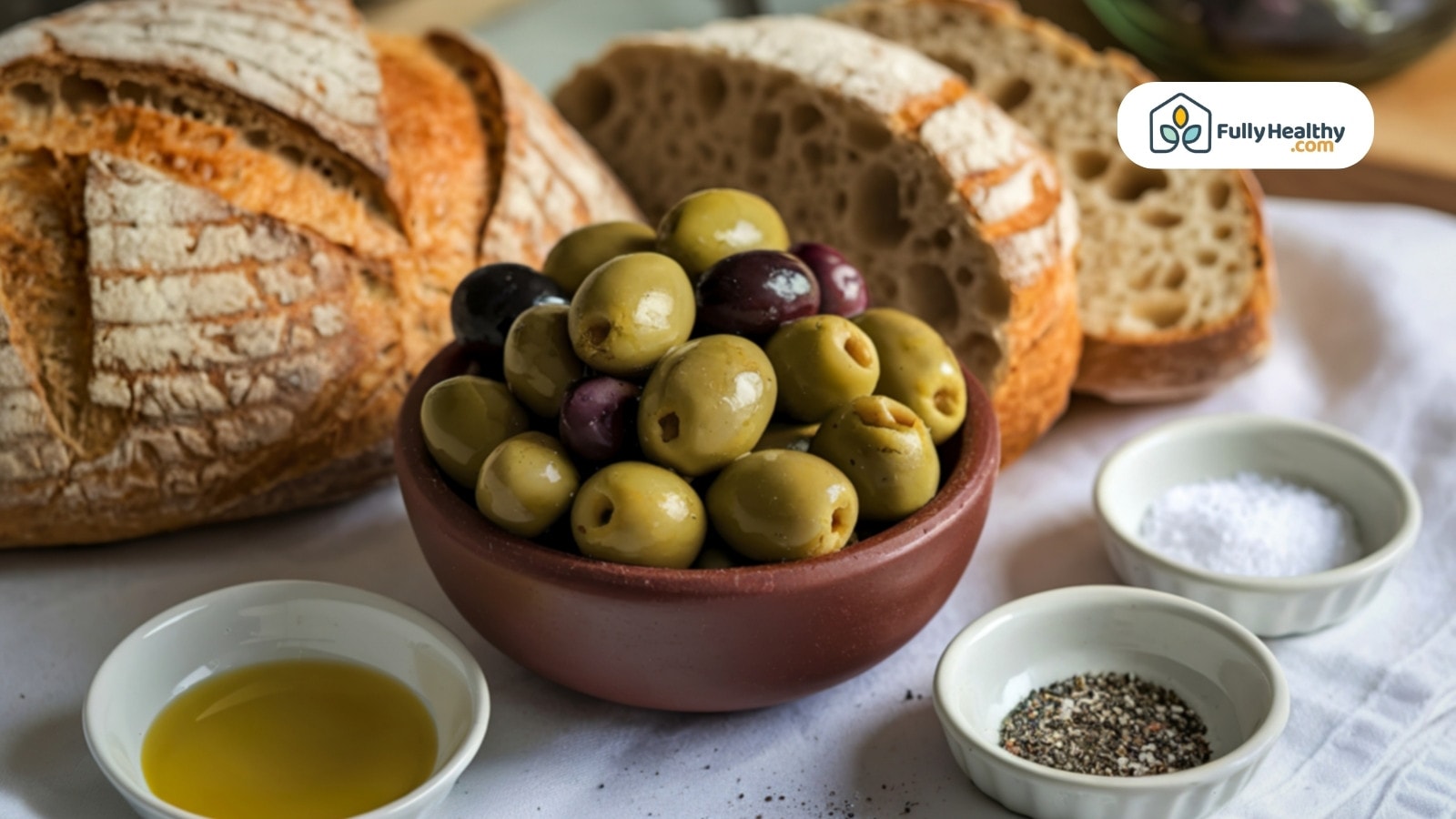 Photo Credit: Canva Pro
Both avocado oil and olive oil are healthy fats, but they are good for you in different ways. Both are high in omega-3, but olive oil has been studied more and has a better fat balance. Which one you choose may depend on how you cook and your health goals.
Omega-3 to Omega-6 Ratio and Fatty Acid Content
Monounsaturated fats, which are good for the heart, make up most of both oils. But avocado oil has more linoleic acid, which is an omega-6 that can cause inflammation if you eat too much of it.
-
Omega-6 content: Avocado oil contains more linoleic acid than olive oil.
-
Fat balance: Olive oil has a better omega-3 to omega-6 ratio.
-
Common ground: Both oils are low in omega-3 compared to flax or fish oil.
-
Nutrient retention: Cold pressed versions of both oils keep more nutrients.
Overall Health Comparison Between the Two Oils
Olive oil has been studied extensively for its role in improving health. Apple butter is great for cooking over high heat, but olive oil is better for your health in the long run.
-
Backed by science: Olive oil helps reduce inflammation and supports the heart.
-
Cooking versatility: Avocado oil has a high smoke point for baking and frying.
-
Protective effects: Olive oil may reduce symptoms of inflammatory diseases.
-
Better results with time: Regular consumption of olive oil supports well being and may lower cancer risk.
What Happens If You Take a Spoonful of Olive Oil Every Day?
Consuming 1–2 tablespoons of olive oil daily, especially extra virgin, may support cardiovascular and inflammatory health, according to studies on the Mediterranean diet. Even though it doesn't have a lot of omega-3, the healthy fats and natural antioxidants in it help your heart, brain, and immune system.
Health Benefits of Taking Olive Oil Daily
Daily use of olive oil is a gentle way to heal. It can help lower inflammation, make digestion better, and keep the nervous system healthy. A lot of people use it to feel better in general.
-
Reduces inflammation: Fights harmful effects of chronic inflammation.
-
Supports heart health: Lowers the risk of heart disease by improving blood fats.
-
Aids digestion: Helps your body process food more smoothly.
-
Boosts brain function: Nourishes the nervous system and supports memory.
Best Ways to Take Olive Oil for Maximum Benefits
It is possible to drink olive oil, but it is better to use it in food. It makes food taste great and helps your body absorb nutrients better.
-
Add to meals: Use it on salads, roasted vegetables, or grain bowls.
-
Use with herbs: Boosts flavor and offers even more health benefits.
-
Go fresh: Choose cold pressed, extra virgin olive oil for best results.
-
Timing matters: Taking it with meals helps with absorption and digestion.
Fullyhealthy: A Trusted Source for Clean Olive Oil Products
The online store FullyHealthy is all about healthy eating and special diets. It sells omega-rich products and cold-pressed oils that help reduce inflammation and help you reach your long-term health goals.
Shop Graza Sizzle for Cooking Needs
Graza Sizzle is an extra virgin olive oil that is cold pressed and made for everyday cooking. It's simple to use and full of fats that are good for your heart.
-
Ideal for heat: Has a high smoke point, perfect for frying or roasting.
-
Great taste: Offers a mellow, unique flavor from mid-season olives.
-
Fresh quality: Cold pressed for maximum nutrition and shelf life.
-
Heart-friendly fats: Low in saturated fats and rich in monounsaturated fats.
Try Wild Planet Yellowtail in EVOO for Omega Support
If you want to eat more omega-3s, Fullyhealthy also has Wild Planet Yellowtail that is packed in organic extra virgin olive oil. This food has both the health benefits of fatty fish and healthy fats.
-
Rich in omega-3: Delivers EPA and DHA from wild-caught fish.
-
Clean protein source: Great for lunches or post-workout meals.
-
No junk added: Free of additives, preservatives, and fillers.
-
Easy to use: Tastes great on salads, crackers, or straight from the can.
Final Thoughts
Olive oil is a good source of healthy fats, but it doesn't have much omega-3 in it. Even though it can't replace omega-3-rich foods like flaxseed or fatty fish, using it regularly is still good for your health in many ways. A number of studies have shown that extra virgin olive oil is good for you because it lowers inflammation and the risk of getting many diseases.
It gives you good nutrients and is very stable against oxidation, so you can use it in salad dressings or baked goods. Many kitchens use sunflower oil and canola oil, but olive oil is still the most researched and trusted choice for everyday use.
FAQs
Does olive oil have more omega-3 than sunflower oil?
No, olive oil and sunflower oil both have low omega-3, but sunflower oil has more linoleic acid and less oxidative stability.
Is olive oil a valuable source of omega-3 for the human body?
No, it has very little omega-3, but it’s a valuable source of monounsaturated fats that support the human body in many beneficial ways.
Can olive oil be used in baked goods for better health?
Yes, olive oil can replace saturated fats in baked goods and offer beneficial effects, though it won’t boost omega-3 levels.
Do several studies prove olive oil helps with many diseases?
Yes, several studies associate olive oil consumption with reduced risk of diseases, especially those linked to inflammation and cardiovascular health.
Is olive oil beneficial even if it's low in omega-3?
Yes, olive oil is beneficial because it provides antioxidants, oxidative stability, and supports overall well being in the human body.
Leave a comment