

Does Pepper Expire? How to Tell and What to Do About It
 Photo Credit: Canva Pro
Does pepper expire? Not really, but it might not taste as good after a while. It's important to store peppercorns and ground peppercorns in the right way.
Old pepper doesn't go bad like fresh food does, but it can taste bland or musty. This article tells you how long pepper lasts, how to tell if it's bad, and when to throw it away. So let's get the facts straight and make sure your food tastes great.
Featured Spice Pick
Simply Organic // Black Pepper - 4 oz
Loading...
Does Pepper Expire?
 Photo Credit: Canva Pro
Pepper typically does not spoil in the same way as fresh produce, but it can become contaminated by mold or microbes if exposed to moisture, poor hygiene, or improper handling. If you season your food and it still tastes bland, the pepper may be too old. That's why you should check how long you've had it and how it was kept.
Shelf Life of Ground Pepper vs. Whole Peppercorns
Whole peppercorns lose their strength more slowly than ground pepper. That's because it's getting more air, which speeds up the loss of flavor and oils.
-
Ground pepper shelf life: Lasts about 1 to 2 years if stored in a cool, dry place.
-
Whole peppercorn shelf life: Can stay fresh for up to 3 to 4 years in a sealed container.
-
Expiration date: Check the label for guidance, but flavor often fades before the date if not stored well.
-
Tip for old pepper: If your food tastes bland, try adding a bit more or replace the pepper altogether.
What It Means for Pepper to ‘Expire’
Pepper doesn't go bad like meat or milk does. It loses its strength and punch instead. It mostly does this when it's close to air, heat, or light.
-
Loss of flavor: Ground black pepper, chili powder, or cinnamon may seem dull or flat.
-
No smell: If it doesn’t smell like anything, it won’t taste like much either.
-
Faded color: A sign the spice has aged and is past its best.
-
Quick fix: Toast the pepper on medium-low heat for a minute to bring back some aroma.
Can Black Pepper Get Moldy?
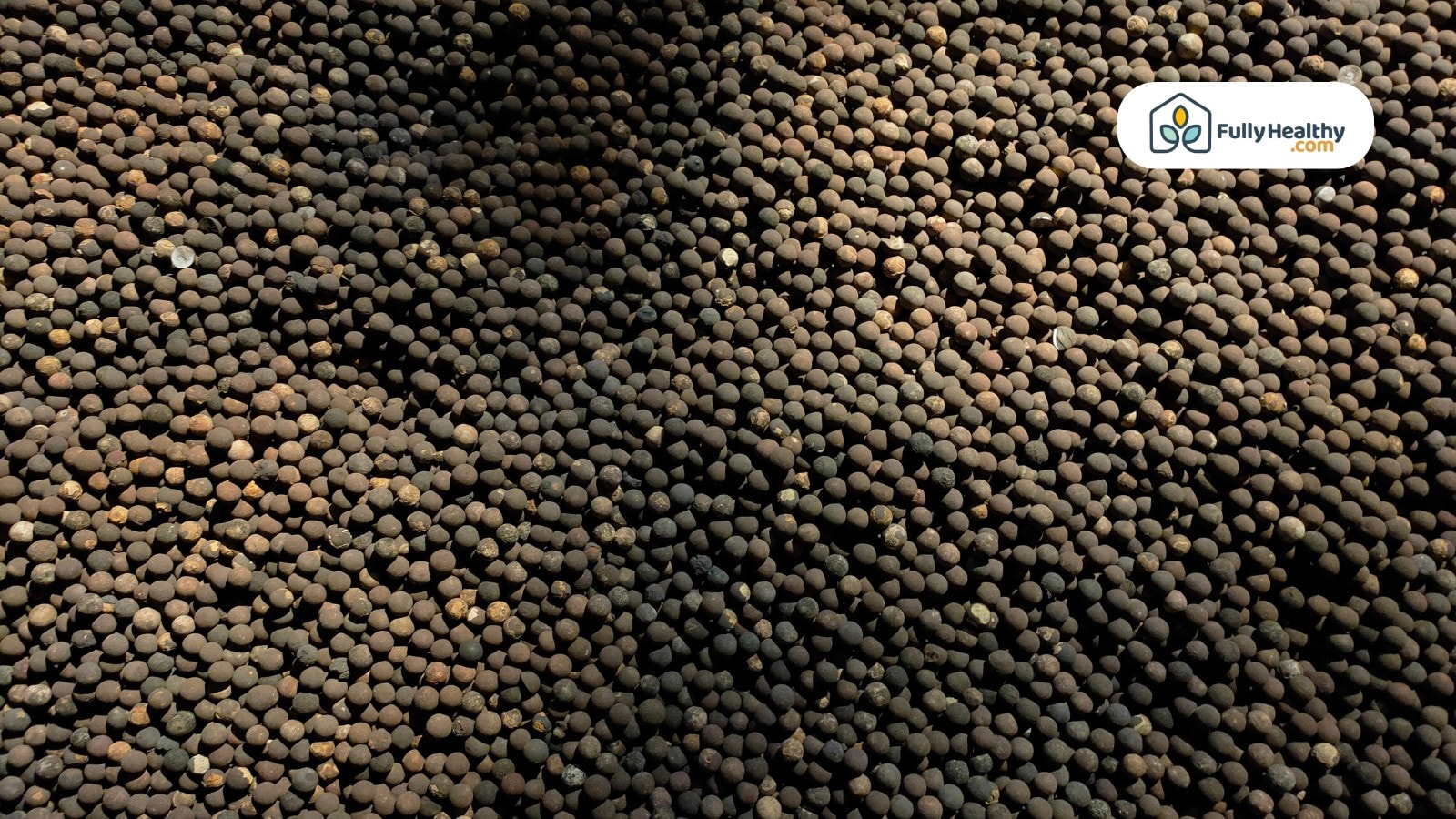 Photo Credit: Canva Pro
Yes, mold can grow on black pepper that is wet, hot, or exposed in direct sunlight. Mold often grows on pepper that is kept near the stove or in a jar that isn't sealed. Even though it's dry, you still need to take care of it so it stays safe and tastes great.
How Mold Forms in Pepper and What It Looks Like
Mold can grow on pepper, even in the jar, if it gets wet or warm. It's best to know what to look for because this can kill the whole batch.
-
Moldy appearance: Look for green, white, or fuzzy spots in the spice.
-
Musty smell: A sour or “off” smell is a strong sign to throw it out.
-
Wet or clumpy texture: Moisture causes pepper to clump and spoil.
-
Bad storage spot: A spice rack near the stove or in sunlight increases mold risk.
What To Do If Your Pepper Seems Off
Don't risk it if you think the pepper has gone bad. The mold can't be scraped off, and using it could go bad your food.
-
Toss the whole jar: If there's mold or it smells weird, throw it away.
-
Avoid steam exposure: Don’t shake pepper over hot food; use a dry spoon instead.
-
Store in a dry place: Choose a spice drawer or dark cabinet away from heat and moisture.
-
Use airtight containers: Sealed jars help keep spices fresh and safe longer.
Can You Eat 20-Year-Old Spices?
 Photo Credit: Canva Pro
It's possible, technically. Although old pepper and other dried herbs won't make you sick, they probably won't add much flavor either. For peppers that are more than 10 or 20 years old, check how they smell and how strong they are before you use them.
Is Old Pepper Dangerous or Just Tasteless?
Most dried seasonings won't hurt you if they're very old, but they won't season food like they used to.
-
Safe but weak: Old pepper isn’t harmful if it was stored dry and sealed.
-
No taste: It won’t ruin your food, but it won’t make it better either.
-
Wasted ingredient: Adding it might do nothing, even if you use more.
-
Smell test: If it doesn’t smell like pepper, it’s not going to taste like it.
Best-By Dates vs. Actual Shelf Life
It's not necessary to throw away pepper just because the expiration date has passed. However, you must store it correctly for it to last.
-
Best-by date: Just a guide for flavor, not food safety.
-
Right storage spot: Use a spice drawer or dark cabinet, away from heat and sunlight.
-
Avoid moisture: Keep it dry at all times to prevent clumping or mold.
-
Use tight jars: Good containers help pepper stay fresh longer.
How Do You Know If Pepper Has Gone Bad?
 Photo Credit: Canva Pro
Pepper doesn't go bad like fresh food does, but it does lose some of its usefulness over time. It might be time to get a new spice if your old one doesn't smell or taste the same. You can get more use out of your seasonings if you know how to tell when they have lost their freshness.
Signs of Spoiled Pepper: What to Look For
Spices that are too old may still look fine, but they don't taste or smell as good. Pepper doesn't have to have mold on it before you know it's past its prime.
-
No scent: If it doesn’t smell sharp or fragrant anymore, it’s lost its strength.
-
Faded color: Dull-looking cayenne, turmeric, or black pepper means it’s no longer fresh.
-
Clumping in the bag: Moisture or humidity causes pepper to stick together.
-
Weak flavor in meals: If you have to sprinkle more than usual, the spice has likely aged.
Storage Tips to Keep Pepper Fresh
If you store pepper and other spices like ginger, basil, or rosemary the right way, they will last for a long time. The key to keeping the flavor in is to store properly away from heat and water.
-
Keep away from humidity: Avoid placing spices near the fridge or over the stove.
-
Use airtight jars: Sealed containers prevent moisture and air from getting in.
-
Store in a cool pantry: A dark cabinet or dry drawer keeps your spice stock safe.
-
Toast lightly to refresh: Warm pepper in a dry skillet to bring back some aroma.
What FullyHealthy Offers for Pepper Lovers
You can trust FullyHealthy to sell clean, diet-friendly foods made with real spices. People who care about what's in their food and want healthy, flavorful ingredients will love what they have to offer.
Simply Organic Black Pepper: Pure and Reliable
You should the Simply Organic Black Pepper instead of your old pepper jar if you're still using one. It's fresh, organic, and doesn't have any of the chemicals that are often found in store-bought spices.
-
Chemical-free: No irradiation or ethylene oxide used.
-
One simple ingredient: Just organic black pepper—nothing else added.
-
Good for special diets: Approved for AIP, Paleo, and Whole30 plans.
-
Great for cooking: Adds strong flavor to any recipe with just one sprinkle.
Meals with Real Spice: Flavor That Works
FullyHealthy also has ready-to-eat foods with real spices and not fake additives. These are great for people who want tasty, quick, and healthy meals.
-
Quality ingredients: Wild Zora’s quinoa meal includes bell peppers, cayenne, and cumin.
-
Properly sealed: Stored to keep freshness and flavor intact.
-
Quick and simple: Just grab from the shelf, no prep needed.
Final Thoughts
You're not the only one who has ever looked at their spice rack and wondered if those spices were still useful. Pepper doesn't go bad like fresh food does, but it does lose its strength over time. None of the seasonings, not even nutmeg, cayenne, or salt, last as long if they are not stored the right way.
If you store your spices the right way, they will last longer and make your food taste better. When you're cooking, using strong, fresh spices can make or break a recipe. Check your jars, smell your spices, and get rid of anything that doesn't look good. You'll be glad you did it.
FAQs
Does ground pepper lose potency if stored near salt or nutmeg?
Yes, storing seasonings like salt, nutmeg, and pepper together in humid areas can affect their potency.
I wonder if a bunch of old pepper is still safe to use?
Yes, it’s safe, but the flavor won’t be as potent, and it’s not what the spice was intended to deliver.
Can pepper lose its flavor in the world of fresh produce?
Surely, but unlike fresh produce, pepper loses potency, not safety.
Is it okay to use an old jar of pepper in a recipe with salt?
Yes, but don’t expect strong flavor unless the pepper is still potent.
What’s the best way to make sure my spices stay potent?
Store them in airtight jars, away from light, heat, and moisture—exactly as intended.
Leave a comment