

Does Salt Expire? What Every Home Cook Should Know
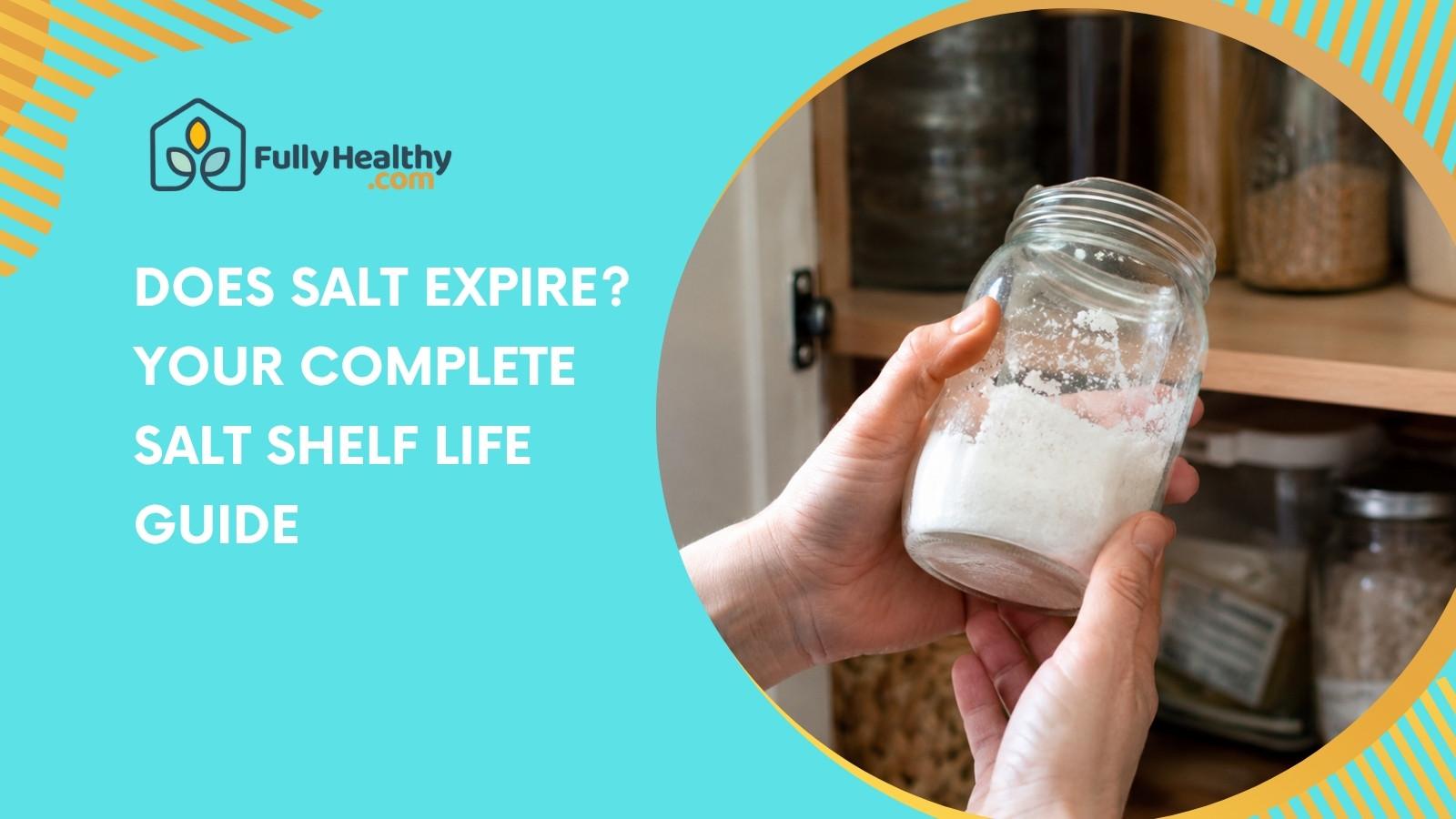
Does salt expire? Pure salt does not spoil and can stay safe for years when kept dry and clean. Still, iodized, flavored, and seasoned salts may lose taste, color, or strength over time. Moisture can also cause clumps, odors, or contamination.
This guide explains how long salt lasts, whether old salt is safe to use, how to spot problems, and smart ways to reuse it. You will also learn how proper storage helps protect quality and flavor in your pantry.
Does Salt Expire?
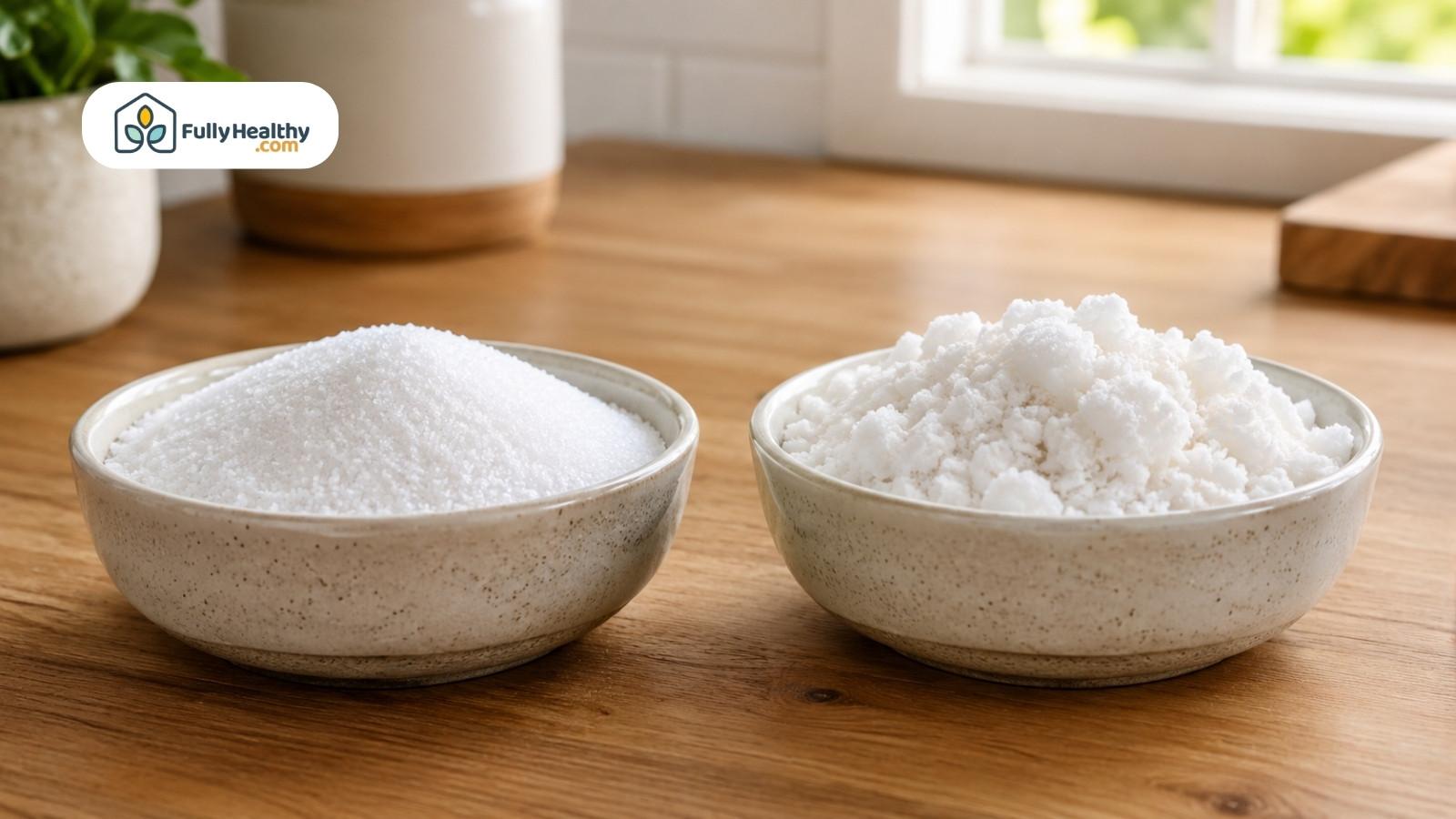
Salt is one of the longest-lasting items in the pantry, but its shelf life depends on the type. Dry, uncontaminated sodium chloride is highly resistant to microbial growth because of its very low water activity; however, some halophilic microorganisms can survive in salt, especially when moisture is present. Even pure salt can stay usable for many years when stored correctly.
However, iodized salt, flavored salts, and flavor infused salts may lose quality over time because their added ingredients slowly break down. Unlike fresh foods, salt has a very long shelf life and does not need to be treated like other pantry items.
Does Salt Expire, or Does It Simply Lose Quality?
Pure salt does not become unsafe just because it is old. These products remain predominantly sodium chloride, but sea salt and Himalayan pink salt also contain variable trace minerals, while table salt may contain iodine compounds and anti-caking agents. Most changes affect flavor, texture, and added nutrients rather than food safety.
-
Pure Salt: It does not support microbial growth because it contains very little moisture.
-
Iodized Salt: It may slowly lose iodine over time, but the salt itself can still remain safe.
-
Flavored Salts: They may develop less flavor as dried herbs, spices, and other added ingredients age.
-
Food Safety: A printed expiration date or pack date often shows peak quality, not spoilage.
Which Types of Salt Have the Longest Shelf Life?
Different salts have different storage needs. Many table salts contain anti caking agents or anti caking ingredients that help maintain salt's consistency. Seasoned products may lose quality sooner because herbs and spices naturally fade over time.
-
Table Salt: It usually keeps its best flavor for years when stored in a dry place.
-
Sea Salt and Kosher Salt: They stay stable for a long time because they remain sodium chloride.
-
Flavor Infused Salts: They may lose quality faster because added herbs and seasonings can weaken.
-
Cooking Uses: Plain salt can still work well in baked goods and recipes used to preserve food because its mineral structure stays stable.
Can I Use 10-Year-Old Salt?
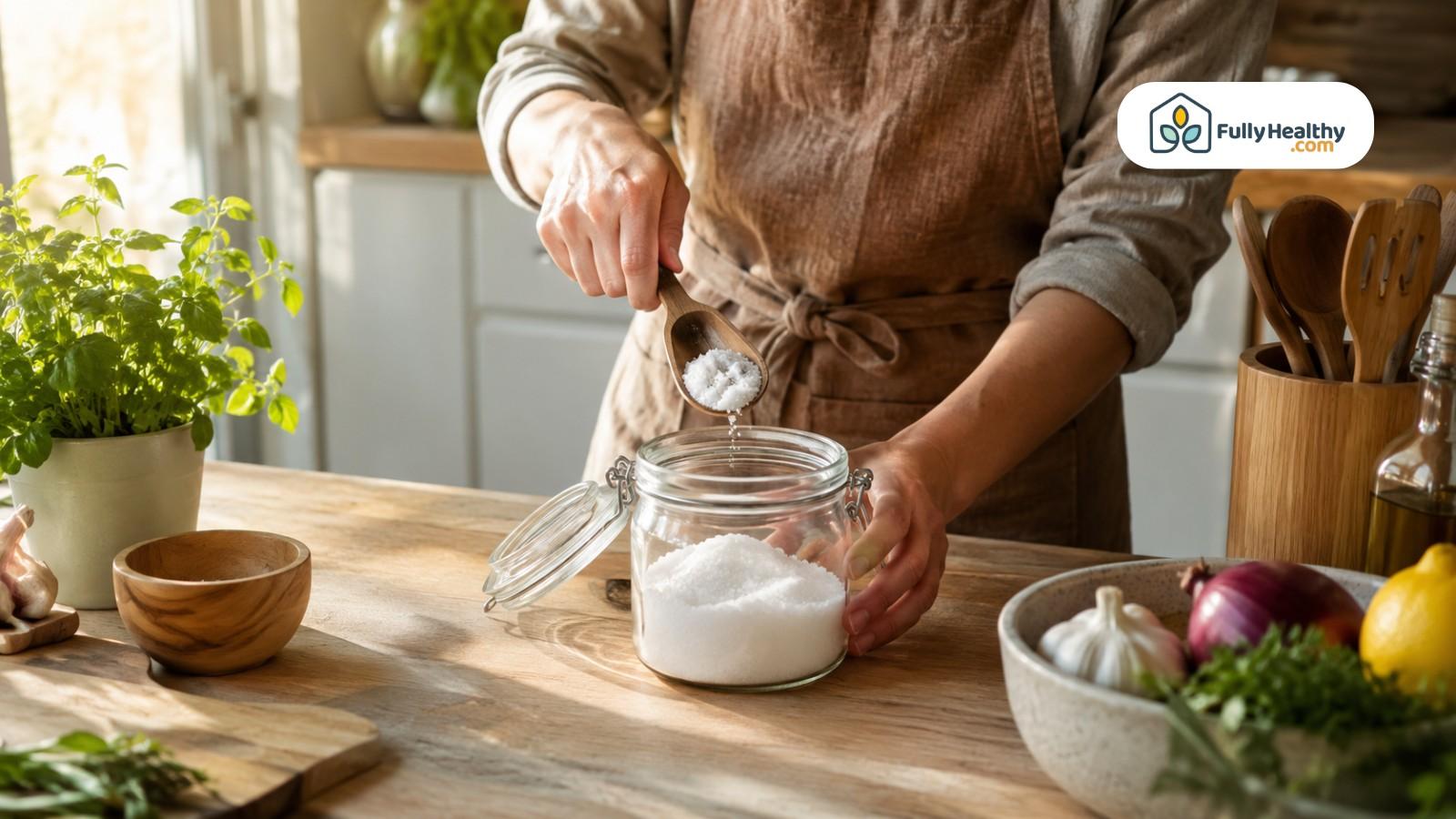
A container that has been in your pantry for ten years may still be safe to use. Salt is very different from fresh foods, so age alone does not tell you whether it has gone bad. Instead, check how it was stored and look for signs of moisture or contamination before using it.
Is 10-Year-Old Salt Still Safe to Eat?
If your salt has stayed dry, clean, and sealed, it is generally safe to use after many years. Food microbiology shows that salt does not easily support microbial growth, which makes it one of the most stable ingredients in the kitchen.
-
Even Pure Salt: It can remain usable for decades when stored in good conditions.
-
Excess Moisture: It is a bigger concern than age because it can cause clumping or contamination.
-
Official Expiration Date: It usually relates to quality rather than safety.
-
Morton Salt: The brand recommends keeping salt in a cool, dry place to protect its shelf life.
Does Old Iodized or Seasoned Salt Still Work Well?
Older specialty salts may still be safe, but they may not provide full strength seasoning. As added ingredients age, they can lose quality and create an altered flavor instead of the fresh taste you expect.
-
Iodized Salt: It may contain less iodine after long storage.
-
Dried Herbs: They can slowly lose their aroma and create less flavor.
-
Sweet Flavors: Bitter and sweet flavors in seasoning blends may become weaker over time.
-
Fresh Shelf Life: Fresh shelf life dr and other salt related discussions usually focus on quality, taste, and strength rather than safety.
How Do You Know If Salt Has Gone Bad?
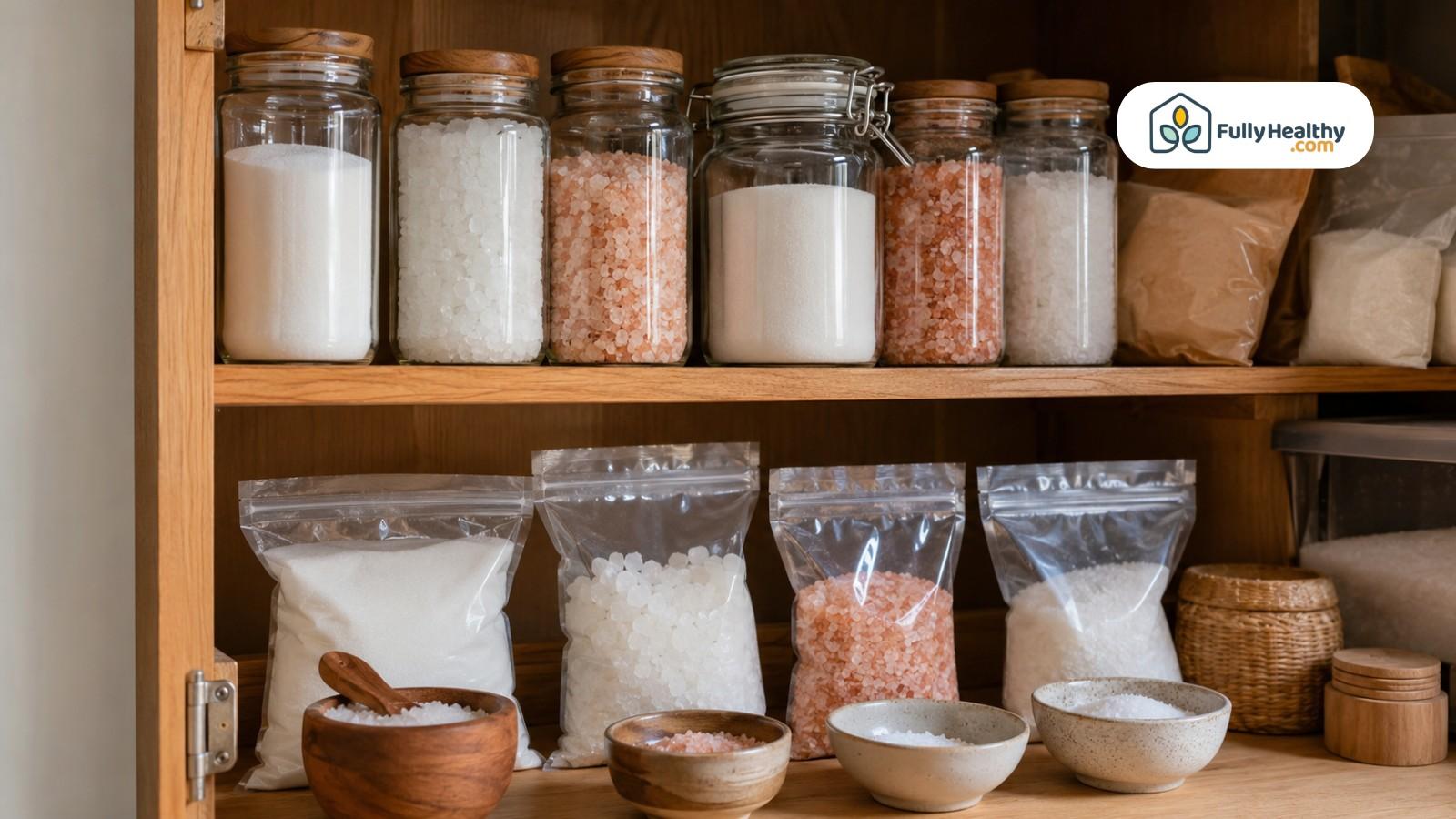
Salt rarely spoils, but it can become contaminated. Instead of relying only on the date, check its smell, appearance, texture, and storage conditions. These simple checks can help you decide whether the salt is still suitable for cooking.
What Signs Show That Salt Should Be Replaced?
Moisture and contamination are the main reasons to throw salt away. Clumping alone does not always mean the salt is bad, but other changes may show that it should no longer be used.
-
Rancid Smell: This usually comes from added spices, oils, or flavorings rather than the salt itself.
-
Mold Growth: Any visible mold means the product has been contaminated and should be discarded.
-
Pull Excess Moisture: Damp salt can harden, lose its normal texture, and become difficult to use.
-
Watery Vegetables: Do not use contaminated salt on vegetables or other foods, especially if moisture has changed the product.
How Should You Store Salt to Keep It Fresh Longer?
Proper storage protects both quality and flavor. Keep salt away from steam, humidity, and direct heat to reduce clumping and maintain its normal texture and seasoning strength.
-
Airtight Container: It helps block excess moisture and keeps the salt clean.
-
Store Salt: Keep it in a cool, dry cupboard instead of near the stove or sink.
-
Best Flavor: Protecting seasonings from humidity helps preserve their taste for longer.
-
Test Kitchen Brand Manager Advice: Storage experts often recommend dry, sealed conditions to protect shelf life and prevent changes in texture or flavor.
What Can I Do With Old Salt?
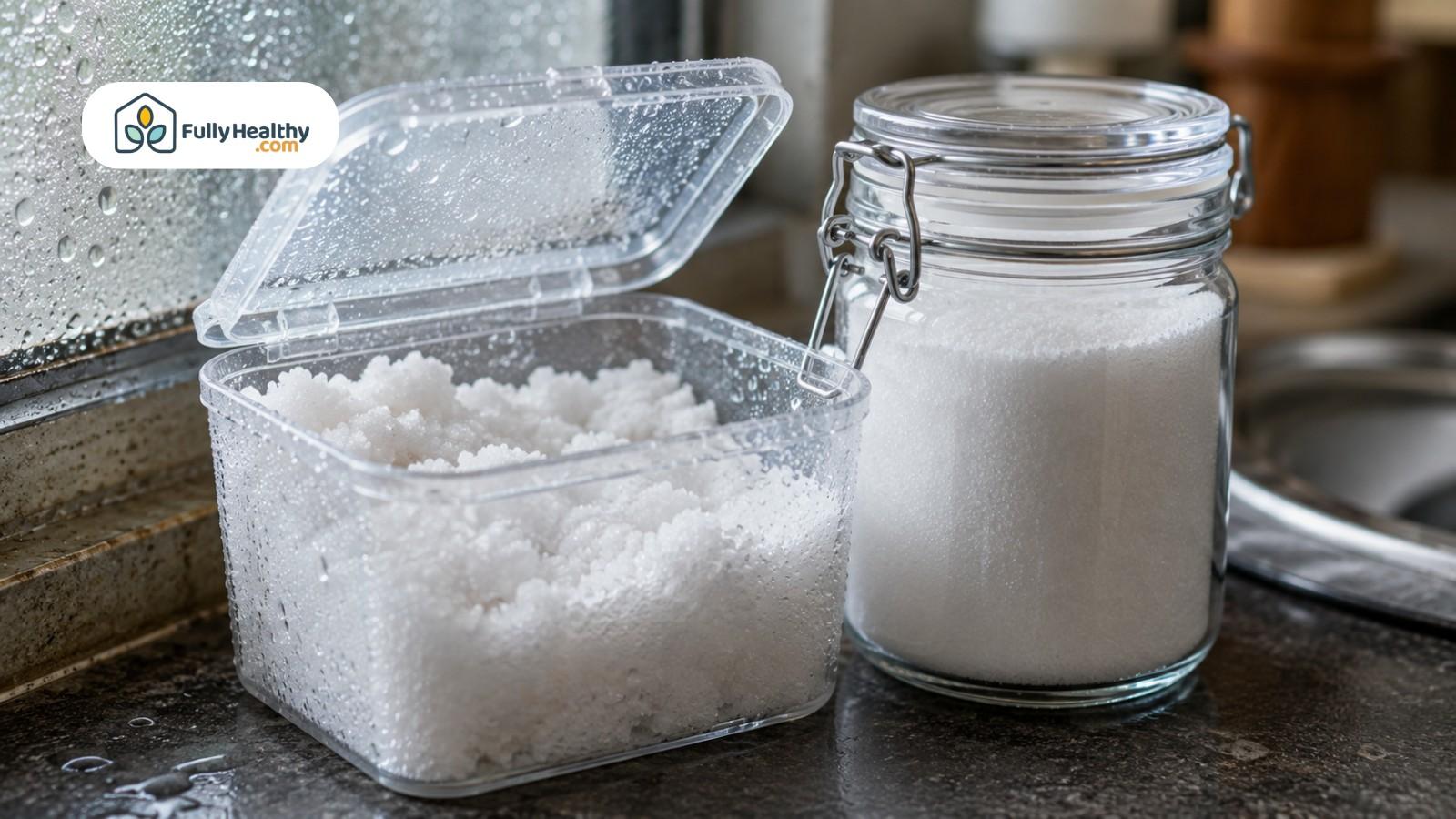
Old salt does not always belong in the trash. If it is still clean but no longer gives you the best flavor, you can often use it for simple jobs around the house. Since pure salt does not technically expire, many people keep a salt stock for years. The key is to make sure it was not stored improperly or exposed to dirt, moisture, or strong odors before you reuse it.
What Household Cleaning Jobs Can Old Salt Handle?
Old salt can help with light cleaning because its rough texture works as a gentle scrub. It may also help lift stains or absorb fresh spills without the need for strong chemicals. Avoid using salt that smells strange or contains other ingredients that could stain or damage a surface.
-
Coffee Stains: Mix salt with ice and a small amount of water to help loosen stains inside coffee pots and mugs.
-
Metal Surfaces: Combine salt, flour, and vinegar to make a paste for polishing brass and copper.
-
Kitchen Cleanup: Sprinkle salt on fresh oven spills to help add structure, then wipe the area after it cools.
-
Wood Furniture: Use a mild salt-and-water paste on water rings, then clean and polish the surface gently.
Can Old Salt Be Reused Around the Garden or Home?
Salt has several traditional uses around the home, but it should be used with care. Large quantities can harm soil, plants, and certain bacteria that support a healthy garden. It is better to simply plan where you use it and avoid spreading it over large areas.
-
Rust Removal: Mix salt with lemon juice to help loosen light rust on tools and outdoor metal items.
-
Odor Control: Sprinkle salt inside canvas bags or shoes and leave it overnight to help absorb unwanted smells.
-
Garden Use: Sodium chloride can accumulate in soil, injure plants, disrupt soil microorganisms, and contribute to long-term salinization even when localized applications appear effective.
-
Safety Check: If the salt was stored improperly or has an unusual smell, throw it away instead of reusing it.
How Can FullyHealthy Help You Find Specialty Salt Products?
Finding specialty salt products is easier when you shop at a store that focuses on special dietary needs. FullyHealthy offers options for people following AIP and other restricted eating plans. Whether you need plain salt or a seasoned blend, you can compare products in one place instead of searching through several stores.
Which Salt Products Can You Buy From FullyHealthy?
FullyHealthy carries both plain and seasoned salt options for shoppers who want simple ingredients or products suited to specialty diets. These items can work as an everyday spice cabinet staple, and the different sizes make it easier to choose based on how often you cook.
-
Redmond Real Salt Ancient Fine Sea Salt, 26 oz: A larger single-ingredient option for households that use salt often or prefer to buy in bulk.
-
KC Natural Seasoned Sea Salt, 3.2 oz: A seasoned blend made with sea salt, smoked salt, turmeric, onion, garlic, cinnamon, and ginger.
-
Redmond Real Salt Ancient Fine Sea Salt, 10 oz: A smaller single-ingredient option for light use or first-time buyers.
-
Storage Tip: Keep each product in a dark place, such as a kitchen cabinet, and mark the purchase date with a permanent marker so you can track how long it has been stored.
Why Choose KC Natural Seasoned Sea Salt for Specialty Diets?
KC Natural Seasoned Sea Salt is a useful choice for people who want more flavor while following certain dietary limits. Because it contains spices and other ingredients, its taste may fade over time or dissipate, creating an altered flavor. Brekke suggests checking older seasoned salts if you do not plan to use them in the near future.
-
Ingredient Blend: It contains sea salt, pink Himalayan salt, Alderwood smoked sea salt, turmeric, onion, garlic, cinnamon, and ginger.
-
Diet-Friendly Option: FullyHealthy lists it as suitable for the AIP Elimination Stage, Paleo, Whole30, and other specialty diets.
-
Storage Advice: Keep the package sealed in a good location away from heat, steam, and humidity.
-
Quality Check: Seasoned salts may not offer overt clues when flavor fades, so taste a small amount before adding it to a full recipe.
Final Thoughts
Pure salt remains one of the most reliable pantry staples because it does not spoil like prime unlike fresh foods. While plain salt lasts for a very long time, ingredients added to iodized or seasoned products can reduce degradation resistance and eventually dissipate experience altered flavor.
If you have heard advice that all salt expires, remember that quality and safety are not always the same. Sarah Brekke and other food experts recommend replacing older seasoned salts once their flavor fades.
A salt shaker offers convenience for daily cooking, but proper storage matters even more. Treat salt as the ingredient MVP in your kitchen, label containers with a simply marker, and date learn when you opened them to enjoy the best results.
FAQs
Can seasoned salt lose flavor even if it is still safe?
Yes. Ingredients added to seasoned salt can dissipate experience altered flavor over time, so many experts recommend replacing older blends for better taste.
What is the best way to store salt?
Keep salt in a dry, sealed container away from heat and moisture. A shaker offers convenience, but a tightly closed container helps reduce degradation and keeps quality longer.
Should I write the opening date on my salt container?
Yes. Using a simply marker to date learn when you opened the container makes it easier to track older products, especially seasoned salts.
Why do some food experts suggest replacing seasoned salt?
Sarah Brekke and similar food experts recommend replacing seasoned salts after their flavor fades because the added spices lose strength long before the salt itself becomes unsafe.
Why is salt called an ingredient MVP in the kitchen?
Salt is often considered the ingredient MVP because it enhances flavor, helps preserve food, and, unlike prime unlike fresh foods, plain salt remains stable for many years when stored properly.
Leave a comment