

Does Sourdough Bread Have Gluten? Read This Before Eating
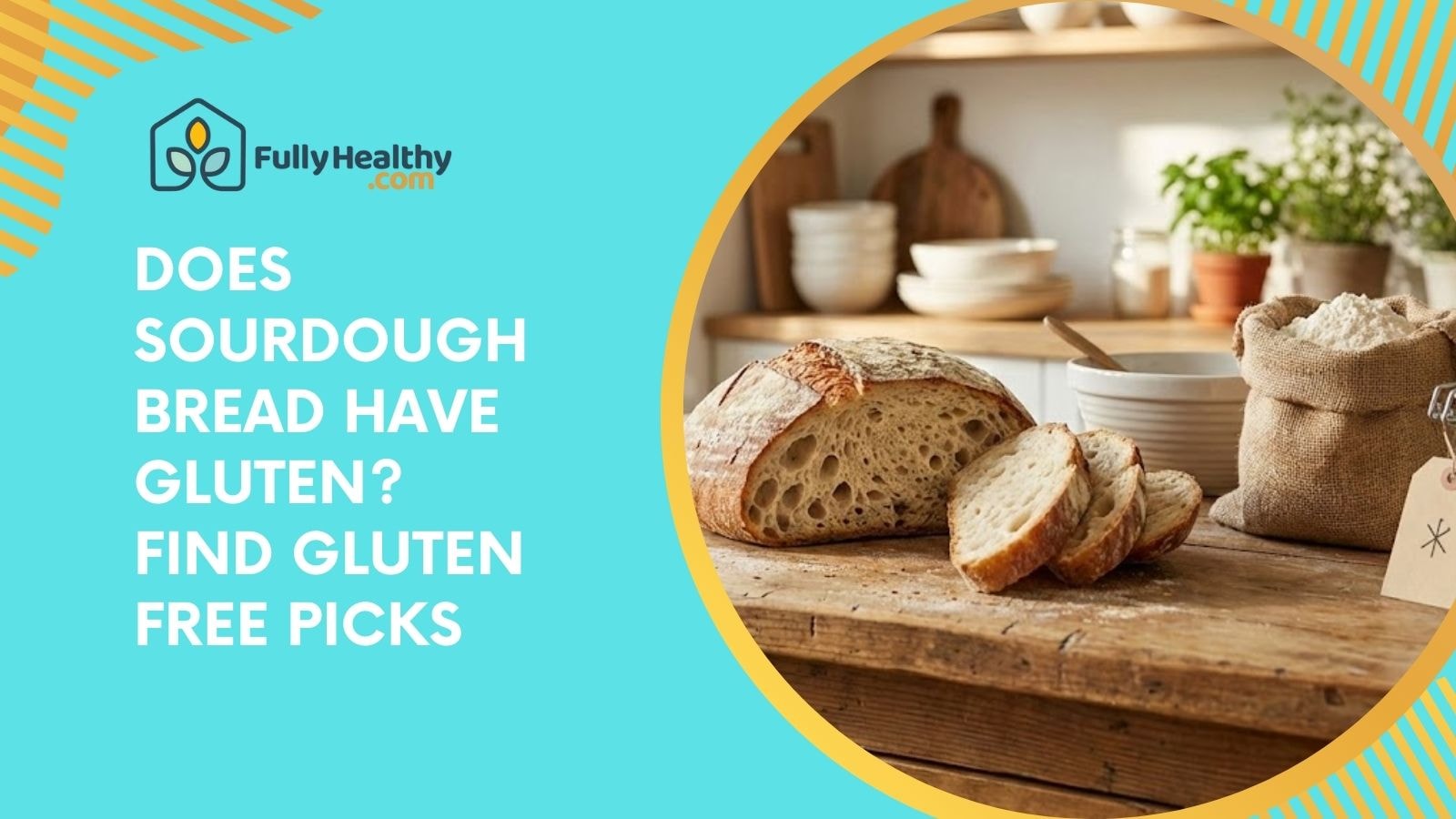
Sourdough bread is not gluten-free unless it is made with special ingredients. Fermentation lowers gluten levels, but it doesn't get rid of it all. People who have celiac disease or are gluten intolerant should not eat regular sourdough. While sourdough and rye may have lower gluten levels than standard wheat bread, they still contain enough gluten to trigger symptoms in people with gluten sensitivity.
Still, the safest choice is to get gluten-free foods that are certified. This article talks about gluten, health risks, safe choices, and trusted gluten-free sources for sourdough-style bread.
Featured Bakery Pick
Base Culture // Gluten Free Sourdough Bread - 16 oz
Loading...
Does Sourdough Bread Have Gluten?
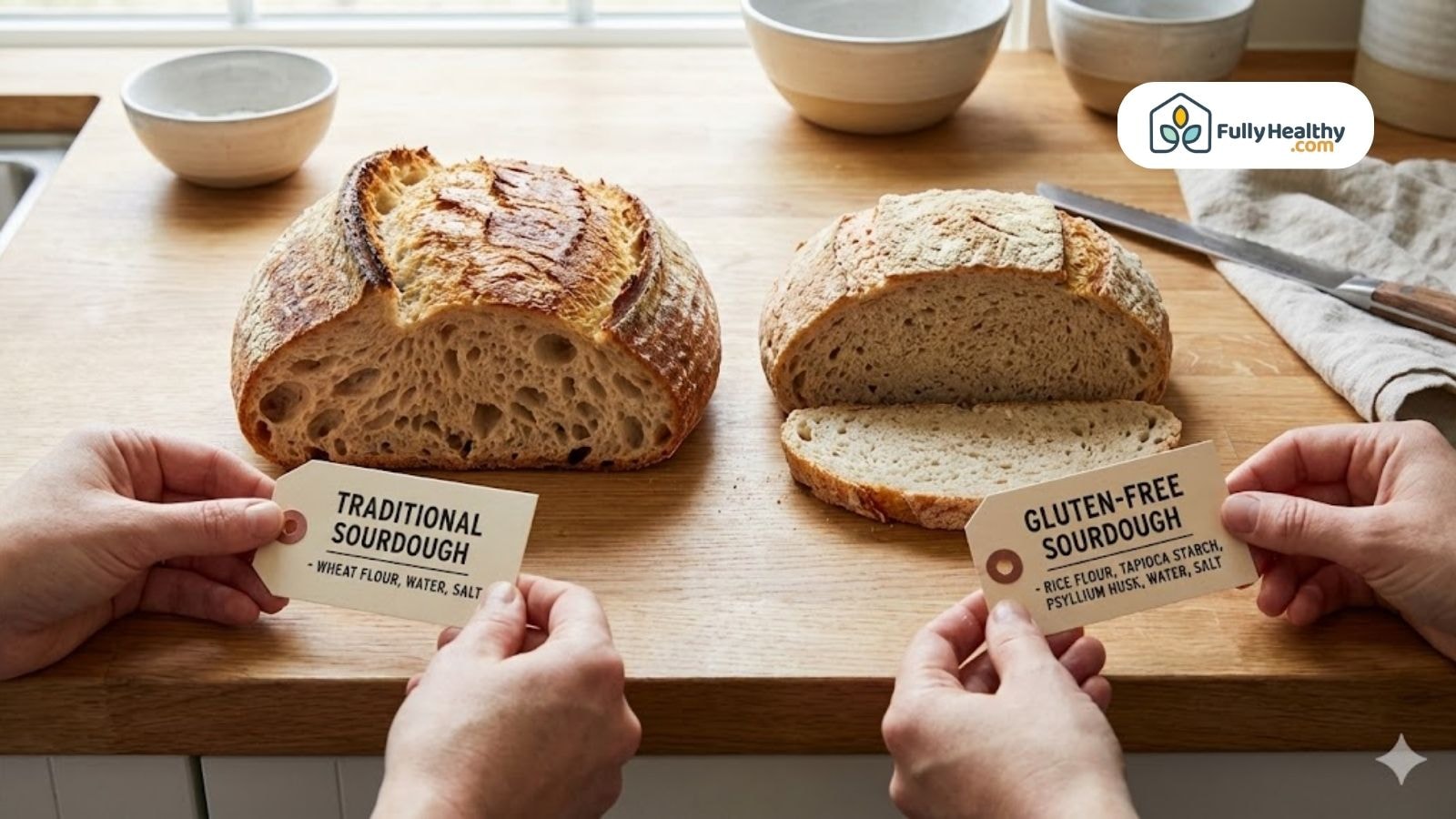
"Does sourdough bread have gluten?" is a question that many people have. Sourdough is easier to digest than regular bread, but that doesn't mean it's gluten-free. The fermentation process lowers gluten levels, but not enough to make it safe for people who are sensitive to gluten or have celiac disease.
What Happens to Gluten During Fermentation?
Wild yeast and natural bacteria break down gluten proteins during the sourdough fermentation process. This long fermentation makes the bread easier to digest and may lower the gluten content, but not completely.
-
Gluten is reduced, not removed: The fermentation process decreases gluten but doesn't make sourdough completely gluten free.
-
Lactic acid bacteria helps digestion: These bacteria break down phytic acid and gluten proteins, which makes sourdough easier to digest.
-
Wild yeast creates natural leavening: Wild yeast bread rises slowly, unlike commercial yeast.
-
Wheat-based sourdough breads still contain gluten: They aren't gluten-free foods, but they might have less gluten.
-
The typical loaf is not safe: Most sourdough bread made with wheat flour is not safe for people who don't eat gluten.
Is Sourdough Bread Safe for Gluten-Sensitive People?
If you have celiac disease or are gluten intolerant, you should not eat sourdough bread. Eating wheat sourdough bread can still be bad for you, even if you don't feel any symptoms right away.
-
Celiac and autoimmune disease risks: People who are sensitive can get sick from eating sourdough bread.
-
Gluten reduction is not enough: Bread made with gluten-free ingredients is the only kind that is safe.
-
Choose gluten free sourdough bread: Look for items that are made with the best gluten-free flour and a gluten-free sourdough starter.
-
Avoid wheat flour and processed foods: Stick to safe flours like sorghum, buckwheat, or brown rice.
-
Make your own sourdough: Making bread at home with gluten-free methods lets you do whatever you want.
Which Bread Has the Least Gluten?

If you want to stay away from gluten, you might be wondering what kind of bread is best. Sourdough and rye bread have less gluten than regular wheat bread, but that doesn't mean they're safe for everyone. Here's what the difference is between breads and what people who are sensitive to gluten should know.
How Do Sourdough, Rye, and Wheat Compare?
The amount of gluten in bread depends on the type of flour and the way it is made. The long fermentation process of traditional sourdough may make it have less gluten.
-
Sourdough has less gluten than white bread: Some controlled studies have demonstrated significant gluten reduction in sourdough under specific fermentation conditions, but such results are not consistent across commercially available loaves.
-
Rye flour has lower gluten: Rye bread has less gluten than wheat bread, but it's still not safe for people who can't eat gluten.
-
Wheat and barley breads are high in gluten: On a gluten-free diet, you should stay away from these kinds of bread.
-
Gluten is still present: Sourdough is not totally gluten-free, even if it has less gluten, unless it is made with special ingredients.
-
Bread flour matters: The more processed the flour is, the more likely it is to have a lot of gluten.
Which Breads Are Better Tolerated by Sensitive People?
Some people who are sensitive to gluten may be able to eat sourdough bread instead of regular bread, but only if certain things are true.
-
Sourdough may be easier to digest: It might cause fewer symptoms in people who are mildly gluten sensitive because of the fermentation process.
-
Not safe for celiacs:Even a little bit of gluten can cause problems.
-
Look for gluten free sourdough: These breads are made with safe flours and don't have wheat in them.
-
Use trusted brands or bake at home: When you bake gluten-free at home, you can choose the ingredients and how long the dough rises.
-
Shop smart: Gluten-free foods made with traditional methods and sourdough starters may be available at local farmers' markets.
Is Sourdough Bread Inflammatory?
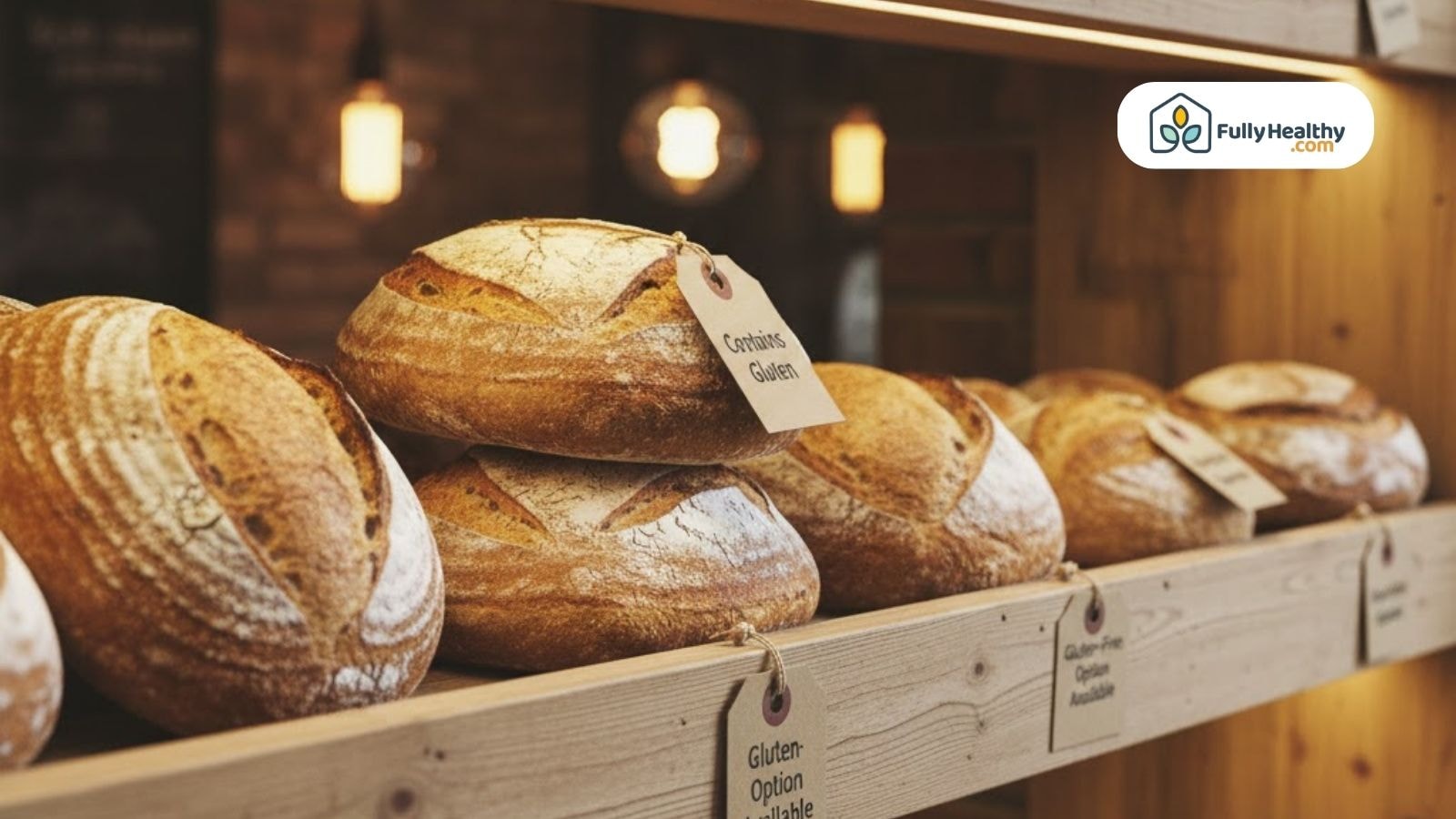
Sourdough bread is often said to be better than other breads because it is easier to digest and causes less inflammation. Its natural fermentation process may help people with insulin resistance or irritable bowel syndrome digest food better.
Can Sourdough Help With Inflammation?
Some preliminary research suggests that the fermentation process in sourdough may aid digestive comfort, though conclusive evidence for reducing systemic inflammation is limited.
-
Supports gut health: Some sourdough-fermented products contain lactic acid bacteria, which may support digestion, though not all strains are considered probiotic.
-
Helps with blood sugar control: Traditional whole grain sourdough may have a lower glycemic index than refined breads, but this can vary depending on ingredients.
-
Fermentation reduces bloat: Breaking down fermentable oligosaccharides can make your stomach feel better.
-
Lactic acid bacteria improves absorption: These bacteria lower phytic acid and make it easier for the body to absorb minerals.
Does Gluten in Sourdough Still Cause Problems?
Sourdough bread has gluten unless it is made gluten-free, even though it has a lot of good things. That means it's not safe for everyone.
-
Gluten sensitive people should be cautious: Even a little bit of gluten in regular sourdough can be a problem.
-
Not for those with autoimmune disease: Sourdough that is made with wheat flour is still dangerous.
-
Choose certified gluten free options: If you are very sensitive to gluten, gluten-free sourdough is the only safe choice.
-
Avoid commercial yeast breads: Individuals with gluten sensitivity may benefit from avoiding commercially produced wheat breads unless labeled gluten-free.”
Who Should Not Eat Sourdough Bread?
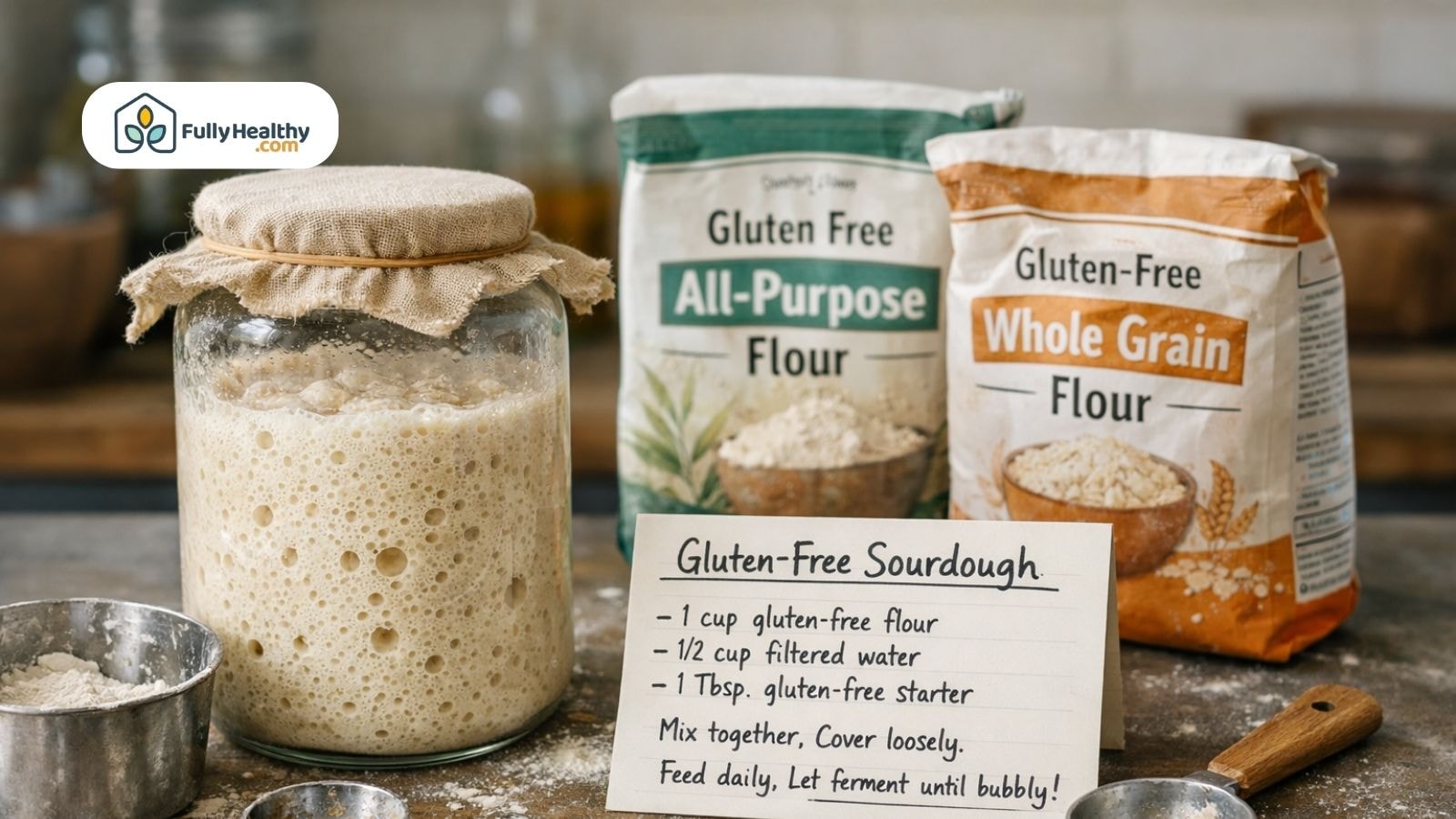
Sourdough bread is often thought of as a healthier choice, but it's not good for everyone. Traditional sourdough bread still has gluten in it, even though fermentation breaks down some of it, unless it is made with gluten-free ingredients.
This can be bad for people who have gluten sensitivity, non-celiac gluten sensitivity, or celiac disease. Let's look at who shouldn't eat sourdough and how to enjoy bread more safely.
Medical Conditions That Should Avoid Sourdough Bread
Some health problems make it necessary to stay away from gluten completely, even in small amounts. Sourdough bread might have less gluten than regular bread, but it's not safe to eat unless it's certified gluten-free.
-
Celiac disease and autoimmune disorders: Even trace amounts of gluten in regular sourdough can provoke an immune response in individuals with celiac disease.
-
Non celiac gluten sensitivity: People who have this condition may get bloating, headaches, or tiredness after eating gluten in sourdough bread.
-
Misleading “low-gluten” claims: No matter how long the dough ferments, bread made with wheat is still dangerous.
-
The surprising truth: Sourdough is not gluten-free unless it is made with certified gluten-free flour.
Safe Bread Options for Gluten-Sensitive People
If you want to avoid gluten but still want the benefits of sourdough, there are better and safer options. You can buy things that are certified gluten-free or make your own bread with clean ingredients and a safe process.
-
Choose certified gluten free bread: Look for labels that clearly say “sourdough gluten free” or “gluten free sourdough.”
-
Bake your own bread at home: When making bread dough, use gluten-free flour and make sure that nothing else touches it.
-
Control ingredients: Making your own makes sure the ingredients and fermentation process are safe.
-
Avoid wheat and rye flours: Use things like sorghum, buckwheat, or brown rice flour.
What Does Fully Healthy Offer for Gluten-Free Diets?
Fully Healthy is a trusted online store for people who are gluten sensitive or follow a gluten-free diet. It sells clean, allergen-friendly products and tools and ingredients that help people bake their own bread safely. It doesn't sell gluten-free sourdough bread, but it has everything you need to bake gluten-free bread at home.
Gluten-Free Pantry Staples and Mixes
Fully Healthy makes it easy to find safe food by selling things that meet strict dietary needs. Their choice is perfect for people who don't eat gluten or processed foods.
-
Gluten free baking mixes: Includes cookie, brownie, and banana bread mixes that are easy to use and safe.
-
Natural sweeteners: Coconut sugar, maple sugar, and other options support cleaner eating.
-
AIP-friendly products: Great for people who have an autoimmune disease or are on an elimination diet.
Ingredients for Making Gluten-Free Sourdough at Home
The site is a great resource for home bakers, even though it doesn't sell gluten-free sourdough loaves.
-
Complete control over ingredients: Use their products to keep your flour and water ratios in check and avoid cross-contact.
-
Great for DIY baking: It is safe to make your own bread dough and control the ingredients and fermentation process.
-
Helpful for sensitive people: Choosing safe foods is easy with Fully Healthy.
Final Thoughts
Sourdough bread is popular because it tastes good and is good for you, but gluten-free sourdough bread is not the same as regular sourdough. Even though fermentation lowers gluten, regular sourdough is still not safe for everyone.
If you have celiac disease or are sensitive to gluten, you should only eat sourdough bread that is certified gluten-free. If you want to eat sourdough without worrying about gluten, use gluten-free ingredients or a gluten-free sourdough starter, or bake your own bread. Always read the labels and don't get regular sourdough and gluten-free sourdough bread mixed up.
FAQs
What breads are naturally gluten-free?
Gluten free sourdough bread made with gluten free flour and gluten free sourdough starter is naturally gluten free.
Why are many doctors against a gluten-free diet?
Some say gluten free diet removes sourdough bread gluten free benefits unless gluten sensitivity or non celiac gluten sensitivity is diagnosed.
What are the signs of gluten intolerance?
Signs include digestive discomfort, fatigue after eating sourdough bread gluten, or reacting to traditional sourdough bread.
What happens to your body when you stop eating gluten?
When you stop eating gluten, your body avoids adverse reactions from sourdough bread gluten and may tolerate sourdough bread gluten free better.
What triggers gluten intolerance?
Triggers include eating regular sourdough, non gluten free products, or sourdough with gluten instead of sourdough bread gluten free.
Leave a comment